


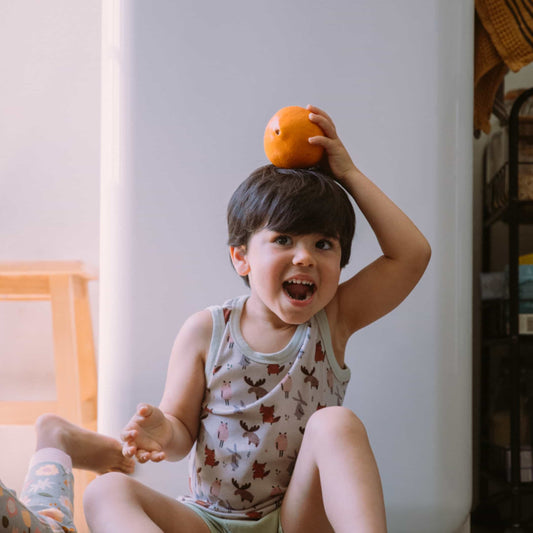
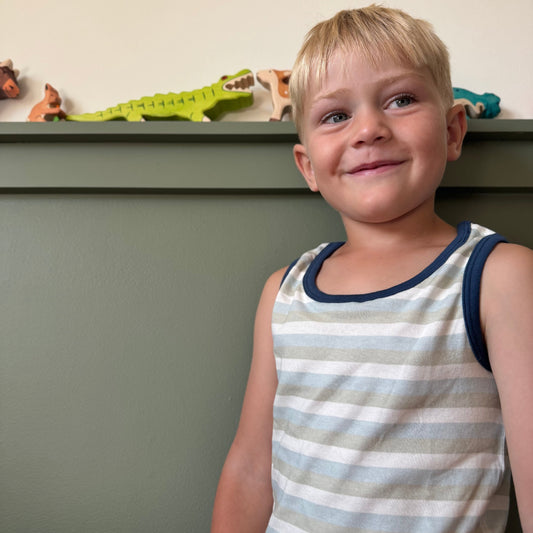
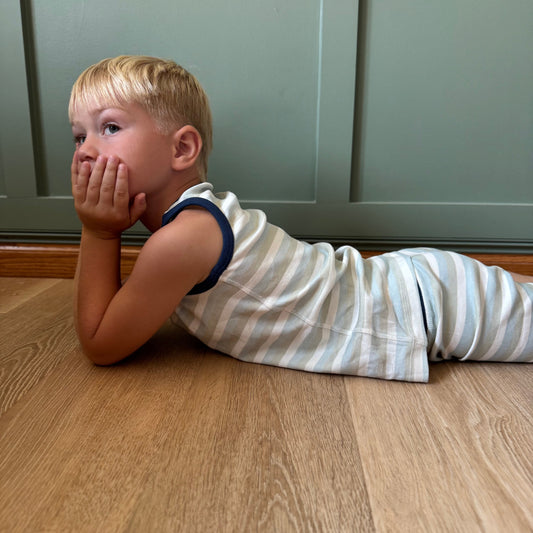
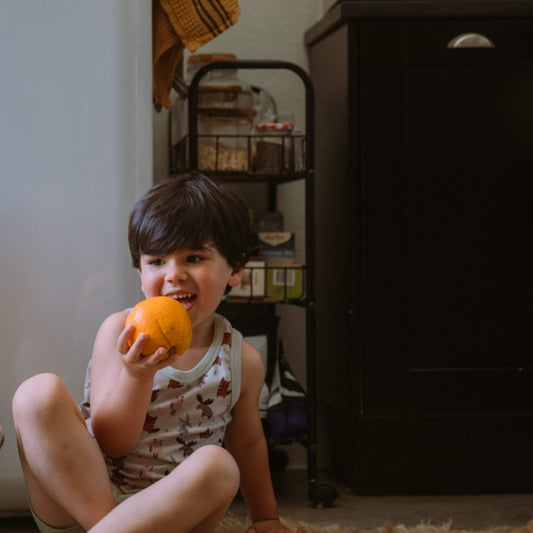

Understanding What Is Meant by Non-Toxic Kids Clothing
Children’s skin is biologically different from adult skin.
It is thinner, more permeable, and more reactive. When something sits against it for 10 to 14 hours a day, as underwear, sleepwear, and base layers do, the fiber and chemical processing behind that garment matter more than most parents realise.
When we refer to “non-toxic clothing,” we are not suggesting that conventional clothes cause immediate harm. We mean clothing produced with restricted chemical inputs and verified standards that limit harmful residues from farming, dyeing, and manufacturing. Certification exists to make those claims measurable, not aspirational.
At the same time, this is not a binary switch. You cannot optimise for every ethical value at once: women-owned, artisan-made, made locally, certified, natural fibre, plastic-free, all in a single purchase. Every family has to identify what their values are and prioritize them.
A few thoughtful upgrades in high-contact categories meaningfully reduce exposure. And the best place to begin is not by shopping, it is by auditing what you already own.
Standard textile processing may involve formaldehyde-based resins used for wrinkle resistance, azo dyes that can break down into aromatic amines, heavy metals in pigments, PFAS used for stain repellency, phthalates in printed graphics, and optical brighteners that create the illusion of brightness.
Not every garment contains all of these substances, but their presence in conventional production explains why third-party verification provides meaningful reassurance.
Start With an Audit of What You Own
Before buying anything new, start with what you already have.
Open your child’s drawers and look closely.
Which pieces pill quickly? Which trap heat? Which ones do they reach for again and again?
This simple audit often reveals that many families already own some natural-fiber pieces — and only need to upgrade a few high-contact items.

If the budget is tight, thrifting can be a smart option. Second-hand organic cotton is still organic cotton, and good linen often gets better with age.
Sustainability isn’t about buying more. It’s about buying thoughtfully.
Once you see what’s already there, define your priorities. For many families that means natural fibers first, certification second, and ethical production third.
Learn about natural fibers
Fabric choice is the foundation of safer clothing decisions. Before evaluating brand messaging or price, understanding composition will make every purchase more intentional. The material determines breathability, durability, and the likelihood of chemical residues remaining in the finished garment.

Organic cotton is widely considered one of the safest choices for children, but certification is what makes that claim meaningful. Without third-party verification, “organic cotton” is simply marketing language.
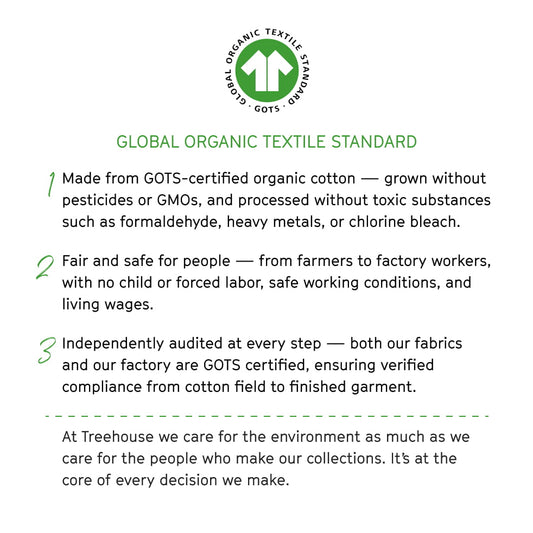
GOTS (Global Organic Textile Standard) certification verifies organic farming practices, restricts harmful chemical inputs during processing, requires wastewater treatment standards, and includes certain social criteria for production facilities. Importantly, it applies across the supply chain rather than solely to the raw fibre.
That verification transforms a label into something you can trust.
If you are looking for a straightforward place to begin, our collections are fully GOTS certified:


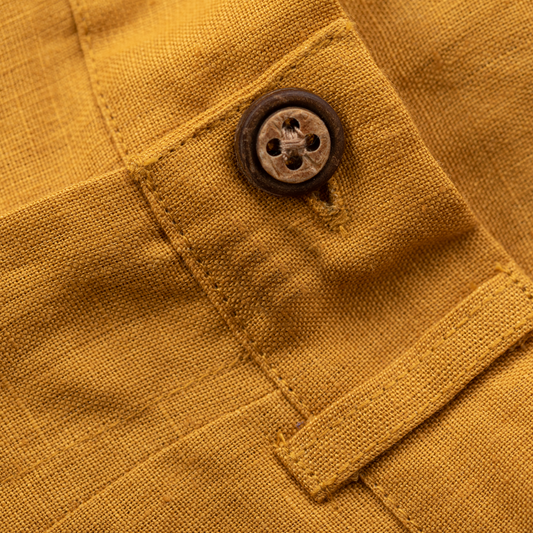
Linen is derived from the flax plant and is one of the lowest-input natural fibers available. It typically requires fewer pesticides and less water than conventional cotton. Structurally, it is highly breathable and moisture-wicking, making it particularly suitable for warm weather or children who tend to overheat.
Although often associated with adult fashion, linen performs exceptionally well in children’s basics and softens noticeably with each wash.


Merino wool is a finer, softer grade of wool that provides natural temperature regulation. Unlike traditional wool, which can feel itchy, merino fibers are thinner and more flexible, making them significantly more comfortable against the skin. Merino is particularly useful in socks and base layers because it regulates moisture while remaining breathable


Understand certifications
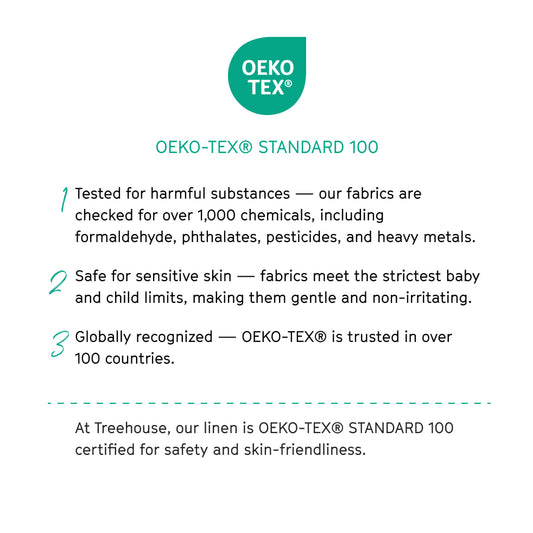
Each certification covers a different dimension of responsibility.
Understanding these distinctions prevents confusion when evaluating labels.

Verifies organic fiber content and restricts harmful chemical processing throughout the supply chain.

Tests finished garments for harmful substances and confirms that the final product meets strict residue limits.

Focuses on responsible chemical management and environmental impact during manufacturing.

Addresses labor standards and working conditions within production facilities.
Which Baby Clothes Should I Replace First?
After auditing and defining your priorities, begin upgrading by skin contact time.
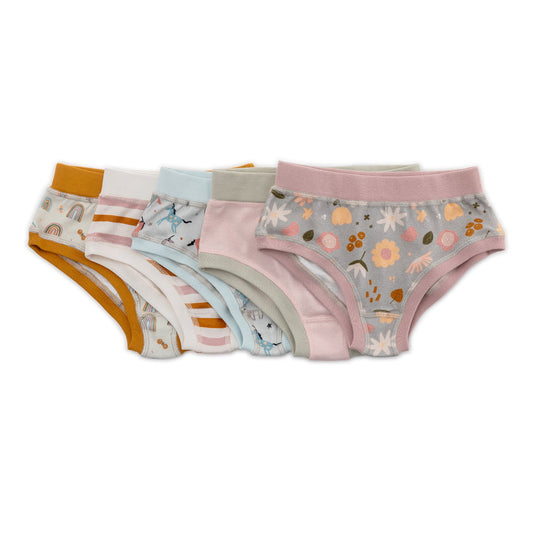
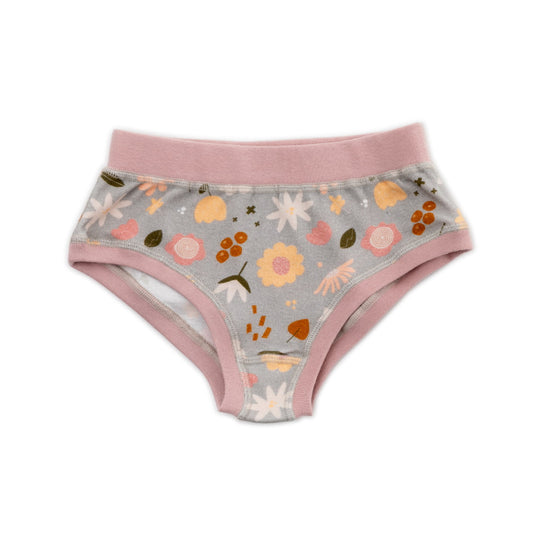
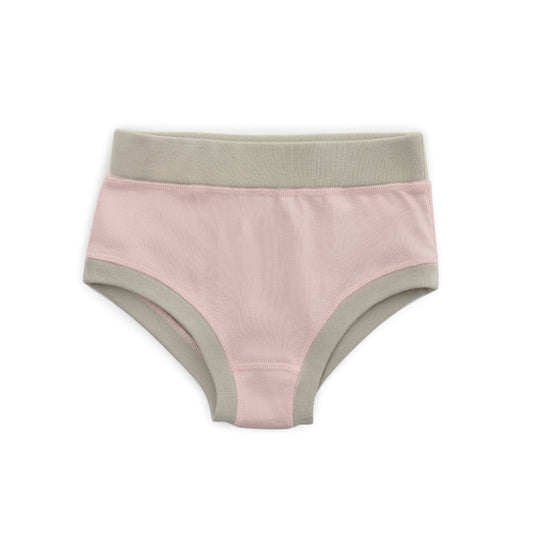
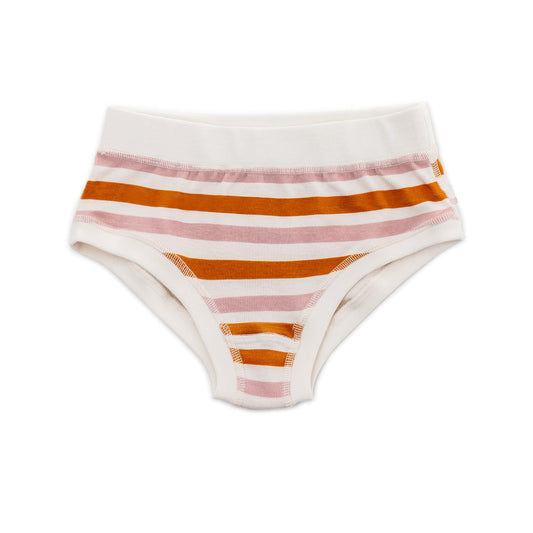
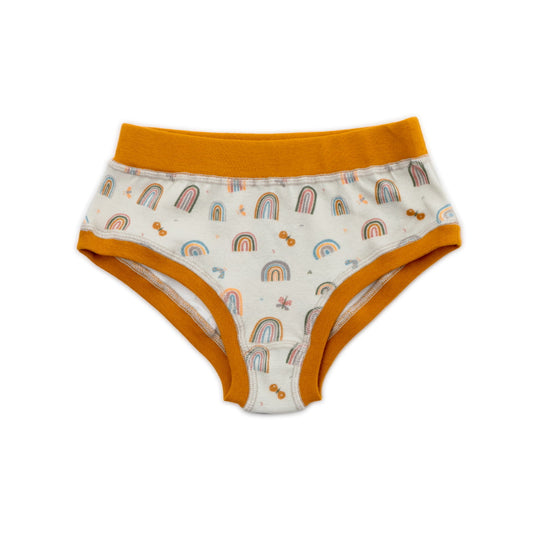
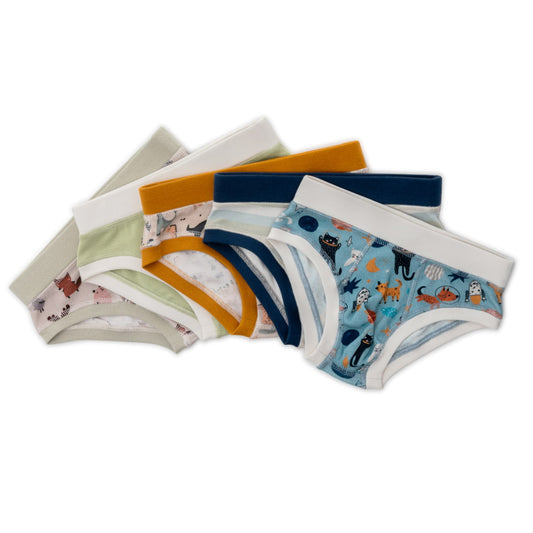
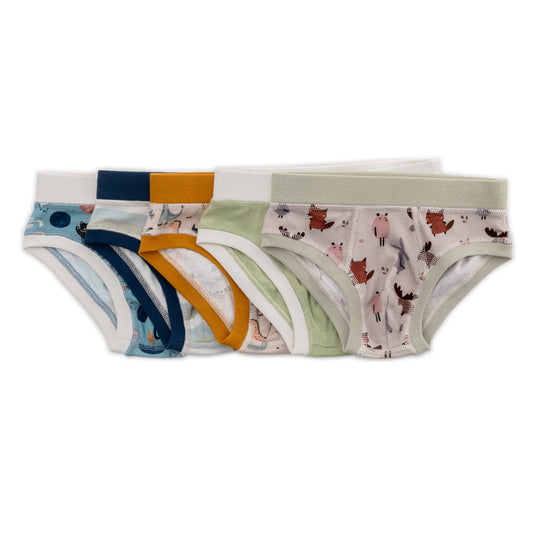
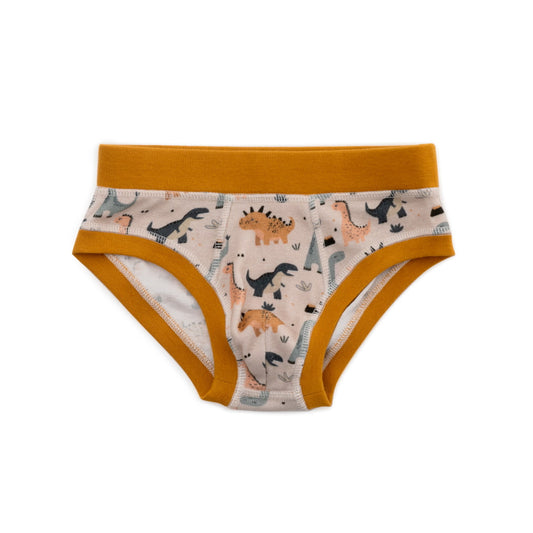
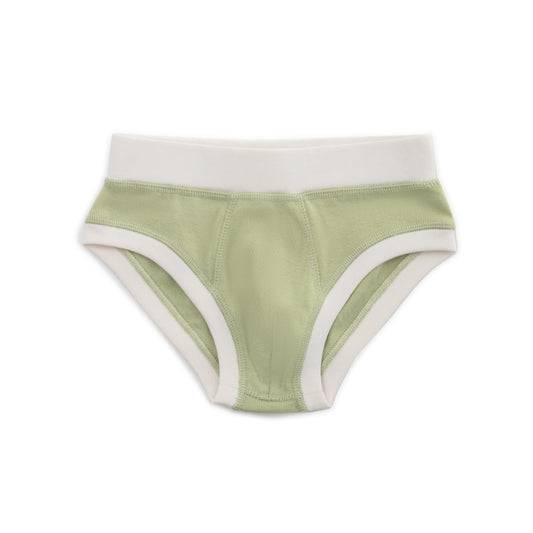
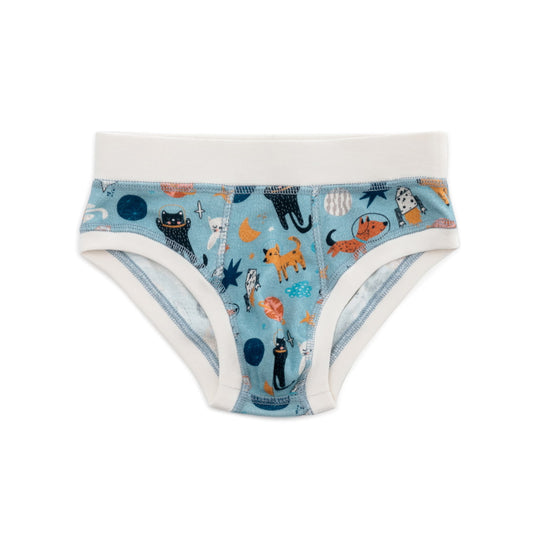
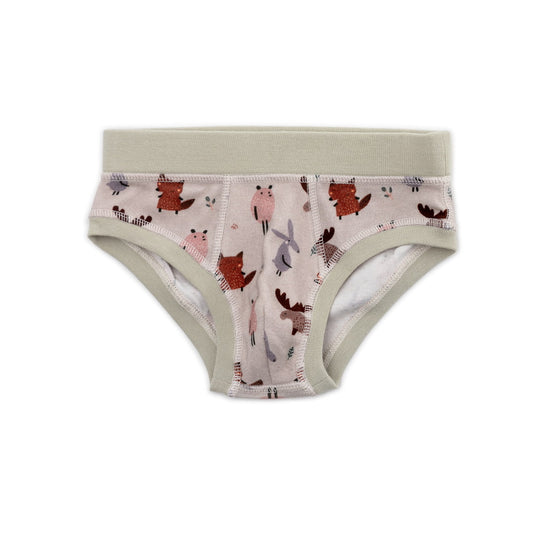
Start with underwear, which is worn all day and sits directly against sensitive areas. Upgrading this category often delivers the highest impact relative to cost.
-
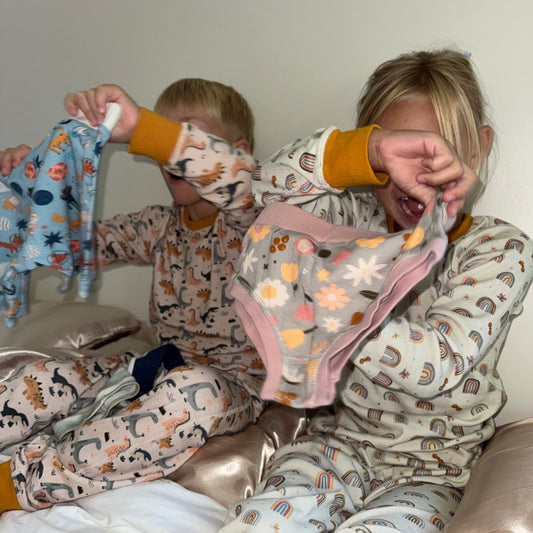
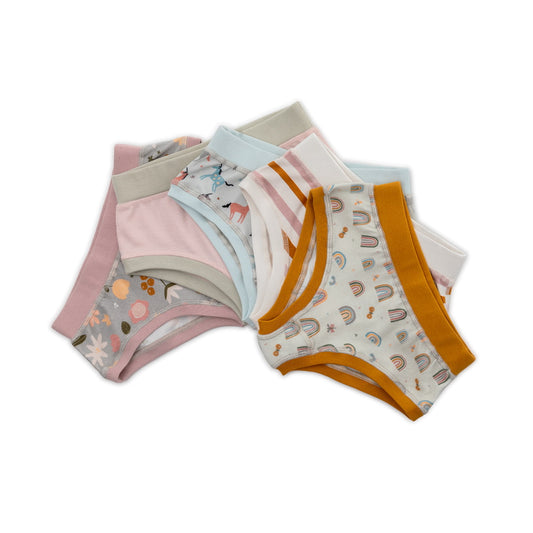
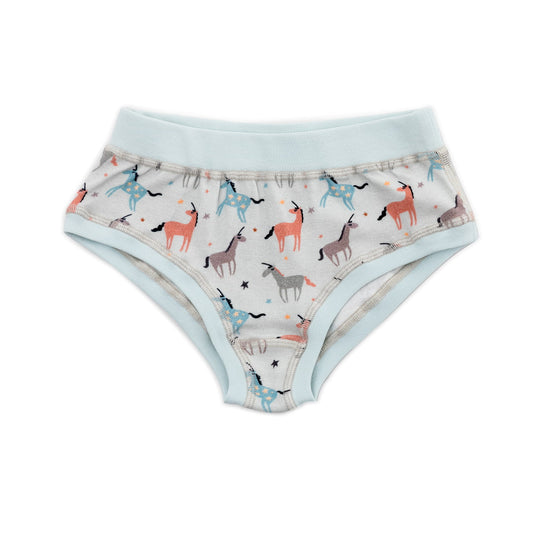
 BUY 2 - 15% BUY 3 - 20% BUY 4 - 25%$40.002-3,3-4,4-5,6,7,8,9 yearsSELECT SIZE$40.002-3,3-4,4-5,6,7,8,9 yearsORGANIC COTTON GIRLS' BRIEFS MULTI-PACK | 5 COLORSRegular price $40.00Regular priceUnit price per
 -
 BUY 2 - 15% BUY 3 - 20% BUY 4 - 25%$40.002-3,3-4,4-5,6,7,8,9 yearsSELECT SIZE$40.002-3,3-4,4-5,6,7,8,9 yearsORGANIC COTTON BOYS' BRIEFS MULTI-PACK | 5 COLORSRegular price $40.00Regular priceUnit price per
 -
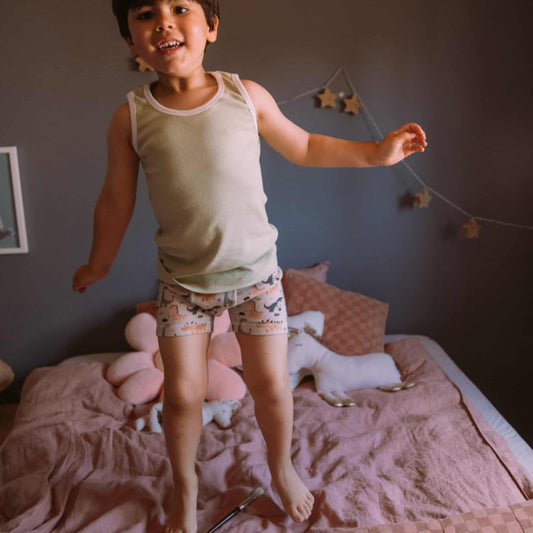
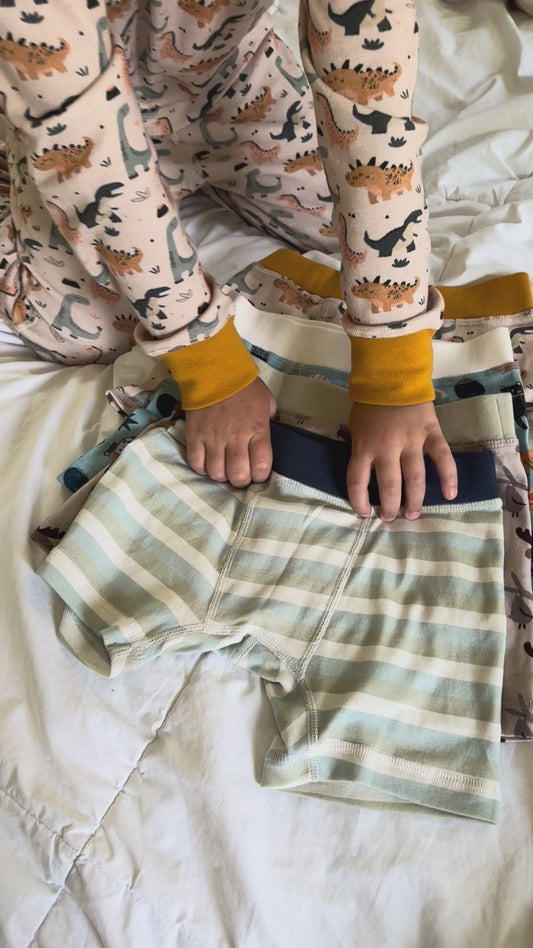

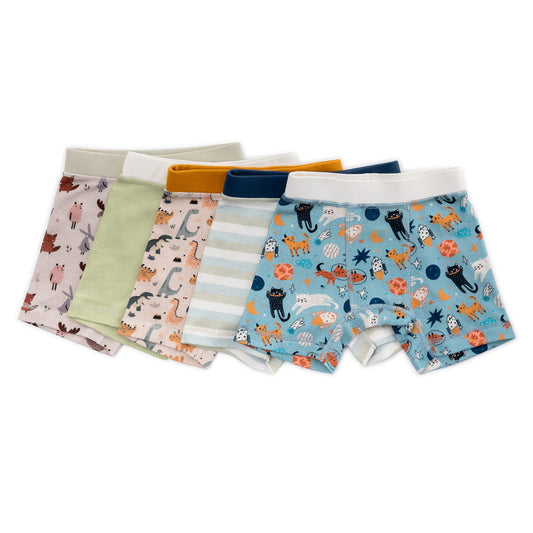


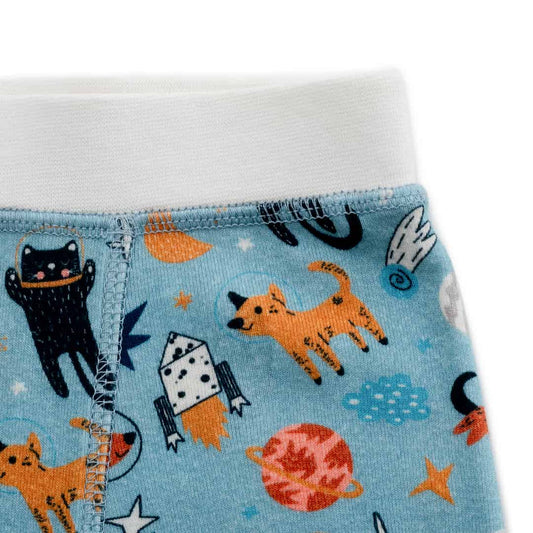

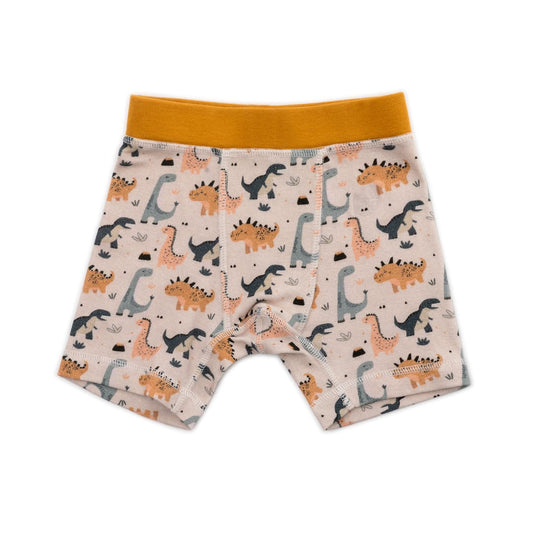
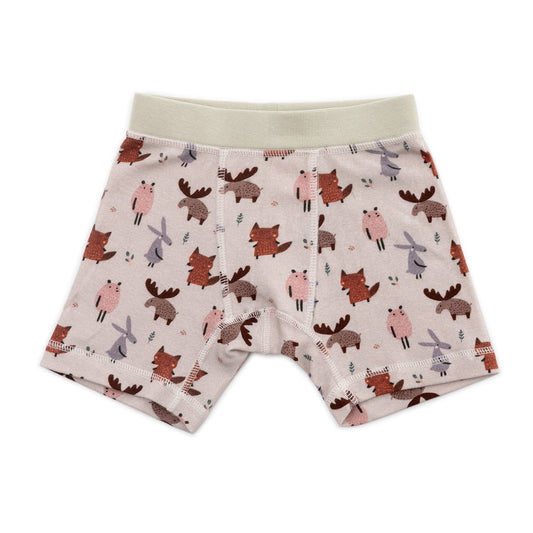
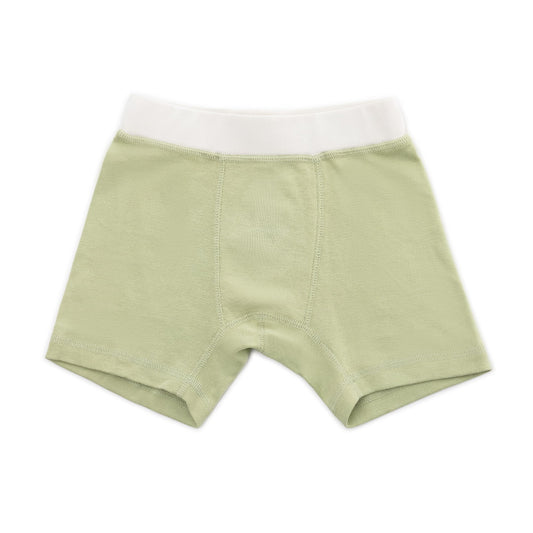 BUY 2 - 15% BUY 3 - 20% BUY 4 - 25%$40.002-3,3-4,4-5,6,7,8,9 yearsSELECT SIZE$40.002-3,3-4,4-5,6,7,8,9 yearsORGANIC COTTON BOYS' BOXER BRIEFS MULTI-PACK | 5 COLORSRegular price $40.00Regular priceUnit price per


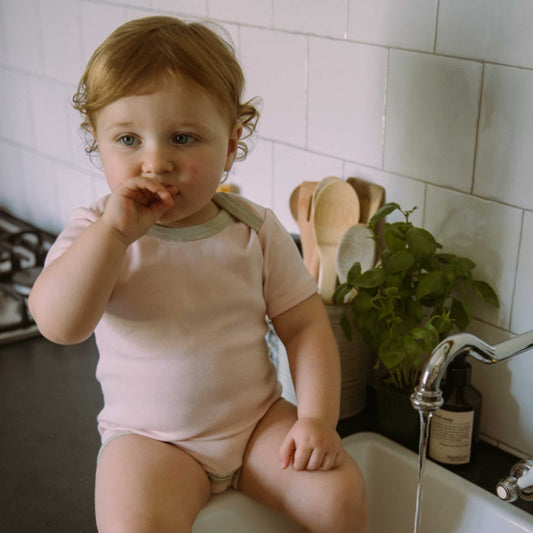
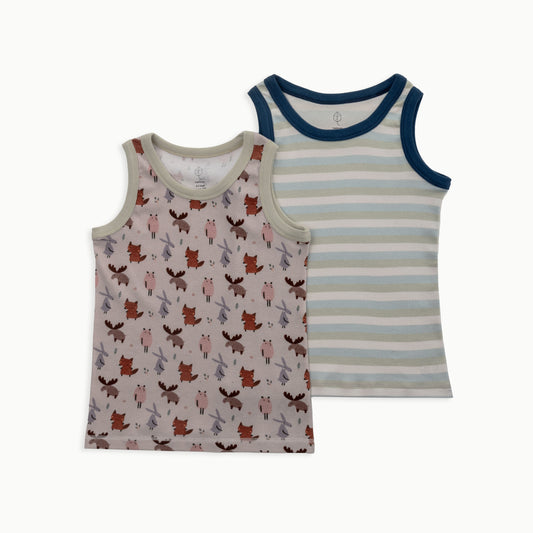
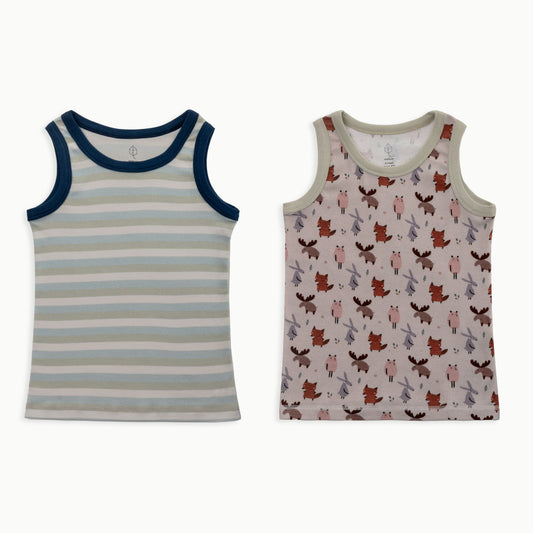
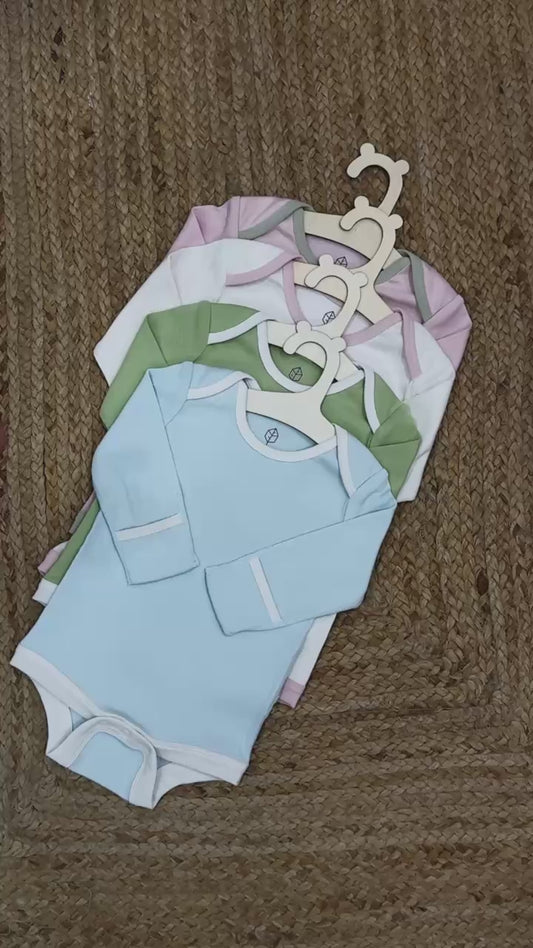
Next, focus on tank tops, bodysuits, and base layers. These garments sit under everything else and absorb sweat throughout the day.
-
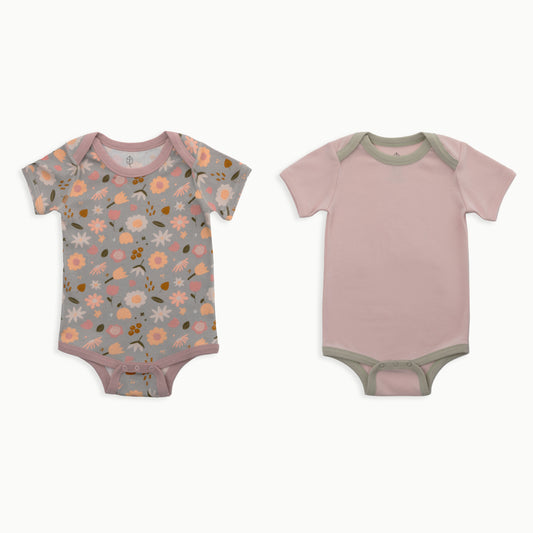
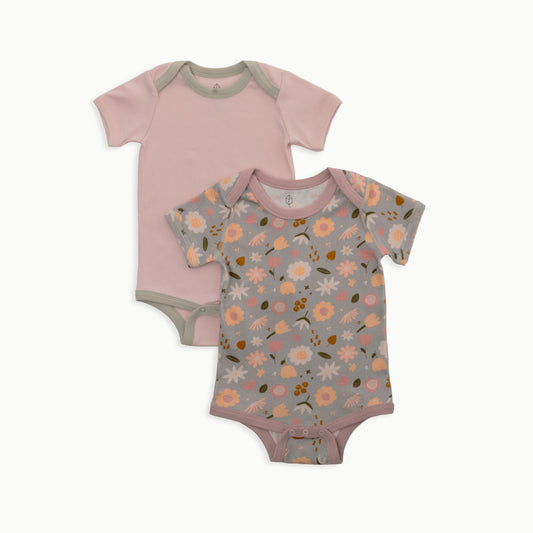
 $34.00Newborn,0-3,3-6,6-12,12-18,18-24 monthsSELECT SIZE$34.00Newborn,0-3,3-6,6-12,12-18,18-24 monthsORGANIC COTTON BABY SHORT SLEEVE BODYSUIT, 2-PACK | FLOWERS + SOLID PINKRegular price $34.00Regular priceUnit price per
 -
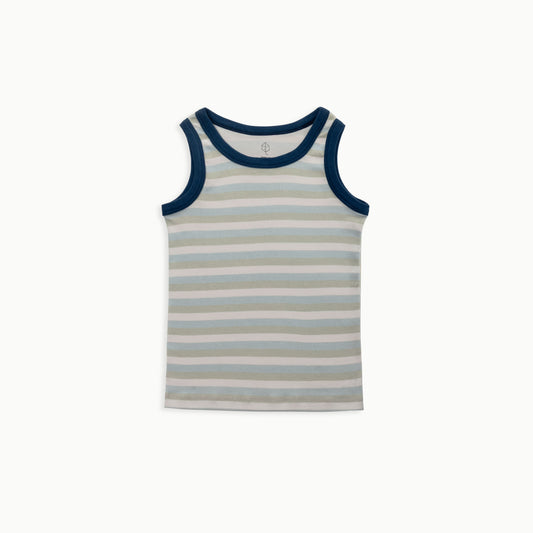
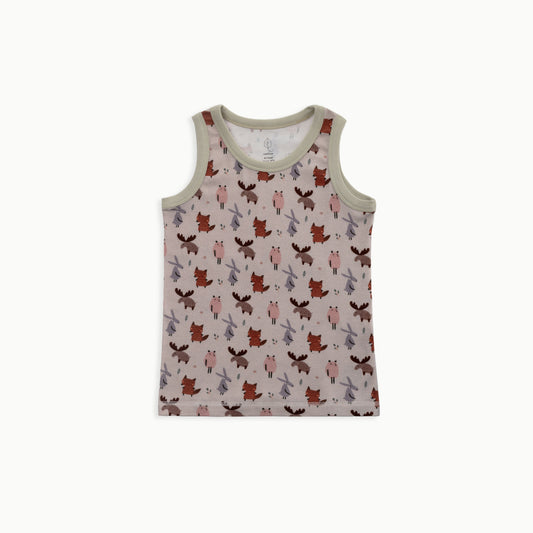
 $26.002-3,3-4,4-5,6,7,8,9 yearsSELECT SIZE$26.002-3,3-4,4-5,6,7,8,9 yearsORGANIC COTTON TANK, 2-PACK | WOODLAND + STRIPEDRegular price $26.00Regular priceUnit price per
 -
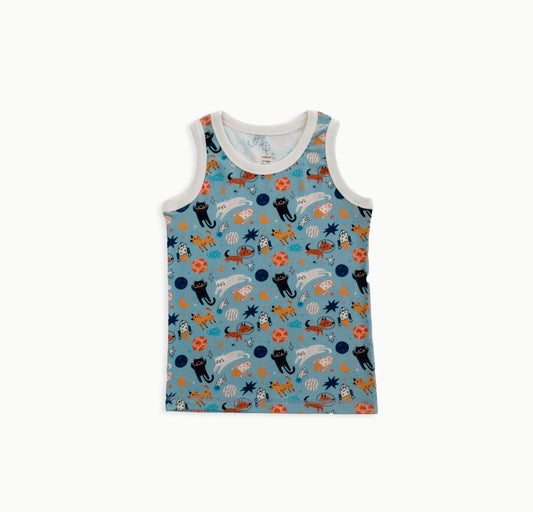
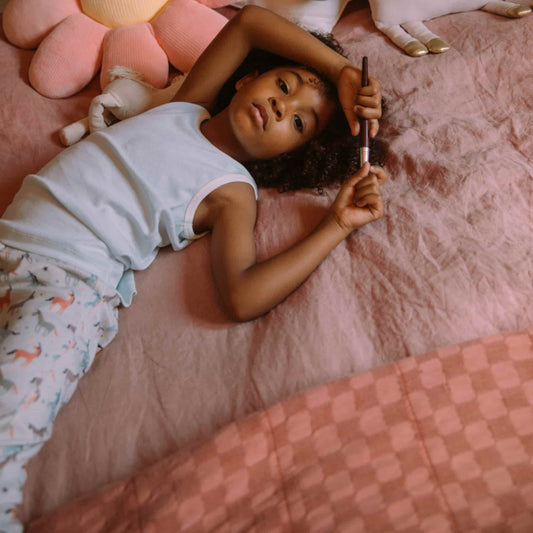
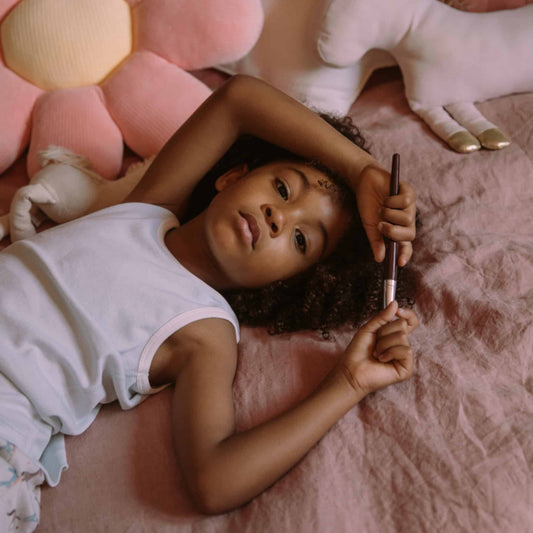
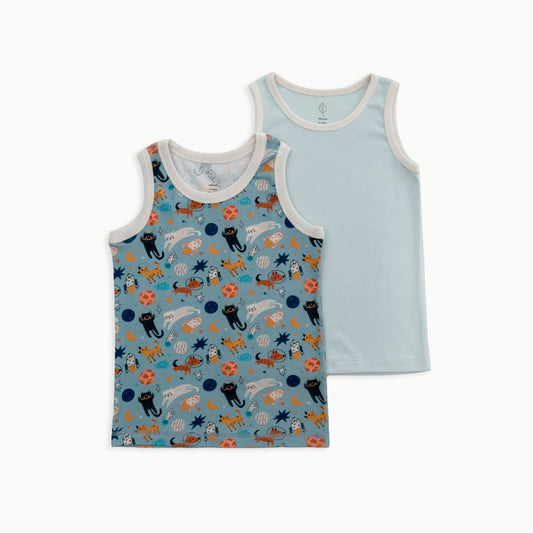
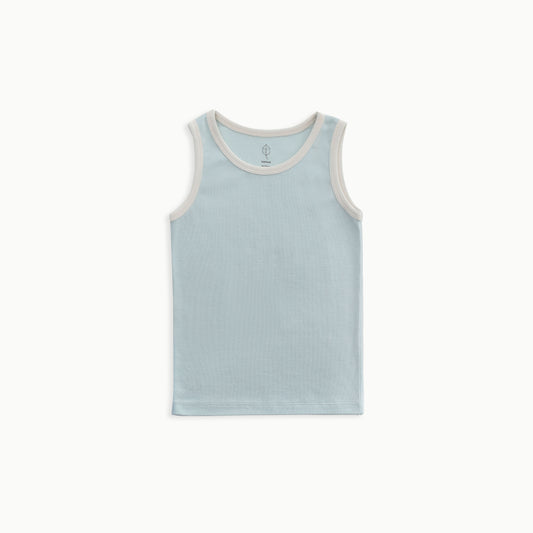
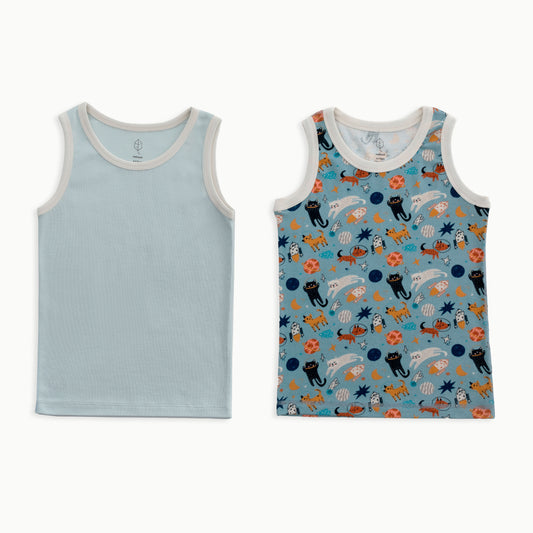 $26.002-3,3-4,4-5,6,7,8,9 yearsSELECT SIZE$26.002-3,3-4,4-5,6,7,8,9 yearsORGANIC COTTON TANK, 2-PACK | SPACE CAT + SOLID BLUERegular price $26.00Regular priceUnit price per
 -
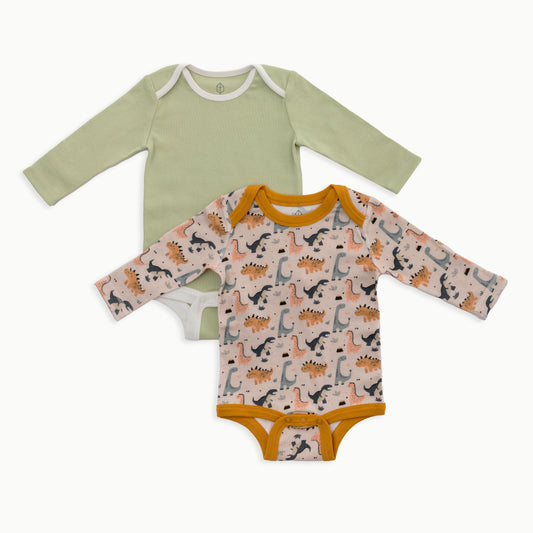
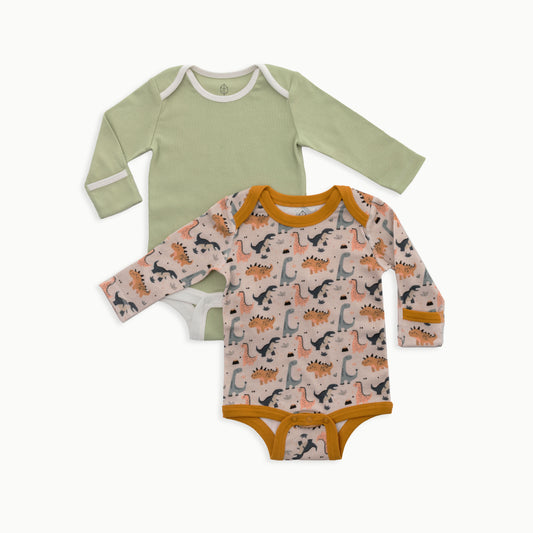
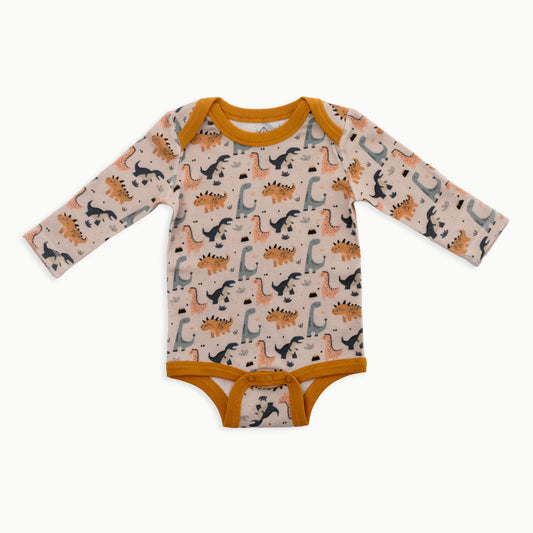
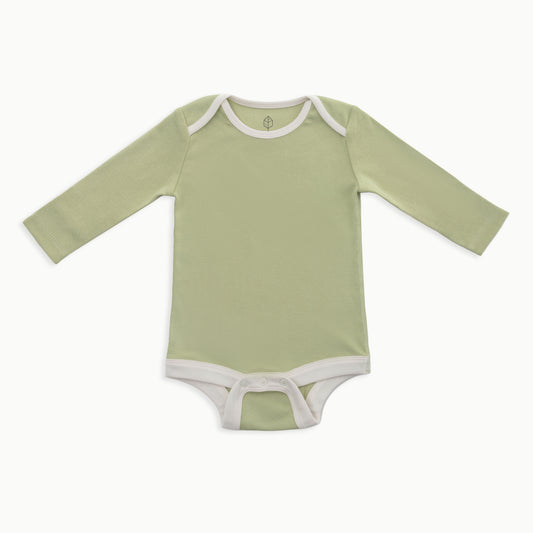
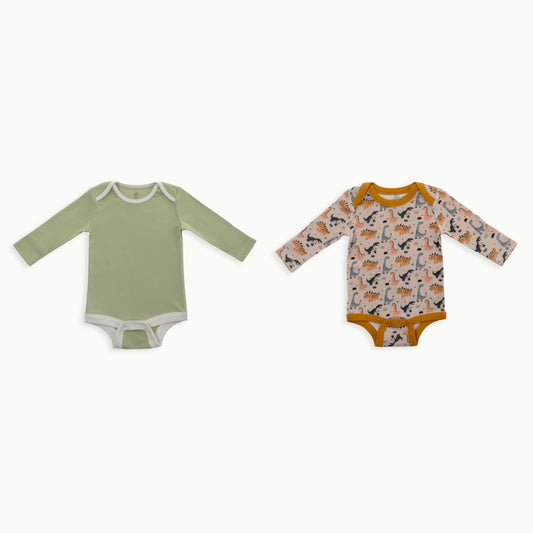 $38.00Newborn,0-3,3-6,6-12,12-18,18-24 monthsSELECT SIZE$38.00Newborn,0-3,3-6,6-12,12-18,18-24 monthsORGANIC COTTON BABY LONG SLEEVE BODYSUIT, 2-PACK | DINOSAUR + SOLID GREENRegular price $38.00Regular priceUnit price per
 -
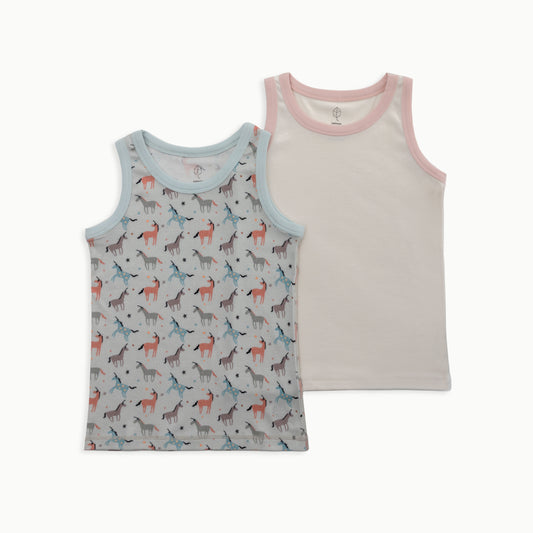
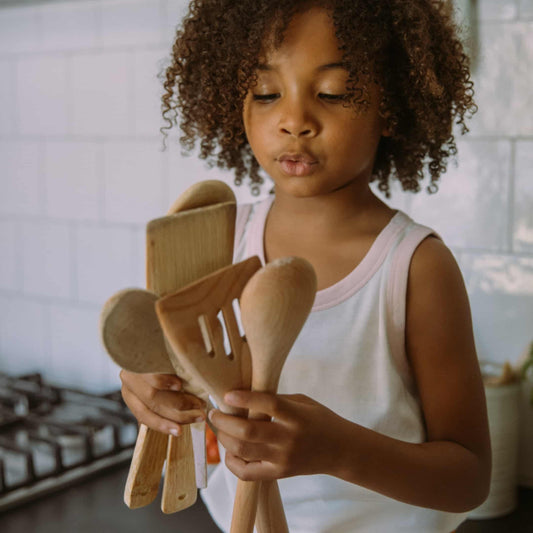
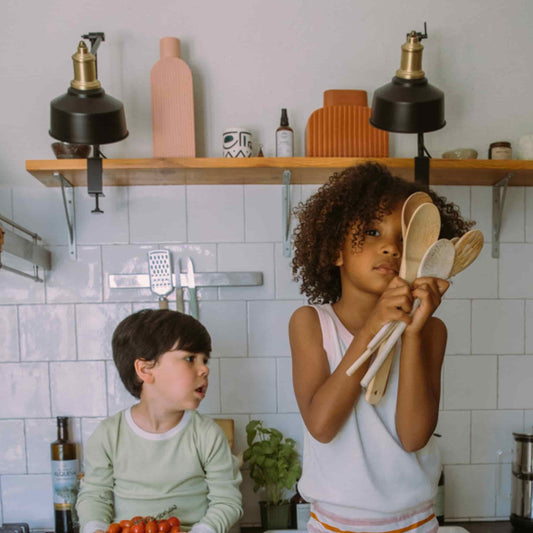
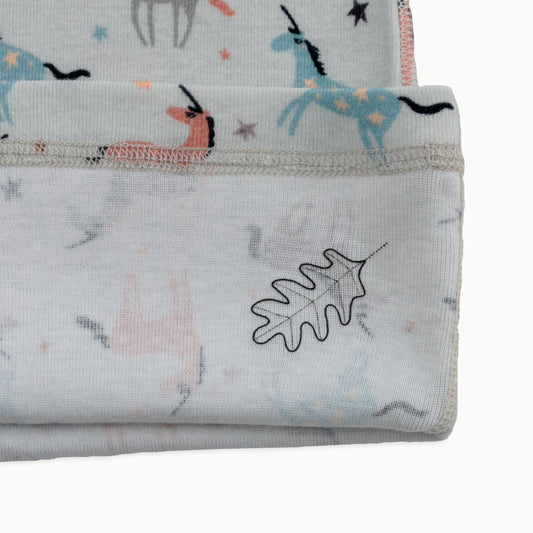
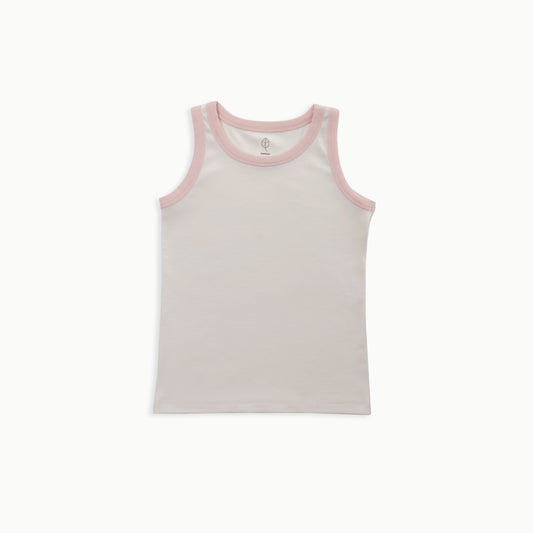
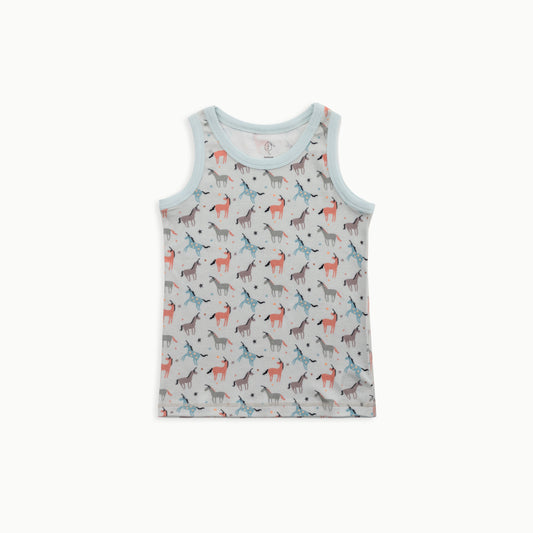 $26.002-3,3-4,4-5,6,7,8,9 yearsSELECT SIZE$26.002-3,3-4,4-5,6,7,8,9 yearsORGANIC COTTON TANK, 2-PACK | UNICORN + SOLID CREAMRegular price $26.00Regular priceUnit price per
 -
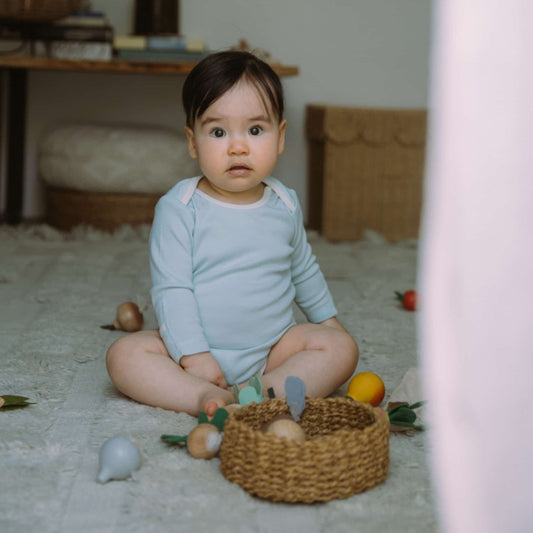
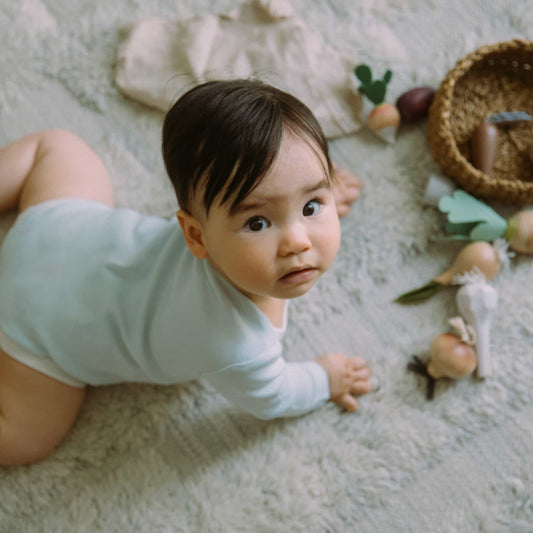
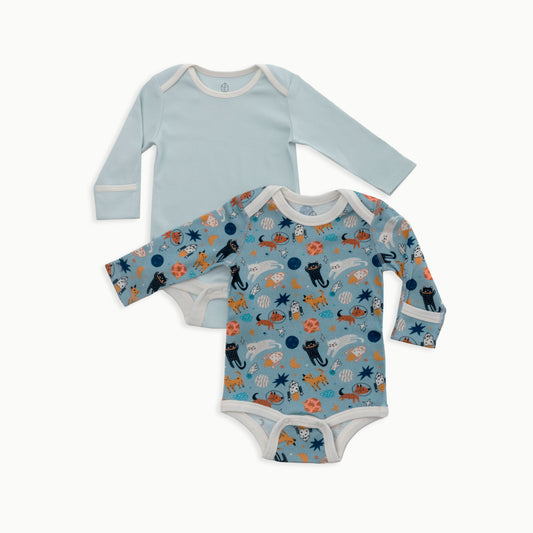
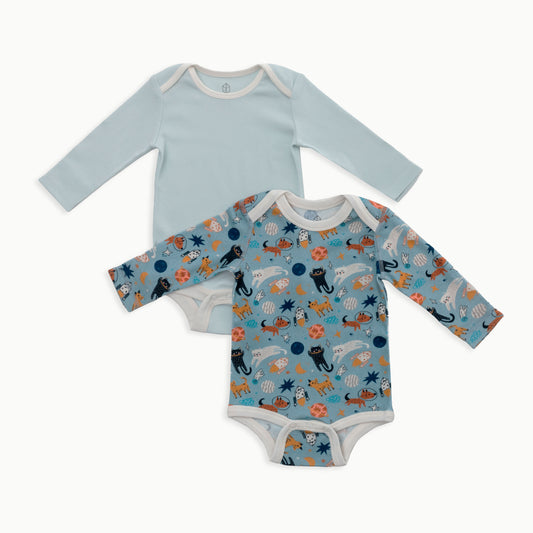
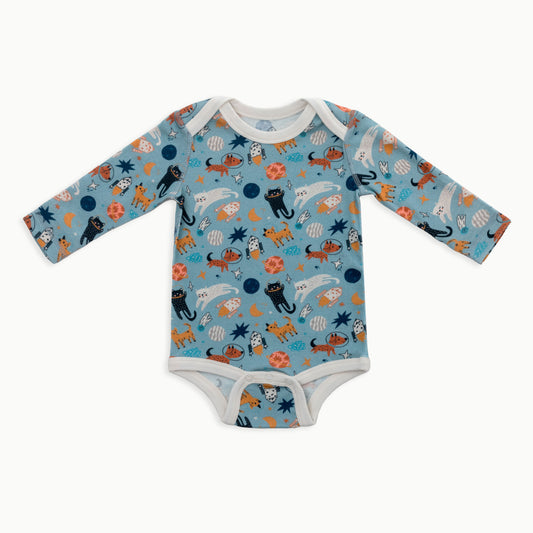
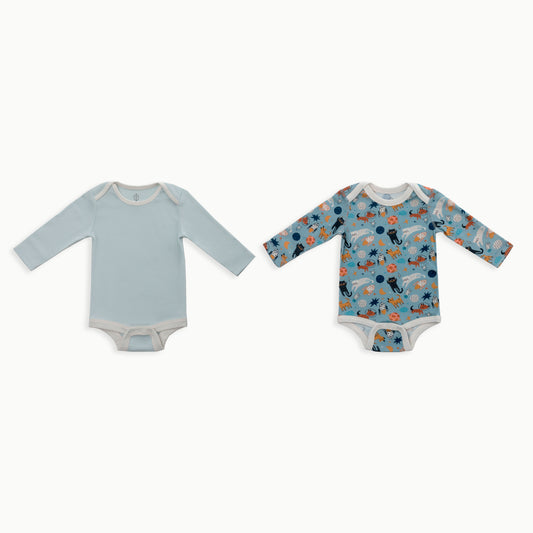
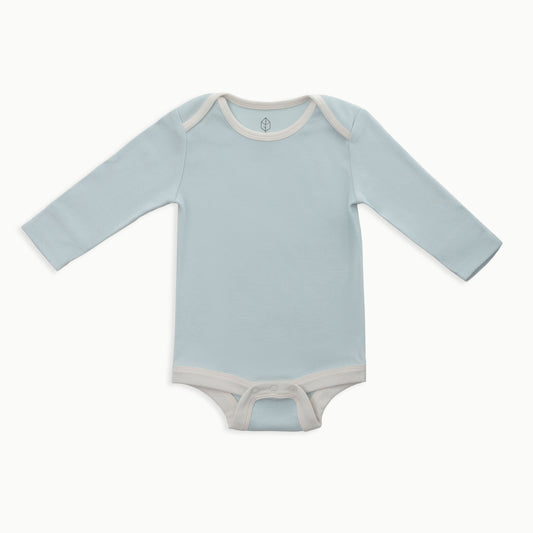 $38.00Newborn,0-3,3-6,6-12,12-18,18-24 monthsSELECT SIZE$38.00Newborn,0-3,3-6,6-12,12-18,18-24 monthsORGANIC COTTON BABY LONG SLEEVE BODYSUIT, 2-PACK | SPACE CATS + SOLID BLUERegular price $38.00Regular priceUnit price per
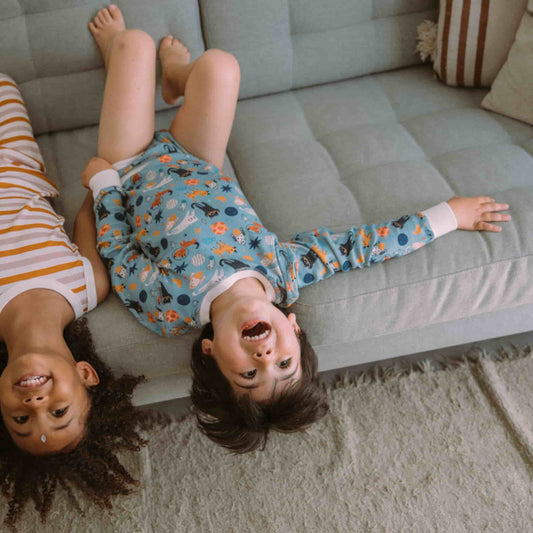
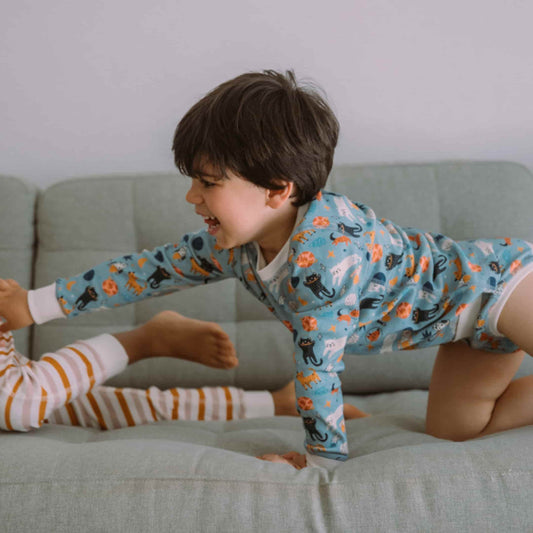
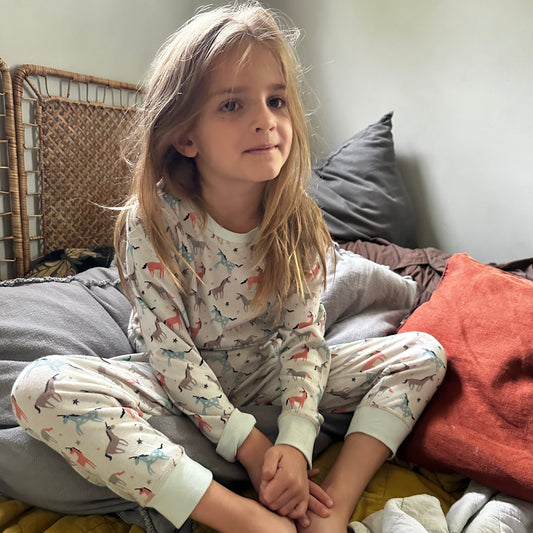
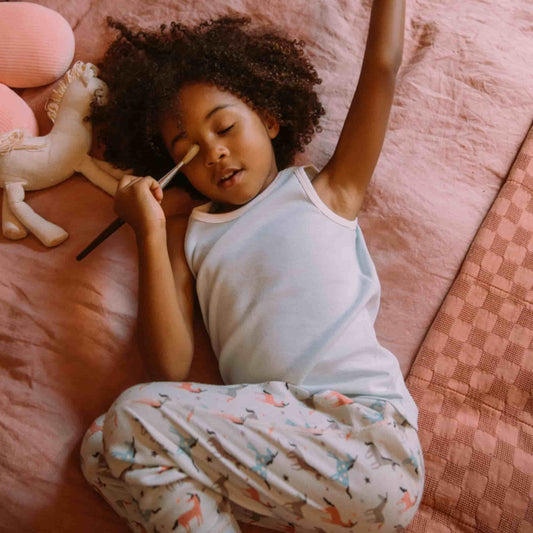
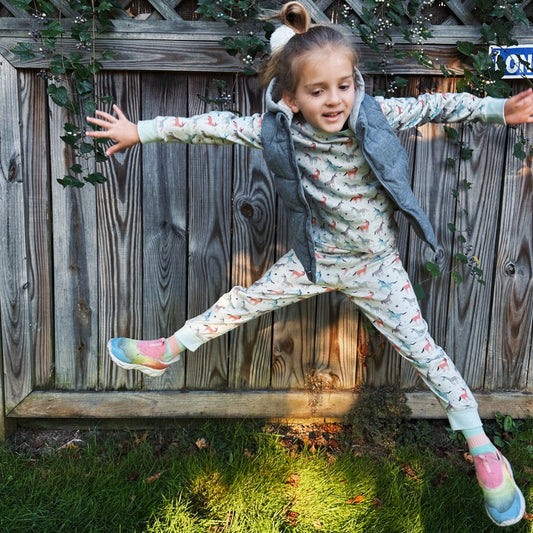
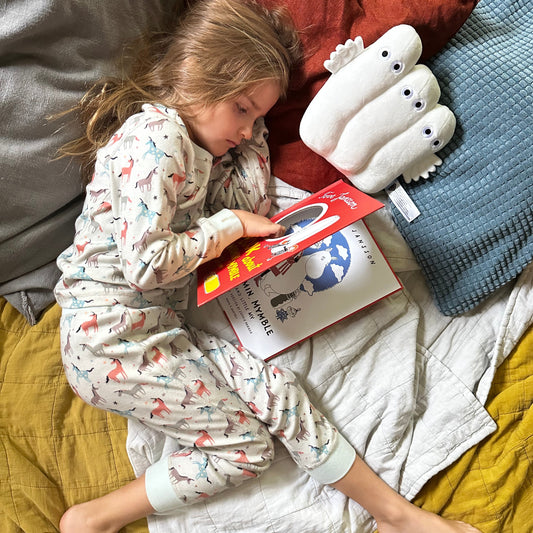
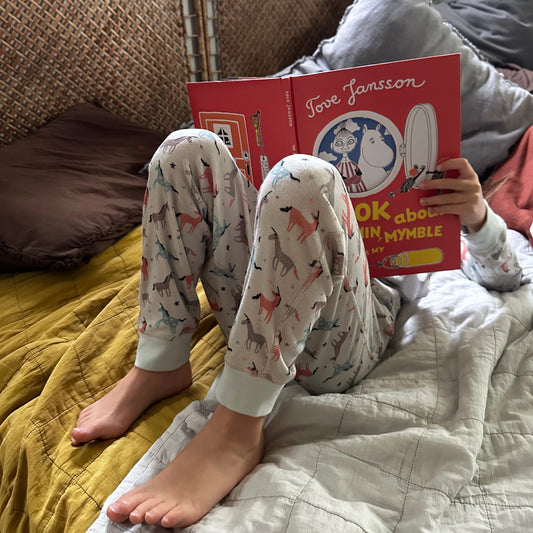
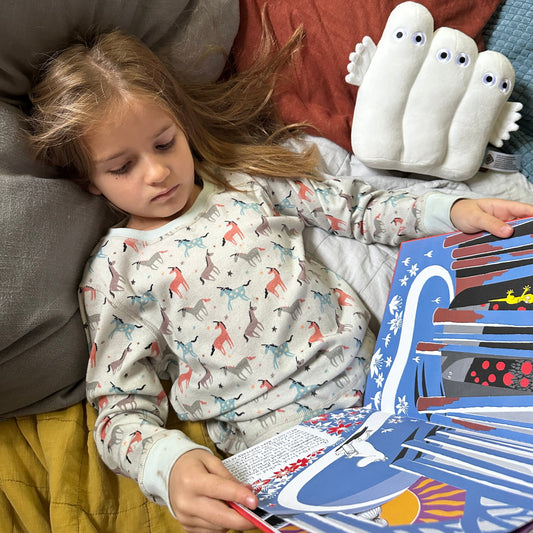
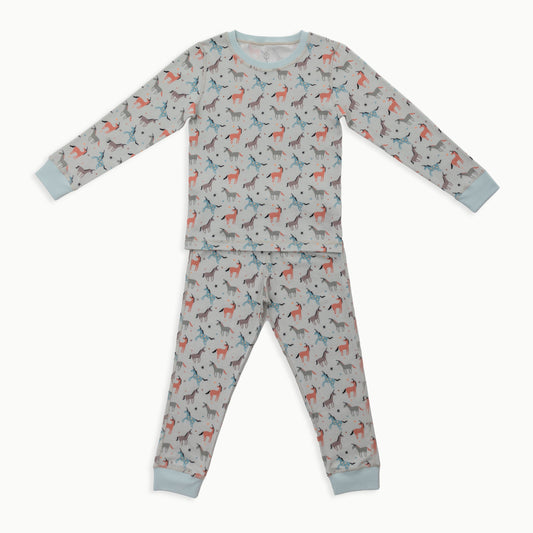
Then consider sleepwear. Children spend roughly 10 to 12 hours each night in pajamas, making fibre choice particularly relevant in this category.
-
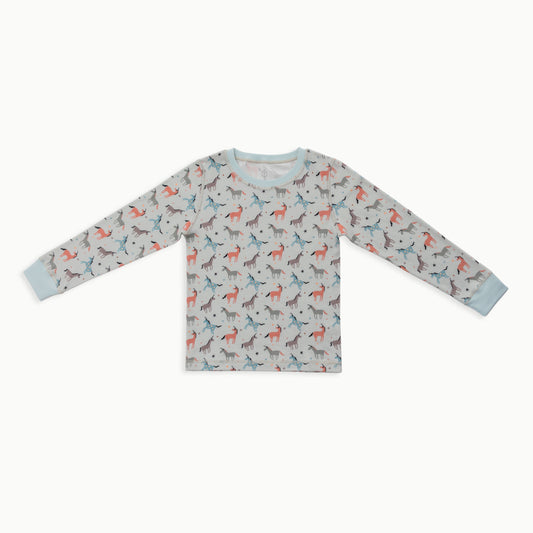
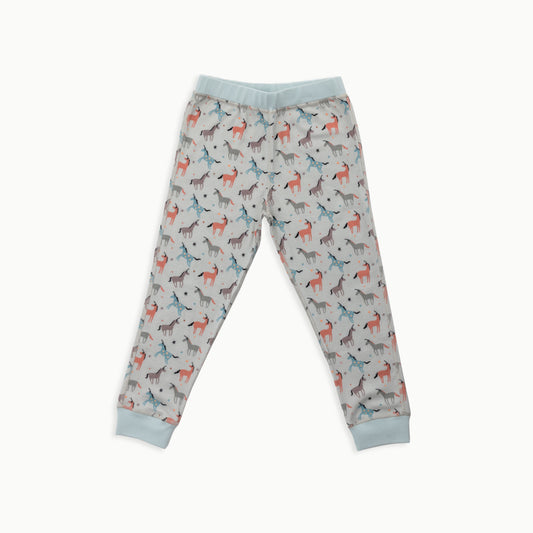
 BUY 2 - 15% BUY 3 - 20% BUY 4 - 25%$40.002-3,3-4,4-5,6,7,8,9 yearsSELECT SIZE$40.002-3,3-4,4-5,6,7,8,9 yearsORGANIC COTTON LONG-SLEEVE PAJAMAS | UNICORNRegular price $40.00Regular priceUnit price per
 -
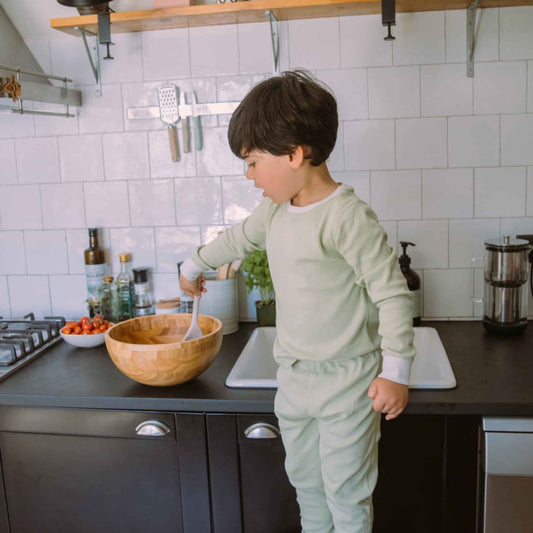
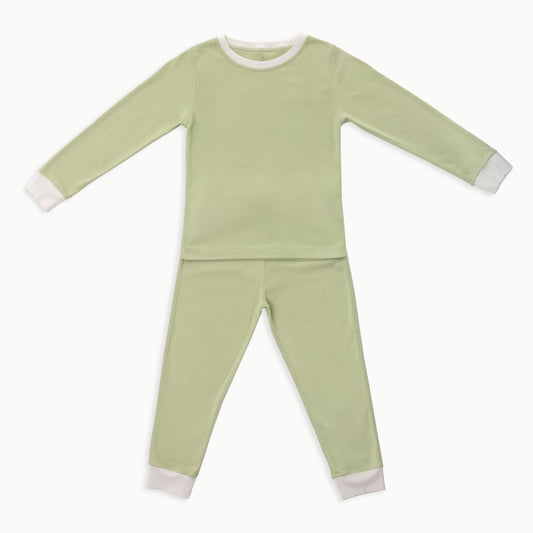
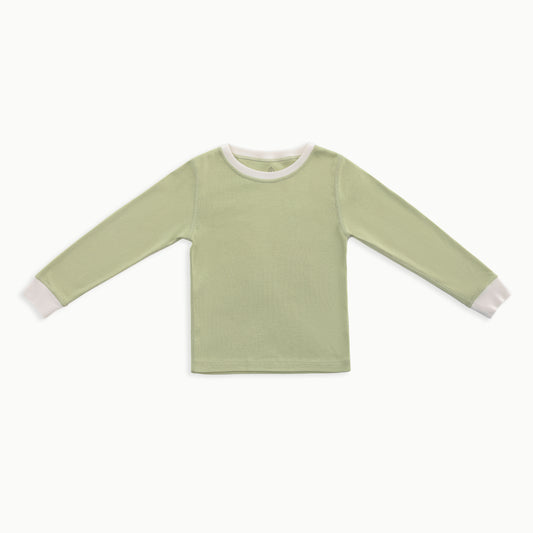
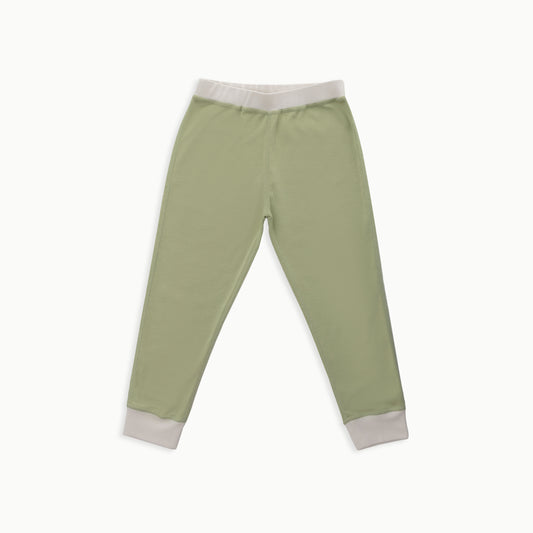
 BUY 2 - 15% BUY 3 - 20% BUY 4 - 25%$40.002-3,3-4,4-5,6,7,8,9 yearsSELECT SIZE$40.002-3,3-4,4-5,6,7,8,9 yearsORGANIC COTTON LONG-SLEEVE PAJAMAS | SOLID GREENRegular price $40.00Regular priceUnit price per
 -
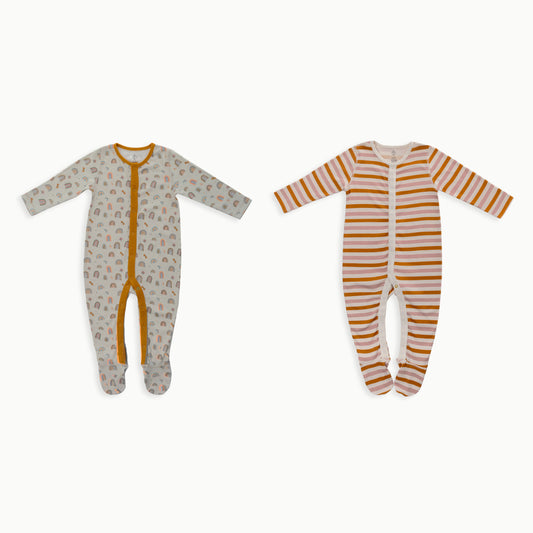
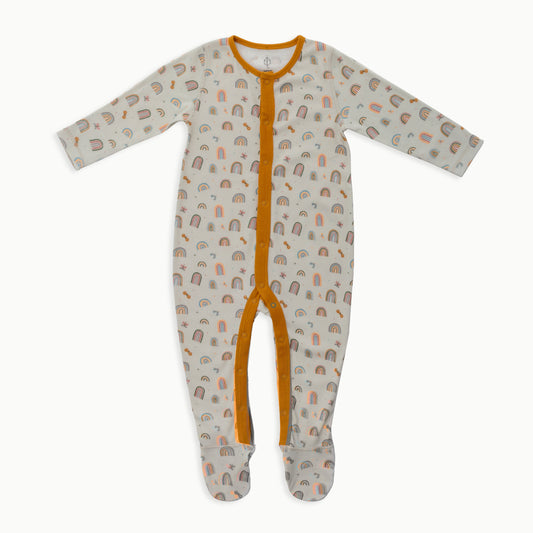
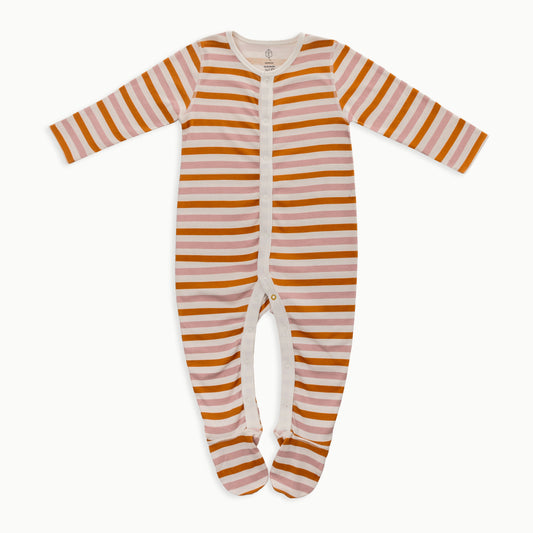 $48.00Newborn,0-3,3-6,6-12,12-18,18-24 monthsSELECT SIZE$48.00Newborn,0-3,3-6,6-12,12-18,18-24 monthsORGANIC COTTON BABY SLEEPER, 2-PACK | RAINBOW + STRIPEDRegular price $48.00Regular priceUnit price per
 -
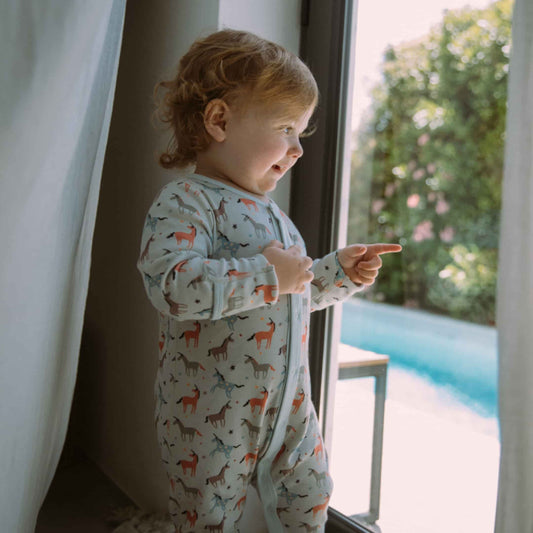
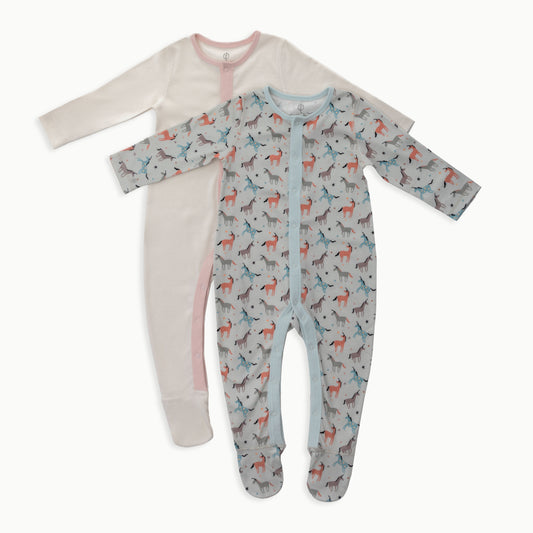
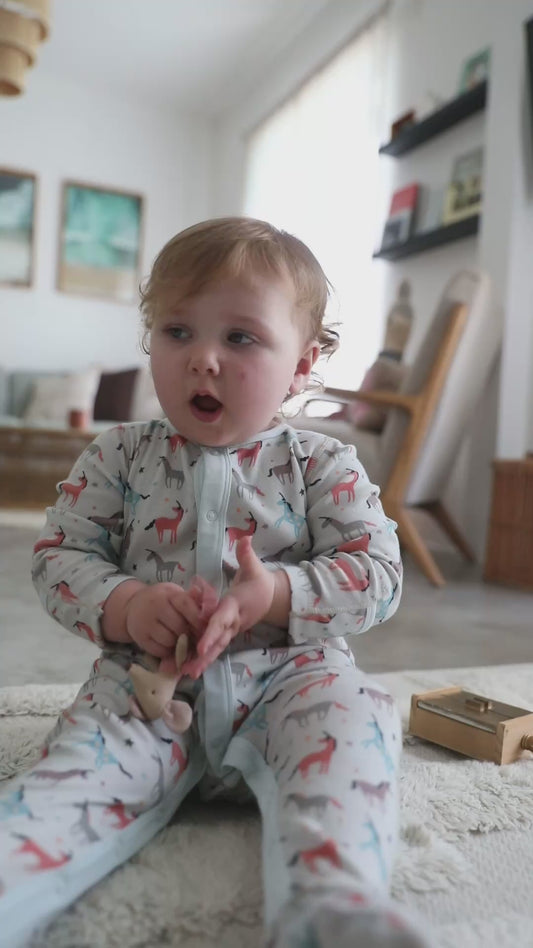
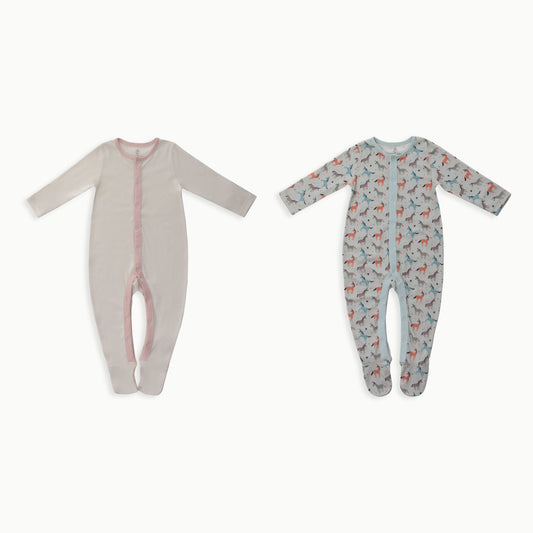
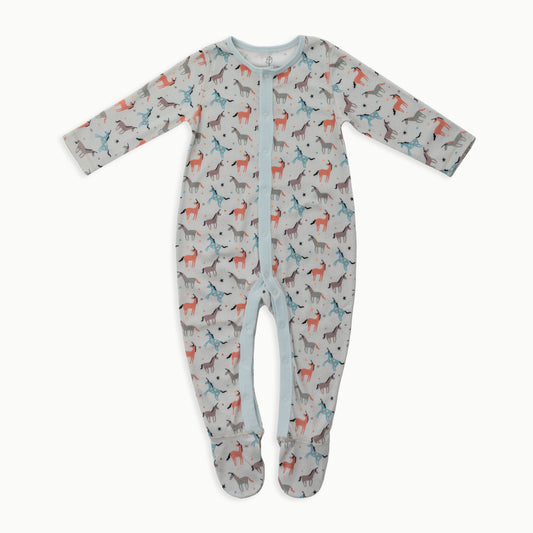
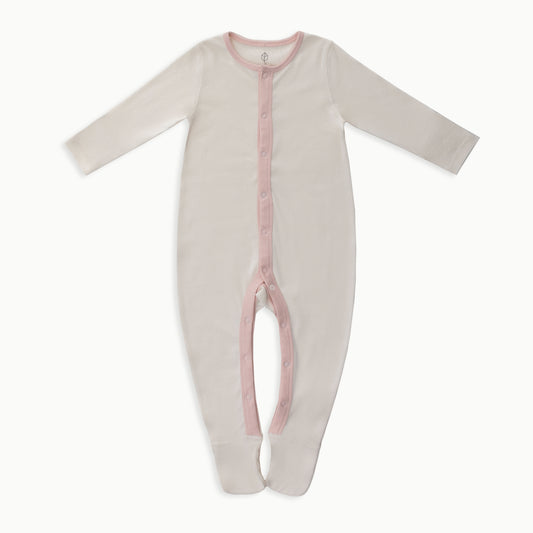
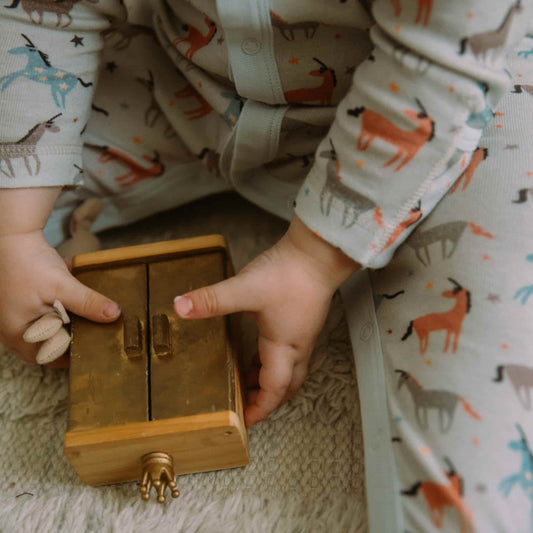
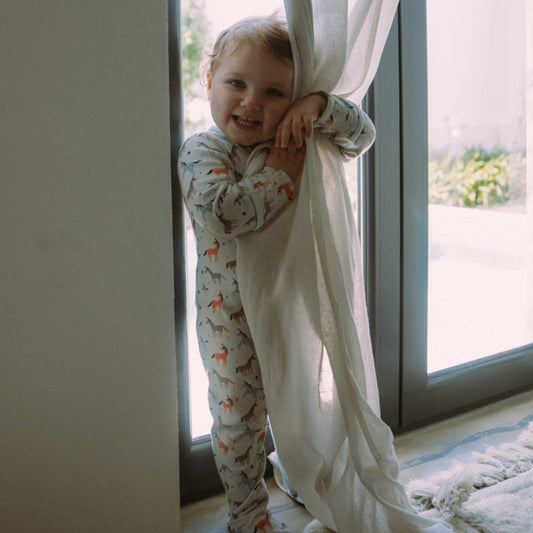
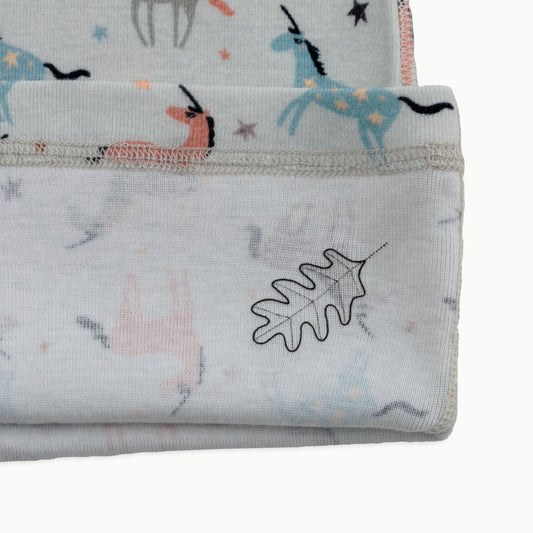
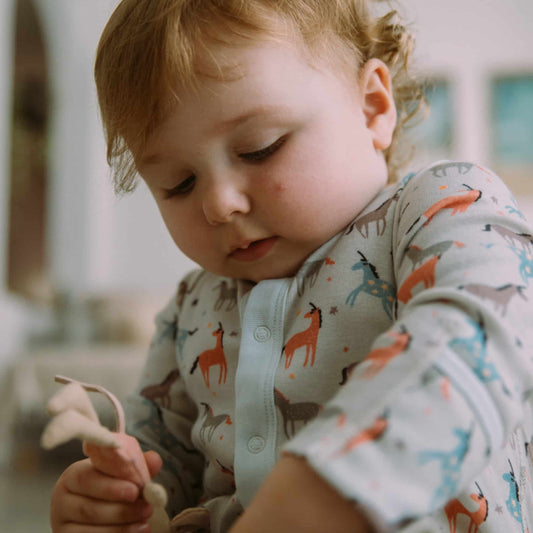 $48.00Newborn,0-3,3-6,6-12,12-18,18-24 monthsSELECT SIZE$48.00Newborn,0-3,3-6,6-12,12-18,18-24 monthsORGANIC COTTON BABY SLEEPER, 2-PACK | UNICORN + SOLID CREAMRegular price $48.00Regular priceUnit price per
 -
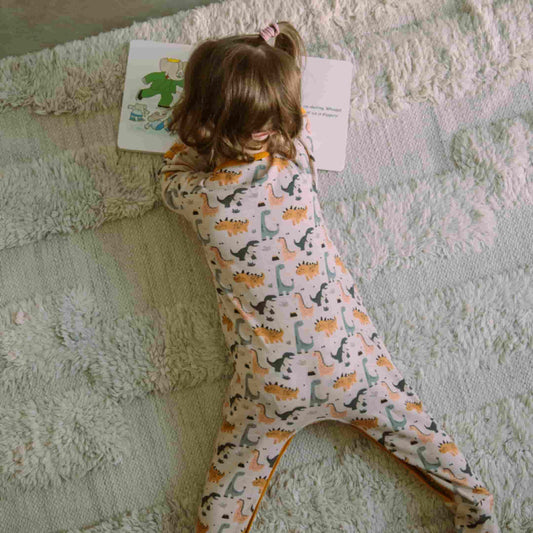
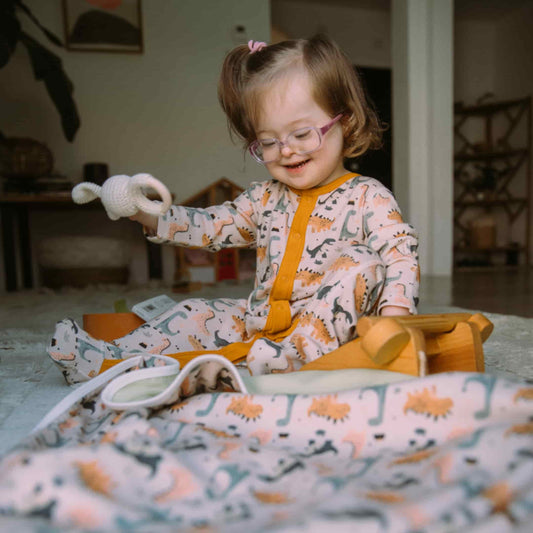
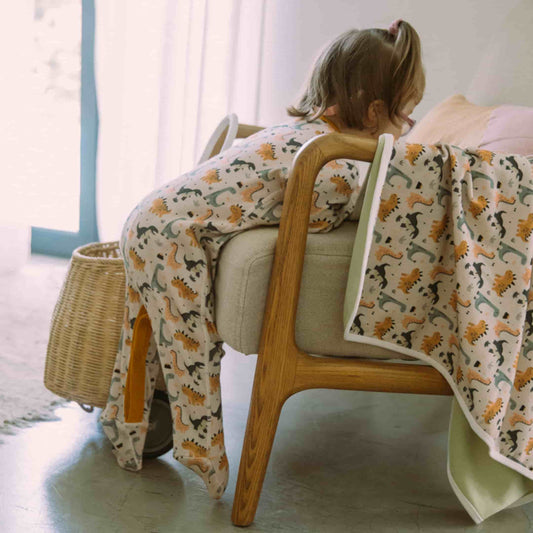

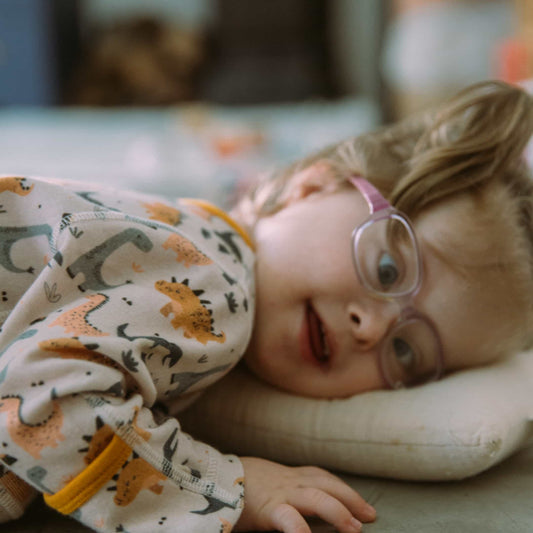

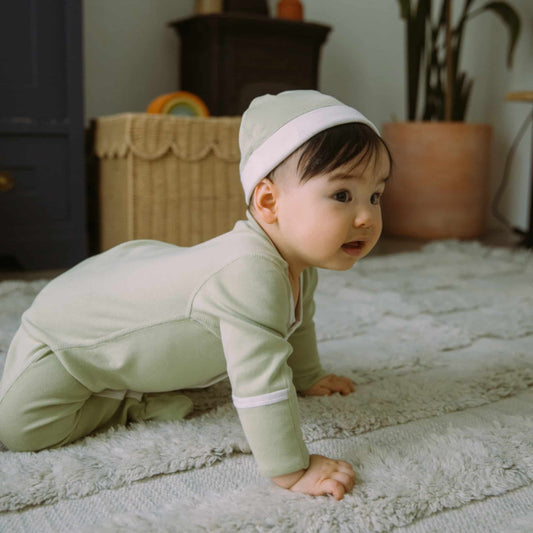
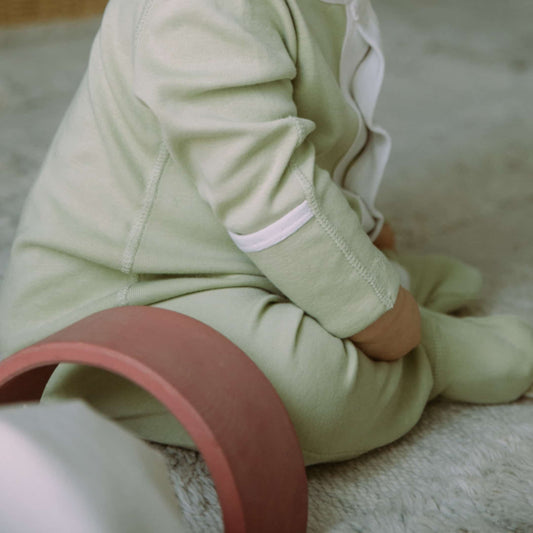
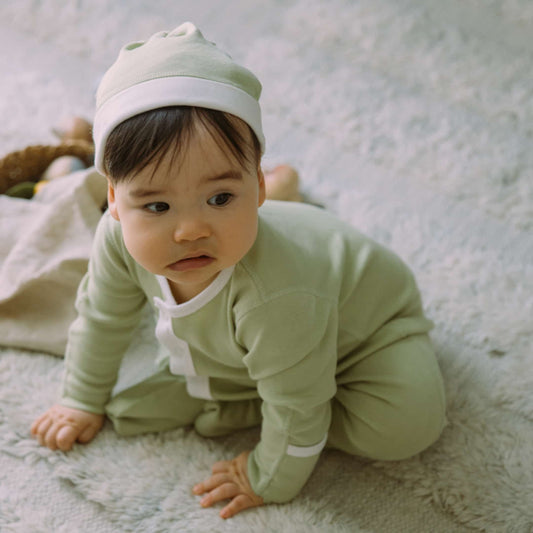
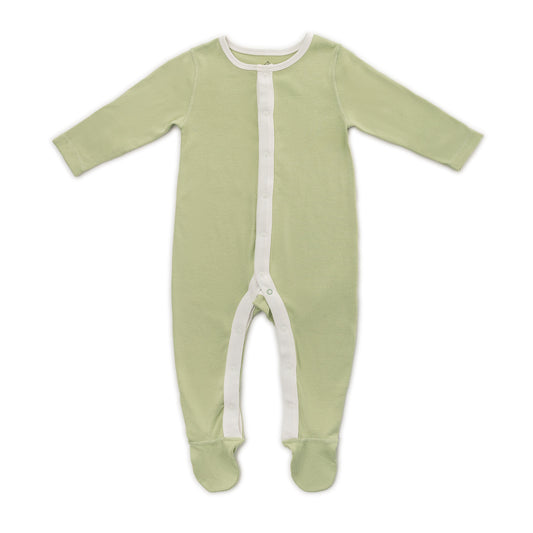
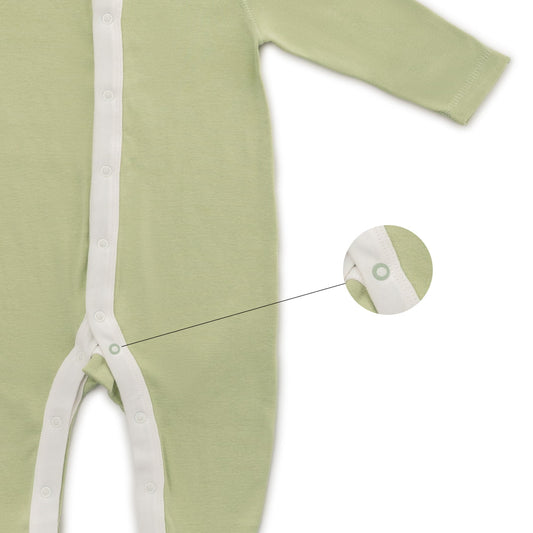
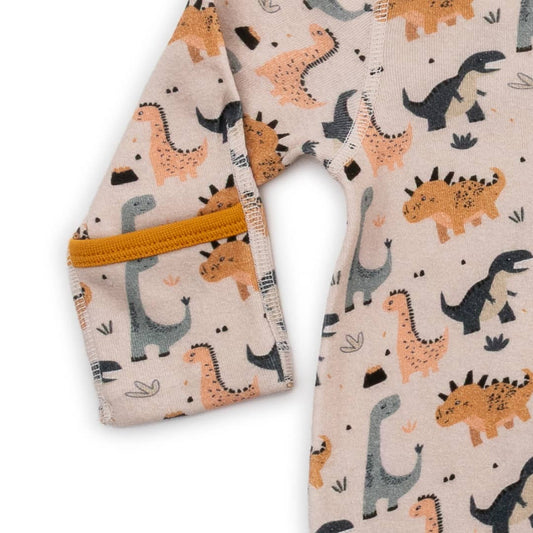
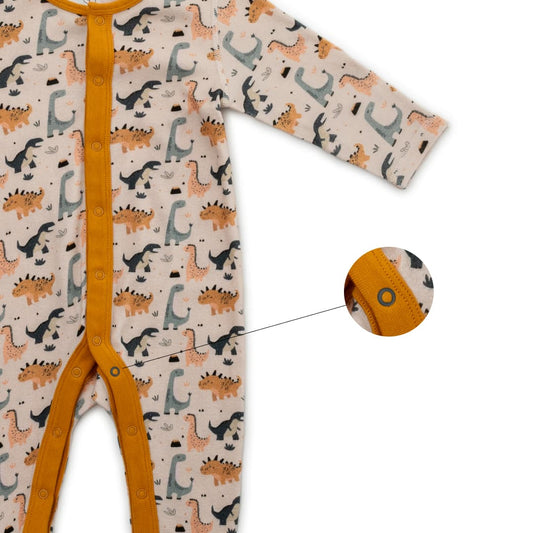 $48.00Newborn,0-3,3-6,6-12,12-18,18-24 monthsSELECT SIZE$48.00Newborn,0-3,3-6,6-12,12-18,18-24 monthsORGANIC COTTON BABY SLEEPER, 2-PACK | DINOSAURS + SOLID GREENRegular price $48.00Regular priceUnit price per
 -
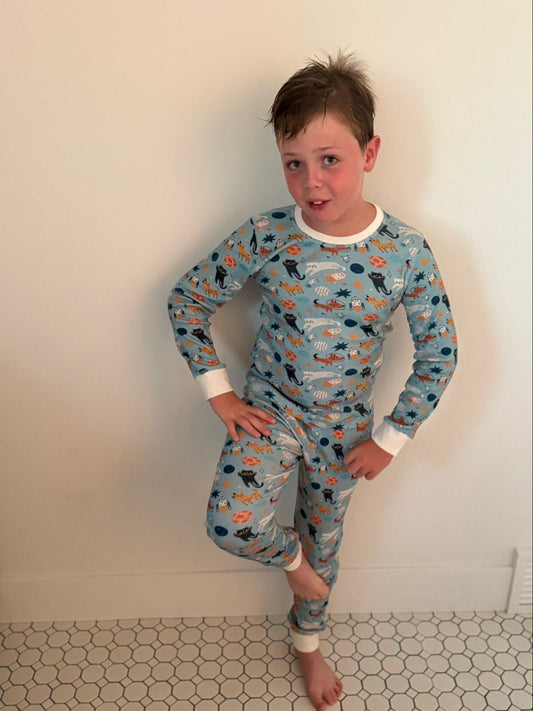
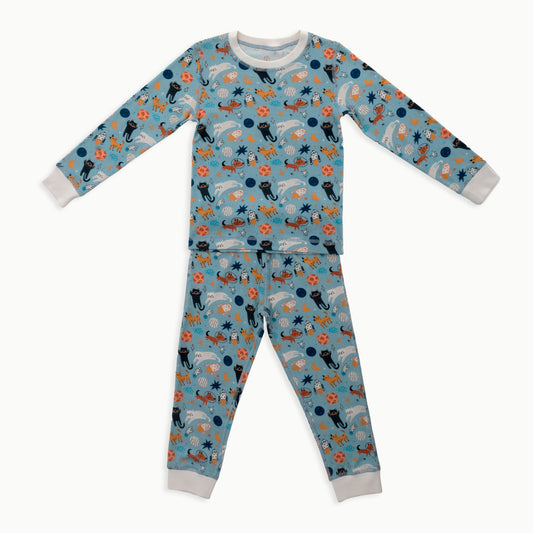
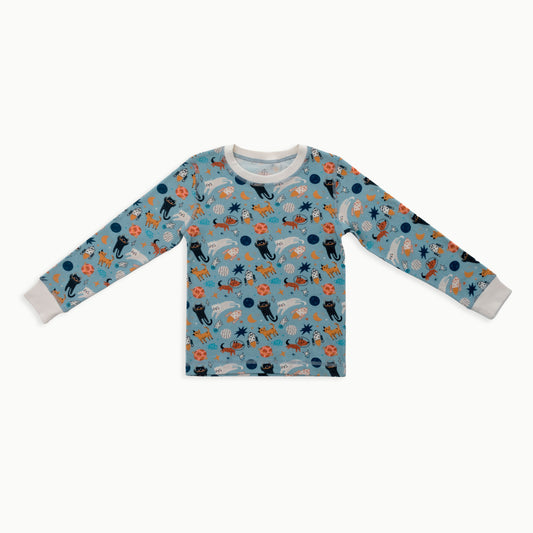
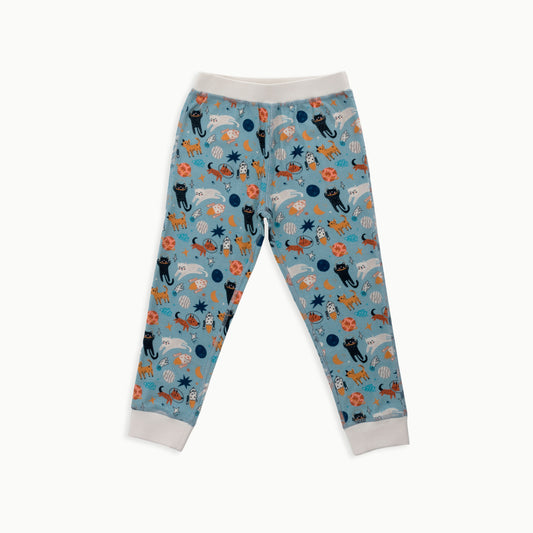
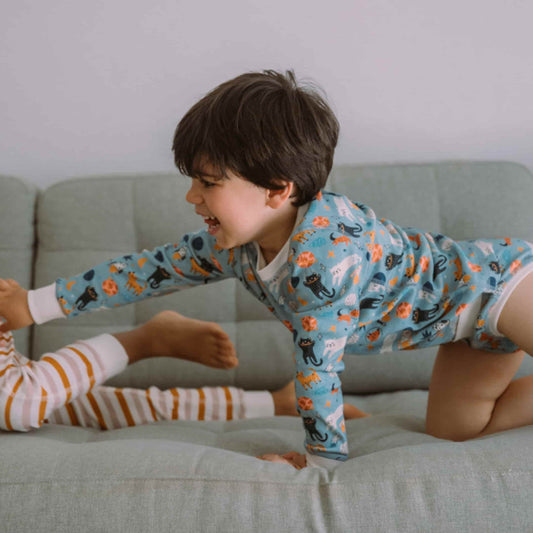 BUY 2 - 15% BUY 3 - 20% BUY 4 - 25%$40.002-3,3-4,4-5,6,7,8,9 yearsSELECT SIZE$40.002-3,3-4,4-5,6,7,8,9 yearsORGANIC COTTON LONG-SLEEVE PAJAMAS | SPACE CATSRegular price $40.00Regular priceUnit price per


After high-contact items are addressed, you can gradually move outward into everyday tops, leggings, and casual layers. Accessories such as hats, socks, and burp cloths are beneficial upgrades over time, but are generally lower priority.
-
 $34.002-3,3-4,4-5,5-6,6-7,7-8,8-9,9-10 yearsSELECT SIZE$22.10
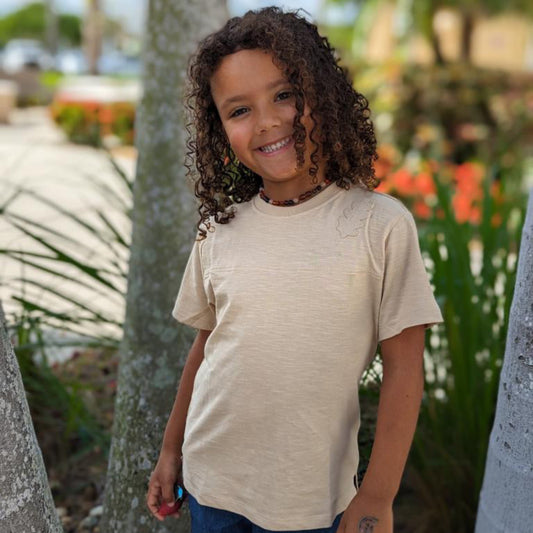
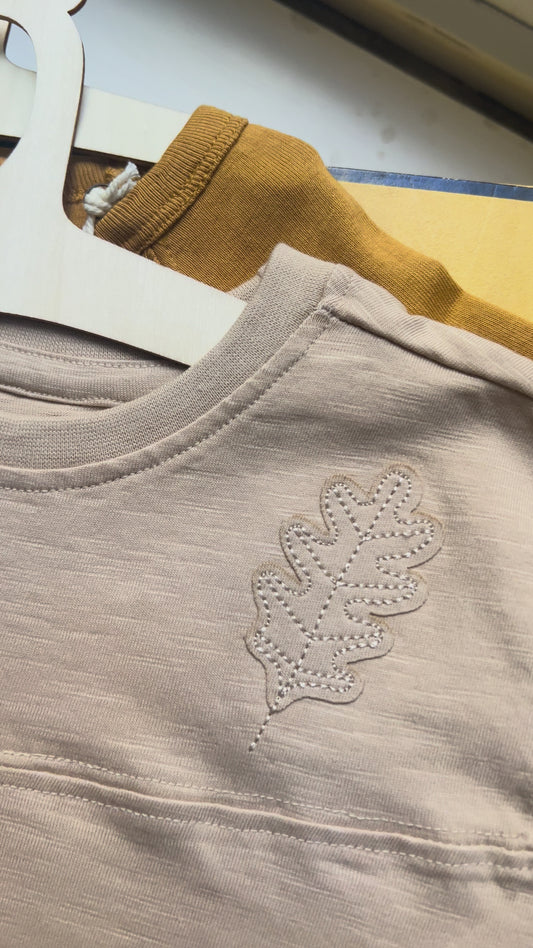
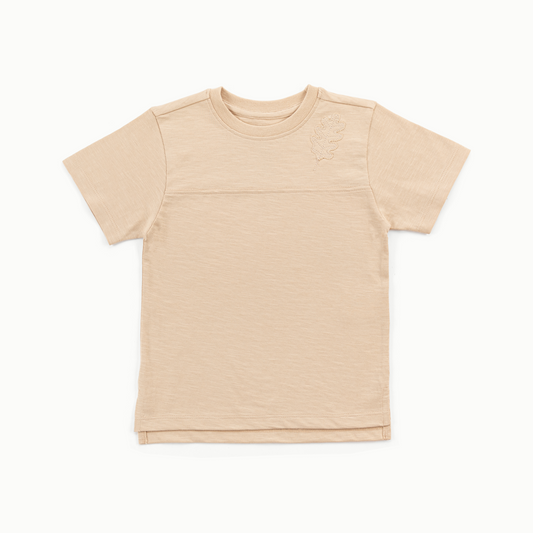
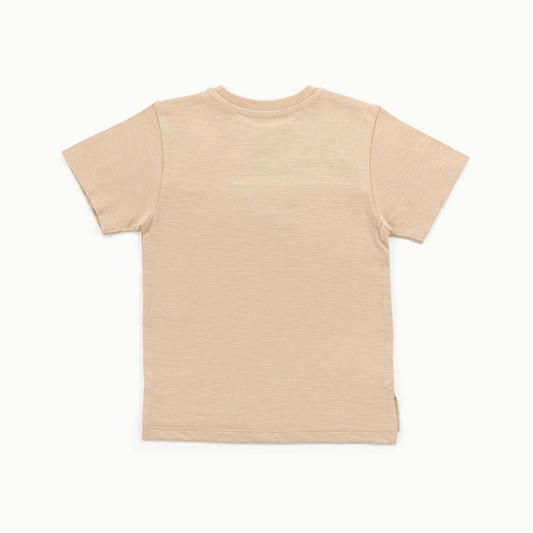
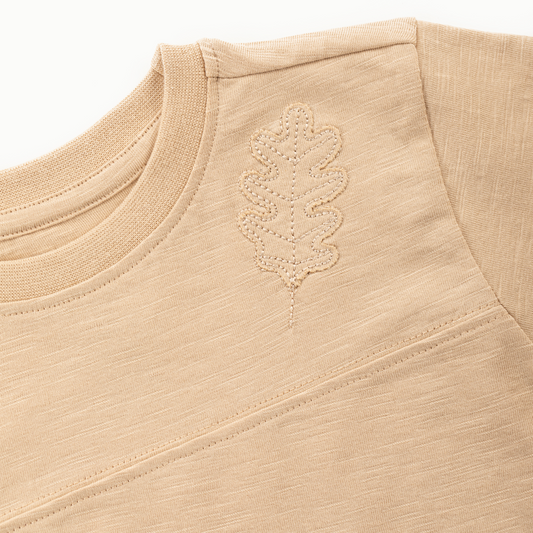
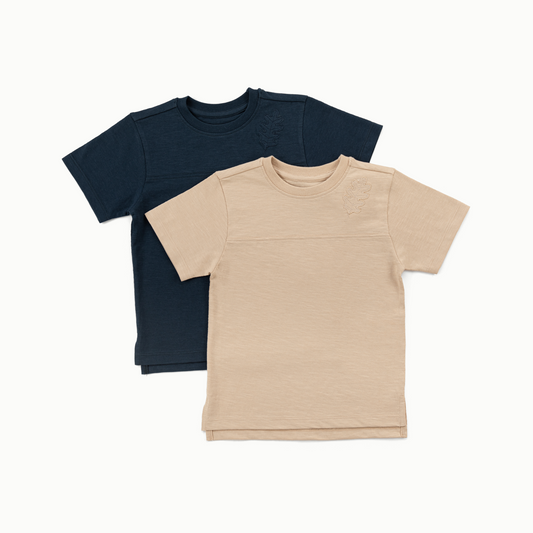
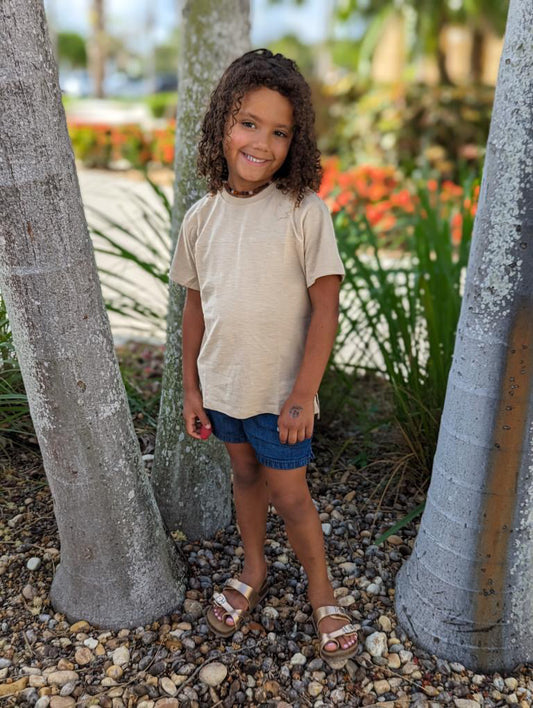
$34.002-3,3-4,4-5,5-6,6-7,7-8,8-9,9-10 yearsORGANIC COTTON OAK TEE IN SANDRegular price $34.00Regular priceUnit price per$34.00Sale price $34.00 -
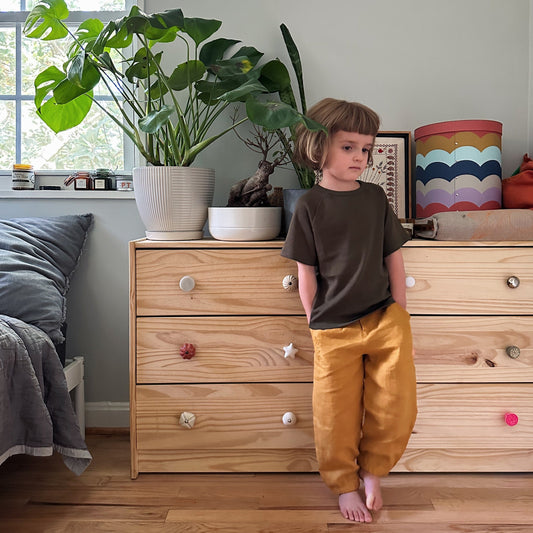
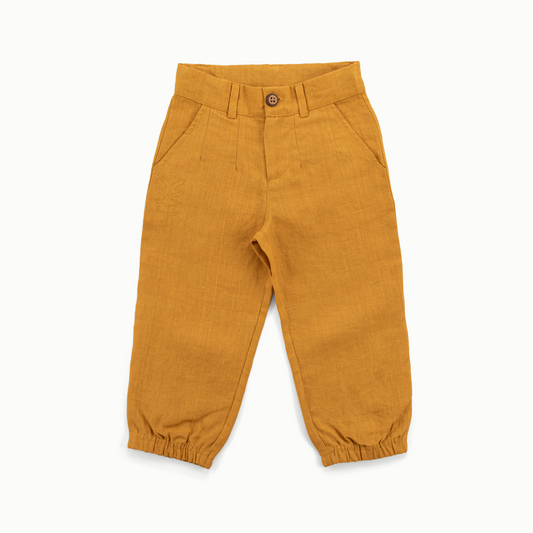
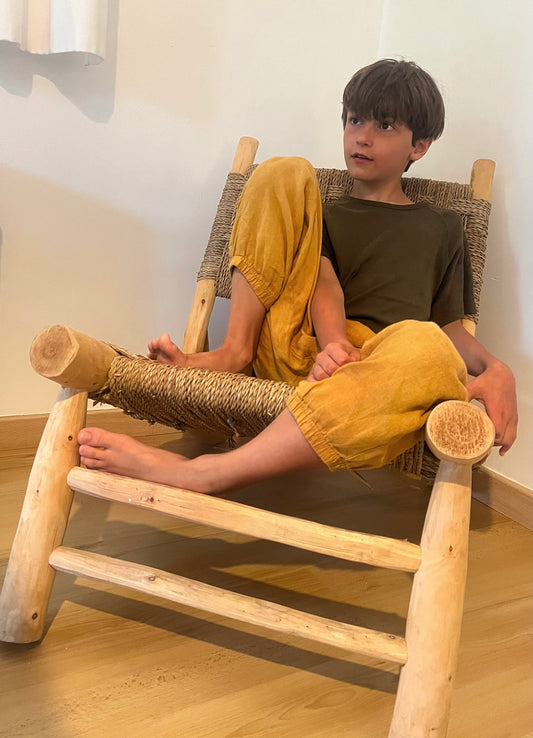
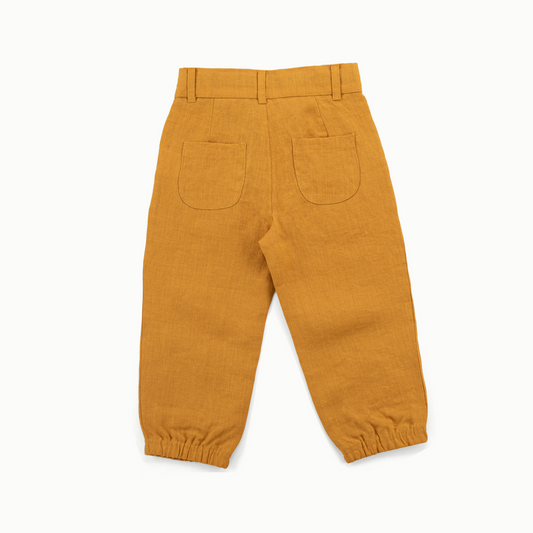
 $52.002-3,3-4,4-5,5-6,6-7,7-8,8-9,9-10 yearsSELECT SIZE$52.002-3,3-4,4-5,5-6,6-7,7-8,8-9,9-10 yearsLINEN OAK PANT IN TASSELRegular price $52.00Regular priceUnit price per
$52.00Sale price $52.00 -
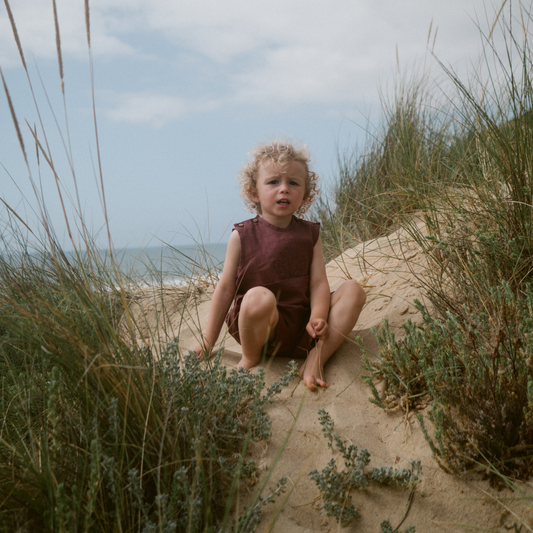
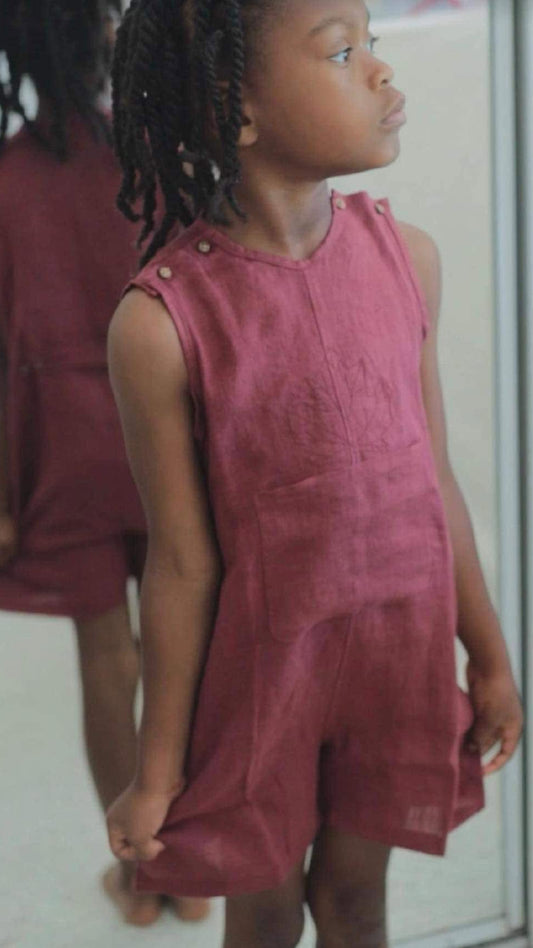
 30% OFF$49.002-3,3-4,4-5,5-6,6-7,7-8,8-9,9-10 yearsSELECT SIZE$26.95
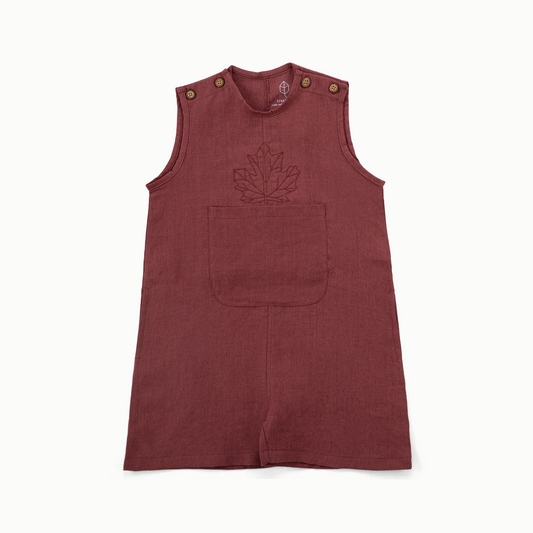
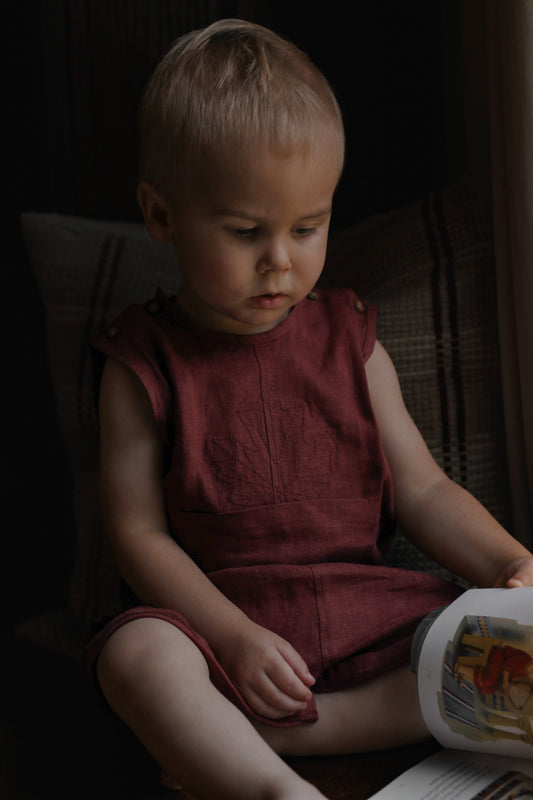
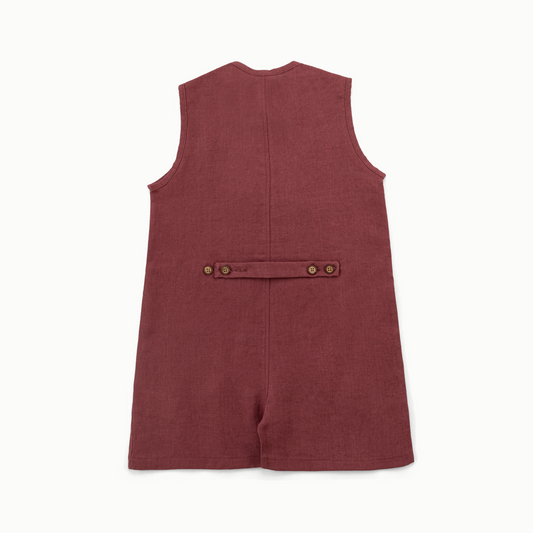
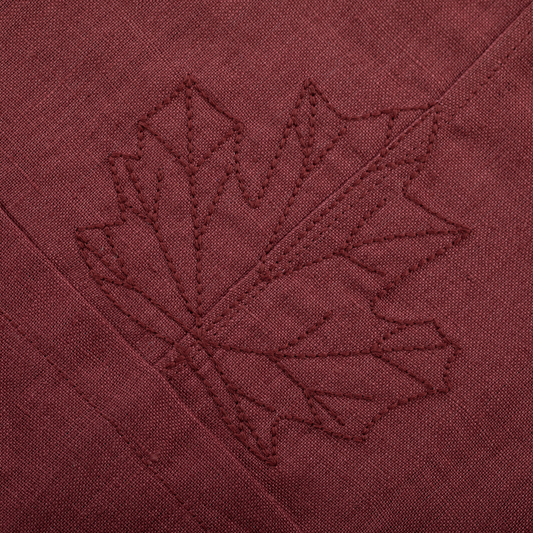
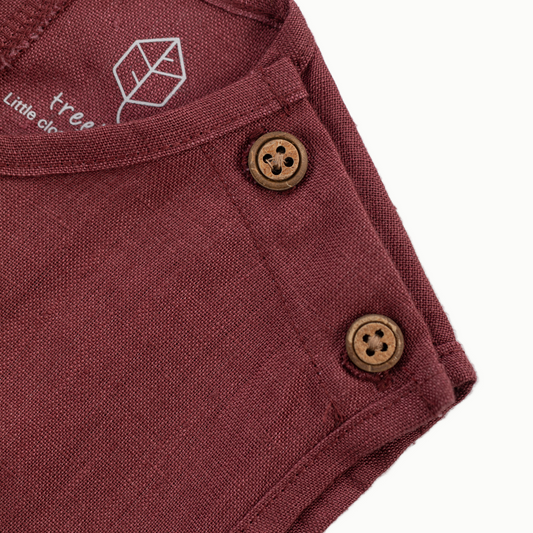
$49.002-3,3-4,4-5,5-6,6-7,7-8,8-9,9-10 yearsMAPLE ROMPER IN CANYON CLAYRegular price $49.00Regular priceUnit price per$70.00Sale price $49.00 -
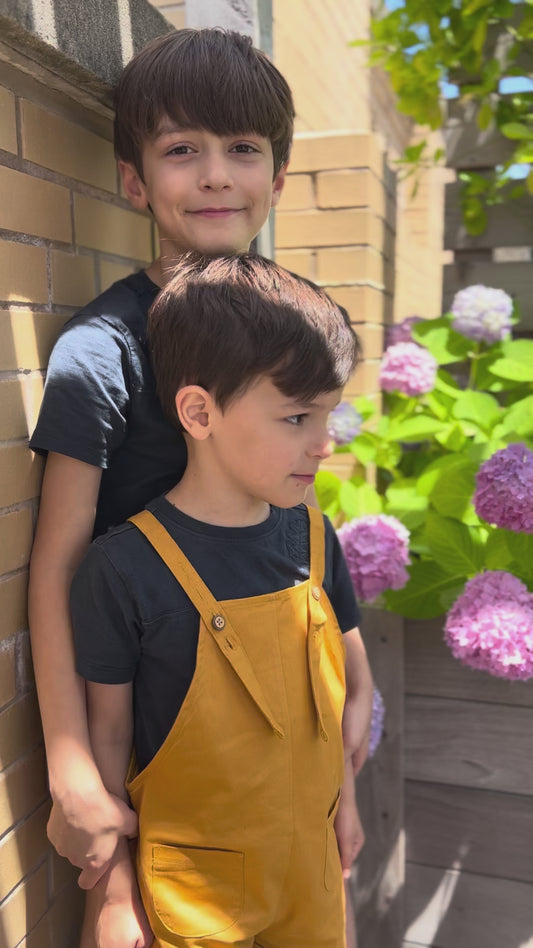
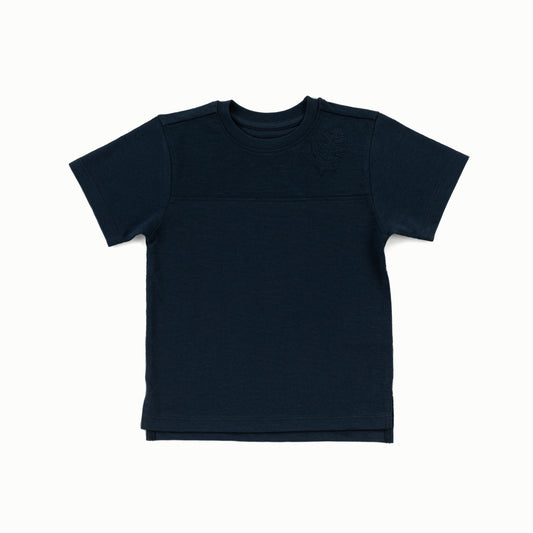
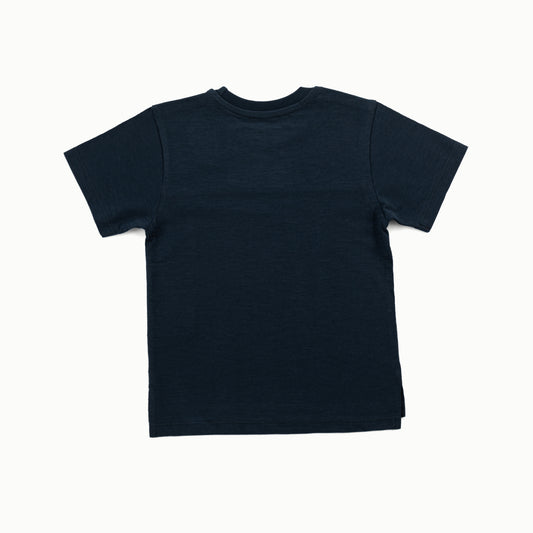
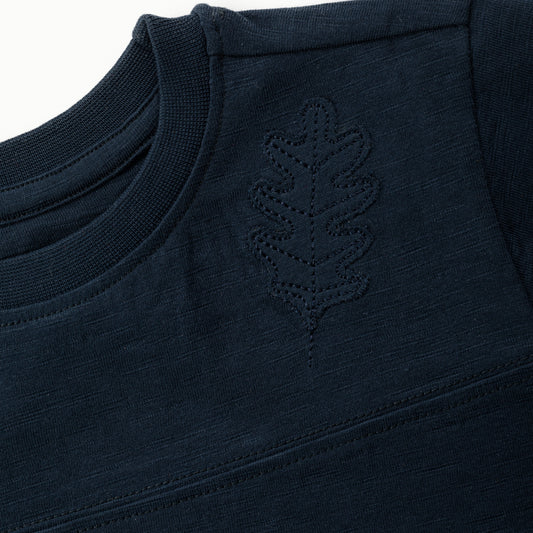
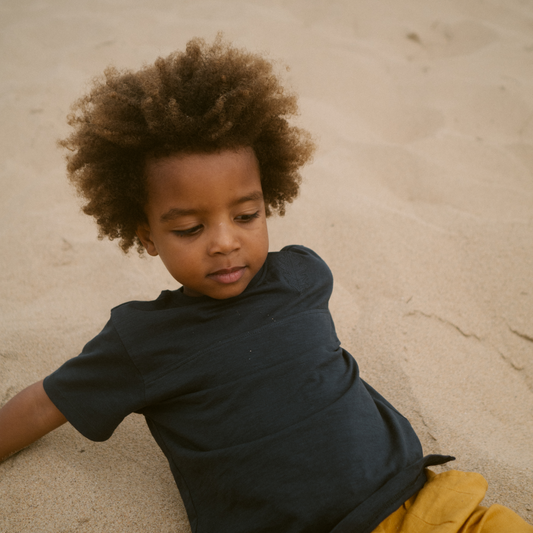 $34.002-3,3-4,4-5,5-6,6-7,7-8,8-9,9-10 yearsSELECT SIZE$22.10
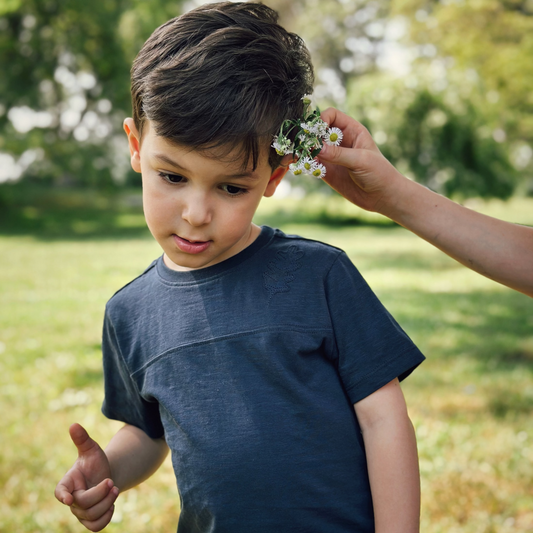
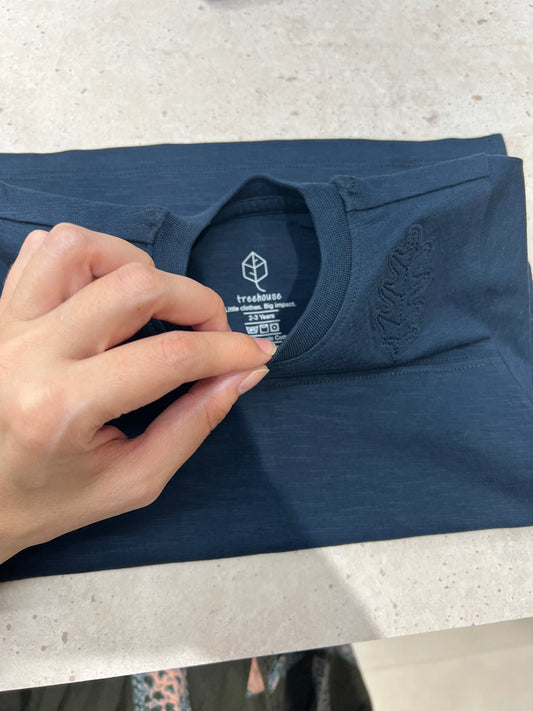
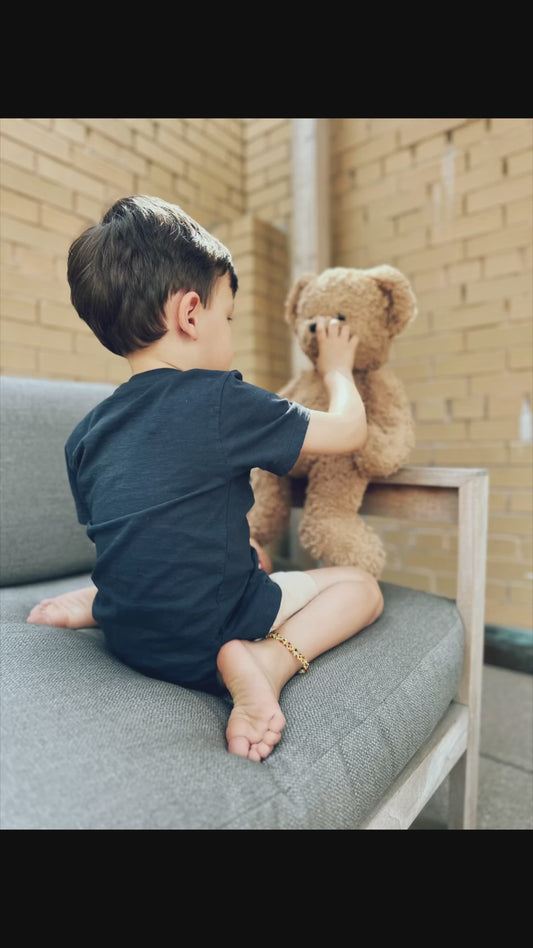
$34.002-3,3-4,4-5,5-6,6-7,7-8,8-9,9-10 yearsORGANIC COTTON OAK TEE IN NAVALRegular price $34.00Regular priceUnit price per$34.00Sale price $34.00 -
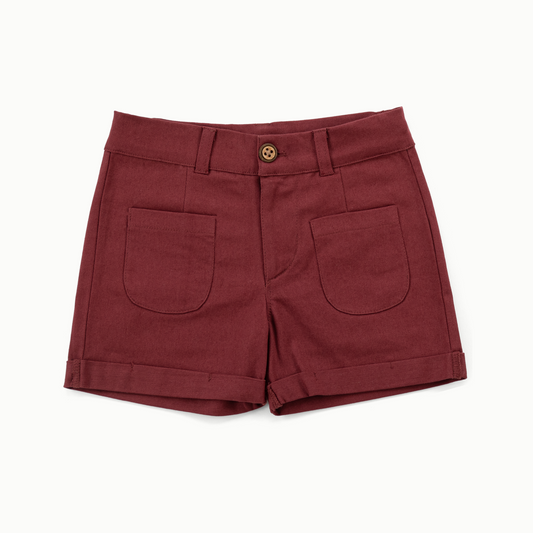
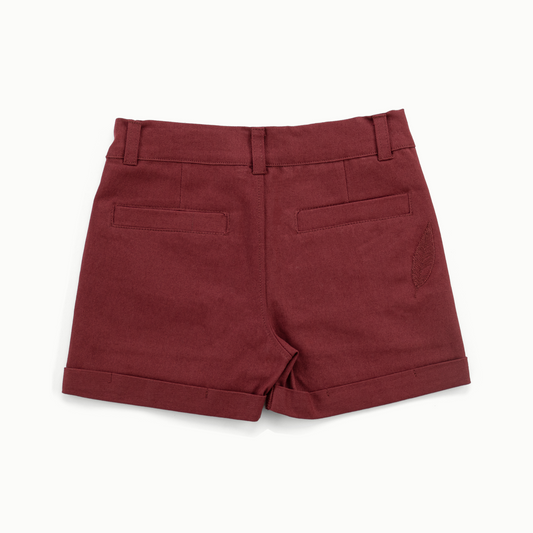
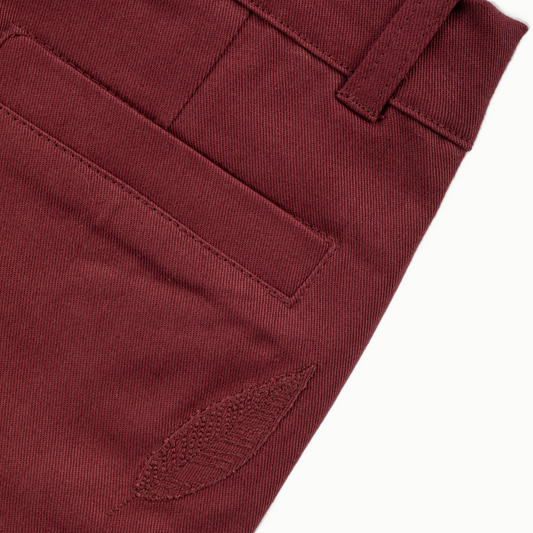
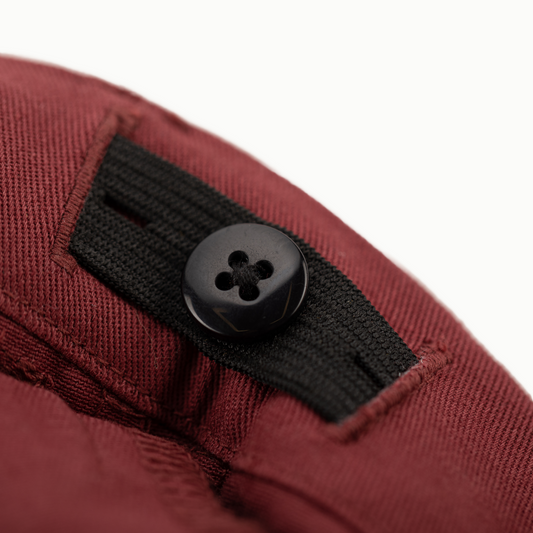
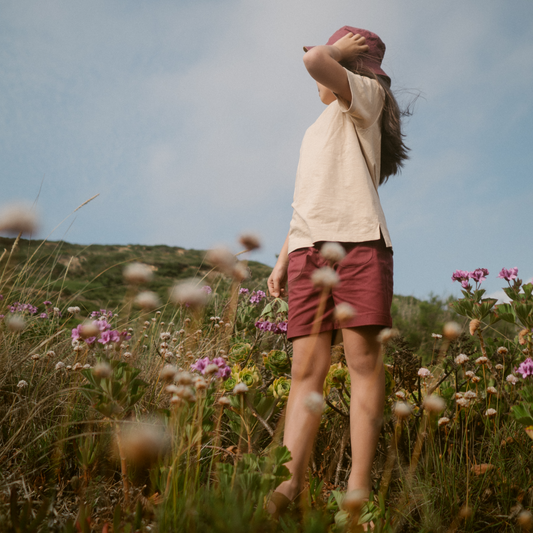 $36.002-3,3-4,4-5,5-6,6-7,7-8,8-9,9-10 yearsSELECT SIZE$23.40
$36.002-3,3-4,4-5,5-6,6-7,7-8,8-9,9-10 yearsORGANIC COTTON WILLOW SHORT IN CANYON CLAYRegular price $36.00Regular priceUnit price per$36.00Sale price $36.00 -
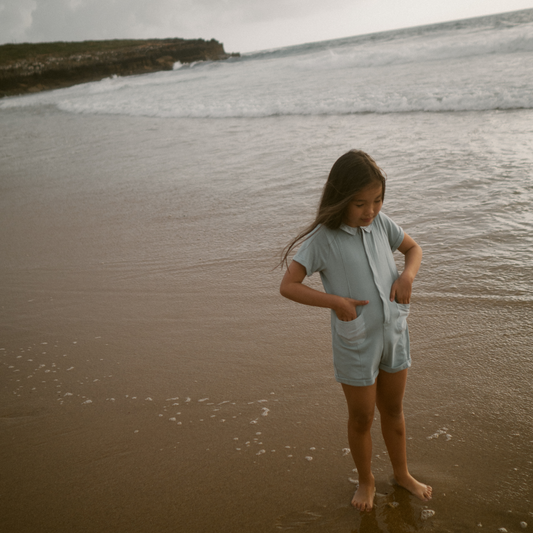
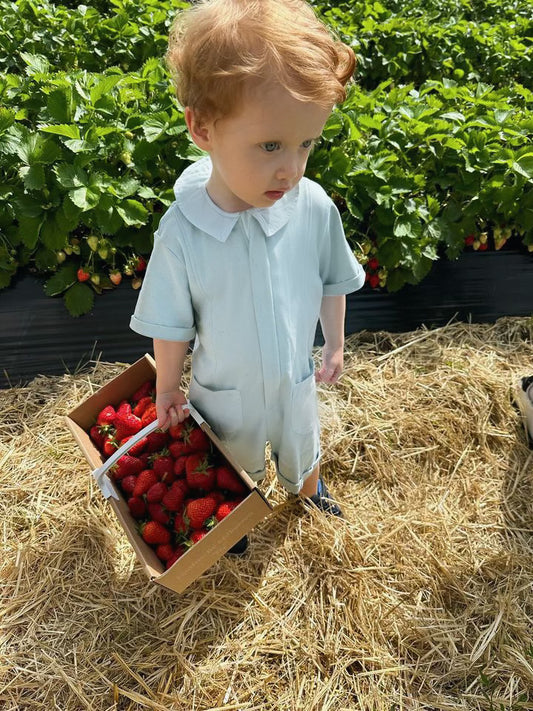
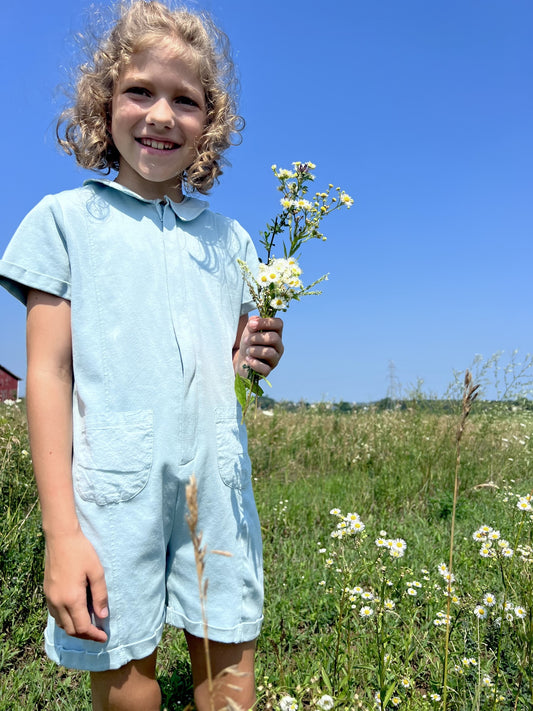
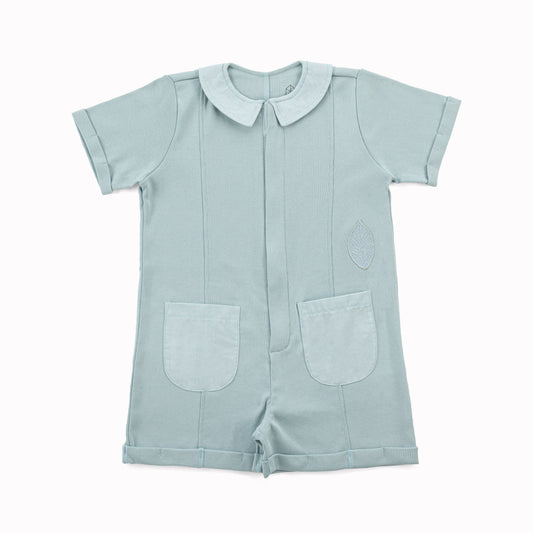
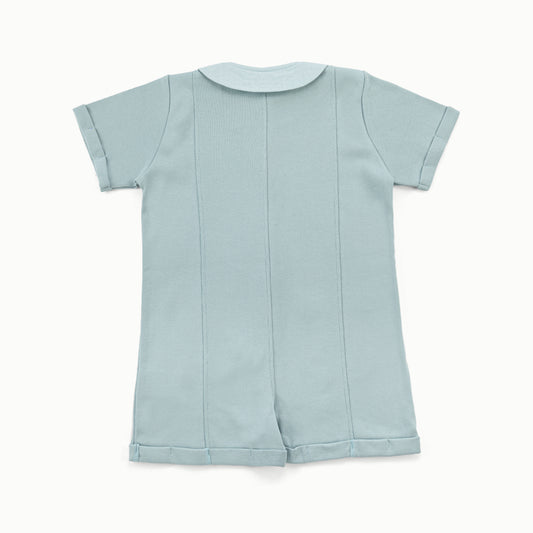
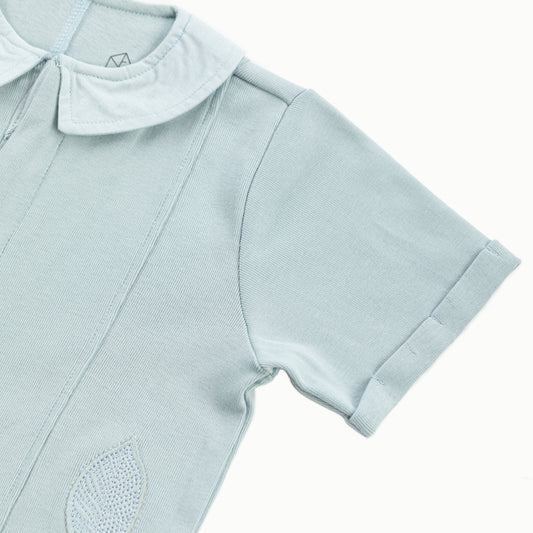 30% OFF$43.402-3,3-4,4-5,5-6,6-7,7-8,8-9,9-10 yearsSELECT SIZE$23.87
$43.402-3,3-4,4-5,5-6,6-7,7-8,8-9,9-10 yearsORGANIC COTTON BIRCH ROMPER IN SLEEPY BLUERegular price $43.40Regular priceUnit price per$62.00Sale price $43.40
You do not need to replace everything simultaneously. A safer wardrobe develops gradually as children grow and items naturally cycle out.
-
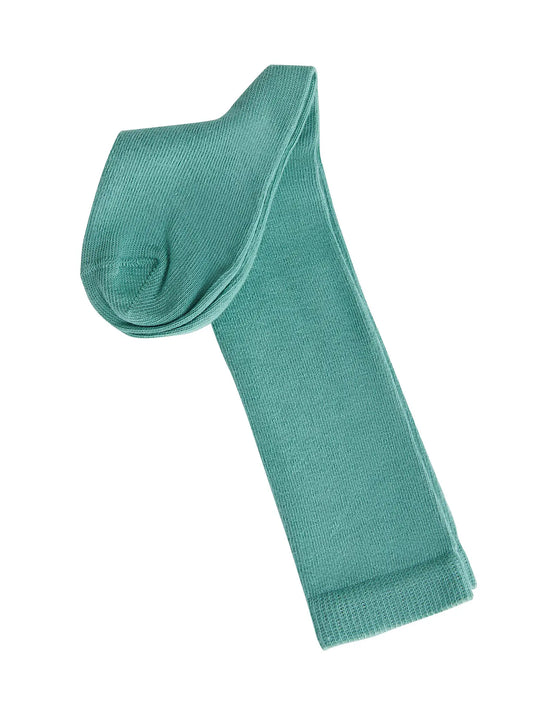
 BUY 2 - 15% BUY 3 - 20% BUY 4 - 25%$50.00US Baby 5-7.5,US Toddler 8-9.5,US Little Kid 10-12.5,US Big Kid 13-3SELECT SIZE$50.00US Baby 5-7.5,US Toddler 8-9.5,US Little Kid 10-12.5,US Big Kid 13-3LEELA COTTON 98% ORGANIC COTTON KNEE-HIGH KIDS SOCKS, 6-PACK | MINT GREENRegular price $50.00Regular priceUnit price per
 -
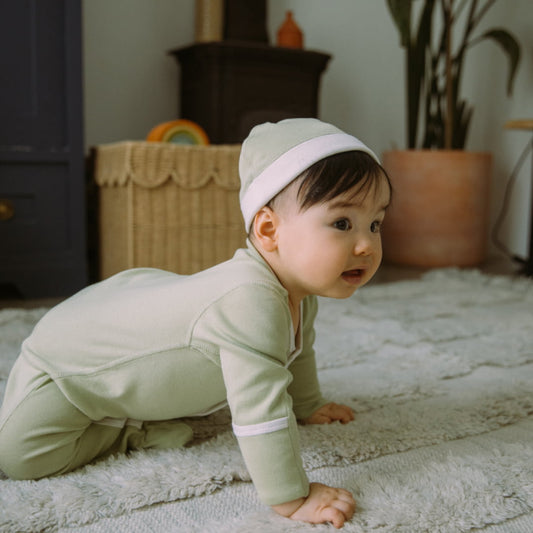
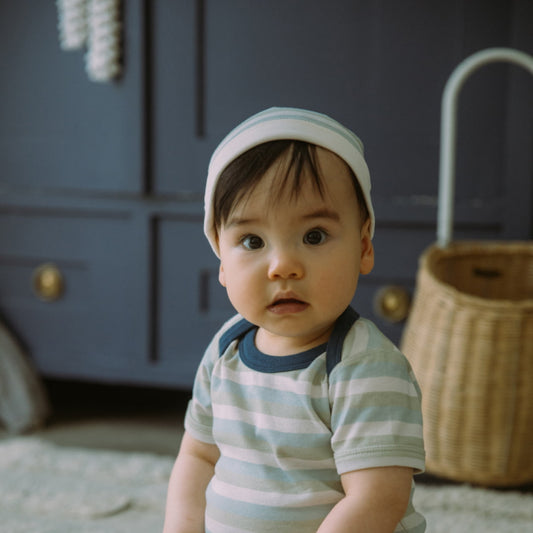
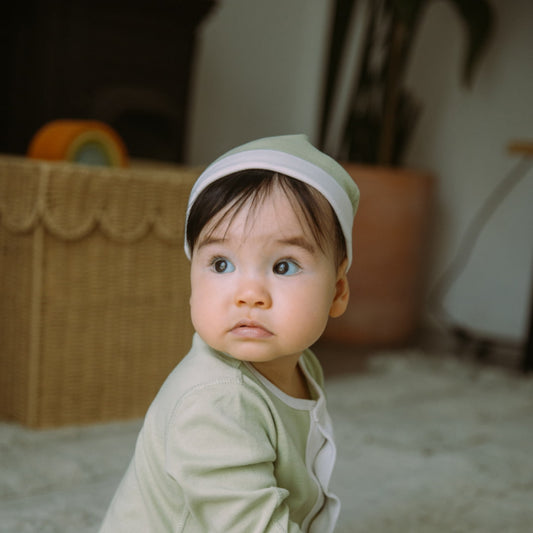
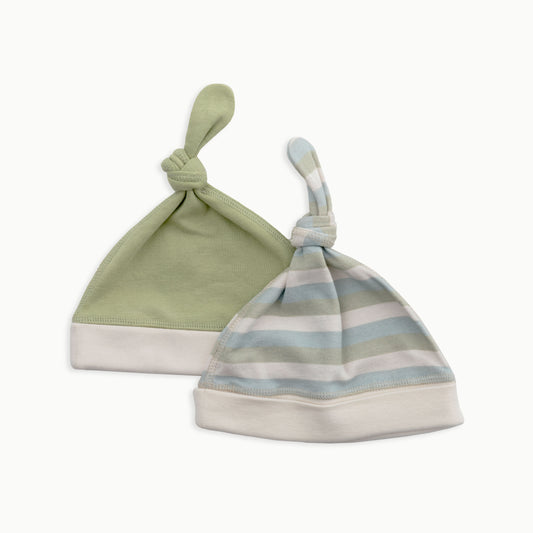
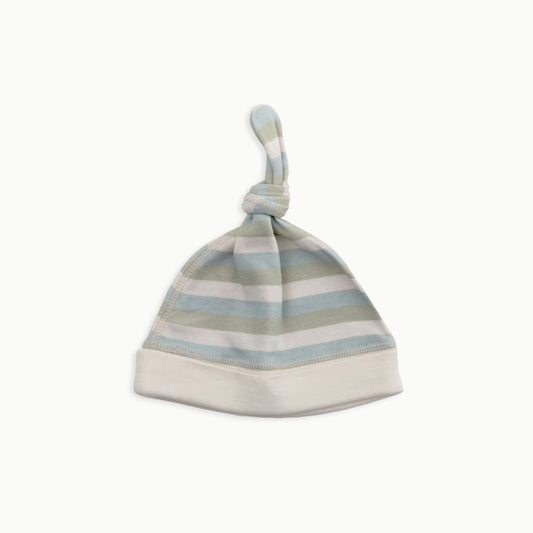
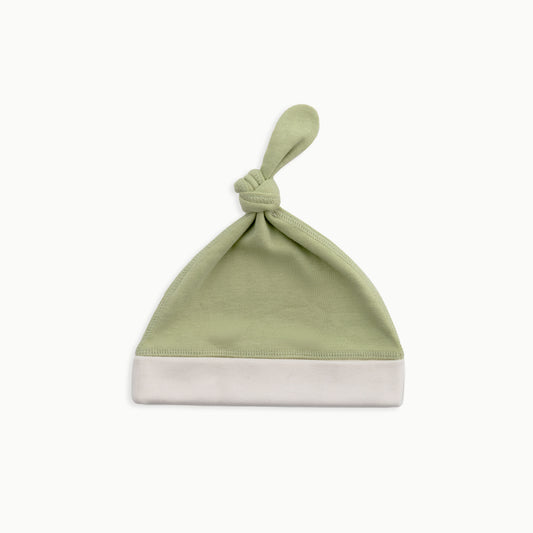
 $20.000-3,3-6 monthsSELECT SIZE$20.000-3,3-6 monthsORGANIC COTTON BABY KNOTTED HAT | STRIPED + SOLID GREENRegular price $20.00Regular priceUnit price per
 -
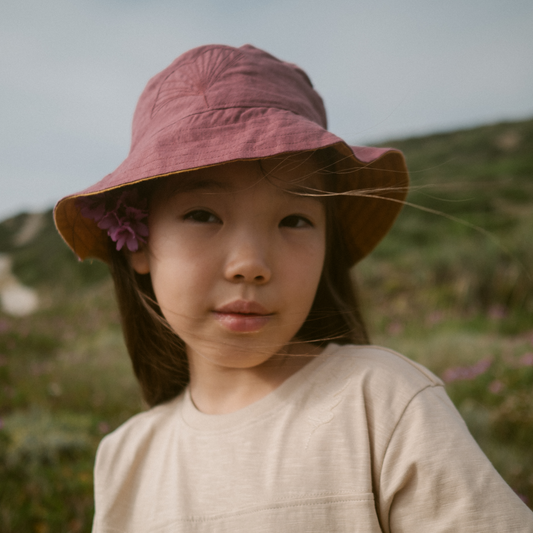
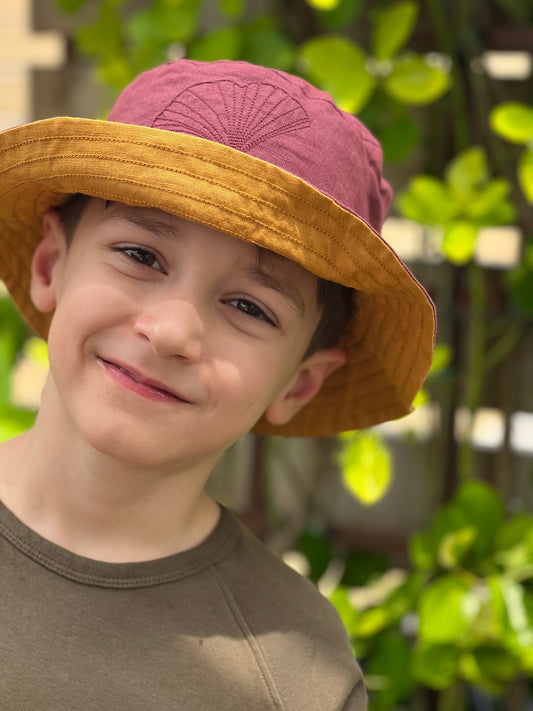
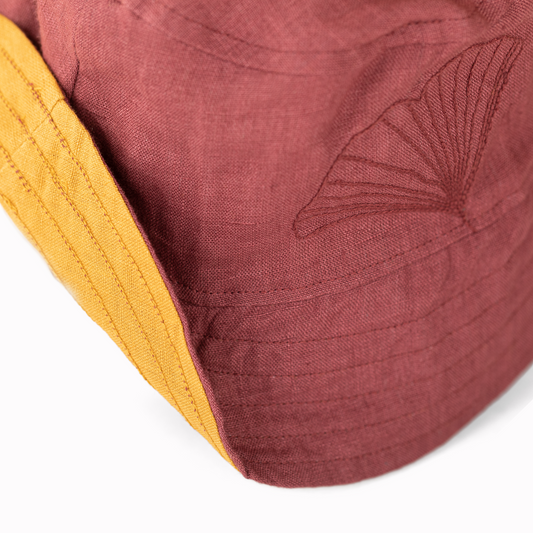
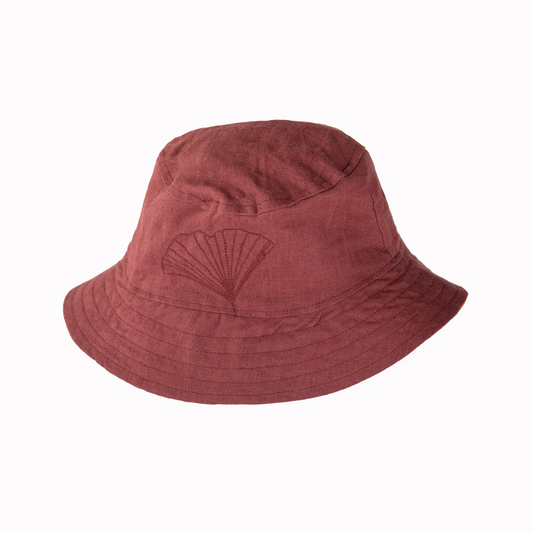
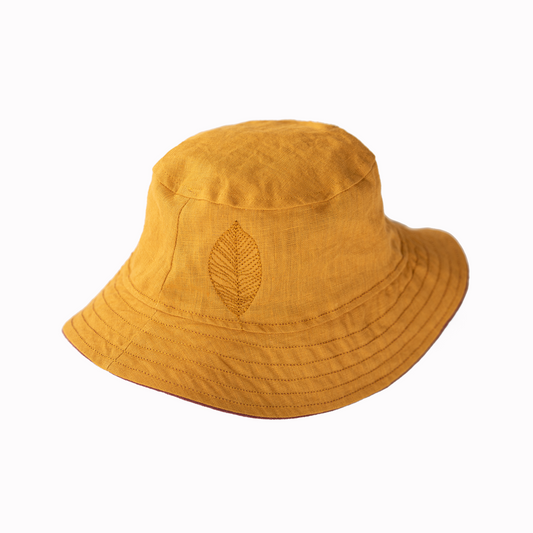
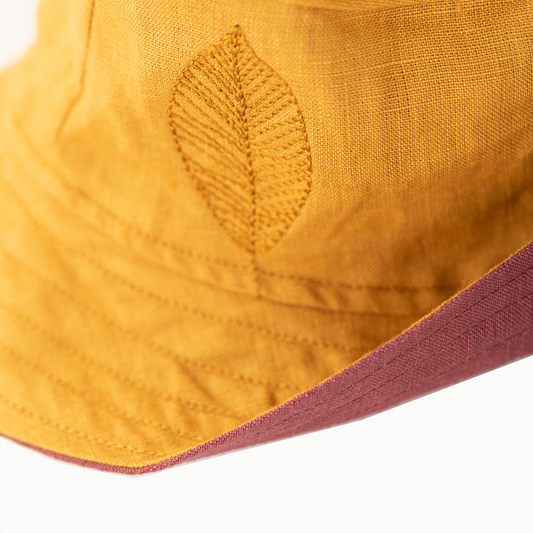
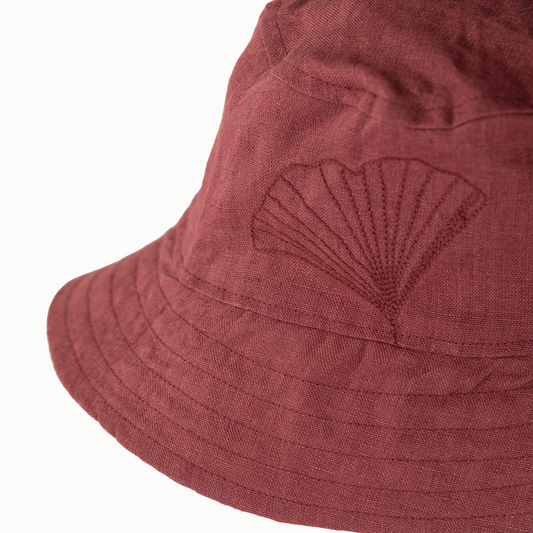
 $29.00S,M,LSELECT SIZE$29.00S,M,LLINEN THREE-LEAF BUCKET HATRegular price $29.00Regular priceUnit price per
$29.00Sale price $29.00 -
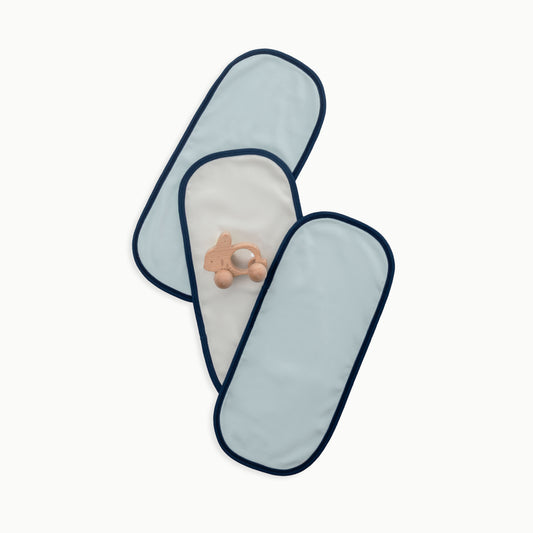
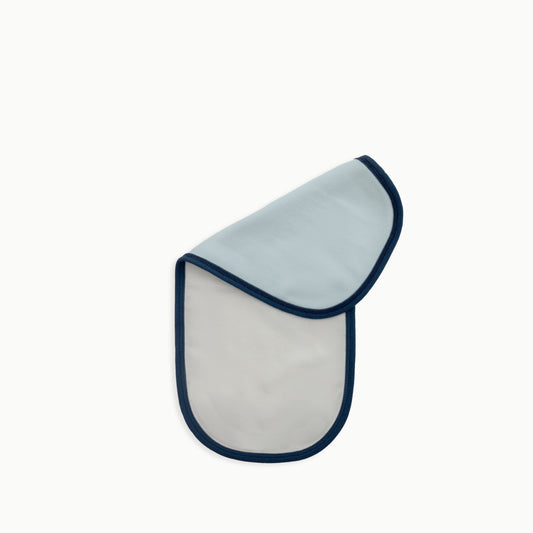
 $30.00SELECT SIZE$30.00ORGANIC COTTON BABY BURP CLOTHS, 3-PACK | BLUE + CREAMRegular price $30.00Regular priceUnit price per
 -
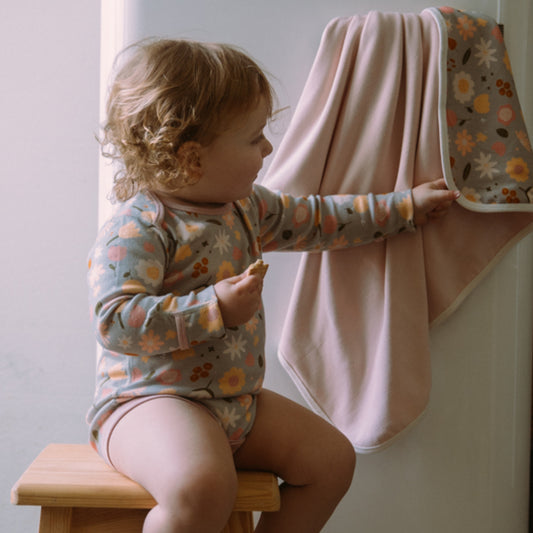
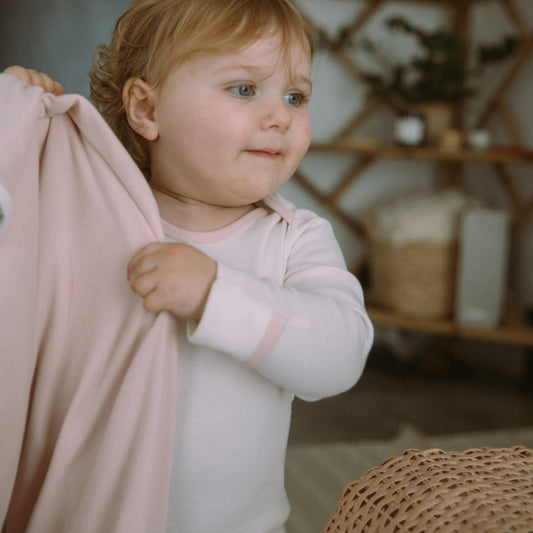
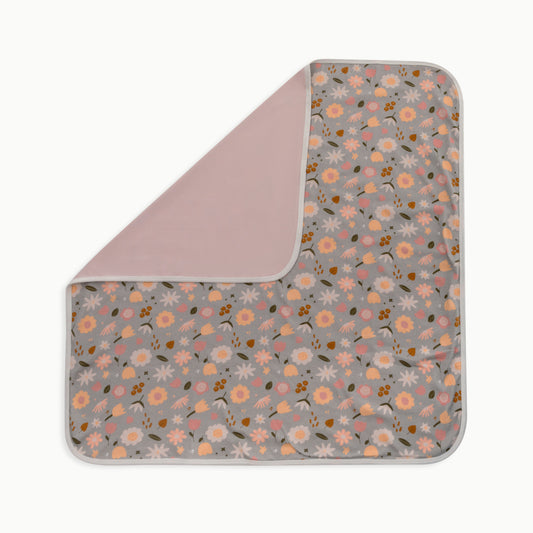
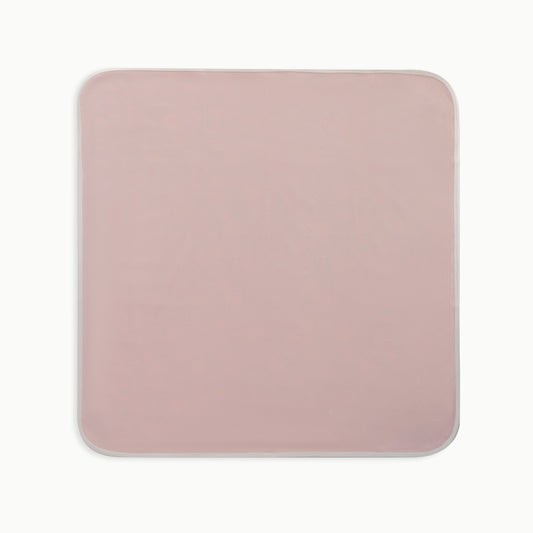 $32.00SELECT SIZE$32.00ORGANIC COTTON BABY DOUBLE-SIDED BLANKET | FLOWERS + SOLID PINKRegular price $32.00Regular priceUnit price per
 -
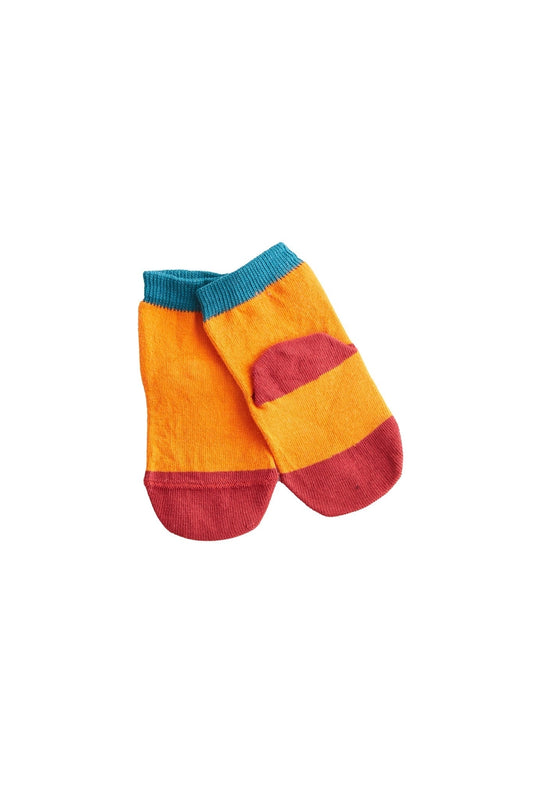 BUY 2 - 15% BUY 3 - 20% BUY 4 - 25%$45.00US Baby 0-2,US Baby 3-4.5,US Baby 5-7.5,US Toddler 8-9.5,US Little Kid 10-12.5,US Big Kid 13-3SELECT SIZE$45.00US Baby 0-2,US Baby 3-4.5,US Baby 5-7.5,US Toddler 8-9.5,US Little Kid 10-12.5,US Big Kid 13-3LEELA COTTON 98% ORGANIC COTTON KIDS CREW SOCKS, 6-PACK | ORANGE + REDRegular price $45.00Regular priceUnit price per
Do I Need a Special Detergent for Non-Toxic Baby Clothing?
Laundry is often overlooked as a source of chemical exposure. Even certified organic clothing can be coated with residues during washing.
Conventional detergents frequently contain synthetic fragrance, optical brighteners, and surfactants that remain on fabric after rinsing. A University of Washington air quality study in 2011 detected hazardous air pollutants emitted from dryer vents when scented laundry products were used. The lingering “fresh” scent in fabric reflects chemical compounds designed to persist.
Choosing fragrance-free formulations, avoiding optical brighteners, and using the minimum effective amount of detergent helps protect both fabric integrity and sensitive skin. Fabric softeners are best avoided, as they coat fibres and reduce breathability.
If you want to go further on either of these topics, we've written dedicated guides:


What if your Child has Sensitive Skin or Eczema?
For families navigating eczema, contact dermatitis, or sensory sensitivities, fabric choice becomes more than preference; it becomes part of symptom management.
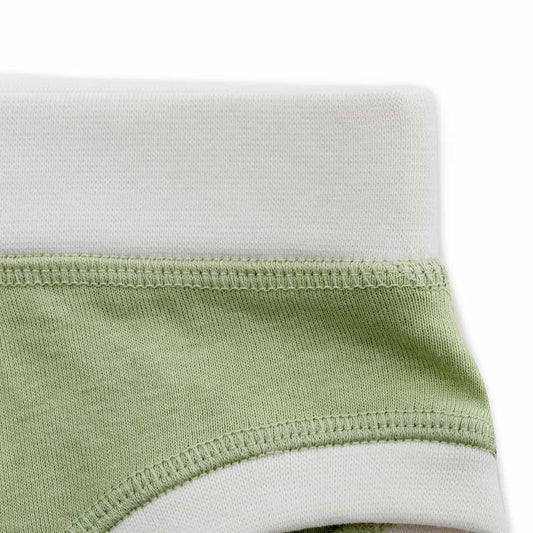
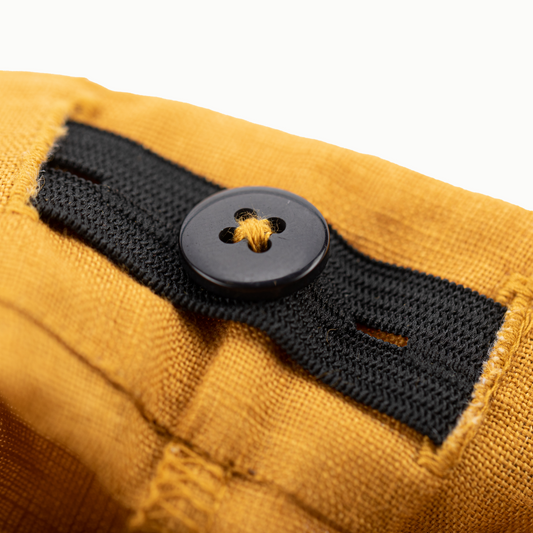
Children with compromised skin barriers are often more reactive to friction, synthetic fibres, and chemical residues. Beyond certification, consider garment construction. Flat seams reduce irritation. Tagless labels eliminate friction points. Low-impact dyes and minimal internal elastic improve comfort.
Sensory-friendly design addresses both material composition and tactile experience. In these cases, non-toxic clothing is not a lifestyle preference; it is a practical daily tool.


How Can I Tell If a Baby Clothing Brand Is Truly Non-Toxic?
Evaluate brands using clear, specific questions.
- Which certifications do you hold, and can you provide documentation?
- Where are your garments manufactured?
- Are your factories certified?
- Do you test finished garments for harmful substances?
- Is the entire garment certified or only the fabric?
Brands that provide transparent, specific answers demonstrate accountability. Vague sustainability language without verification should prompt caution.
Some fabrics sound inherently natural but require closer examination.
Bamboo, for example, grows quickly and requires minimal agricultural inputs. However, most bamboo clothing is processed into rayon using chemical solvents that fundamentally alter the fibre. The final fabric is a regenerated viscose, and its environmental impact depends heavily on processing transparency.
Recycled polyester reduces plastic waste entering landfills and oceans, which is a genuine environmental benefit. However, it remains a synthetic fiber and continues to shed microplastics during wear and washing.
Modal and lyocell are semi-synthetic fibers made from wood pulp.
When produced in closed-loop systems and properly certified, they can be responsible choices.
If you want to go further on either of these topics, we've written dedicated guides:


Ready to Start? Here’s Where We’d Begin
If you have read this far, you already understand more than most consumers.
You know that progress matters more than perfection, that auditing comes before adding, and that certification transforms marketing into accountability.
- Start with what touches skin first.
- Upgrade strategically.
- Thrift when it aligns with your priorities.
- Define your hierarchy and shop accordingly.
A non-toxic wardrobe is not built in a single purchase. It takes time and patience, and, if built intentionally, will stay with you for years to come.


