





























CONTENTS
There are very few things that wear out faster than kids’ clothes. Knees go first, then elbows, then small holes appear in places you do not even remember being stressed. It is not because the clothes are bad. It is because children move constantly, sit on rough surfaces, slide, climb, and repeat that cycle every day.

Most parents default to replacing damaged pieces because repairing feels like a skill they do not have or in today’s day and age, when fast fashion is so cheap, it might not seem worth it. In reality, the majority of clothing damage falls into a handful of predictable categories, and each one has a straightforward fix. Learning how to fix a hole in a shirt or how to repair a tear in fabric by hand is less about sewing skill and more about understanding tension, fabric structure, and where stress occurs.
A small, well-done repair can extend the life of a garment by months or years. Over time, this compounds. Fewer replacements, fewer purchases, and a wardrobe that actually holds up through multiple children instead of one season. Plus, it genuinely feels good.
Tip #1: Start by Understanding the Type of Damage
Before you pick up a needle, you need to diagnose what actually happened to the fabric.
A small hole usually means localized stress or friction. These are the easiest to fix and respond well to simple stitching.
A tear means the fabric has been pulled apart under tension. This requires reinforcing the surrounding area, not just closing the gap.
Seam damage is different. The fabric is still intact, but the stitching has failed. This is usually the quickest repair because you are restoring the original construction.
Fabric thinning is the most important thing to recognize. This happens when fibers have worn down over time. If you stitch directly into weakened fabric, it will tear again next to your repair.
This is why knowing how to fix a hole in fabric or how to repair a tear in fabric by hand starts with understanding what failed: the fiber, the structure, or the seam.
Tip #2: Fix Small Holes by Hand
 Small holes are where most parents should start. They are low risk, quick to fix, and immediately useful.
You only need a needle, thread, and scissors. The real skill is not sewing. It is controlling tension.
When fabric tears, the fibers around the hole are slightly stretched and distorted. Your job is to bring them back together without creating new stress.
How to Sew a Small Hole in a Shirt
Start by turning the garment inside out. This allows you to work on the structure rather than the surface.
Use a fine needle and thread that matches the fabric weight. Anchor your thread a few millimeters away from the hole rather than directly at the edge. This prevents the stitch from pulling through weakened fibers.
Stitch across the hole in small, even passes. Think of it as reconnecting the weave rather than closing a gap. If you pull too tightly, you will create puckering, which actually weakens the area and makes the repair visible.
The goal is a flat, stable surface, not a tight closure.
How to Sew a Hole in Pants
When you are fixing knees or other high-stress areas, closing the hole is only step one.
After stitching the hole shut, reinforce the area around it. Add a second layer of stitching in a slightly wider pattern to distribute tension. Kids bend their knees hundreds of times a day. If you do not spread that stress, the fabric will fail again right next to your repair.
This is the difference between a repair that lasts one wash and one that lasts months.
Tip #3: Repair Larger Holes with Patching
Once a hole reaches a certain size, stitching alone becomes structurally weak.
A patch works because it redistributes force across a larger surface area. Instead of the stress sitting on the damaged fibers, it is shared across the patch and the surrounding fabric.
For active kids, durability matters more than invisibility. An inside patch is less visible, but an outside patch is often stronger because it can be secured more directly.
The key is edge security. Most patch failures happen because the edges lift over time. Use tight, consistent stitching around the entire perimeter. Avoid wide gaps. Those become weak points under tension.
Tip #4: Try No-Sew Fixes for Quick Repairs
 No-sew options exist for a reason. Not every repair needs to be permanent.
Fabric glue works by bonding fibers together, but it creates a rigid point in the fabric. This means it is best used in low-movement areas like the body of a shirt rather than joints or seams.
Iron-on patches are more durable because heat activates an adhesive that penetrates the fibers. However, repeated washing and movement can weaken that bond over time.
Use no-sew methods when speed matters. Use stitching when longevity matters.
Tip #5: Fix Tears Along Seams the Right Way
Seams fail because they are under constant directional tension. Every time a child lifts their arms or sits down, the seams are pulling against the stitch line.
To repair a seam properly, you need to recreate that original structure.
Turn the garment inside out and align the fabric edges exactly as they were. Use a backstitch rather than a simple running stitch. A backstitch creates a stronger, more continuous line that resists tension.
Anchor your thread well at both ends and go slightly beyond the damaged area. This prevents the seam from opening again at the edges of your repair.
Tip #6: Handle Delicate Fabrics with Extra Care
Not all fabrics behave the same under repair.
Organic cotton is highly absorbent and relatively forgiving. It accepts stitches well and holds them securely, but it also stretches slightly, so tension control matters.
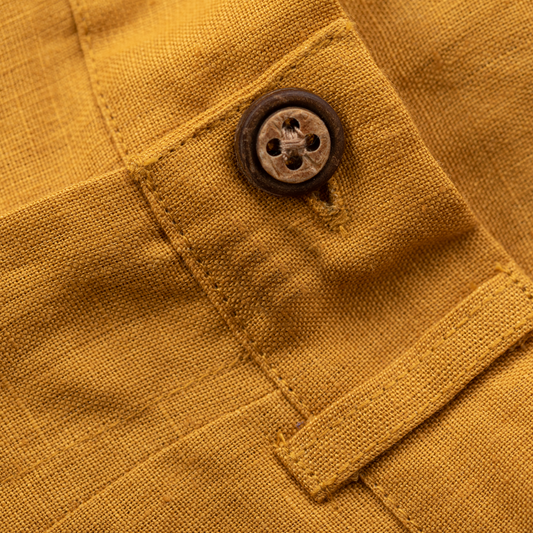
Linen is stronger but less elastic. It does not tolerate aggressive pulling. If you over-tighten stitches, you will distort the weave and weaken the fibers. The correct approach is gentle alignment and minimal tension.
Knits stretch in multiple directions, which makes them prone to distortion if repaired incorrectly. You need to stabilize the area before stitching.
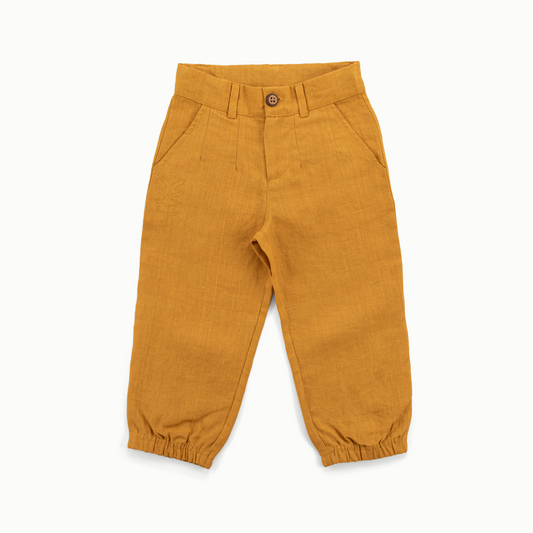
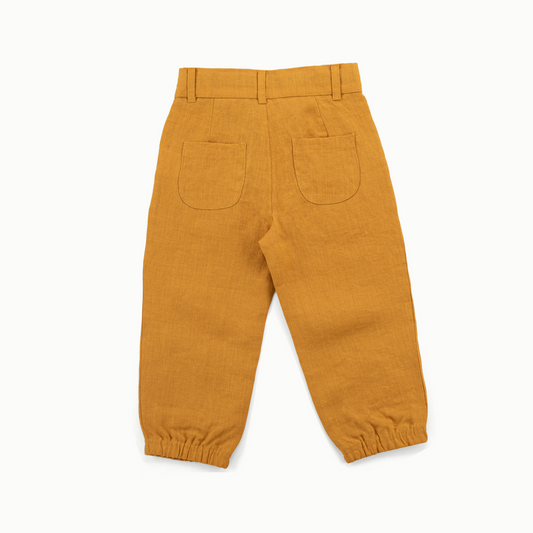
Natural fibers are generally easier to repair than synthetic blends because they maintain their structure under heat and friction. This is one of the reasons kids’ organic cotton clothes, organic cotton clothes for babies, and kids’ linen clothes tend to last longer and respond better to repair.
Tip #7: Make Repairs Last Longer
A repair is not finished when the hole is closed. It is finished when it survives repeated wear and washing.
Reinforce high-stress areas every time. Wash repaired garments inside out to reduce friction against other clothes. Avoid high heat, which weakens fibers and accelerates breakdown.
Small habits make a measurable difference. Turning clothes inside out before washing reduces surface abrasion. Using lower heat settings preserves fiber strength. Over time, this can double the lifespan of repaired garments.
Tip #8: When It’s Better to Replace Instead of Repair
There is a point where repair stops being effective.
If the fabric around the hole feels thin or almost transparent, the fibers have already degraded. Stitching into that area will create new holes.
If damage appears in multiple areas, it often means the fabric has reached the end of its structural life.
Safety also matters. For items like sleepwear or baby clothing, structural integrity is more important than extending use.
Knowing when not to repair is part of maintaining a functional wardrobe.
Tip #9: Build a Small Rotation to Reduce Wear and Tear
The fastest way to destroy clothing is repetition.
When a child wears the same two or three pieces constantly, those garments absorb all the friction, washing cycles, and stress. Fibers break down faster, seams fail sooner, and repairs become more frequent.
A small rotation spreads that load. Even adding two or three additional pieces can significantly reduce wear on each individual item.
This is one of the simplest ways to extend clothing's life without changing anything else.


