





































CONTENTS
Parents today are paying much closer attention to what touches their children’s skin. And for good reason. Clothing is one of the things babies and kids interact with the most. Pajamas can stay on for 10 to 12 hours at a time, underwear sits directly against some of the most sensitive areas of the body, and younger children often chew on sleeves, collars, or blankets without thinking about it.
That is why certifications like GOTS have become so important when shopping for children’s clothing.

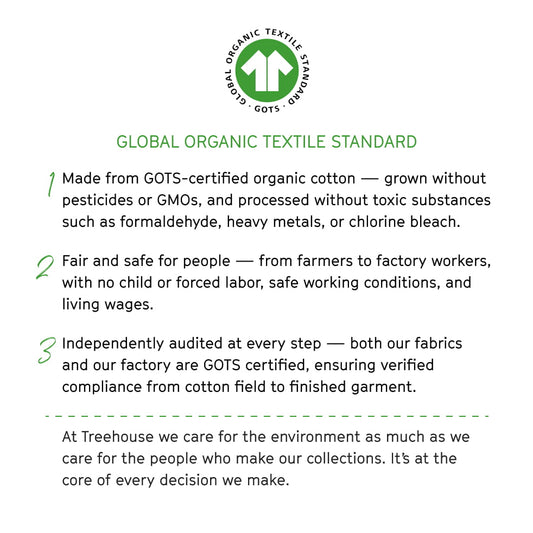
GOTS stands for the Global Organic Textile Standard. It is the world’s leading certification for organic fibers and responsible textile production. The standard was established in 2006 by four nonprofit organizations: the Organic Trade Association in the United States, the Soil Association in the United Kingdom, the International Association Natural Textile Industry in Germany, and the Japan Organic Cotton Association.
In simple terms, GOTS is a third-party certification that verifies how textiles are produced across the entire supply chain. It does not just look at the fiber itself. It regulates how the fiber is grown, processed, dyed, and manufactured into finished garments.
This distinction matters because many clothing labels use terms like “organic,” “natural,” or “eco-friendly” without any independent verification.
GOTS, by contrast, requires companies to undergo regular inspections by accredited certification bodies such as Control Union, Ecocert, or Soil Association Certification. These auditors verify that every stage of production meets the requirements of the standard.
Today, more than 14,000 facilities in over 70 countries are certified under GOTS, making it the most widely recognized organic textile certification system in the world.
The standard regulates a wide range of factors, including:
-
Organic fiber sourcing
-
Chemical inputs used during textile processing
-
Dyeing and finishing methods
-
Wastewater treatment requirements
-
Worker protections and social criteria
-
Traceability and labeling rules
For parents trying to make safer choices for their children, this level of oversight provides a clearer signal than marketing claims alone.
What Does GOTS Test For? What It Protects Against
 One of the main reasons parents look for GOTS certification is that it restricts or prohibits many chemicals commonly used in conventional textile production.
The global textile industry uses thousands of chemical substances during manufacturing. Some estimates suggest that over 8,000 synthetic chemicals are used in textile processing worldwide. Without strong standards, residues from these substances can remain in finished garments.
GOTS sets strict limits or bans on many of these inputs, including:
• Heavy metals such as lead and cadmium
• Formaldehyde
• Chlorine bleaching
• Certain flame retardants
• Toxic solvents used in finishing
• Synthetic pesticides used during cotton cultivation
• Hazardous dyes such as AZO dyes, which can break down into carcinogenic aromatic amines. You can learn more about these in our guide on AZO dyes.
These restrictions are particularly relevant for babies and young children.
Children’s skin is significantly thinner than adult skin and can be more permeable, which means it may absorb substances more easily. Babies also spend long periods of time in clothing that sits directly against the body. In early infancy, sleepwear and loungewear can be worn for 16 to 20 hours a day.
Another lesser-known part of the standard is that GOTS sets limits on the pH level of finished textiles. Fabrics that are too alkaline can irritate sensitive skin and may aggravate conditions such as eczema.
If your child struggles with skin irritation, fabric choice can make a noticeable difference. Our guide to the best fabrics for sensitive skin explains how different materials interact with the skin barrier.
What GOTS Does NOT Allow
The GOTS standard prohibits or restricts several high-risk substances used in textile processing:
-
AZO dyes that release carcinogenic amines
-
Chlorine bleaching of fabrics
-
Certain flame-retardant chemicals
-
Toxic heavy metals such as lead, cadmium, and chromium VI
-
Genetically modified cotton fibers
-
Formaldehyde above strict limits
These restrictions are one of the reasons GOTS-certified garments are often recommended for babies and children with sensitive skin.
An Important Detail Many Parents Miss: The Factory Must Be GOTS Certified Too
 One of the most misunderstood aspects of GOTS certification is that it applies to the factory as well as the fabric.
A mill may produce organic cotton fabric that is GOTS certified. But if that fabric is later cut and sewn in a factory that is not certified under the GOTS standard, the finished garment cannot legally be labeled GOTS certified.
For a product to carry the official certification, every major stage of production must take place in GOTS-certified facilities. This includes spinning mills, knitting or weaving mills, dye houses, and the factory that produces the final garment.
Each facility must undergo regular independent audits conducted by accredited certification bodies. These audits review chemical management systems, wastewater treatment, traceability of organic fibers, and social criteria such as safe working conditions.
This is an important distinction because in today’s market, many garments marketed as “organic” follow a different path.
In most cases, sourcing agents purchase GOTS-certified fabric, but then manufacture the garments in factories that are not themselves certified under the standard. These factories may not be subject to the same chemical management requirements or auditing process.
When that happens, the finished product cannot carry the official GOTS label, even if the fiber originally came from organic cotton.
The difference may sound technical, but it has real implications. GOTS certification not only verifies fiber content. It also ensures that the factories involved follow restrictions on chemical use, wastewater management, and labor standards.
Without that full chain of certification, those protections are far harder to verify. That’s why at Treehouse, we not only use GOTS-certified fabrics but also produce in a GOTS-certified and audited factory.
GOTS vs Other Labels
Textile certifications can be confusing because different labels focus on different parts of the production process.
GOTS vs OEKO-TEX
OEKO-TEX Standard 100 focuses on testing the finished textile product for harmful substances. It checks whether the final garment contains chemical residues above certain limits.
GOTS goes further by regulating the entire production process, starting with organic fiber cultivation and continuing through spinning, dyeing, and manufacturing.
Many responsible brands use both certifications because they address different aspects of safety and transparency.
GOTS vs “Made with Organic Cotton”
Another phrase commonly seen on clothing labels is “made with organic cotton.”
This wording can be misleading. A garment may contain organic cotton fibers but still be processed using conventional dyes, finishes, or chemical treatments.
GOTS certification closes that gap by regulating both the fiber and the processing stages.
Why GOTS Is Considered the Gold Standard
Because it addresses fiber sourcing, chemical safety, environmental practices, and worker protections together, GOTS is widely considered the most comprehensive organic textile certification available today.
That does not mean it is perfect. Textile supply chains are complex, and certification systems continue to evolve. But among existing standards, GOTS provides one of the highest levels of transparency currently available to consumers.
What Does GOTS Mean for Baby and Kids' Clothing?
For parents, certifications become meaningful when they connect to the real items children wear every day.
Think about garments like:
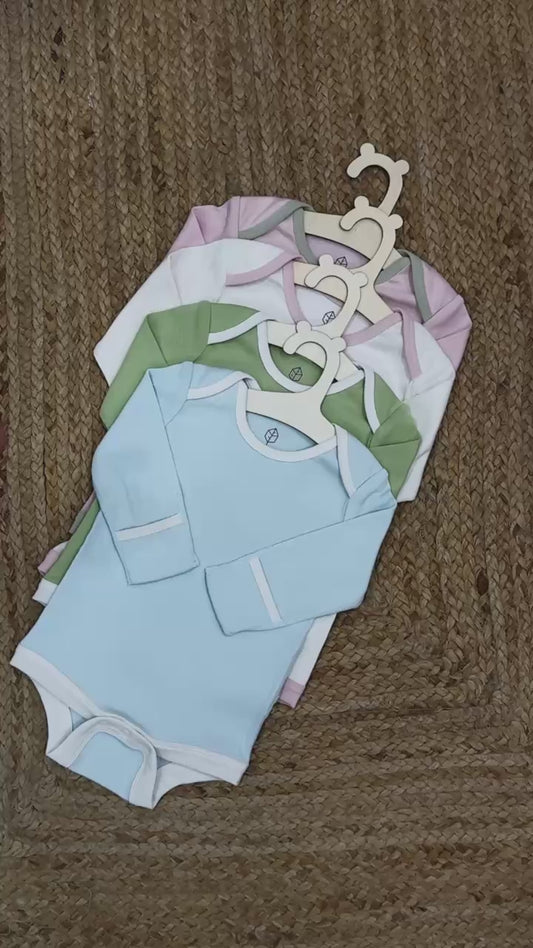
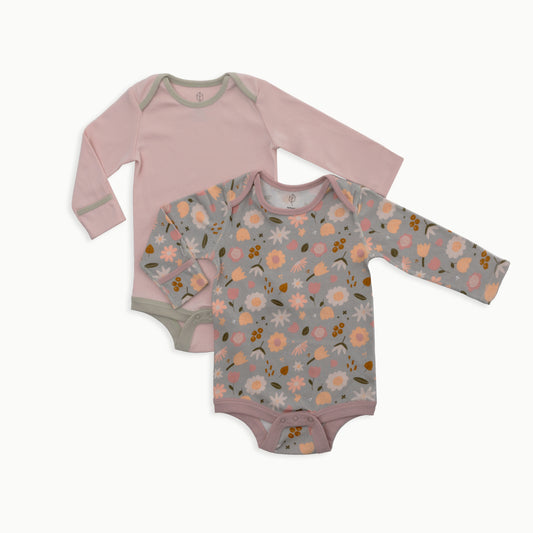
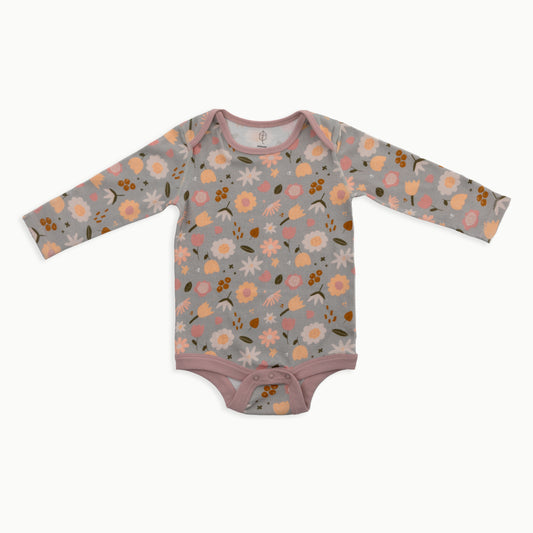
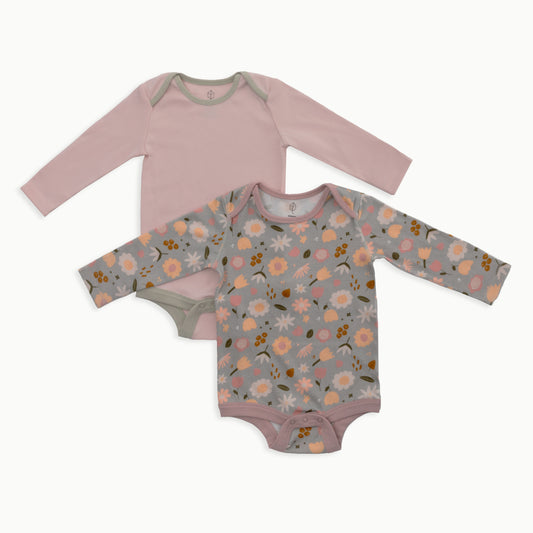
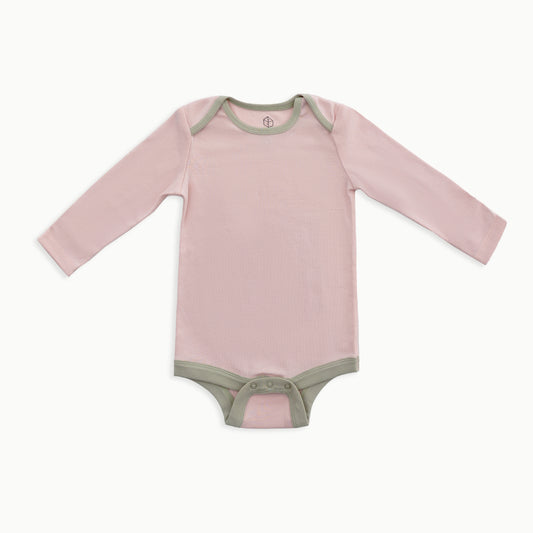
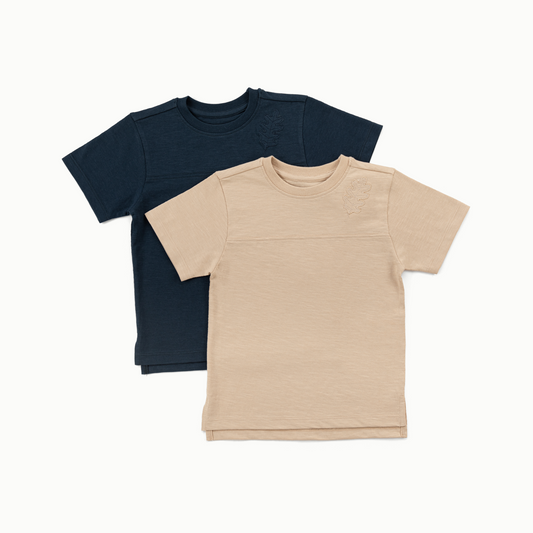
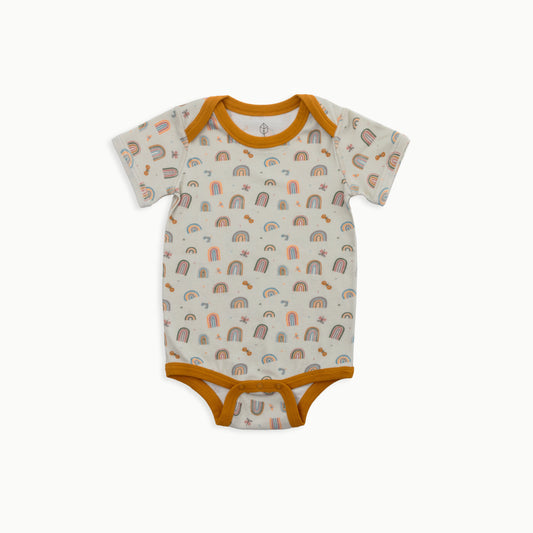
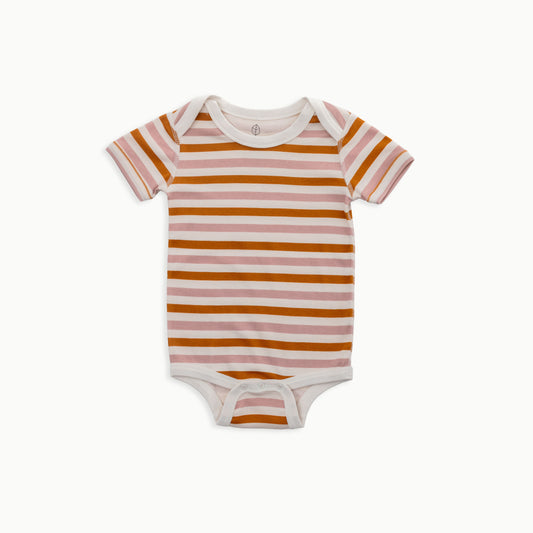
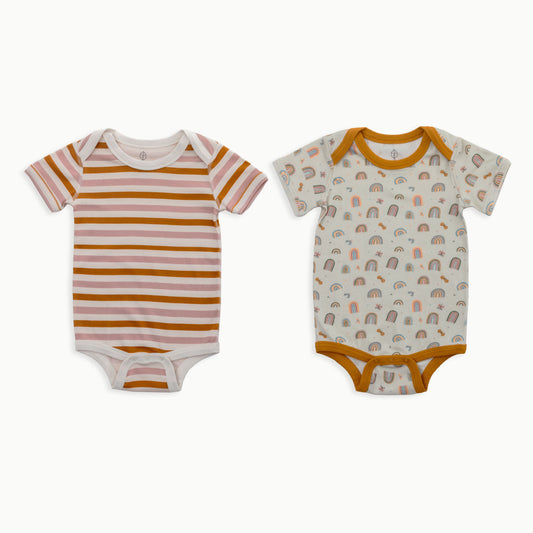
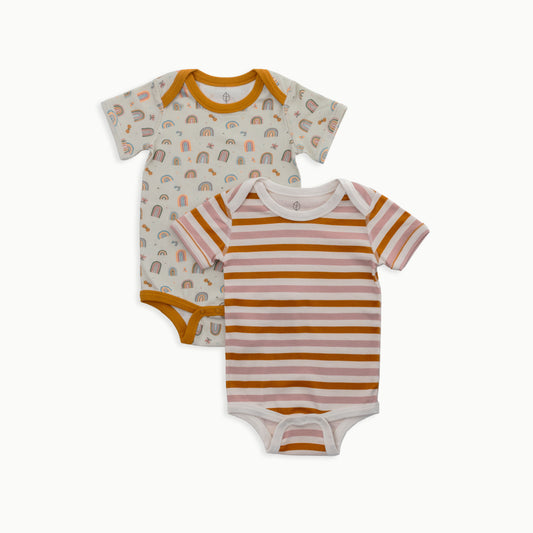
- Onesies and bodysuits
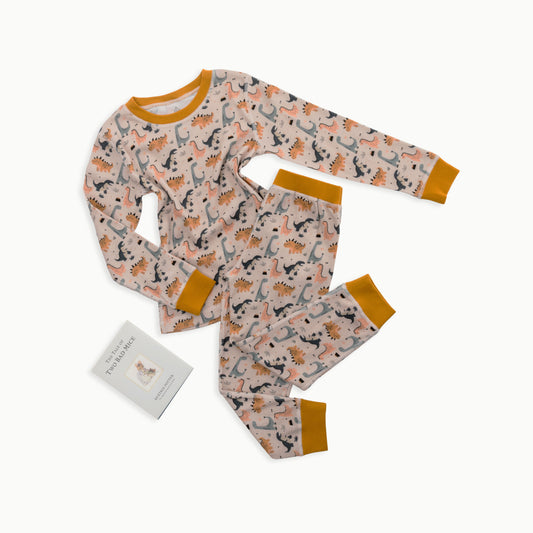
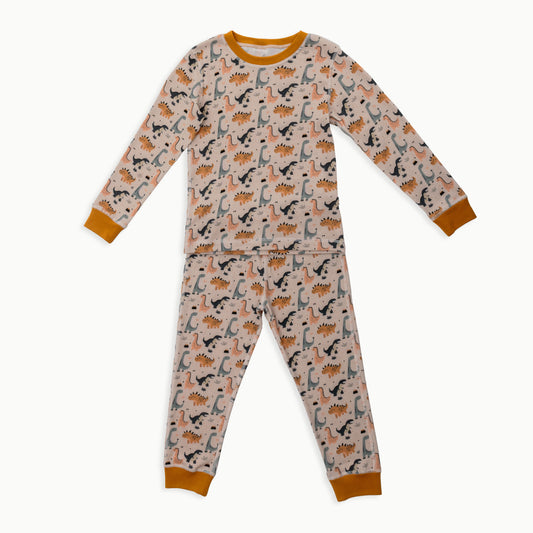
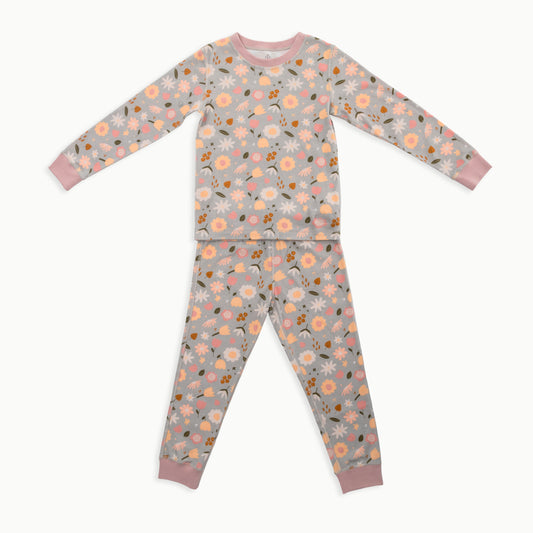
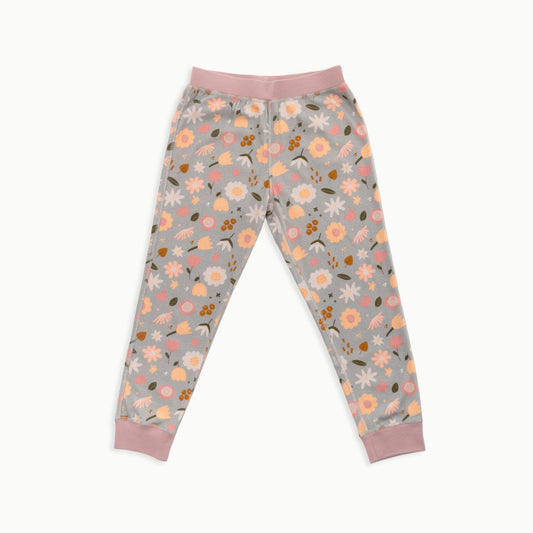
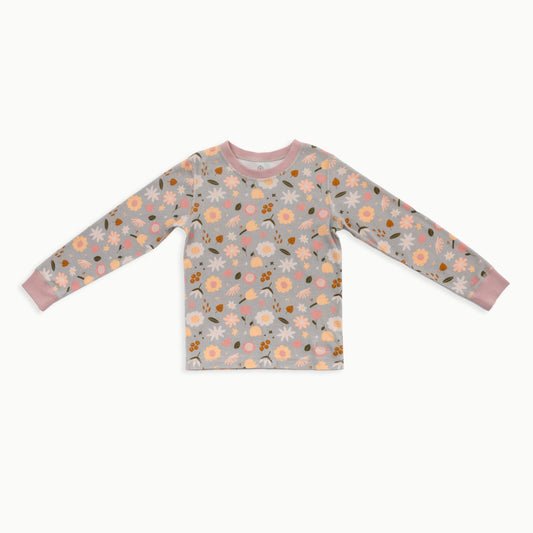
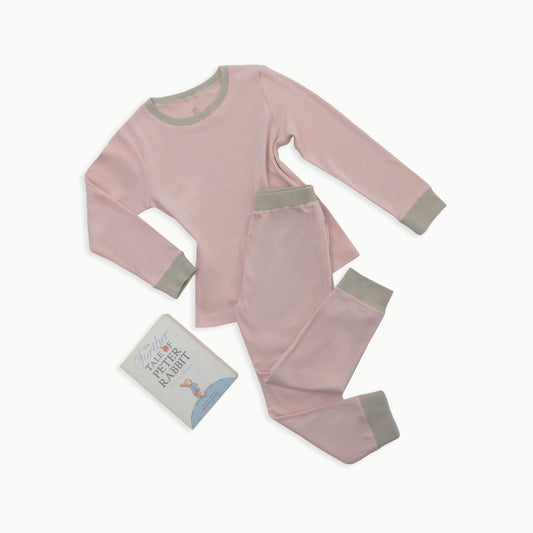
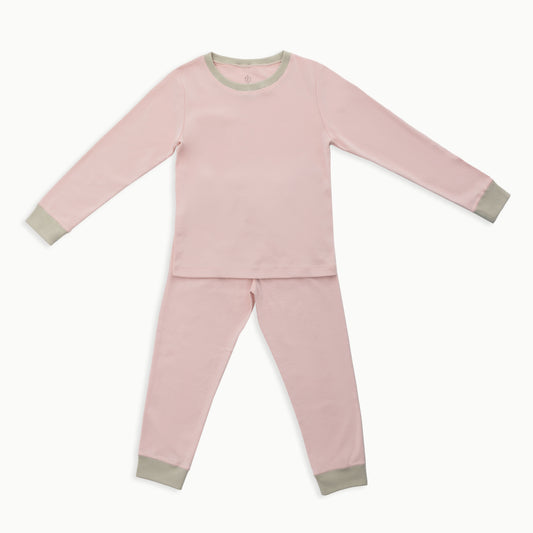
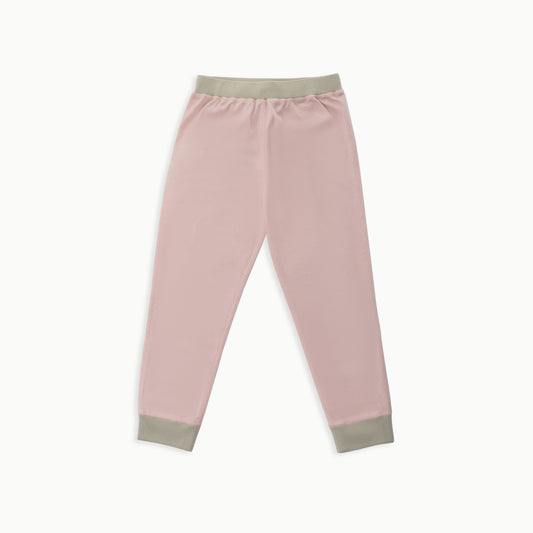
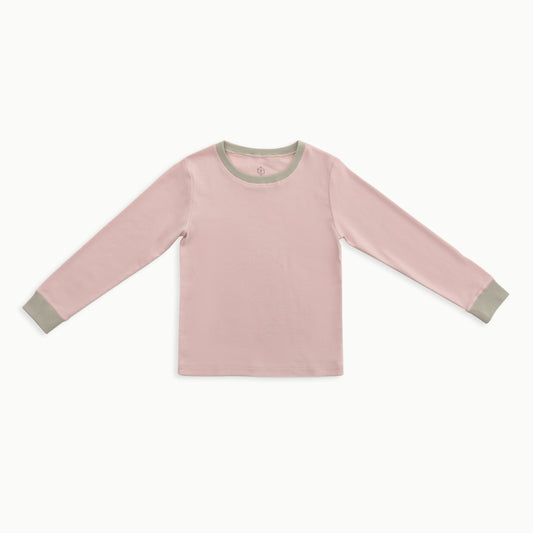
- Pajamas and sleepwear
- Underwear
- Everyday t-shirts and leggings
- Blankets and sleep sacks
These pieces often sit directly against a child’s skin for many hours.
In early childhood, kids also tend to interact with clothing in ways adults do not. Sleeves get chewed, collars end up in mouths, and pajamas become part of bedtime routines that last half the day.
Choosing GOTS-certified clothing can help reduce exposure to certain chemical residues that may irritate skin or cause unnecessary concerns for parents.
For families dealing with eczema or skin sensitivity, fabrics that avoid harsh processing chemicals can sometimes make a noticeable difference.


