













CONTENTS
If you’ve been trying to figure out where to buy baby sleepwear and pajamas that are actually sustainable (and not just marketed that way), you’ve probably noticed the same thing I did when I had my first baby:
“Organic” has become a vibe.
“Sustainable” has become a buzzword.
And parents are left trying to figure out what is just marketing language and what has substance behind it.
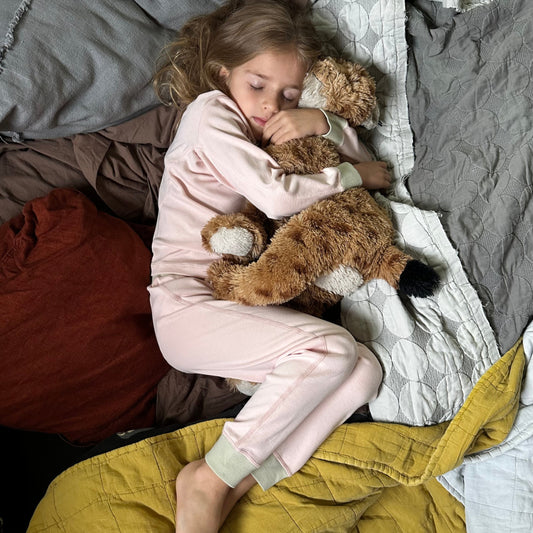
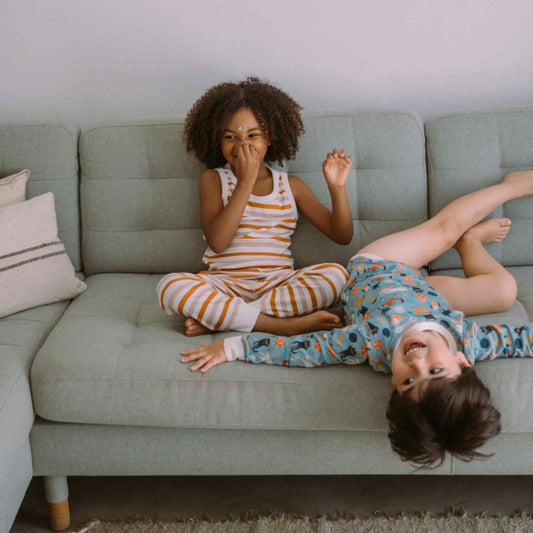
But here’s what doesn’t change, no matter what the marketing says: sleepwear sits against your child’s skin for 10–12 hours a night. That’s the longest, most consistent clothing exposure most kids have, and it’s also why materials, dyes, and finishes matter.
This guide gives you a simple framework to shop confidently: what to prioritize, what to ignore, what certifications actually mean, and what “safe” looks like in real life.
Why the Fabric and Safety of Your Child’s Sleepwear Matters
 Talking about fabric safety is important, and more and more people are finally starting to discuss it. It’s biology + common sense: kids are smaller, their skin is different, and they spend a lot of time in pajamas.
Conventional Cotton & Synthetic Fabrics Carry Hidden Risks
The first thought parents have (as did I) when trying to buy better is to buy 100% Cotton. And although conventional cotton isn’t “bad” because it’s cotton, it’s important to pay attention to the way it’s grown and processed.
Cotton is frequently cited as pesticide-intensive; multiple advocacy and pesticide-tracking organizations report disproportionate pesticide and insecticide use relative to land area (Environmental Justice Foundation).
And to be transparent: cotton industry groups dispute some of these global figures, which is exactly why relying on third-party textile standards can be more useful than arguing statistics (Cotton Incorporated Lifestyle Monitor™).
Now let’s talk synthetics (polyester, nylon, acrylic). Even if you ignore chemical finishes for a second, there’s a major issue parents almost never hear about:
Synthetic textiles shed microfibers.
A peer-reviewed study in Environmental Science & Technology Letters quantified that household tumble dryers can release textile microfibers into ambient air through dryer vents (American Chemical Society Publications).
And researchers increasingly discuss airborne microplastics as an indoor exposure pathway, meaning, yes, the stuff your family wears and washes can contribute to what ends up in the air at home. (ScienceDirect)
So when we talk about synthetic pajamas, it’s not just “plastic touching skin.” It’s also plastic shedding, and the reality that we live indoors and breathe indoor air most of the day.
So when we talk about synthetic pajamas, it’s not just “plastic touching skin.” It’s also plastic shedding, and the reality that we live indoors and breathe indoor air most of the day.
If you want the deeper breakdown, it’s here:
Not All “Organic” or “Eco-Friendly” Claims Are Equal (And What Greenwashing Means)
Before I explain why organic cotton is the best choice for pajamas, I want to talk about something called Greenwashing. Greenwashing is when a brand uses eco-sounding language to make you feel like something is clean and responsible, without actually meeting meaningful standards.
In apparel, greenwashing often looks like:
-
“natural” or “eco-friendly” with no certification
-
“organic cotton” is mentioned, but only the raw fiber is organic (while dyes/finishes are not addressed)
-
vague “responsibly made” language with no traceability
The hard truth: a product can be made from organically grown cotton and still be chemically finished, heavily dyed, or produced with low transparency, because in apparel, many of these marketing terms aren’t tightly enforced.
That’s why third-party certification is the parent cheat-code here.
What Is GOTS Certification and Why Does It Matter for Baby Sleepwear
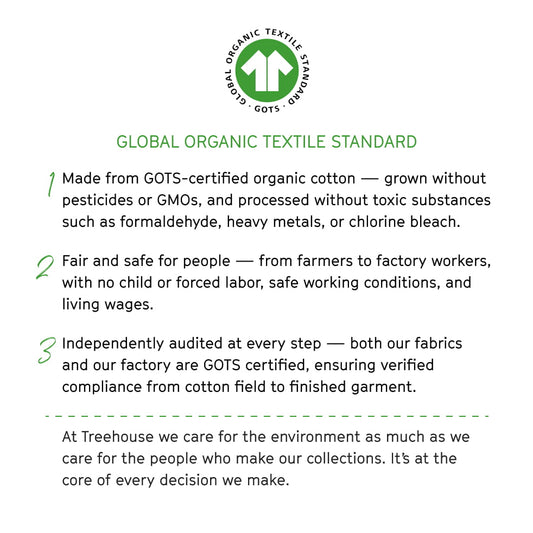
 So finally, on to what I actually recommend: GOTS certified organic cotton. If you only learn one acronym, make it this one.
GOTS (Global Organic Textile Standard) is widely described as the worldwide leading textile processing standard for organic fibers, because it covers not just the cotton, but the processing and manufacturing steps where most “hidden stuff” shows up (global-standard.org).
What GOTS Certifies (And Why It’s Different)
GOTS is designed to verify the supply chain from farm to finished product, including:
-
processing
-
manufacturing
-
dyeing/printing
-
labeling
…and it includes both environmental and social criteria, backed by third-party certification across processing stages (global-standard.org).
This matters because many of the chemicals parents worry about aren’t in the cotton plant; they’re introduced later.
Example: Formaldehyde can be used in textile processing and finishing (including resins used to reduce wrinkling), and formaldehyde exposure from clothing has been specifically discussed as a concern for skin reactions like contact dermatitis (PMC).
Best-in-Class, Not Perfect, And It Keeps Improving
No standard is foolproof. If someone tells you a certification is magic, they’re selling something.
But if you’re asking “what’s the best thing we have right now that covers the most ground?”, GOTS is it for organic textiles.
And importantly: it’s not static. It’s continually revised.
-
GOTS 7.0 was released in March 2023 and became effective March 1, 2024 (with encouraged early adoption) (global-standard.org).
-
GOTS publicly describes updates as major steps forward (including strengthened social and due-diligence requirements) (global-standard.org).
-
GOTS 8.0 has been released (with an effective date March 1, 2027) and allows early adoption, showing the standard continues to evolve rather than sitting still (global-standard.org).
So: not perfect, but currently the most comprehensive, best-in-class standard most parents can realistically rely on when they want more than vibes.
Snug-Fit vs Flame-Resistant Treated Pajamas (And What We Choose)
The second part you need to think about, especially if buying pajamas in the US is CPSC compliance. This is where the pajama conversation gets real.
In the U.S., children’s sleepwear flammability rules exist to reduce burn risk, and brands typically meet them in one of two ways:
-
Flame resistance (often achieved through inherently flame-resistant fibers or chemical treatments)
-
Tight-fitting (“snug fit”) design, which is exempt from the flame-resistance requirement if it meets specific sizing dimensions and labeling requirements (U.S. Consumer Product Safety Commission).
The CPSC’s own guidance says children’s sleepwear must either pass flammability testing or be “tight fitting” as defined by the rule (U.S. Consumer Product Safety Commission).
The CFR explicitly notes that “tight-fitting” garments are exempt from the flame resistance standard (eCFR).
And the required hangtag language for snug fit garments states plainly: “This garment is not flame resistant… and should fit snugly because loose-fitting garments are more likely to catch fire. (U.S. Consumer Product Safety Commission)”
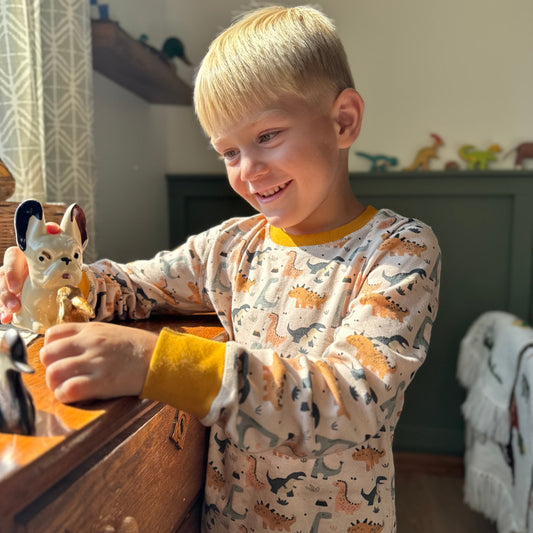
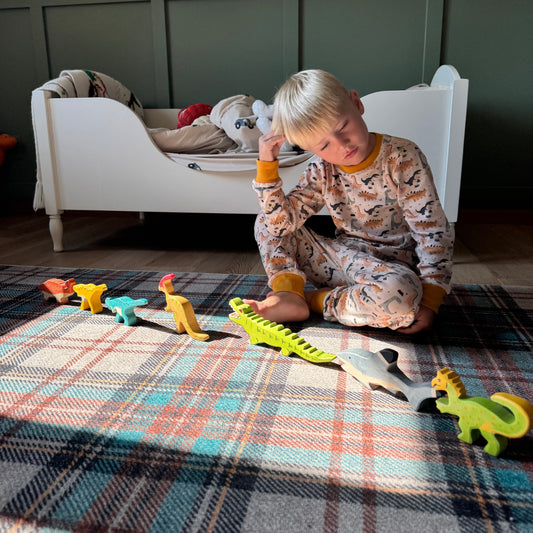
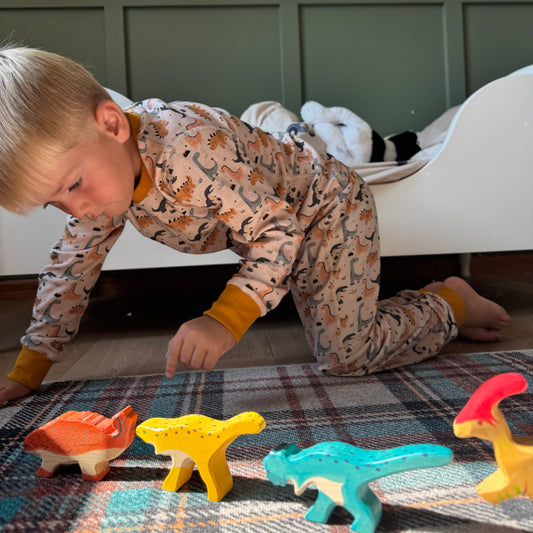
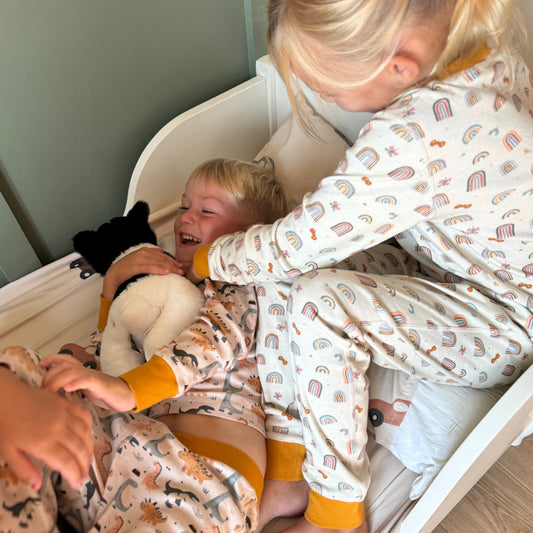
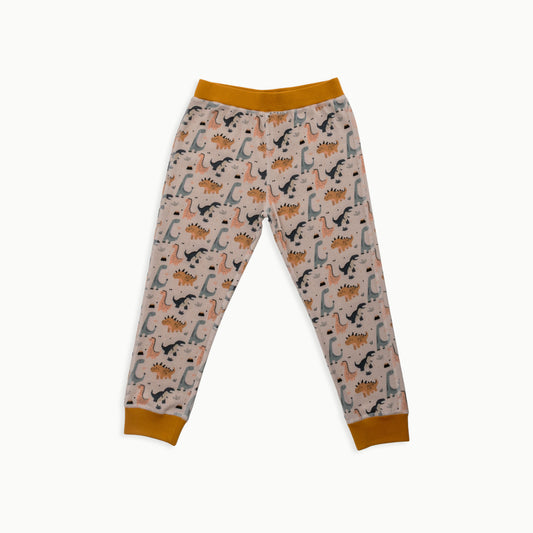
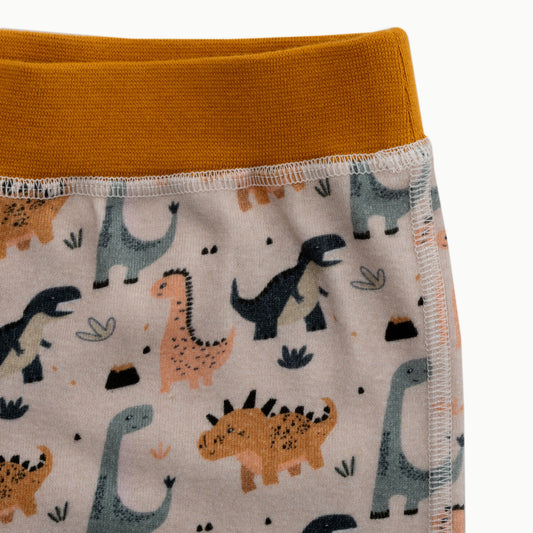
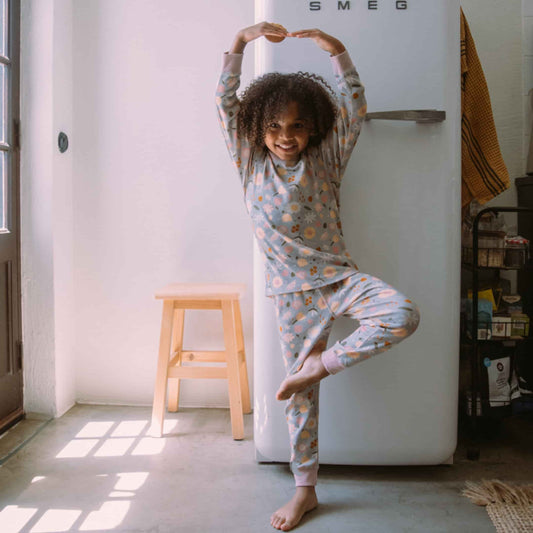
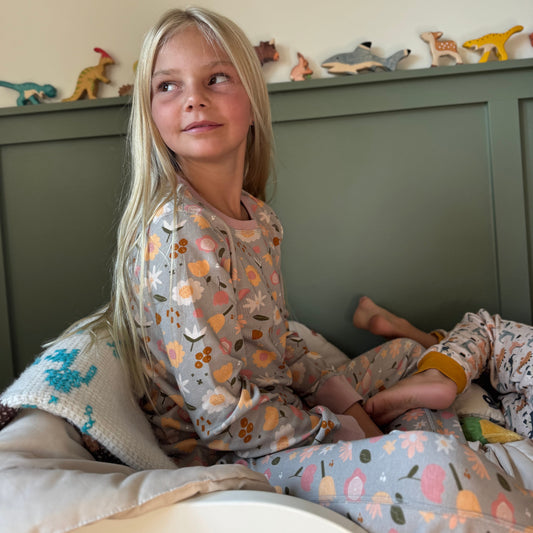
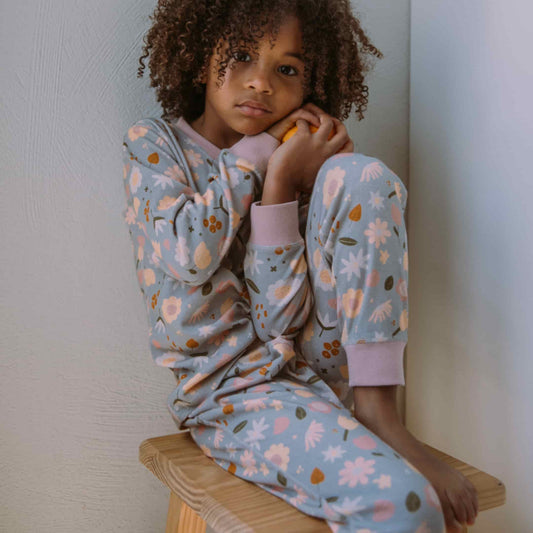
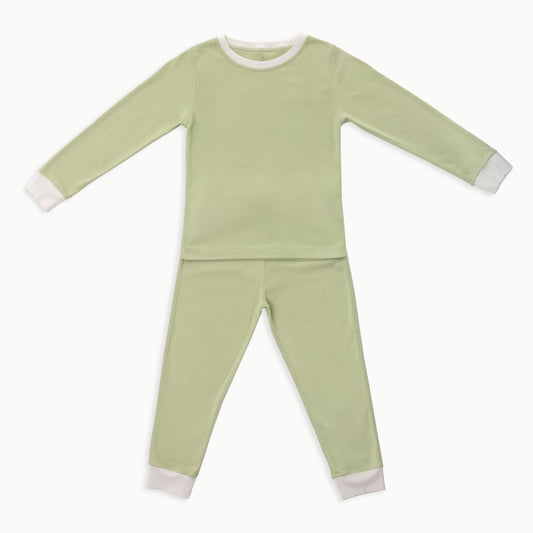
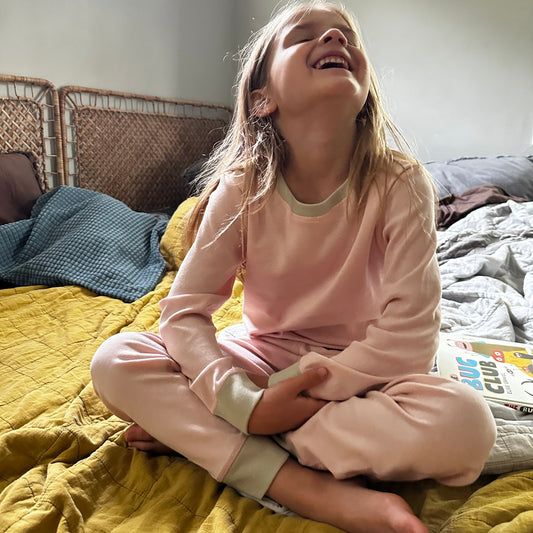
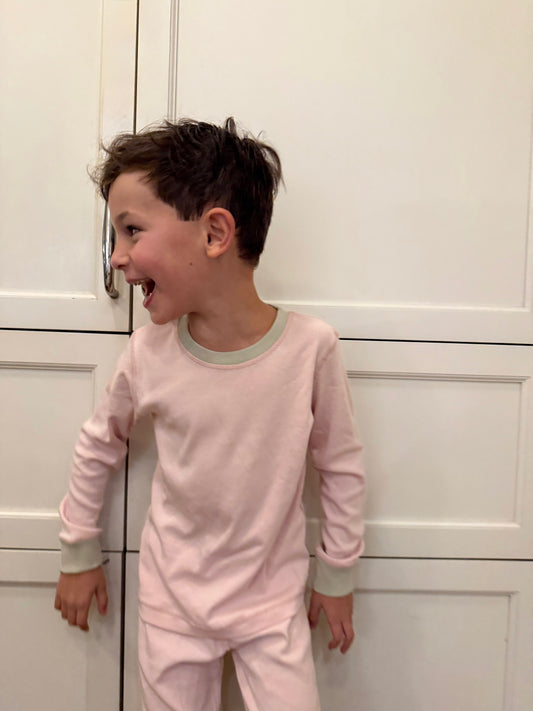
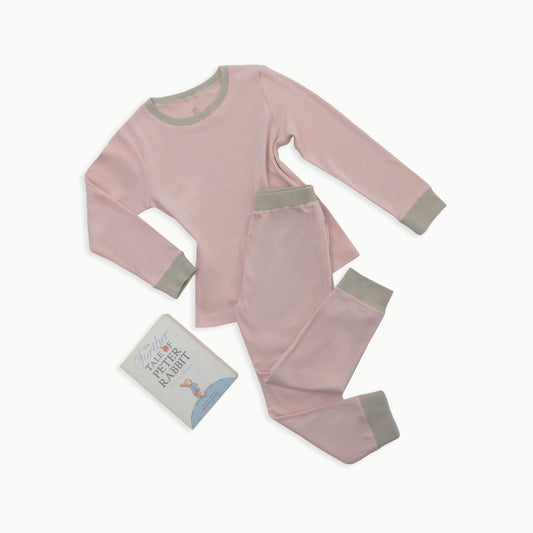
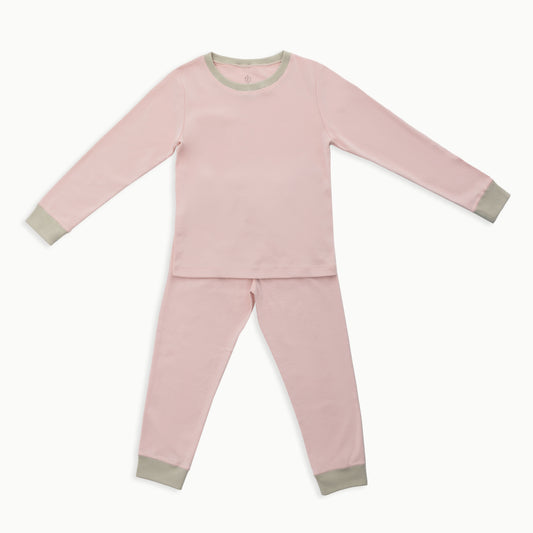
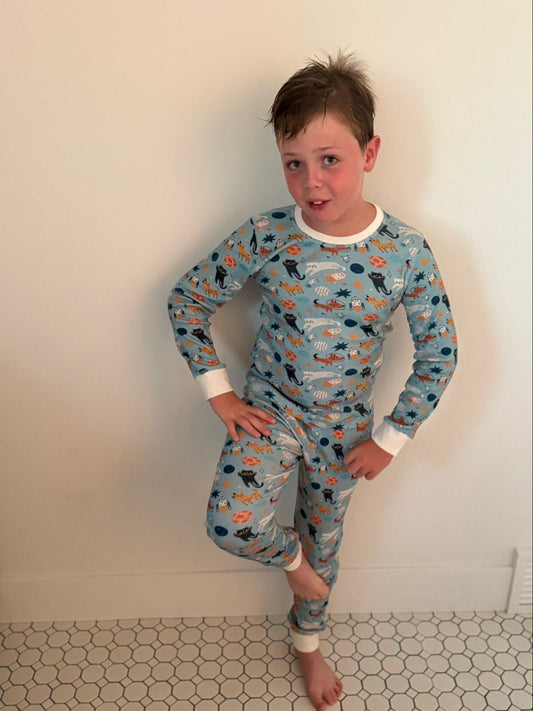
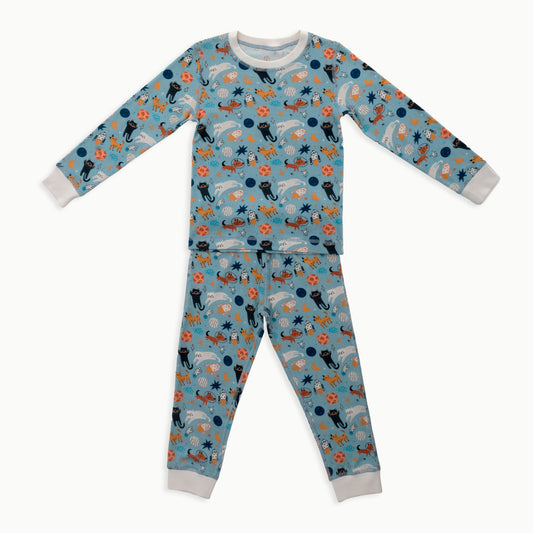
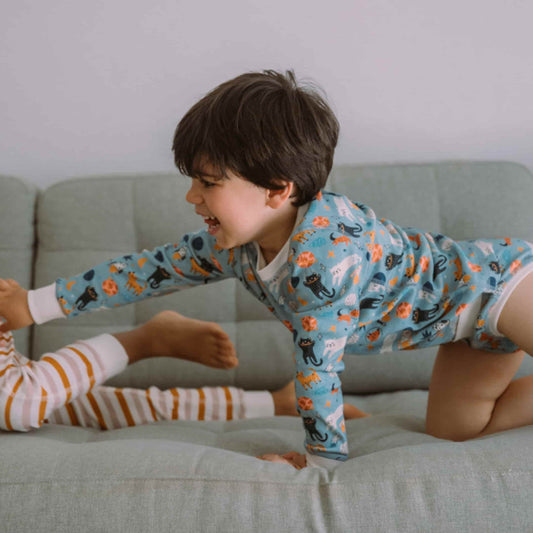
Treehouse chooses the snug-fit route for kids’ pajamas, while staying fully compliant, because it allows us to prioritize fabric purity and avoid relying on flame-resistant chemical strategies in sleepwear.


