







Baby Clothes Size Chart By Age
These are general fit guidelines for Treehouse Essentials styles. Fit can vary depending on individual body shape and proportions. Outside of underwear, if the size you select isn’t quite right, we’re always happy to offer an exchange (see our Delivery & Returns policy for details).
How to Use This Baby Size Chart
As parents, we don’t need more data; we need help interpreting all of it!
If you’re choosing between sizes, prioritize height first, weight second. Length is usually the limiting factor, especially for sleepers, onesies, and pajamas. A baby who is tall for their age will outgrow a size lengthwise long before they exceed the weight range, particularly because many brands use stretchy ribbed fabric that stretches to accommodate changes in weight.
If your baby falls between sizes, sizing up is usually the safer option. A slightly roomier fit is more comfortable, allows for movement, and gives you a longer wear window. Tight clothing, especially around the torso or thighs, tends to be outgrown quickly.
This chart works best as a current-fit guide, not a rigid rulebook. Use it to narrow down your choice, then adjust based on your baby’s proportions and how you prefer clothes to fit.
Organic Baby Clothing That Fits Right
-


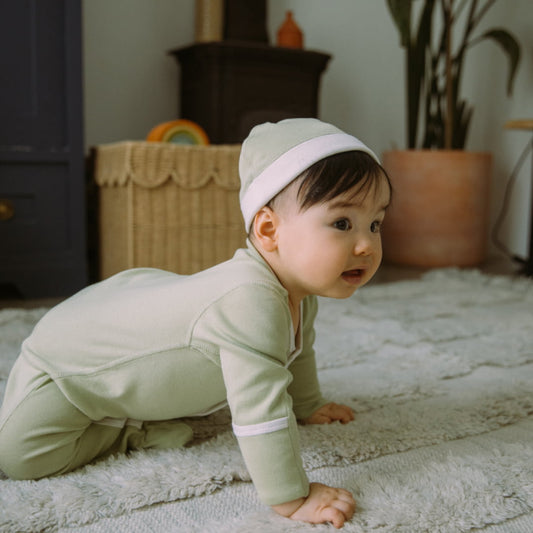
 $48.00Newborn,0-3,3-6,6-12,12-18,18-24 monthsSELECT SIZE$48.00Newborn,0-3,3-6,6-12,12-18,18-24 monthsORGANIC COTTON BABY SLEEPER, 2-PACK | DINOSAURS + SOLID GREENRegular price $48.00Regular priceUnit price per
 -
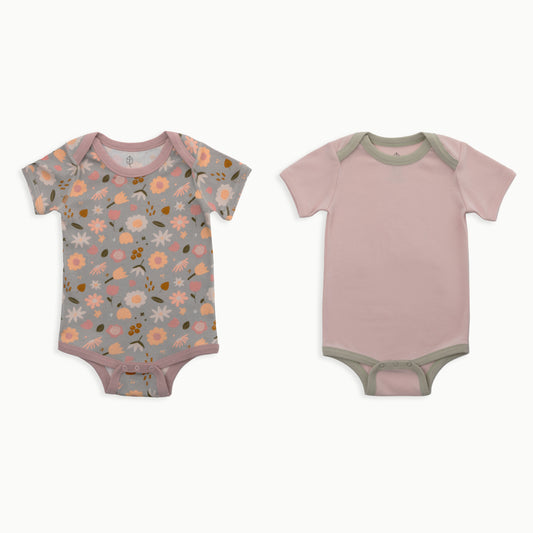
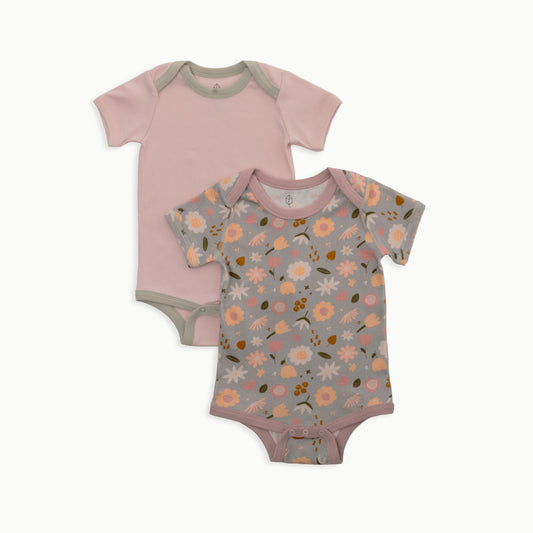
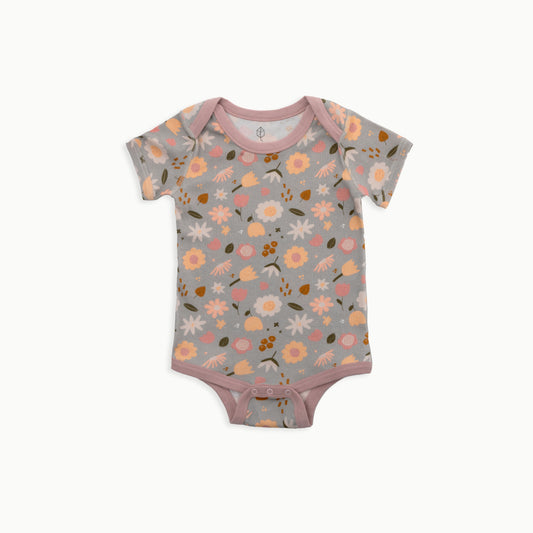
 $34.00Newborn,0-3,3-6,6-12,12-18,18-24 monthsSELECT SIZE$34.00Newborn,0-3,3-6,6-12,12-18,18-24 monthsORGANIC COTTON BABY SHORT SLEEVE BODYSUIT, 2-PACK | FLOWERS + SOLID PINKRegular price $34.00Regular priceUnit price per
 -
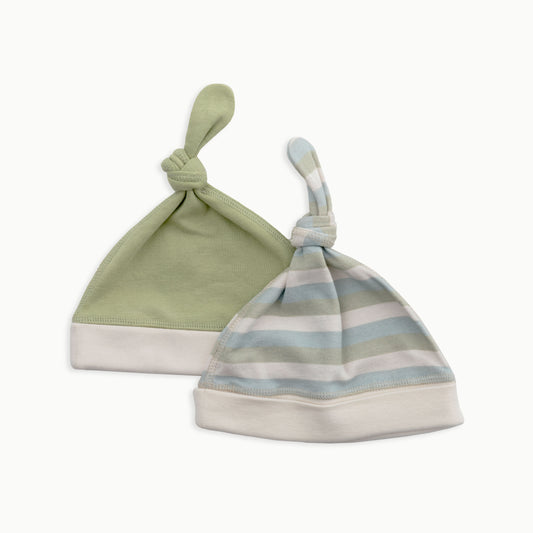
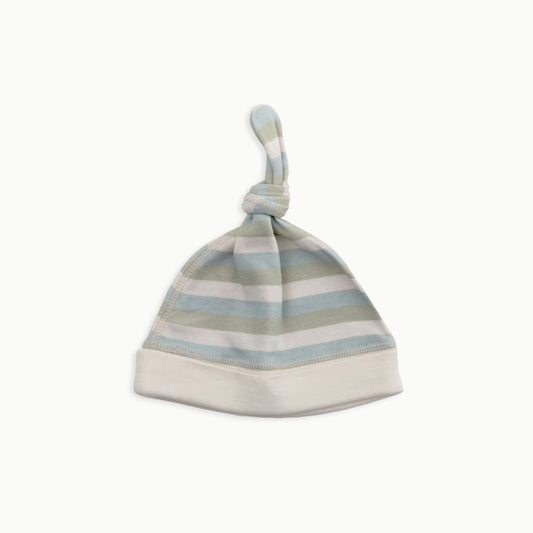
 $20.000-3,3-6 monthsSELECT SIZE$20.000-3,3-6 monthsORGANIC COTTON BABY KNOTTED HAT | STRIPED + SOLID GREENRegular price $20.00Regular priceUnit price per
 -
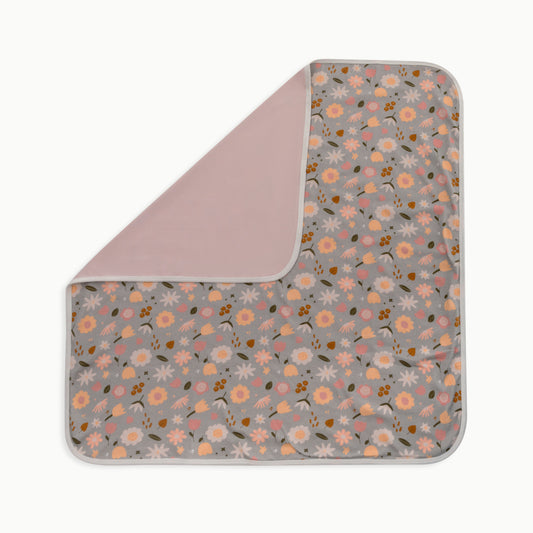
 $32.00SELECT SIZE$32.00ORGANIC COTTON BABY DOUBLE-SIDED BLANKET | FLOWERS + SOLID PINKRegular price $32.00Regular priceUnit price per
 -
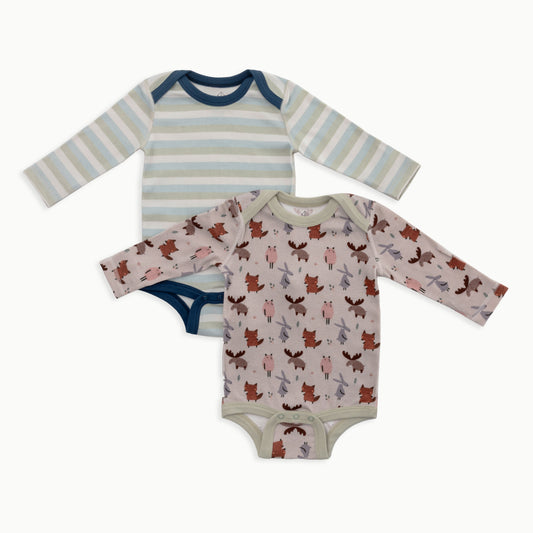
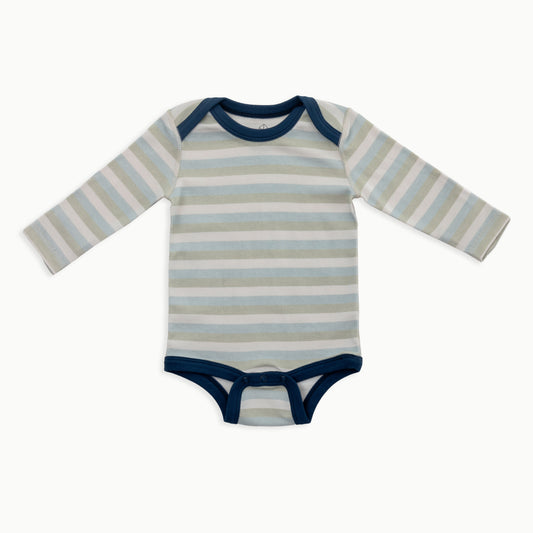
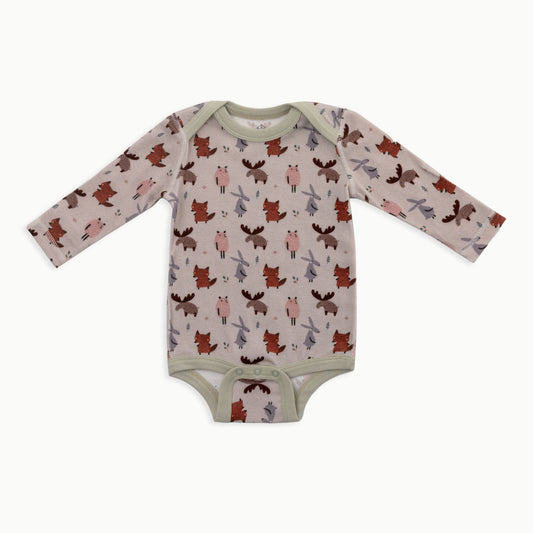
 $38.00Newborn,0-3,3-6,6-12,12-18,18-24 monthsSELECT SIZE$38.00Newborn,0-3,3-6,6-12,12-18,18-24 monthsORGANIC COTTON BABY LONG SLEEVE BODYSUIT, 2-PACK | WOODLAND + STRIPEDRegular price $38.00Regular priceUnit price per
 -
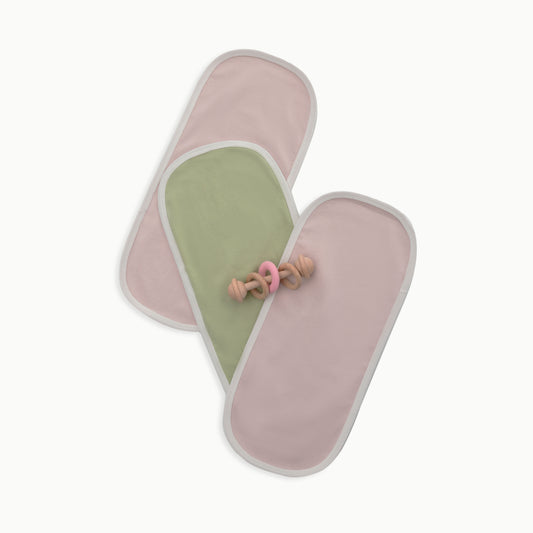
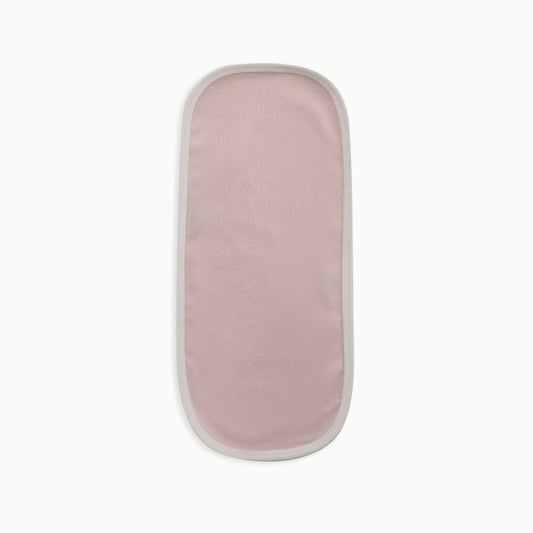
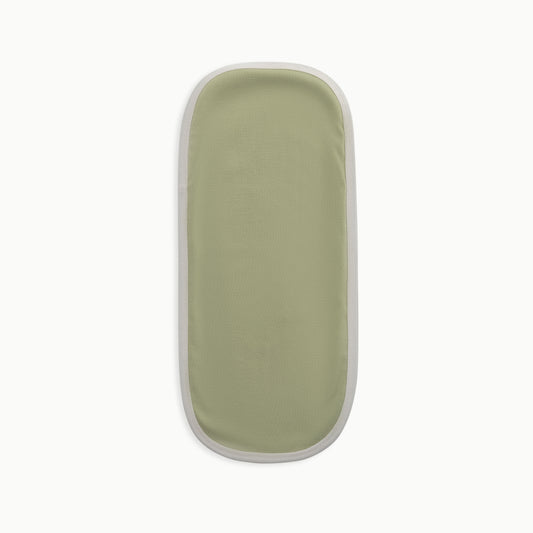
 $30.00SELECT SIZE$30.00SOLD OUTORGANIC COTTON BABY BURP CLOTHS, 3-PACK | PINK + SOLID GREENRegular price $30.00Regular priceUnit price per
 -
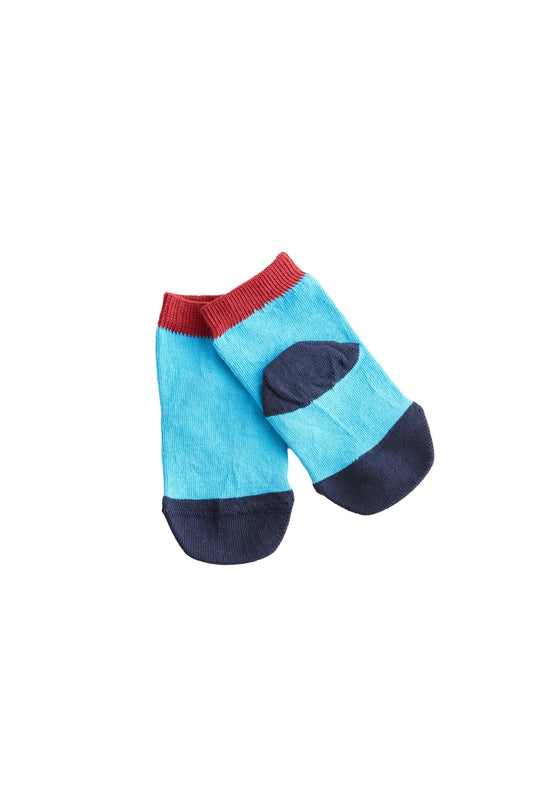
 BUY 2 - 15% BUY 3 - 20% BUY 4 - 25%$45.00US Baby 0-2,US Baby 3-4.5,US Baby 5-7.5,US Toddler 8-9.5,US Little Kid 10-12.5,US Big Kid 13-3SELECT SIZE$45.00US Baby 0-2,US Baby 3-4.5,US Baby 5-7.5,US Toddler 8-9.5,US Little Kid 10-12.5,US Big Kid 13-3LEELA COTTON 98% ORGANIC COTTON KIDS CREW SOCKS, 6-PACK | BLUERegular price $45.00Regular priceUnit price per
How to Measure Your Baby for Clothing Size
Accurate measurements don’t need to be complicated.
Height:
Lay your baby flat on a firm surface and gently stretch their legs. Measure from the top of the head to the heel. This is the most important measurement for sleepers and bodysuits.
Weight:
Use a baby scale if you have one, or weigh yourself holding your baby and subtract your weight. Round to the nearest half-pound.
Chest/torso:
For snug-fitting items, measure around the widest part of your baby’s chest. This can help if your baby is broader or chunkier than average.
When to re-measure:
During the first year, re-check measurements every 6–8 weeks. Growth spurts happen fast, and yesterday’s perfect fit can become today’s “why is this so tight?”
Why Baby Clothes Sizing Is Confusing

If baby clothing sizes feel inconsistent, it’s not your imagination.
Babies grow in uneven spurts, not neat monthly increments. One week, nothing changes; the next week, everything suddenly looks too short. On top of that, sizing varies widely between brands, even when labels look identical.
Age-based labels are especially misleading. Two babies of the same age can differ dramatically in height, weight, and body shape. That’s why relying on age alone often leads to frustration (and overflowing return piles).
This guide is meant to replace guesswork with calmer decision-making, not perfection.

Choosing the Right Size by Age, Weight & Height

If Your Baby Is Taller Than Average
Choose by height, even if weight falls lower in the range. Expect a shorter wear window, especially for footed sleepers.

If Your Baby Is Heavier or Chunkier
Prioritize the weight range. Look for room in the thighs, torso, and shoulders, and avoid snug fits that limit movement.

If Your Baby Is Between Sizes
Size up, especially for sleepwear and everyday basics. The difference in comfort is noticeable, and the clothing will last longer.

Planning Ahead, Choosing Sizes for Future Growth
Babies grow fastest in the first year, so sizing up makes sense — but buying more than 2–3 months ahead can be risky.
0–3 Month Baby Clothes Weight Guide
Typical weight range for 0–3 month clothing is approximately 8–14 lbs. At this stage, weight matters more than age. Many babies outgrow 0–3 faster than expected, especially if they’re long or have strong early growth.
If your baby is nearing the upper end of this range, sizing up early can prevent constant wardrobe turnover.
3–6 Month Baby Clothes Weight Guide
The typical weight range is around 14–18 lbs. At this stage, some babies gain length quickly while others fill out. If clothes are getting short but still fit width-wise, that’s your cue to size up.
Pay attention to zipper tension and snap strain; they’re early signs that a size is on its way out.
Baby Growth Stages & How Sizing Changes
Newborn (0–1 month)
Growth is rapid and unpredictable. Newborn sizes are often short-lived, and many babies skip them entirely.
Infant (0–12 months)
Length growth usually outpaces weight gain. Monthly adjustments are common, especially in the first six months.
Toddler (12–24 months)
Growth slows, and fit preferences shift. Mobility matters more than snugness. Slightly looser fits support movement and independence.
How Fabric Affects Fit Over Time

Fabric choice matters more than most size charts acknowledge. Organic cotton may experience minor, expected shrinkage if dried on high heat. Washing in cold water and air-drying or tumble-drying low helps preserve fit.
High-quality knits recover stretch better and maintain shape longer. Poor recovery fabrics can feel tight after washing, even if the size hasn’t changed. Care habits directly affect how long a size lasts, not just measurements.
Explore Our Organic Cotton Collections:
Choose the Softest, Safest Start for Your Baby
US vs EU Baby Sizes (Reference Only)
Baby sizing varies significantly by region. Use this as a rough reference only,
always check brand-specific charts for dimensions.
What is size 60 in baby clothes?
Typically newborn (50–60 cm).
What is size 70 in baby clothes?
Roughly 0–3 months.
What is size 80 in baby clothes?
Usually around 6–12 months, depending on brand.
What is size 90 in baby clothes?
Commonly around 12–18 months.
Common Baby Sizing Mistakes Parents Make
Buying too many newborn sizes
Choosing sizes strictly by age
Ignoring how fabric behaves after washing
Not accounting for season changes
Planning too far ahead
Simple planning beats overbuying every time.
Frequently Asked Questions About
Baby Clothing Sizes
It applies to bodysuits, sleepers, pajamas, socks, and everyday essentials across our baby and toddler collections.
Start with height, then weight. Chest measurements help for snug-fitting items.
Size up. Comfort and longevity matter more than a precise label.
Some natural shrinkage is normal. Proper care minimizes it.
In the first year, many babies outgrow sizes every 2–3 months.
In most cases, yes, especially for sleepwear and everyday basics.


