


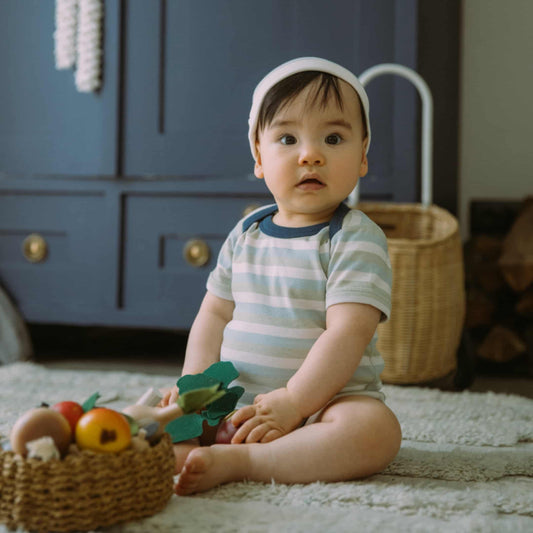
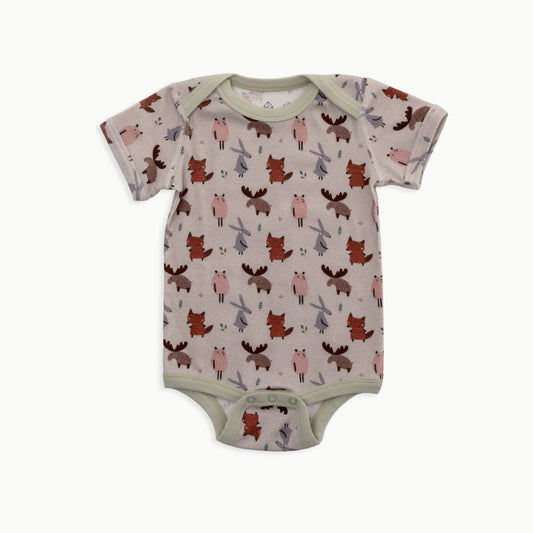
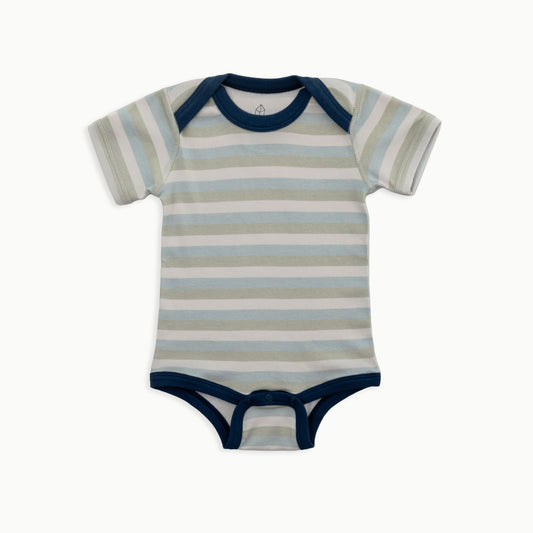
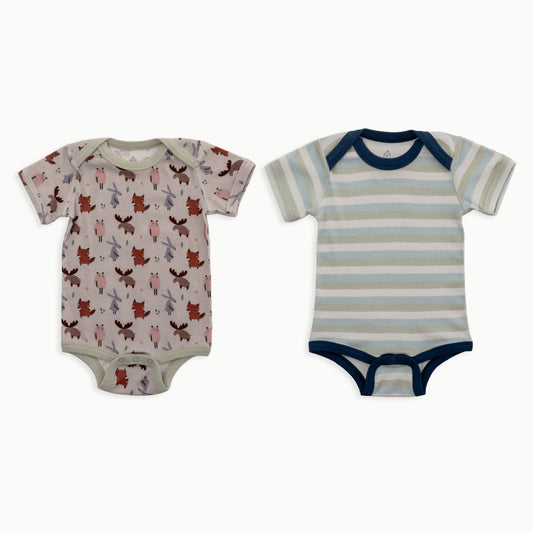

What Are Baby Onesies
(and Why Do They Matter)?
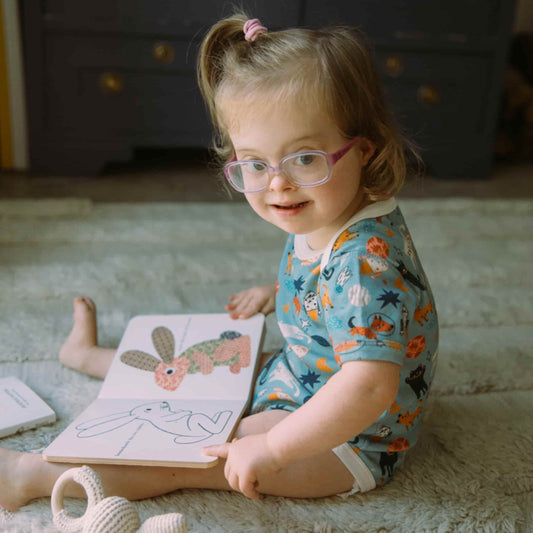
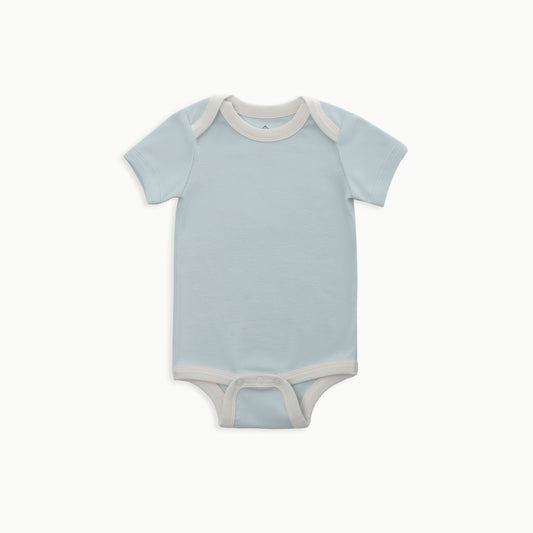
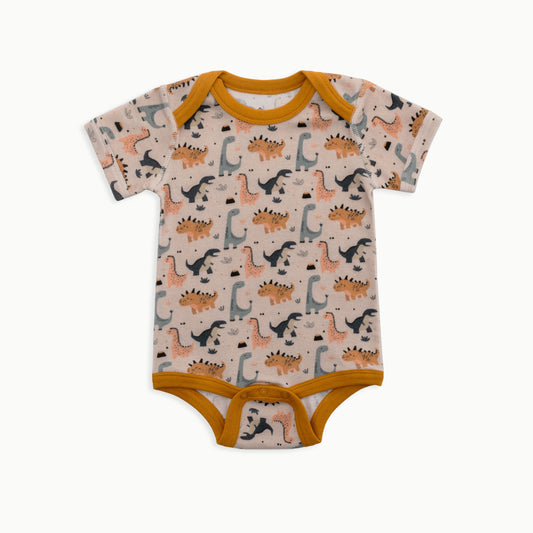
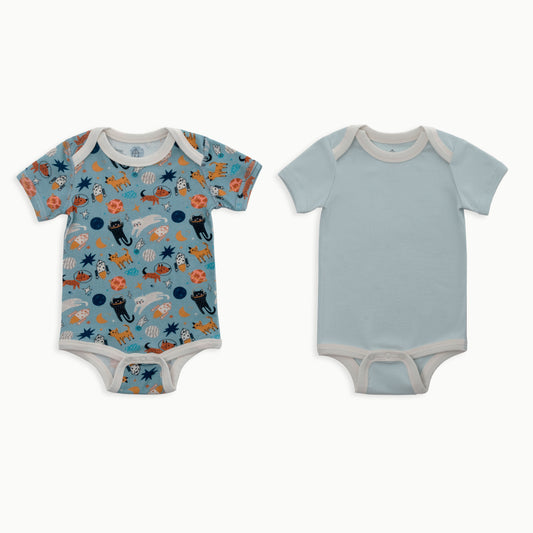
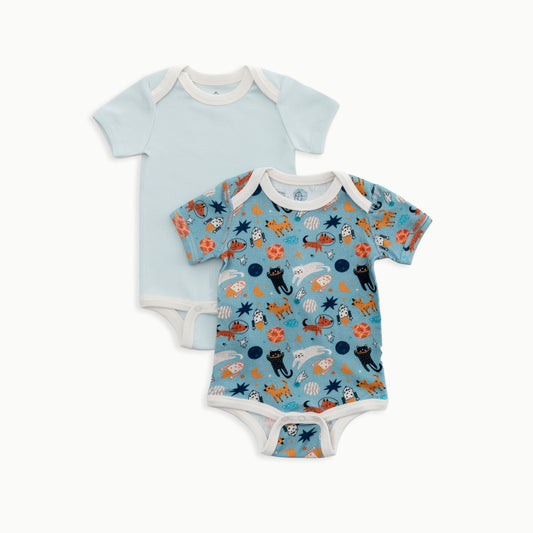
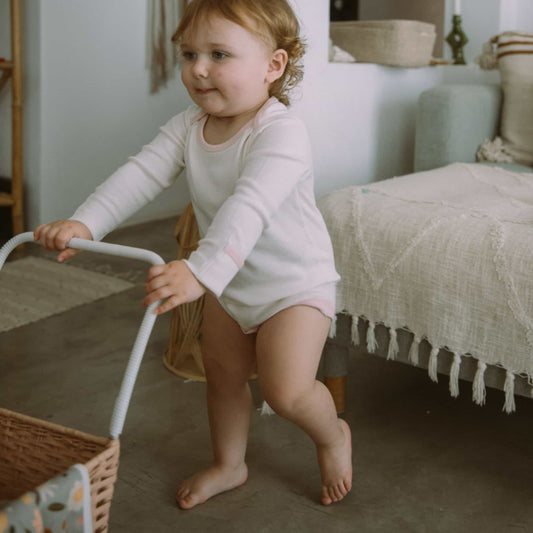
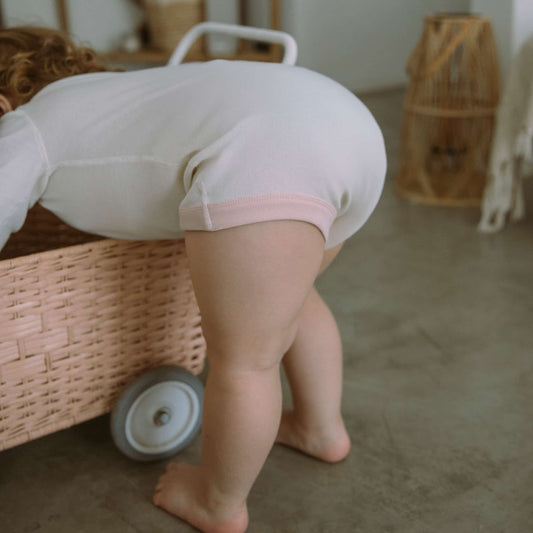
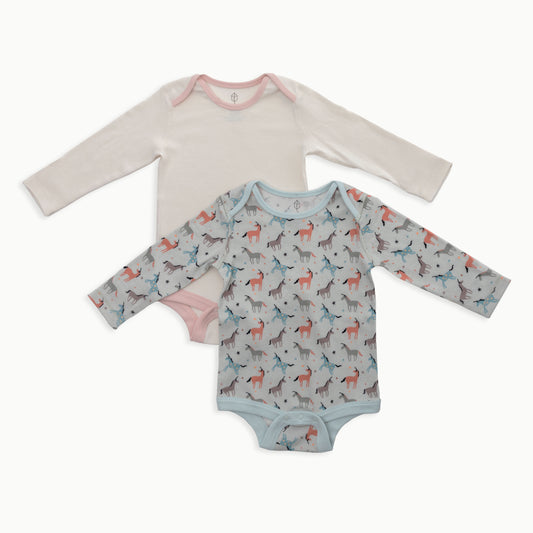
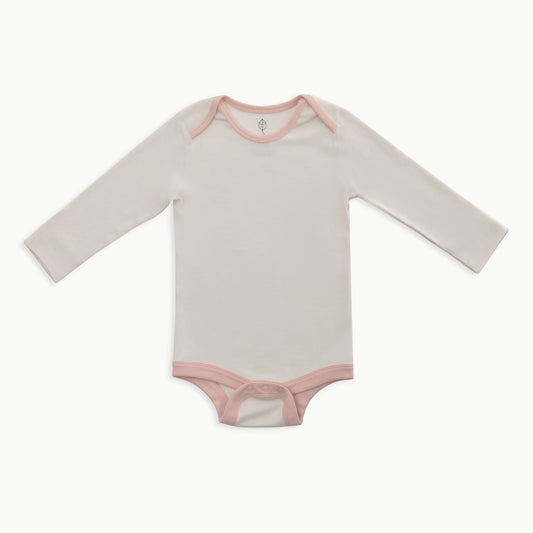
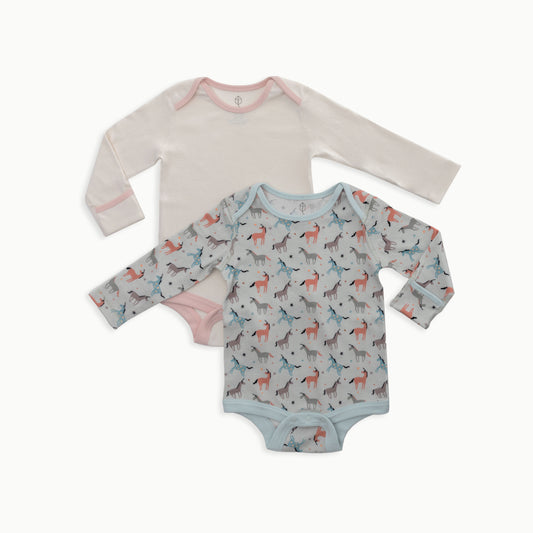
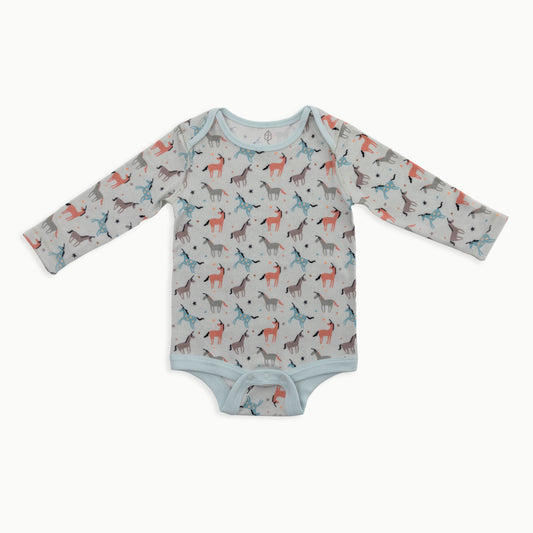
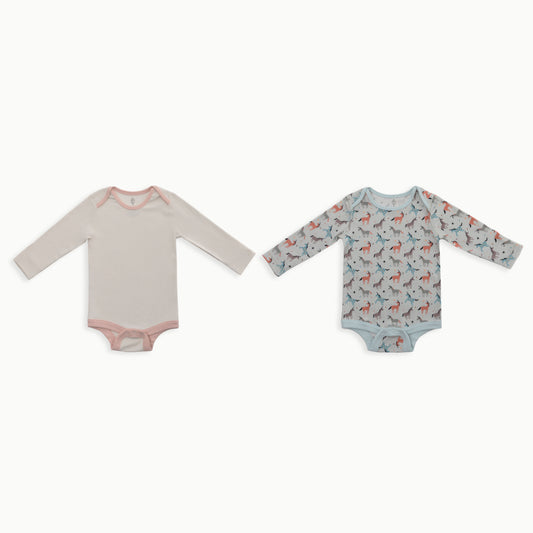
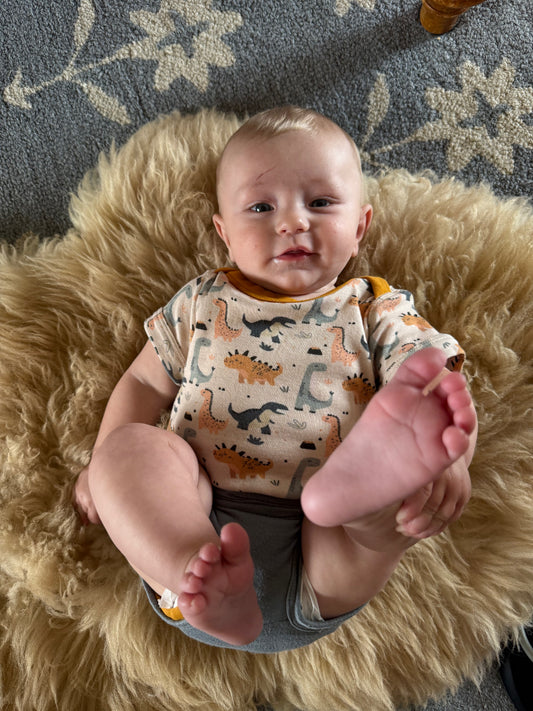
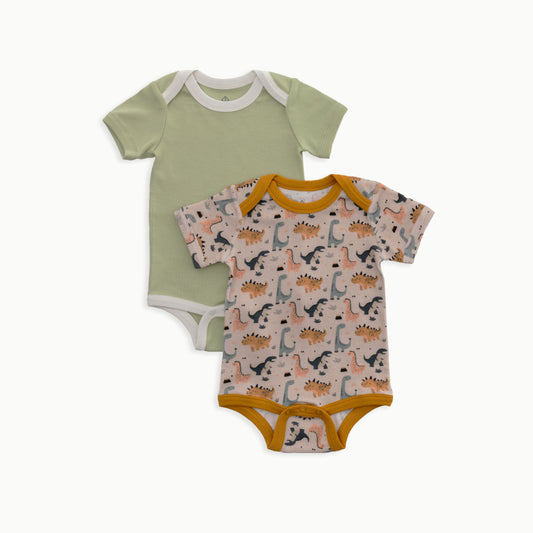
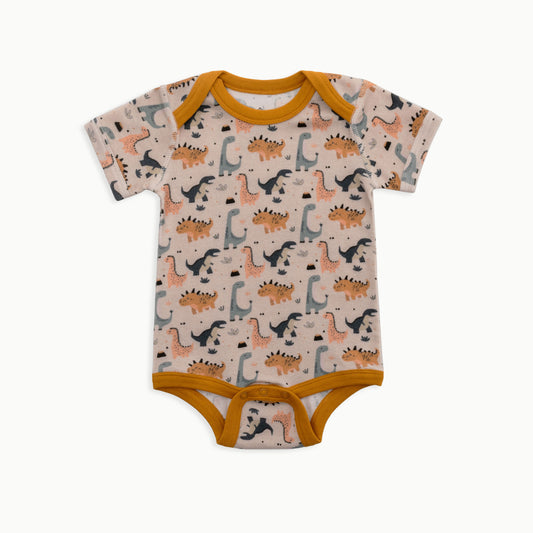
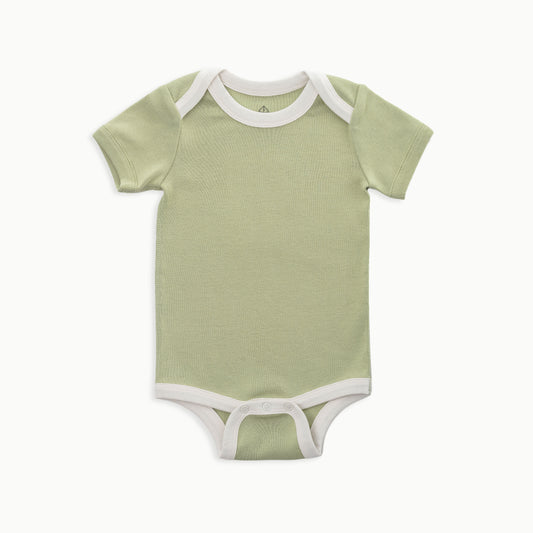
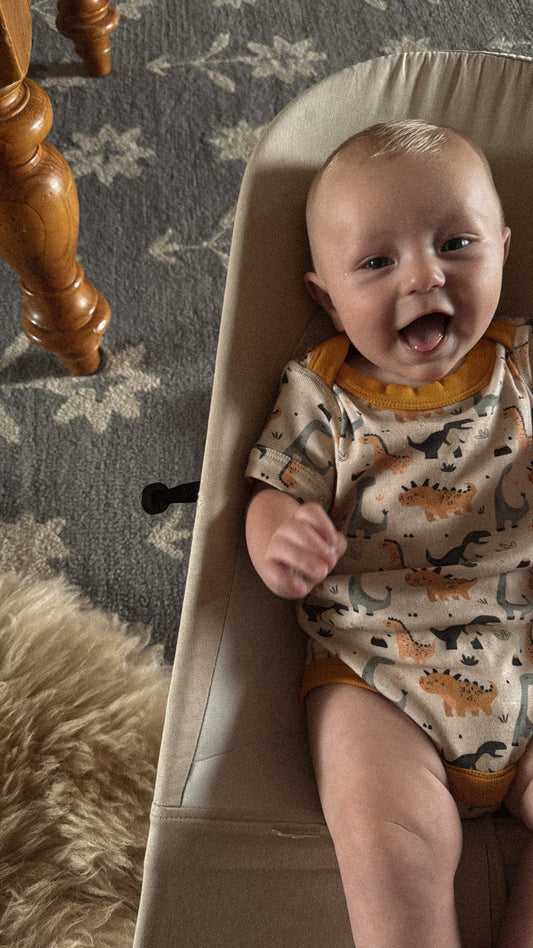
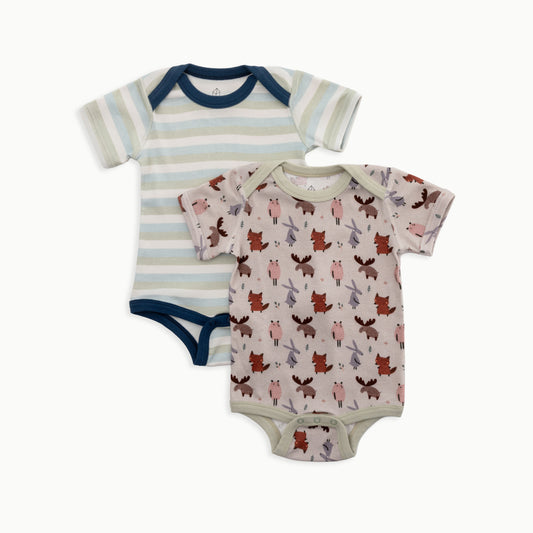
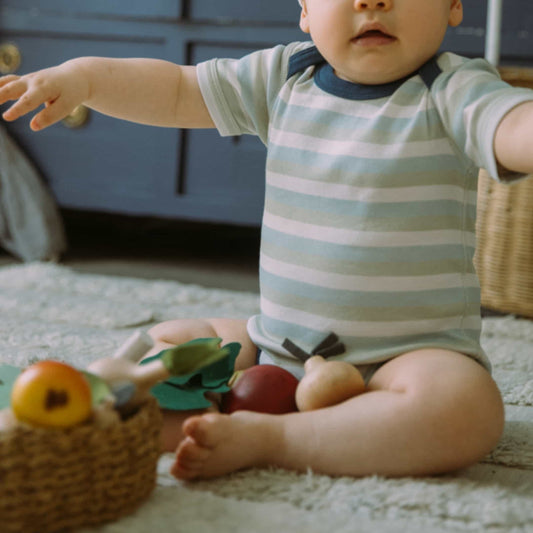
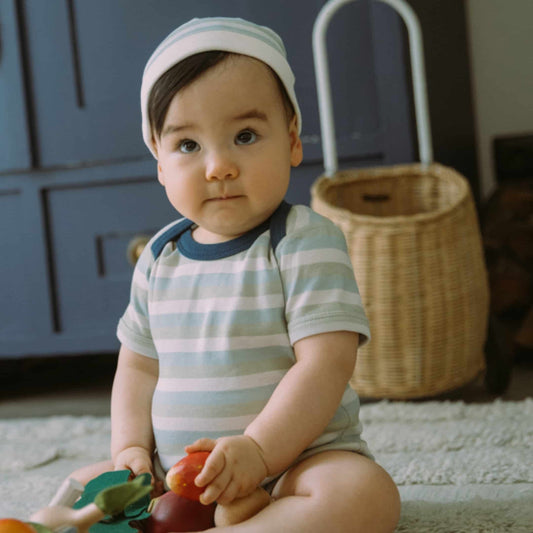
Baby onesies, also called bodysuits, are one-piece garments that snap closed at the bottom. They are designed to stay in place, keep diapers covered, and allow babies to move freely without fabric riding up or bunching around the waist. Onesies can be worn as an underlayer in colder weather or as a standalone outfit in warmer conditions.
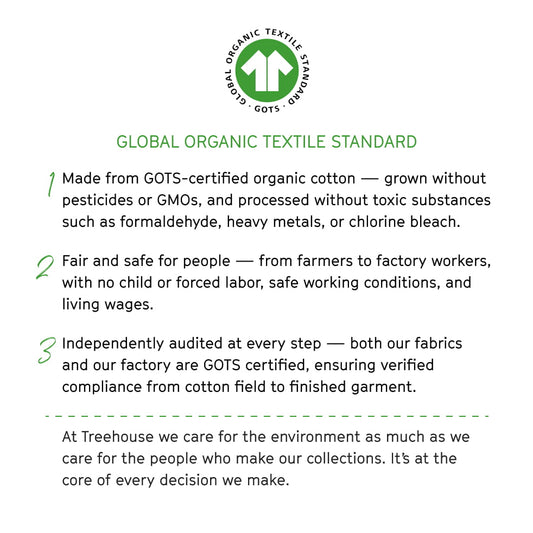
What distinguishes an organic cotton onesie is the fabric itself. Organic cotton is grown without synthetic pesticides, herbicides, or toxic fertilizers and is processed without harsh chemical treatments. Certified organic fabrics, such as GOTS-certified cotton, must meet strict standards across the entire supply chain — from farming to dyeing and finishing.
Why organic cotton matters for babies:
Breathable
Supports airflow and helps regulate body temperature
Hypoallergenic
Reduces exposure to common textile irritants
Gentle on eczema-prone skin
Avoids residues that contribute to flare-ups
Appropriate for newborns
Suitable for skin that is still developing its protective barrier
Babies spend much of the day in direct contact with fabric. Choosing organic cotton
helps minimize unnecessary exposure and prioritizes comfort from the start.
Why Treehouse Kids Organic
Onesies Are Different
At Treehouse, product decisions are guided by how safe the fabric is, how garments feel on sensitive skin and how they perform over time
Our organic cotton onesies are made with attention to material quality, construction, and responsible production.
- Certified organic materials sourced from responsibly managed farms
- Safe, low-impact dyes and toxin-free processing
- Sensory-conscious construction, including flat seams and smooth finishes
- Premium durability, with reinforced stitching and high-quality snaps
- Ethically produced, supporting responsible manufacturing practices
These are everyday essentials designed for regular wear, frequent washing, and long-term use.
Explore our collections
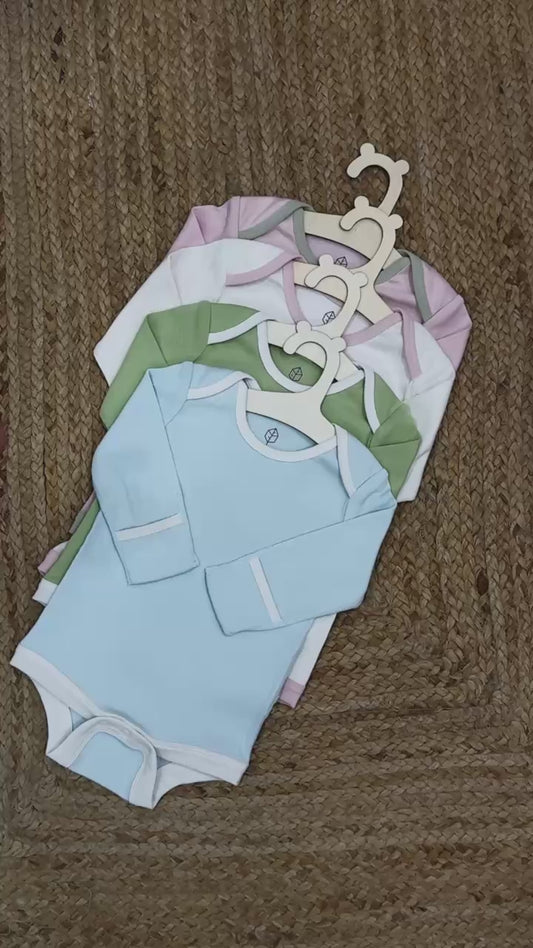
Choose between short-sleeve and long-sleeve organic cotton onesies designed for layering, sleep, and daily activity.


The Benefits of Organic Cotton
Onesies

Comfort & Breathability
Natural fibers like organic cotton allow heat and moisture to dissipate, helping babies remain comfortable across changing temperatures. Organic cotton supports natural temperature regulation without trapping heat.

Skin-Friendly & Eczema-Safe
Without chemical finishes or synthetic softeners, organic cotton is less likely to irritate sensitive skin. Many parents of eczema-prone babies observe improved comfort after switching to organic fabrics.

Suitable for everyday wear
Organic cotton onesies are soft, flexible, and easy to layer. When well made, they withstand frequent washing while maintaining shape and softness.

Environmental considerations
Organic cotton farming avoids toxic agricultural inputs, reduces water contamination, and supports healthier soil. Choosing organic clothing contributes to lower environmental impact over time.
Types of Onesies: An Ultimate
Style Guide
Not all onesies are the same. Different styles serve different purposes depending on age, season, and daily routine.

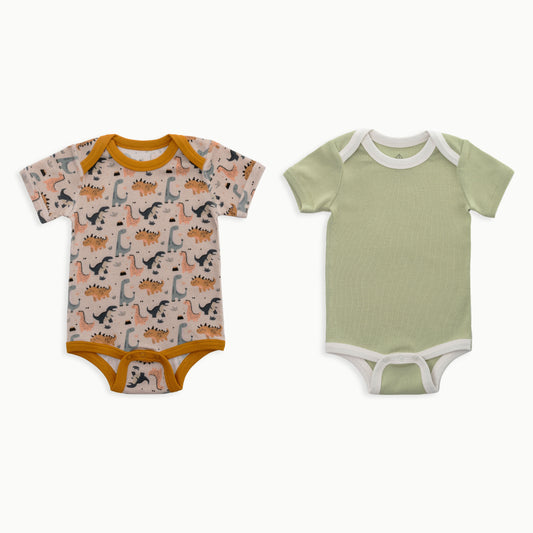
Short-Sleeve Onesies
Ideal for:
- Warm weather and layering
- Lightweight and breathable
- Easy everyday wear

Long-Sleeve Onesies
Designed for cooler temperatures.
- Added warmth without bulk
- Commonly used for sleep and transitional seasons

Footed Onesies
All-in-one coverage from shoulders to feet.
- Keeps feet warm without socks
- Often used for sleep and colder climates

Kimono / Wrap-Style Onesies
Commonly used for newborns.
- No overhead dressing
- Easier for babies with limited head or neck control

Sleeveless Onesies
Designed for hot weather and indoor environments.
- Increased airflow
- Useful under rompers or sweaters

Convertible (Grow-With-Me) Onesies
Designed to accommodate growth.
- Fold-over cuffs and flexible fit
- Practical for fast-growing babies
Organic Cotton vs Other Fabrics
Understanding fabric differences helps parents make confident choices.
Organic Cotton vs Bamboo
Many bamboo fabrics are chemically processed into rayon. While initially soft, they are more heavily treated and often less durable than organic cotton.
Organic Cotton vs Polyester & Synthetics
Synthetic fabrics can trap heat and moisture, increasing discomfort and irritation. Organic cotton allows for natural airflow.
Organic Cotton vs Cotton Blends
Blends may add stretch, but 100% organic cotton minimizes exposure to synthetic fibers and chemical treatments.

Choosing the Right Onesie for Your
Baby’s Needs
Newborns (0–3 months)
- Kimono-style designs
- Soft organic rib fabrics
- No internal tags
Babies with Sensitive or Eczema-Prone Skin
- 100% organic cotton
- Flat seams and smooth finishes
- No polyester blends or harsh dyes
Active Toddlers (12–24 months)
- Stretchy rib fabrics
- Reinforced snaps
- Breathable layers that allow movement
As babies become more mobile, many parents wonder when to transition from
onesies to separates. Typical milestones are covered in our guide:
For Sleep
- Long-sleeve or footed styles
- Tag-free construction
- Natural temperature regulation
For Hot Climates
- Sleeveless or short-sleeve styles
- Lightweight organic cotton
How to Choose a Bodysuit for
Different Temperatures

Warm Weather (Spring / Summer)
Short-sleeve or sleeveless onesies made from lightweight organic cotton help prevent overheating.
Mild Weather (Indoor AC, Transitional Seasons)
Long-sleeve onesies work well on their own or as a base layer.
Cold Weather (Winter, Outdoors)
Organic cotton onesies function as breathable base layers beneath warmer clothing.
Sleep Temperature Guidance
Dress babies in one light layer more than an adult would wear in the same environment. Avoid overheating during sleep.
Signs Your Baby May Be Too Hot or Too Cold

Too hot:
flushed skin, damp neck, restlessness

Too cold:
cool chest, fussiness, low activity
Size Guide: Finding the Right Fit
Onesies are designed to fit close to the body for comfort and safety.
- Use age, weight, and height together when selecting a size
- Size up if your baby is between sizes or growing quickly
- Organic cotton may shrink slightly after the first wash
For quantity planning, see our guide: How Many Newborn Onesies Do I Need?
Product Collection
Explore the full range of Treehouse’s organic cotton onesies, available in multiple styles, sizes, and colors: designed to mix, match, and layer effortlessly.


Frequently Asked Questions
Yes. Organic cotton is often considered the best fabric for sensitive skin because it avoids harsh chemical residues and synthetic finishes that can aggravate the skin.
Most babies need between 7–12 onesies, depending on laundry frequency and daily changes.
Organic cotton is grown and processed without the use of toxic chemicals, making it gentler on the skin and better for the environment. Check our “Organic Cotton vs Regular Cotton”for more details.
Many parents find organic clothing lasts longer, feels better, and reduces skin irritation — offering better value over time.
A small amount ofshrinkageis normal. Washing in cold water and air-drying helps maintain fit.
Yes. Many dermatologists recommend organic cotton for babies with eczema due to its breathability and low irritation risk.


Choose the Softest, Safest Start
for Your Baby
Organic cotton onesies are a functional choice for garments worn directly against a baby’s skin, across sleep, play, and everyday wear.


