







CONTENTS
They’re so tiny it’s a wonder they need to be folded at all, but if you’ve ever opened a baby drawer and seen piles of overflowing onesies mixed with sleepers mixed with god knows what else, the mess can be overwhelming. And when you’re changing a poopy diaper at 3 a.m., the last thing you want is to dig through a crumpled pile just to find something clean.
This guide is here to make that easier.
You don’t need perfect folds. You don’t need a Pinterest-worthy nursery. You just need a simple, repeatable way to fold baby onesies so they’re easy to see, easy to grab, and easy to put away.
Below, we’ll walk through how to fold onesies, step by step, short sleeves, long sleeves, different fabrics, and space-saving drawer setups, so your system works for real life, not just in theory.

Why Folding Onesies Properly Matters
The best way to fold onesies isn’t about aesthetics; it’s about function.
When onesies are folded thoughtfully instead of stacked or stuffed into drawers, a few important things happen:
You save drawer space
Baby clothes may be small, but they add up fast. Folding onesies into compact, uniform shapes allows you to fit more into a drawer without creating clutter. This is especially helpful if you’re working with small nursery drawers or shared dresser space.
You protect the fabric
Onesies experience a lot of stress at the snaps, shoulders, and neck openings. Overstuffed drawers and tight folding can stretch these areas over time. Proper folding helps maintain shape and extend the life of the garment, especially important if you plan to pass clothes down or reuse them.
You find outfits faster
When onesies are folded so you can see each one at a glance, outfit changes become quicker and calmer. No more unfolding five items just to find the right size or sleeve length.
For parents managing newborn routines, small systems like this make daily care feel more manageable, and that matters.
Before You Start: Prep Tips for Folding Baby Onesies
Before folding, a little prep goes a long way. These steps help you fold onesies quickly and set up a system that actually works day to day.
Fold only clean, fully dry onesies
Folding damp clothing can cause wrinkles, musty smells, and fabric stress. Make sure everything is completely dry before starting.
Sort before you fold
Instead of folding straight from the laundry basket, take a minute to sort onesies by:
-
Size (newborn, 0–3, 3–6, etc.)
-
Sleeve length (short vs long)
-
Frequency of use (everyday vs backup or occasional wear)
This makes folding faster and helps you see what your baby is actually wearing. It also makes it easier to rotate sizes as growth spurts happen, something every parent faces sooner than expected.
If you’re still figuring out how many onesies you realistically need in each size and need a complete guide to organic cotton onesies, these guides can help:
👉 How Many Newborn Onesies Do I Need?
Step-by-Step: How to Fold Onesies
This is the core method we recommend for most baby wardrobes: compact, gentle on fabric, and drawer-friendly.
How to Fold Short-Sleeve Onesies

Short-sleeve onesies are the easiest place to start.
Step 1: Lay the onesie flat, front facing down.
Smooth out wrinkles and gently align the shoulders.
Step 2: Fold one side inward toward the center, tucking the sleeve neatly inside. Repeat on the other side, so you have a long rectangle.
Step 3: Fold the bottom (snap area) up toward the neckline, creating a compact shape.
If the onesie is longer, you may fold it in thirds instead of halves.
Step 4: Optional vertical fold
If you’re storing items upright in a drawer, fold once more so the onesie can stand vertically.
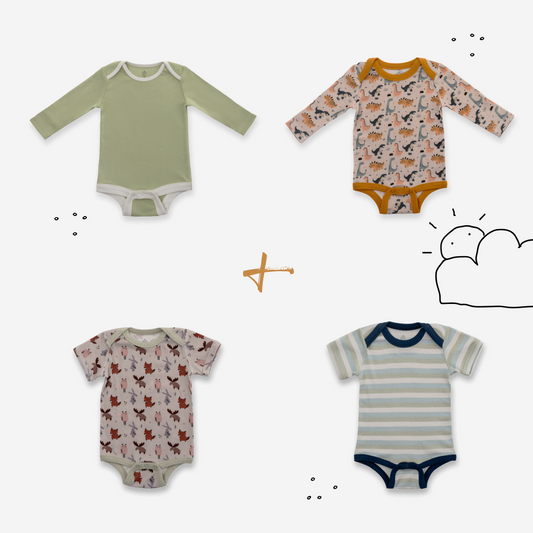
This method works especially well for everyday basics like short-sleeve bodysuits, keeping them visible and easy to grab:
How to Fold Long-Sleeve Onesies

Long sleeves add bulk, so the goal here is to reduce thickness without stretching the fabric.
Step 1: Lay the onesie flat, front facing down.
Step 2: Fold one side inward and gently fold the sleeve down along the body of the onesie. Avoid sharp creases at the cuffs or shoulders.
Step 3: Repeat on the other side, creating a long rectangle.
Step 4: Fold from the bottom up, once or twice, depending on the length.
Step 5: Store flat or upright
Long-sleeve onesies can be stored vertically in deeper drawers or stacked lightly for seasonal storage.
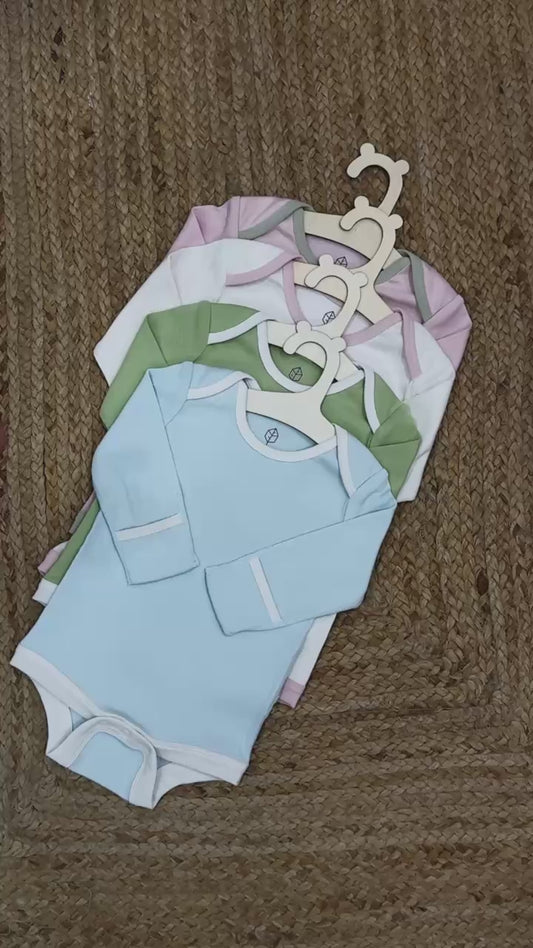
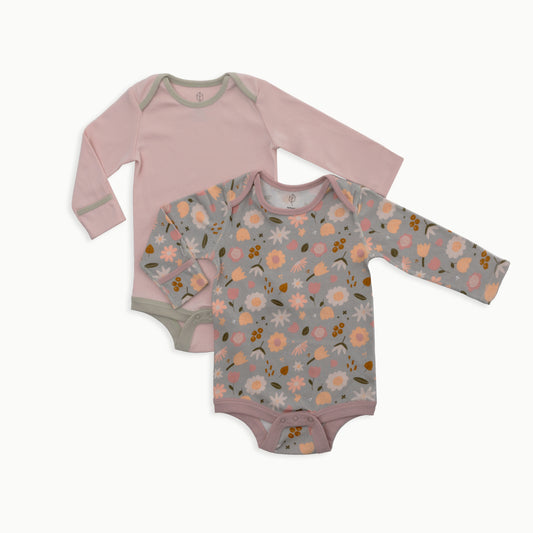
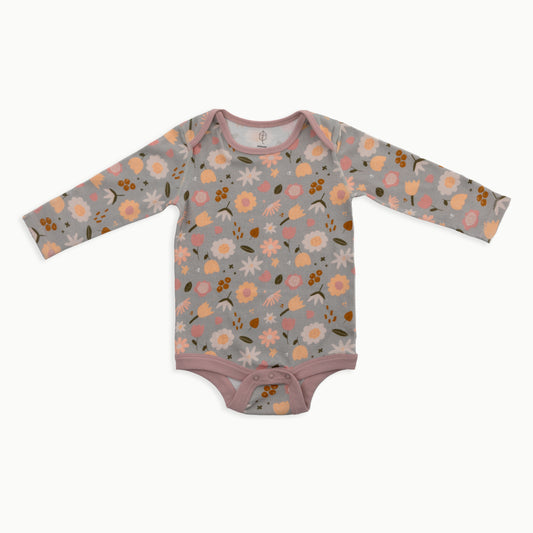
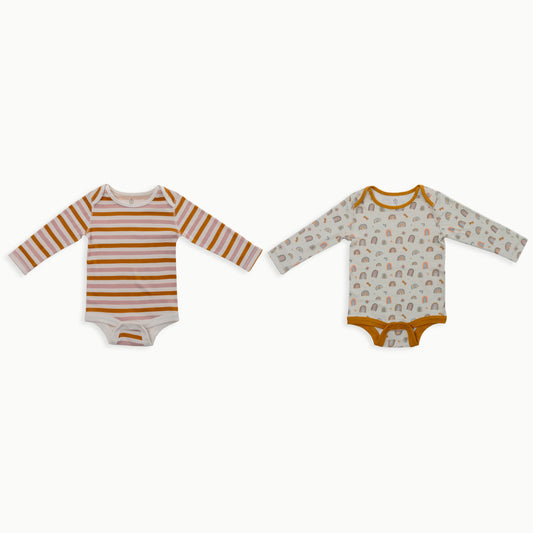
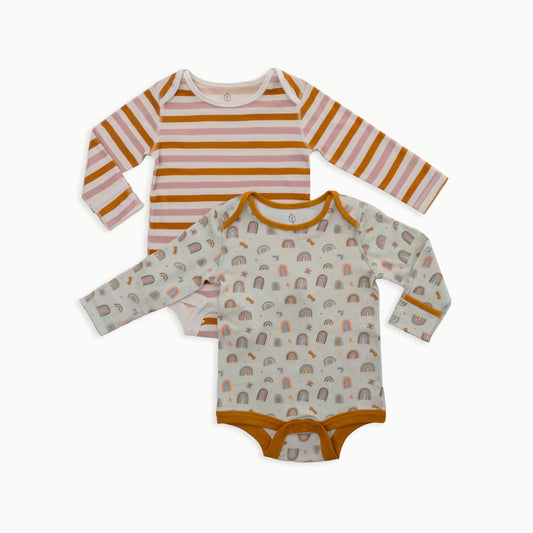
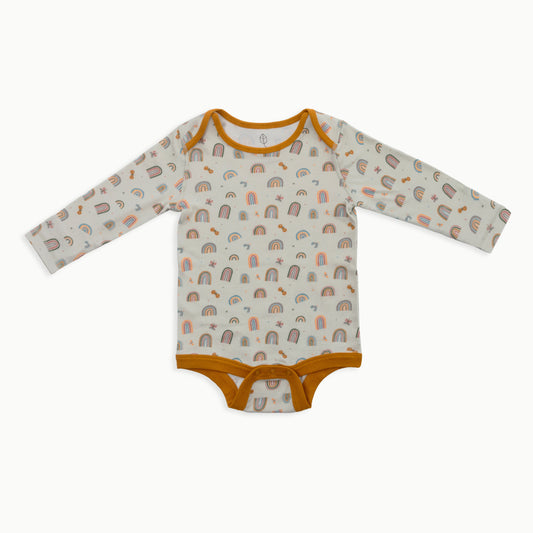
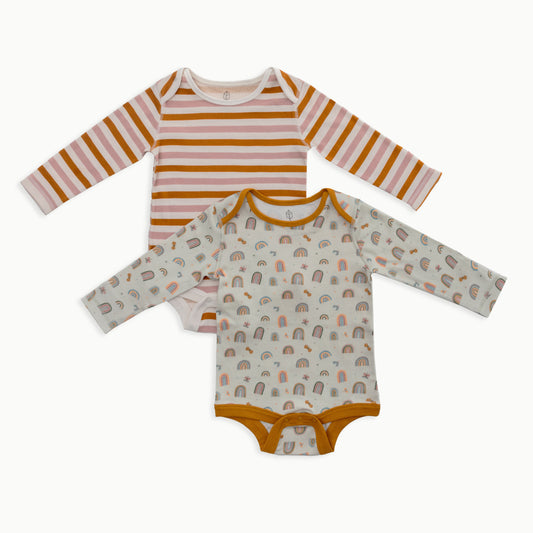
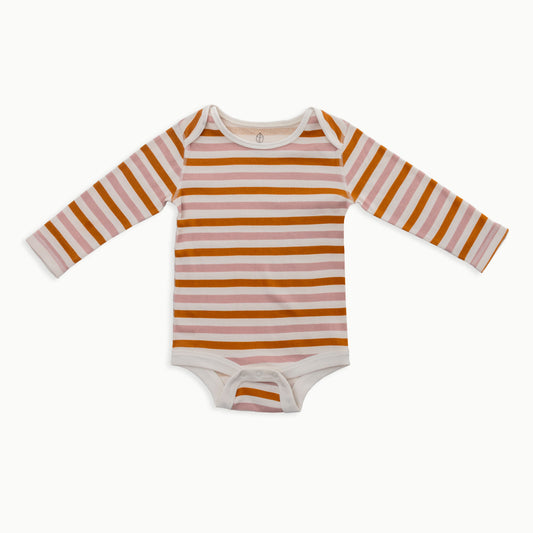
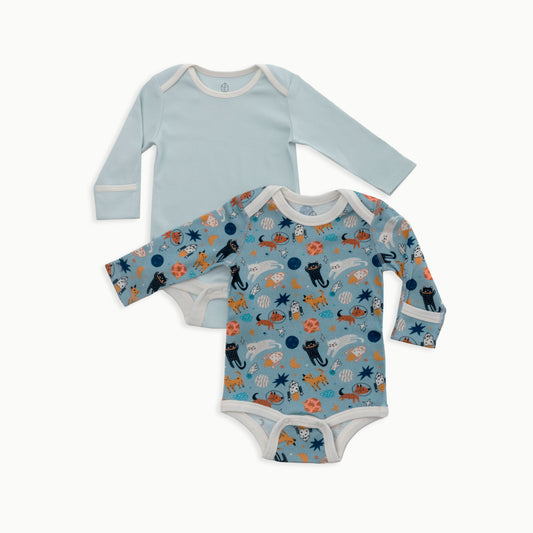
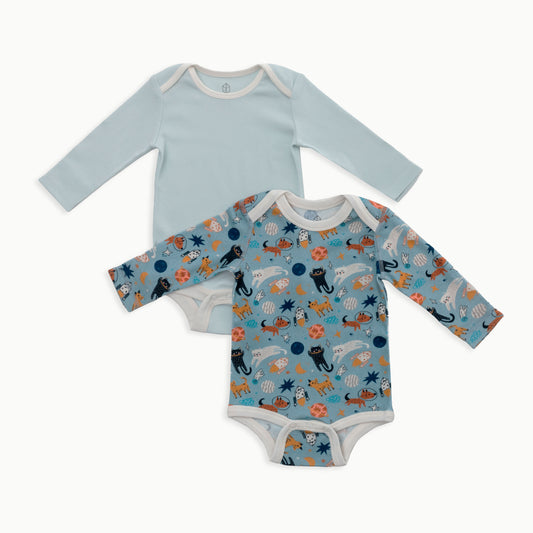
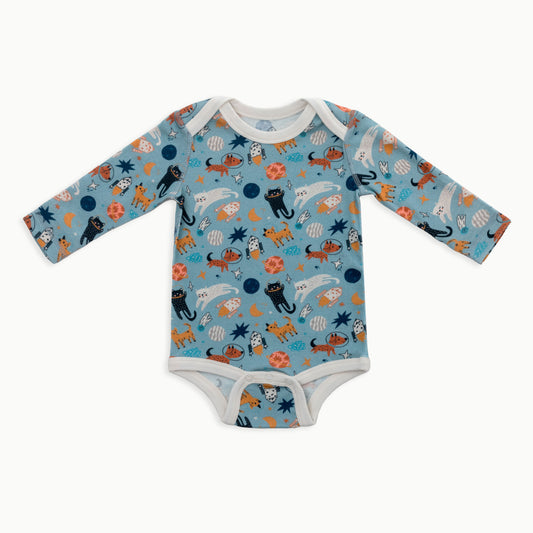
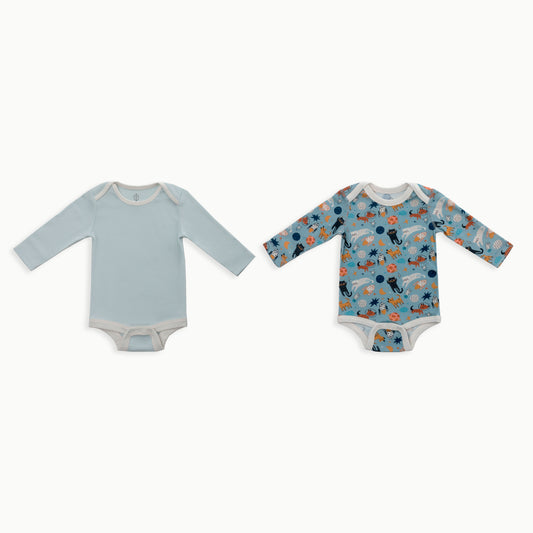
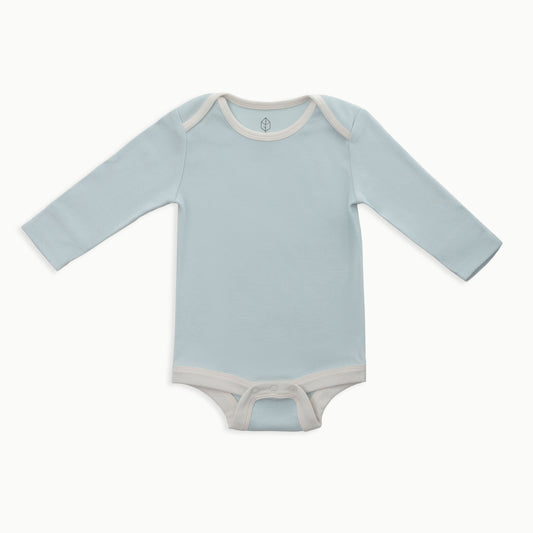
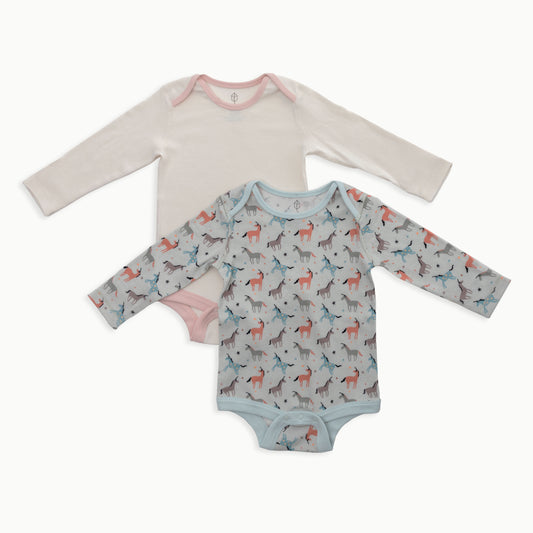
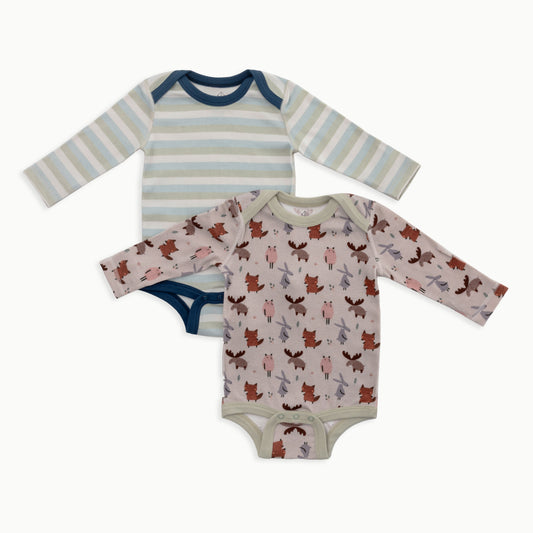
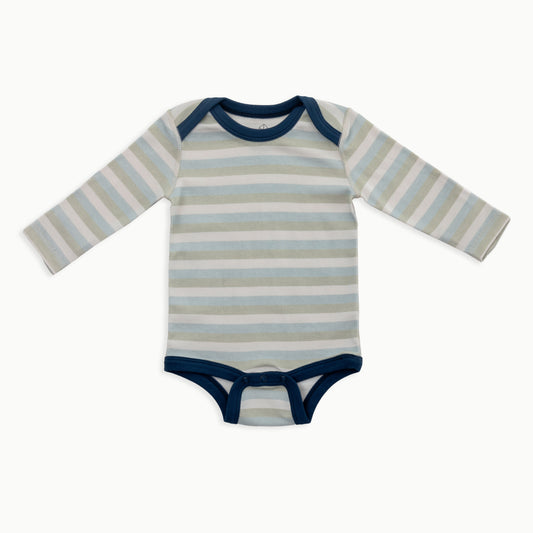
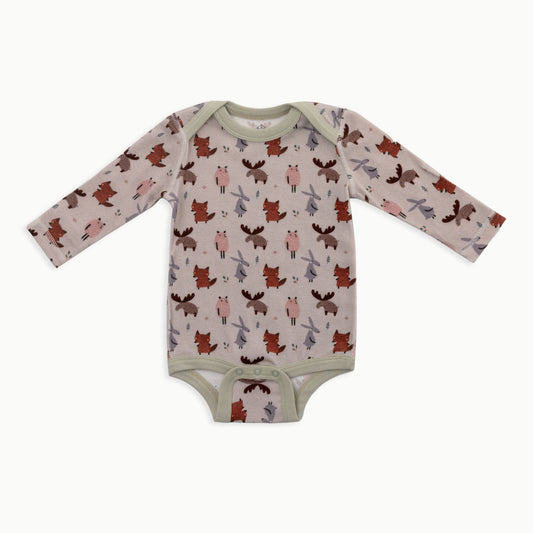
This method helps prevent stretching at cuffs and shoulders, especially important for soft, natural fabrics and layering pieces. For colder months or transitional weather, keeping long sleeves neatly folded makes layering much easier.
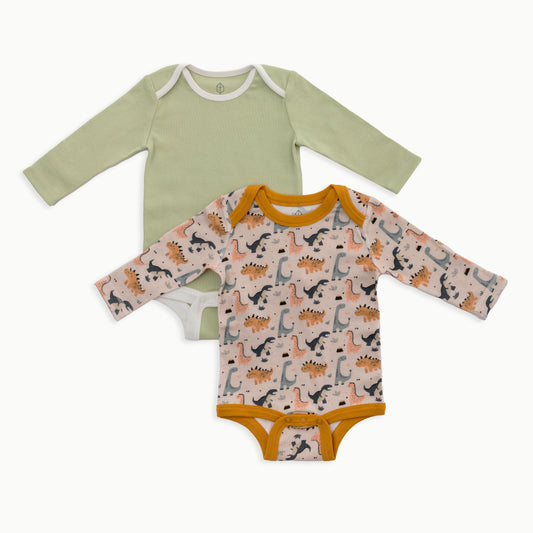
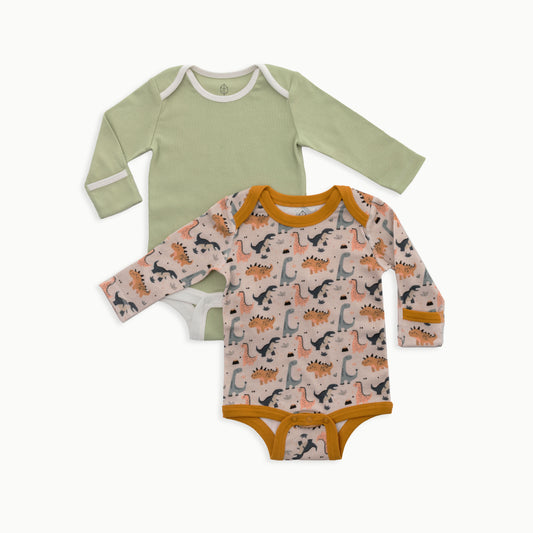
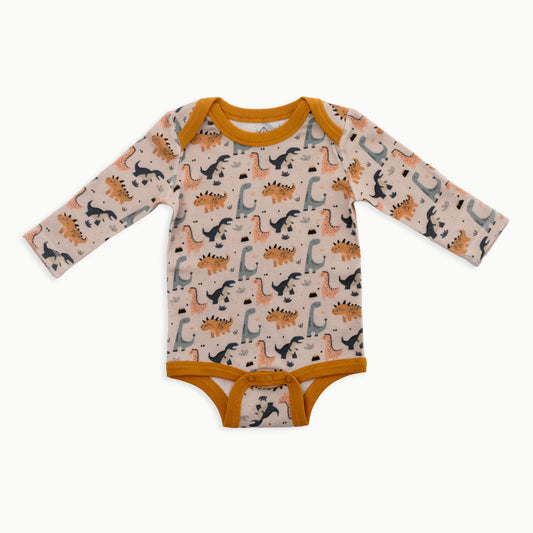
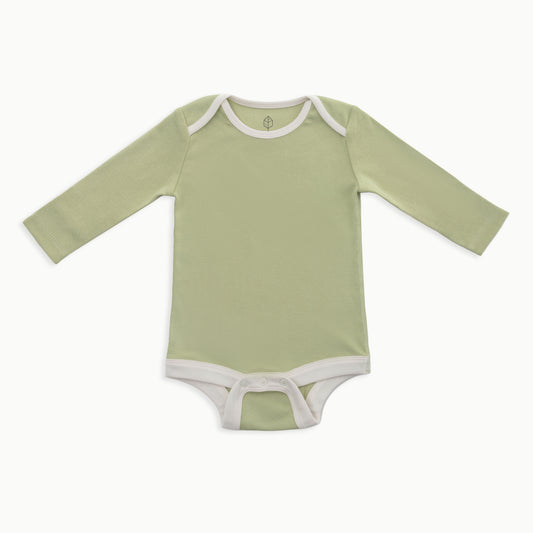
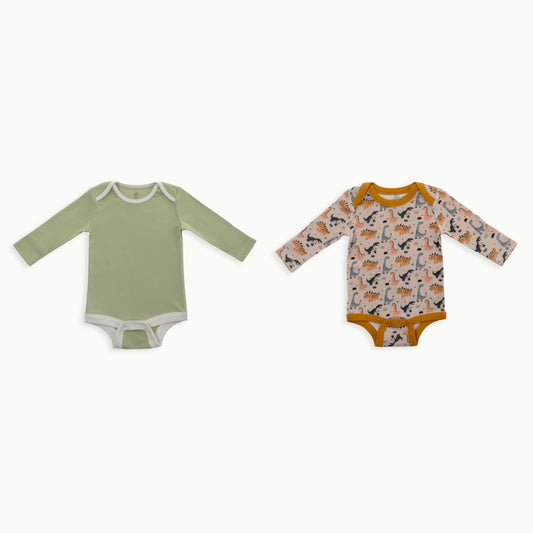
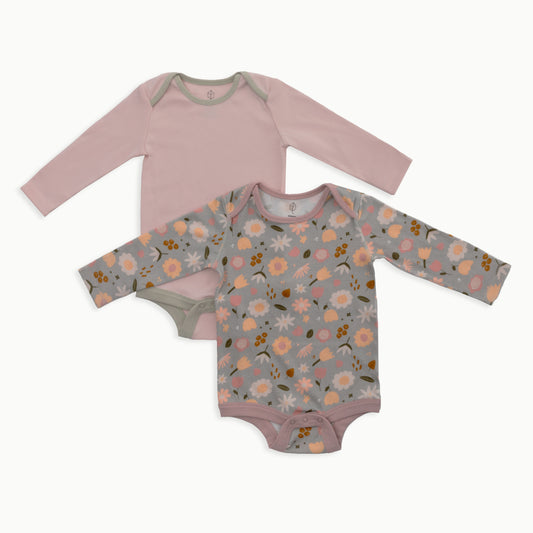
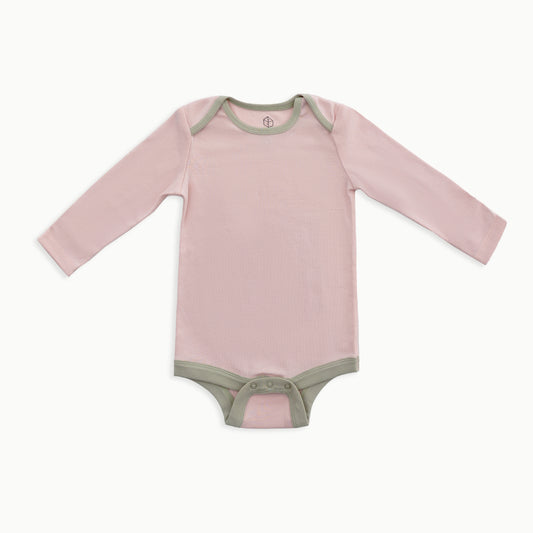
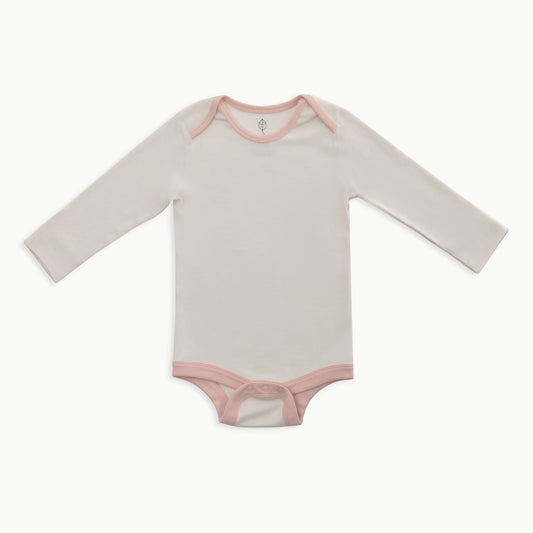
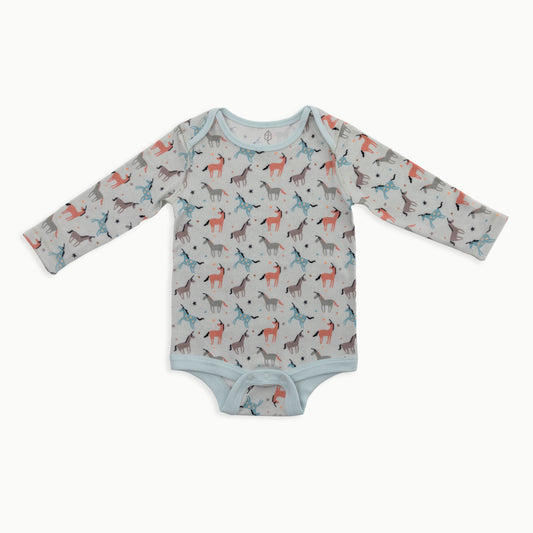
Explore long-sleeve bodysuits here: 👉 Long-Sleeve Bodysuits


