




























CONTENTS
If you’ve shopped for kids’ clothes recently, either online or in store, you’ve probably noticed how cheap they’ve become.
A $6 t-shirt. A $12 pajama set. Constant sales. A whole toddler outfit that costs less than lunch.
For parents, it’s understandable why this is appealing. Kids grow constantly. Clothes get stained, lost at daycare, or outgrown within months. It feels like we are constantly buying.
But extremely cheap clothing usually comes with a real cost. It’s environmental, ethical, and increasingly, health-related.
Fast fashion has become one of the largest polluting industries in the world, and many scientists and public health researchers are now raising concerns about the chemicals and synthetic materials used in modern clothing.
Understanding the fast fashion environmental impact helps parents make more informed decisions about what their children wear every day.

What Is Fast Fashion?
Fast fashion refers to clothing designed to move from factory to store as quickly and cheaply as possible.
Traditional fashion once followed two seasons per year. Today, many large retailers release new collections every week, encouraging constant purchasing and replacement.
To achieve those low prices and rapid production cycles, brands typically rely on:
-
synthetic fabrics derived from petroleum (essentially plastic clothes)
-
low-cost manufacturing in developing countries
-
simplified construction designed for short lifespans
Globally, the fashion industry now produces around 100 billion garments every year, nearly double what it produced in the early 2000s (Ellen MacArthur Foundation).
Much of that clothing is worn only a handful of times before being discarded.
The Environmental Cost: By the Numbers
 The fashion industry’s environmental footprint is enormous.
Researchers estimate the industry produces about 10% of global carbon emissions, more than international aviation and maritime shipping combined (UN Environment Programme).
Water use is also significant.
Producing a single cotton shirt requires about 700 gallons of water, while a pair of jeans can require around 2,000 gallons during cultivation and manufacturing (WWF).
Textile dyeing and finishing is one of the largest sources of water pollution worldwide, responsible for roughly 20% of global industrial wastewater (World Bank).
Waste is another major issue.
The world now generates 92 million tonnes of textile waste each year, and that number is expected to rise to 134 million tonnes by 2030 (Global Fashion Agenda).
A large portion of this waste comes from synthetic materials.
Today, roughly 60% of clothing is made from plastic-based fibers such as polyester, nylon, and acrylic (Textile Exchange).
Unlike natural fibers, these materials do not biodegrade easily. Synthetic fabrics can take decades or even centuries to break down in a landfill.
Microplastics: The Hidden Pollution from Clothing
 Synthetic clothing doesn’t just create waste, it also releases a heck of a lot of plastic into the environment while it’s being worn and washed.
Each time synthetic fabrics are washed, they shed microscopic plastic fibers.
Research shows a single laundry load can release hundreds of thousands of microplastic particles into wastewater systems (University of Plymouth).
Globally, washing synthetic textiles is estimated to release around 500,000 tonnes of microplastics into the ocean every year (International Union for Conservation of Nature).
These particles have now been found in drinking water, seafood, soil, and even the human bloodstream.
Scientists are still studying the long-term health implications, but early research suggests microplastics may contribute to inflammation and hormonal disruption in the body (Nature Reviews Endocrinology).
What This Means for Your Child’s Wardrobe
For parents, the fast fashion conversation becomes more personal when you look at what children wear and how long they wear it each day.
Babies and toddlers often spend 20 hours a day in direct contact with clothing, making fabric choices more significant than many people realize.
Chemicals on little skin
Modern textile production uses thousands of chemical substances.
These can include:
-
AZO dyes
-
formaldehyde finishing agents
-
PFAS, “forever chemicals” used for stain resistance
-
pesticide residues from conventional cotton farming
Some of these substances are known or suspected endocrine disruptors, meaning they can interfere with hormone systems in the body (Endocrine Society).
Endocrine-disrupting chemicals have been linked in research to fertility problems, developmental issues, and certain cancers (WHO / Endocrine Society).
Children may be particularly vulnerable because their skin is thinner and more absorbent than adult skin.
If you want to understand one of the most common dye concerns, you can read more about what AZO dyes are and how to start buying non-toxic baby clothes.
Skin sensitivities and irritation
Many parents first become aware of fabric chemistry when their child develops skin irritation.
Residues from textile dyes, finishing chemicals, and synthetic fibers can trigger eczema flare-ups or contact dermatitis in sensitive children (American Academy of Dermatology).
Synthetic fabrics can also trap heat and moisture more easily than natural fibers, which can worsen skin irritation.
This is one reason pediatric dermatologists often recommend breathable materials like cotton for children with eczema.
The hidden cost of “cheap” kids’ clothes
Ultra-cheap clothing rarely lasts long.
Studies suggest many fast fashion garments are worn fewer than ten times before being discarded (Ellen MacArthur Foundation).
When clothing loses shape, pills, or tears quickly, parents end up replacing it repeatedly.
A higher-quality piece worn for multiple seasons, and possibly passed down to younger siblings, often ends up costing less over time. This is exactly the thinking behind a kids’ capsule wardrobe, where fewer, better-made essentials replace constant buying and waste.
Ethical labor concerns
The low prices associated with fast fashion are often tied to labor conditions in global supply chains.
Garment workers in many producing countries earn well below a living wage, and factory conditions can be unsafe.
The 2013 Rana Plaza factory collapse in Bangladesh, which killed more than 1,100 garment workers, exposed many of the labor risks associated with rapid, low-cost clothing production (International Labour Organization).
While conditions have improved in some regions, labor rights remain a significant issue within the fashion industry.
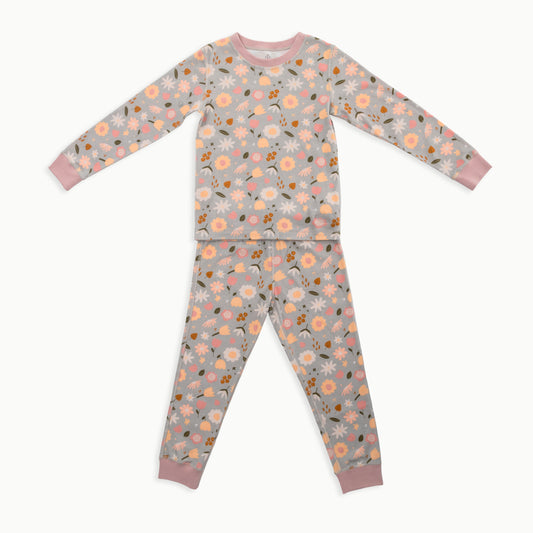
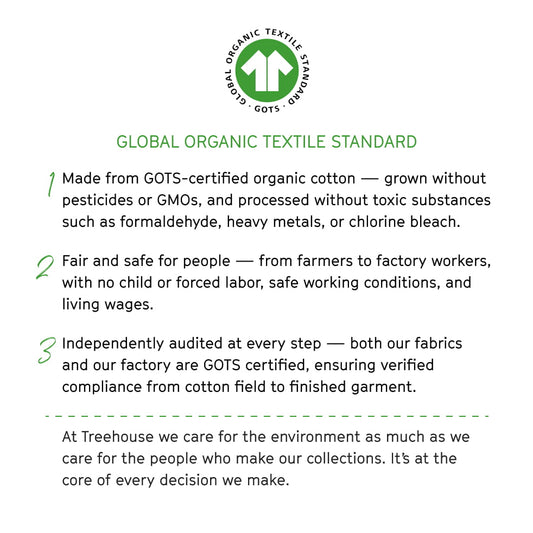
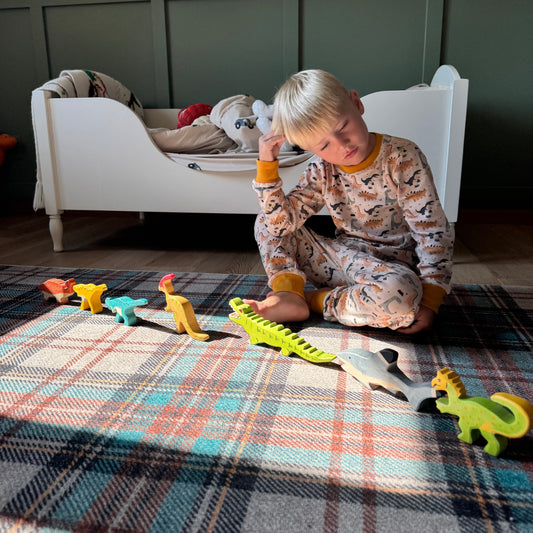
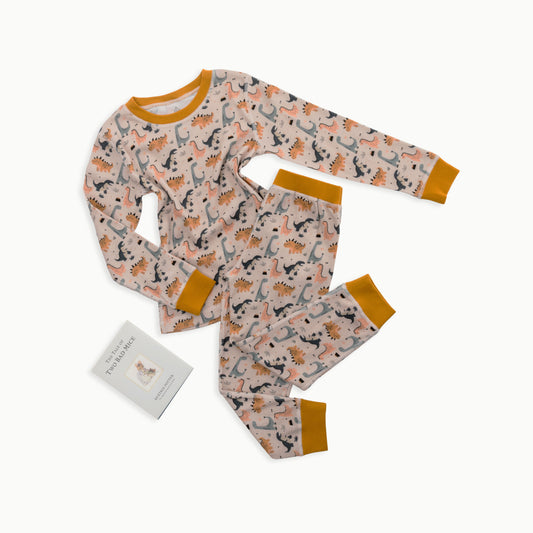
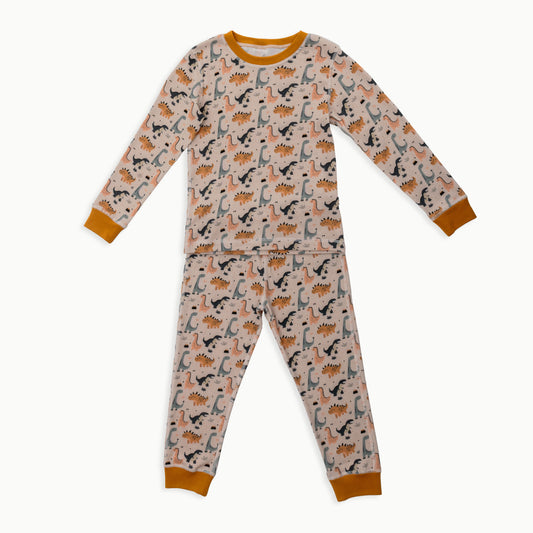
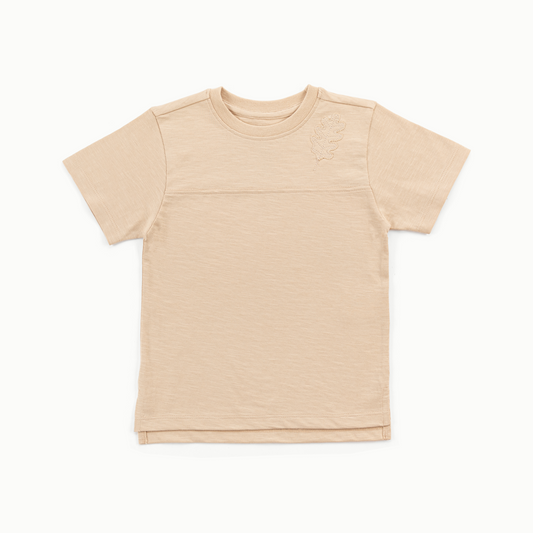
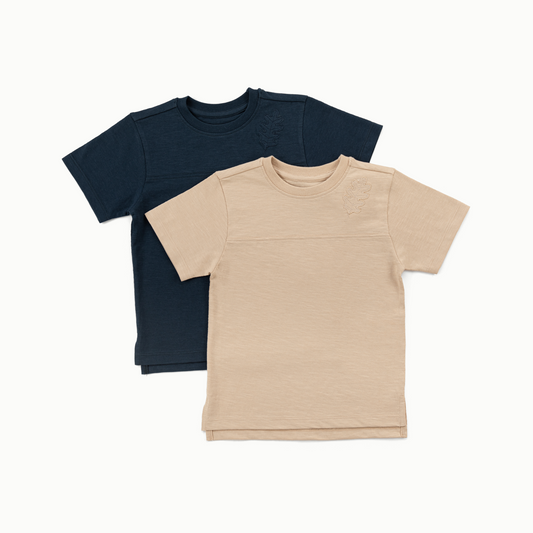
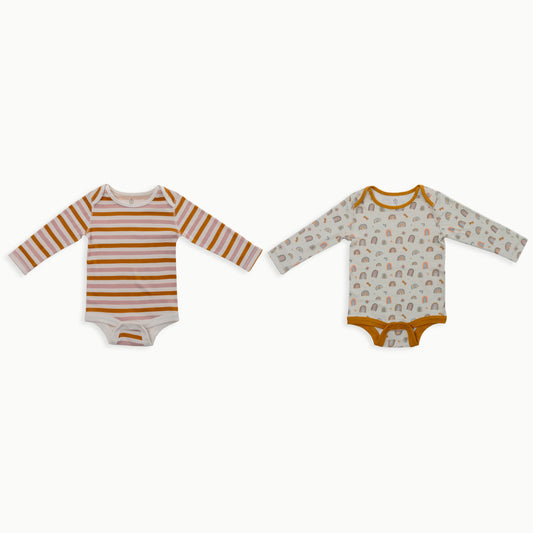
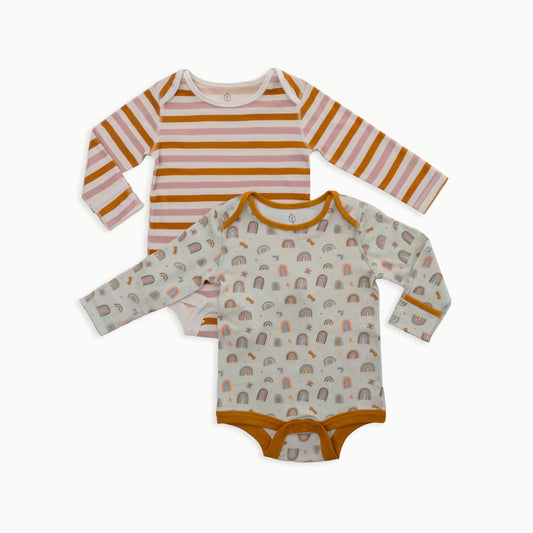
Here's what the safer alternative looks like.


