





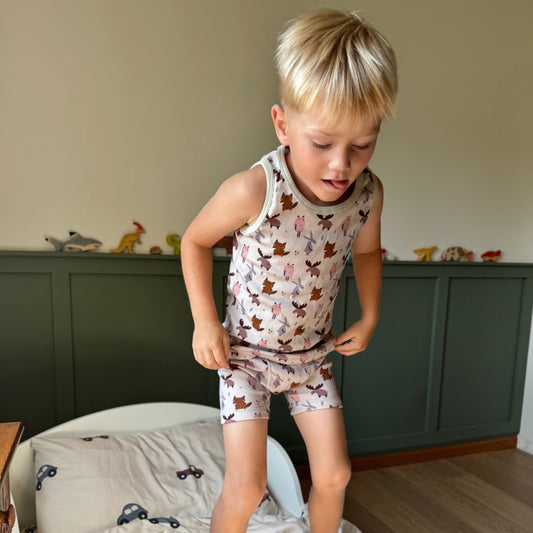
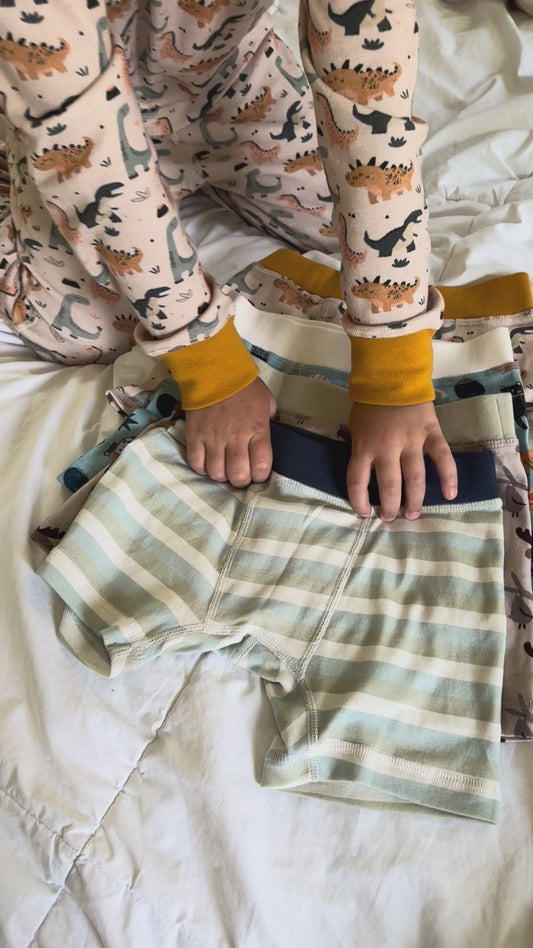
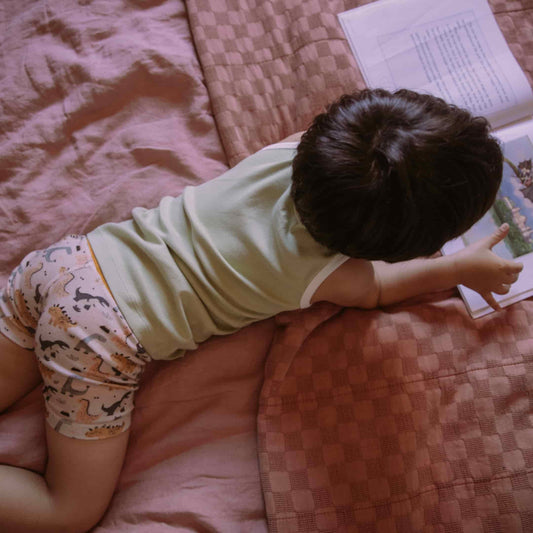
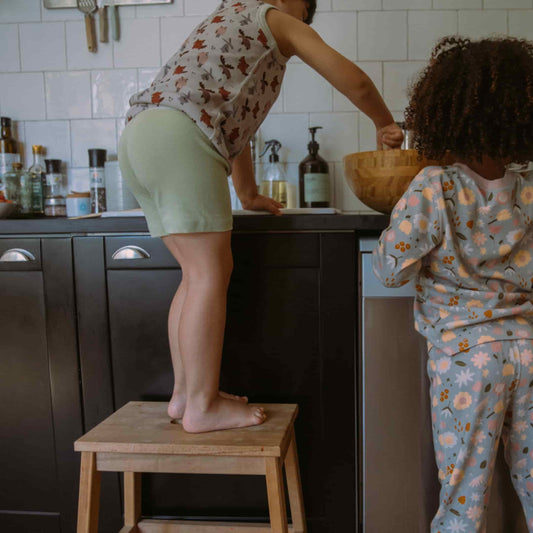




What is a Kids' Capsule Wardrobe?
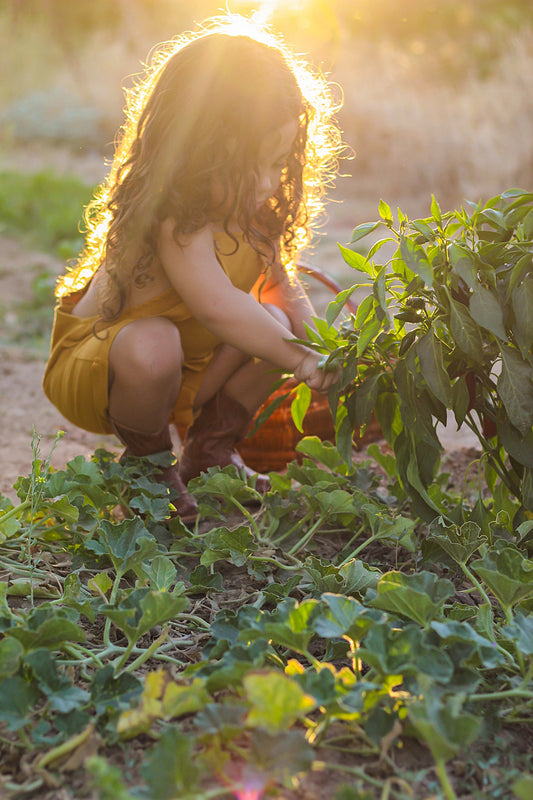
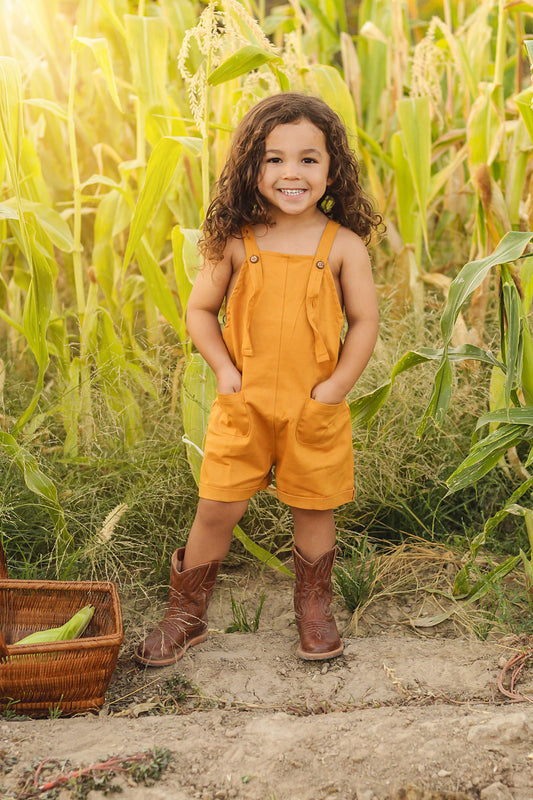
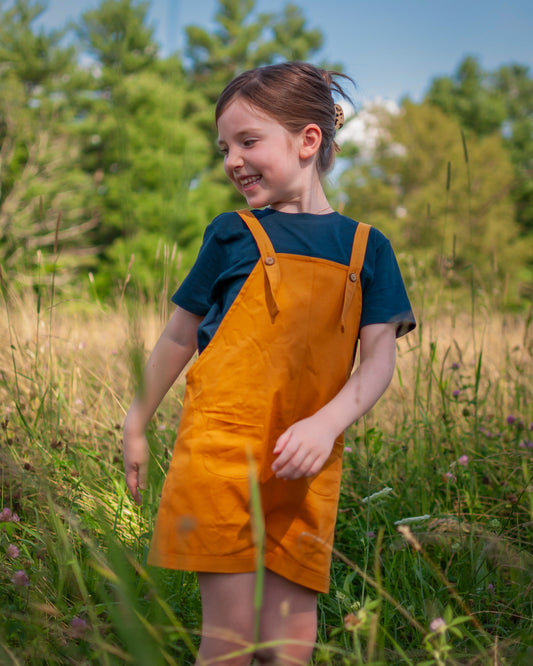
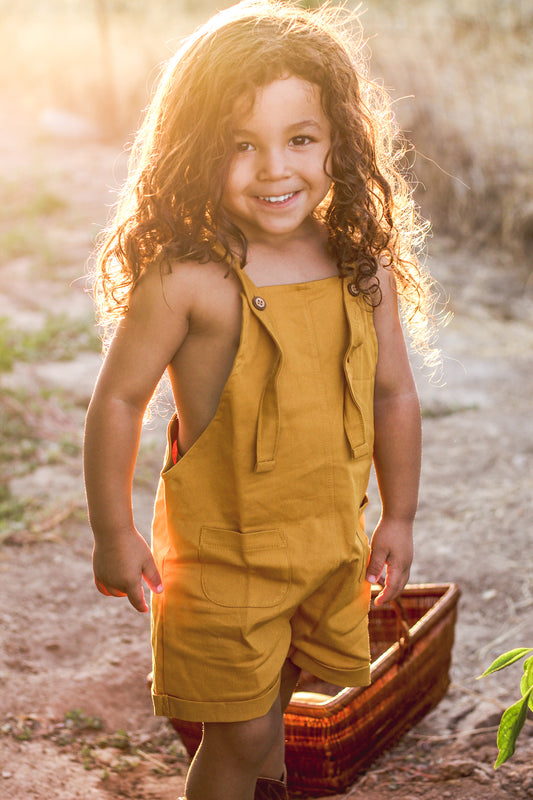
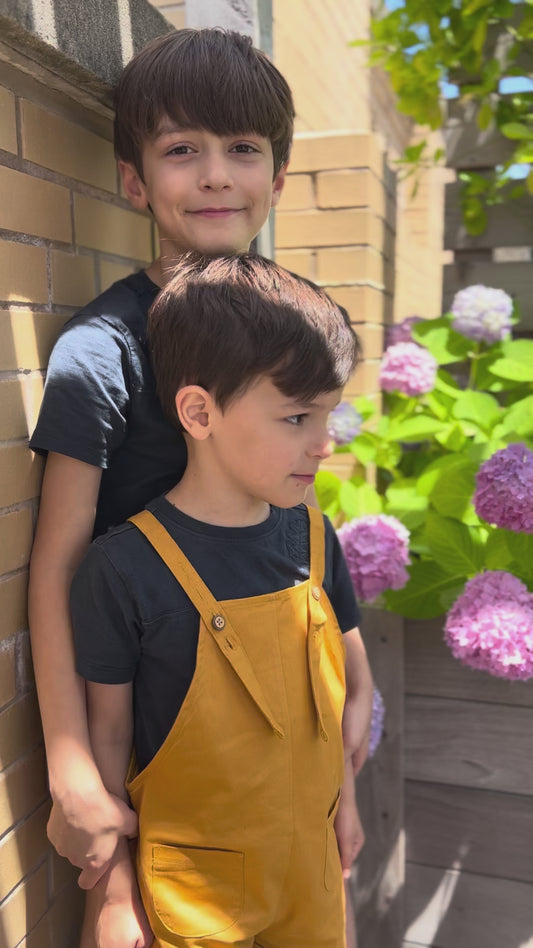
A kids capsule wardrobe is simply a small collection of clothes that are designed to mix and match with each other.
When every top works with every bottom, six tops and five bottoms suddenly create 30 different outfit combinations without needing dozens of separate items.
Originally popularized for adult wardrobes, the concept works even better for children because their clothing needs are simpler, their growth cycles are predictable, and parents benefit enormously from reducing decision fatigue.
Importantly, a capsule wardrobe is not about minimalism for its own sake or restricting what children can wear : it’s about building a practical system where fewer, well-chosen pieces work together effortlessly.
How Many Clothes Does a Kid Actually Need?
This is the question most parents search for when researching a kids capsule wardrobe. The numbers below are a practical starting point for a seasonal capsule. Families can adjust slightly depending on laundry frequency, climate, and how messy their kids tend to get.
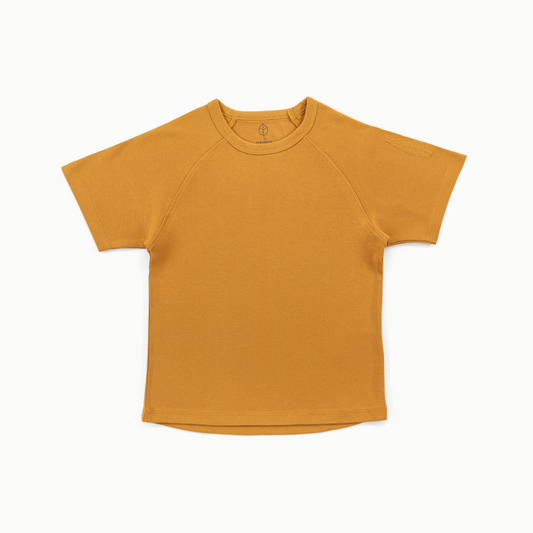
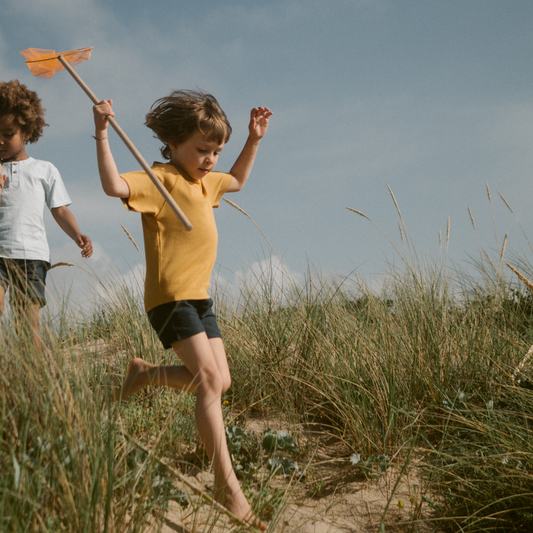
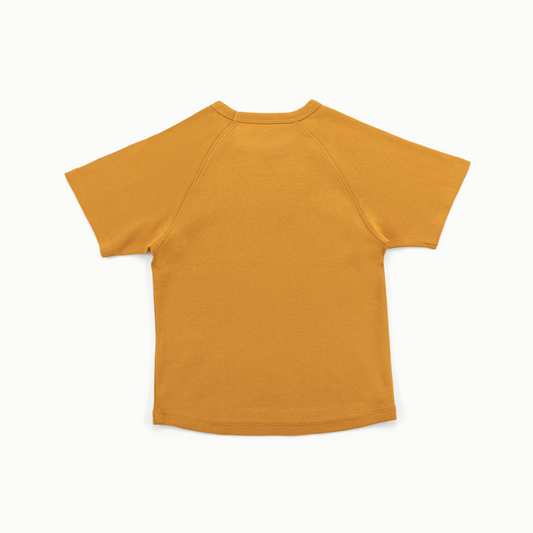
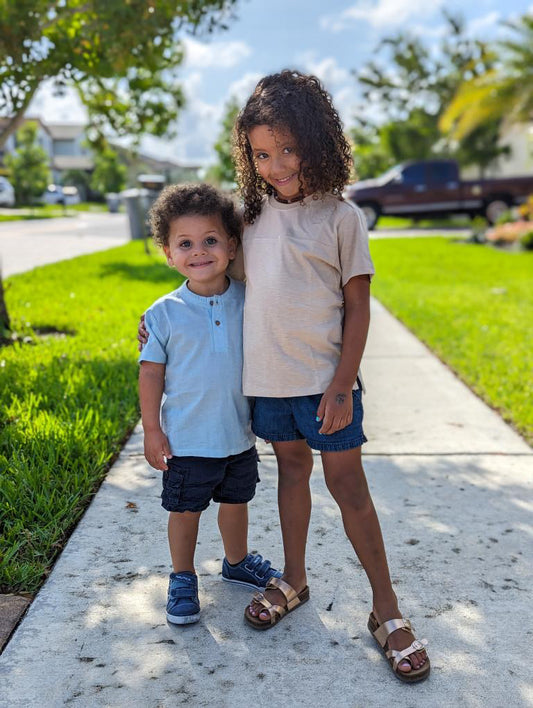
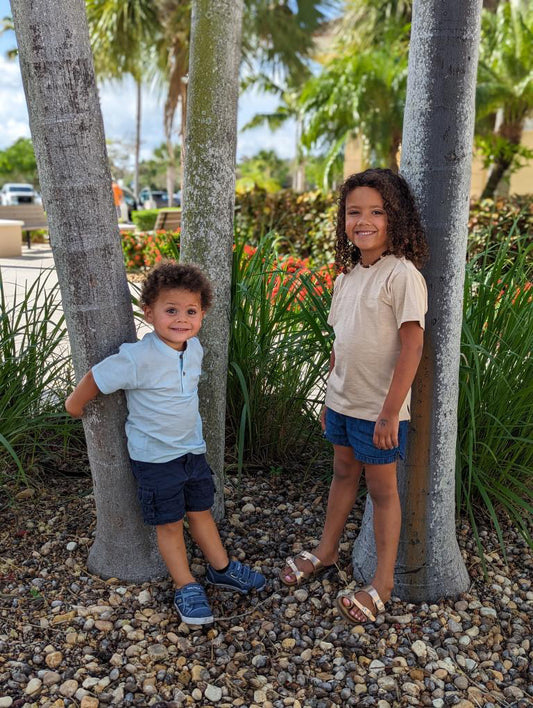
Five to seven tops is usually the sweet spot. This allows for variety without overfilling drawers. A mix of short-sleeve and long-sleeve depending on the season works best, along with a balance of solids, stripes and a few prints so outfits feel different even with fewer pieces.
-


 $34.002-3,3-4,4-5,5-6,6-7,7-8,8-9,9-10 yearsSELECT SIZE$22.10
$34.002-3,3-4,4-5,5-6,6-7,7-8,8-9,9-10 yearsORGANIC COTTON WILLOW TEE IN TASSELRegular price $34.00Regular priceUnit price per$34.00Sale price $34.00 -
 $34.002-3,3-4,4-5,5-6,6-7,7-8,8-9,9-10 yearsSELECT SIZE$22.10
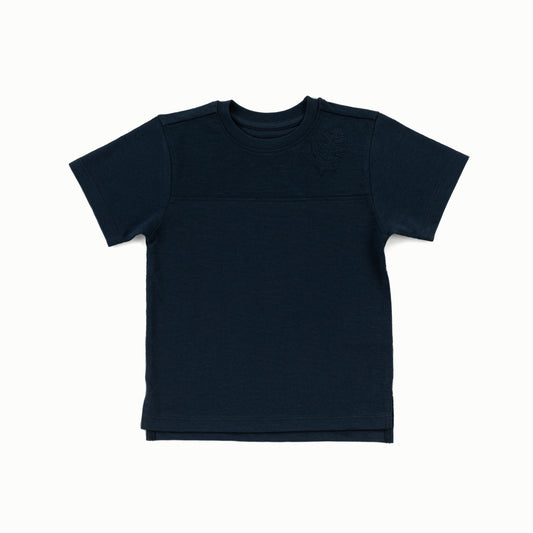
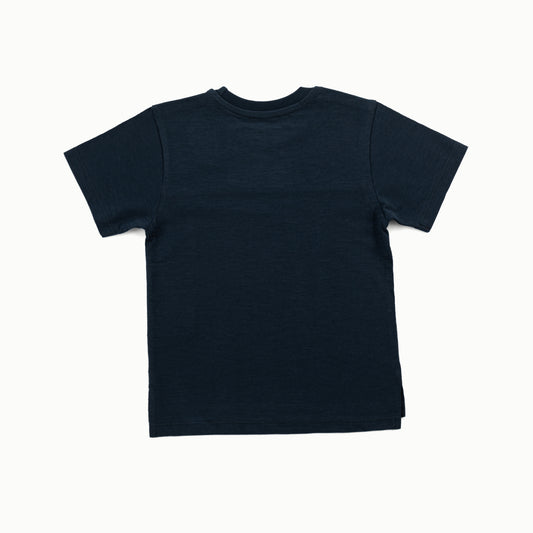
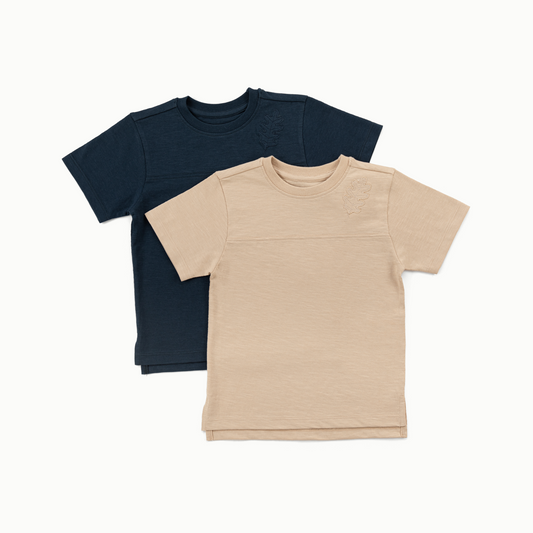
$34.002-3,3-4,4-5,5-6,6-7,7-8,8-9,9-10 yearsORGANIC COTTON OAK TEE IN NAVALRegular price $34.00Regular priceUnit price per$34.00Sale price $34.00 -
 $45.002-3,3-4,4-5,5-6,6-7,7-8,8-9,9-10 yearsSELECT SIZE$29.25
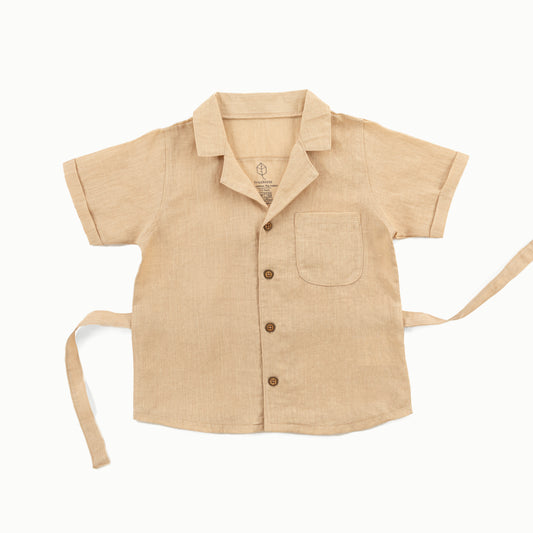
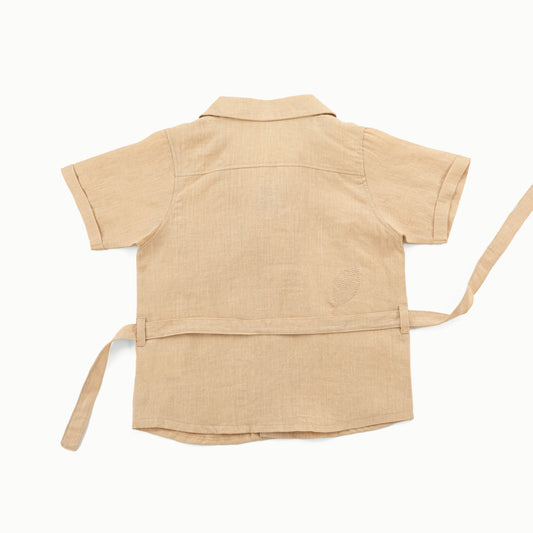
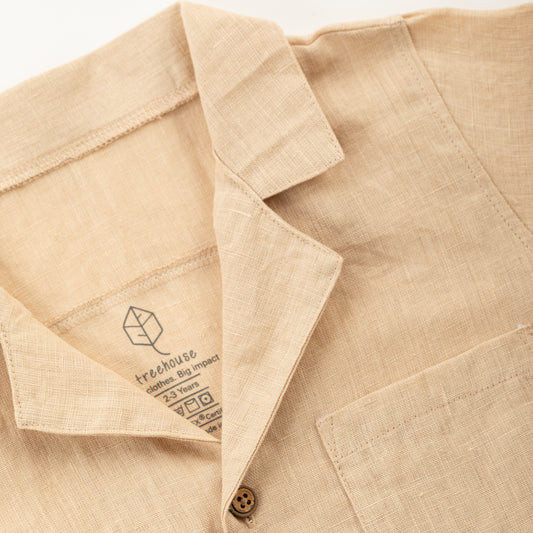
$45.002-3,3-4,4-5,5-6,6-7,7-8,8-9,9-10 yearsLINEN BIRCH SHIRT IN SANDRegular price $45.00Regular priceUnit price per$45.00Sale price $45.00 -
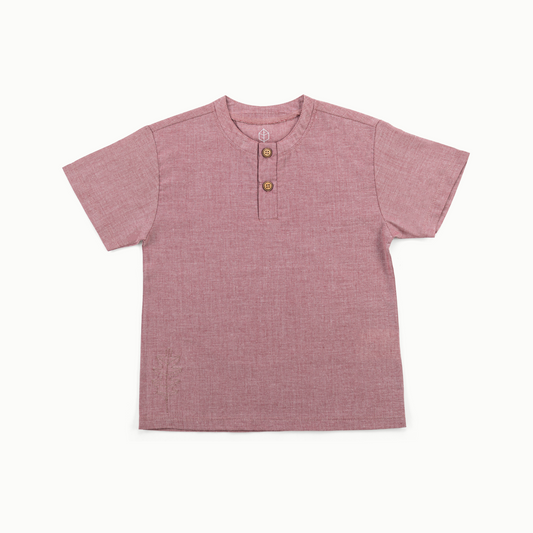
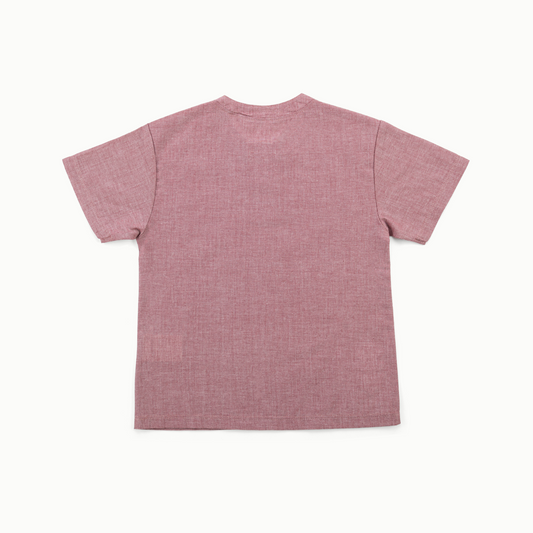
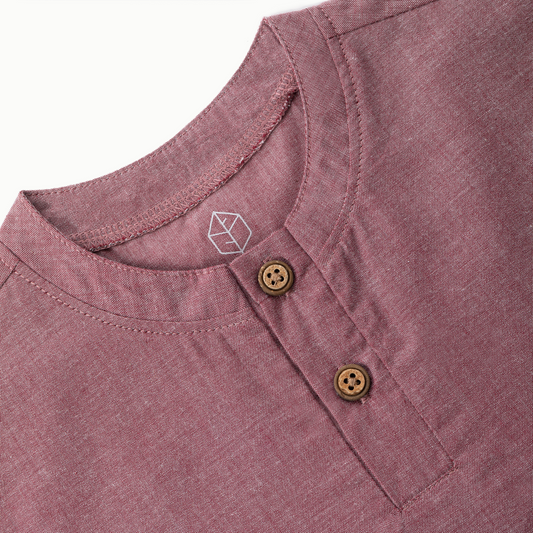
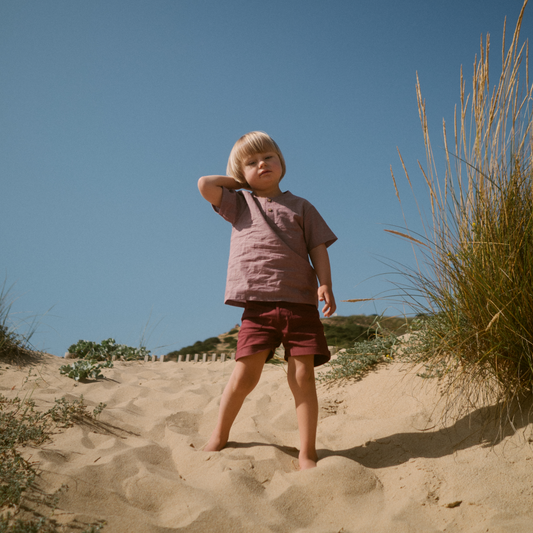
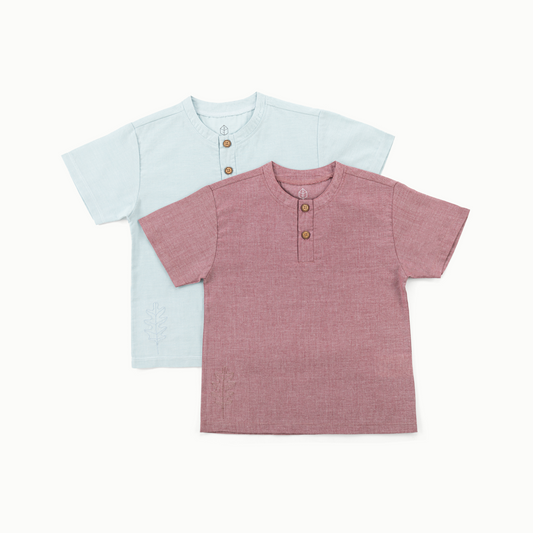 $34.002-3,3-4,4-5,5-6,6-7,7-8,8-9,9-10 yearsSELECT SIZE$22.10
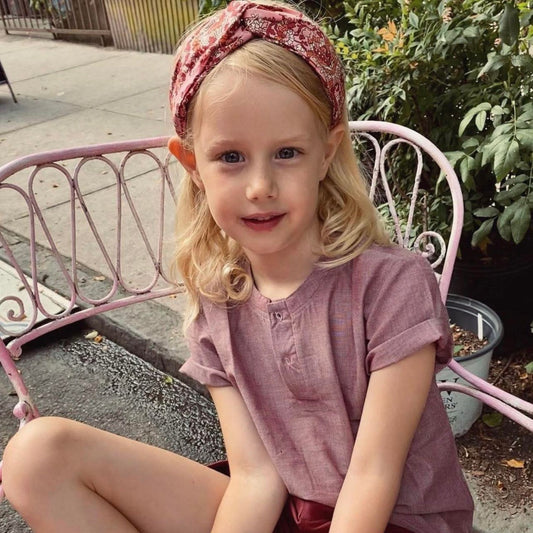
$34.002-3,3-4,4-5,5-6,6-7,7-8,8-9,9-10 yearsORGANIC COTTON OAK HENLEY TEE IN CANYON CLAYRegular price $34.00Regular priceUnit price per$34.00Sale price $34.00 -
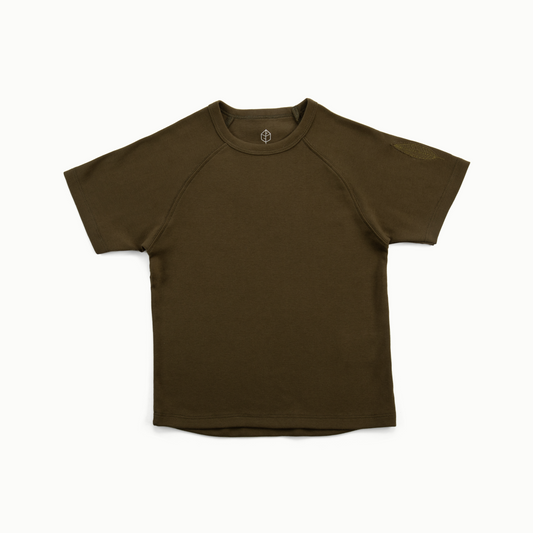

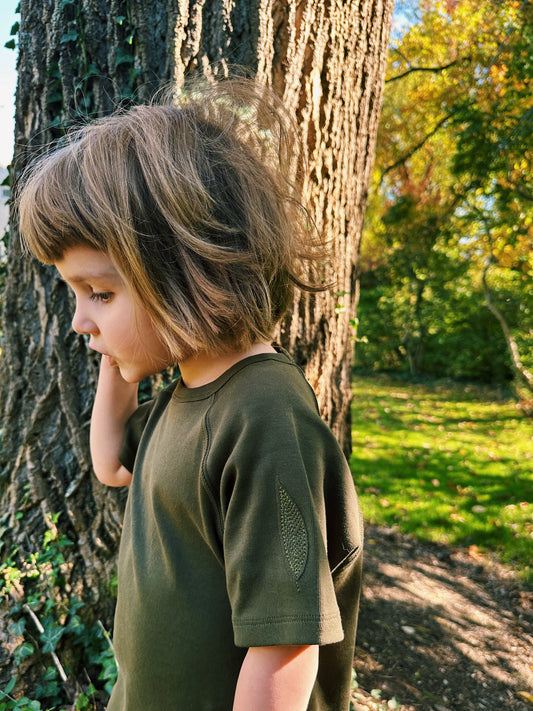
 $34.002-3,3-4,4-5,5-6,6-7,7-8,8-9,9-10 yearsSELECT SIZE$22.10
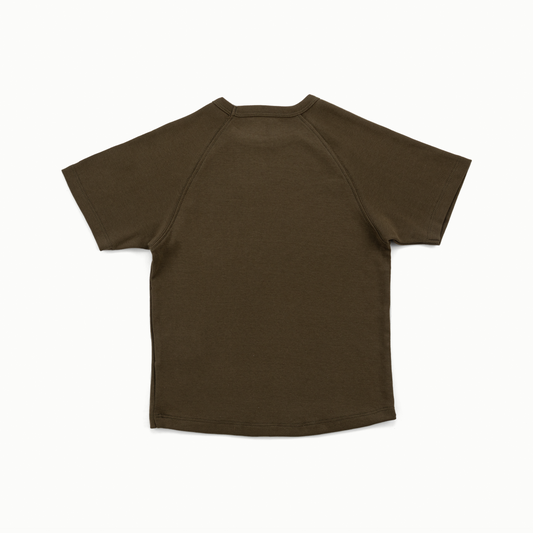
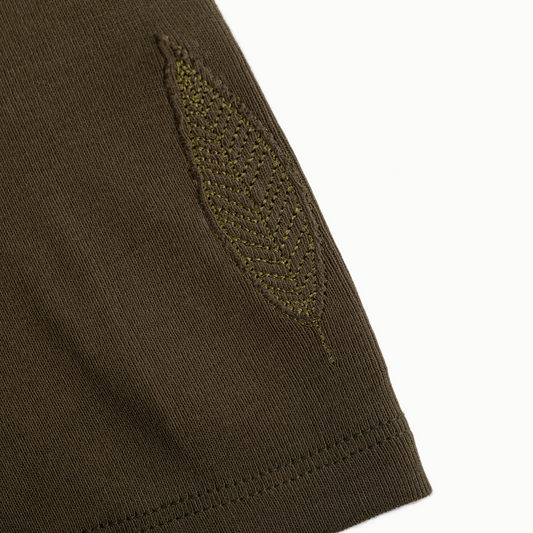
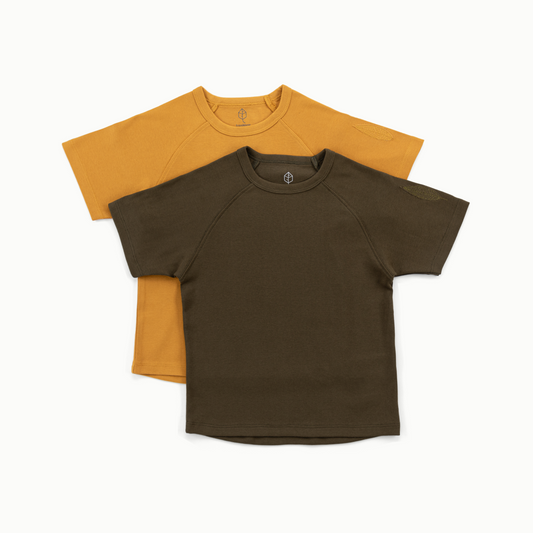
$34.002-3,3-4,4-5,5-6,6-7,7-8,8-9,9-10 yearsORGANIC COTTON WILLOW TEE IN RIPE OLIVERegular price $34.00Regular priceUnit price per$34.00Sale price $34.00 -
 $34.002-3,3-4,4-5,5-6,6-7,7-8,8-9,9-10 yearsSELECT SIZE$22.10
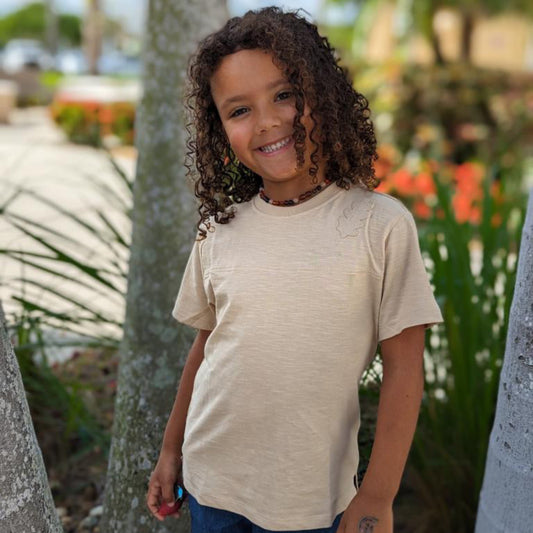
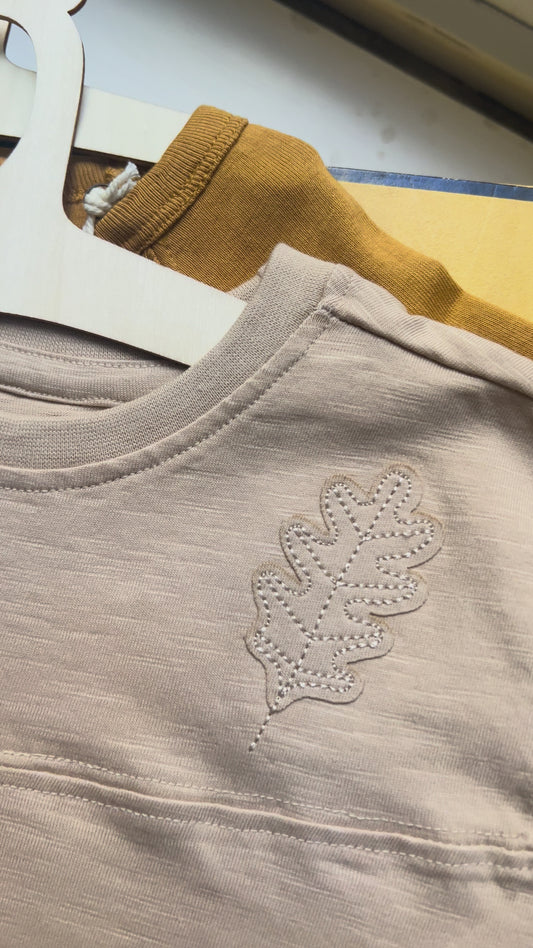
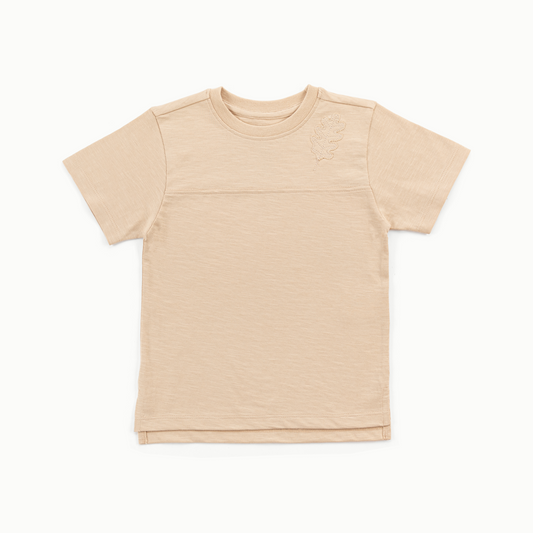
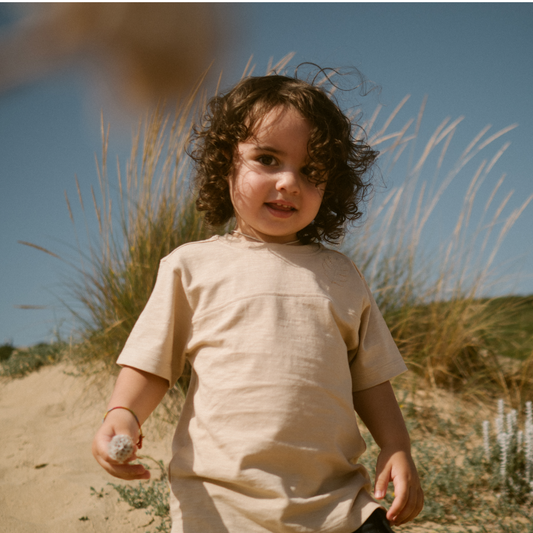
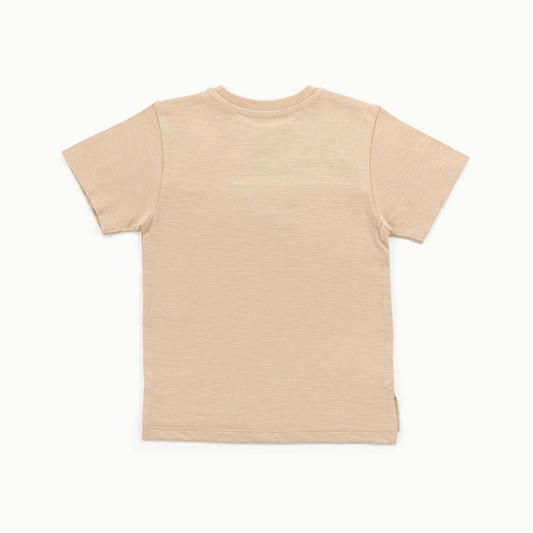
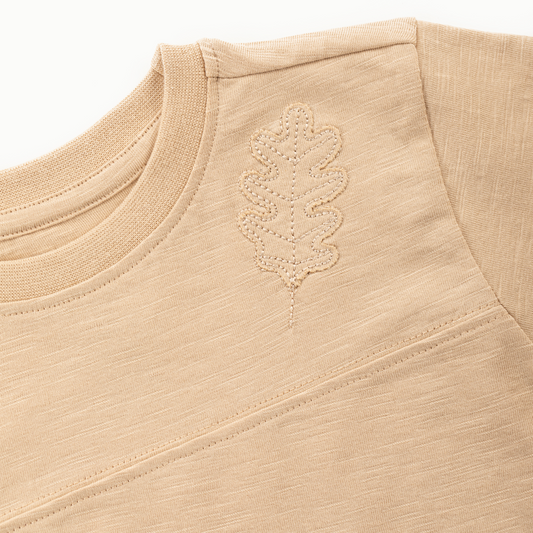
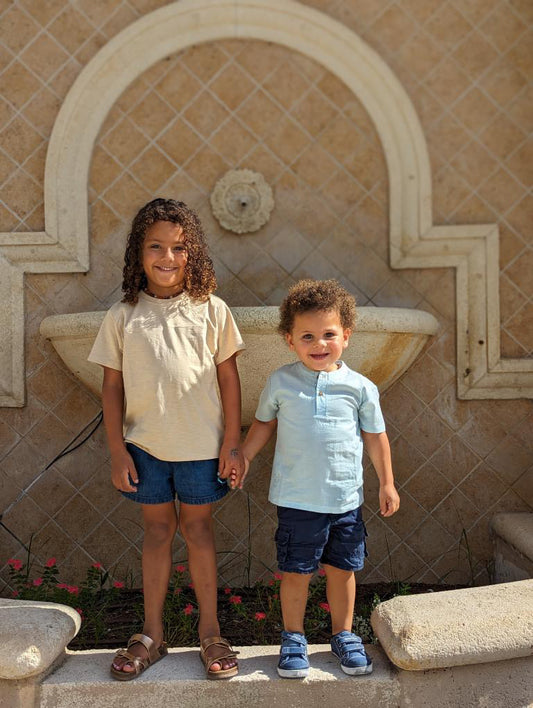
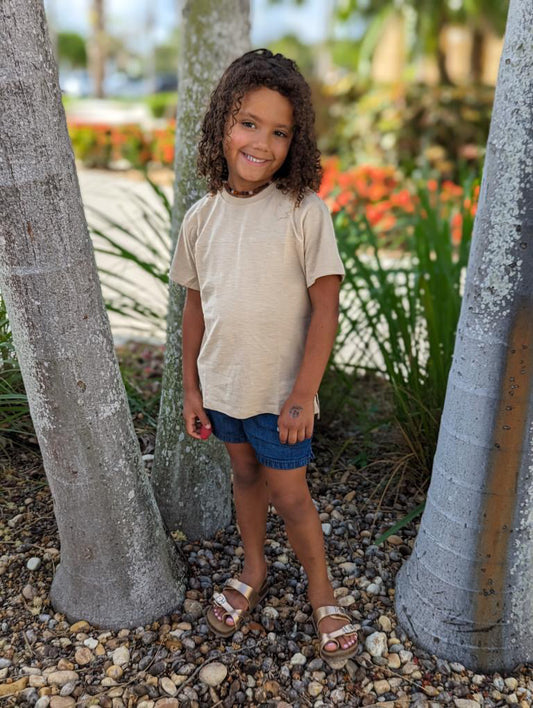
$34.002-3,3-4,4-5,5-6,6-7,7-8,8-9,9-10 yearsORGANIC COTTON OAK TEE IN SANDRegular price $34.00Regular priceUnit price per$34.00Sale price $34.00

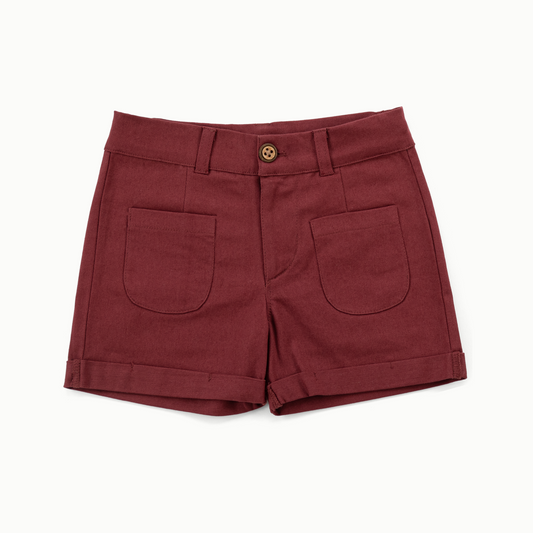
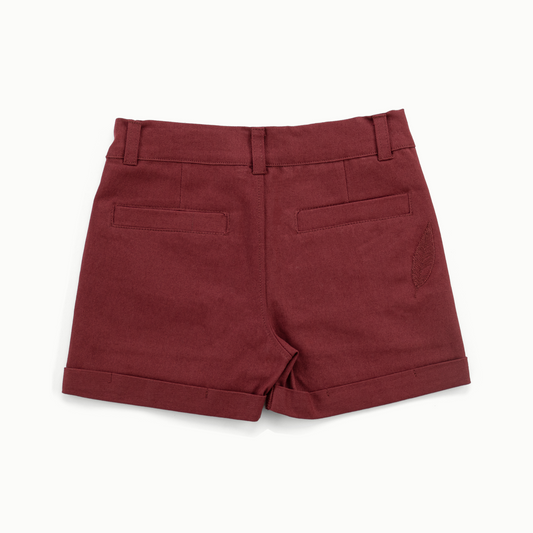
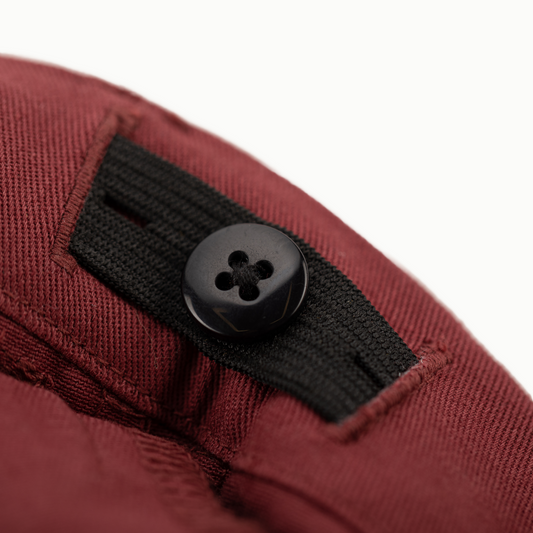
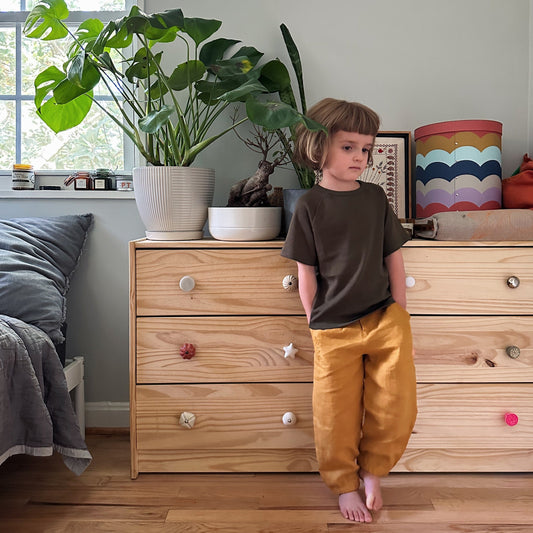
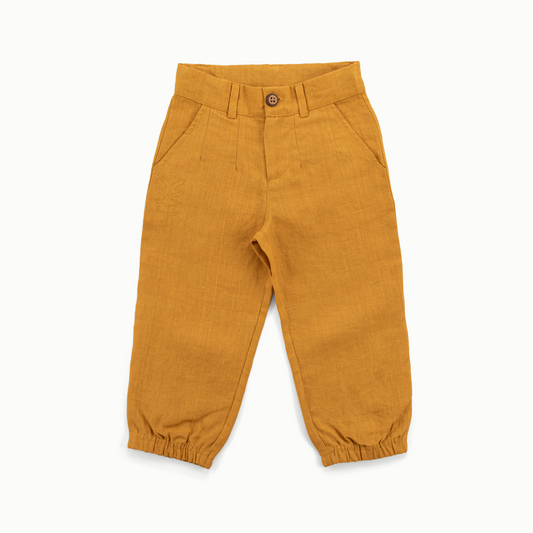
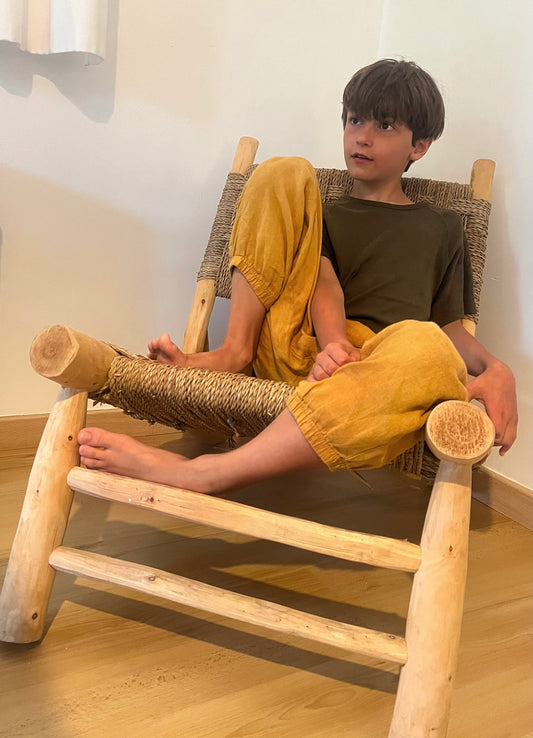
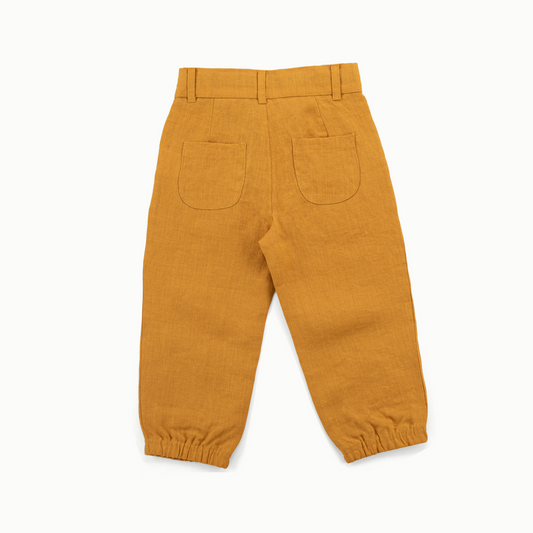
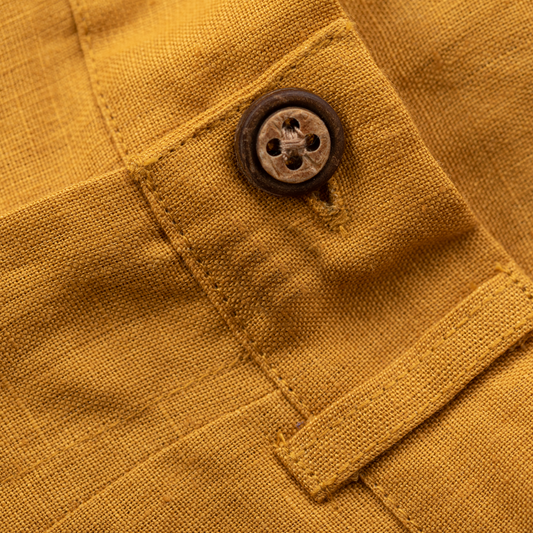
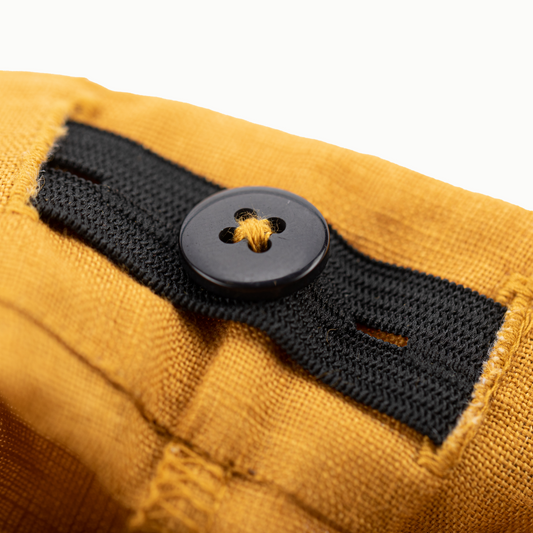
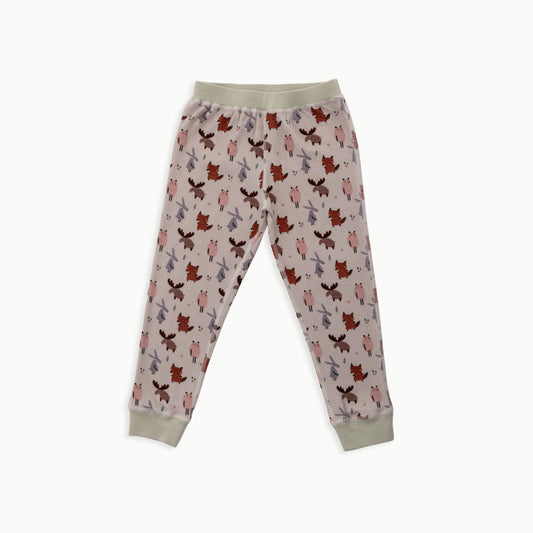
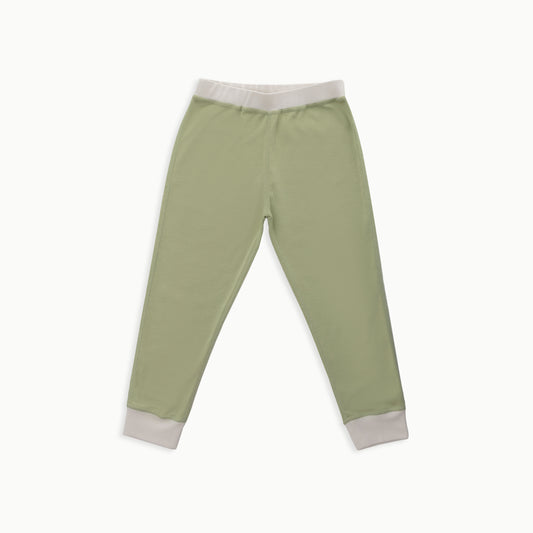
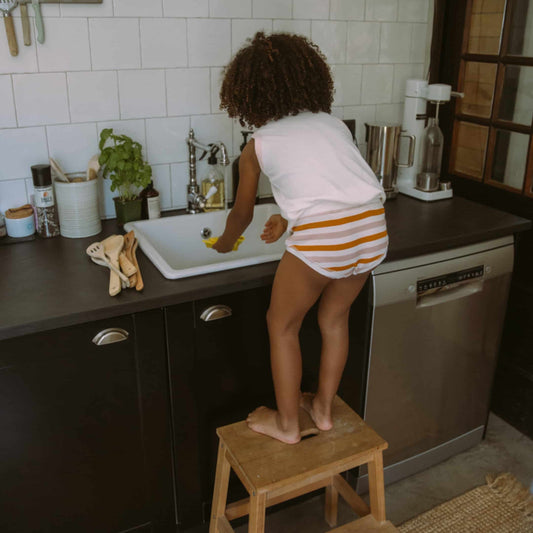
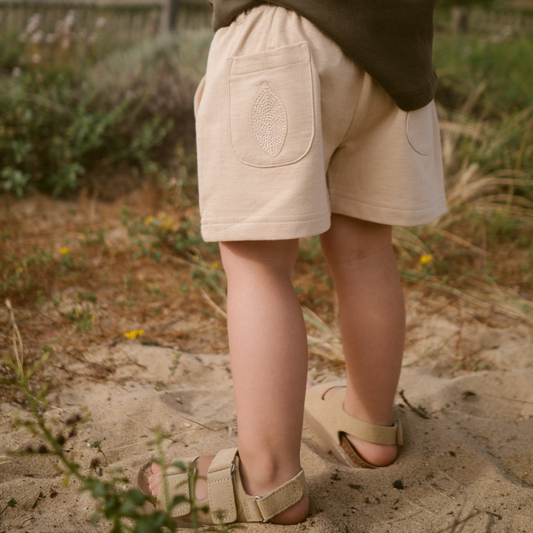
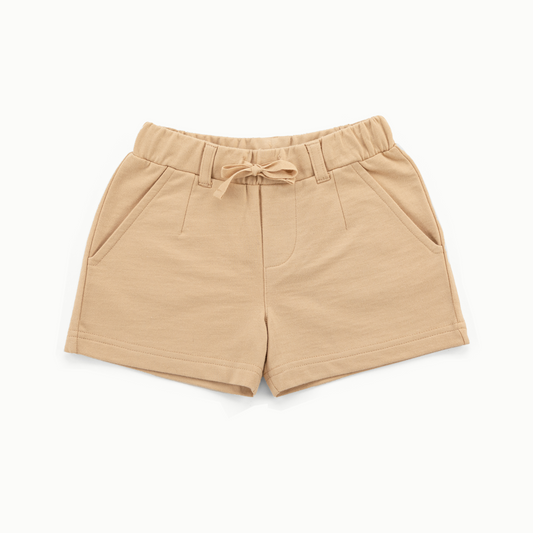
Bottoms are typically reworn more often between washes, which is why most capsule wardrobes include fewer bottoms than tops. Comfortable waistbands, adjustable waistbands and flexible fabrics make it easier for children to dress themselves and move comfortably throughout the day.
-
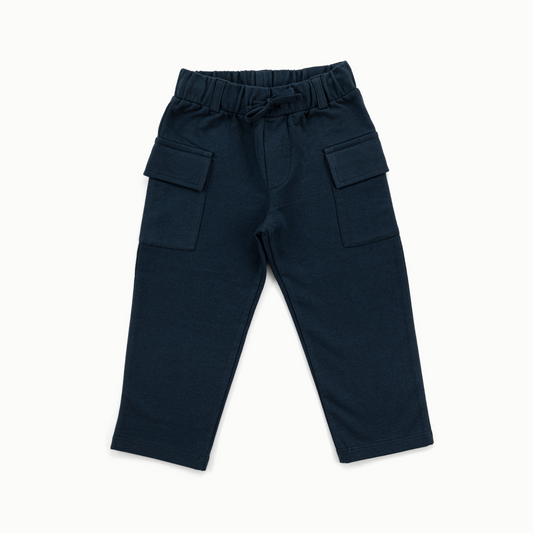
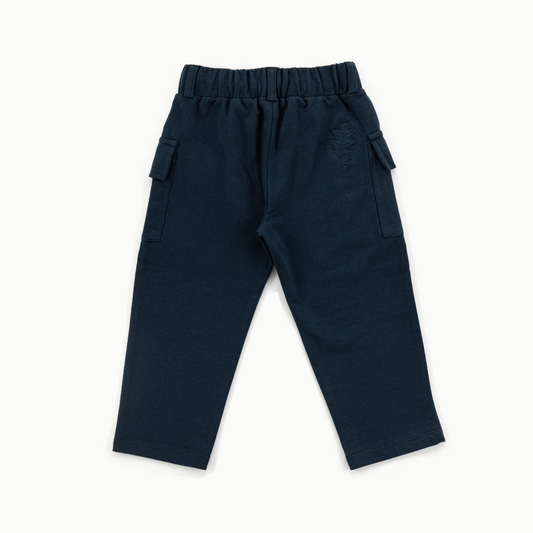
 $42.002-3,3-4,4-5,5-6,6-7,7-8,8-9,9-10 yearsSELECT SIZE$42.002-3,3-4,4-5,5-6,6-7,7-8,8-9,9-10 yearsORGANIC COTTON OAK PANT IN NAVALRegular price $42.00Regular priceUnit price per
$42.00Sale price $42.00 -
 $36.002-3,3-4,4-5,5-6,6-7,7-8,8-9,9-10 yearsSELECT SIZE$23.40
$36.002-3,3-4,4-5,5-6,6-7,7-8,8-9,9-10 yearsORGANIC COTTON WILLOW SHORT IN CANYON CLAYRegular price $36.00Regular priceUnit price per$36.00Sale price $36.00 -
 $52.002-3,3-4,4-5,5-6,6-7,7-8,8-9,9-10 yearsSELECT SIZE$52.002-3,3-4,4-5,5-6,6-7,7-8,8-9,9-10 yearsLINEN OAK PANT IN TASSELRegular price $52.00Regular priceUnit price per
$52.00Sale price $52.00 -
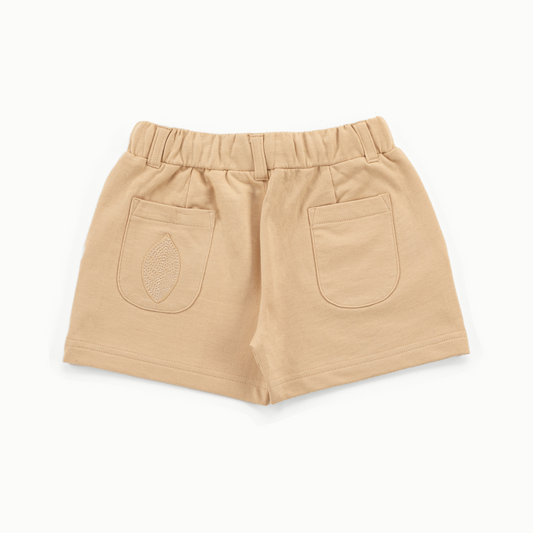
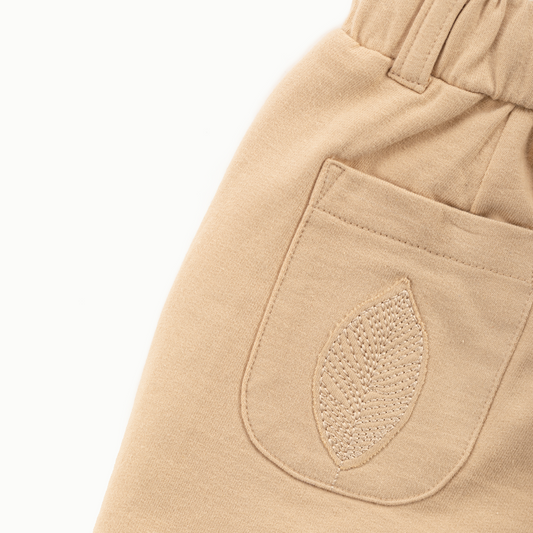 $36.002-3,3-4,4-5,5-6,6-7,7-8,8-9,9-10 yearsSELECT SIZE$23.40
$36.002-3,3-4,4-5,5-6,6-7,7-8,8-9,9-10 yearsORGANIC COTTON BIRCH SHORT IN SANDRegular price $36.00Regular priceUnit price per$36.00Sale price $36.00 -
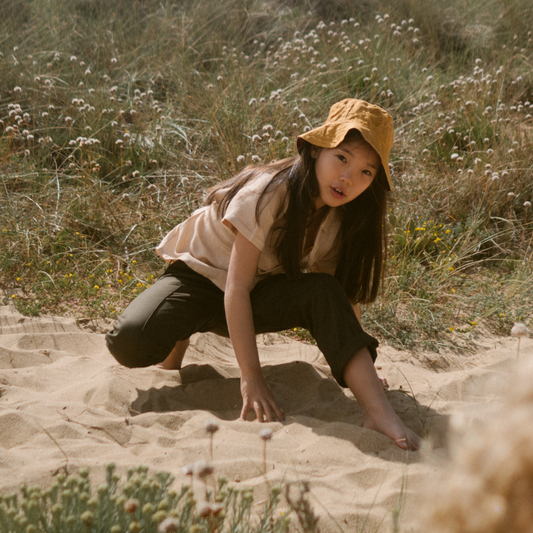

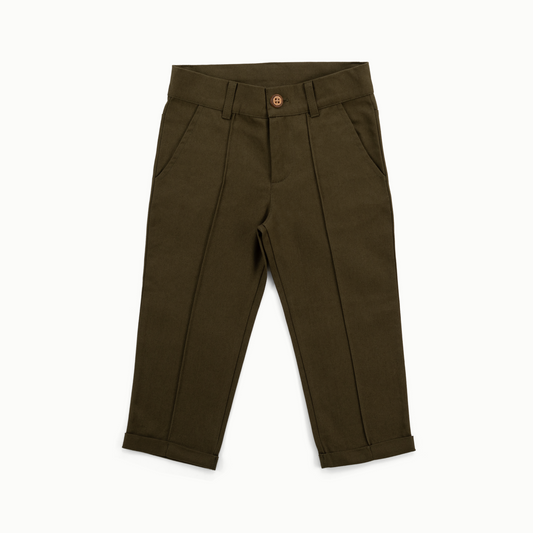
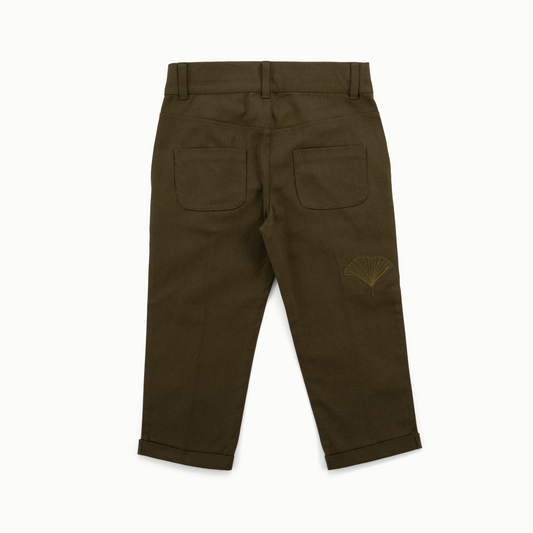
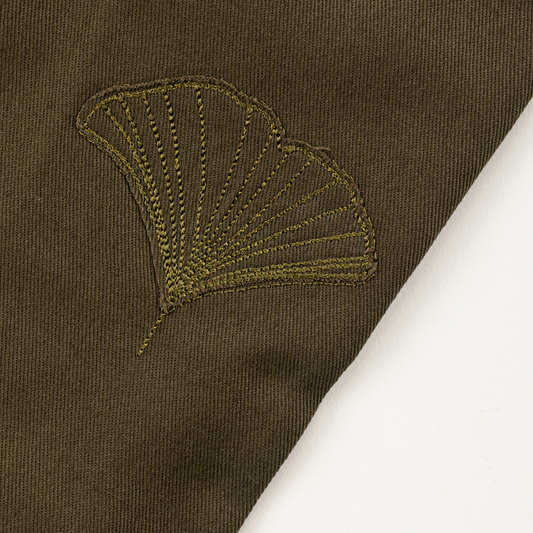
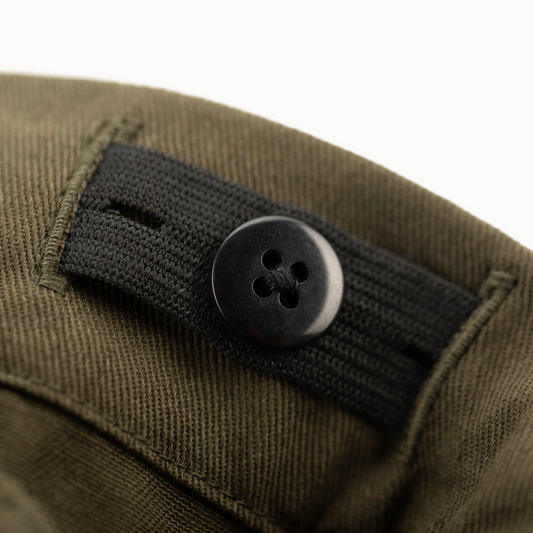 $42.002-3,3-4,4-5,5-6,6-7,7-8,8-9,9-10 yearsSELECT SIZE$42.002-3,3-4,4-5,5-6,6-7,7-8,8-9,9-10 yearsORGANIC COTTON GINGKO PANT IN RIPE OLIVERegular price $42.00Regular priceUnit price per
$42.00Sale price $42.00 -
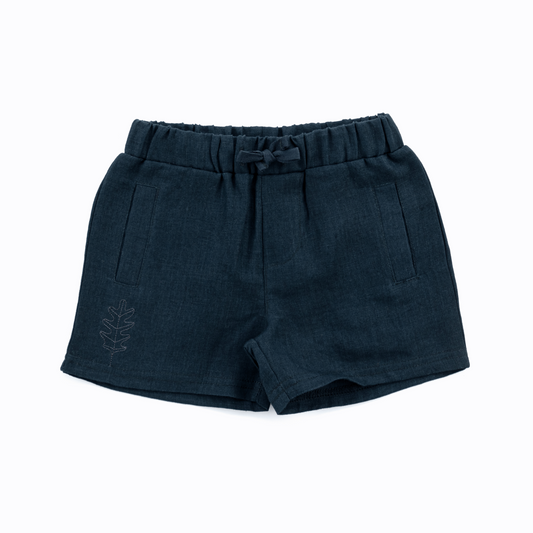
 $45.002-3,3-4,4-5,5-6,6-7,7-8,8-9,9-10 yearsSELECT SIZE$29.25
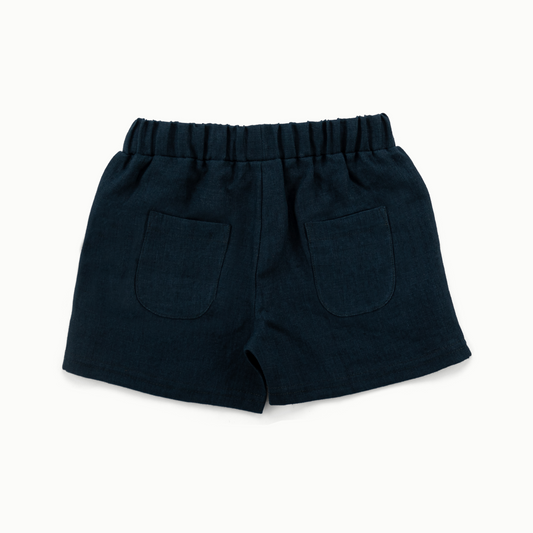
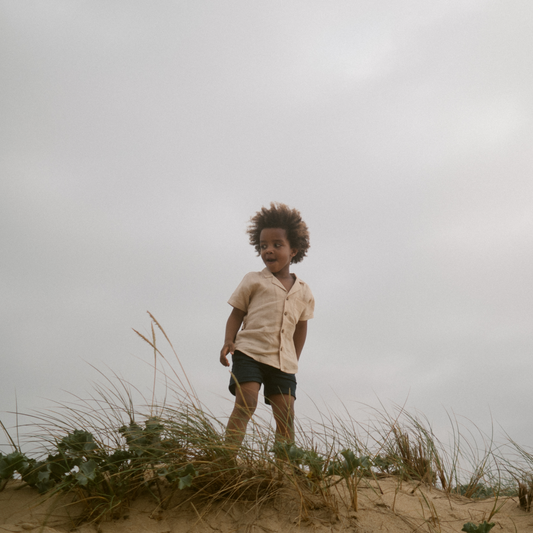
$45.002-3,3-4,4-5,5-6,6-7,7-8,8-9,9-10 yearsLINEN OAK SHORT IN NAVALRegular price $45.00Regular priceUnit price per$45.00Sale price $45.00
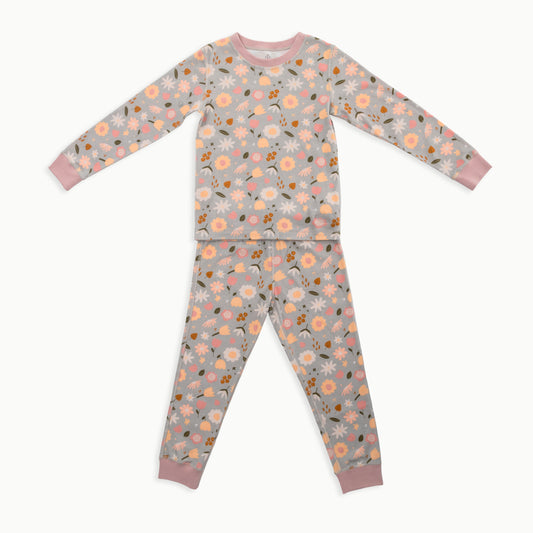
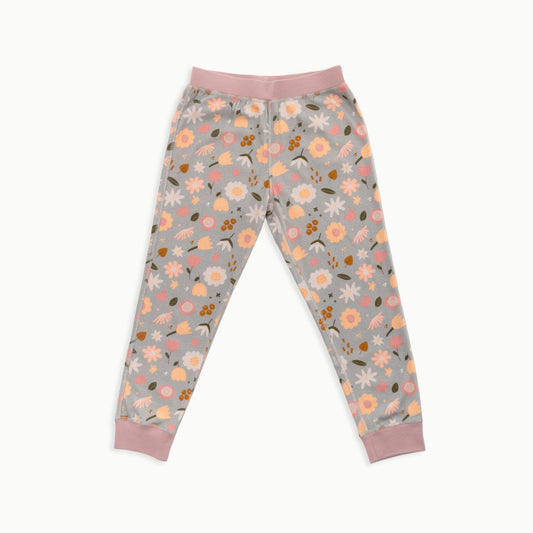
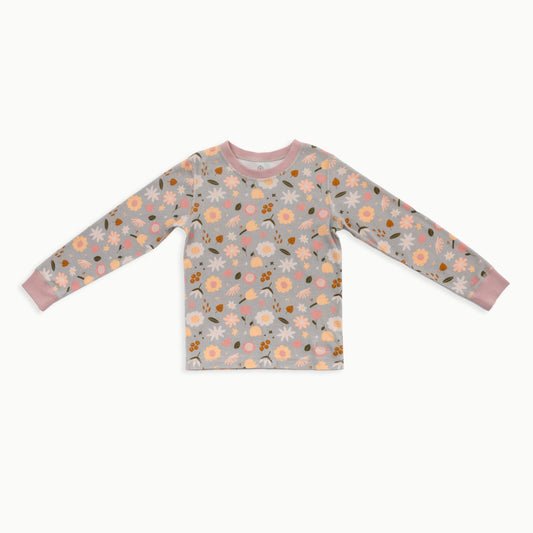
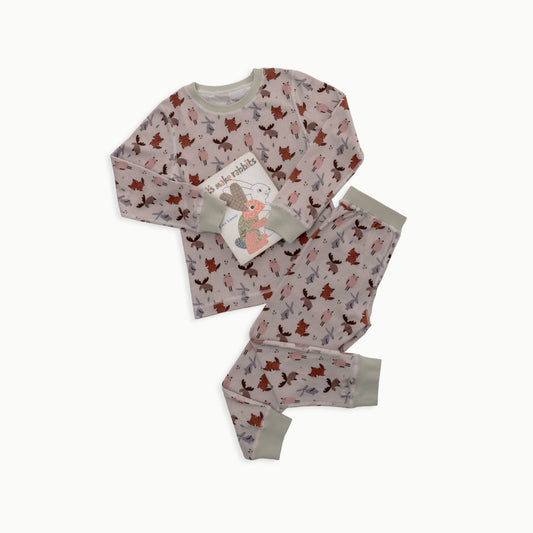
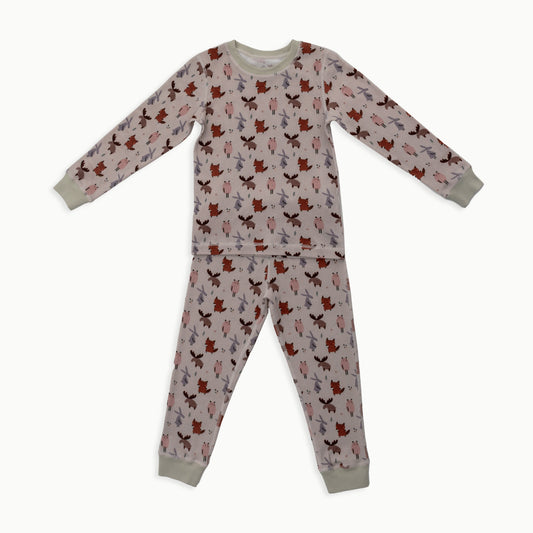
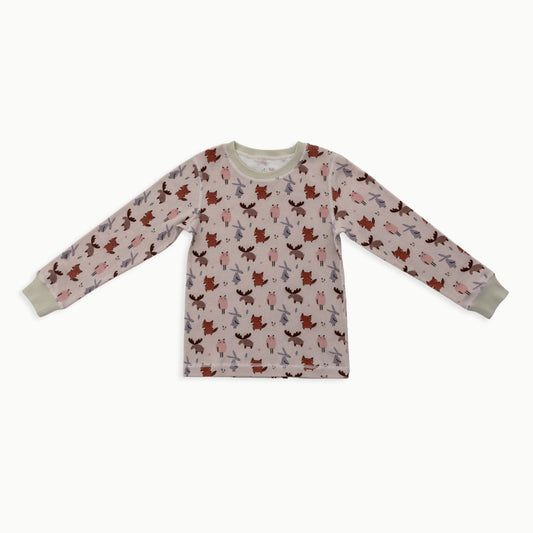
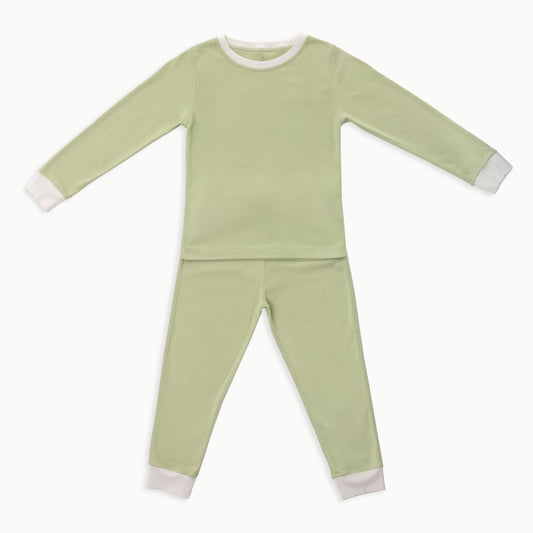
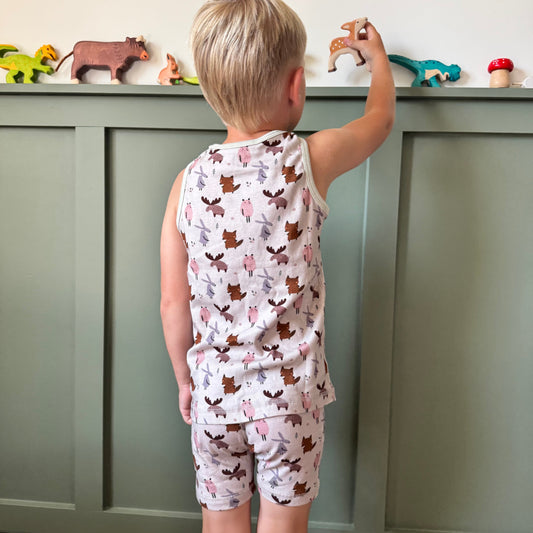
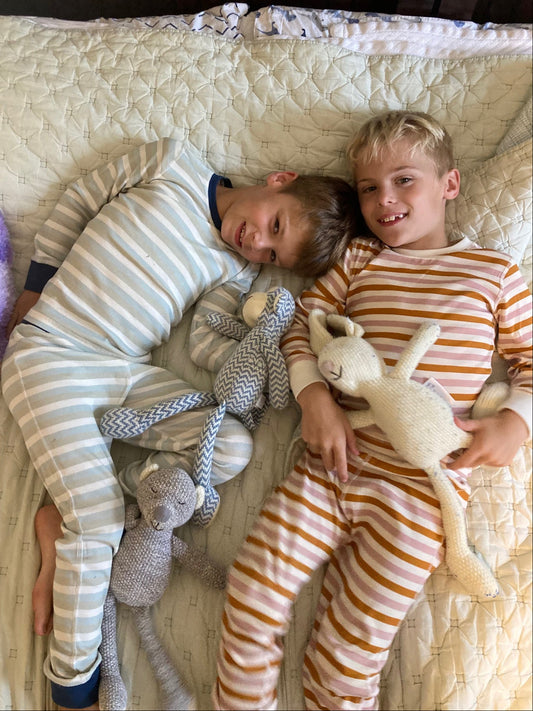
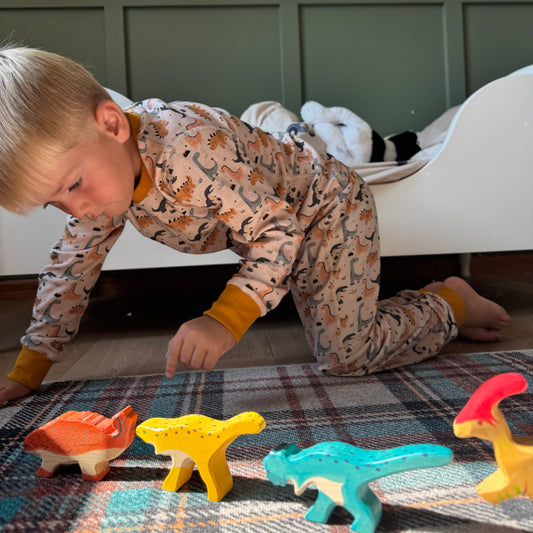
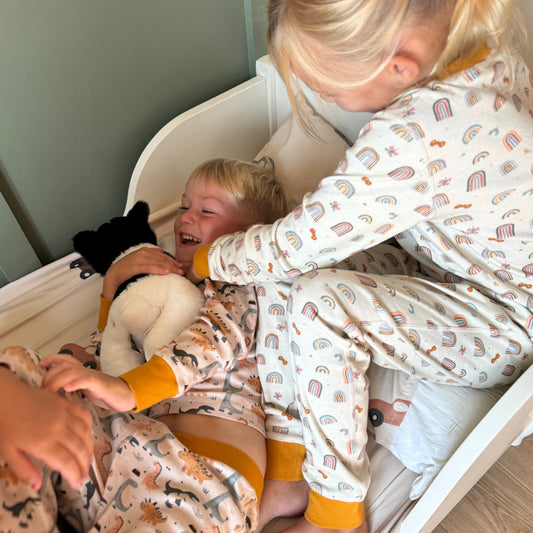
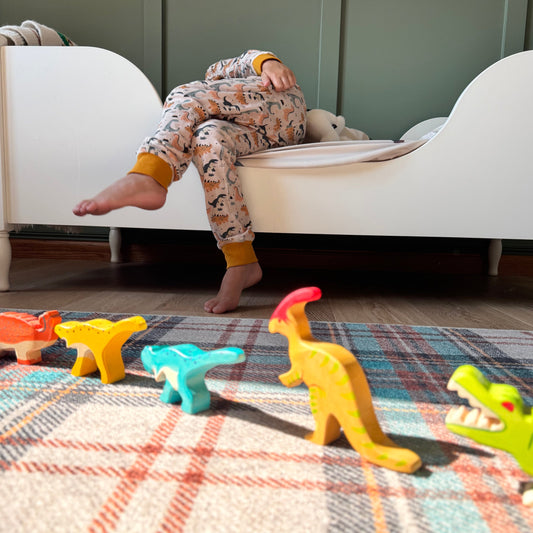
Children spend 10–12 hours a day in sleepwear, which makes pajamas one of the most important pieces in a wardrobe. Rotating three to four sets keeps laundry manageable while ensuring there’s always a clean pair available. Organic cotton pajamas also tend to maintain softness through dozens of wash cycles, which matters when you’re rotating only a few sets.
-
 BUY 2 - 15% BUY 3 - 20% BUY 4 - 25%$40.002-3,3-4,4-5,6,7,8,9 yearsSELECT SIZE$40.002-3,3-4,4-5,6,7,8,9 yearsORGANIC COTTON LONG-SLEEVE PAJAMAS | FLOWERSRegular price $40.00Regular priceUnit price per
 -

 BUY 2 - 15% BUY 3 - 20% BUY 4 - 25%$40.002-3,3-4,4-5,6,7,8,9 yearsSELECT SIZE$40.002-3,3-4,4-5,6,7,8,9 yearsORGANIC COTTON LONG-SLEEVE PAJAMAS | WOODLANDRegular price $40.00Regular priceUnit price per
 -
 BUY 2 - 15% BUY 3 - 20% BUY 4 - 25%$40.002-3,3-4,4-5,6,7,8,9 yearsSELECT SIZE$40.002-3,3-4,4-5,6,7,8,9 yearsORGANIC COTTON LONG-SLEEVE PAJAMAS | SOLID GREENRegular price $40.00Regular priceUnit price per
 -
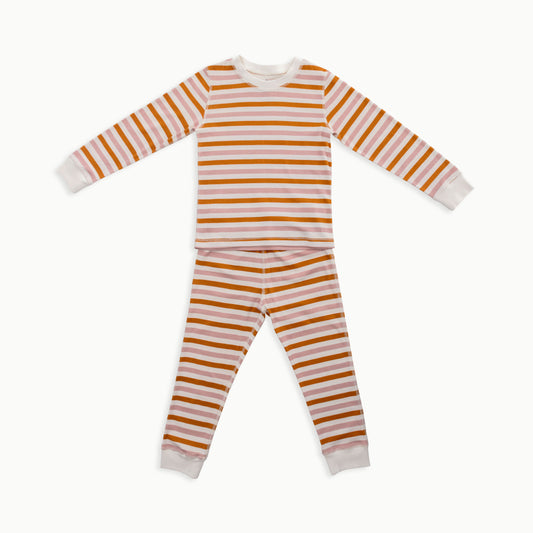
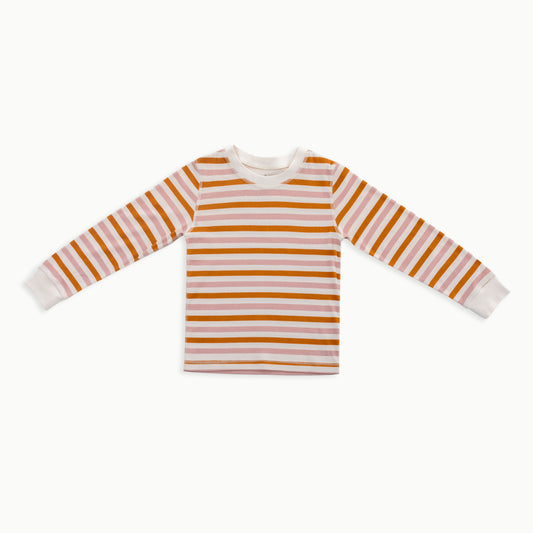
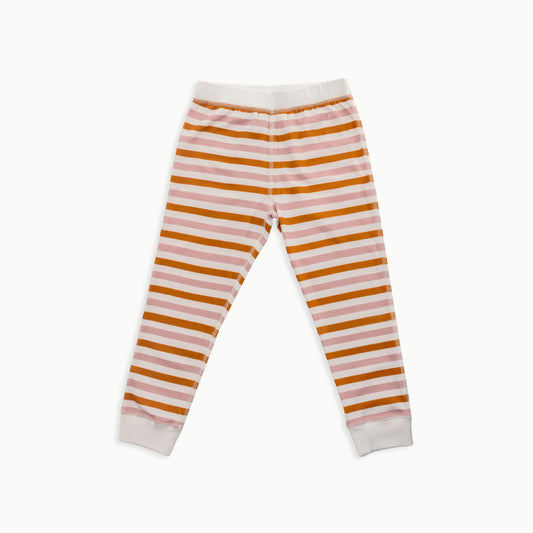
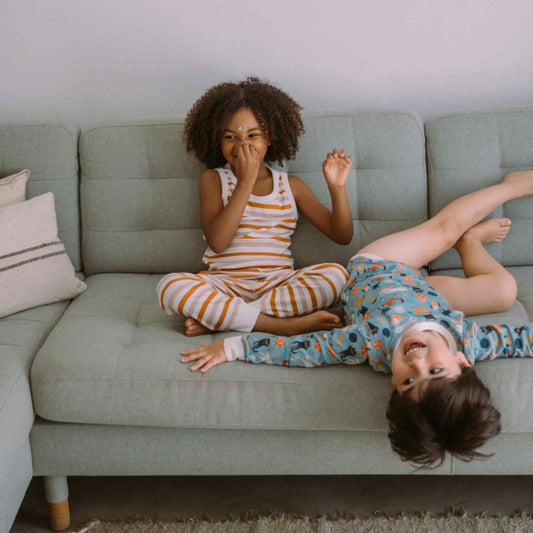 BUY 2 - 15% BUY 3 - 20% BUY 4 - 25%$40.002-3,3-4,4-5,6,7,8,9 yearsSELECT SIZE$40.002-3,3-4,4-5,6,7,8,9 yearsORGANIC COTTON LONG-SLEEVE PAJAMAS | STRIPEDRegular price $40.00Regular priceUnit price per
 -
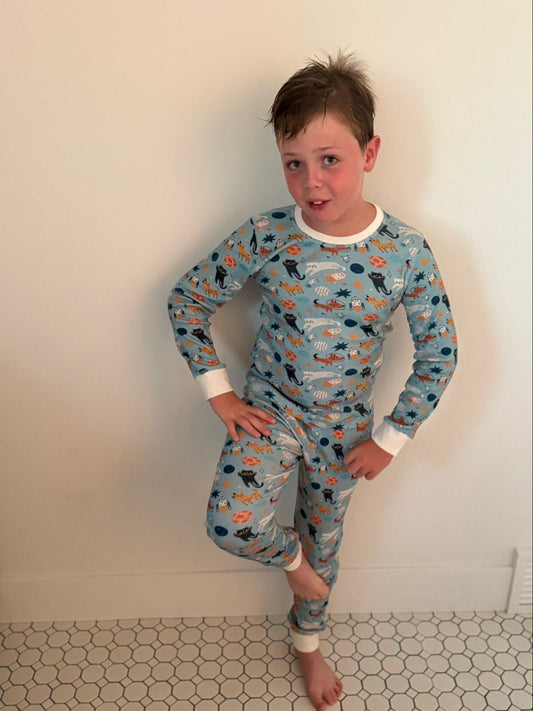
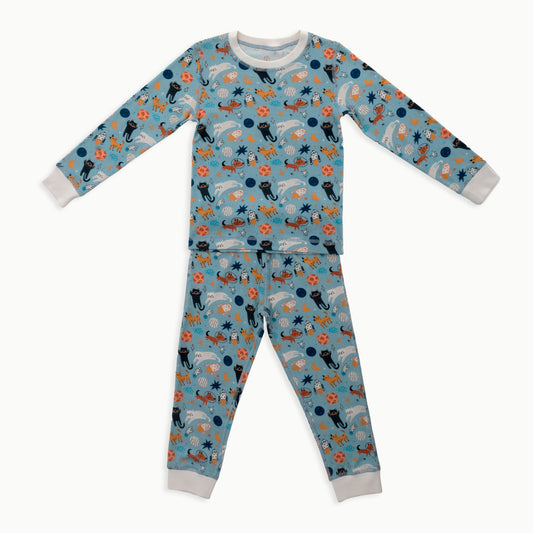
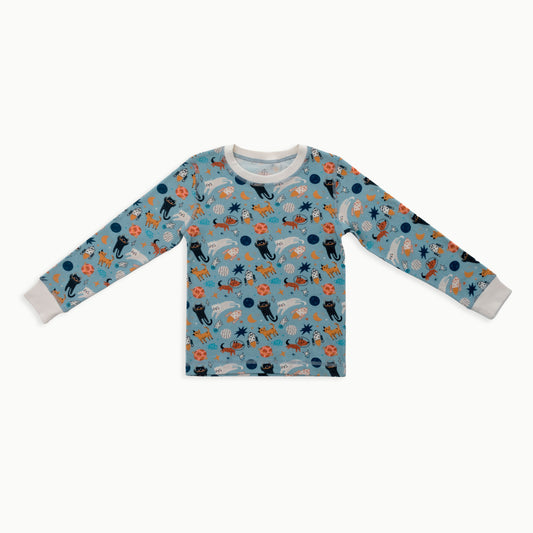
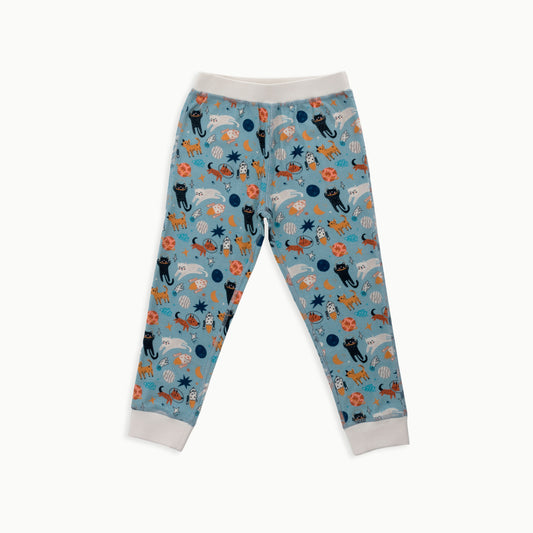
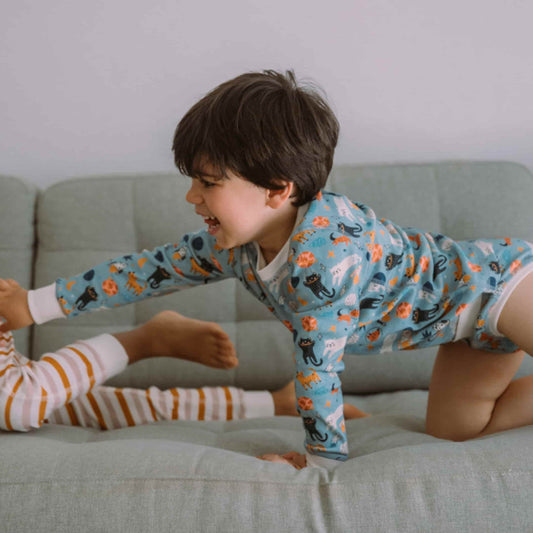 BUY 2 - 15% BUY 3 - 20% BUY 4 - 25%$40.002-3,3-4,4-5,6,7,8,9 yearsSELECT SIZE$40.002-3,3-4,4-5,6,7,8,9 yearsORGANIC COTTON LONG-SLEEVE PAJAMAS | SPACE CATSRegular price $40.00Regular priceUnit price per
 -
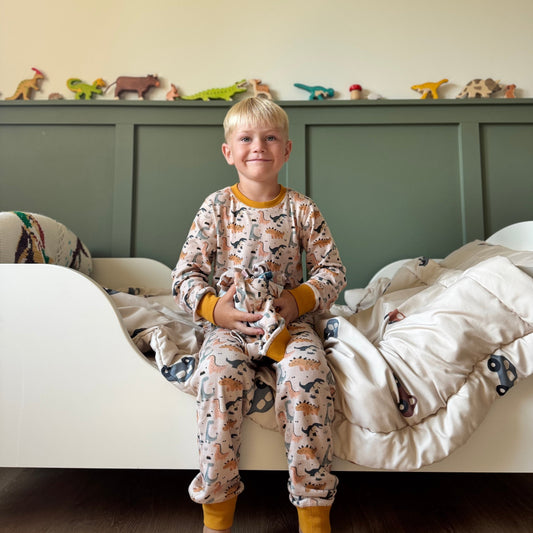
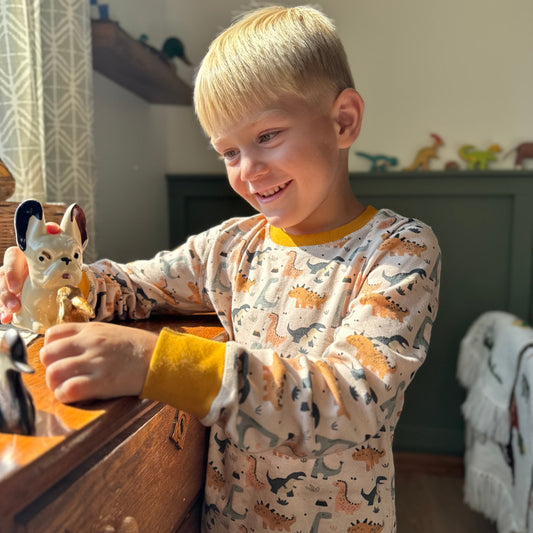
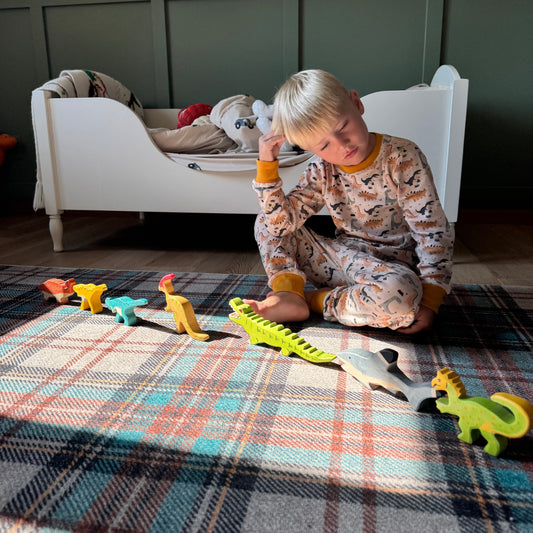
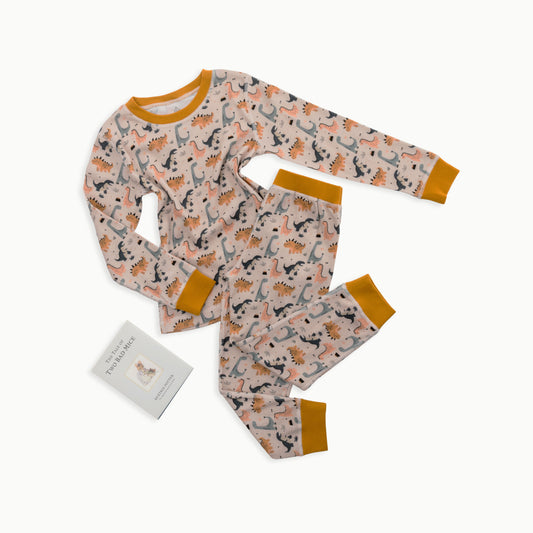
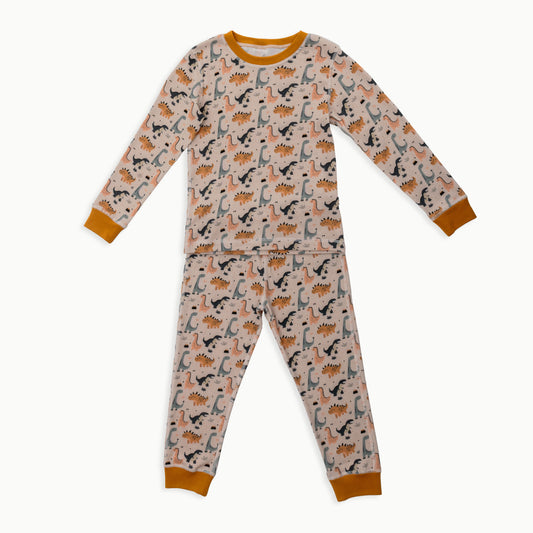
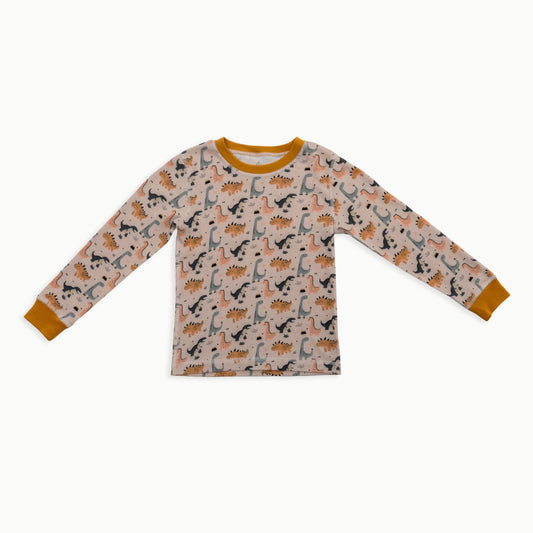
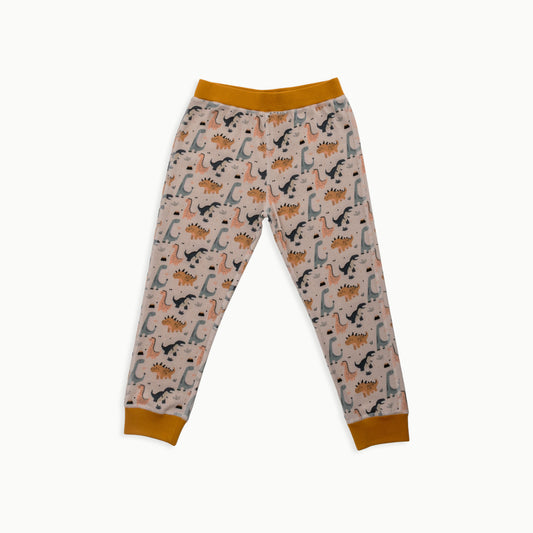
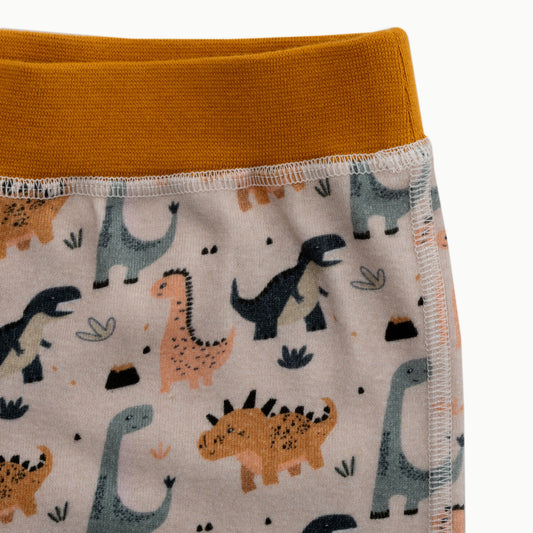
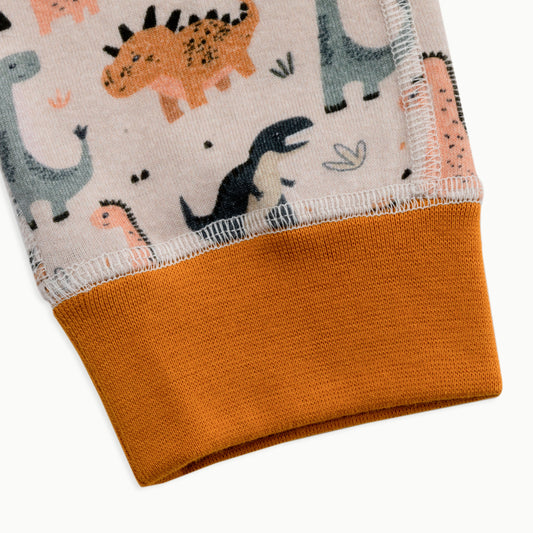 BUY 2 - 15% BUY 3 - 20% BUY 4 - 25%$40.002-3,3-4,4-5,6,7,8,9 yearsSELECT SIZE$40.002-3,3-4,4-5,6,7,8,9 yearsORGANIC COTTON LONG-SLEEVE PAJAMAS | DINOSAURRegular price $40.00Regular priceUnit price per
For help choosing the right style and fabric, see our full guide:
“How to Choose the Best Kids' Pajamas"
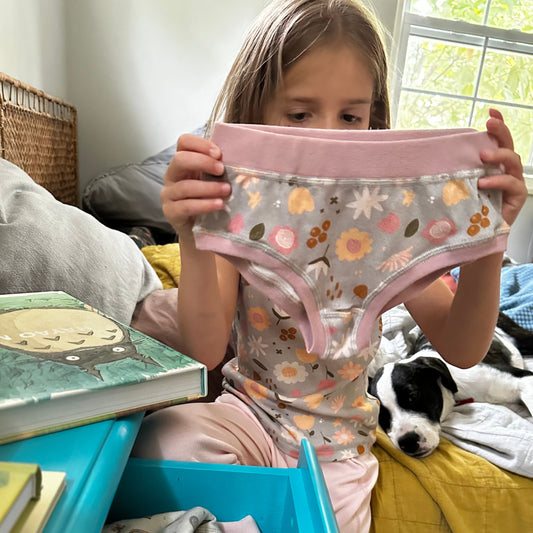
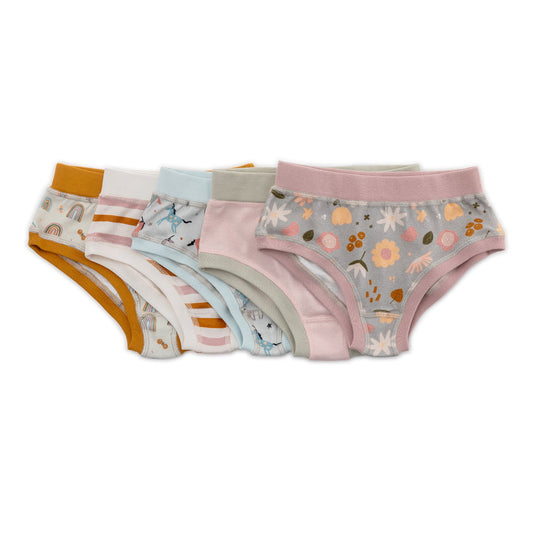
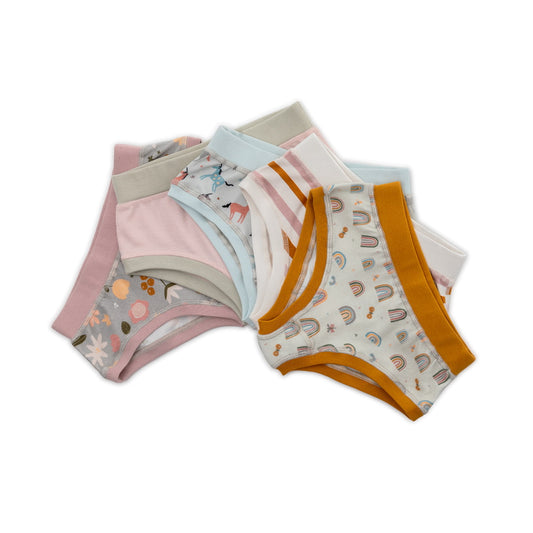
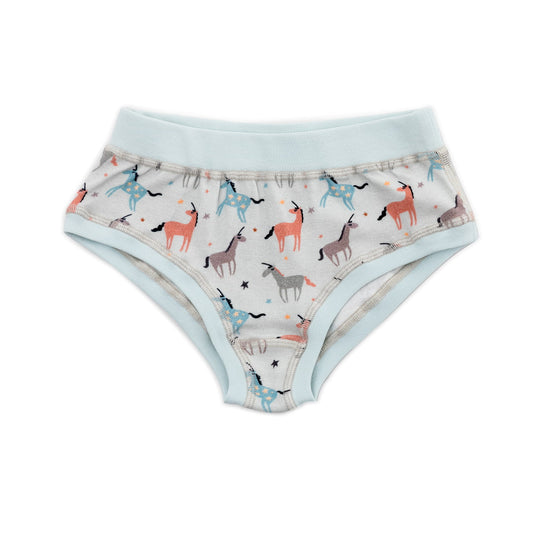
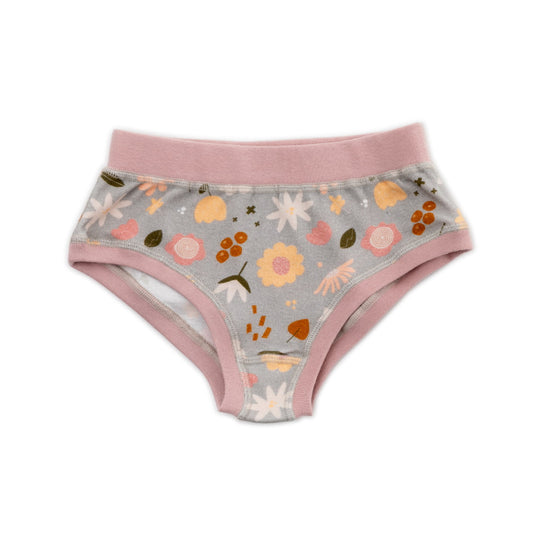
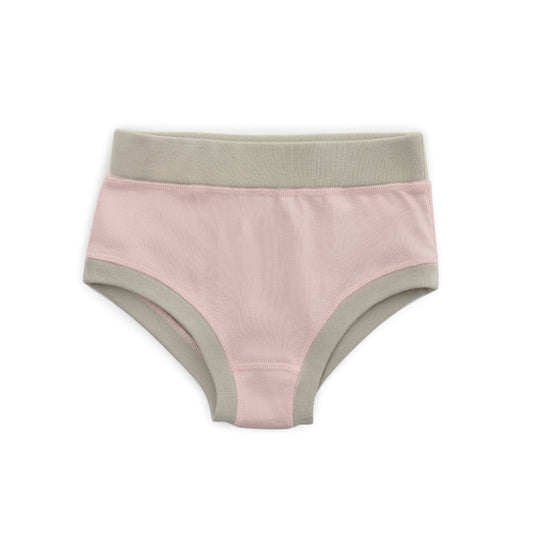
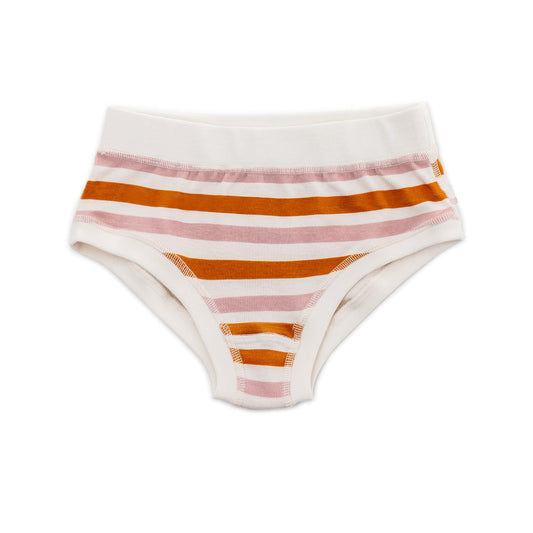
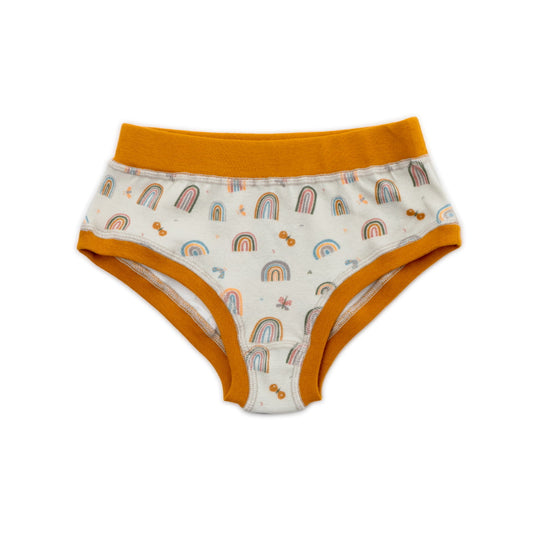
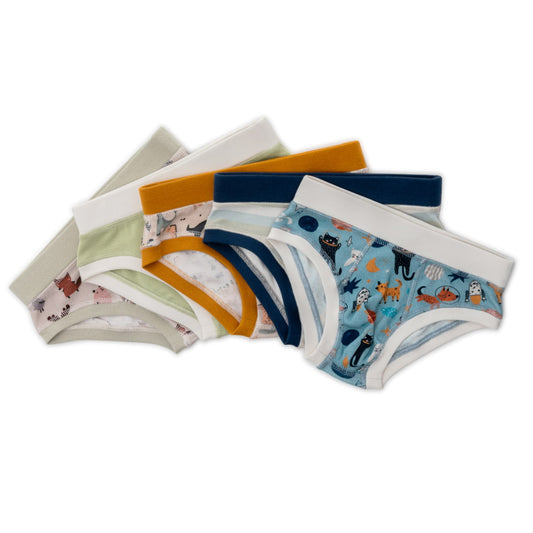
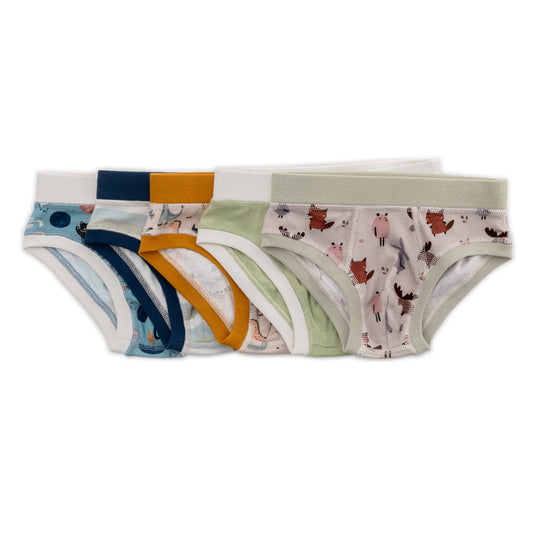
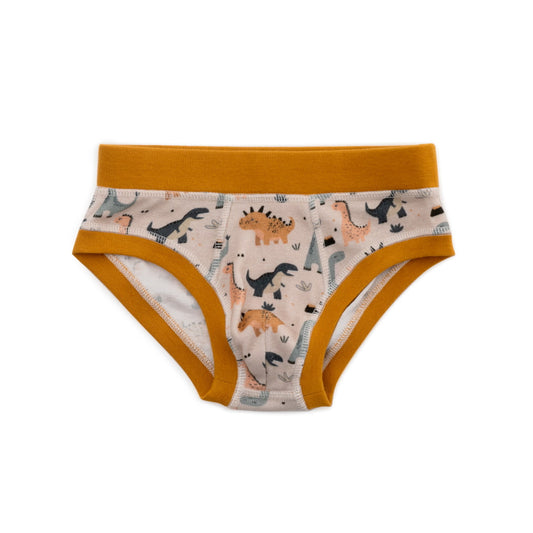
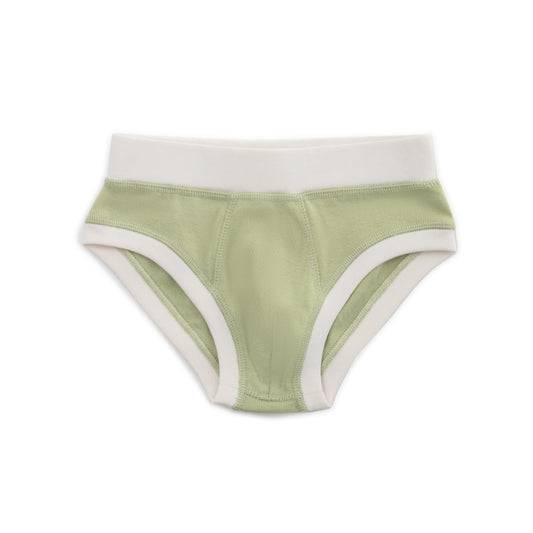
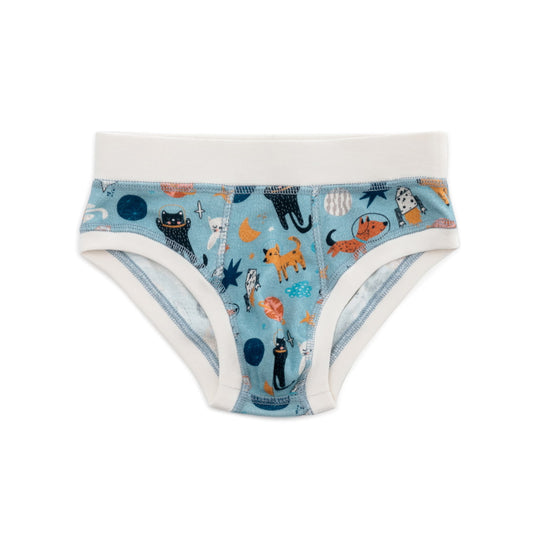
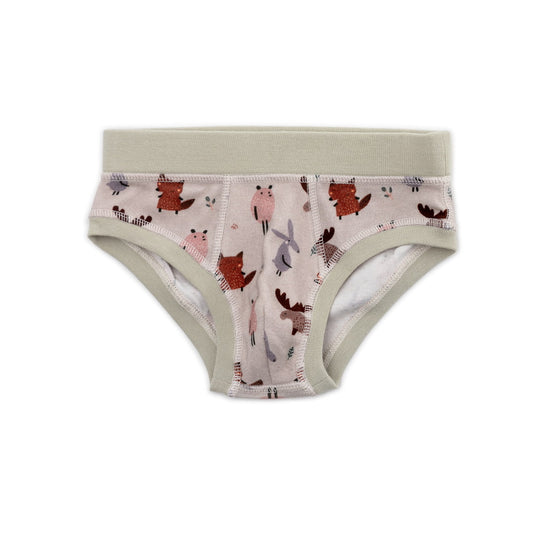
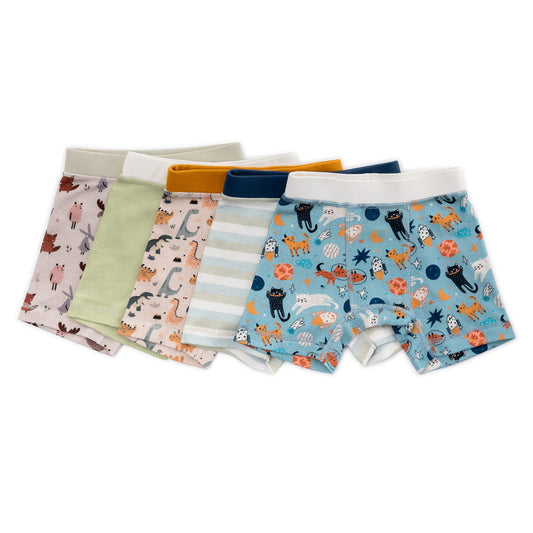
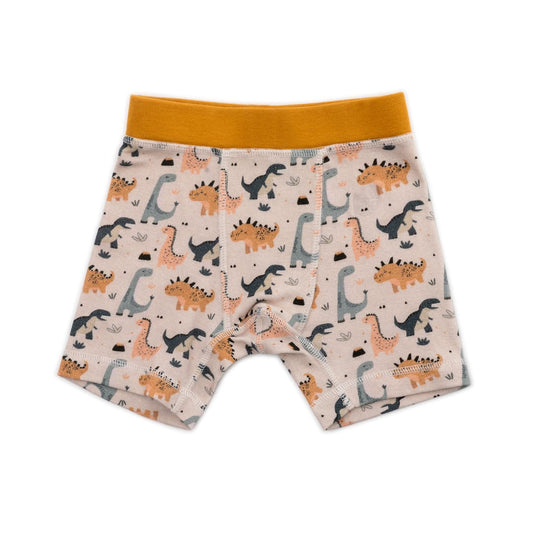
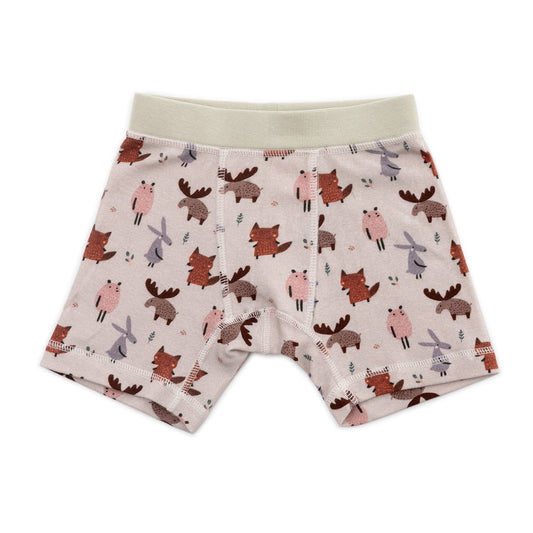
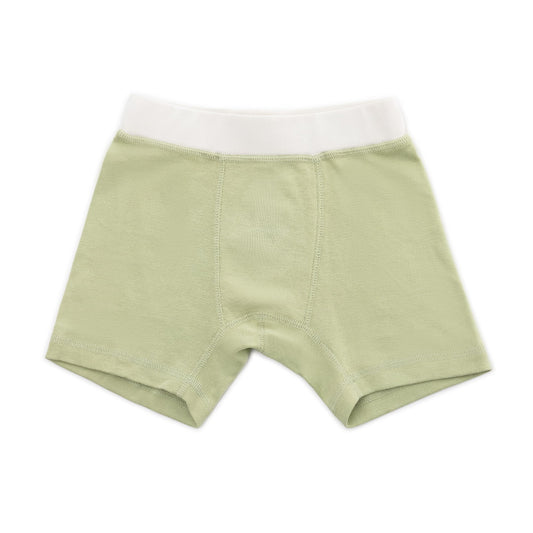
Underwear is the one category where you genuinely need more, not fewer. Daily changes are essential, and having enough pairs to cover a full laundry cycle avoids the last-pair-in-the-drawer scramble. Breathable fabrics and comfortable seams matter here because underwear sits against skin all day.
-
 BUY 2 - 15% BUY 3 - 20% BUY 4 - 25%$40.002-3,3-4,4-5,6,7,8,9 yearsSELECT SIZE$40.002-3,3-4,4-5,6,7,8,9 yearsORGANIC COTTON GIRLS' BRIEFS MULTI-PACK | 5 COLORSRegular price $40.00Regular priceUnit price per
 -
 BUY 2 - 15% BUY 3 - 20% BUY 4 - 25%$40.002-3,3-4,4-5,6,7,8,9 yearsSELECT SIZE$40.002-3,3-4,4-5,6,7,8,9 yearsORGANIC COTTON BOYS' BRIEFS MULTI-PACK | 5 COLORSRegular price $40.00Regular priceUnit price per
 -


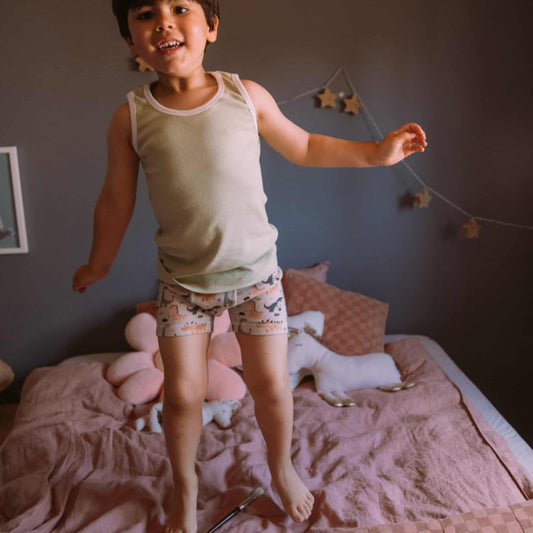
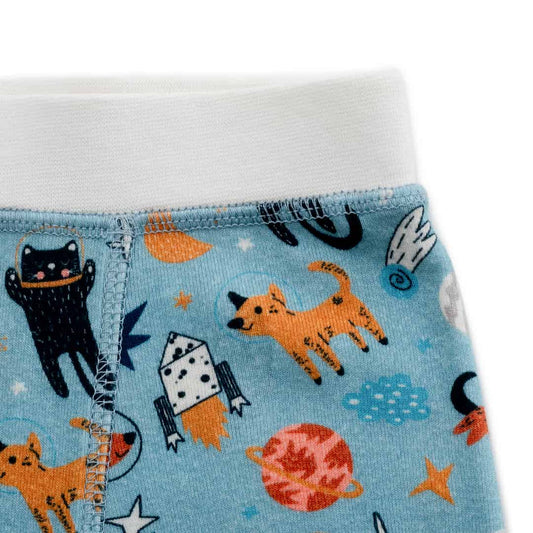
 BUY 2 - 15% BUY 3 - 20% BUY 4 - 25%$40.002-3,3-4,4-5,6,7,8,9 yearsSELECT SIZE$40.002-3,3-4,4-5,6,7,8,9 yearsORGANIC COTTON BOYS' BOXER BRIEFS MULTI-PACK | 5 COLORSRegular price $40.00Regular priceUnit price per
Not sure about sizing or styles? See our guides:


Socks follow the same logic as underwear: everyday essentials need enough rotation to match your laundry routine. Organic cotton socks work well for daily wear, while merino wool socks are ideal for colder weather and outdoor play.
-
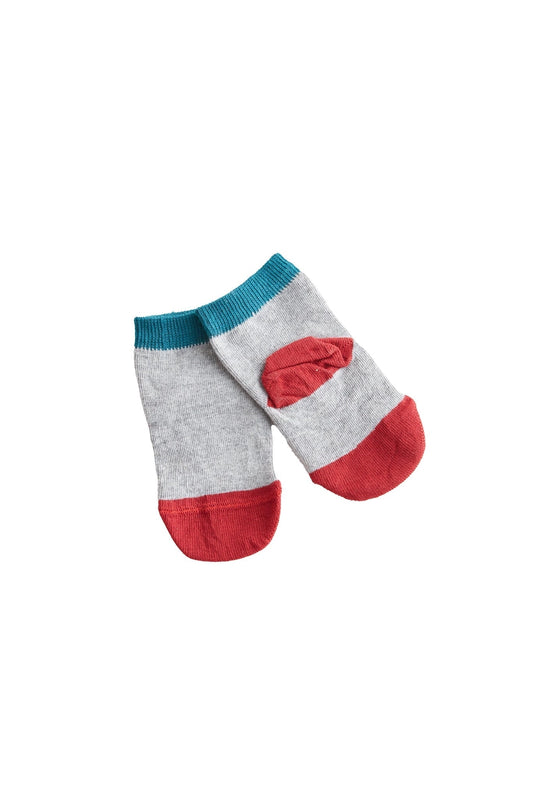
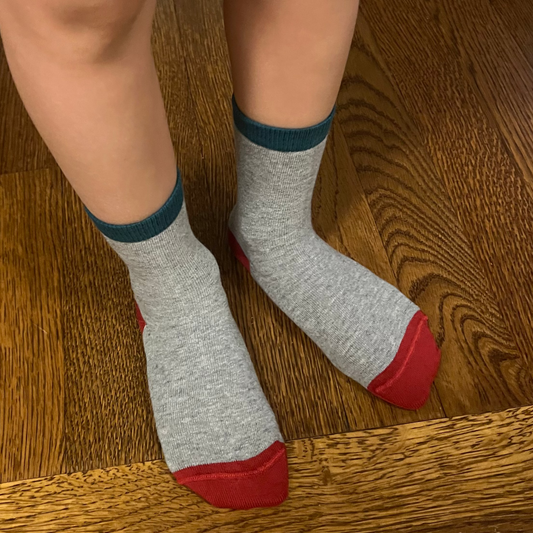 BUY 2 - 15% BUY 3 - 20% BUY 4 - 25%$45.00US Baby 0-2,US Baby 3-4.5,US Baby 5-7.5,US Toddler 8-9.5,US Little Kid 10-12.5,US Big Kid 13-3SELECT SIZE$45.00US Baby 0-2,US Baby 3-4.5,US Baby 5-7.5,US Toddler 8-9.5,US Little Kid 10-12.5,US Big Kid 13-3LEELA COTTON 98% ORGANIC COTTON KIDS CREW SOCKS, 6-PACK | GREYRegular price $45.00Regular priceUnit price per
 -
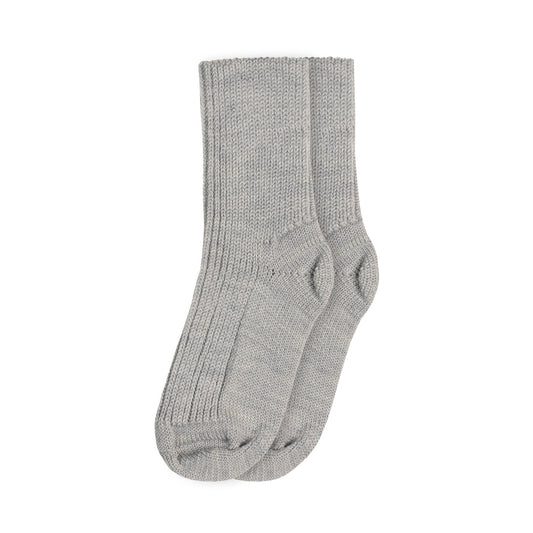 PRE-ORDER$19.95SELECT SIZE$19.95SOLD OUTPREORDER: MENIQUE 95% MERINO THICK RIBBED WOOL KIDS' CREW SOCKS IN LIGHT GREYRegular price $19.95Regular priceUnit price per
 -
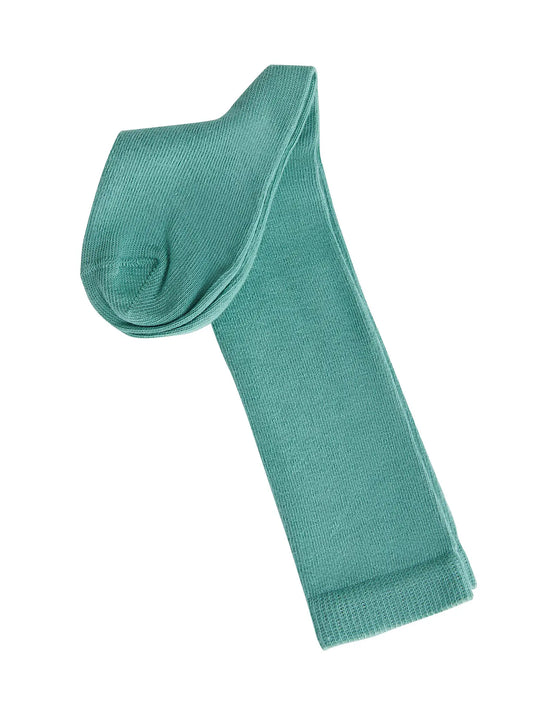 BUY 2 - 15% BUY 3 - 20% BUY 4 - 25%$50.00US Baby 5-7.5,US Toddler 8-9.5,US Little Kid 10-12.5,US Big Kid 13-3SELECT SIZE$50.00US Baby 5-7.5,US Toddler 8-9.5,US Little Kid 10-12.5,US Big Kid 13-3LEELA COTTON 98% ORGANIC COTTON KNEE-HIGH KIDS SOCKS, 6-PACK | MINT GREENRegular price $50.00Regular priceUnit price per
 -
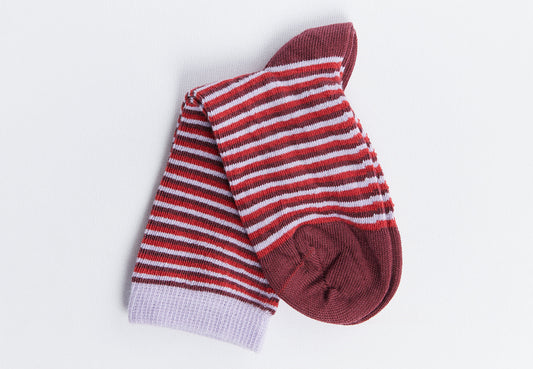 BUY 2 - 15% BUY 3 - 20% BUY 4 - 25%$45.00US Baby 5-7.5,US Toddler 8-9.5,US Little Kid 10-12.5,US Big Kid 13-3SELECT SIZE$45.00US Baby 5-7.5,US Toddler 8-9.5,US Little Kid 10-12.5,US Big Kid 13-3LEELA COTTON 98% ORGANIC COTTON KIDS CREW SOCKS, 6-PACK | BURGUNDY + LILAC STRIPEDRegular price $45.00Regular priceUnit price per
 -
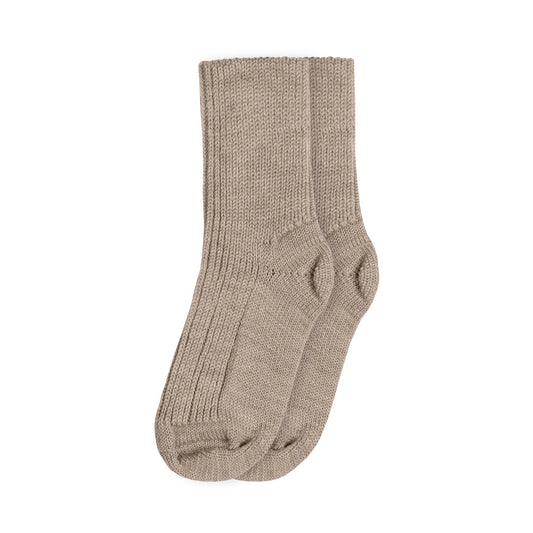 PRE-ORDER$19.95SELECT SIZE$19.95SOLD OUTPREORDER: MENIQUE 95% MERINO THICK RIBBED WOOL KIDS' SOCKS IN BEIGERegular price $19.95Regular priceUnit price per
 -
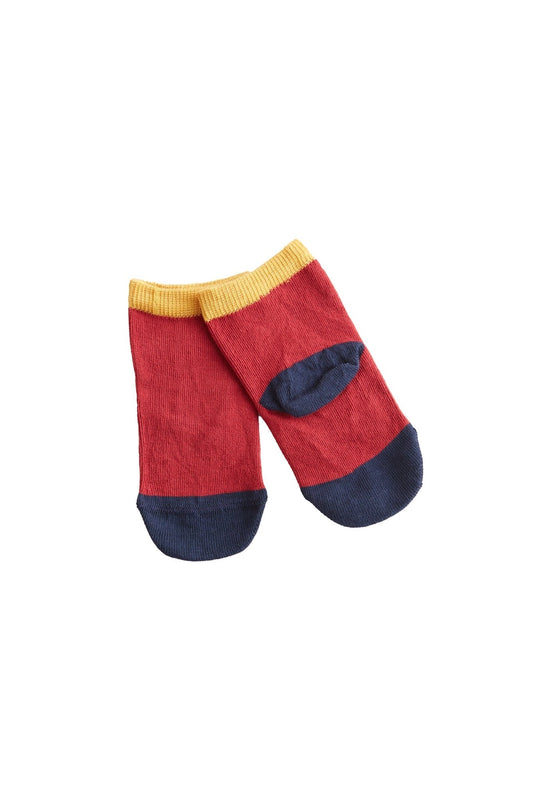 BUY 2 - 15% BUY 3 - 20% BUY 4 - 25%$45.00US Baby 0-2,US Baby 3-4.5,US Baby 3-5,US Baby 5-7.5,US Toddler 8-9.5,US Little Kid 10-12.5,US Big Kid 13-3SELECT SIZE$45.00US Baby 0-2,US Baby 3-4.5,US Baby 3-5,US Baby 5-7.5,US Toddler 8-9.5,US Little Kid 10-12.5,US Big Kid 13-3LEELA COTTON 98% ORGANIC COTTON KIDS CREW SOCKS, 6-PACK | RED + MUSTARDRegular price $45.00Regular priceUnit price per
A lightweight hoodie, cardigan, or jacket helps extend the life of a capsule wardrobe across changing temperatures. With a single layering piece, the same outfit can work for both warm mornings and cooler afternoons.
-
$45.002-3,3-4,4-5,5-6,6-7,7-8,8-9,9-10 yearsSELECT SIZE$29.25
$45.002-3,3-4,4-5,5-6,6-7,7-8,8-9,9-10 yearsLINEN BIRCH SHIRT IN SANDRegular price $45.00Regular priceUnit price per$45.00Sale price $45.00
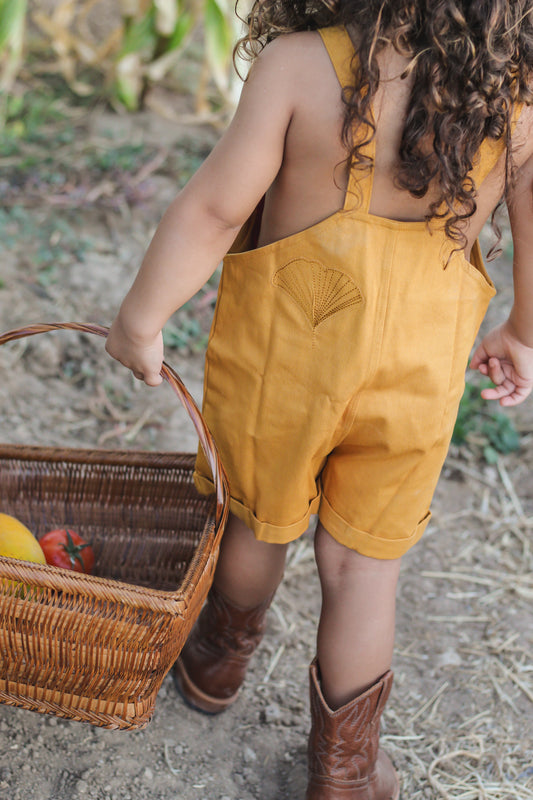
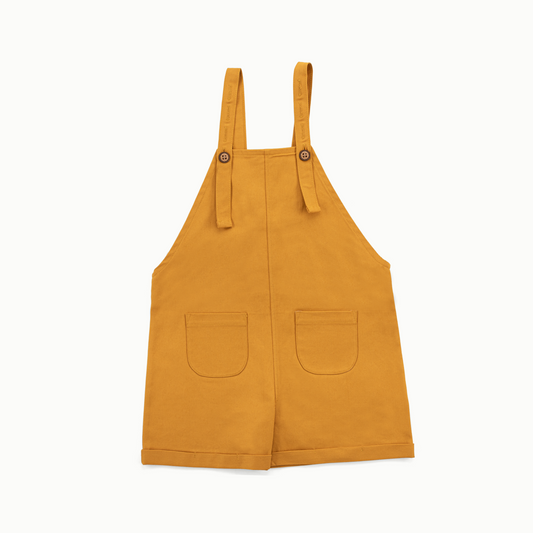
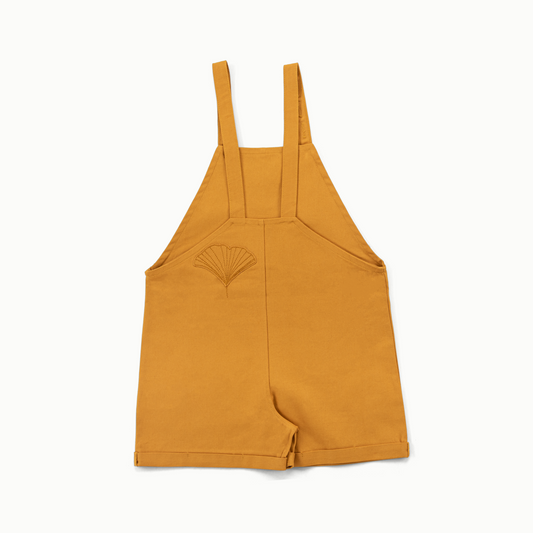
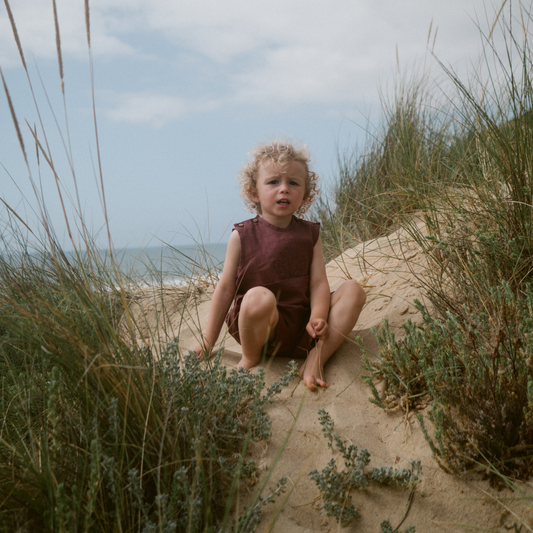
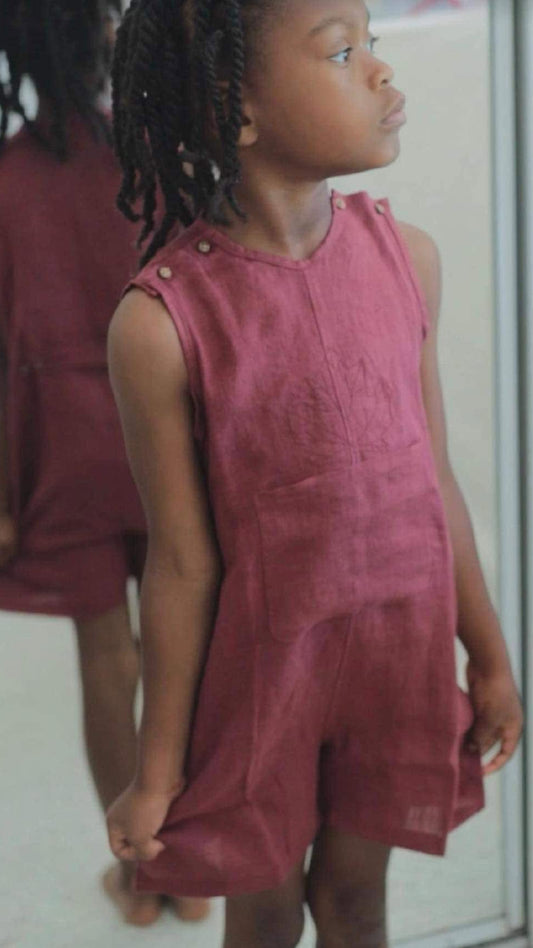
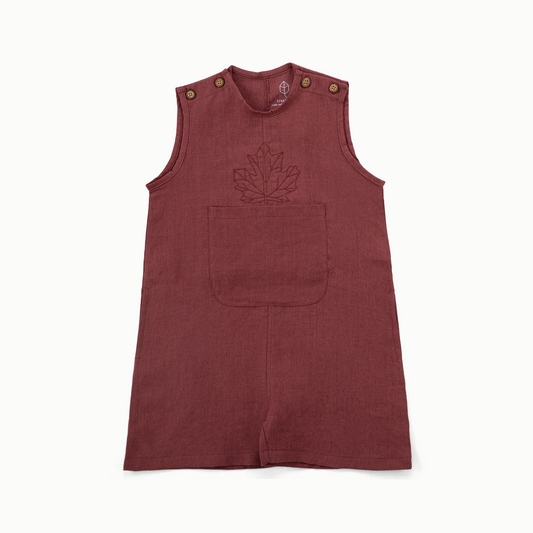
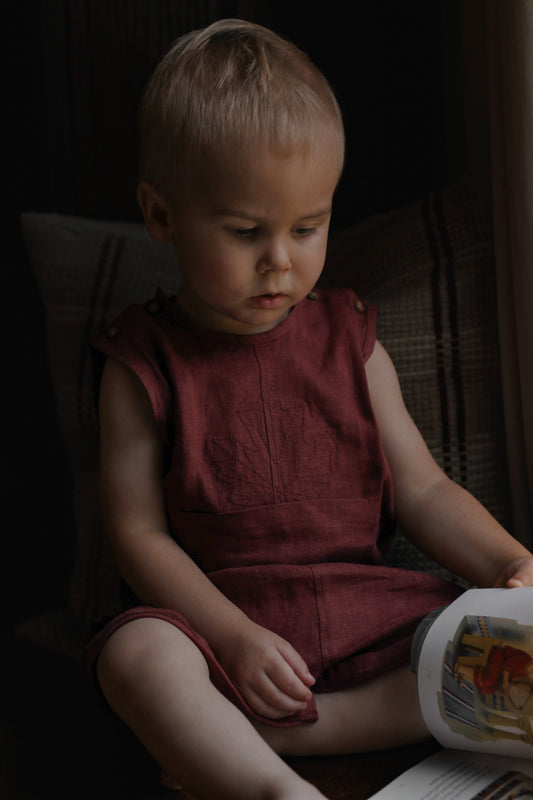
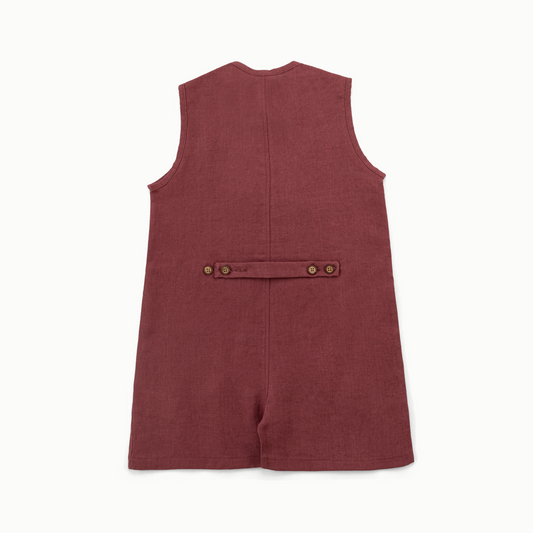
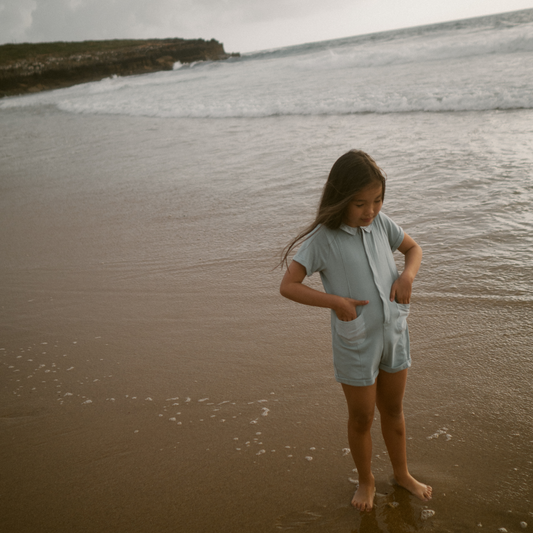
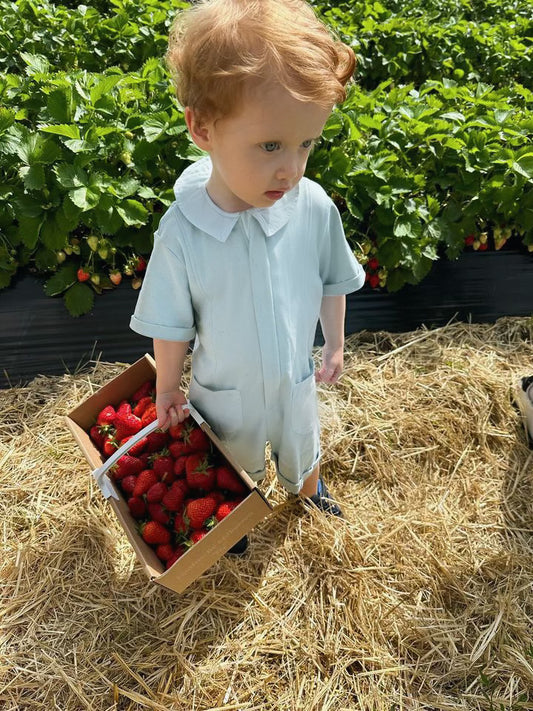
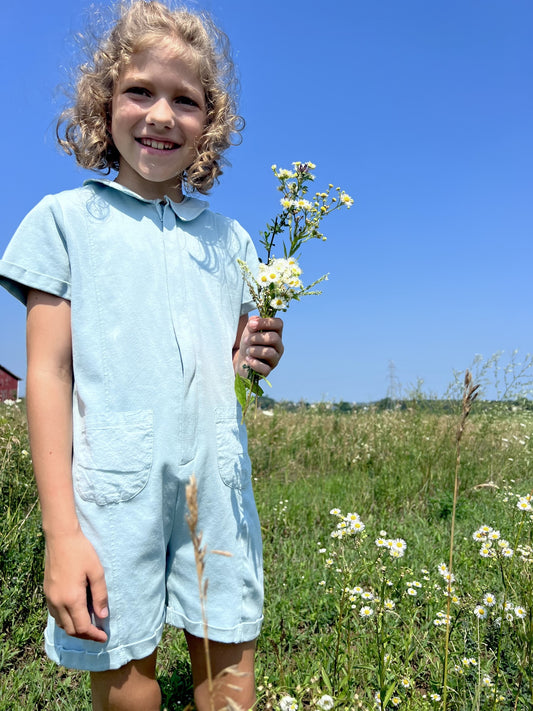
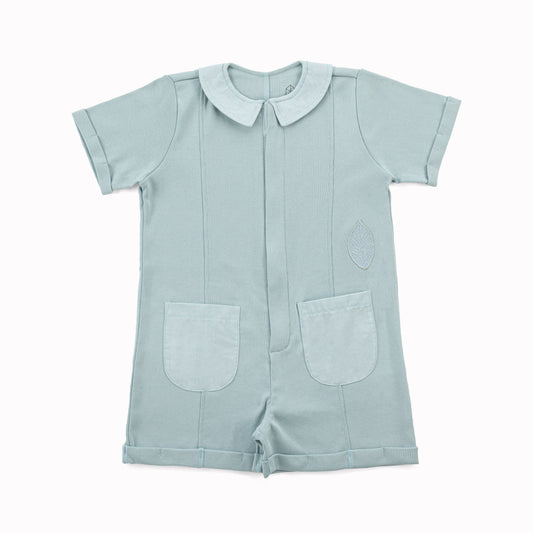
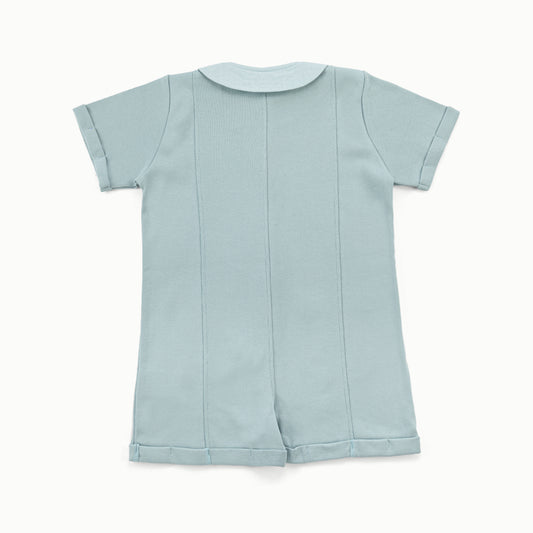
For toddlers and younger kids, rompers function as an entire outfit in one piece : one of the simplest capsule wardrobe items. Older children may not need this category at all.
-
 30% OFF$49.002-3,3-4,4-5,5-6,6-7,7-8,8-9,9-10 yearsSELECT SIZE$26.95
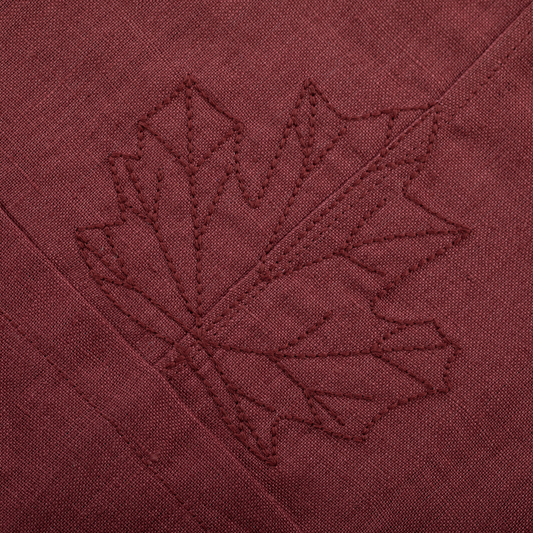
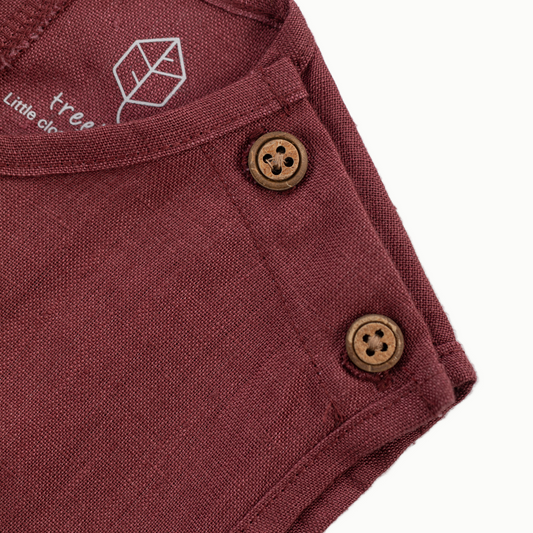
$49.002-3,3-4,4-5,5-6,6-7,7-8,8-9,9-10 yearsMAPLE ROMPER IN CANYON CLAYRegular price $49.00Regular priceUnit price per$70.00Sale price $49.00 -
 30% OFF$43.402-3,3-4,4-5,5-6,6-7,7-8,8-9,9-10 yearsSELECT SIZE$23.87
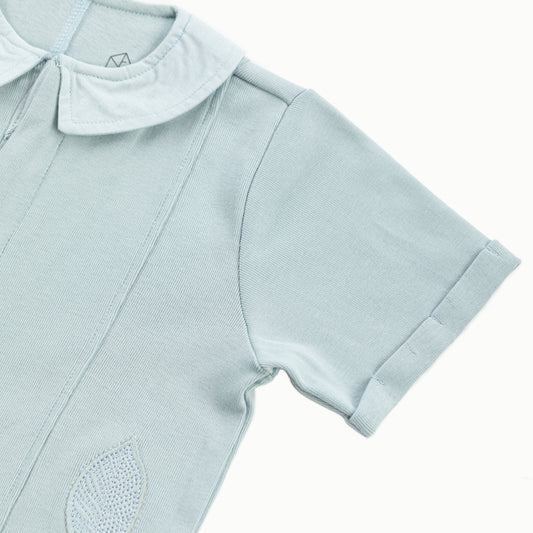
$43.402-3,3-4,4-5,5-6,6-7,7-8,8-9,9-10 yearsORGANIC COTTON BIRCH ROMPER IN SLEEPY BLUERegular price $43.40Regular priceUnit price per$62.00Sale price $43.40 -
 30% OFF$43.402-3,3-4,4-5,5-6,6-7,7-8,8-9,9-10 yearsSELECT SIZE$23.87
$43.402-3,3-4,4-5,5-6,6-7,7-8,8-9,9-10 yearsORGANIC COTTON GINKGO ROMPER IN TASSELRegular price $43.40Regular priceUnit price per$62.00Sale price $43.40
For most families, this adds up to roughly 28–40 core clothing pieces per season counting sleepwear, underwear and socks. The first capsule wardrobe may feel surprisingly small, but most parents find that once every item matches and gets worn regularly, the system settles in quickly
Choosing a Colour Palette That Works
Color is the real secret behind a successful toddler capsule wardrobe or kids capsule wardrobe. The easiest approach is to start with two or three neutral base colors : typically used for bottoms and layering pieces : and then add two or three accent colors for tops, prints, and fun pieces.
Neutral does not have to mean beige. Colors like navy, olive, grey, sand, dusty rose, or black all function as strong base colors in children’s wardrobes. Once these anchors are in place, even a small number of tops can create dozens of outfit combinations.

Gender-neutral palettes also make hand-me-downs significantly easier between siblings. Clothes that coordinate across colors rather than following strict “boy” or “girl” palettes tend to stay in circulation longer.
Many clothing collections designed with a cohesive color story make this step easier because the palette has already been coordinated.
A Step-by-Step Process for Building the Capsule Wardrobe

Start by pulling everything out of drawers and closets. Sort clothing by category and identify what still fits and what your child actually wears. This step can be surprisingly emotional : many items are gifts or feel like they might be useful “someday.” A helpful reframe is remembering that clothes sitting unused in a drawer serve no one. Donating, consigning, or passing them on allows them to be worn by another child.

Write a simple checklist using the target numbers above: tops, bottoms, pajamas, essentials, and layering pieces. Having a list prevents both under-buying and impulse purchases. Instead of shopping randomly, you now have a clear plan for what your child actually needs.

Once the gaps are clear, shop only for what’s missing — not what’s on sale. This is where quality matters most. One well-made organic cotton piece that lasts (and can be passed down) is a better investment than several cheaper items that quickly lose shape. Natural fabrics like cotton and linen wear better, feel better, and last longer — exactly what you want when buying less.

Once the capsule wardrobe is built, organization becomes simple. Ideally, everything fits in one drawer or one section of a closet. Many parents find that file-folding clothes vertically (KonMari style) makes it easy to see every item at once.
Capsule wardrobes also support independence. When every item matches everything else, even young children can start choosing their own outfits without frustration.
Why Fabric Matters in a Capsule Wardrobe
When a wardrobe contains fewer pieces, each piece carries more responsibility. Fabric quality becomes far more important.
Cheap basics often lose shape, fade quickly, or develop rough seams after only a few washes. This defeats the entire purpose of a capsule wardrobe because pieces need to be replaced frequently.
In contrast, well-made natural fiber basics : particularly organic cotton and linen : tend to soften over time, maintain their structure, and remain comfortable through repeated washing. Details like flat seams, tag-free labels, and responsibly dyed fabrics make a noticeable difference when clothing sits against children’s skin for most of the day.
Some parents worry that higher-quality basics cost more upfront. But the math often works in the opposite direction. Five organic cotton shirts that last two seasons : and can be passed down to a sibling : often end up costing less per wear than ten cheaper shirts that last only a few months.


Capsule Wardrobes and Sustainability
The benefits of a kids capsule wardrobe extend beyond easier mornings.
The global fashion industry accounts for roughly 10% of worldwide carbon emissions, making it one of the most resource-intensive industries on the planet.
Children’s clothing is one of the fastest-growing segments of fast fashion because kids outgrow garments so quickly.
At the same time, the average family buys far more clothing than children actually need. A large portion of those garments are worn only a few times before being discarded, and an estimated 85% of textiles ultimately end up in landfills.

Synthetic fabrics : widely used in inexpensive clothing : are petroleum-based and shed microplastics every time they are washed. They can also take 20 to 200 years to decompose.
A capsule wardrobe addresses these issues in a practical way. By choosing fewer garments made from durable natural fibers, families extend the lifespan of each item, reduce textile waste, and create clothing systems where garments are more likely to be passed on to siblings or other families.
For more on this topic, see:


How Treehouse Supports a Capsule Wardrobe Approach
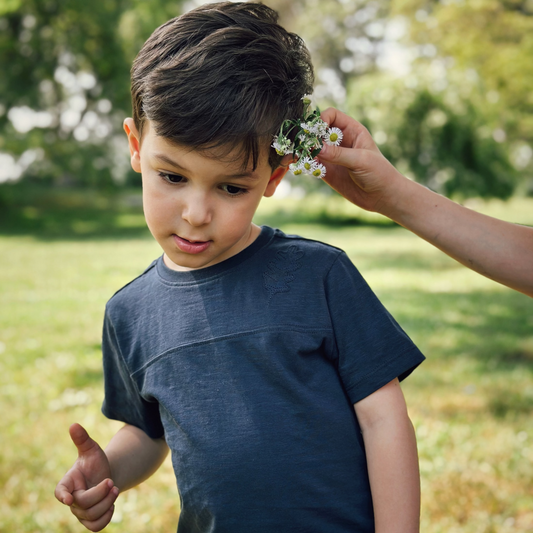
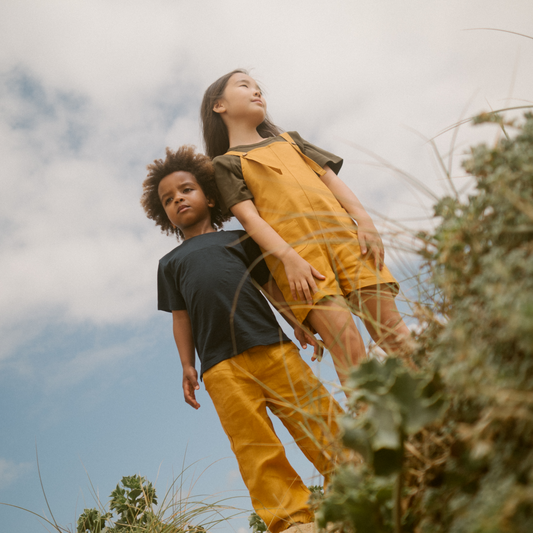
The pieces are intentionally created as a mix-and-match system. Colors and silhouettes are coordinated so that every item can be worn with every other item in the collection, making it easier for parents to build a functional kids capsule wardrobe without overthinking combinations.

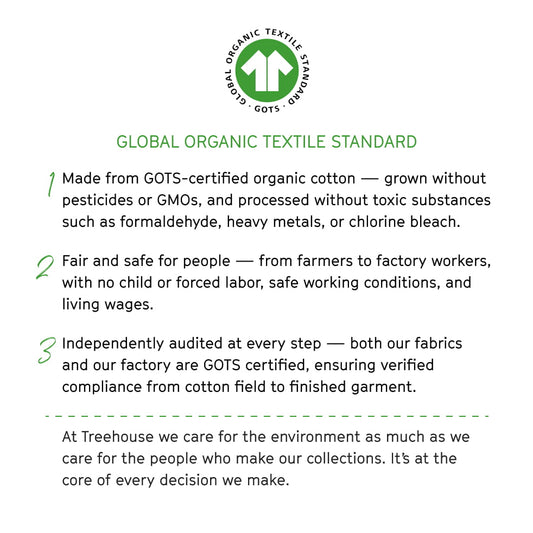
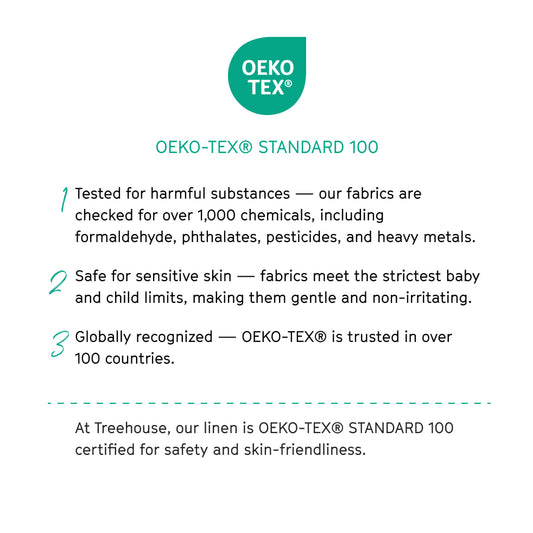
Treehouse clothing is made from GOTS-certified organic cotton and OEKO-TEX certified linen, chosen for durability, softness, and safety across repeated washes and hand-me-downs.
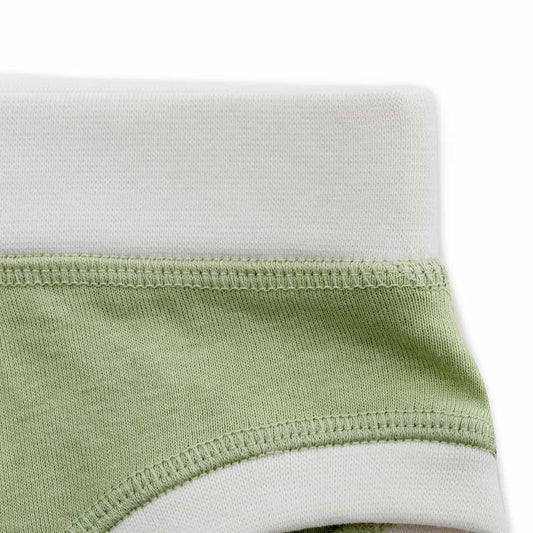
Details like flat seams, tag-free construction, soft waistbands, and water-based dyes help ensure that clothing remains comfortable from the very first wear.
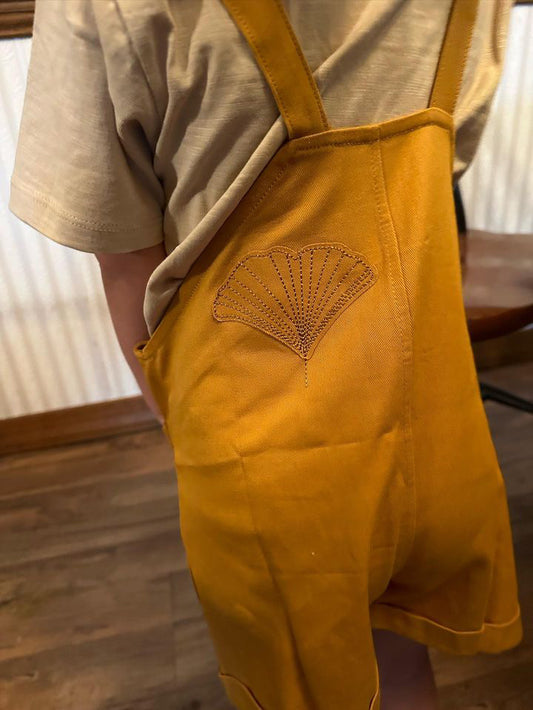
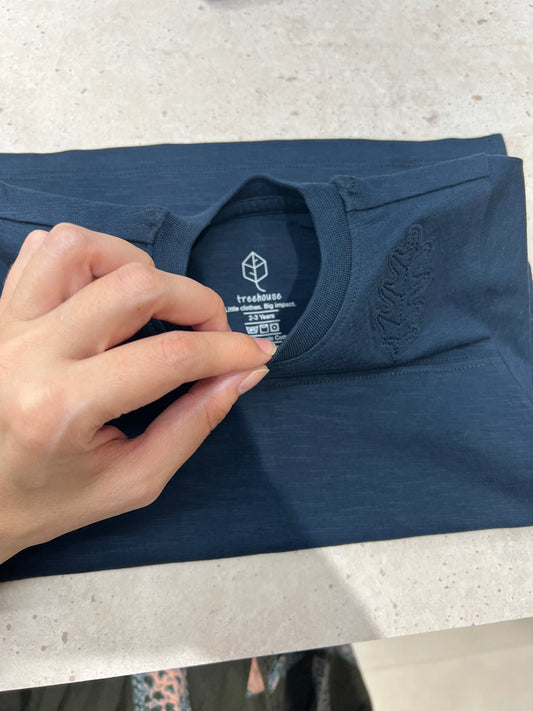
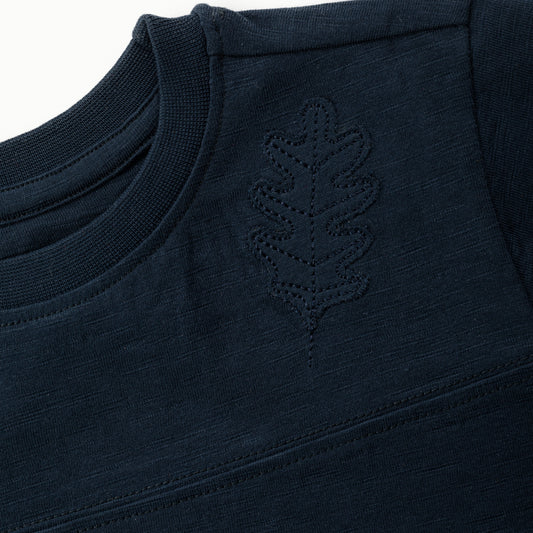
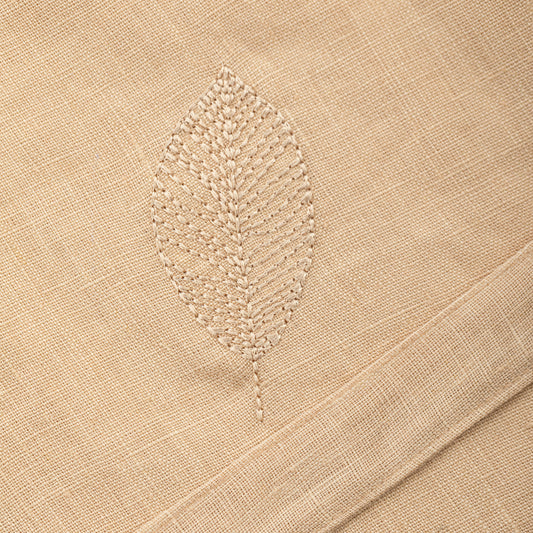
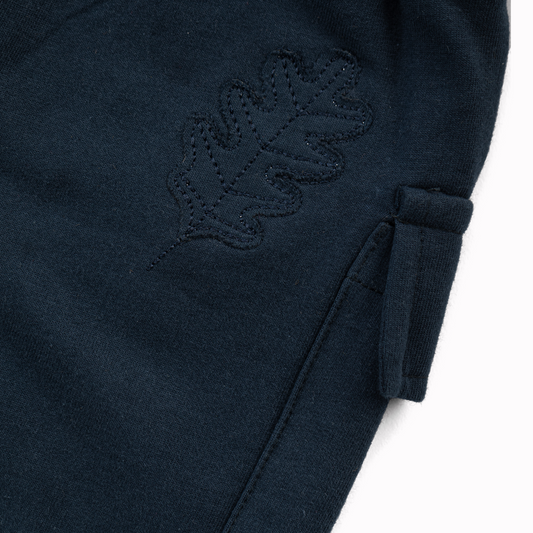
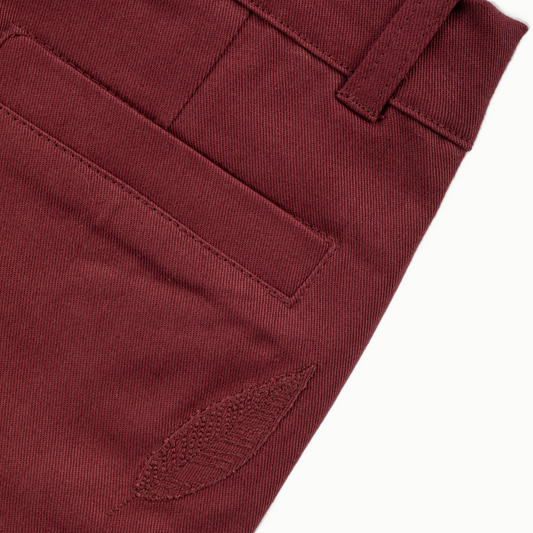
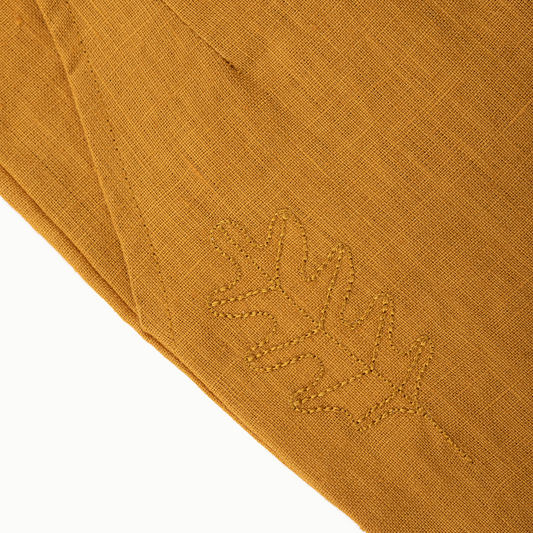
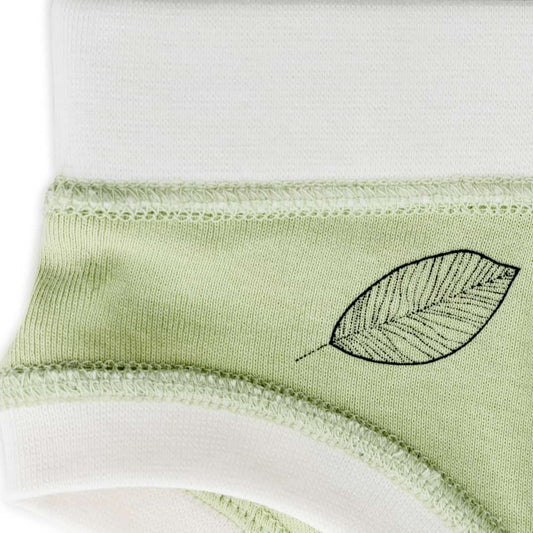
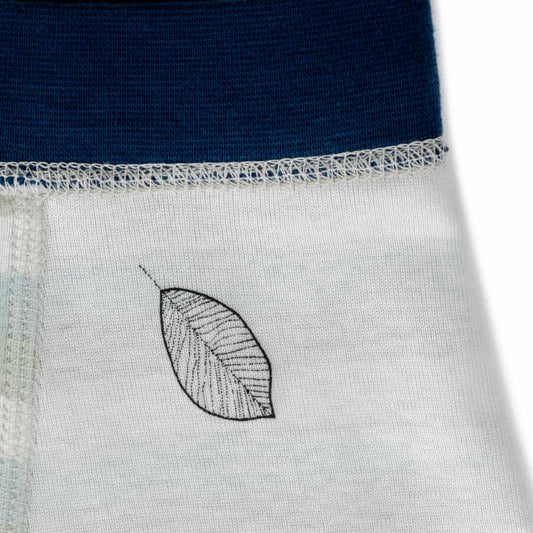
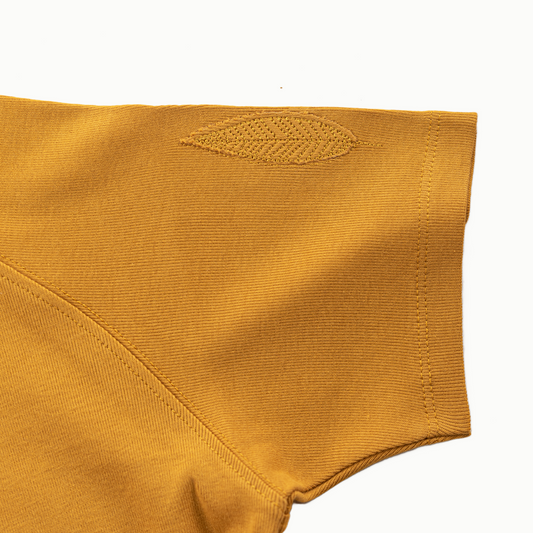
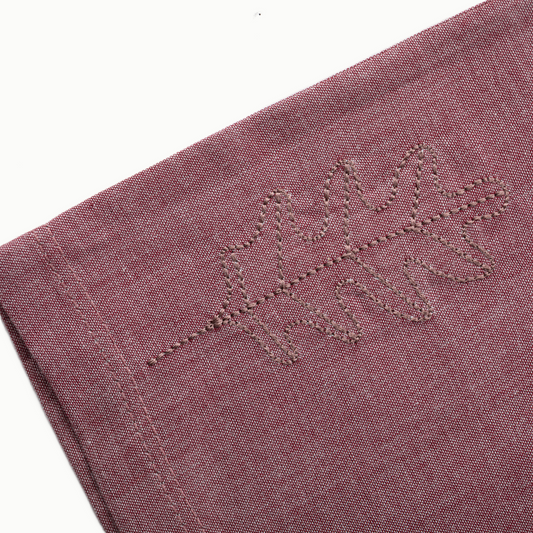
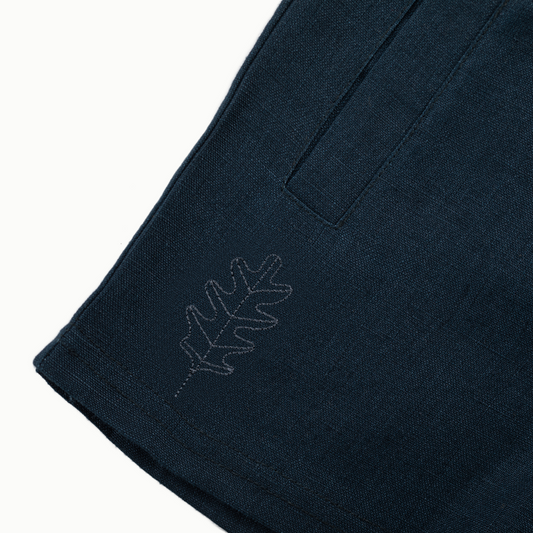
Many pieces also include the “Dress-Right Leaf” marker, which helps younger children quickly identify the front of their clothing and dress themselves independently : an unexpectedly helpful feature in everyday family routines.
Bundles are designed to simplify capsule wardrobe building by grouping items that already coordinate together.
Parents interested in learning more about the materials and supply chain behind the collection can explore the Our Impact page or browse the Kids’ Bundles Collection.
More Helpful Guides for Parents
If you are building your child’s wardrobe from scratch, these guides may also be helpful:


