



Toddler Clothes Size Chart By Age
| Toddler Size | Age Range | Height (in) | Weight (lbs) |
|---|---|---|---|
| 2T | 2 years | 33–35 | 26–30 |
| 3T | 3 years | 35–38 | 30–34 |
| 4T | 4 years | 38–41 | 34–38 |


This size chart is a starting point. Individual fit preferences may vary. For best fit at time of purchase, use your child’s current measurements.
Kids Clothes Size Chart By Age
| Kids Size | Age Range | Height (in) | Chest (in) | Waist (in) |
|---|---|---|---|---|
| 4 | 2–5 | 39–42 | 23–24 | 21–22 |
| 5 | 5–6 | 42–45 | 24–25 | 22–23 |
| 6 | 6–7 | 45–48 | 25–26 | 23–24 |
| 7 | 7–8 | 48–51 | 26–27 | 24–25 |
| 8 | 8–9 | 51–54 | 27–28 | 25–26 |
| 10 | 9–10 | 54–57 | 28–29 | 26–27 |


This size chart is a starting point. Individual fit preferences may vary. For the best fit at time of purchase, use your current measurements.
Related read: Baby Clothes Size Chart
How to Measure Your Child for Clothes
Accurate measurements are the foundation of good fit. Measuring at home only takes a few minutes and can save you from returns and frustration.
- A soft measuring tape (fabric, not metal)
- A notepad or phone to record measurements
- Your child wearing fitted clothing or underwear
Height

- Have your child stand barefoot against a wall.
- Make sure they’re standing straight with heels together.
- Mark the top of the head and measure from the floor to the mark.
- Measure in the morning when children are typically tallest.
chest

chest
- Measure around the fullest part of the chest.
- Keep the tape parallel to the floor.
- Ensure the tape is snug but not tight.
- Your child should breathe normally.
WAIST

- Measure at the natural waistline (the narrowest point).
- Keep one finger between the tape and the body.
- Avoid pulling the tape tight.
HIP

HIP
- Measure around the fullest part of the hips and bottom.
- Keep the tape level all the way around.
- Check that the tape isn’t twisted in the back.
Inner Leg (Inseam)

- Measure from the crotch down to the ankle bone.
- Have your child stand straight.
- This measurement is especially important for pants and rompers.
Sizing Tips for Different Clothing Types
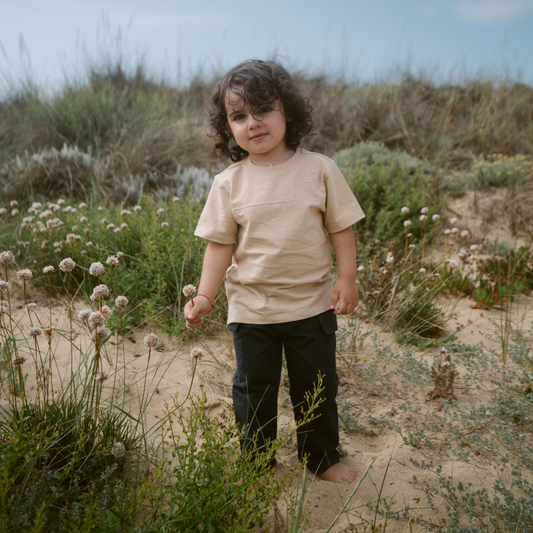
Chest measurement is the most important factor for tops, followed by sleeve length. For layering, consider sizing up slightly, especially in colder months. Organic cotton tees should feel comfortable without being restrictive. Allow a bit of room for growth, but avoid excess fabric that can bunch or irritate.
-
 $45.002-3,3-4,4-5,5-6,6-7,7-8,8-9,9-10 yearsSELECT SIZE$29.25
$45.002-3,3-4,4-5,5-6,6-7,7-8,8-9,9-10 yearsLINEN BIRCH SHIRT IN SANDRegular price $45.00Regular priceUnit price per$45.00Sale price $45.00 -
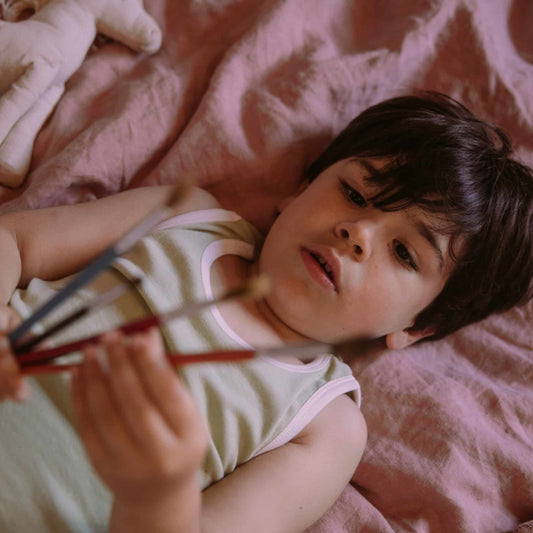
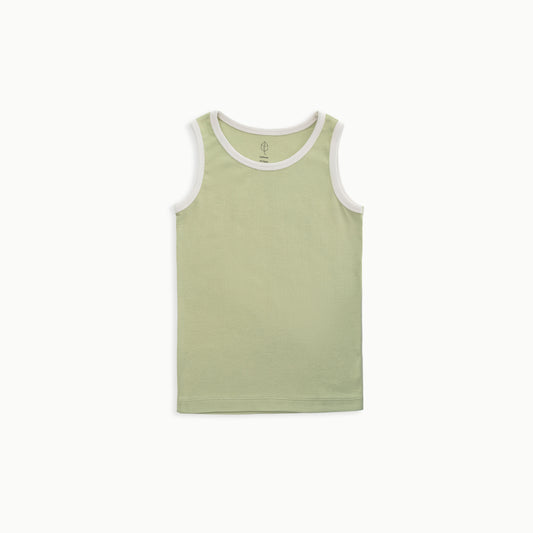
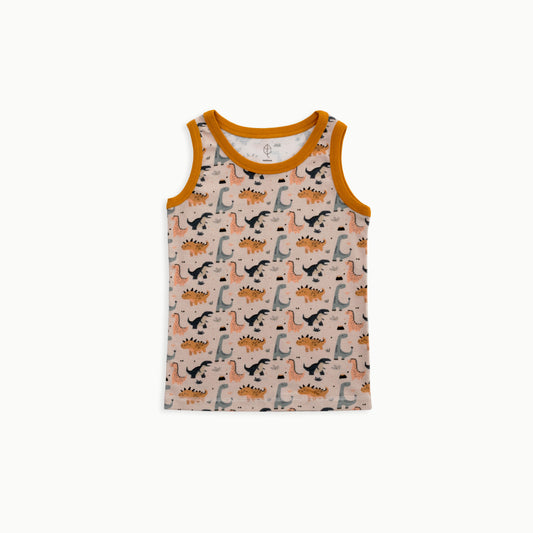
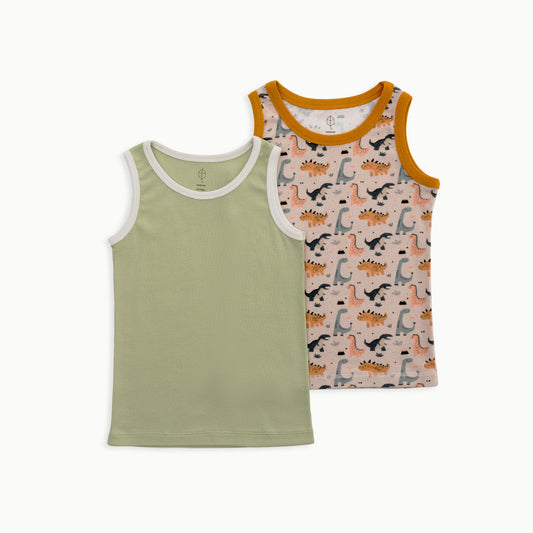
 $26.002-3,3-4,4-5,6,7,8,9 yearsSELECT SIZE$26.002-3,3-4,4-5,6,7,8,9 yearsORGANIC COTTON TANK, 2-PACK | DINOSAUR + SOLID GREENRegular price $26.00Regular priceUnit price per
 -
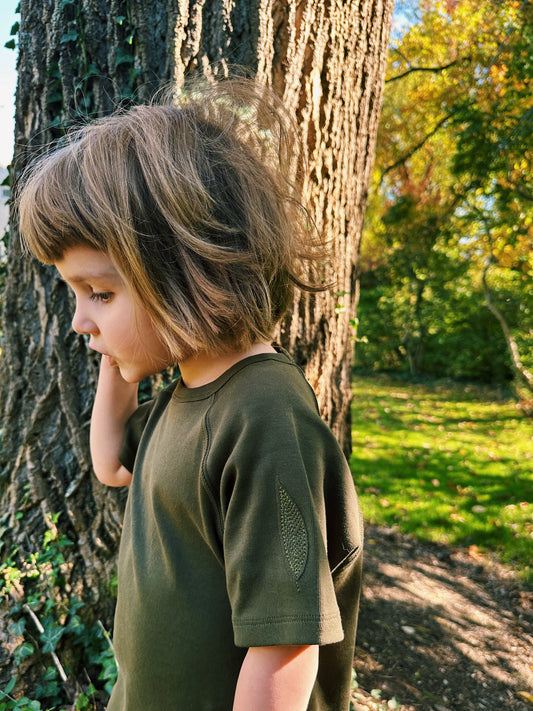
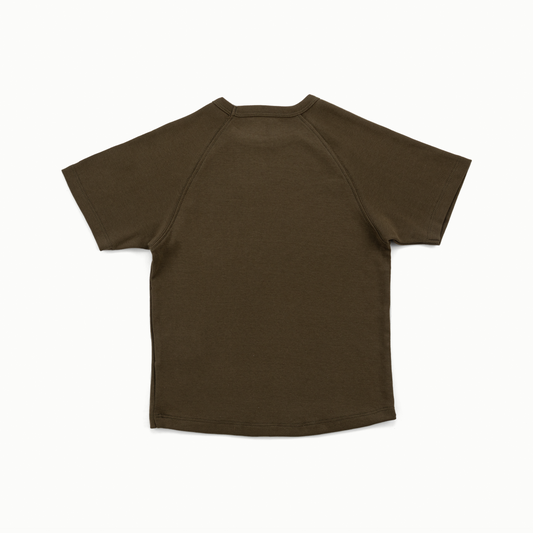
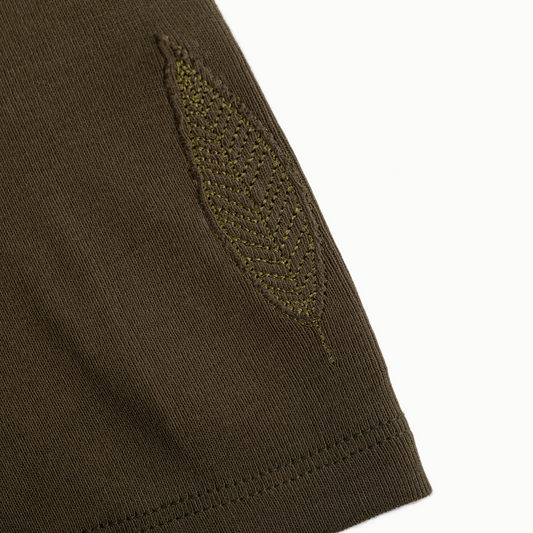
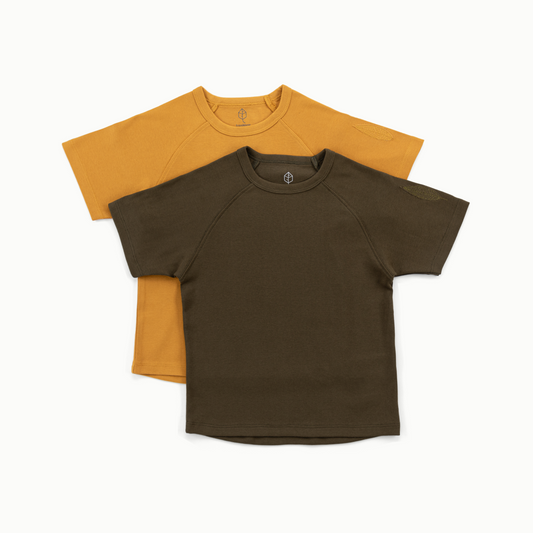 $34.002-3,3-4,4-5,5-6,6-7,7-8,8-9,9-10 yearsSELECT SIZE$22.10
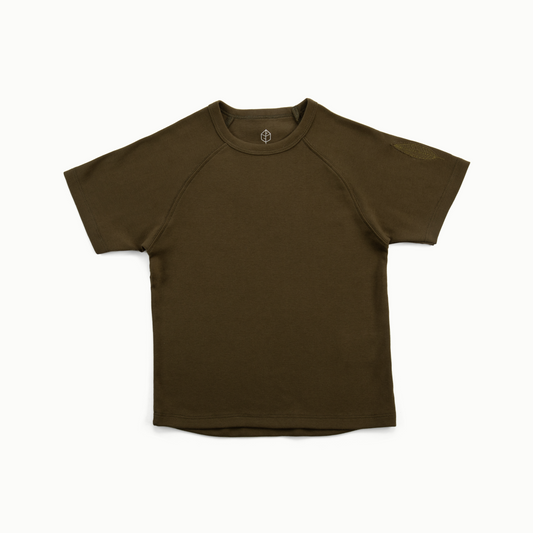
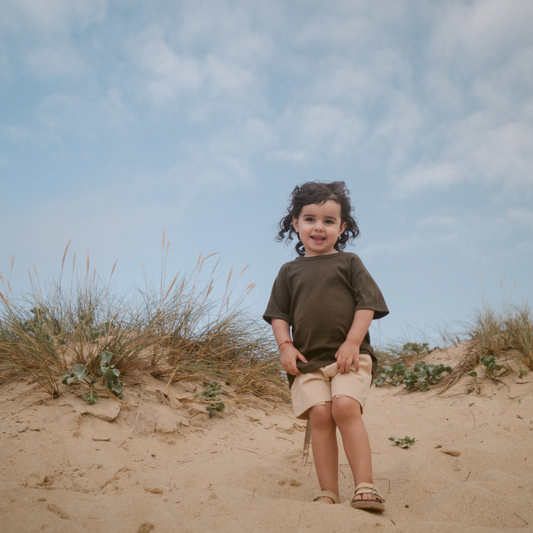
$34.002-3,3-4,4-5,5-6,6-7,7-8,8-9,9-10 yearsORGANIC COTTON WILLOW TEE IN RIPE OLIVERegular price $34.00Regular priceUnit price per$34.00Sale price $34.00 -
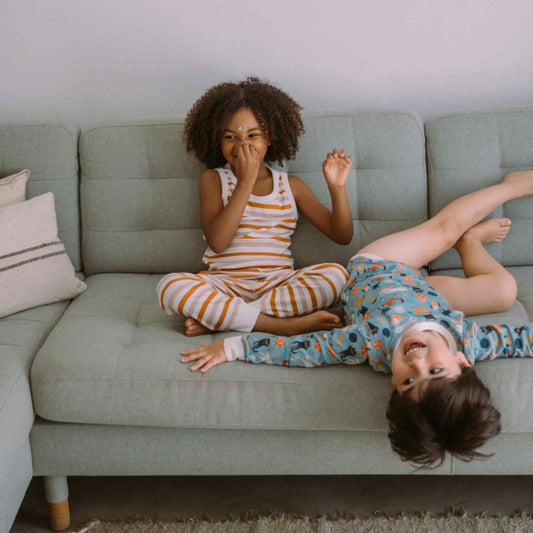
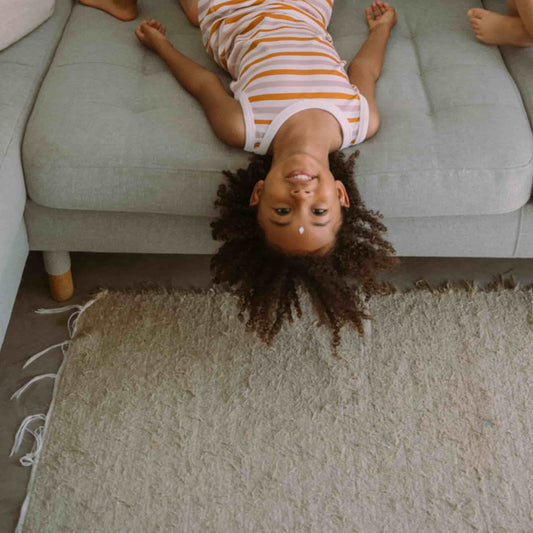
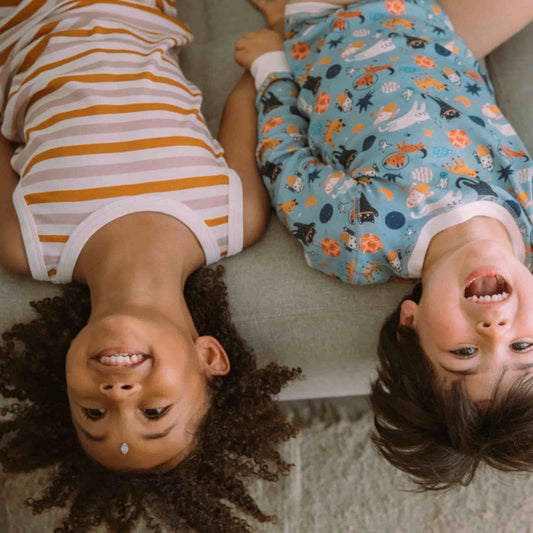
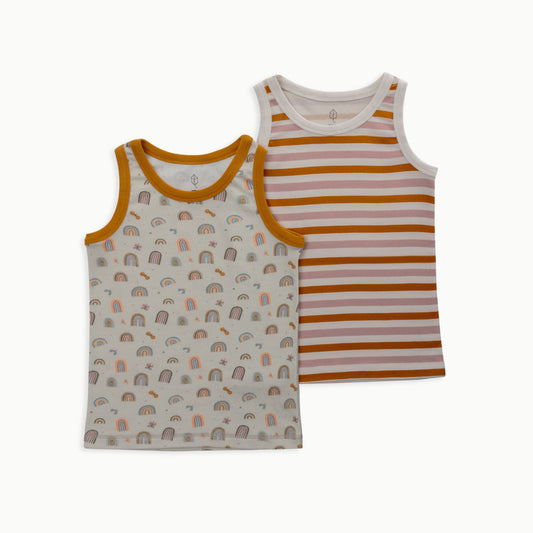
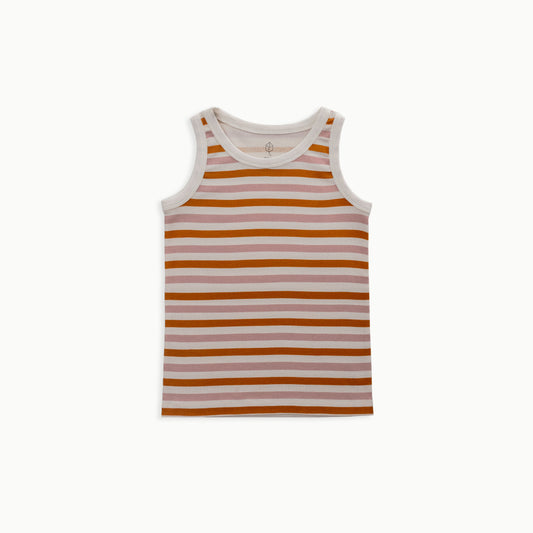
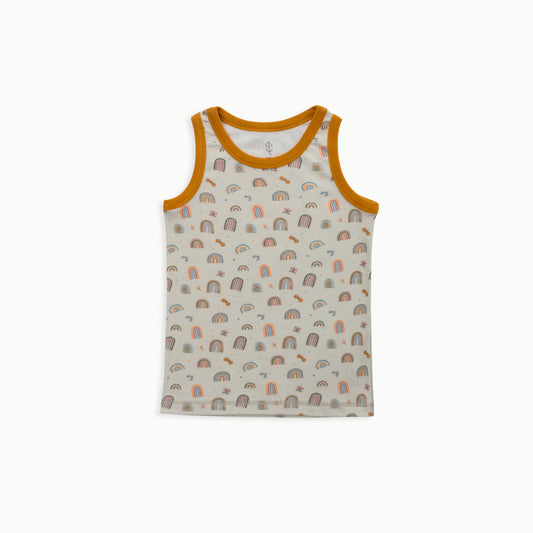 $26.002-3,3-4,4-5,6,7,8,9 yearsSELECT SIZE$26.002-3,3-4,4-5,6,7,8,9 yearsORGANIC COTTON TANK, 2-PACK | RAINBOW + STRIPEDRegular price $26.00Regular priceUnit price per
 -
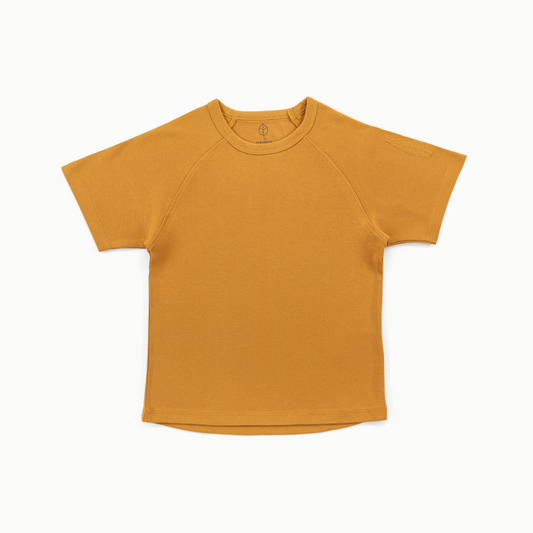
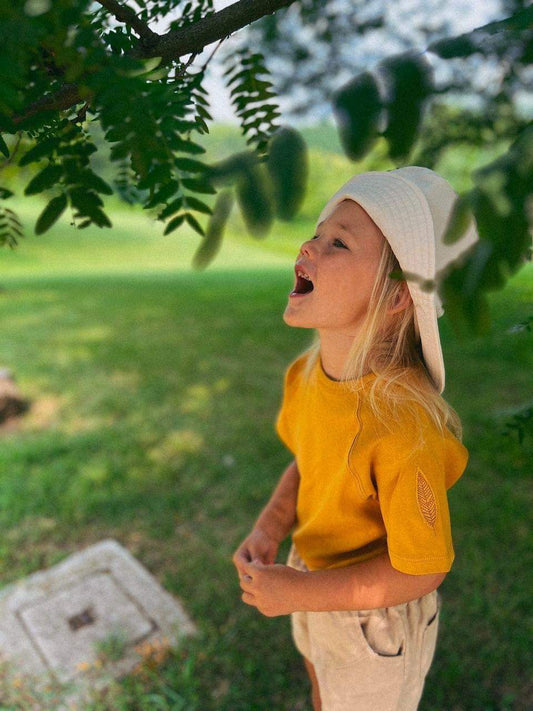
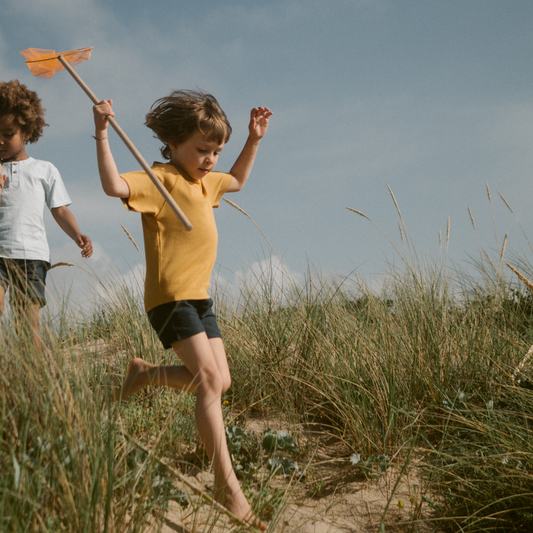

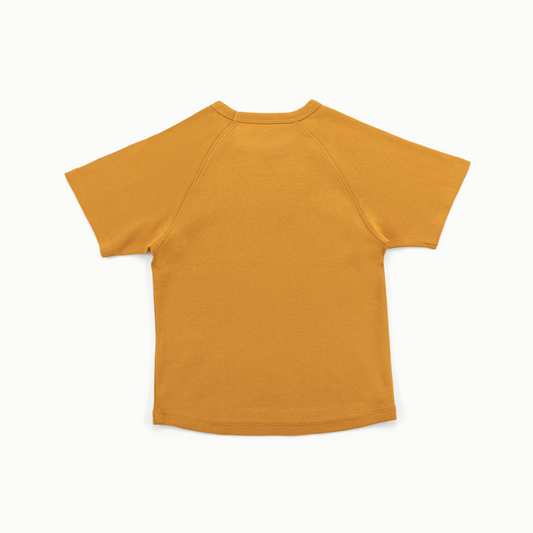
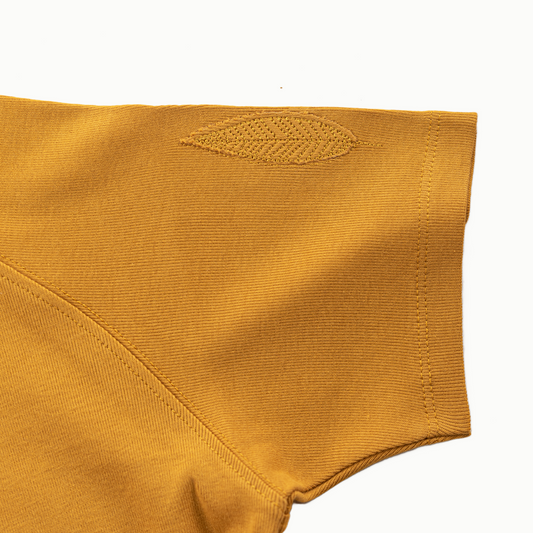 $34.002-3,3-4,4-5,5-6,6-7,7-8,8-9,9-10 yearsSELECT SIZE$22.10
$34.002-3,3-4,4-5,5-6,6-7,7-8,8-9,9-10 yearsORGANIC COTTON WILLOW TEE IN TASSELRegular price $34.00Regular priceUnit price per$34.00Sale price $34.00 -
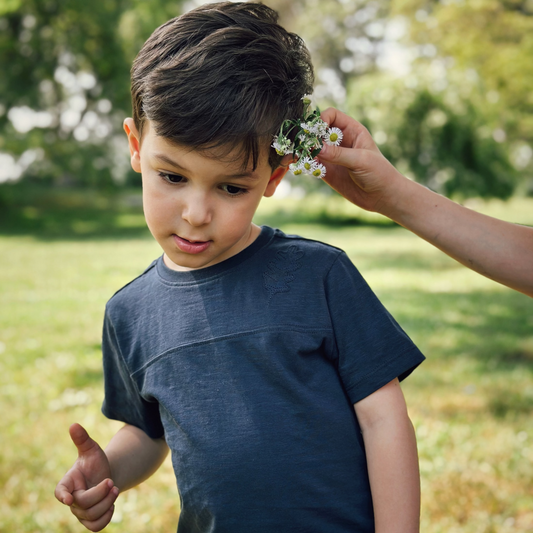
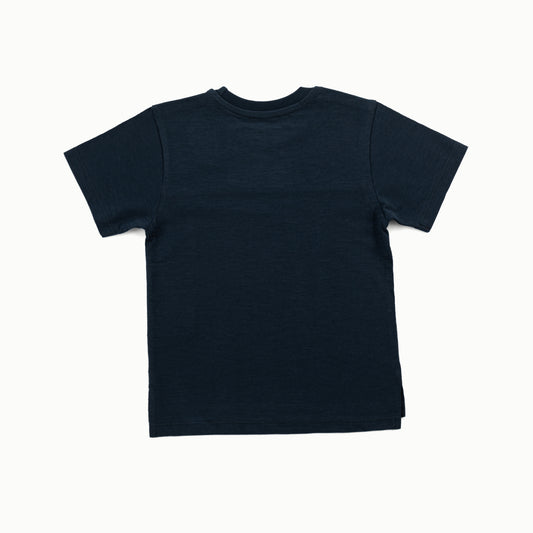
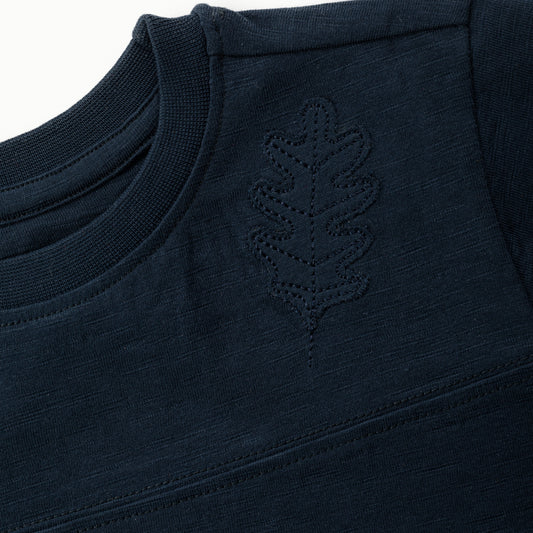
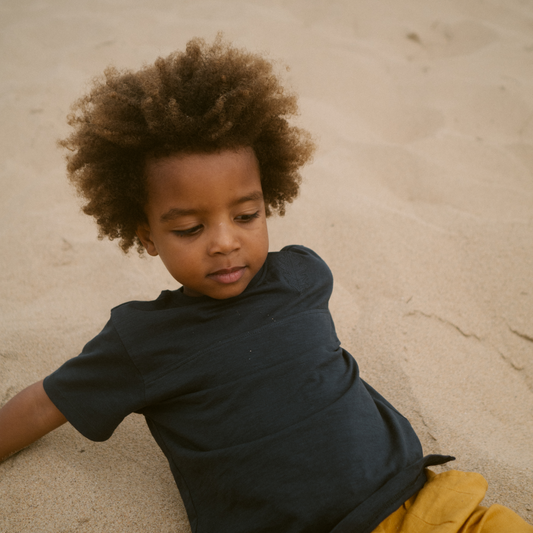 $34.002-3,3-4,4-5,5-6,6-7,7-8,8-9,9-10 yearsSELECT SIZE$22.10
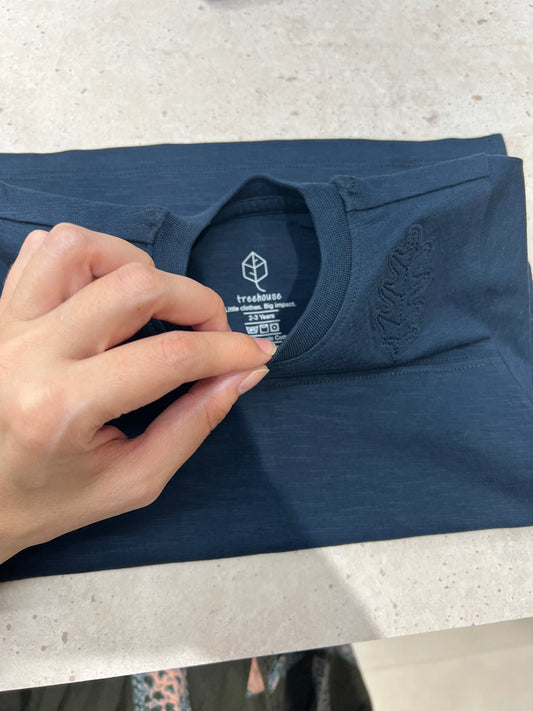
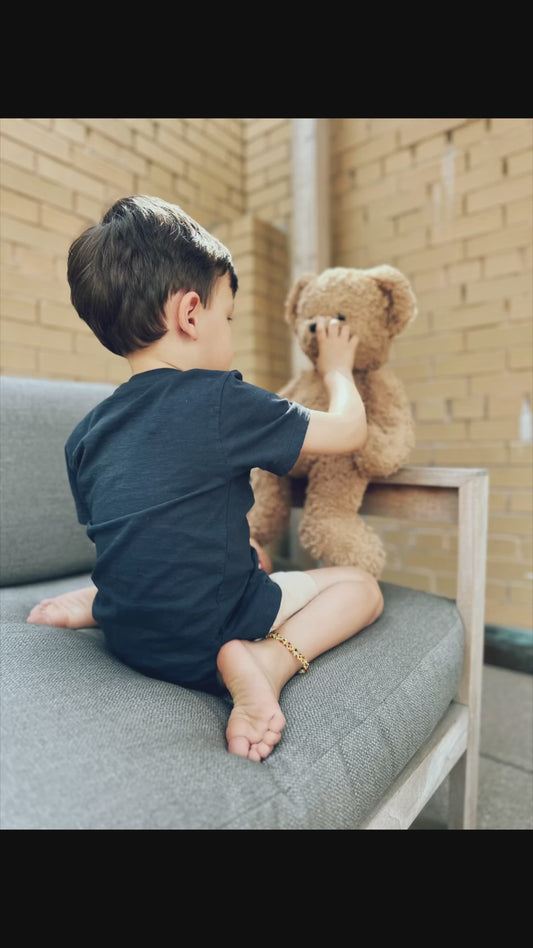
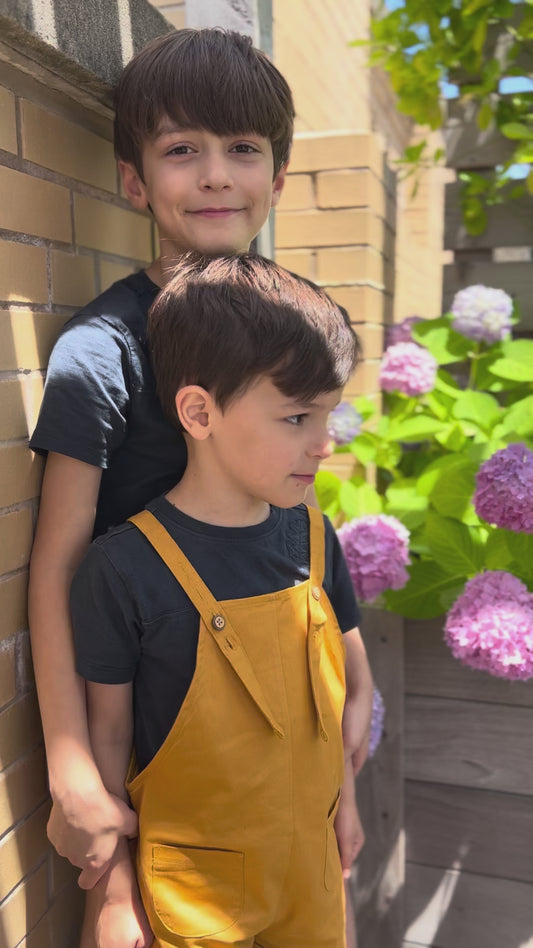
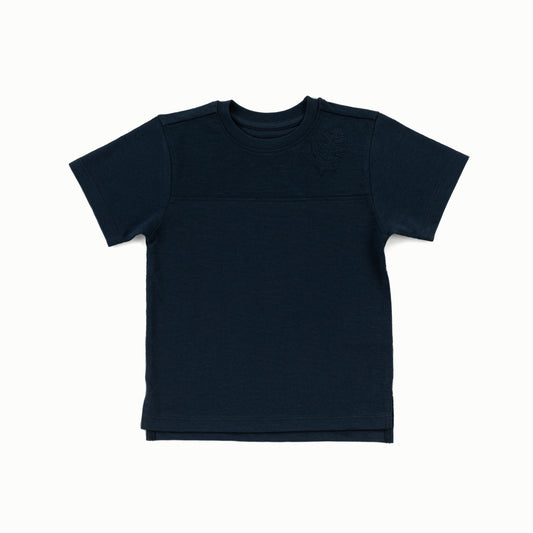
$34.002-3,3-4,4-5,5-6,6-7,7-8,8-9,9-10 yearsORGANIC COTTON OAK TEE IN NAVALRegular price $34.00Regular priceUnit price per$34.00Sale price $34.00

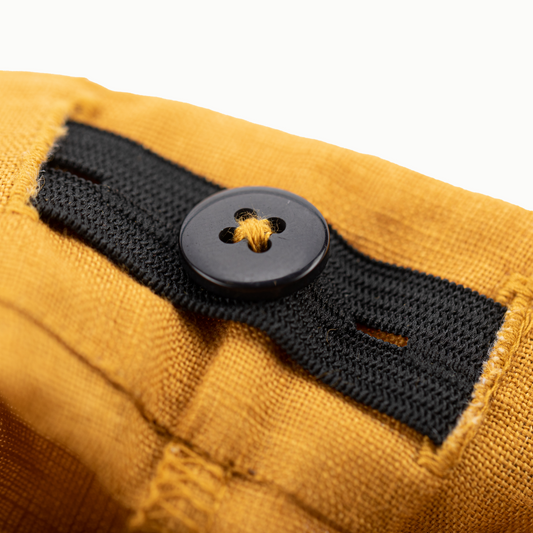
Focus on waist, hip, and inseam measurements. Adjustable waistbands are especially helpful for kids with slim waists or rapid growth. For younger toddlers, account for diaper bulk. Length matters for active kids, too short can restrict movement, while too long can be a tripping hazard.
-
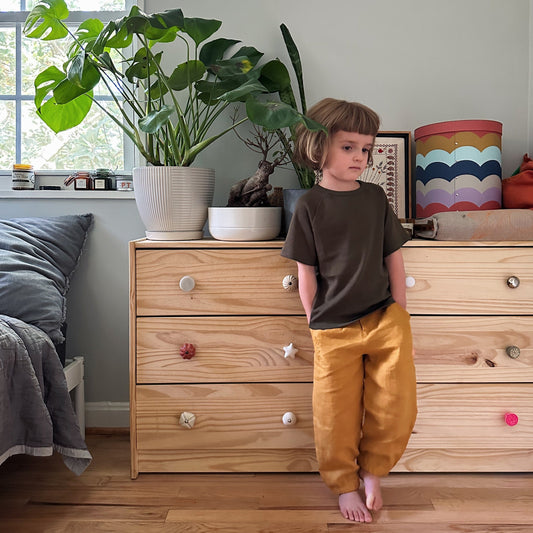
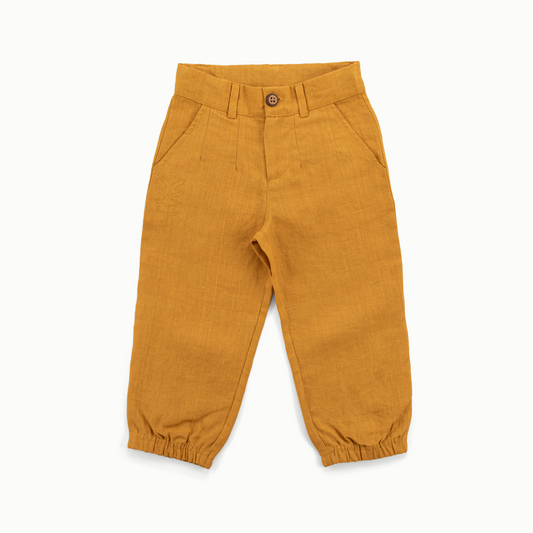
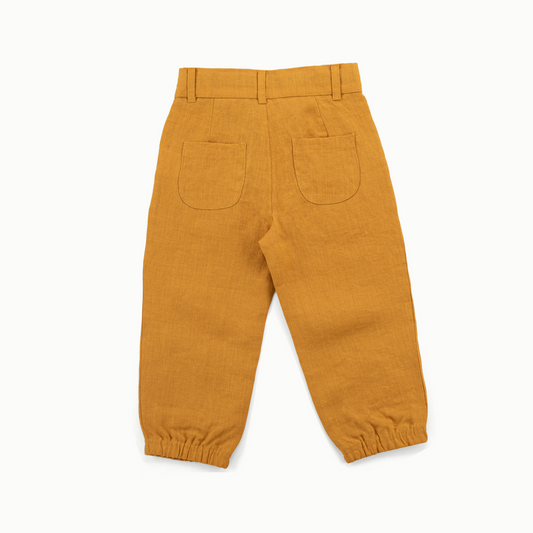
 $52.002-3,3-4,4-5,5-6,6-7,7-8,8-9,9-10 yearsSELECT SIZE$52.002-3,3-4,4-5,5-6,6-7,7-8,8-9,9-10 yearsLINEN OAK PANT IN TASSELRegular price $52.00Regular priceUnit price per
$52.00Sale price $52.00 -
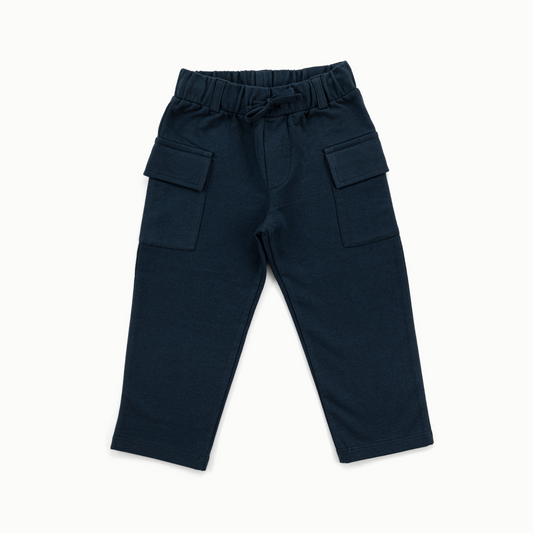
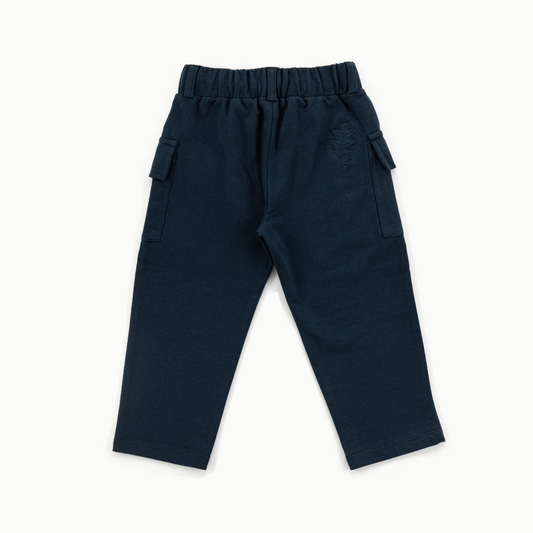
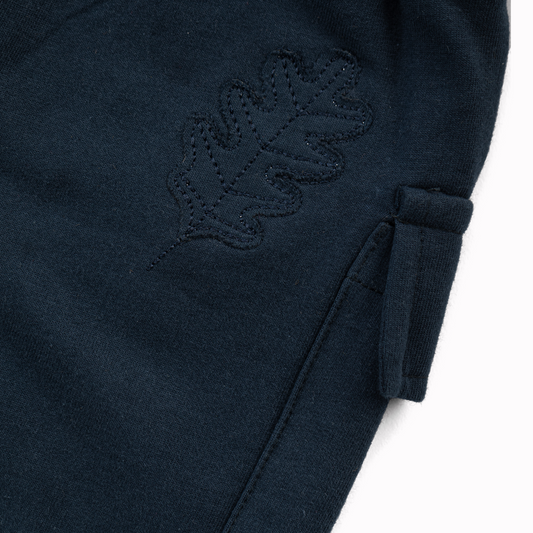
 $42.002-3,3-4,4-5,5-6,6-7,7-8,8-9,9-10 yearsSELECT SIZE$42.002-3,3-4,4-5,5-6,6-7,7-8,8-9,9-10 yearsORGANIC COTTON OAK PANT IN NAVALRegular price $42.00Regular priceUnit price per
$42.00Sale price $42.00 -
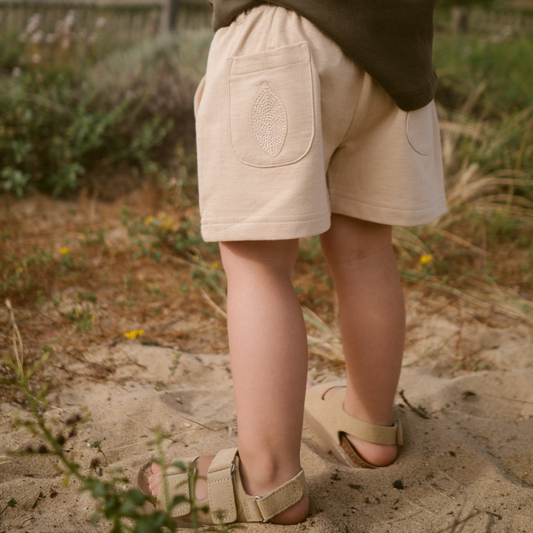
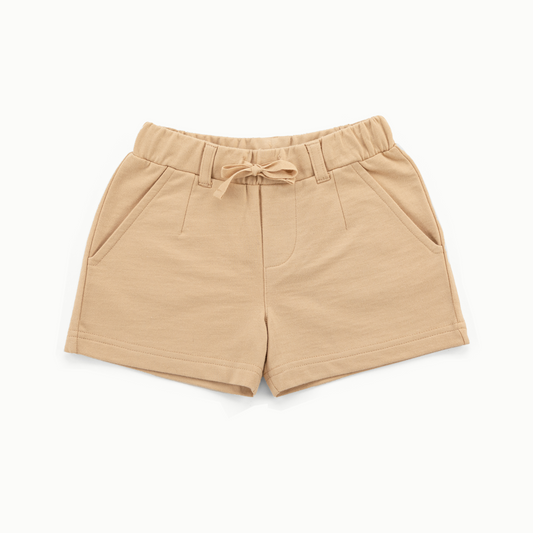
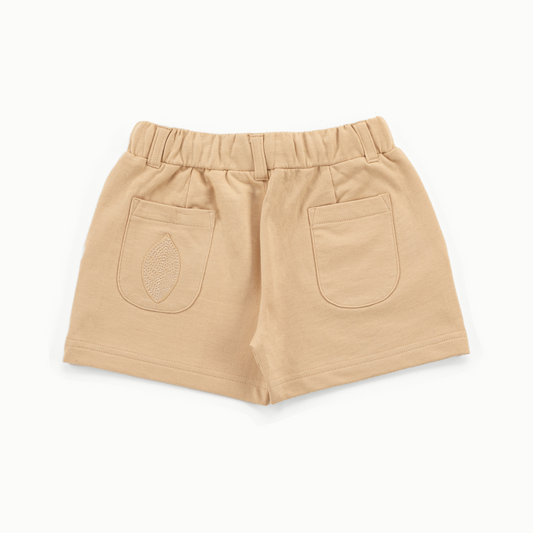
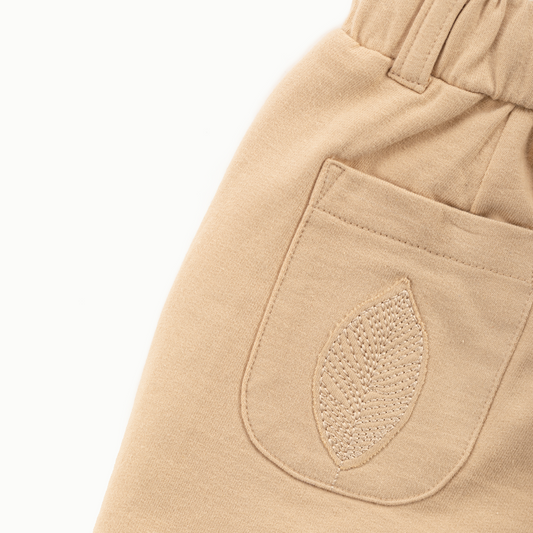 $36.002-3,3-4,4-5,5-6,6-7,7-8,8-9,9-10 yearsSELECT SIZE$23.40
$36.002-3,3-4,4-5,5-6,6-7,7-8,8-9,9-10 yearsORGANIC COTTON BIRCH SHORT IN SANDRegular price $36.00Regular priceUnit price per$36.00Sale price $36.00 -
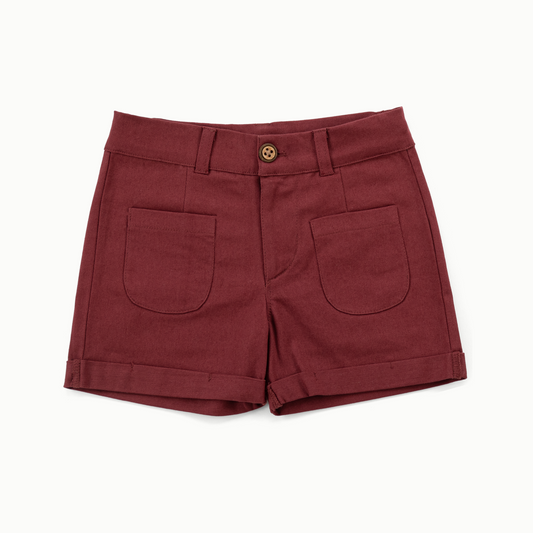
 $36.002-3,3-4,4-5,5-6,6-7,7-8,8-9,9-10 yearsSELECT SIZE$23.40
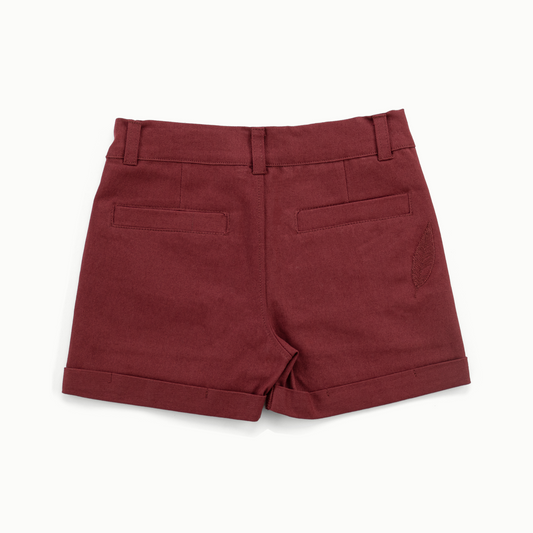
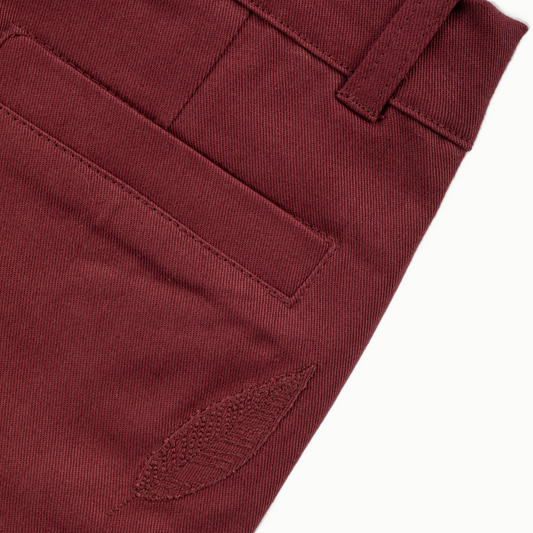
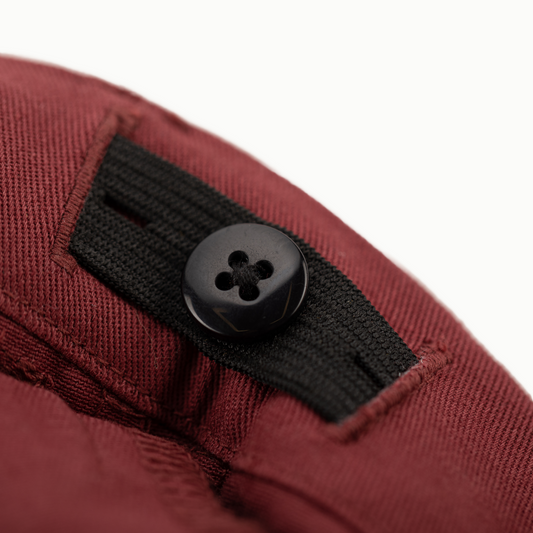
$36.002-3,3-4,4-5,5-6,6-7,7-8,8-9,9-10 yearsORGANIC COTTON WILLOW SHORT IN CANYON CLAYRegular price $36.00Regular priceUnit price per$36.00Sale price $36.00 -
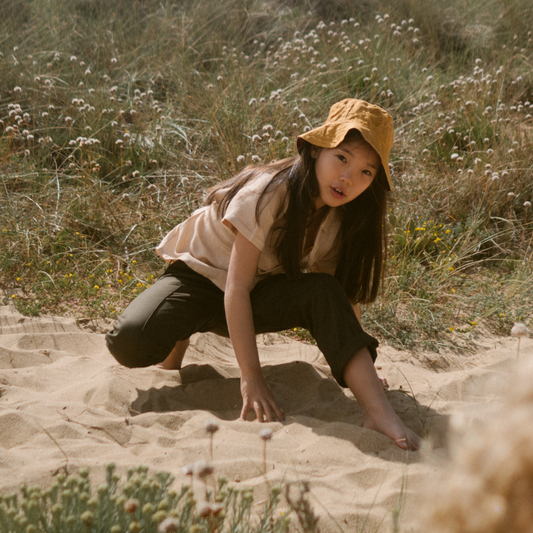

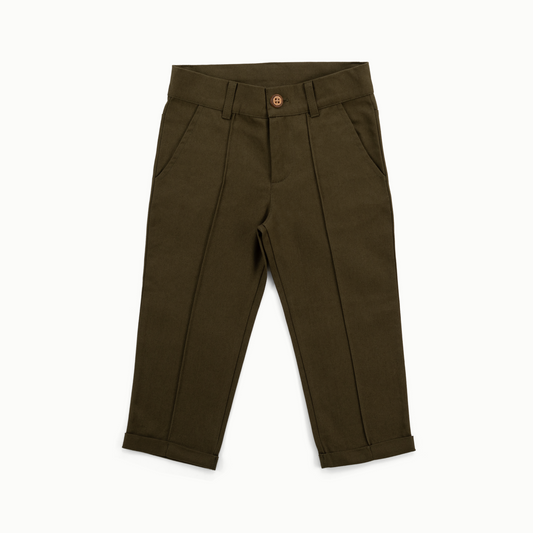
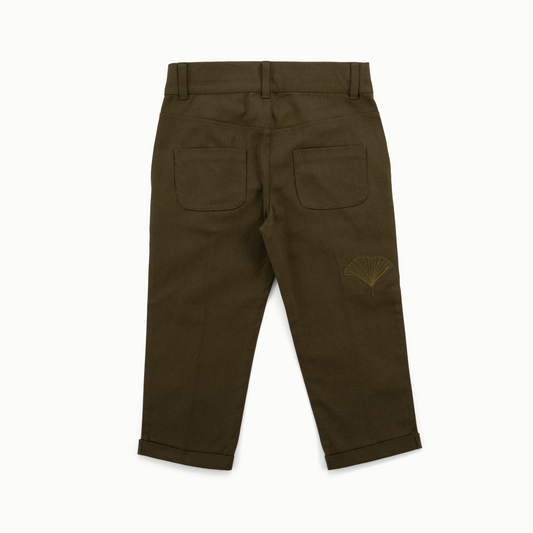
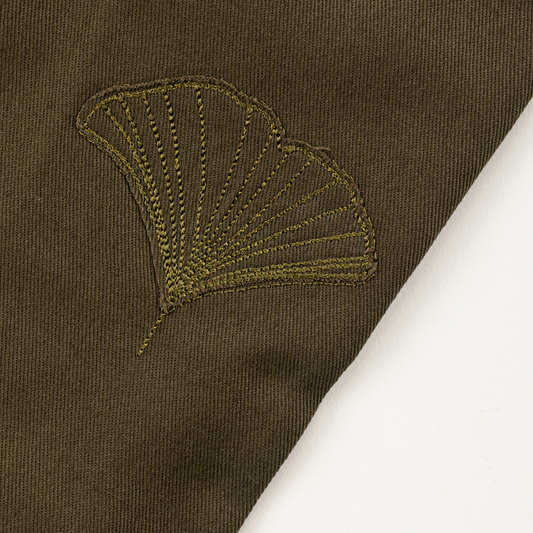
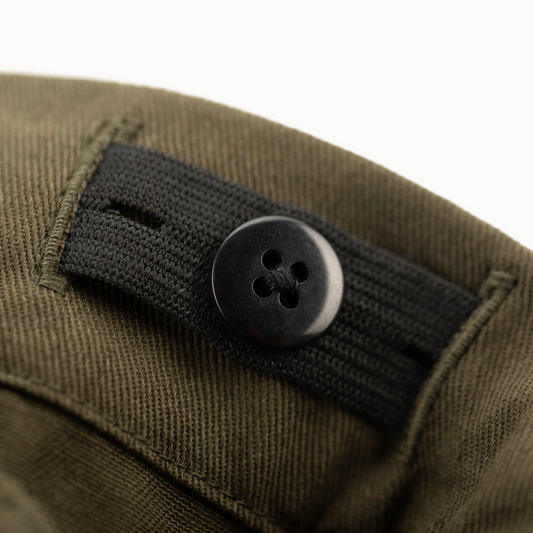 $42.002-3,3-4,4-5,5-6,6-7,7-8,8-9,9-10 yearsSELECT SIZE$42.002-3,3-4,4-5,5-6,6-7,7-8,8-9,9-10 yearsORGANIC COTTON GINGKO PANT IN RIPE OLIVERegular price $42.00Regular priceUnit price per
$42.00Sale price $42.00 -
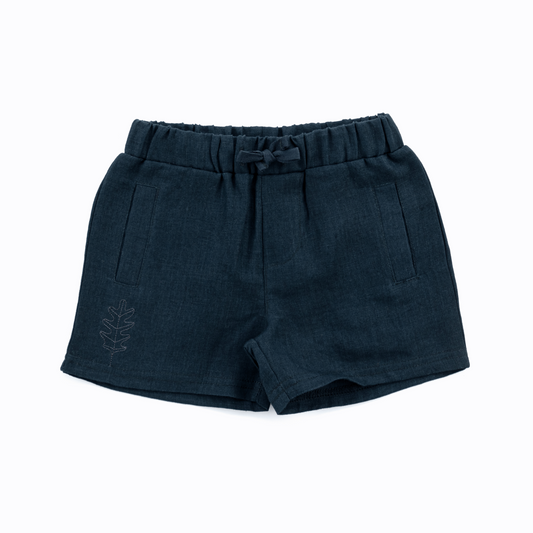
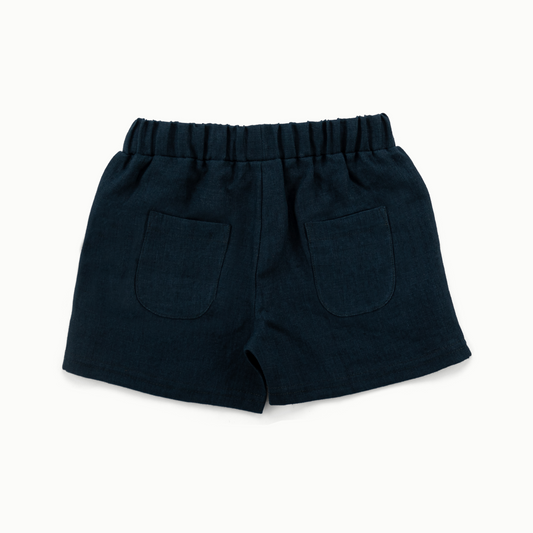
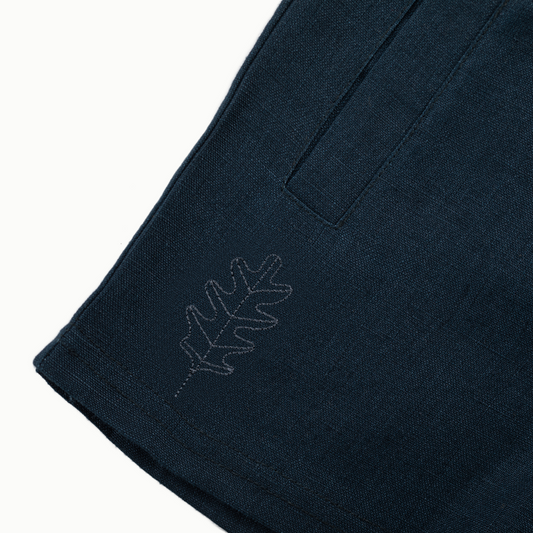
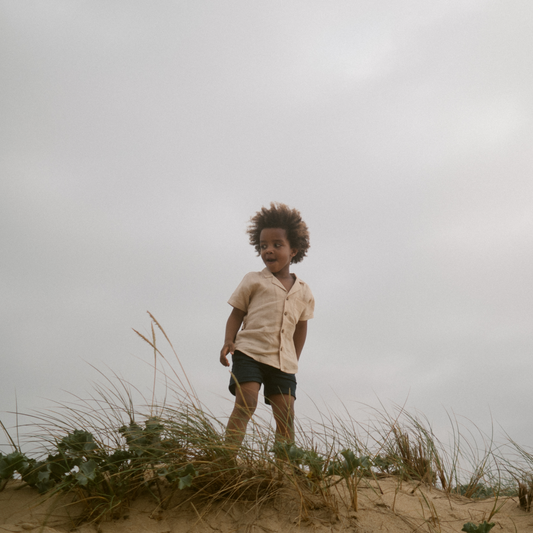 $45.002-3,3-4,4-5,5-6,6-7,7-8,8-9,9-10 yearsSELECT SIZE$29.25
$45.002-3,3-4,4-5,5-6,6-7,7-8,8-9,9-10 yearsLINEN OAK SHORT IN NAVALRegular price $45.00Regular priceUnit price per$45.00Sale price $45.00
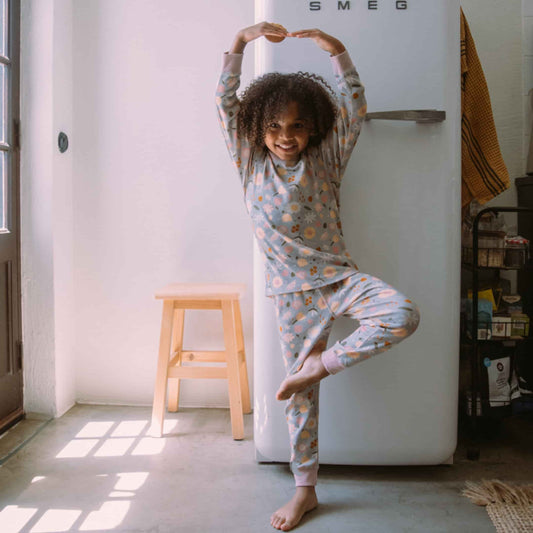
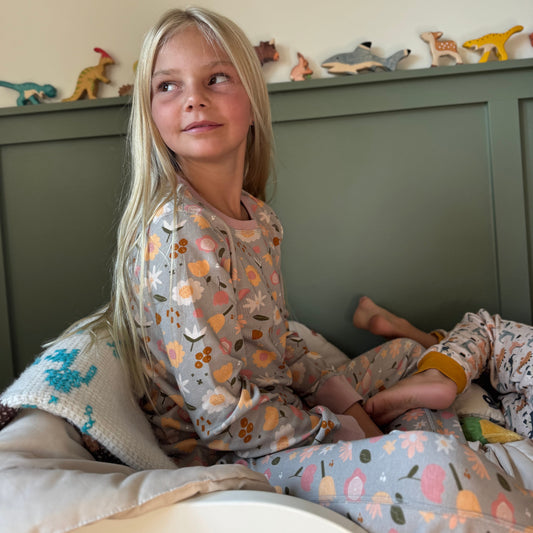
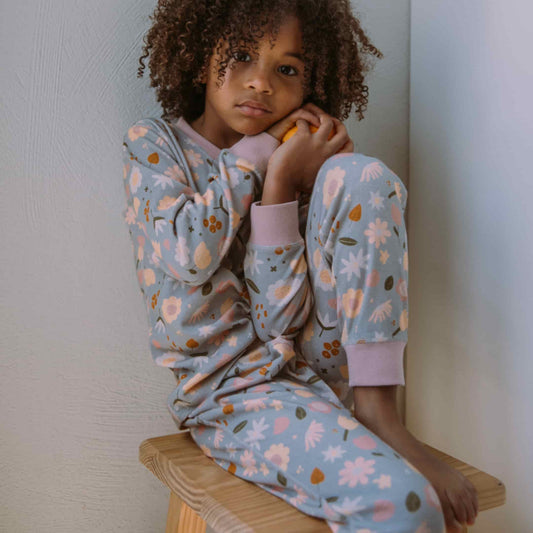
Torso length is key for one-piece garments. Too short can pull uncomfortably; too long can sag. For toddlers, consider snap placement for easier diaper changes. Organic cotton’s natural stretch helps with comfort, but for sleepwear, fit should be secure without being tight.
-
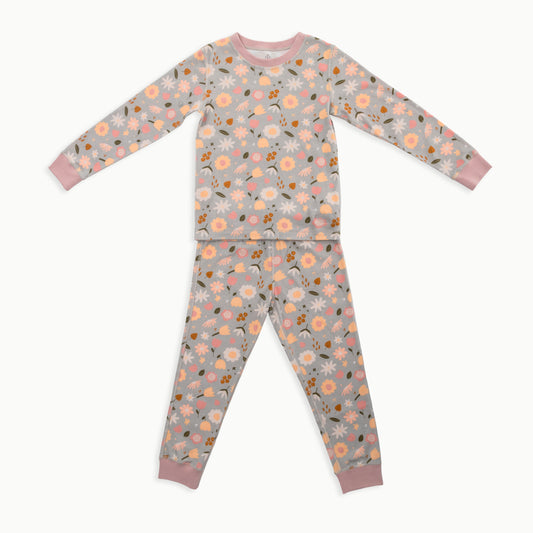
 BUY 2 - 15% BUY 3 - 20% BUY 4 - 25%$40.002-3,3-4,4-5,6,7,8,9 yearsSELECT SIZE$40.002-3,3-4,4-5,6,7,8,9 yearsORGANIC COTTON LONG-SLEEVE PAJAMAS | FLOWERSRegular price $40.00Regular priceUnit price per
 -
 30% OFF$43.402-3,3-4,4-5,5-6,6-7,7-8,8-9,9-10 yearsSELECT SIZE$23.87
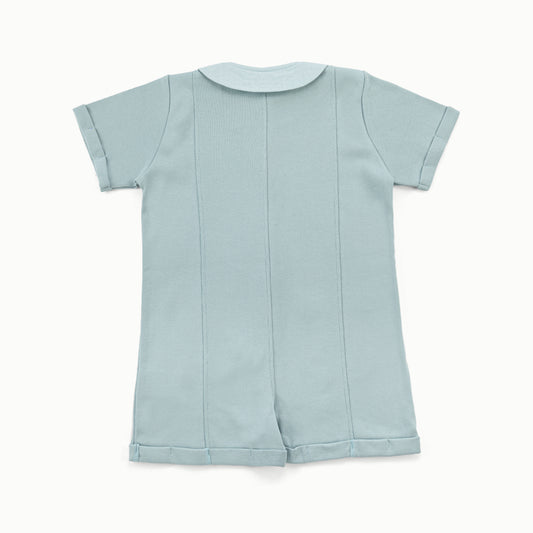
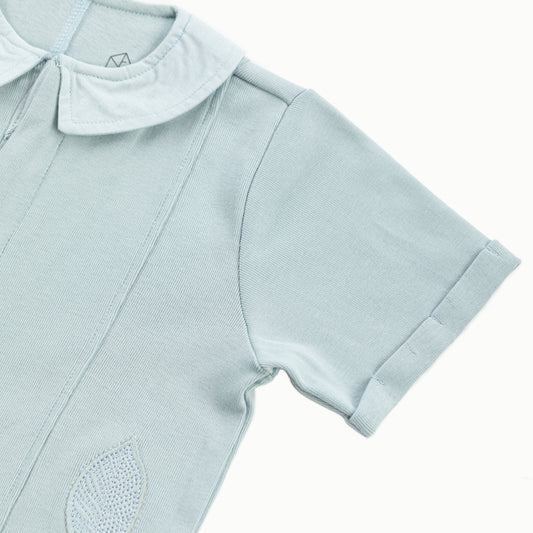
$43.402-3,3-4,4-5,5-6,6-7,7-8,8-9,9-10 yearsORGANIC COTTON BIRCH ROMPER IN SLEEPY BLUERegular price $43.40Regular priceUnit price per$62.00Sale price $43.40 -
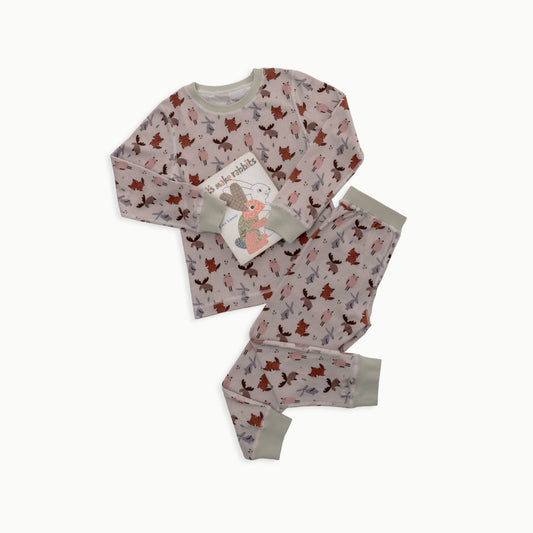

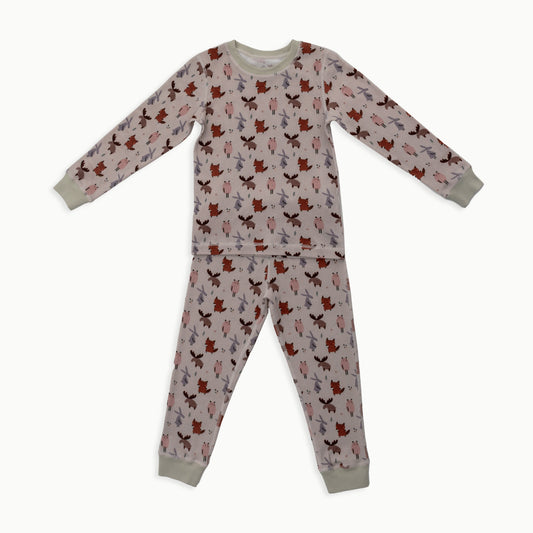
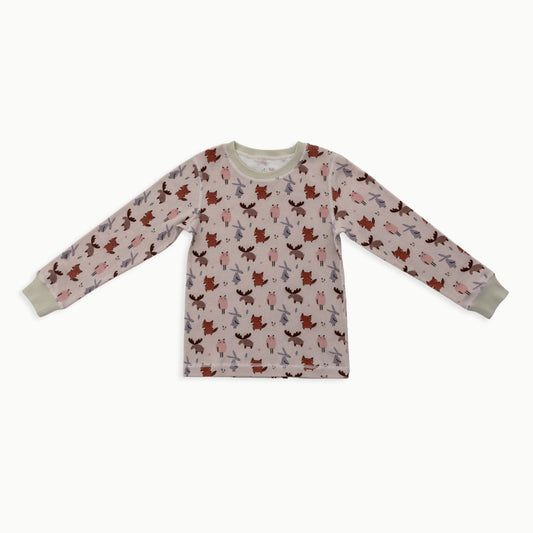
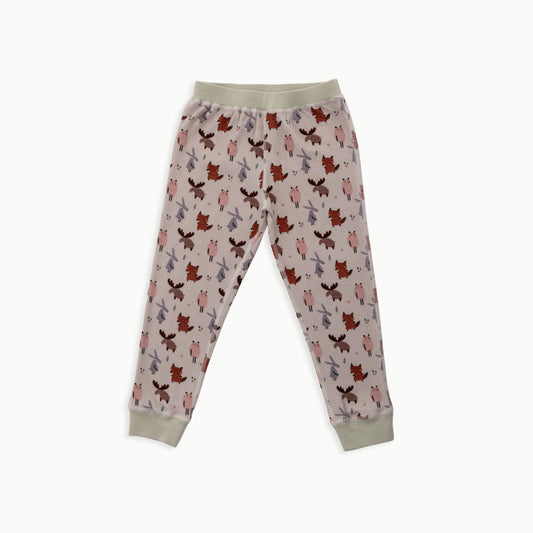 BUY 2 - 15% BUY 3 - 20% BUY 4 - 25%$40.002-3,3-4,4-5,6,7,8,9 yearsSELECT SIZE$40.002-3,3-4,4-5,6,7,8,9 yearsORGANIC COTTON LONG-SLEEVE PAJAMAS | WOODLANDRegular price $40.00Regular priceUnit price per
 -
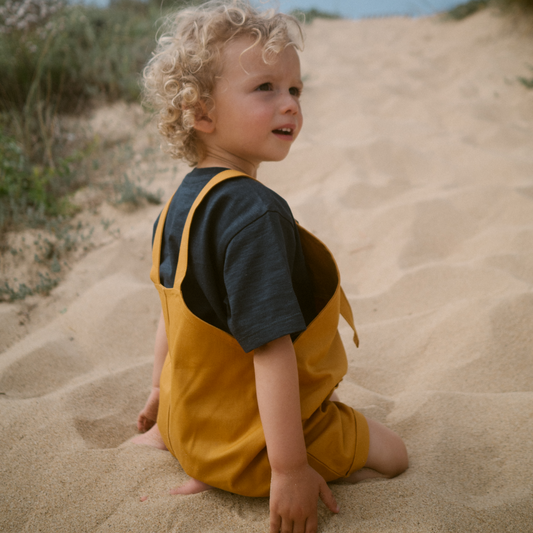

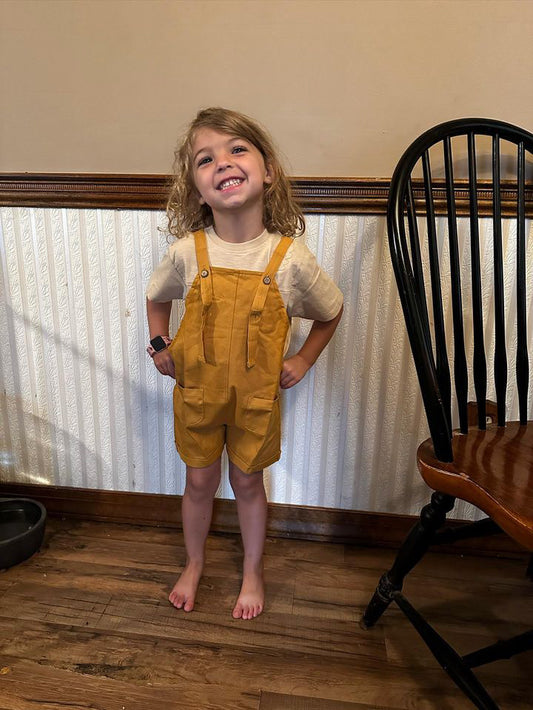
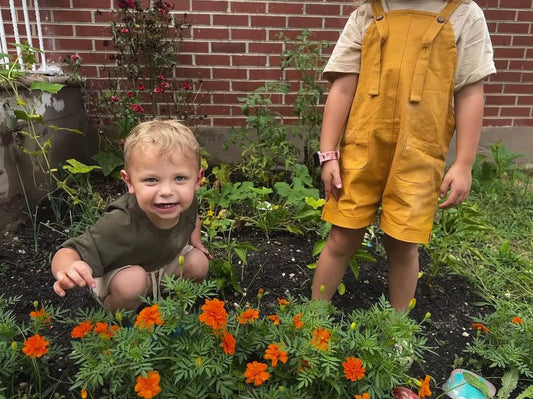
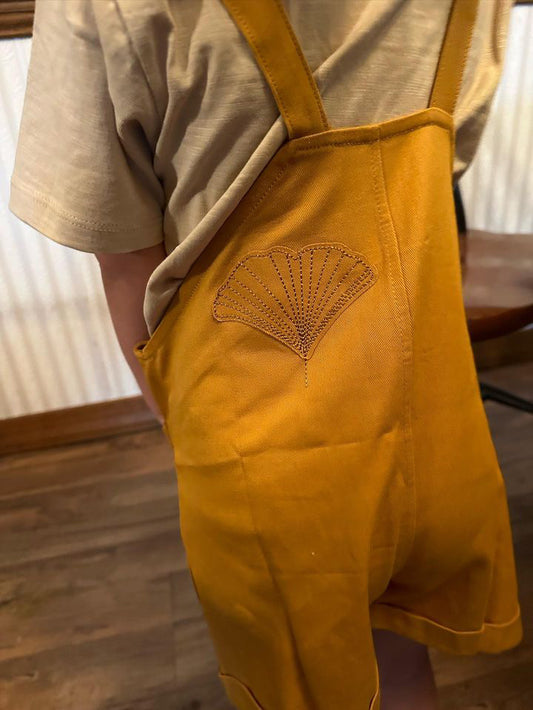
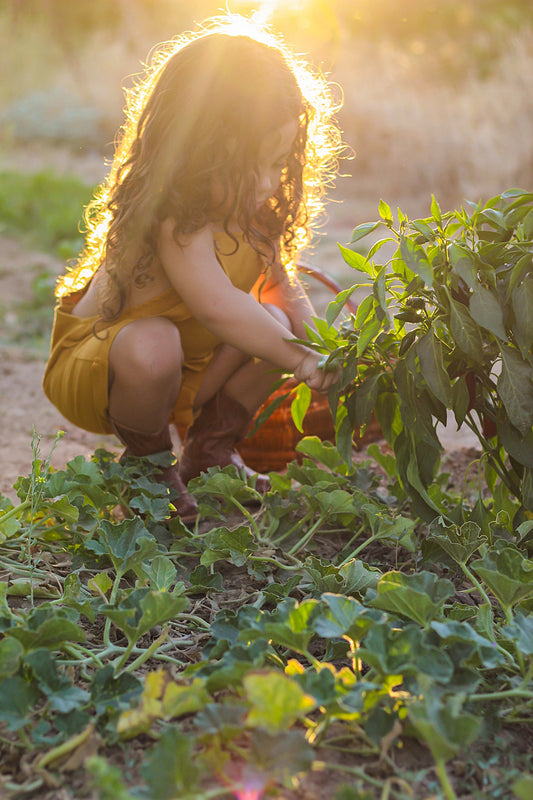
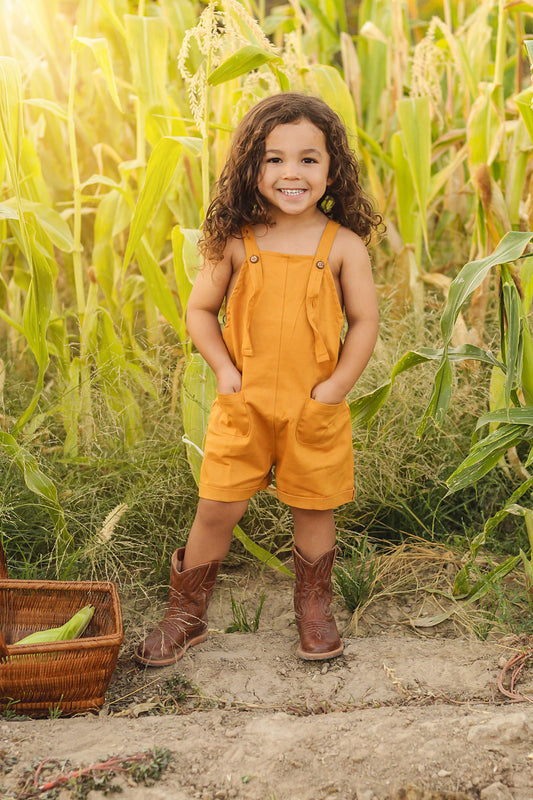
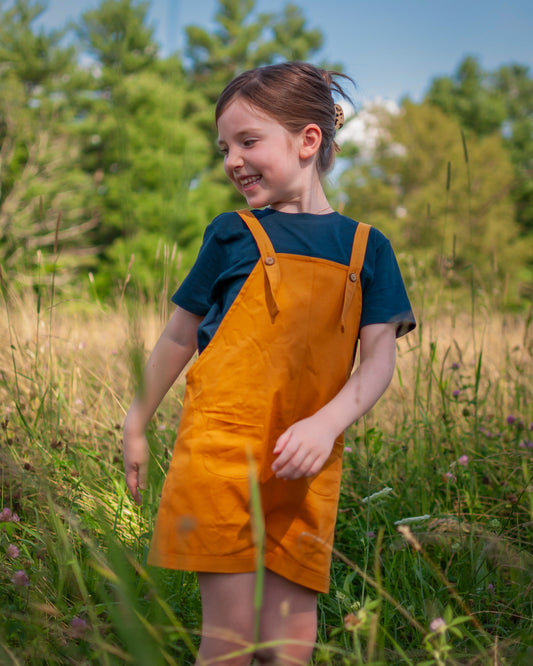
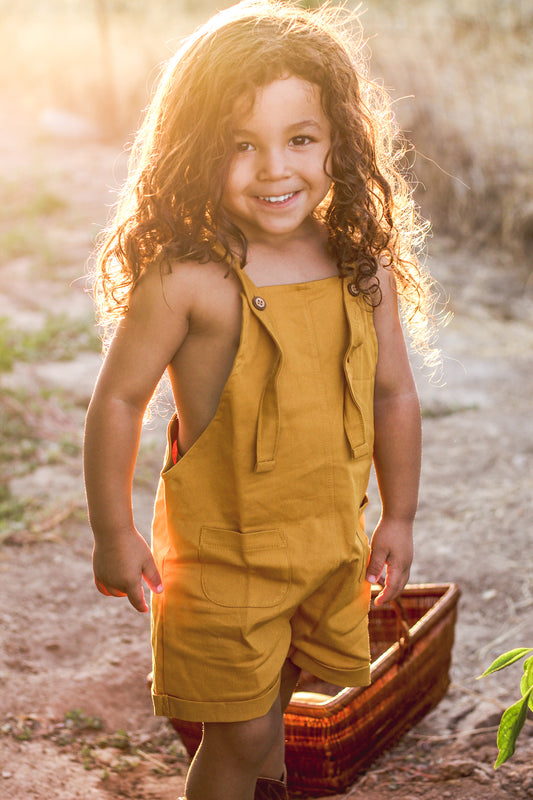
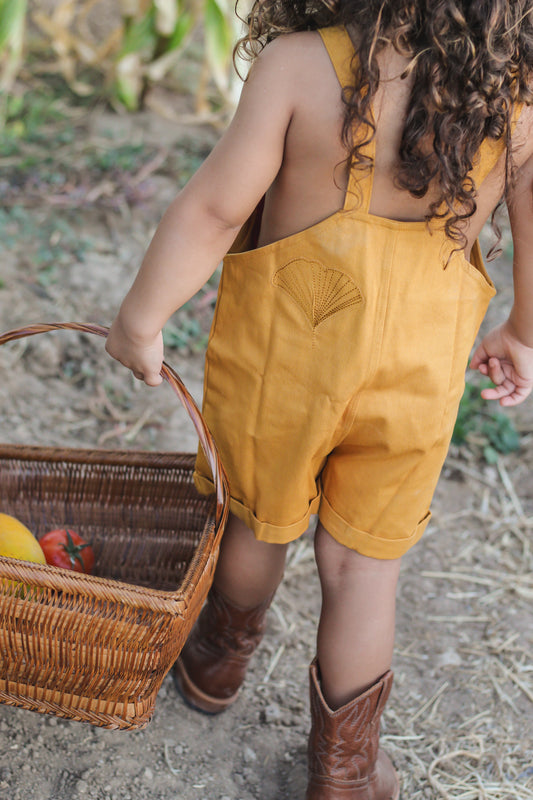
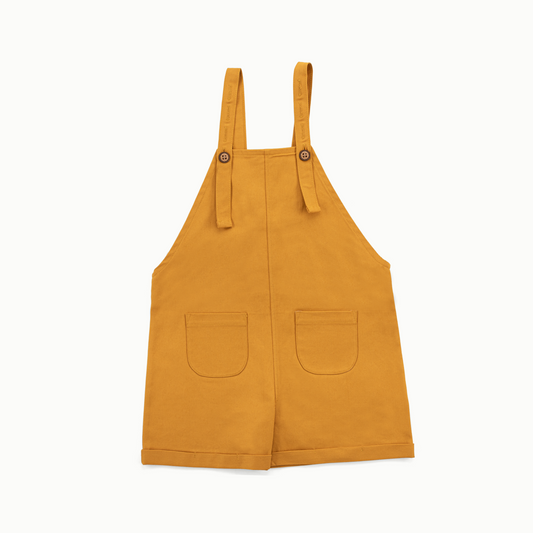
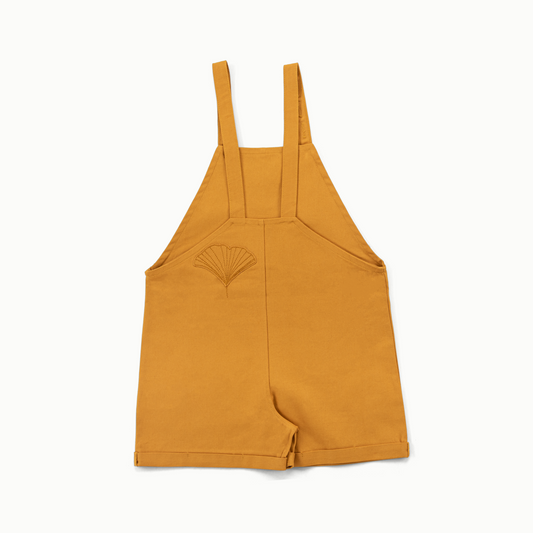
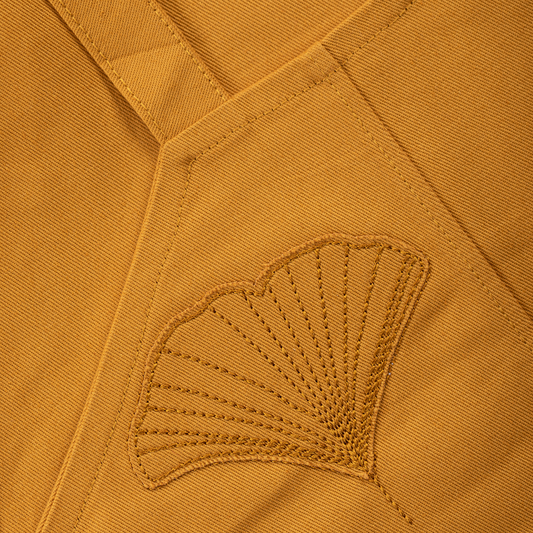 30% OFF$43.402-3,3-4,4-5,5-6,6-7,7-8,8-9,9-10 yearsSELECT SIZE$23.87
$43.402-3,3-4,4-5,5-6,6-7,7-8,8-9,9-10 yearsORGANIC COTTON GINKGO ROMPER IN TASSELRegular price $43.40Regular priceUnit price per$62.00Sale price $43.40 -
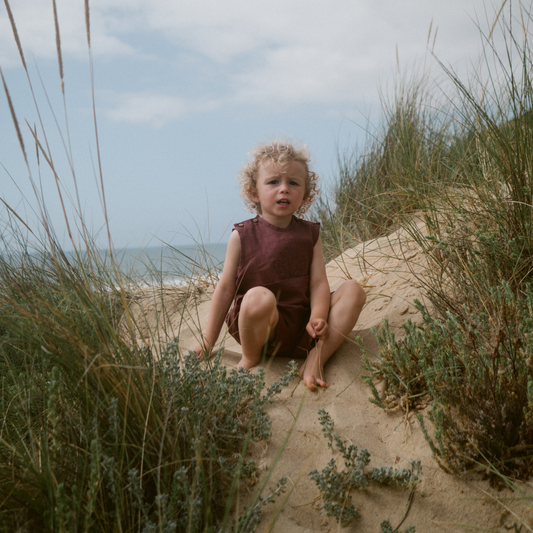
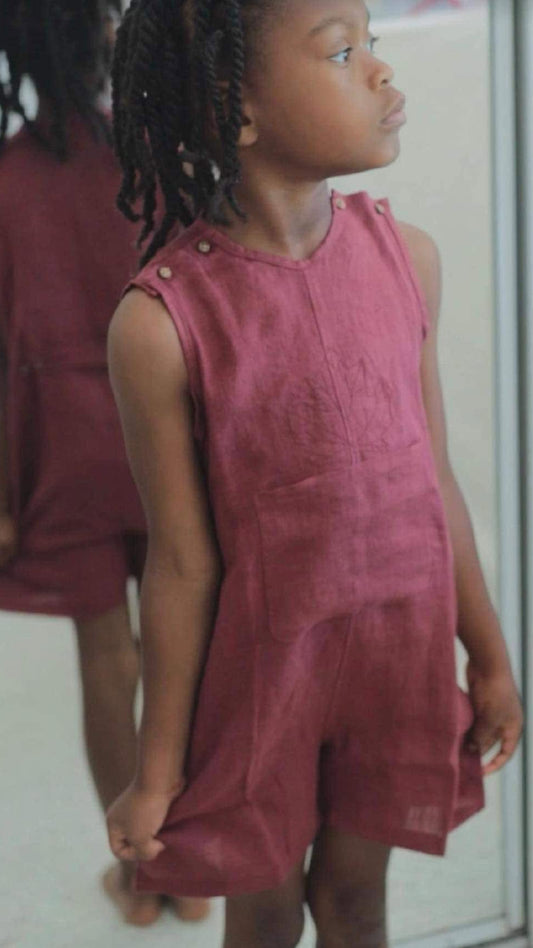
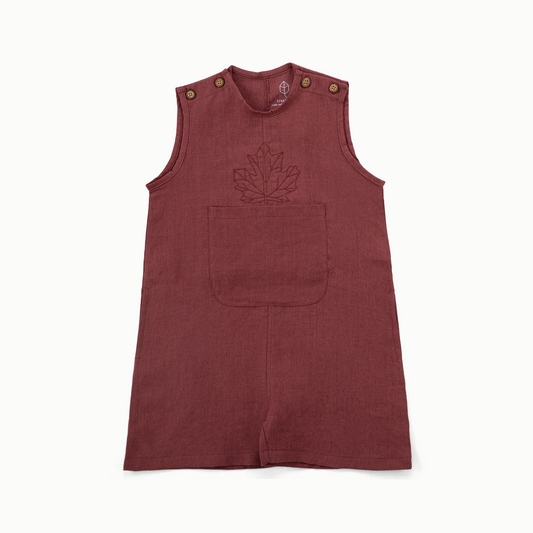
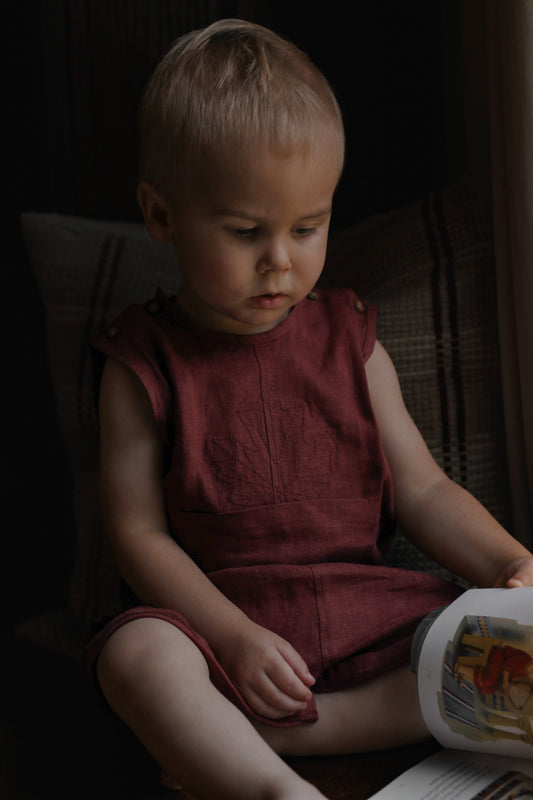
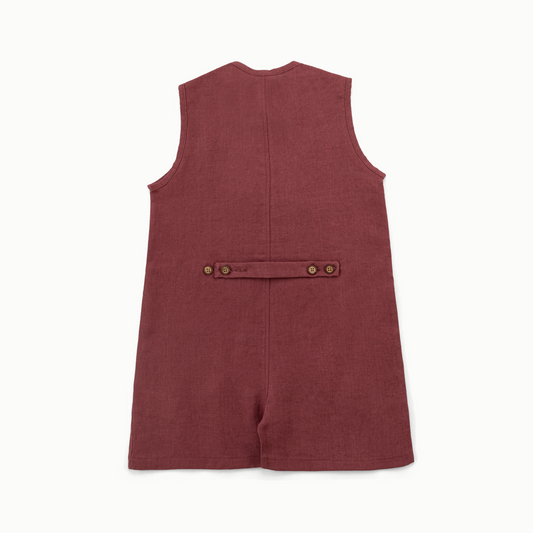
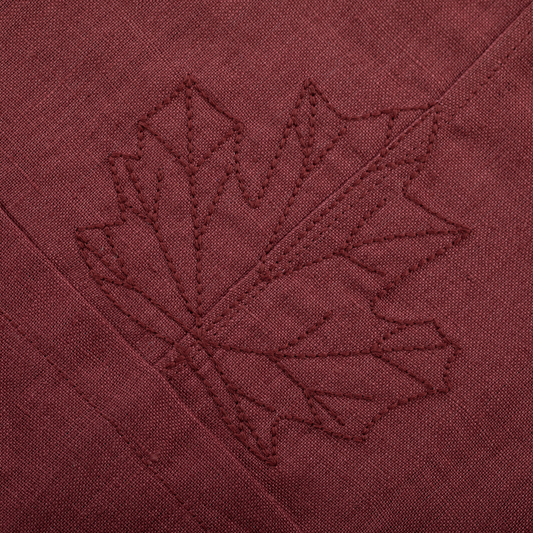
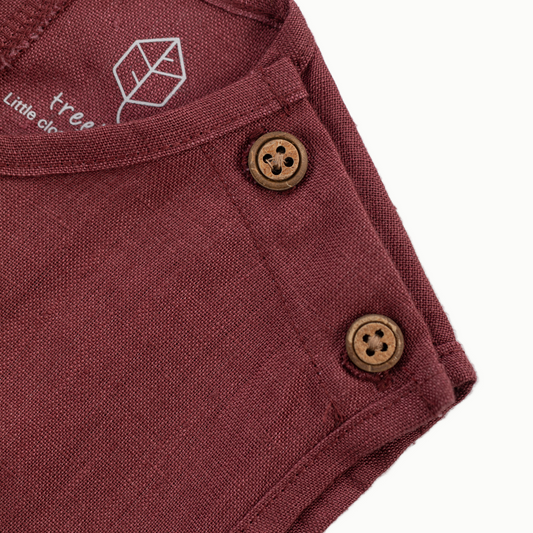 30% OFF$49.002-3,3-4,4-5,5-6,6-7,7-8,8-9,9-10 yearsSELECT SIZE$26.95
$49.002-3,3-4,4-5,5-6,6-7,7-8,8-9,9-10 yearsMAPLE ROMPER IN CANYON CLAYRegular price $49.00Regular priceUnit price per$70.00Sale price $49.00 -
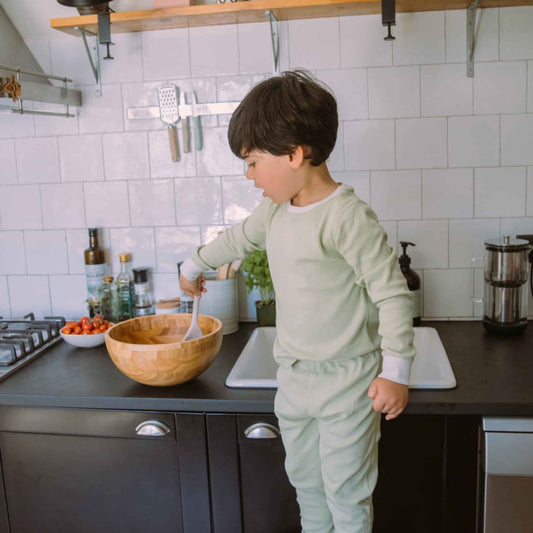
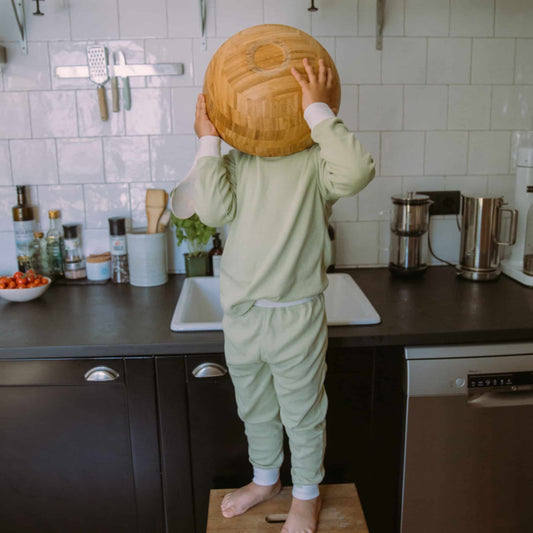
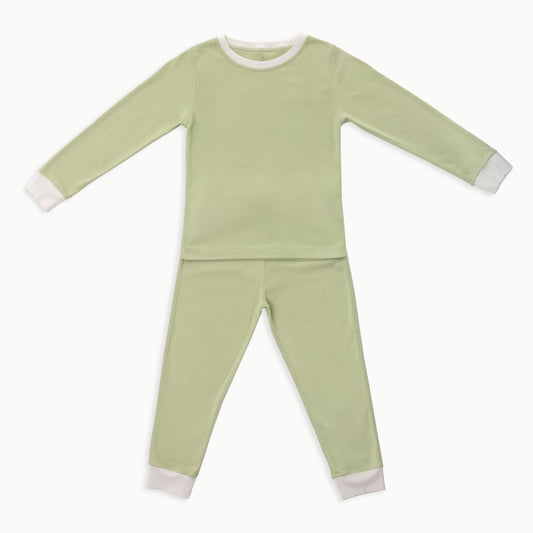
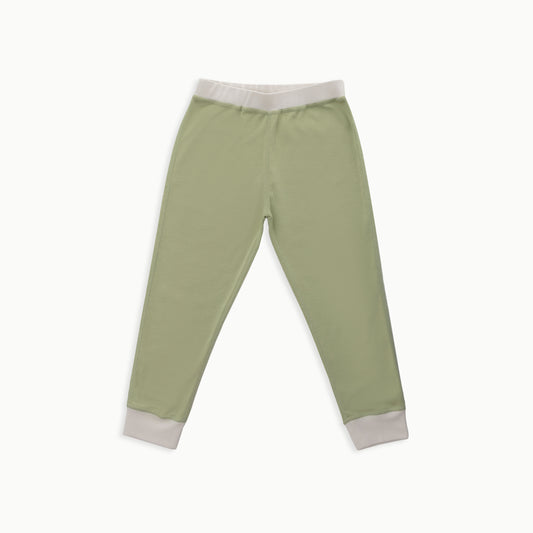 BUY 2 - 15% BUY 3 - 20% BUY 4 - 25%$40.002-3,3-4,4-5,6,7,8,9 yearsSELECT SIZE$40.002-3,3-4,4-5,6,7,8,9 yearsORGANIC COTTON LONG-SLEEVE PAJAMAS | SOLID GREENRegular price $40.00Regular priceUnit price per

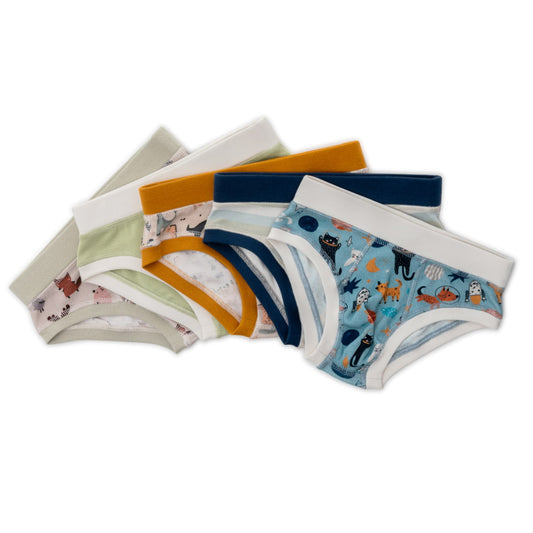
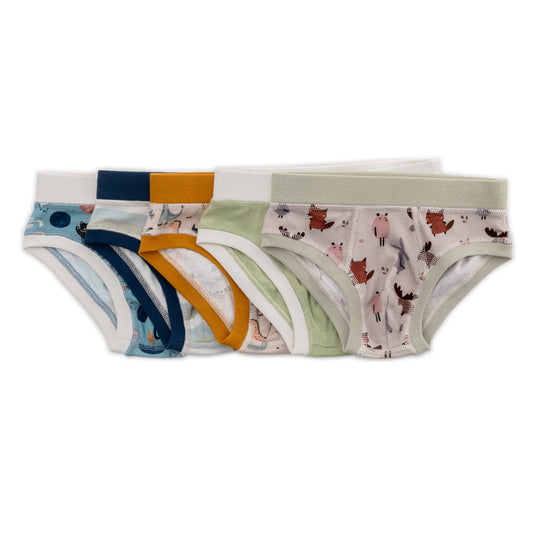
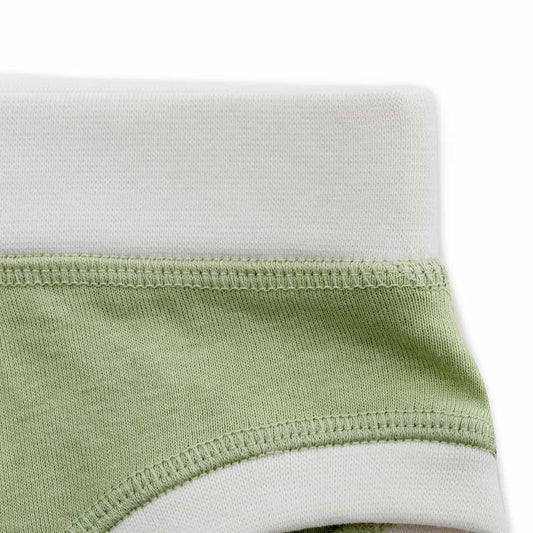
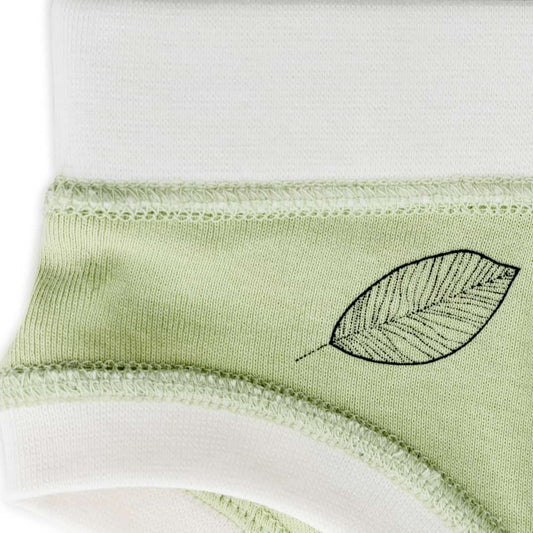
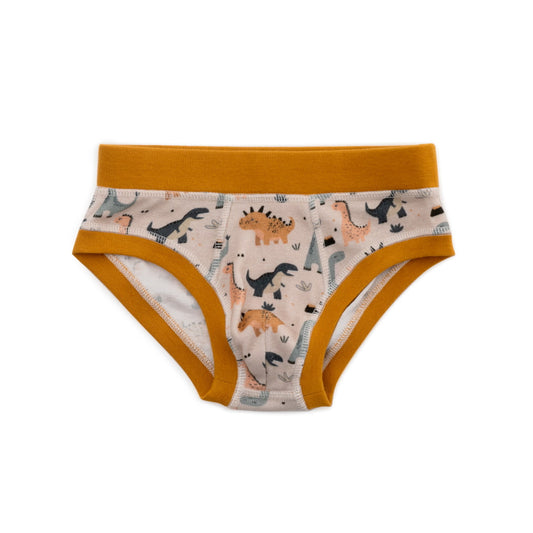
Underwear sizing is typically waist-focused. Socks are usually sized by age or shoe size, while hats rely on head circumference. Prioritize comfort and stretch, especially for everyday essentials.
-
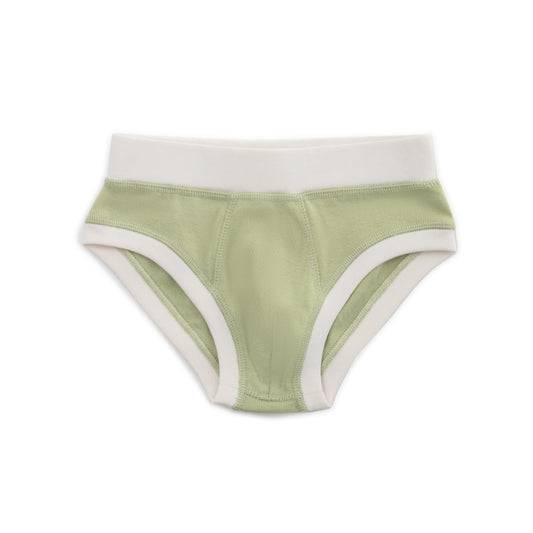
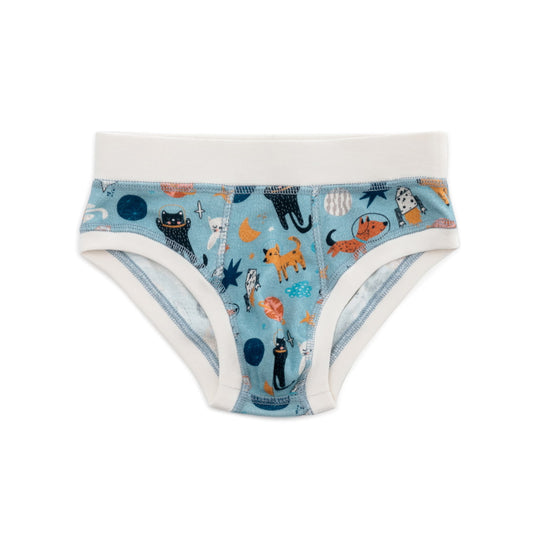
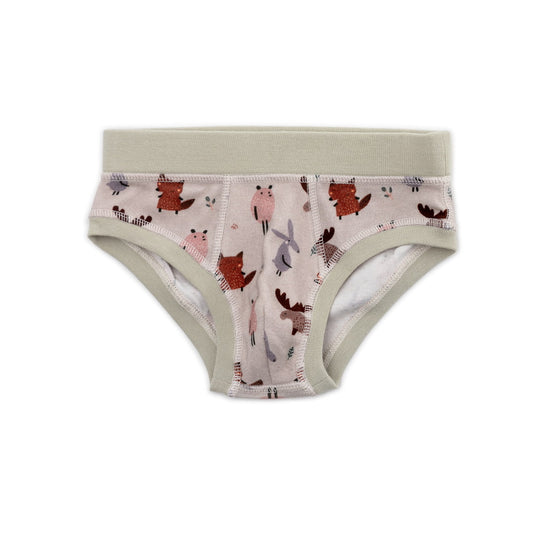
 BUY 2 - 15% BUY 3 - 20% BUY 4 - 25%$40.002-3,3-4,4-5,6,7,8,9 yearsSELECT SIZE$40.002-3,3-4,4-5,6,7,8,9 yearsORGANIC COTTON BOYS' BRIEFS MULTI-PACK | 5 COLORSRegular price $40.00Regular priceUnit price per
 -
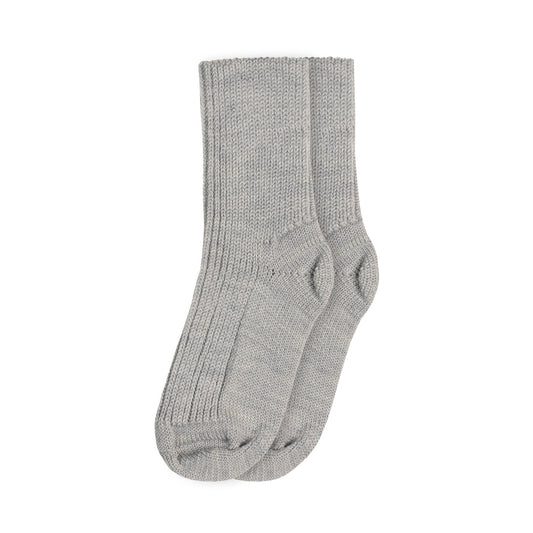 PRE-ORDER$19.95SELECT SIZE$19.95SOLD OUTPREORDER: MENIQUE 95% MERINO THICK RIBBED WOOL KIDS' CREW SOCKS IN LIGHT GREYRegular price $19.95Regular priceUnit price per
 -
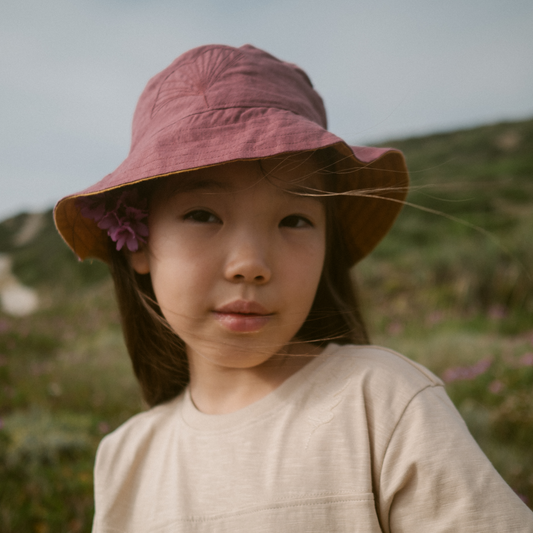
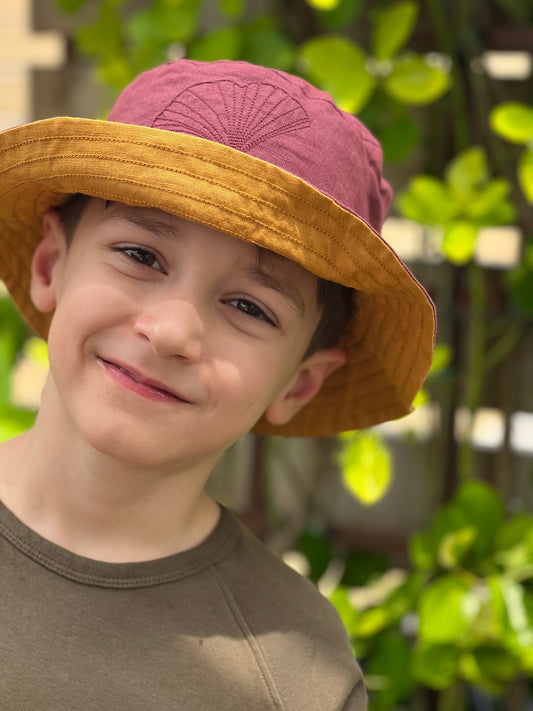
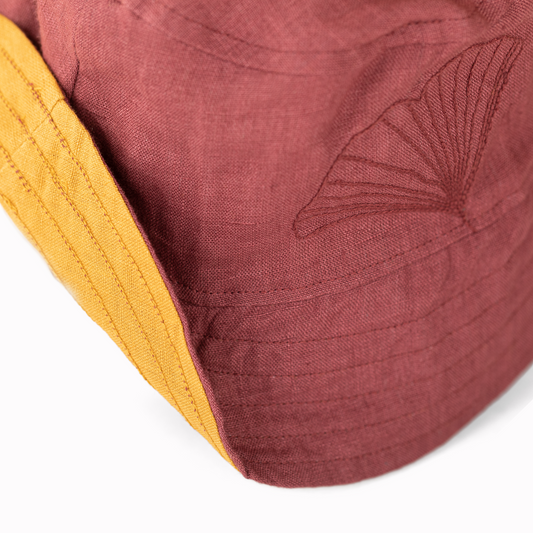
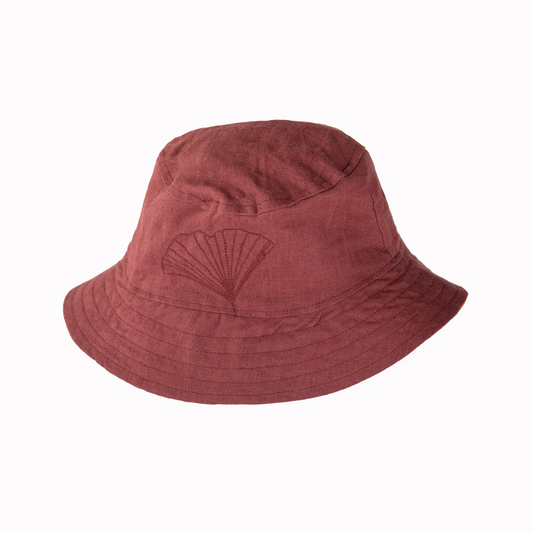
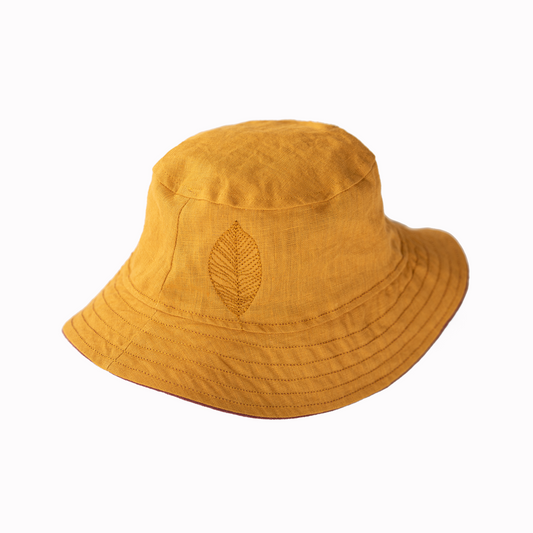
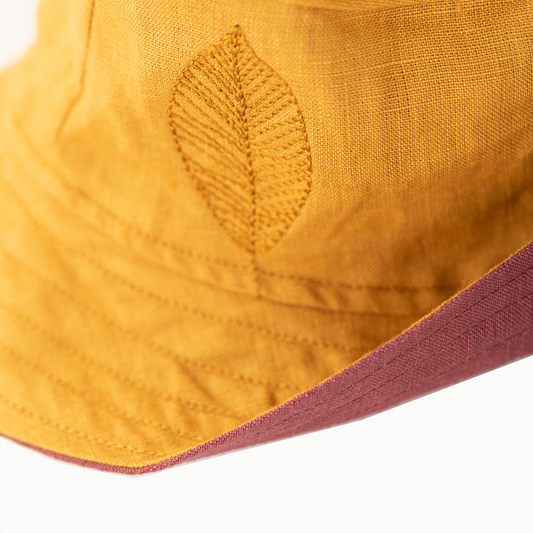
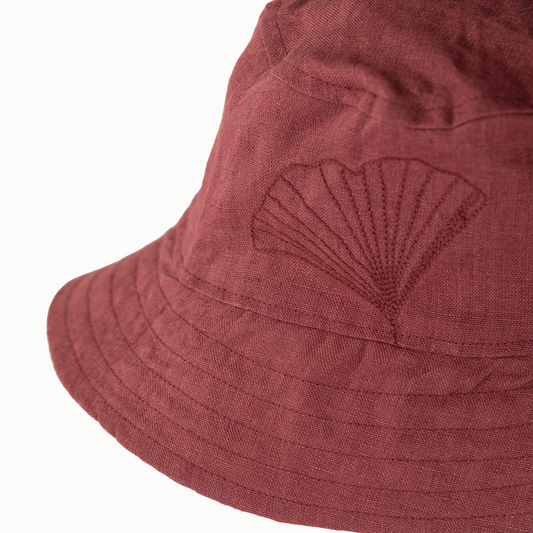 $29.00S,M,LSELECT SIZE$29.00S,M,LLINEN THREE-LEAF BUCKET HATRegular price $29.00Regular priceUnit price per
$29.00Sale price $29.00 -
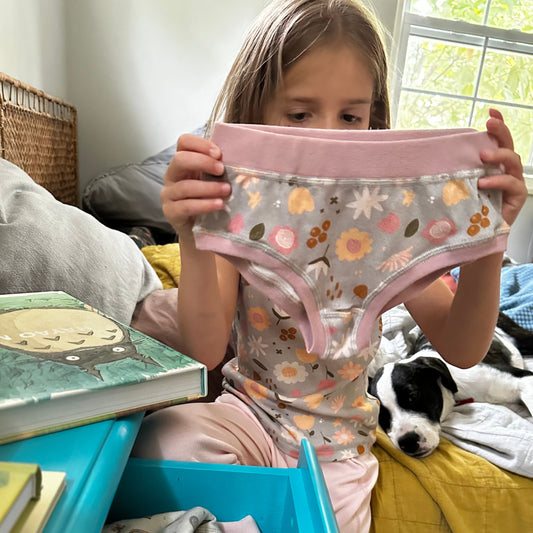
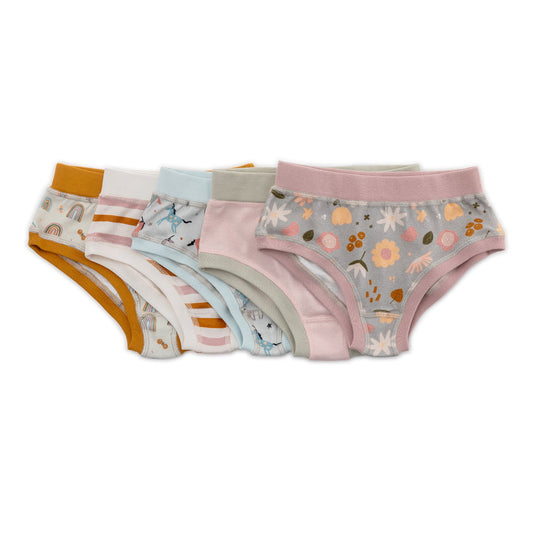
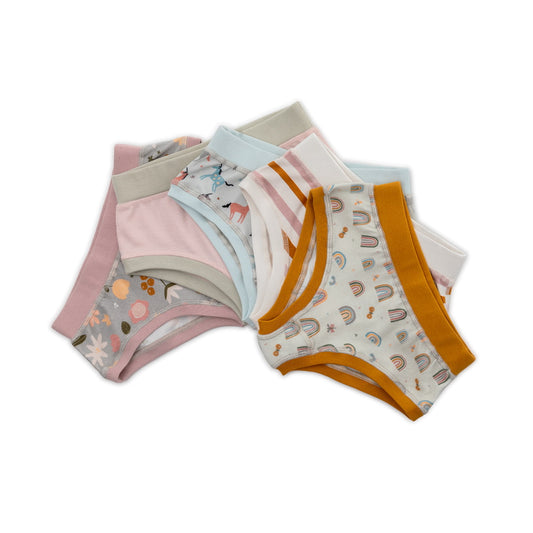
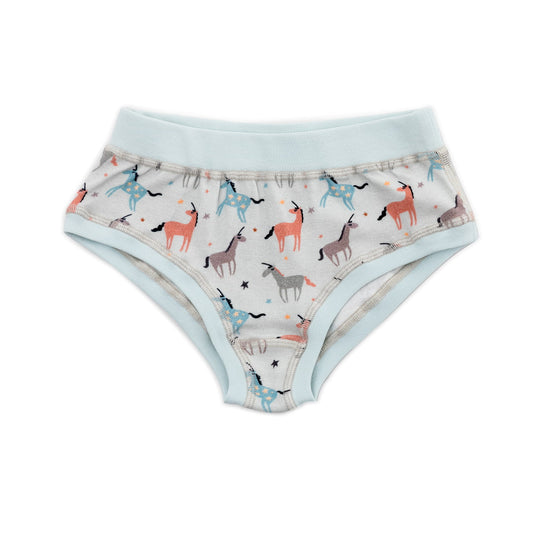
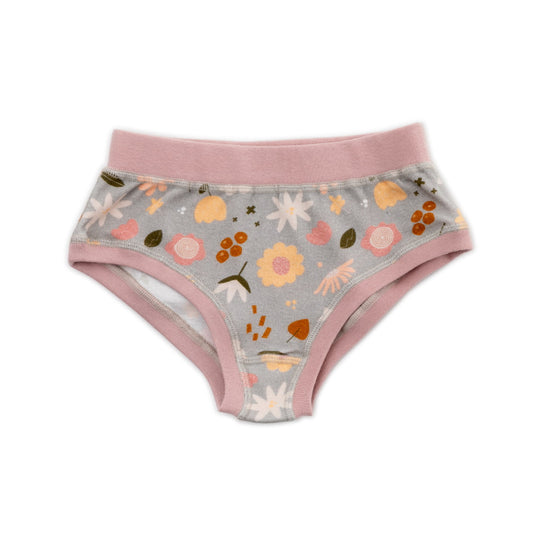
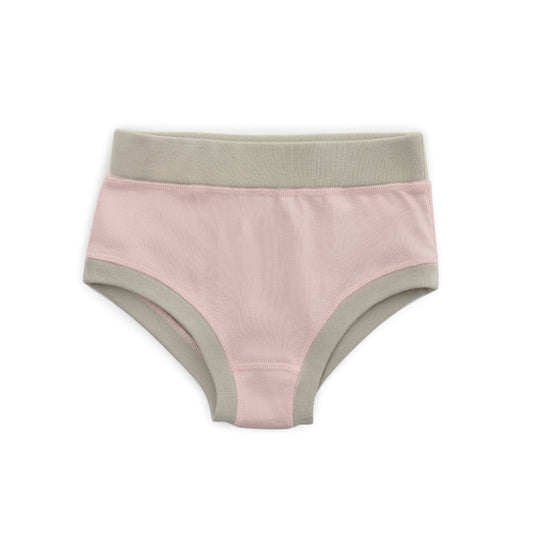
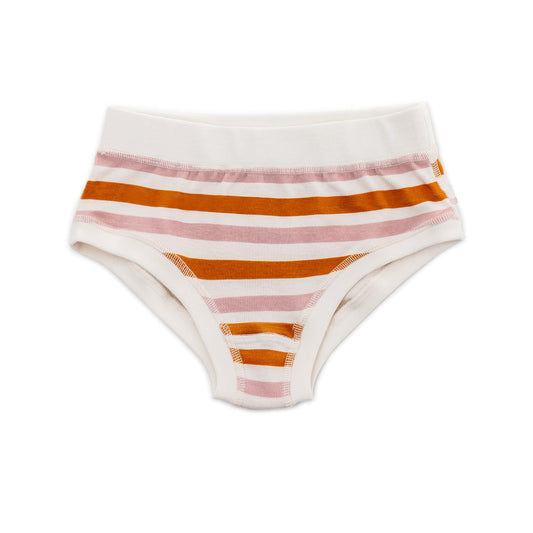
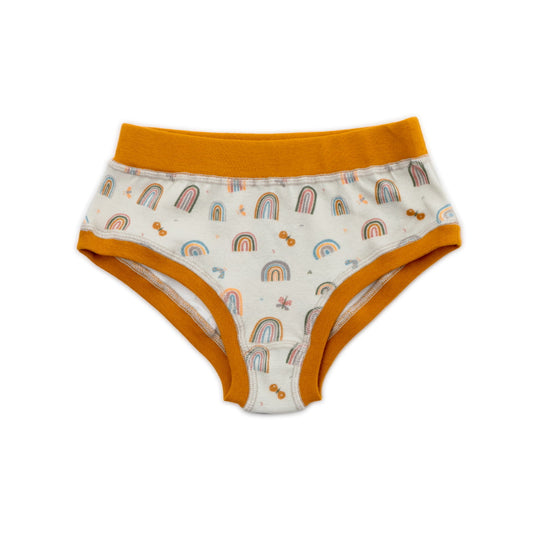
 BUY 2 - 15% BUY 3 - 20% BUY 4 - 25%$40.002-3,3-4,4-5,6,7,8,9 yearsSELECT SIZE$40.002-3,3-4,4-5,6,7,8,9 yearsORGANIC COTTON GIRLS' BRIEFS MULTI-PACK | 5 COLORSRegular price $40.00Regular priceUnit price per
 -
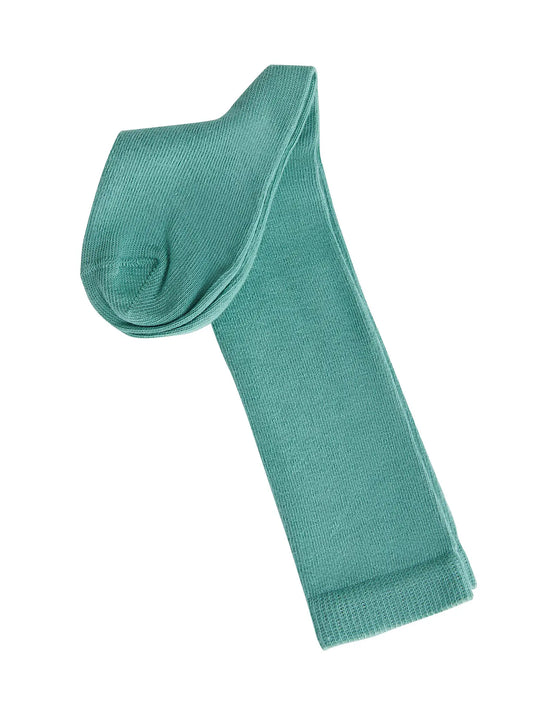 BUY 2 - 15% BUY 3 - 20% BUY 4 - 25%$50.00US Baby 5-7.5,US Toddler 8-9.5,US Little Kid 10-12.5,US Big Kid 13-3SELECT SIZE$50.00US Baby 5-7.5,US Toddler 8-9.5,US Little Kid 10-12.5,US Big Kid 13-3LEELA COTTON 98% ORGANIC COTTON KNEE-HIGH KIDS SOCKS, 6-PACK | MINT GREENRegular price $50.00Regular priceUnit price per
 -
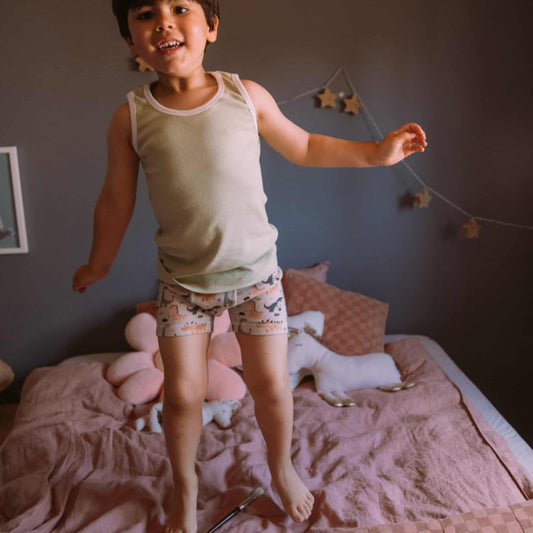
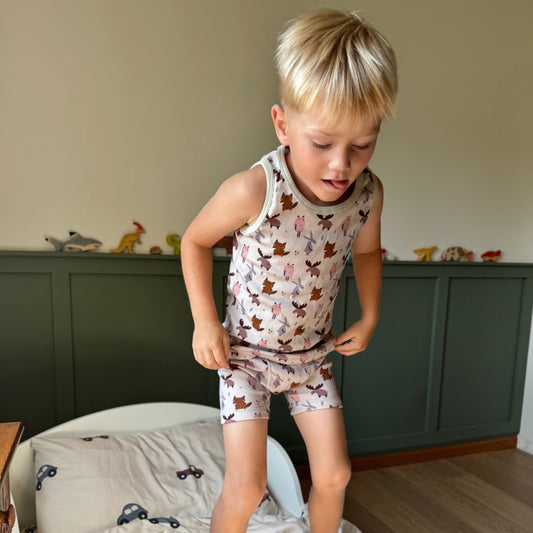
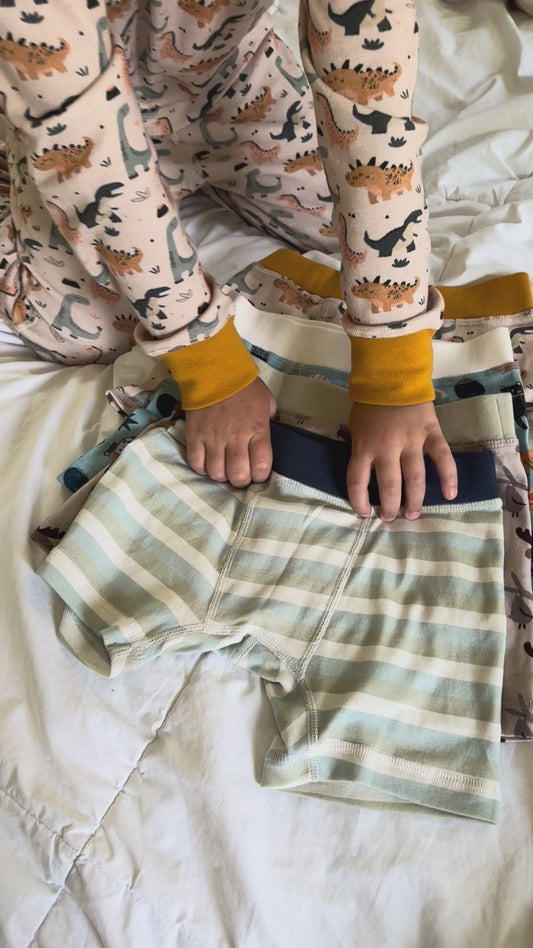
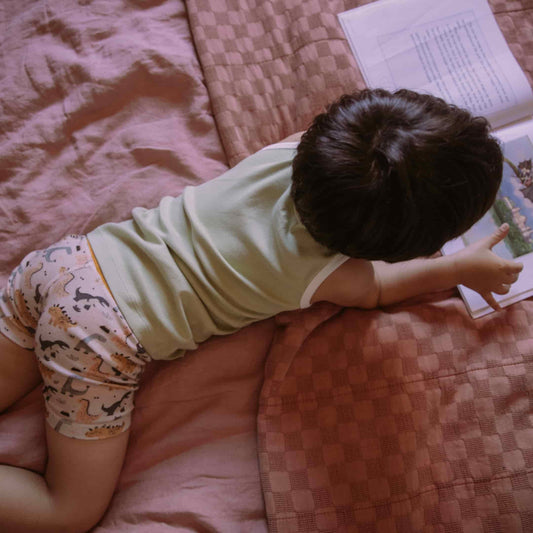
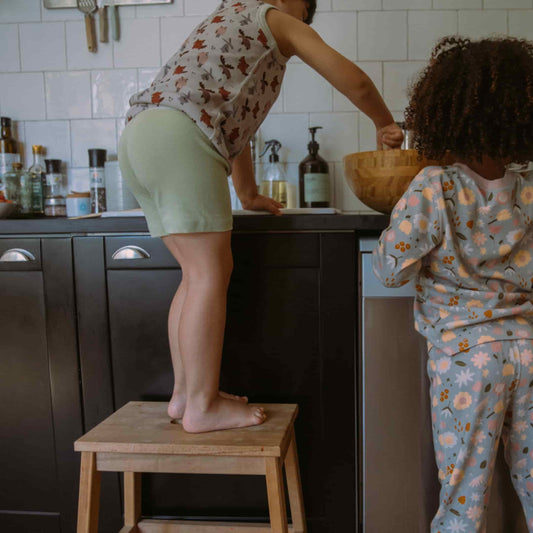
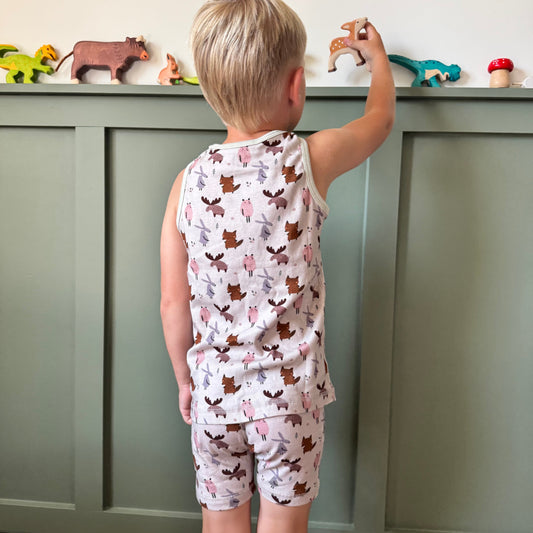
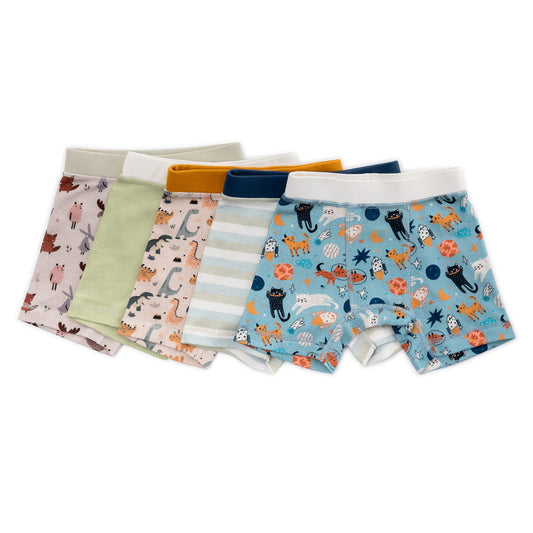


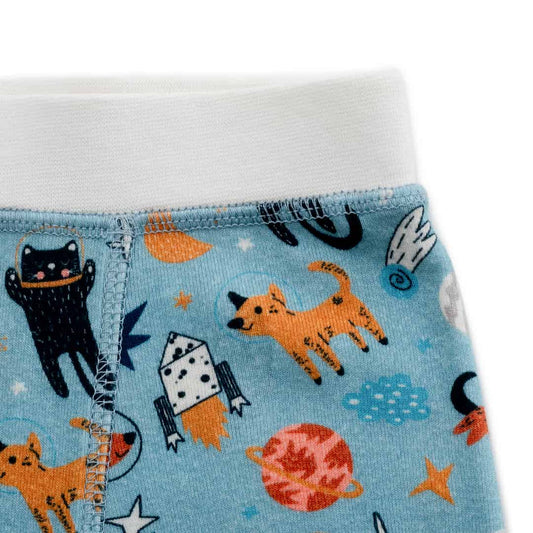

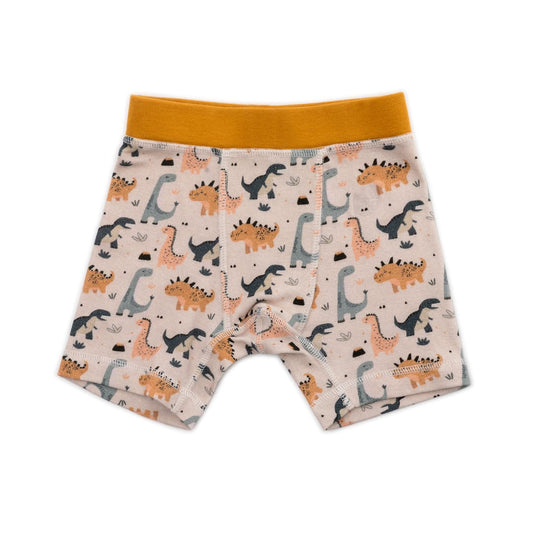
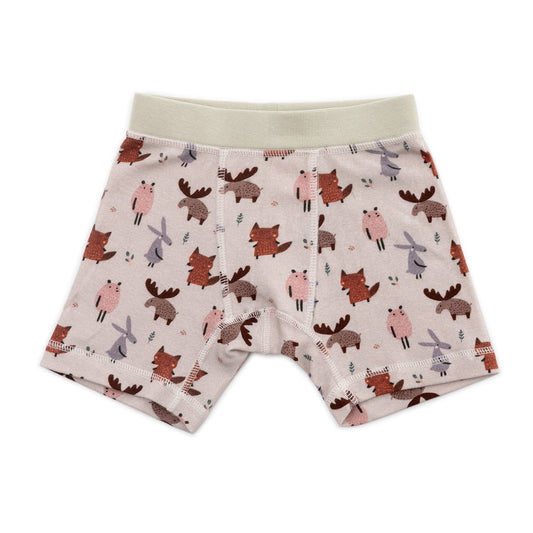
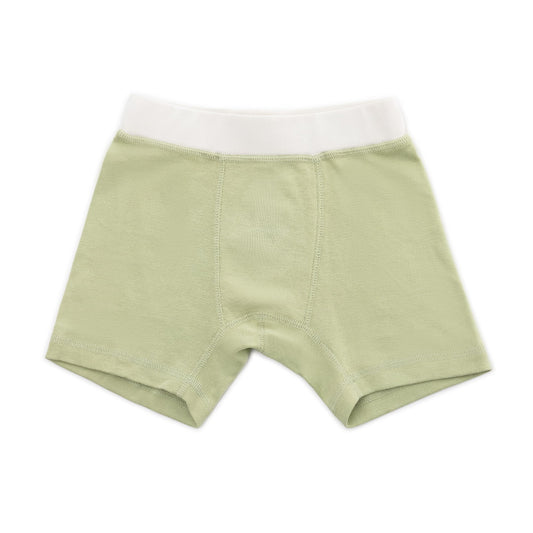 BUY 2 - 15% BUY 3 - 20% BUY 4 - 25%$40.002-3,3-4,4-5,6,7,8,9 yearsSELECT SIZE$40.002-3,3-4,4-5,6,7,8,9 yearsORGANIC COTTON BOYS' BOXER BRIEFS MULTI-PACK | 5 COLORSRegular price $40.00Regular priceUnit price per


Common Sizing Mistakes Parents Make
(And How to Avoid Them)
Buying based solely on age
Kids grow at different rates. Always check height and weight measurements.
Not accounting for growth.
Clothes may be outgrown quickly. Size up for long-term or seasonal items.
Ignoring fabric stretch.
Organic cotton has natural give; blends behave differently.
Measuring over bulky clothing.
This leads to inaccurate sizing. Measure in fitted clothes or underwear.
Not checking brand-specific charts.
A size 5 isn’t the same everywhere. Always review the brand’s chart.
Buying too small for a fitted look.
Restrictive clothing limits movement. Prioritize comfort.
Confusing toddler and kids sizes.
4T and size 4 are cut differently.
Forgetting about shrinkage.
Check care instructions and whether garments are pre-shrunk.
When to Size Up vs. Size Down
Size Up When:
- Your child is near the top of the size range
- Buying seasonal items meant to last
- Your child is in a growth spurt
- Purchasing gifts in advance
- Layering is required
- You prefer a relaxed fit
Size Down When:
- Your child is at the lower end of measurements
- Buying fitted items like underwear
- Choosing organic cotton basics with stretch
- Safety requires a closer fit (e.g., pajamas)
- Your child is petite
When You're Between Sizes:
- Prioritize the most important measurement
- Check reviews for fit notes
- Consider the season
- Factor in potential shrinkage
- Reach out to customer service with measurements
Seasonal Sizing Considerations

summer sizing
Opt for looser fits to improve airflow. Organic cotton helps regulate temperature and keep kids cool. Consider slightly longer shorts or tees for sun coverage.

winter sizing
Leave room for layers, especially in tops and pants. Sleeve and leg length matter for warmth. Organic cotton works well as a soft base layer.

transitional seasons
Choose versatile pieces that layer easily. Medium-weight fabrics and flexible fits allow for temperature changes.
Growth Spurts: What to Expect by Age
Growth patterns vary, but ages 2–3 often see rapid changes, ages 4–6 tend to be steadier, and ages 7–10 can vary widely before puberty. Most kids stay in a size for about 3–6 months.
Signs it’s time to size up include sleeves or pants becoming short, snug waistbands, or restricted movement. Planning ahead by buying one or two staples in the next size can help. Investing in durable basics allows clothes to last through multiple children or hand-me-downs.
Sizing for Special Circumstances
Tall or Petite Children
Length measurements matter most. Look for adjustable waists and cuffs to customize fit.
Children with Sensory Sensitivities
Soft, tag-free organic cotton can reduce irritation. Prioritize comfort over appearance and look for seamless construction.
Active or Athletic Kids
Allow extra room in hips and thighs. Stretch and durability are important for high-movement play.
Frequently Asked Questions
It varies by brand. Treehouse Kids follows standard US sizing.
When measurements approach the upper range or clothes appear short.
Refer to the size up vs. size down guidance and consider the garment type.
Minimal shrinkage if pre-shrunk; follow care instructions.
No. Kids’ proportions differ through ages 10–12.


