


Why Kids’ Underwear Style Matters
Underwear sits on some of the most sensitive areas of the body.
When fit or fabric is off, even slightly, kids feel it immediately.
Comfort Affects Mood & Focus
Physical discomfort has been shown to increase distractibility and irritability in children.
(American Academy of Pediatrics, HealthyChildren.org)
If underwear pinches at the waist, digs into leg openings, rides up, or bunches under uniforms, kids adjust constantly.
Over time, this turns into resistance:
“I don’t like these.”
“They feel weird.”
“I don’t want to wear underwear.”
Kids with sensory differences, eczema or other sensitivities are even more likely to experience this discomfort.
Skin Health & Irritation
Children’s skin is thinner and more prone to irritation than adult skin.
(National Eczema Association)
Friction from tight leg openings, thick elastic, or bulky seams can contribute to:
- redness
- chafing
- itching
- moisture trapping
- secondary irritation in children prone to eczema or dermatitis
A properly fitted style reduces mechanical friction, one of the most common but overlooked skin triggers.

Hygiene & Accident Prevention
Underwear that shifts or gapes can increase minor leaks during potty training. According to pediatric continence guidance, a secure but comfortable fit helps children feel early bladder signals and respond more quickly.
Boxers that are too loose can lead to dribbling. Briefs that are too tight can cause discomfort that discourages bathroom use.
Style influences how well underwear supports toilet independence.
Independence & Motor Development
Many parents don’t realize that managing underwear independently supports motor development — which is why therapists recommend easy, self-managed styles.
Underwear that’s:
- too tight
- overly elasticated
- bulky
- or too long in the leg
can delay independence simply because it’s harder to manipulate.
When the style works, kids don’t think about it — they just move through their day, building skills as they go.

Sleep & Overnight Wear
Underwear and pajamas stay closest during sleep, when growth hormone peaks and the body repairs tissue.
(National Institutes of Health, sleep physiology research)
That’s 10–12 uninterrupted hours of contact against warm, permeable skin.
Breathability, softness, and seam placement matter more overnight than during short daytime wear.
The “best” underwear isn’t universal. It depends on:
• age
• stage (potty training vs. independent school years)
• activity level
• sensory preferences
• skin sensitivity
• body proportions
Most daily underwear battles aren’t about discipline.
They’re about choosing the right style for the right stage.
When Kids Start Wearing Underwear
There is no universal “right age” to start wearing underwear. The transition from diapers to underwear is developmental, not calendar-based.
The American Academy of Pediatrics notes that most children begin showing potty readiness between 18–36 months, but readiness varies widely. Signs include staying dry for longer stretches, awareness of wetness, and interest in using the toilet.
Underwear should follow this readiness, not pressure.
From Diapers to Underwear
Moving to underwear is always a progression, not a milestone you hit overnight.

Most children begin with:
• Daytime underwear once they show consistent bladder control
• Continued nighttime protection until neurological bladder maturity develops
Nighttime dryness can lag years behind this daytime control. The International Children’s Continence Society notes that nighttime bladder control is largely hormonal (vasopressin regulation) and neurological, not behavioral.
It is completely normal for a child to wear underwear during the day and protection at night for an extended period.
Best First Underwear Styles to Start With
Parents often ask: What should I buy first?
At the beginning, prioritize security and coverage over aesthetic preference.
Early underwear should feel predictable. Overly loose or complex styles can create small leaks or discomfort that undermine confidence.

• Snug but not tight waistbands
• Full coverage through the seat
• Leg openings that stay in place
• Simple construction with minimal seams
• Ease of movement
• Soft, breathable fabric
• Easy pull-up and pull-down function
• No twisting or bunching
Early underwear should feel predictable. Overly loose or complex styles can create small leaks or discomfort that undermine confidence.

A classic brief or short boxer brief provides structure and coverage. These styles help prevent dribbling and shifting during early potty training. Loose boxers are usually better once control is consistent.

A full-coverage brief or hipster offers security without riding up. Early on, avoid very narrow bikini cuts, which can shift more easily during movement.
Underwear Styles by Gender
While boys’ and girls’ underwear are often marketed differently, the real distinctions are functional, related to anatomy, coverage needs, and movement patterns.
Boys’ Underwear Styles

Supportive and secure with no leg fabric. Ideal for early potty training and active kids who prefer minimal bulk. Offers strong containment and reduced shifting.

Loose-fitting with more airflow. Best once bladder control is stable. Not ideal for early potty training due to less structure.

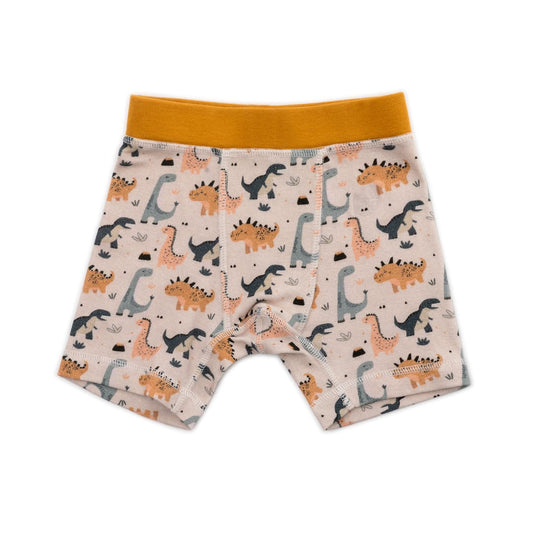
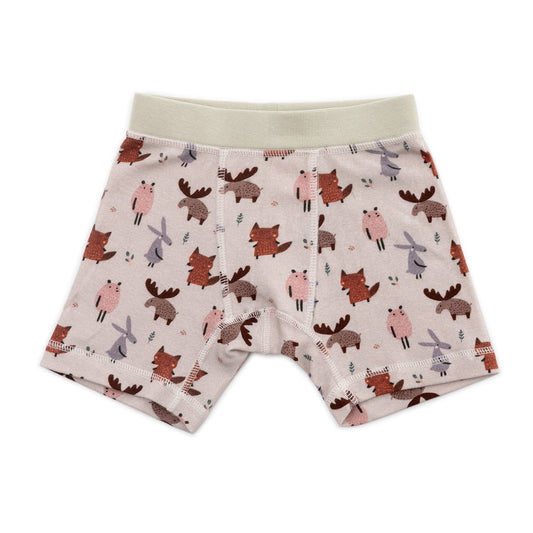
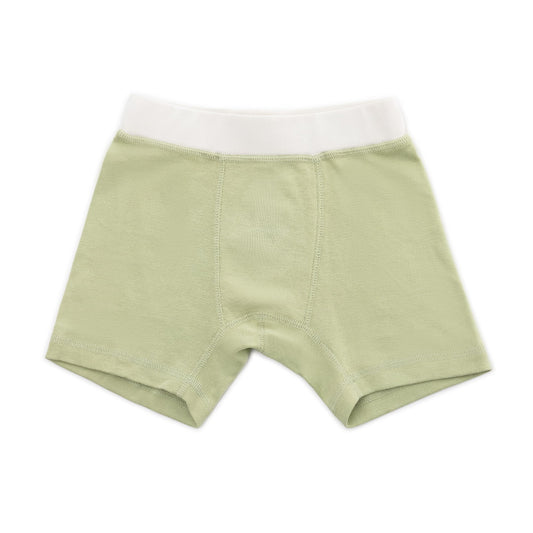
Longer leg coverage with a supportive fit. Popular for school-age boys who want comfort during sports and sitting. Helps reduce thigh chafing.

Designed with light absorbency for learning stages. Provides feedback if wet while preventing full accidents from leaking through clothing.
Explore our collection of boys' organic cotton underwear
designed for breathable, everyday wear.
Girls’ Underwear Styles

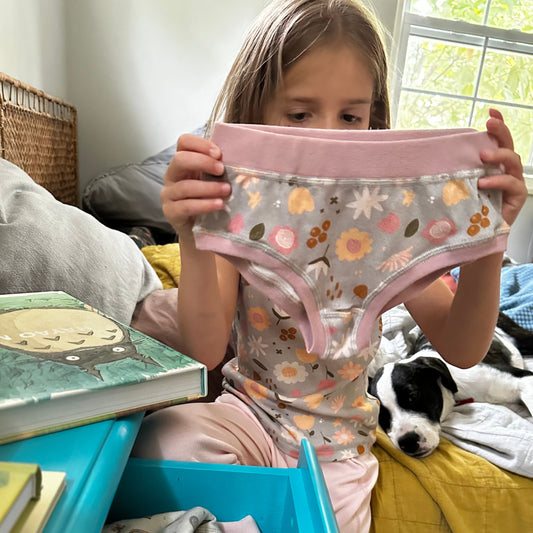
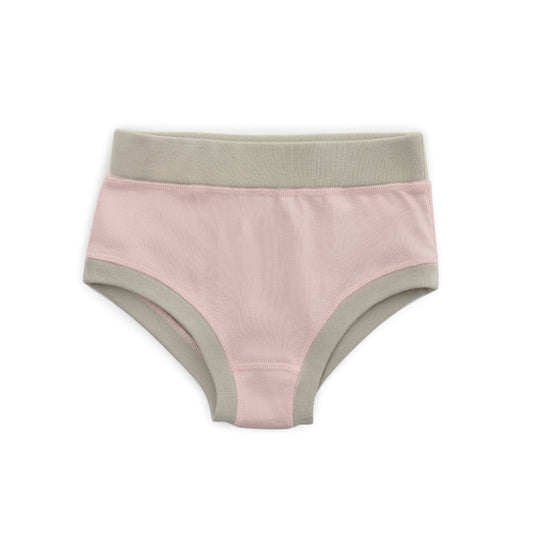
Full coverage front and back. Stable and comfortable for early training and school days.

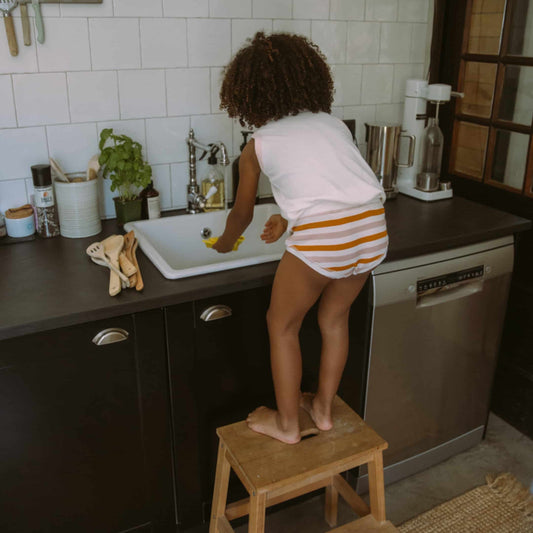
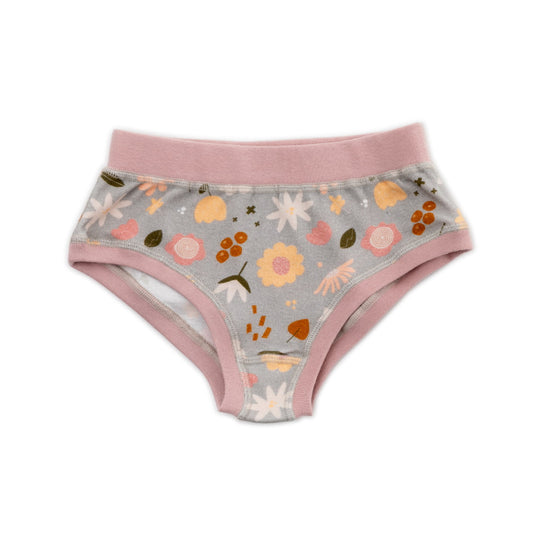
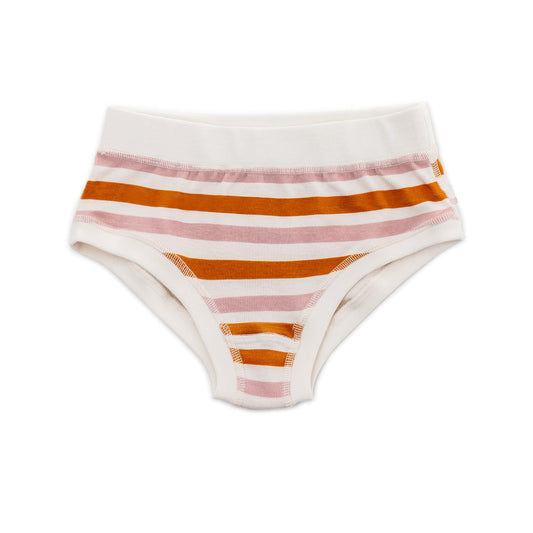
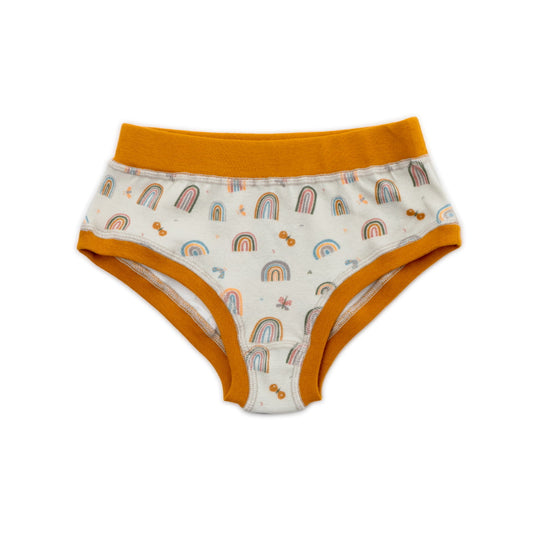
Mid-rise fit with a longer leg and fuller coverage. Stay-put design for everyday wear, active play, and girls who prefer a shorts-style silhouette.

Higher-cut leg openings and less fabric. Often preferred by older girls but may shift more during active play.

Lightly absorbent core for daytime potty learning. Encourages awareness while reducing clothing changes.
Browse our range of girls' organic cotton underwear
designed for softness and a reliable fit.
Functional Differences
More coverage offers security and reduces shifting. Less coverage may feel lighter, but can move more during activity.
Wider leg openings increase mobility but may ride up. Structured openings stay in place but must not pinch.
Longer leg styles reduce friction for active kids. Minimal styles reduce bulk under uniforms and fitted clothing.
Everyday Underwear Styles Parents Use Most
Most families settle into briefs or boxer briefs for boys and briefs or hipsters for girls after potty training stabilizes.
These styles balance:
- Comfort
- Breathability
- Security
- Durability
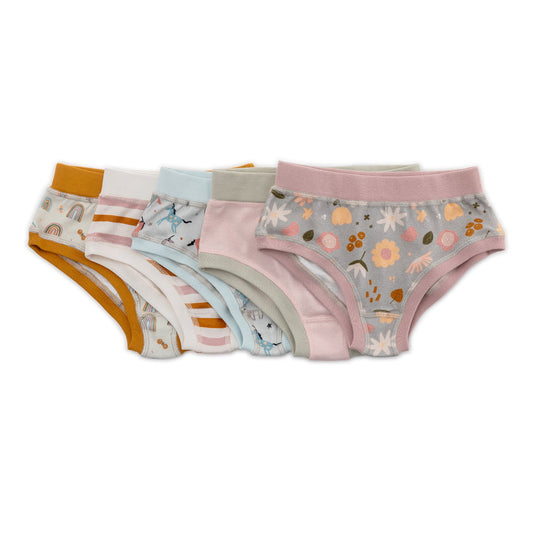
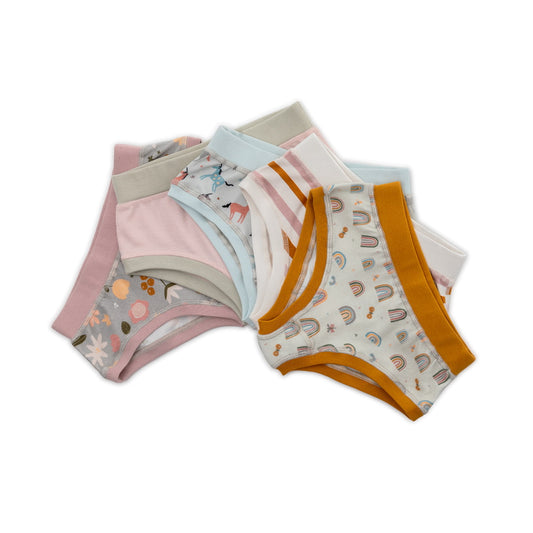
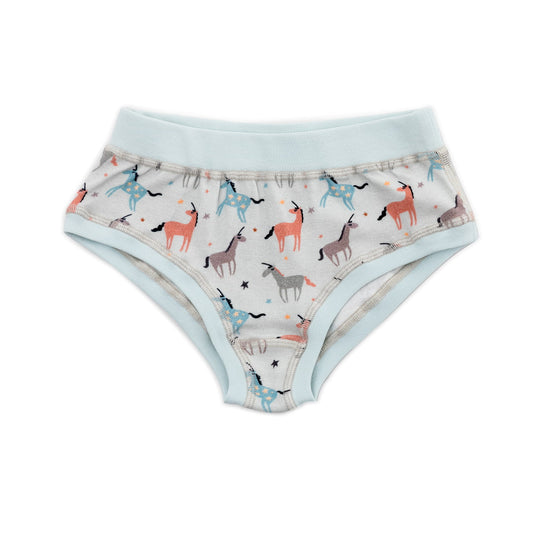
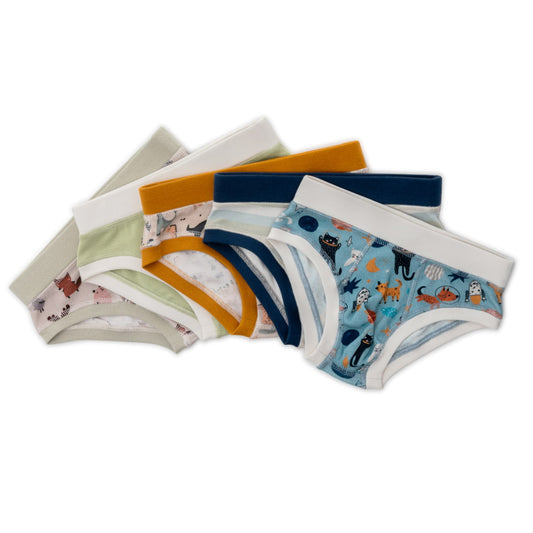
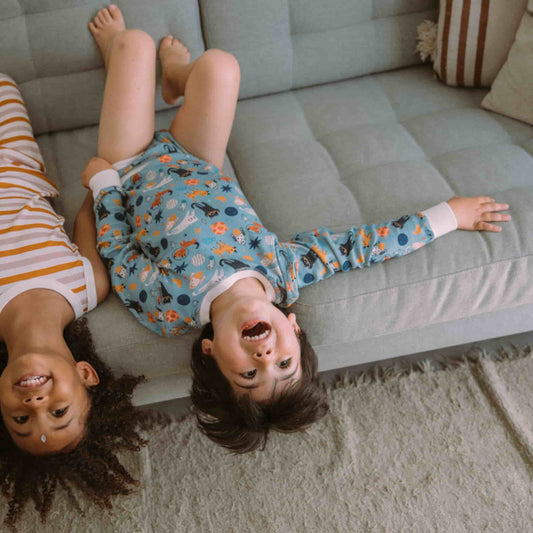
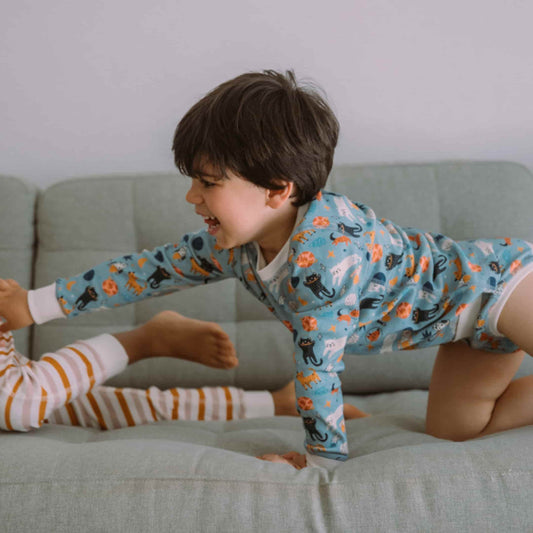
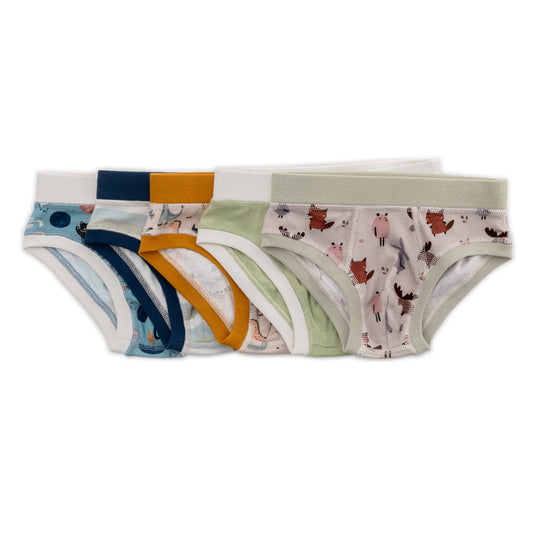
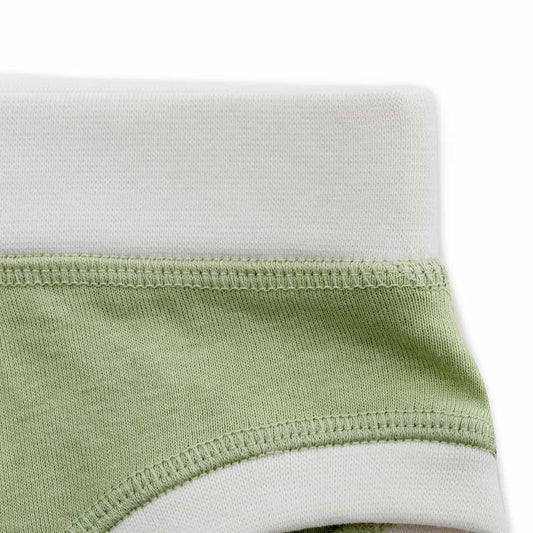
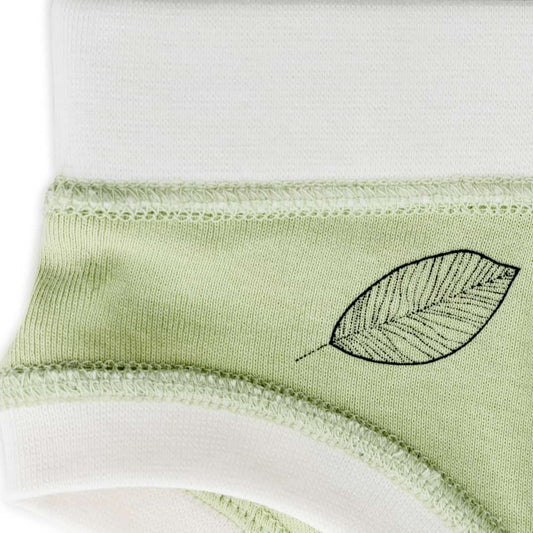
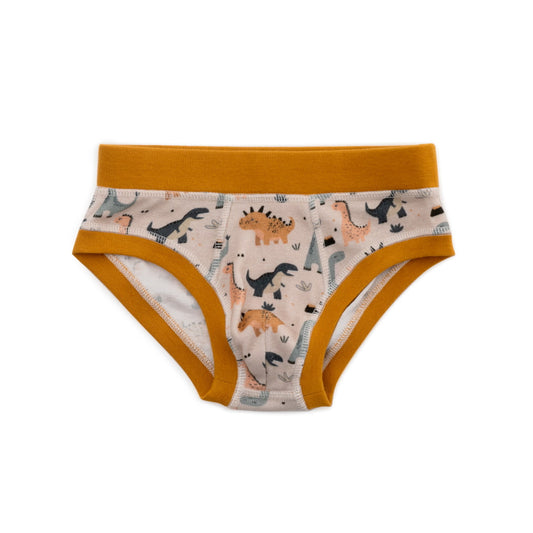
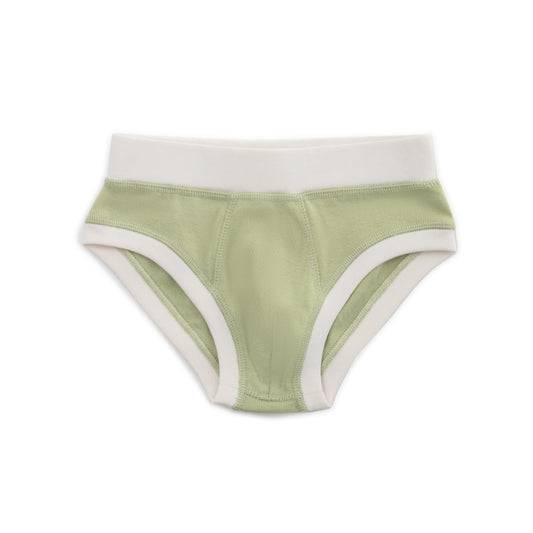
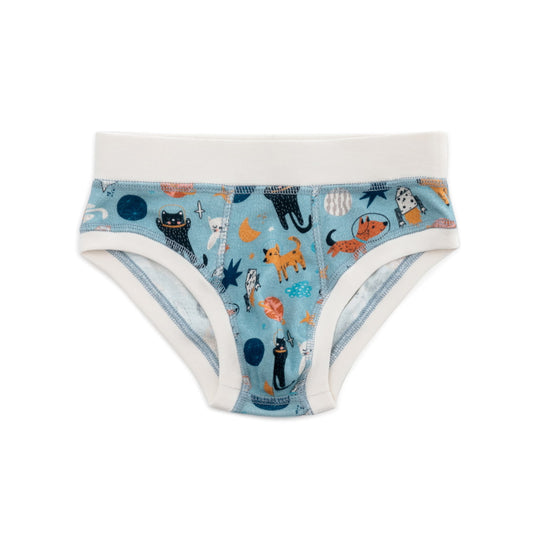
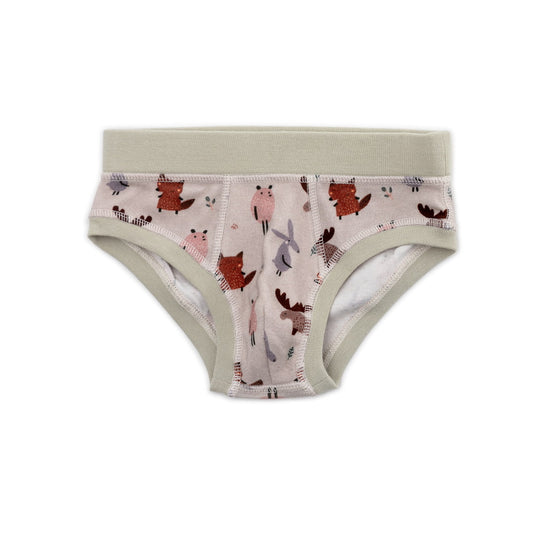
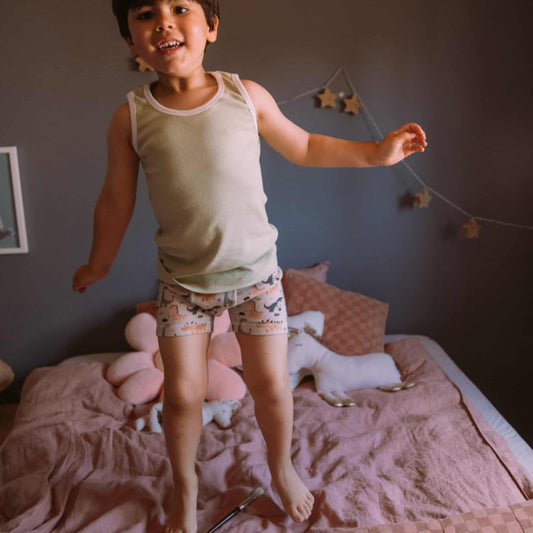
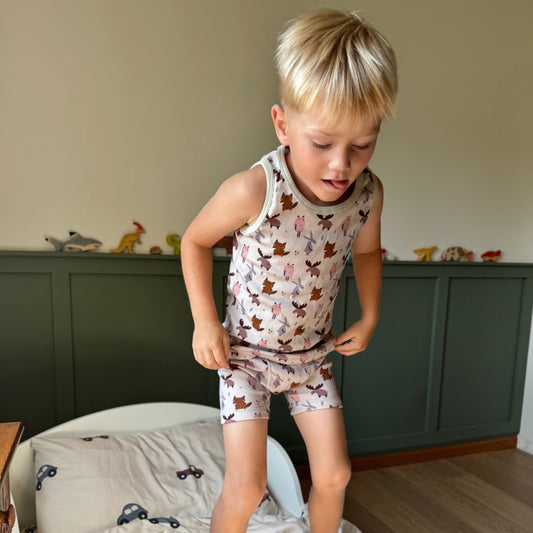
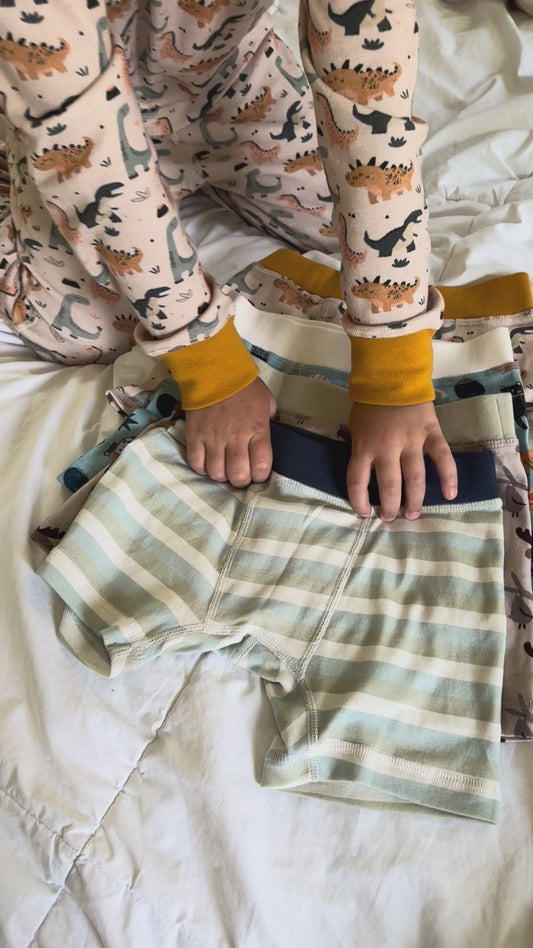
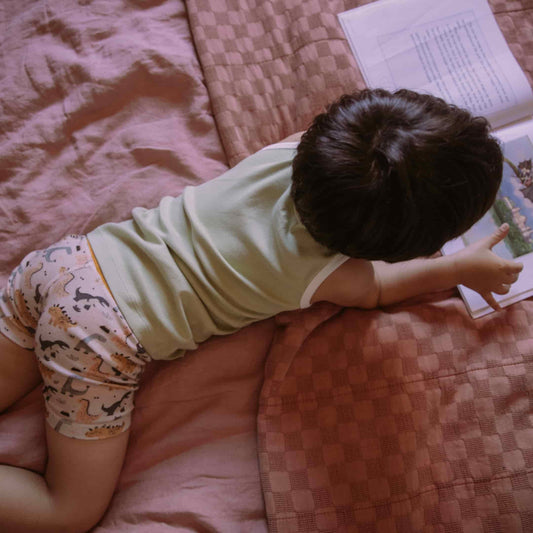
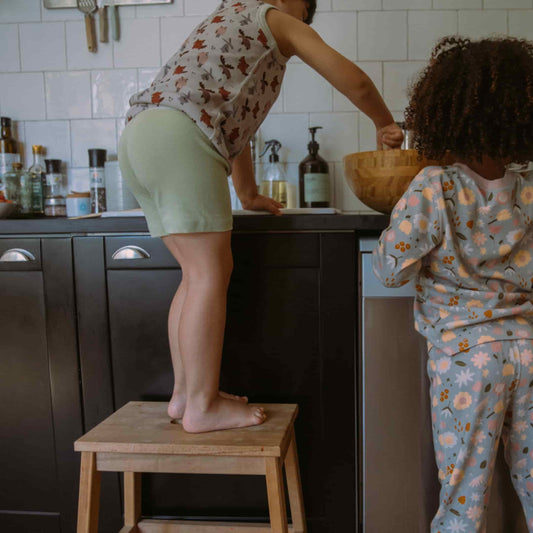
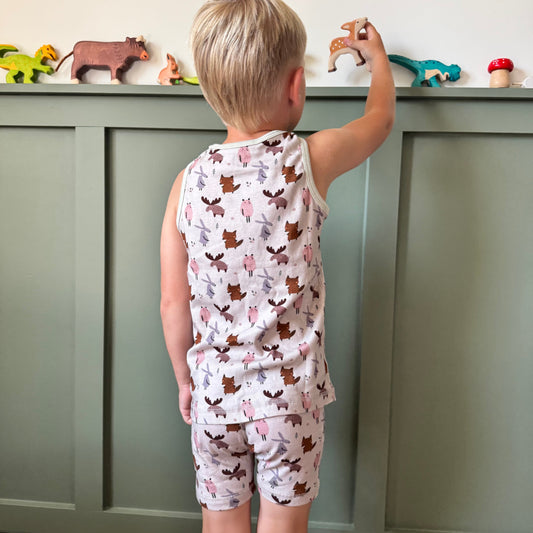
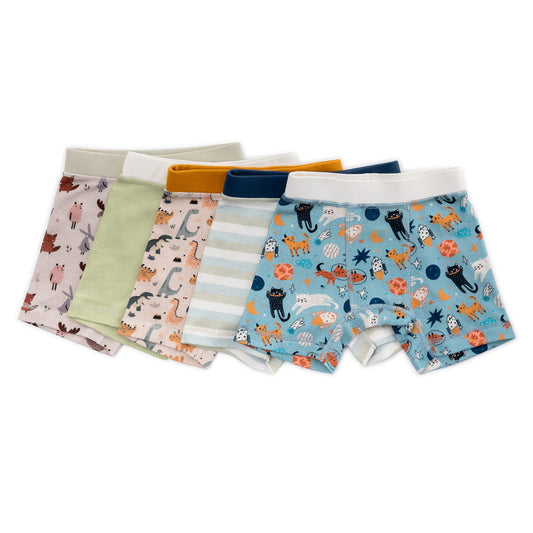
Shop Treehouse’s organic cotton underwear, available in multiple styles, sizes, and colors — designed to mix, match, and layer effortlessly.



Types of Kids’ Underwear Explained
Understanding the difference between everyday, training, and nighttime options prevents common frustration.
Everyday Underwear
Designed for children with stable daytime bladder control. Lightweight, breathable, and non-absorbent. Best once potty training is consistent and accidents are rare.
Everyday underwear prioritizes comfort over absorbency.
Training Underwear
Features light absorbency, not equivalent to diapers. Allows children to feel wetness, which supports learning. Reduces full outfit changes during small accidents.
Pediatric continence guidance emphasizes that feeling wetness is an important part of toilet learning. Fully absorbent diapers can delay awareness cues.
Nighttime or Absorbent Options
Underwear alone cannot manage true nighttime enuresis.
Nighttime dryness depends on neurological and hormonal maturity. Many children require nighttime protection well beyond daytime control, sometimes until age 6–7 or later.
This is developmental, not behavioral. Use absorbent solutions overnight if needed without shame.
Seamless vs Elastic Styles
SEAMLESS DESIGNS
Beneficial for sensory-sensitive children. Reduced seam friction decreases irritation and distraction. Often preferred by children with tactile sensitivities.
ELASTIC STYLES
Provide stronger hold and containment. Useful for early potty training or very active children who need secure placement.
How Fabric Choice Affects Underwear Style
Style determines fit. Fabric determines performance. Even the best-cut underwear will fail if the fabric composition traps heat, stretches out, or irritates skin.
Why Organic Cotton Performs Best in Most Styles
Cotton remains the most recommended fiber for children’s underwear because it is breathable, absorbent, and skin-compatible.
Organic cotton performs even better because it is grown and processed without harsh pesticide residues or formaldehyde-based finishing treatments commonly used in conventional textile processing.
In structured styles like briefs and boxer briefs, organic cotton:
• Holds shape without excessive cling
• Absorbs moisture instead of trapping it
• Reduces friction-related irritation

Explore our collection of kids' organic cotton underwear
designed for daily comfort and durability.
Breathability and Moisture Control
Children are active. Heat and sweat accumulate quickly.
Cotton fibers allow airflow and absorb moisture away from the skin. Synthetic fabrics like polyester may feel soft initially but are hydrophobic, meaning they repel moisture and can trap heat against the body.
Trapped moisture increases friction and can contribute to irritation, particularly in warm climates or during sports.
Why Some Fabrics Feel Soft but Trap Heat
Modal, bamboo viscose, and polyester blends may feel silky — but softness isn’t breathability.
Many synthetics:
• Trap heat
• Hold moisture
• Retain odor
• Lose shape over time
Heat and moisture matter, especially in underwear worn for long hours.
Unlike cotton, polyester is hydrophobic — it repels rather than absorbs moisture, leaving sweat against the skin. Synthetic fibers can also shed microplastics and contain residual processing chemicals.

Durability Differences by Style and Fabric
Longer-leg styles like boxer briefs require fabric that maintains recovery after stretching.
Lower-quality elastane blends may sag over time, causing shifting and discomfort.
High-quality organic cotton with balanced stretch maintains structure wash after wash, especially important in daily-wear underwear.
Durability isn’t just about longevity. It’s about consistency of fit.
Comfort and Safety Considerations
Children feel small design details immediately.

Waistbands should be secure but not compressive. Overly tight elastic can leave red marks and discourage bathroom use. Balanced tension supports both comfort and independence.

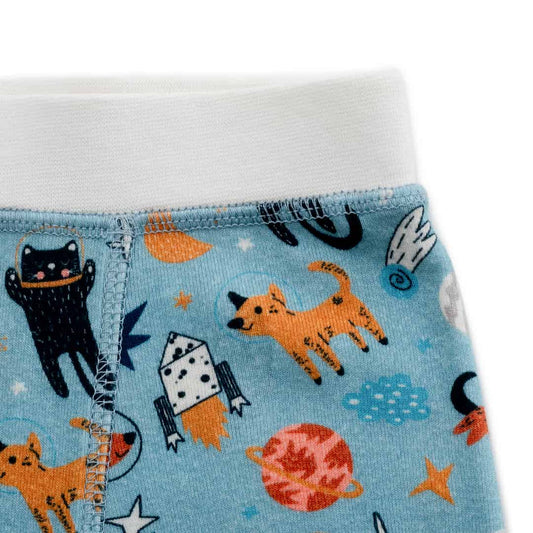
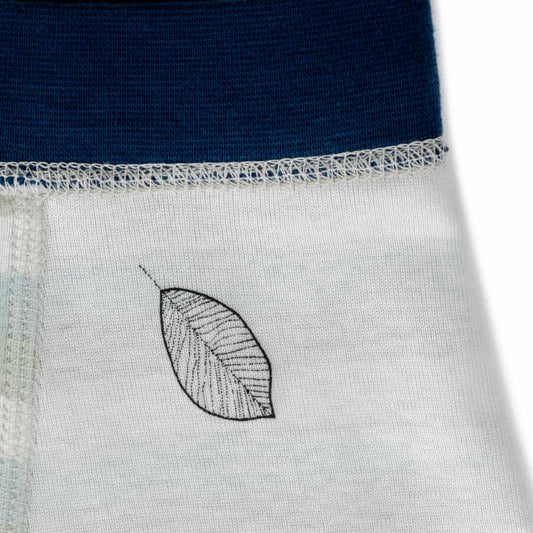
Neck and waistband tags are one of the most common sensory irritants in children. Printed labels or heat-transferred designs reduce friction and distraction.

Children’s underwear sits on highly absorbent skin for extended periods.
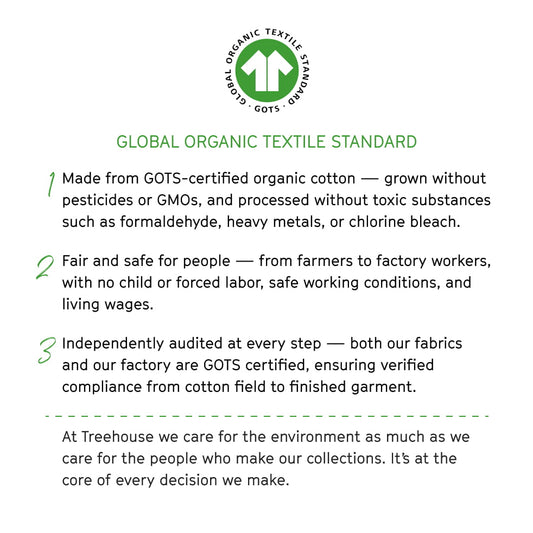
Look for water-based dyes and transparent certification standards. Certifications such as GOTS and OEKO-TEX restrict harmful residues.

Flat seams reduce friction in high-movement areas like inner thighs and along leg openings. Bulky seams can cause chafing, particularly during sports or long school days.
For a deeper breakdown of skin-friendly materials,
Trust signals to look for:
- Full material transparency
- Recognized certifications
- Clear fiber composition percentages
- Manufacturing accountability
Remember that true comfort and safety should be proven by fabric compositions and certification, not just bold marketing claims.
When to Switch Underwear Styles as Kids Grow
Style changes are driven by movement and stage, not age alone.
From Training to Everyday Underwear
Switch once daytime bladder control is consistent and accidents are rare. Everyday underwear is lighter and more breathable, but does not provide absorbency.
From Briefs to Boxer Briefs or Hipsters
Children may prefer longer-leg styles as activity levels increase or during sports to reduce friction. Others move from full briefs to hipsters for a lower rise as body proportions change.
The shift is about:
• Movement patterns
• Comfort preferences
• School uniform fit
• Sensory tolerance
Underwear should evolve with your child — not restrict them.
For sizing guidance during transitions, consult
our Kids’ Underwear Size Guide.
Frequently Asked Questions
Start with full-coverage briefs or training underwear with light absorbency. Avoid loose boxers at the beginning, as they provide less structure and containment.
Most pediatric and practical guidance suggests 10–14 pairs to accommodate daily changes, school accidents, sports, and laundry cycles.
During potty training, plan for more.
Security and simplicity first. Briefs or short boxer briefs for boys. Full briefs or hipsters for girls. Choose stability over aesthetics initially.
If your child has sensitive skin, eczema tendencies, or wears underwear for long stretches, organic cotton reduces exposure to pesticide residues and harsh finishing chemicals while improving breathability.
For many families, the difference is noticeable in comfort and durability.
Replace when:
• Elastic loosens
• Fabric thins
• Stains persist
• Fit becomes restrictive
For rapidly growing children, reassess sizing every 6–12 months.


