




Why Pajamas Matter More Than Regular Kids’ Clothes
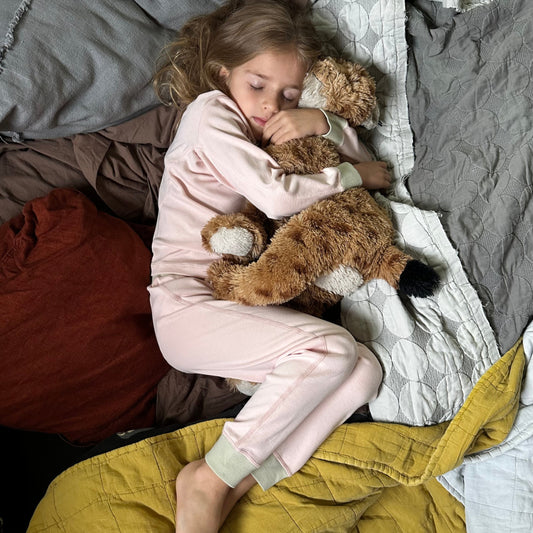
Children spend a surprising amount of time in pajamas, often 10 to 12 hours every night. That’s longer continuous skin contact than almost any other piece of clothing they wear. Sleepwear also sits close to the body and is worn during the warmest part of a child’s daily temperature cycle, when skin is known to become more sensitive to friction, heat, and fabric composition.
Unlike everyday clothing, children’s sleepwear is also regulated under specific safety standards in many countries, including federal regulations in the United States administered by the Consumer Product Safety Commission (CPSC). These rules determine how pajamas must behave around flame exposure and influence how brands design and size their products.
The good news is that once you understand how these regulations work and what materials are commonly used, choosing comfortable, safe pajamas becomes much more straightforward.
Pajama Styles and Construction
The style of pajama matters almost as much as the fabric, especially at certain ages, and getting the construction wrong is one of the most common reasons bedtime clothing becomes uncomfortable or frustrating for kids.

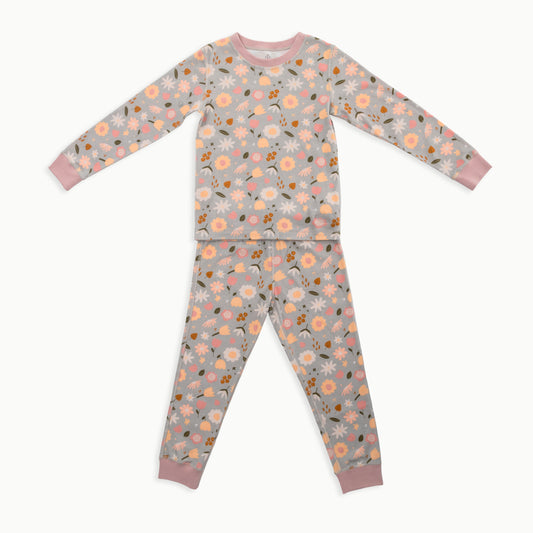
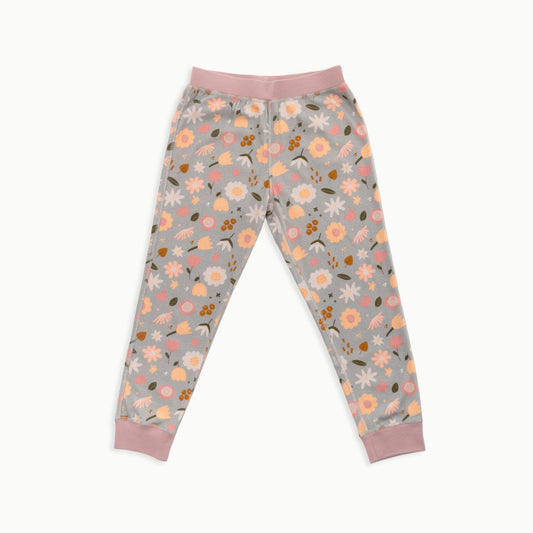
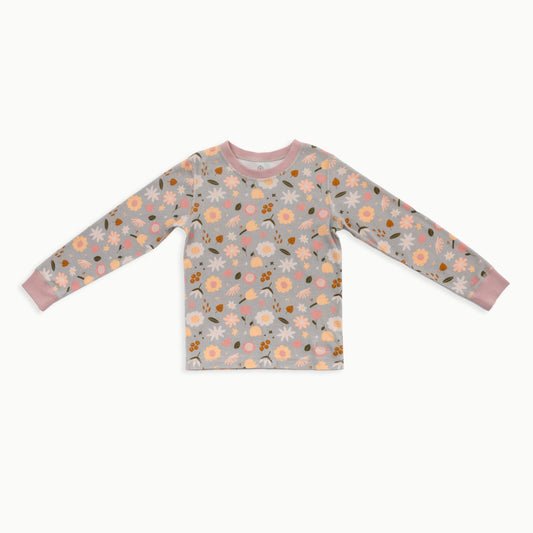
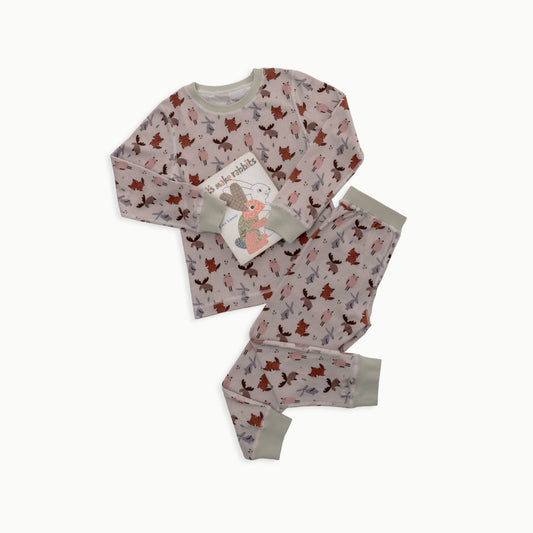
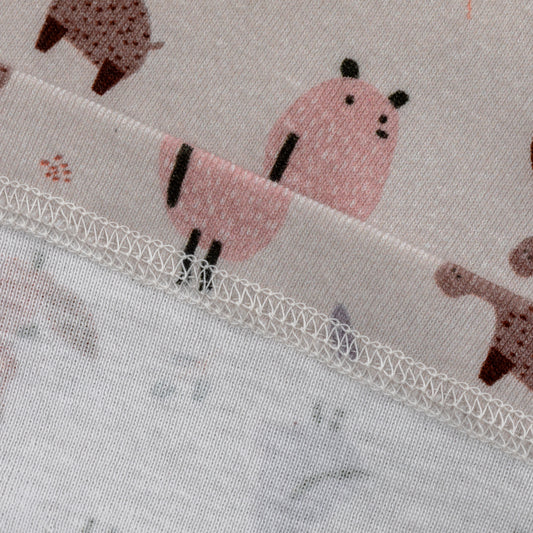
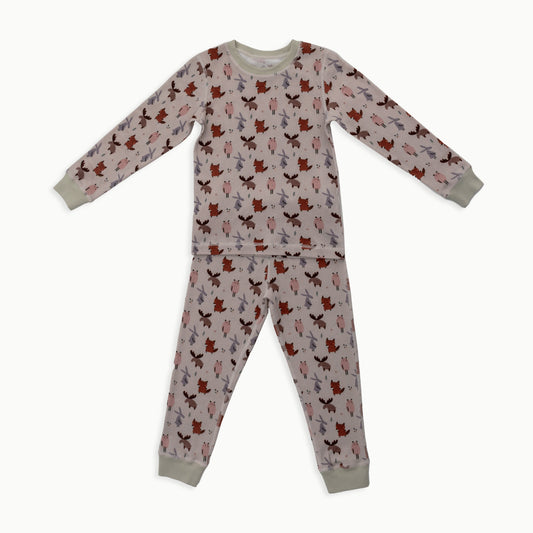
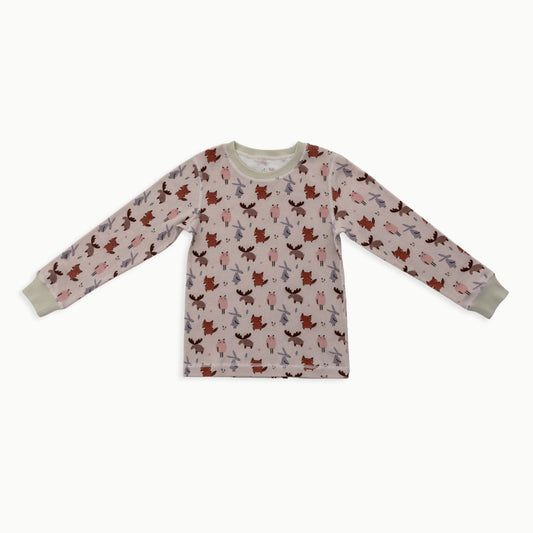
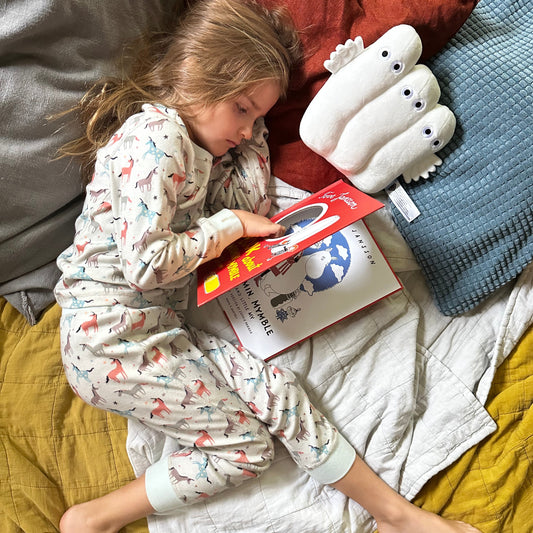
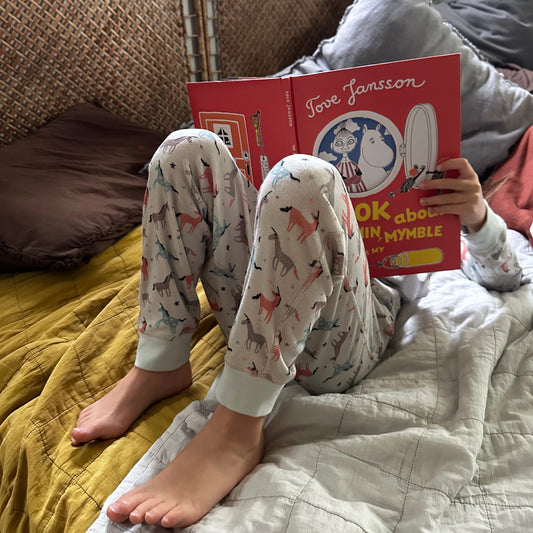
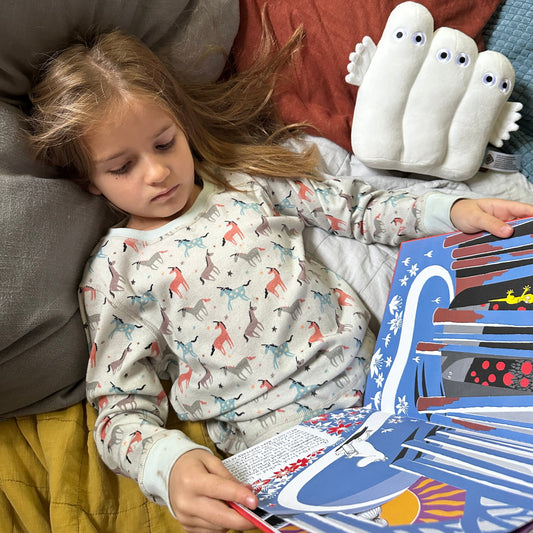
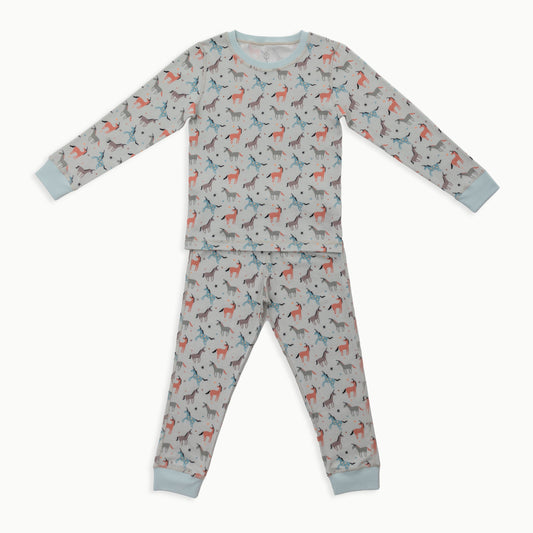
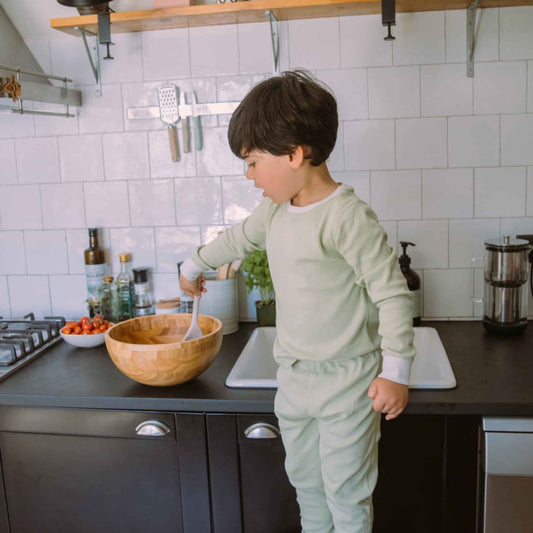
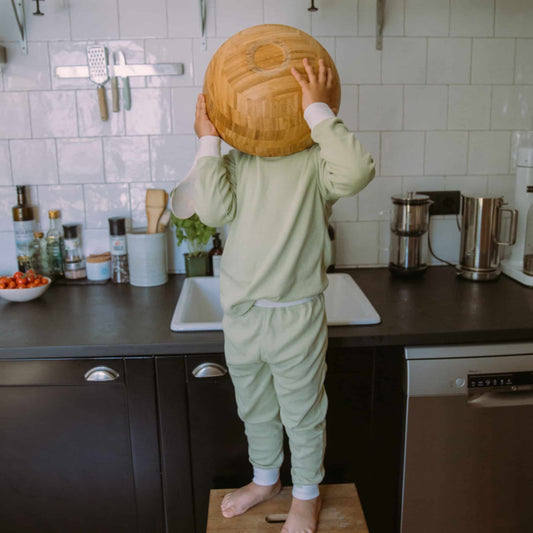
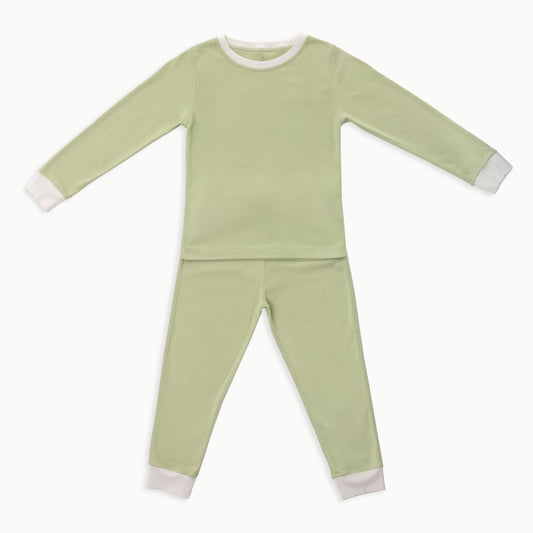
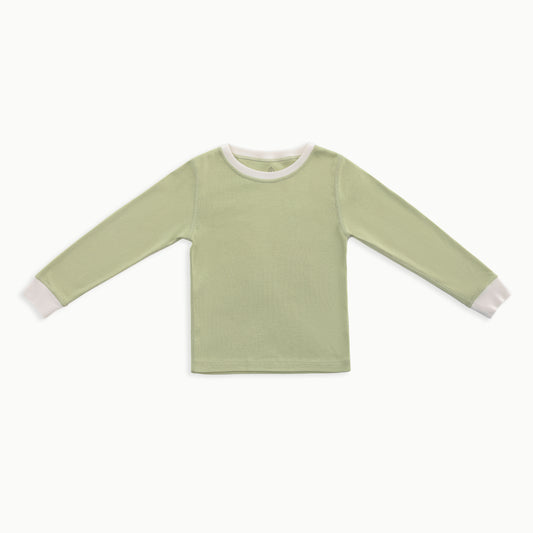
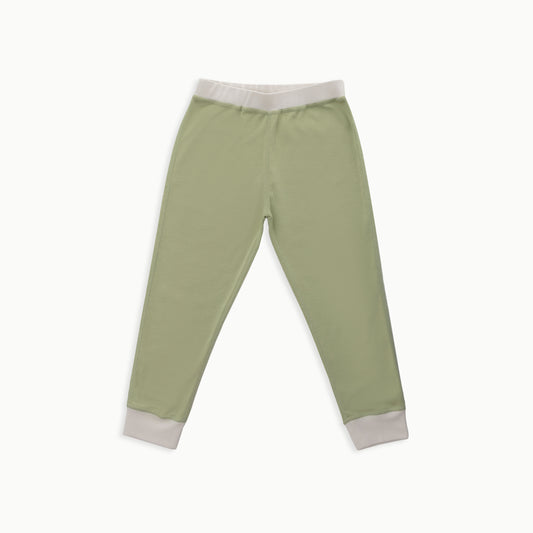
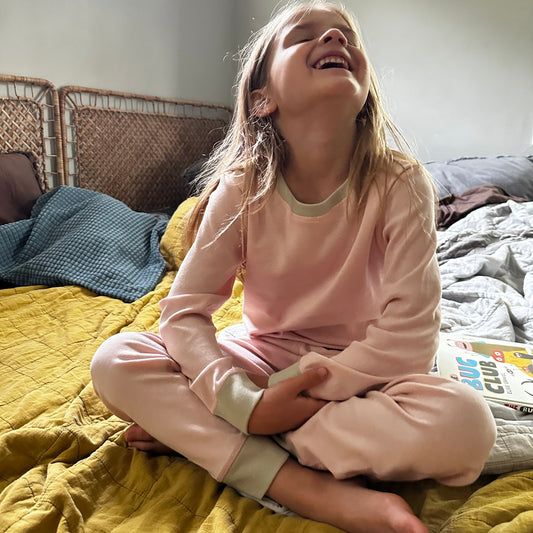
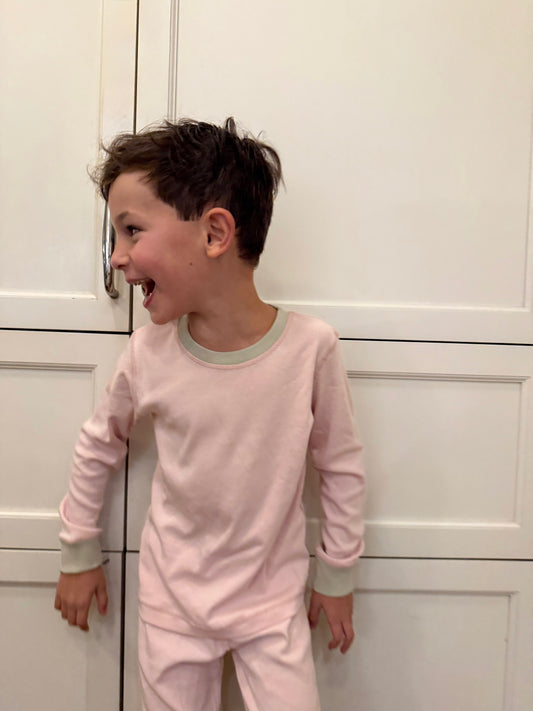
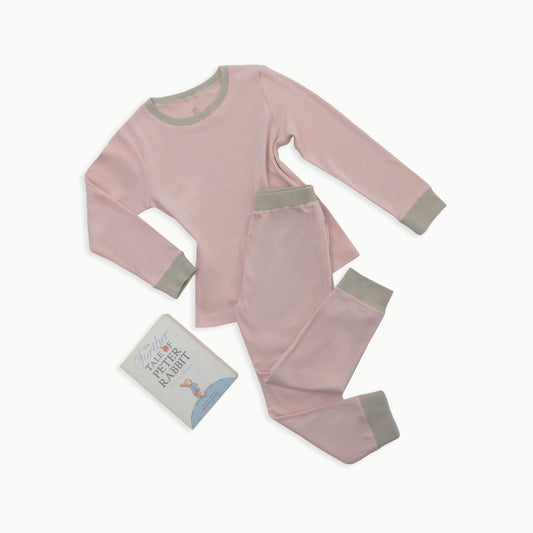
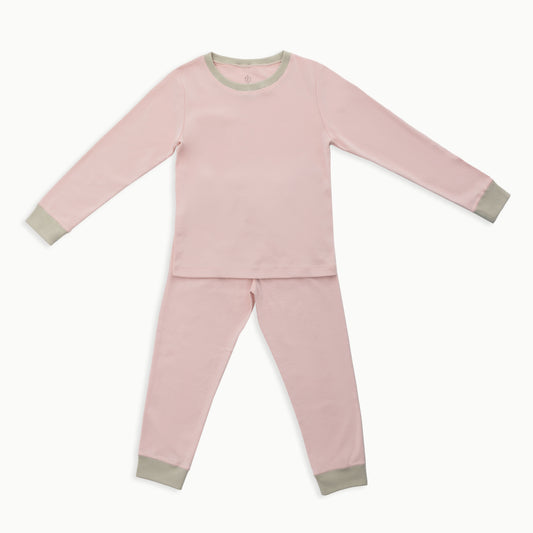
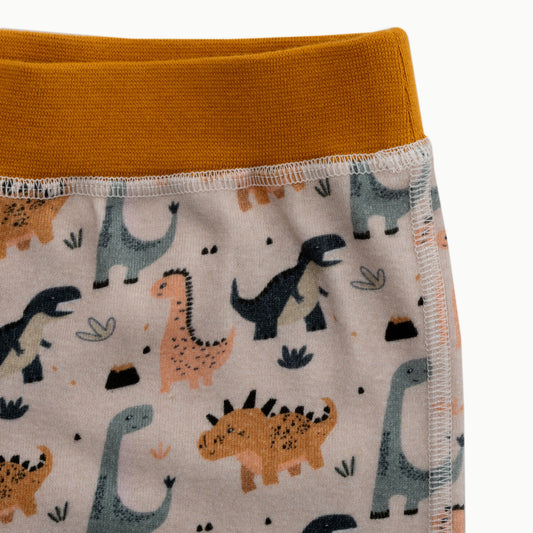
Two-piece sets (a long-sleeve or short-sleeve top paired with pants or shorts) are the most common style for toddlers and older children. They offer flexibility for temperature changes and make it easier for children learning independence to dress themselves. When choosing a set, look for soft-covered waistbands that don’t dig into the stomach, flat seams that reduce friction, and neck openings wide enough (or ribbed) to comfortably fit over larger toddler heads.

Footed pajamas are most common for babies and young toddlers. They provide warmth and keep feet covered overnight, which can be especially useful in colder climates. The most important construction details here are snaps or zipper placement and interior seam finishing. A zipper guard at the neckline prevents scratching, while smooth interior seams reduce irritation on delicate skin.

Non-footed sleepers offer the same convenience as footed pajamas but allow children to wear socks or move barefoot. Many parents prefer this style once babies begin standing or walking. Look for designs with double zippers or thoughtfully placed closures that make diaper changes easier overnight.

Short-sleeve tops paired with shorts are common in warmer climates or homes with higher indoor temperatures. Breathable fabrics and a comfortable waistband become particularly important here, since lighter styles often sit closer to the skin.
What Most Kids' Pajamas Are Made From
Most children’s sleepwear on the market today is made from polyester or polyester-cotton blends. At the same time, many parents are increasingly turning toward natural fibers like cotton or linen blends — fabrics that breathe better and avoid wrapping children in plastic-based materials overnight.

| Feature | Organic Cotton | Polyester | Blended Fabrics (Cotton + Polyester) |
|---|---|---|---|
| Breathability | Highly breathable, allows air circulation and helps regulate temperature overnight | Low breathability; tends to trap heat and moisture against the skin | Moderate breathability depending on cotton content |
| Skin Compatibility | Biologically compatible with skin; soft and gentle for long wear | Plastic-based fiber that can feel less comfortable on skin over time | Improved softness compared to polyester, but still contains synthetic fibers |
| Moisture & Heat Regulation | Absorbs moisture and helps keep skin dry | Traps moisture and creates warm, damp conditions | Some moisture absorption from cotton, but less effective than pure cotton |
| Chemical Exposure | Organic versions limit pesticide and chemical exposure during production | Often treated with dyes, finishes, and sometimes flame-retardant chemicals | May contain chemical residues from synthetic components |
| Microplastic Shedding | Does not shed microplastics | Can release microplastic fibers during washing and wear | Can shed microplastics due to synthetic fiber content |
| Odor Retention | Naturally resists odor buildup | Tends to hold odors even after washing | Less odor retention than polyester but more than cotton |
| Durability | Durable with proper care | Extremely durable and resistant to wear | Durable due to synthetic fiber reinforcement |
| Comfort for Sleep | Soft, breathable, and comfortable for long overnight wear | Less breathable, may feel warm or sticky during sleep | Balanced comfort but still less breathable than cotton |


If you want to go deeper on these topics, we’ve written dedicated guides:


The Best Fabrics for Kids' Pajamas
The best fabric for kids' pajamas is the one that helps regulate body temperature during sleep, allows skin to breathe overnight, and avoids unnecessary chemical residues from farming, dyeing, or finishing processes. Because children’s bodies are still developing and their skin barrier is thinner than adults’, many parents prefer simpler, natural materials for sleepwear. While there are many fabric options on the market, a few stand out for comfort and practicality.
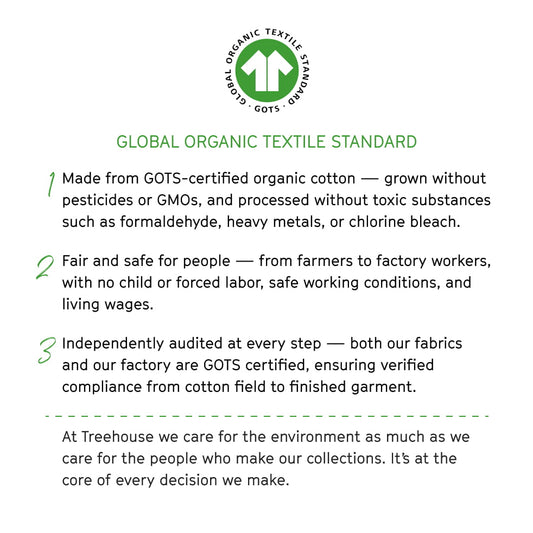
Organic cotton is widely considered the best fabric for kids’ pajamas. When certified under the Global Organic Textile Standard (GOTS), it also guarantees that strict environmental and chemical safety standards were followed throughout the supply chain.

Organic cotton pajamas are breathable, soft, and well-suited to overnight wear because they help regulate temperature and allow air circulation during sleep. It’s important to understand, however, that “organic cotton” refers to the fiber, not the fabric structure, and different cotton constructions can behave very differently when worn as pajamas.
The way cotton is knitted or woven affects stretch, softness, warmth, and breathability. Some constructions are particularly well suited to sleepwear because they move easily with the body and remain comfortable through long nights of sleep.

A soft knit fabric that stretches naturally and moves with the body, making it one of the most comfortable and commonly used fabrics for kids’ pajamas.

A knitted fabric with vertical ribs that provide extra stretch and flexibility, often used in snug-fit pajamas because it allows freedom of movement while staying close to the body.

A thicker, double-knit cotton fabric that feels smooth and substantial while still remaining breathable, making it a good option for cooler weather pajamas.

A lightweight cotton woven in a loose, airy structure that allows excellent airflow, often used for warmer climates or for babies who need especially breathable sleepwear.
Parents looking for organic cotton sleepwear can explore:


Organic Cotton Blends: When and Why They Work
Some pajamas combine organic cotton with other natural fibers to create different textures, improve durability, or enhance temperature regulation during sleep. Common examples include lightweight muslin cotton for warmer climates or cotton jersey knits that add stretch and flexibility. When blends are used thoughtfully and still prioritize natural fibers, they can offer a comfortable balance between softness, structure, and breathability

One of the most practical blends for sleepwear is organic cotton combined with linen. Linen, made from the flax plant, is exceptionally breathable and moisture-wicking, which helps regulate body temperature through the night.
When blended with organic cotton, the fabric becomes softer and more flexible than pure linen while still benefiting from linen’s airflow and durability. This type of blend can work particularly well for pajamas in warmer climates or for children who tend to sleep hot.

Another effective combination is organic cotton blended with merino wool. Merino wool has a unique fiber structure that allows it to regulate temperature extremely well, keeping warmth close to the body in cooler conditions while still allowing moisture and excess heat to escape.
When blended with organic cotton, the fabric feels softer and lighter than wool alone while still providing natural thermoregulation. This can make cotton-merino blends especially useful for cooler seasons or for children who need sleepwear that adapts to changing nighttime temperatures.

In some cases, pajamas may also combine organic cotton with semi-natural fibers such as lyocell (often marketed as TENCEL™). Lyocell is made from wood pulp and can add softness and drape to fabrics while improving moisture absorption. While it is not a completely natural fiber in the same way cotton, linen, or wool are, it is generally considered a lower-impact alternative to fully synthetic materials when produced in closed-loop systems.
Overall, the most effective pajama blends are those that keep organic cotton as the primary fiber while pairing it with other breathable, natural materials like linen or merino wool, allowing the fabric to remain soft, comfortable, and thermoregulating without relying on plastic-based synthetics.
What Flame-Resistant and Snug Fit Mean
Children’s sleepwear safety laws in the U.S. require pajamas to meet flammability standards, and brands typically comply in one of two ways.
Some fabrics are treated with flame-retardant chemicals so they resist ignition or self-extinguish when exposed to flame. The concern many parents and researchers raise is that certain flame-retardant chemicals historically used in textiles have been linked in scientific literature to hormone disruption, developmental effects, and persistence in the body and environment.
Because children wear pajamas for long periods and their skin is more permeable, many families prefer to avoid chemically treated fabrics altogether.
The alternative is to design pajamas with a close, snug fit. When a garment sits close to the body, it reduces the amount of oxygen between the fabric and the skin, making it less likely to ignite or burn rapidly. This approach allows brands to meet flammability regulations without adding flame-retardant chemicals to the fabric.
Brands that prioritize natural fibers often use snug-fit designs, allowing garments to meet safety standards through fit rather than chemical treatment.
That’s why many pajama labels state:
“Snug-fitting garment. Not flame resistant.”
If you’d like to understand the science and regulations in more detail,
you can read our full guide here
-
 BUY 2 - 15% BUY 3 - 20% BUY 4 - 25%$40.002-3,3-4,4-5,6,7,8,9 yearsSELECT SIZE$40.002-3,3-4,4-5,6,7,8,9 yearsORGANIC COTTON LONG-SLEEVE PAJAMAS | FLOWERSRegular price $40.00Regular priceUnit price per
 -

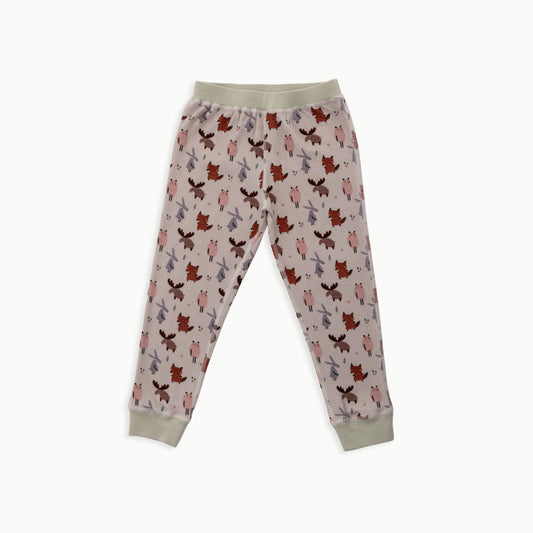
 BUY 2 - 15% BUY 3 - 20% BUY 4 - 25%$40.002-3,3-4,4-5,6,7,8,9 yearsSELECT SIZE$40.002-3,3-4,4-5,6,7,8,9 yearsORGANIC COTTON LONG-SLEEVE PAJAMAS | WOODLANDRegular price $40.00Regular priceUnit price per
 -
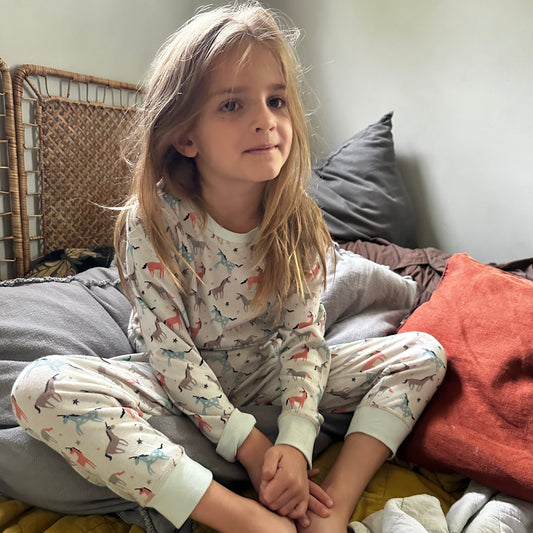
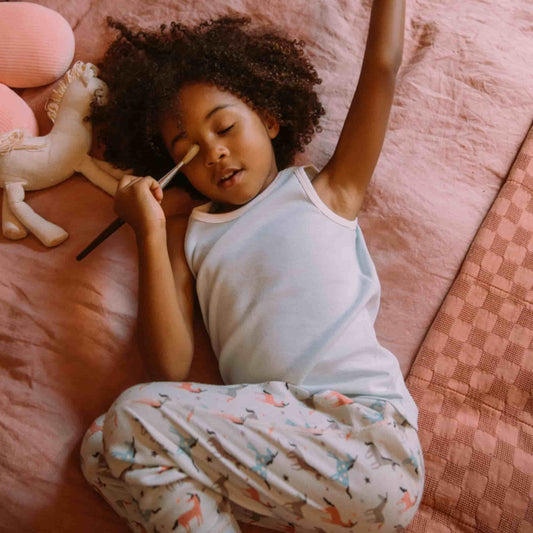
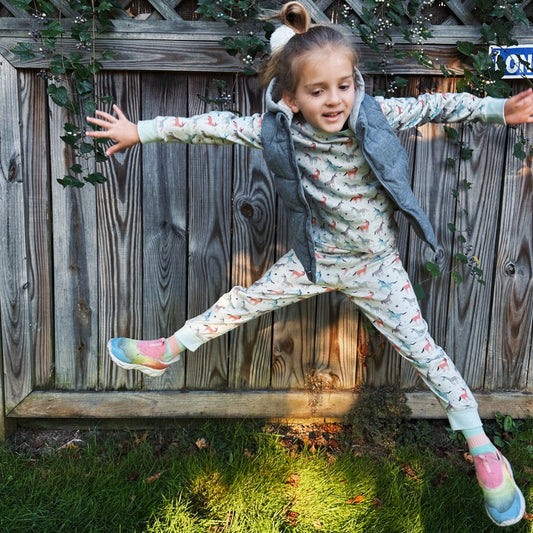
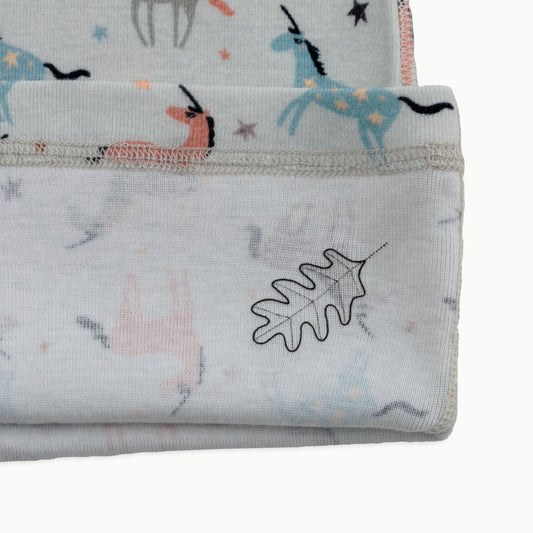
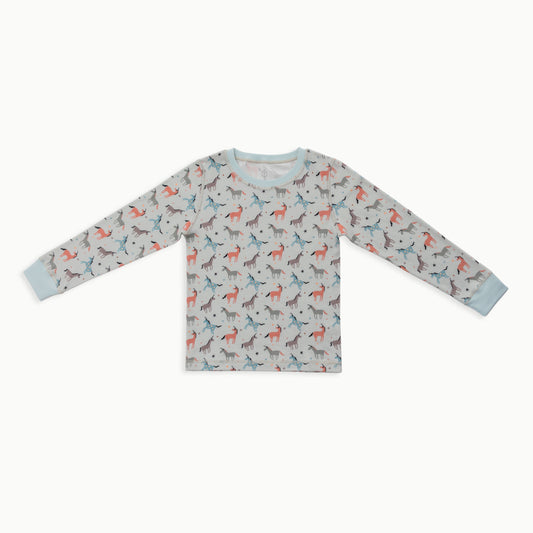
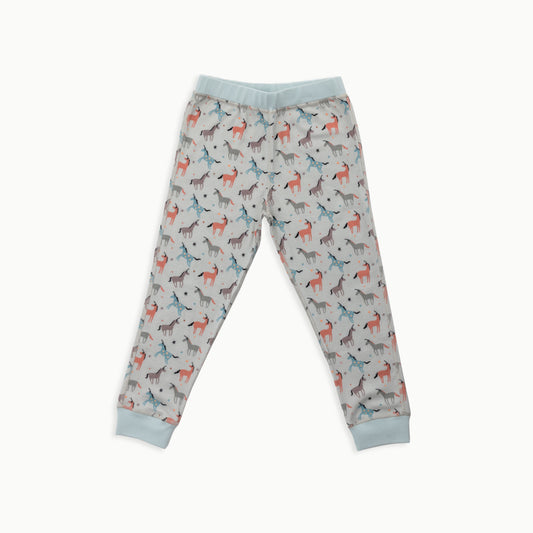
 BUY 2 - 15% BUY 3 - 20% BUY 4 - 25%$40.002-3,3-4,4-5,6,7,8,9 yearsSELECT SIZE$40.002-3,3-4,4-5,6,7,8,9 yearsORGANIC COTTON LONG-SLEEVE PAJAMAS | UNICORNRegular price $40.00Regular priceUnit price per
 -
 BUY 2 - 15% BUY 3 - 20% BUY 4 - 25%$40.002-3,3-4,4-5,6,7,8,9 yearsSELECT SIZE$40.002-3,3-4,4-5,6,7,8,9 yearsORGANIC COTTON LONG-SLEEVE PAJAMAS | SOLID GREENRegular price $40.00Regular priceUnit price per
 -
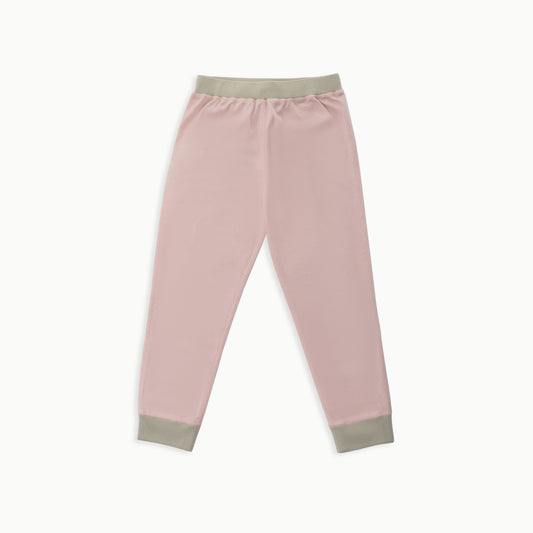
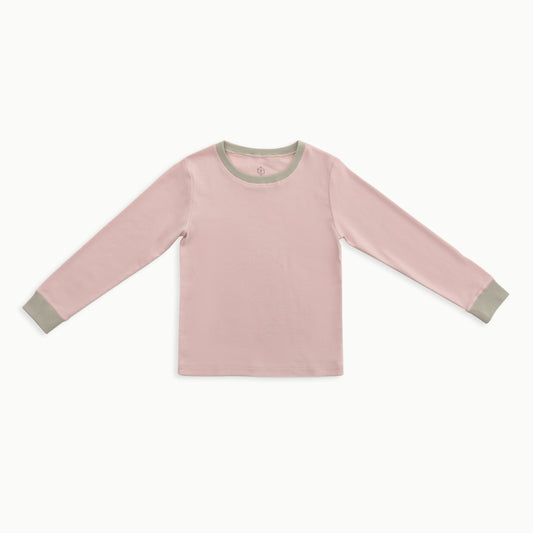
 BUY 2 - 15% BUY 3 - 20% BUY 4 - 25%$40.002-3,3-4,4-5,6,7,8,9 yearsSELECT SIZE$40.002-3,3-4,4-5,6,7,8,9 yearsORGANIC COTTON LONG-SLEEVE PAJAMAS | SOLID PINKRegular price $40.00Regular priceUnit price per
 -
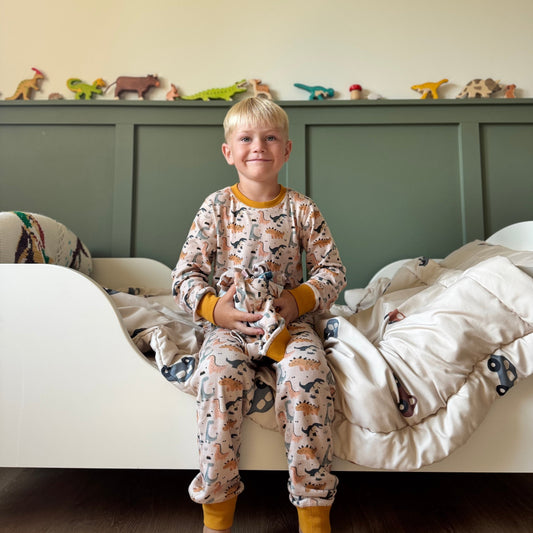
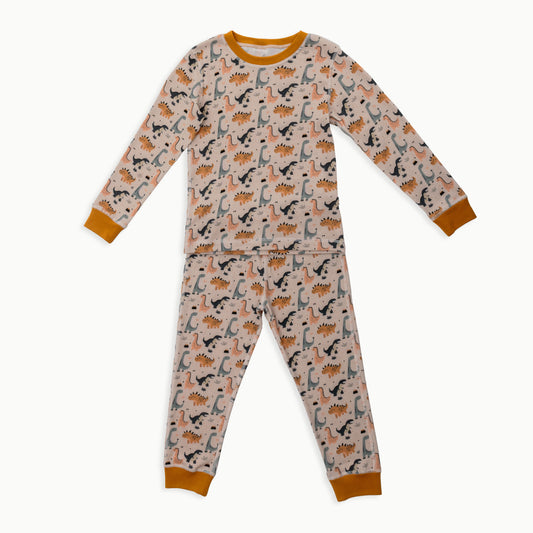
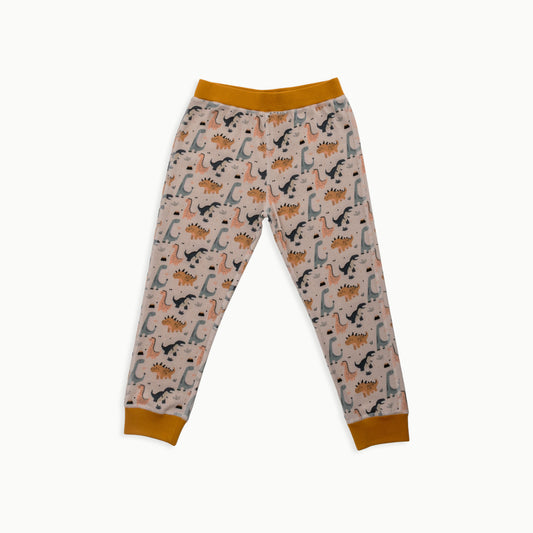
 BUY 2 - 15% BUY 3 - 20% BUY 4 - 25%$40.002-3,3-4,4-5,6,7,8,9 yearsSELECT SIZE$40.002-3,3-4,4-5,6,7,8,9 yearsORGANIC COTTON LONG-SLEEVE PAJAMAS | DINOSAURRegular price $40.00Regular priceUnit price per
Kids' Pajama Sizing: How to Get the Fit Right at Every Age
Pajama sizing works differently from everyday clothing. Many parents naturally size up in children’s clothes so their child can grow into them, but with pajamas, this can sometimes work against the safety design.
Snug-fit pajamas are intentionally designed to sit close to the body. Choosing a significantly larger size can undermine that intended fit. Instead, it’s best to select the size that aligns with your child’s current measurements and then evaluate comfort around key areas like shoulders, waist, and ankle openings.
For babies and toddlers, stretch fabrics like cotton jersey often provide enough flexibility to allow room for growth without needing to size up dramatically. Older children who fall between sizes may benefit from sizing up slightly, provided the garment still fits comfortably close to the body.
| Size | Height (inches) | Chest (inches) | Waist (inches) | Hip (inches) |
|---|---|---|---|---|
| 2-3 years | 35–39.5 | 20.75 | 21.25 | 21.5 |
| 3-4 years | 40–42 | 22 | 22 | 23 |
| 4-5 years | 43–45 | 23 | 22.5 | 24 |
| 6 years | 45.5–49 | 24 | 23 | 25 |
| 7 years | 50–51 | 25 | 23.5 | 26.5 |
| 8 years | 52–54 | 26 | 24.5 | 27.5 |
| 9 years | 54.5–56 | 27 | 25–25.5 | 28.5 |
How to Choose Pajamas by Season and Temperature
Sleep comfort isn’t only about the fabric; it’s also about matching pajama weight to your child’s sleeping environment.

In warmer temperatures, lightweight fabrics such as cotton jersey or muslin help regulate body temperature and allow air circulation overnight. Short-sleeve pajama sets or lighter sleepers are often the most comfortable option.
When temperatures fluctuate, breathable long-sleeve pajamas made from mid-weight cotton fabrics work well. These allow children to stay warm without overheating and can be paired with light blankets if needed.
For colder environments, long-sleeve pajama sets or sleepers made from thicker cotton fabrics provide additional warmth while still maintaining breathability. Layering with sleep sacks or blankets can add warmth without requiring heavier synthetic fabrics.
Kids' Pajamas for Sensitive Skin and Eczema
If you’re a parent managing eczema, allergies, or sensory sensitivities, pajama choice can feel especially important.
Many children experience eczema flare-ups overnight when warmth, sweat, and fabric friction combine. Others may refuse to sleep in certain fabrics simply because the seams or textures feel uncomfortable.
Parents and pediatric dermatologists recommend focusing on a few key factors when choosing pajamas for sensitive skin: breathable natural fabrics, smooth interior seams, minimal chemical treatments, and soft waistbands or closures that avoid pressure points.
Natural fibers such as cotton are commonly preferred because they allow airflow and tend to feel gentler against irritated skin. Construction details can matter just as much as fabric choice; for example, flat seams and tagless labels can make a noticeable difference for sensory-sensitive children.
For deeper guidance, you can explore our dedicated guides:


How Treehouse Kids Approaches Sleepwear
Treehouse pajamas are made using GOTS-certified organic cotton, produced in GOTS-audited facilities that follow strict environmental and labor standards. Rather than relying on chemical flame treatments, the designs follow snug-fit safety principles aligned with U.S. sleepwear regulations.
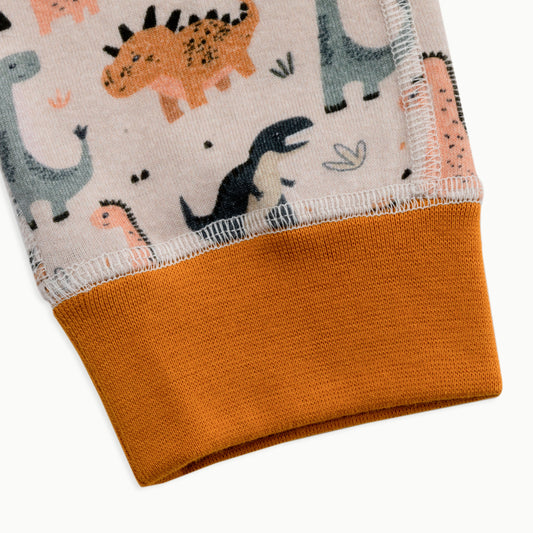
Construction details are equally important. Flat seams help reduce friction against sensitive skin, soft waistbands prevent pressure marks, and dyes and finishing processes are carefully controlled through certification standards.
Parents interested in learning more about the supply chain and certifications behind Treehouse can visit:
Questions Parents Ask Most About Kids' Pajamas
Natural breathable fabrics such as cotton are widely considered one of the safest and most comfortable materials for children’s sleepwear.
Snug-fit pajamas are designed to meet fire safety regulations without the need for chemical flame-retardant treatments.
Flame-resistant pajamas meet safety regulations, but some parents prefer snug-fit cotton pajamas that avoid chemical flame treatments.
Snug-fit pajamas rely on close body fit to reduce ignition risk, while flame-resistant pajamas use treated fabrics to meet flammability standards.
Polyester is widely used in children’s sleepwear because it’s cheap, durable, and easy for brands to mass-produce. But polyester is a petroleum-based plastic fibre, and growing research shows synthetic textiles can contain or shed chemicals with endocrine-disrupting potential, including substances used in dyes, finishes, and manufacturing processes.
Unlike natural fibres, polyester traps heat and moisture against the skin, which is why many parents are increasingly choosing breathable natural fabrics like organic cotton or linen for sleepwear instead.
Children spend 8–12 hours every night in their pajamas, so what they sleep in matters.
Choose fragrance-free or hypoallergenic detergents to help protect sensitive skin and preserve natural fibers.
If your child is between sizes or outgrowing sleeves or pant length, sizing up may be appropriate, provided the garment still fits close enough to maintain the intended snug design.
You can read our full guide here


