










CONTENTS
If you're expecting a baby, or staring at a drawer full of tiny pajamas wondering if you somehow bought both too many and not enough, you're not alone.
“How many pajamas does a baby need?” sounds like a simple question. But anyone who has actually lived through newborn nights, growth spurts, daycare routines, or sweaty post-soccer bedtimes knows the answer changes constantly.
This guide gives you the real answer: a practical, age-by-age breakdown based on how families actually live, wash laundry, and survive bedtime, from newborns through early elementary school.

So, How Many Baby Pajamas Do You Actually Need?
For most families, the sweet spot is surprisingly simple:
👉 5–7 pajamas per current size works for the majority of households.
Here’s the quick overview:
Babies (Newborn–24 months):
✔️ 5–10 pajamas, depending on age and mess level
Kids (Ages 2–9):
✔️ 4–7 pajama sets, depending on laundry routine and activity level
That’s the short answer. If you’re also thinking about quality, fit, and materials, it’s worth learning how to choose the best kids' pajamas.
But real life adds nuance, and a few key factors make a big difference.
What Factors Affect How Many Pajamas You Need?
 Before diving into age-by-age numbers, it helps to understand why pajama needs vary so much between families.
Your Laundry Routine
Be honest about how often laundry actually happens, not how often you wish it did.
-
Laundry every 1–2 days → 4–5 pairs may be enough
-
Laundry every 3–4 days → 6–7 pairs feel comfortable
-
Weekly laundry → 8–10 pairs prevents stress
For older kids, school schedules, sports, and outdoor play often mean they arrive at bedtime already sweaty, which increases pajama turnover.
Your Child’s Age and Mess Level
Different stages create different nighttime realities:
-
Babies: spit-up, leaks, blowouts, and drool
-
Toddlers: potty training surprises
-
Preschoolers: generally cleaner sleepers
-
School-age kids: fewer accidents but more sweat and activity
The messier the stage, the larger the pajama rotation.
Individual Habits and Tendencies
Every child sleeps differently.
Some common factors:
-
Babies with reflux may need multiple changes daily
-
Kids who run hot often want fresh pajamas nightly
-
Illness season increases pajama changes for everyone
-
Nighttime accidents can continue into early school age, completely normal
The right number of pajamas supports your child’s reality, not an idealized version of sleep.
School and Activity Schedule
Once kids leave babyhood, lifestyle begins shaping pajama needs.
Consider:
-
Daycare nap pajamas
-
Sleepovers and travel
-
Camp packing lists
-
Post-sports showers before bed
Many families find having a designated “travel pajama” simplifies packing.
Seasonal and Climate Considerations
Temperature matters more than parents expect.
-
Summer: lightweight fabrics + sweat = slightly larger rotation
-
Winter: warmer pajamas last longer between washes
-
Variable climates benefit from both lightweight and warmer options
At every age, comfortable sleep temperature matters more than owning excess clothing.
How Many Pajamas Does a Baby Need by Age….?
 These ranges assume laundry every 3–4 days and are meant as guidelines, not rules.
Newborn (0–3 Months)
Recommended: 7–10 pajamas
This stage has the highest clothing turnover of childhood.
Frequent feeding, spit-up, diaper leaks, and middle-of-the-night changes often mean babies go through multiple outfits daily.
Important reality check:
Newborn sizes typically last 4–8 weeks. Most parents are better off owning only 3–4 newborn sleepers and investing more heavily in 0–3 month sizes.
At this stage, pajamas often double as daytime clothing.
What helps most at 3 a.m.:
-
Simple zipper closures
-
Easy diaper access
-
Soft, breathable fabrics
👉 Explore comfortable options in our Baby Sleepers Collection.
3–6 Months
Recommended: 6–8 pajamas
Babies are still messy sleepers, but routines begin stabilizing.
Growth remains fast, so slightly sizing up can extend wear time.
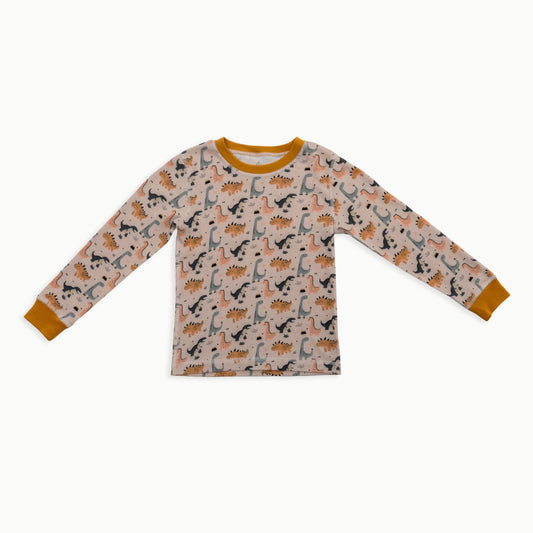
Footie pajamas are especially popular here because they eliminate loose socks and keep babies warm without layering.
Many families also introduce sleep sacks during this phase, making pajamas the main temperature-regulating layer.
6–12 Months
Recommended: 5–7 pajamas
Mobility increases dramatically, rolling, crawling, and standing change sleep needs.
Solid foods introduce new daytime messes, while teething drool can still require nighttime changes.
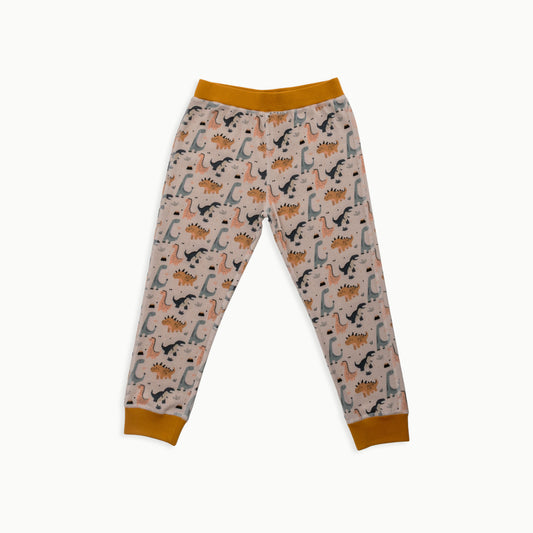
Some babies begin preferring two-piece pajamas as they grow more active.
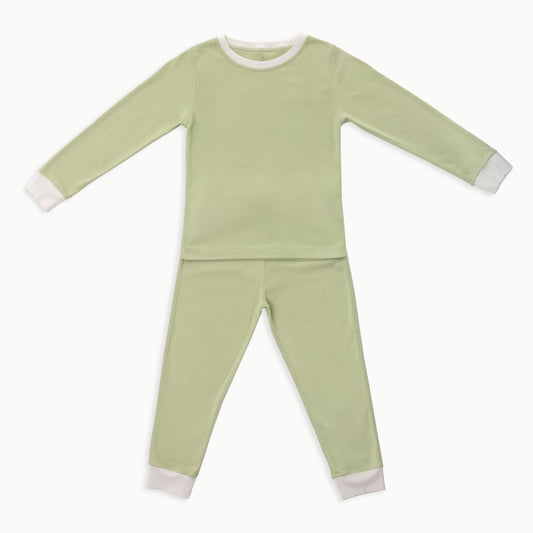
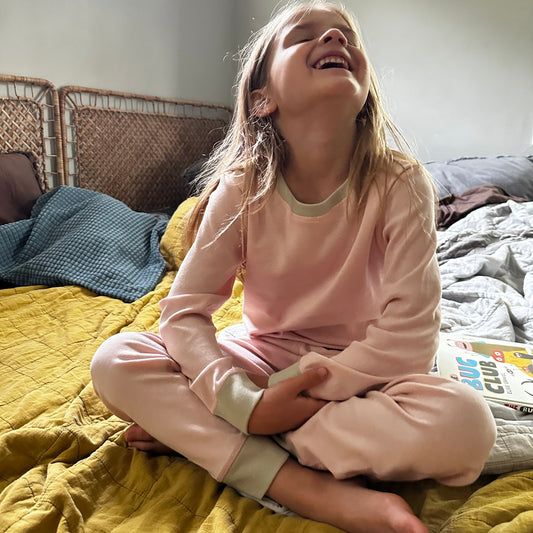
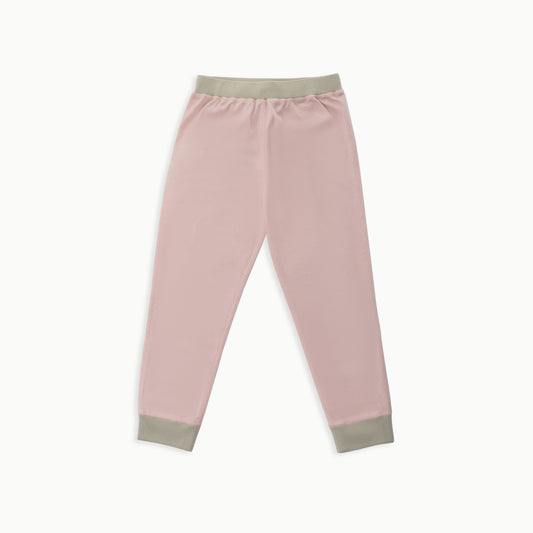
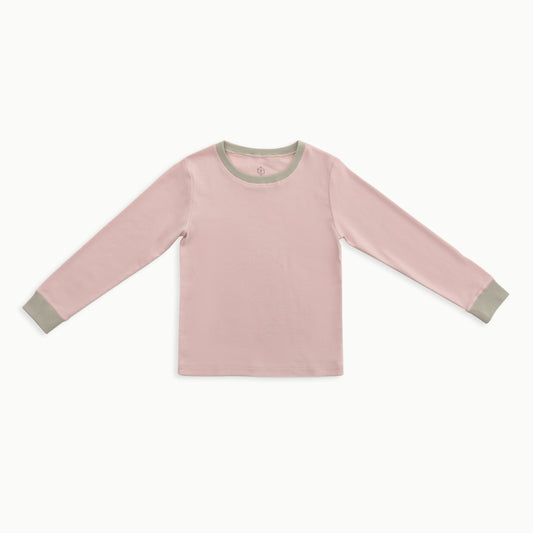
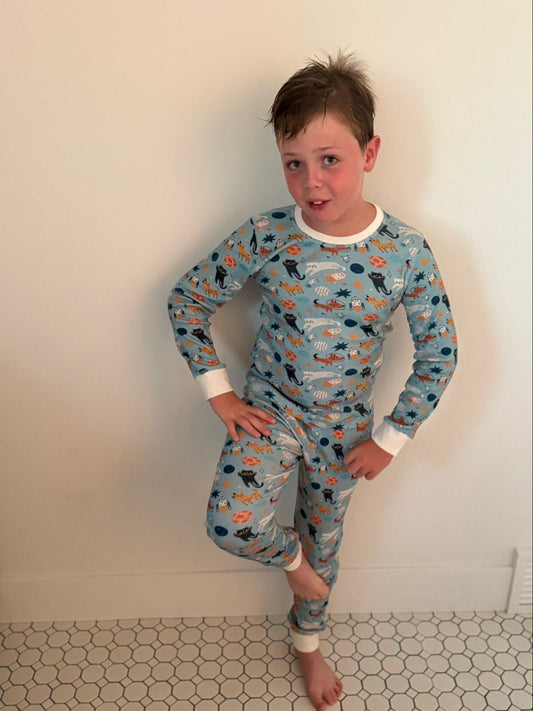
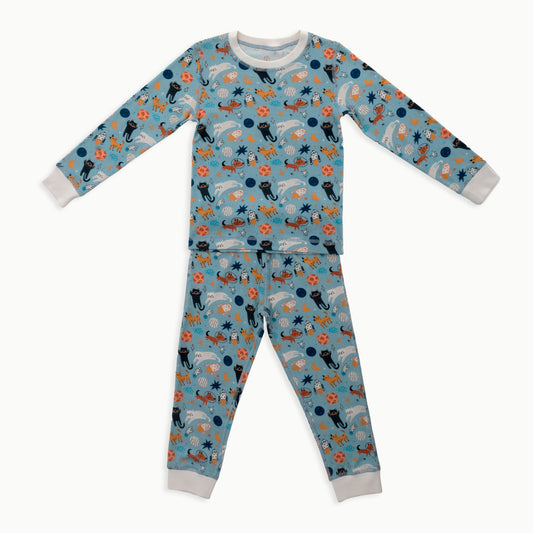
👉 Browse comfortable two-piece options in our Kids Pajamas Collection.
12–24 Months
Recommended: 5–7 pajama sets
Toddlers typically sleep cleaner than newborns, but potty training looms on the horizon.
Two-piece sets become increasingly practical:
-
Easier diaper changes
-
Encourages early independence
-
Faster bathroom access during training
Many toddlers can wear pajamas two nights in a row if clean, though many families prefer a fresh set nightly.
This stage bridges babyhood and childhood sleep habits.


