










CONTENTS
If you’ve ever held up a pair of children’s pajamas and thought, Why do these look so tight? You’re asking one of the most common questions parents who buy organic ask.
Many parents assume kids’ pajamas are snug because of fashion trends, shrinking fabrics, or sizing inconsistencies. But the real answer is much simpler, and far more important.
Kids’ pajamas are designed to fit snugly for fire safety reasons.
In the United States, children’s sleepwear is regulated differently from everyday clothing. The snug fit isn’t accidental, and it isn’t about style. It exists because safety research showed that loose pajamas can increase fire risk.
Understanding why kids’ pajamas are snug fit helps parents shop more confidently and choose sleepwear that balances safety, comfort, and peace of mind.
👉 Further read: Kids' Clothes Size Chart
Know the Federal Safety Regulations Behind Kids’ Pajamas
Children’s sleepwear in the U.S. falls under specific federal safety standards overseen by the Consumer Product Safety Commission (CPSC).
These regulations apply primarily to:
-
Pajamas
-
Nightgowns
-
Robes
-
Sleep sets marketed for sleeping
The rules generally cover children’s sleepwear sizes 9 months through size 14.
Why do these rules exist?
In the mid-20th century, research showed that loose, flowing sleepwear could ignite quickly if exposed to small household flames, such as candles, fireplaces, or stovetops.
As a result, federal flammability standards were introduced, requiring children’s sleepwear to meet one of two safety approaches:
- Be made flame resistant (requiring chemical treatment with flame retardant)
or
- Fit snugly against the body
How snug fit improves safety
Loose fabric contains more air space between the garment and the skin. That air acts like fuel, allowing flames to spread more rapidly.
Snug-fitting pajamas reduce that air gap.
Less trapped oxygen means:
-
Slower flame spread
-
Reduced ignition risk
-
Less fabric movement near flame sources
In short, a closer-fitting fabric is harder to ignite quickly.
It’s because of this that sustainable brands like Treehouse opt for snug fit (we will never opt for toxic chemical treatments). Snug pajamas are not simply a design choice, they’re a safety strategy built into regulation.
👉 Further read: Guide to Choosing the Right Pajamas for Your Kid.
What “Snug” Means (And What It Doesn’t)
 The phrase “snug fit” can sound alarming to parents. No one wants their child sleeping in uncomfortable clothing.
The phrase “snug fit” can sound alarming to parents. No one wants their child sleeping in uncomfortable clothing.
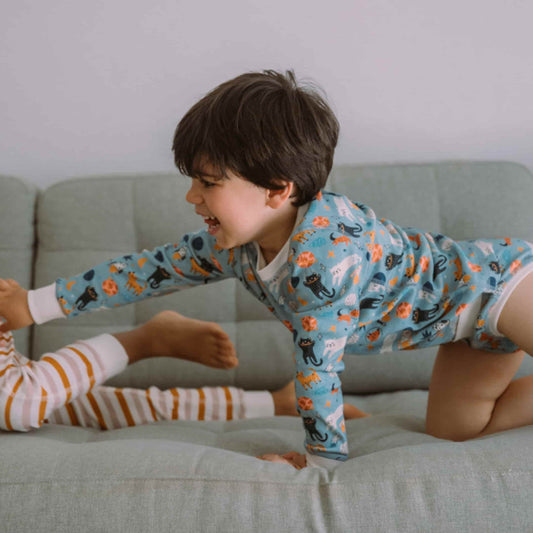
But snug does not mean restrictive.
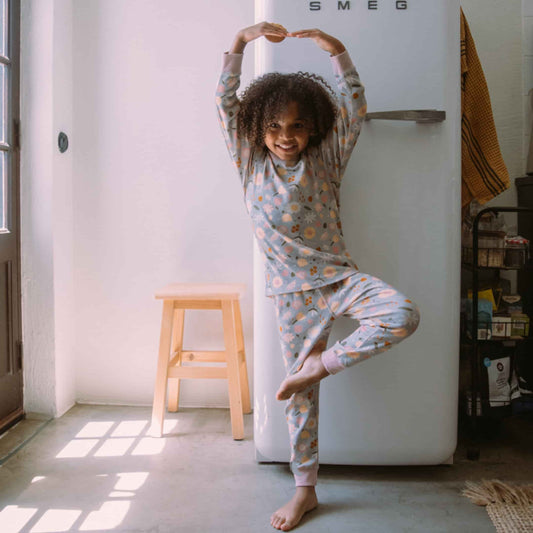
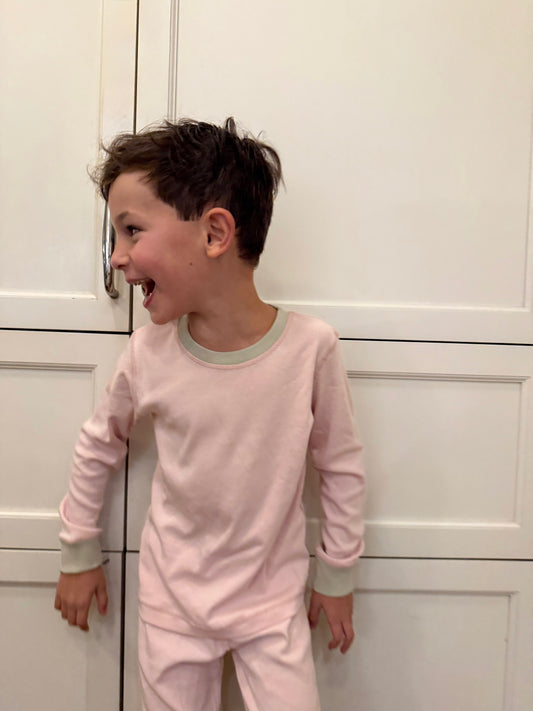
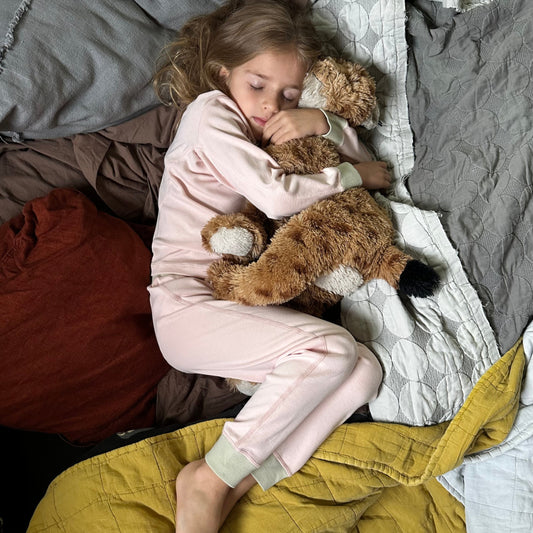
Properly designed snug pajamas should:
-
Stretch easily
-
Allow full movement
-
Feel comfortable during sleep
-
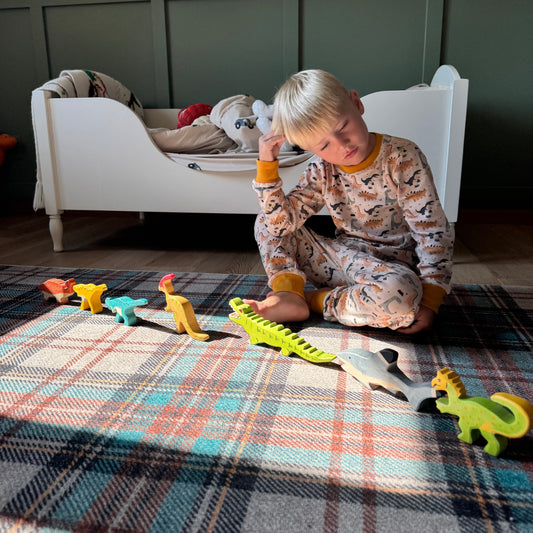
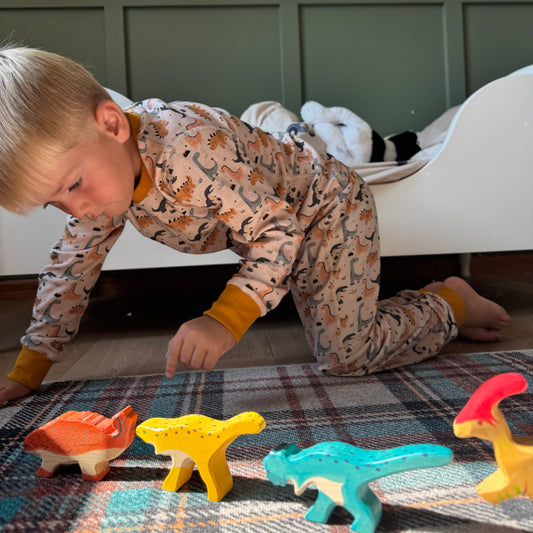
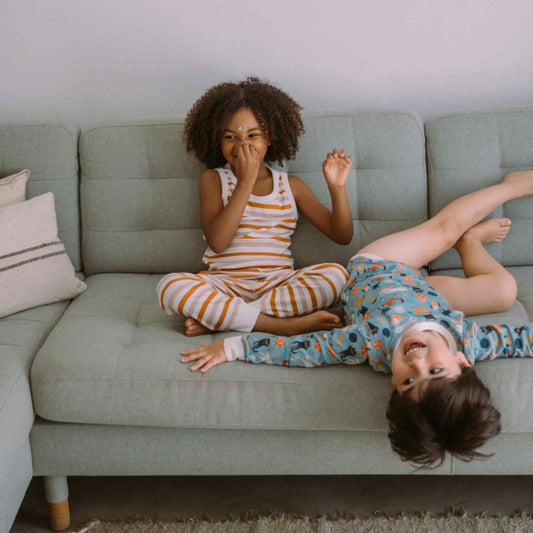
Let kids climb, roll, and play normally before bed
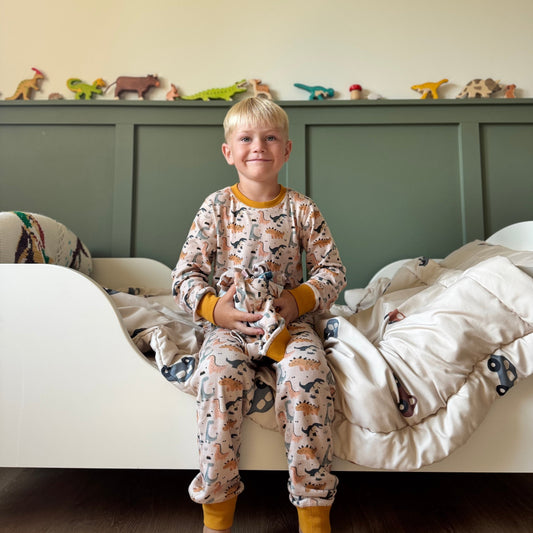
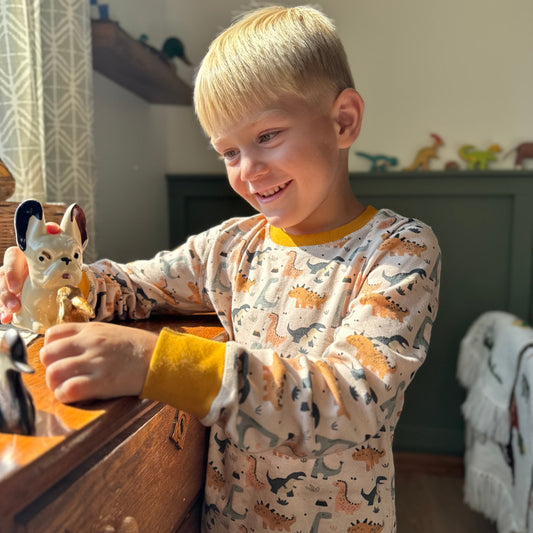
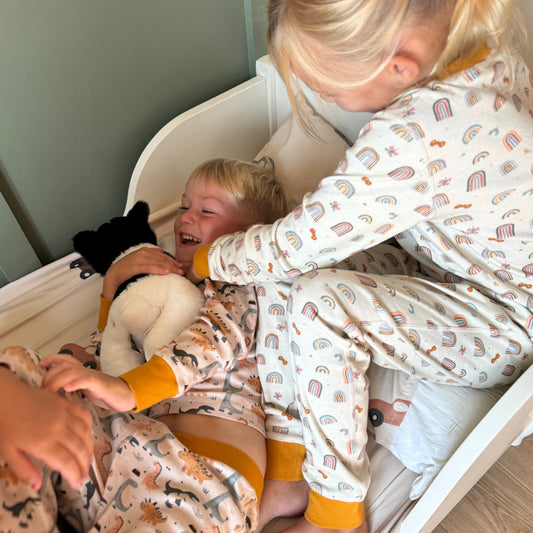
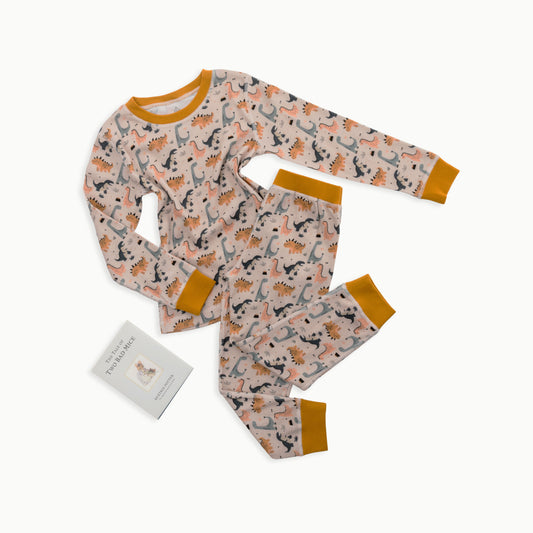
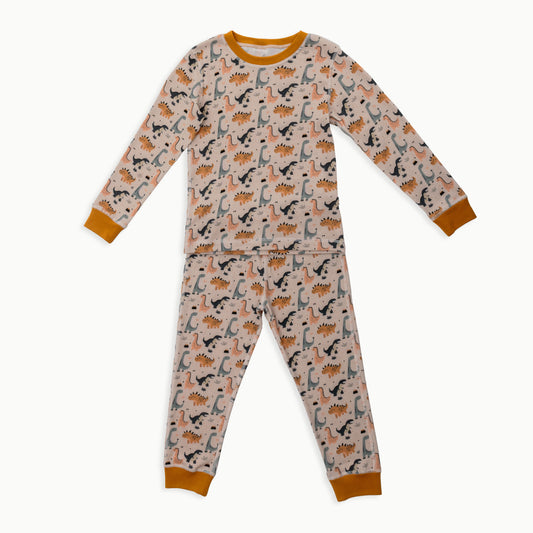
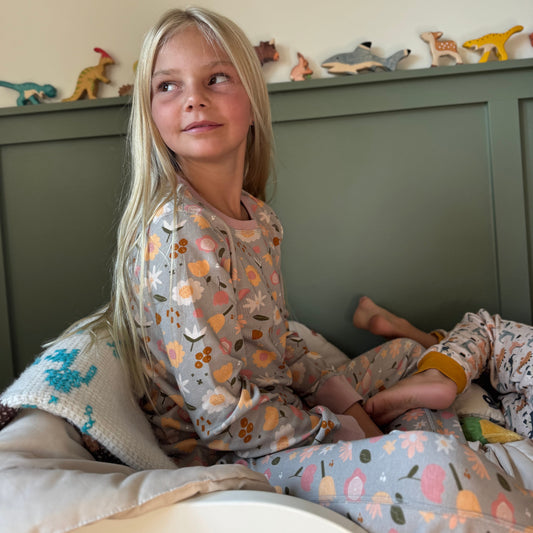
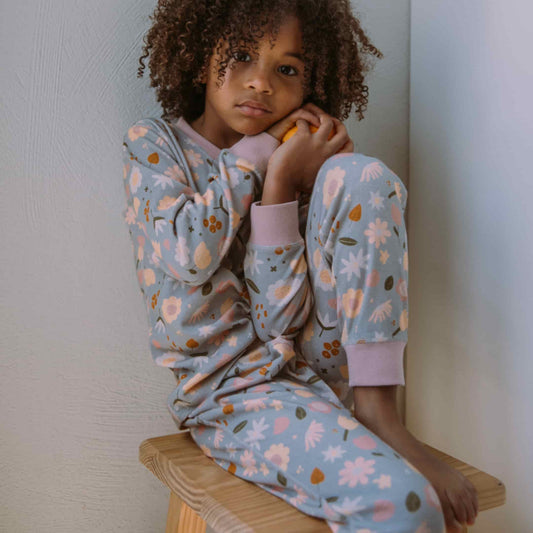
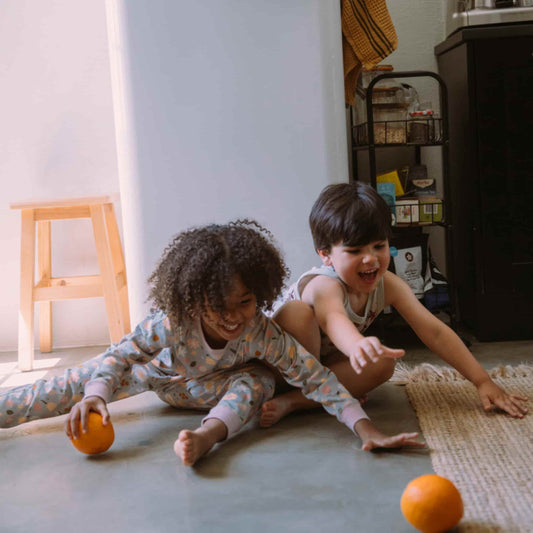
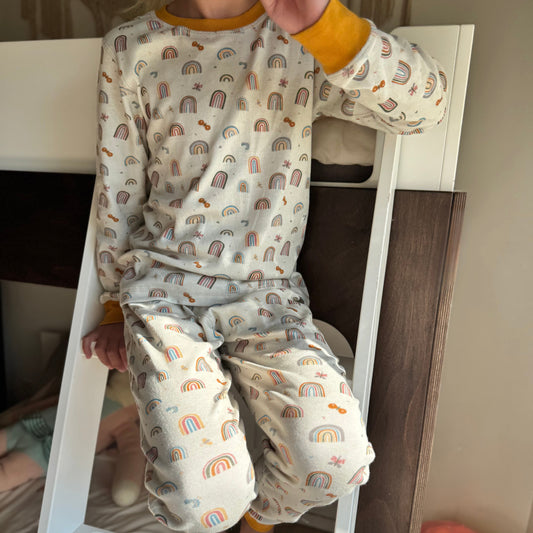
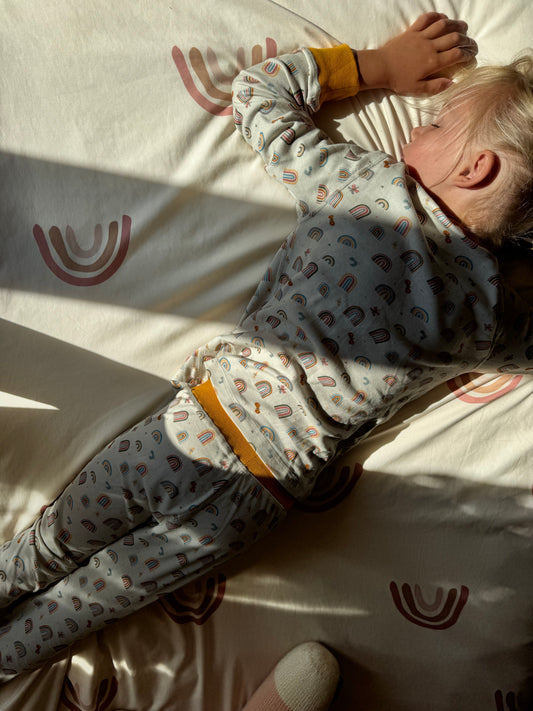
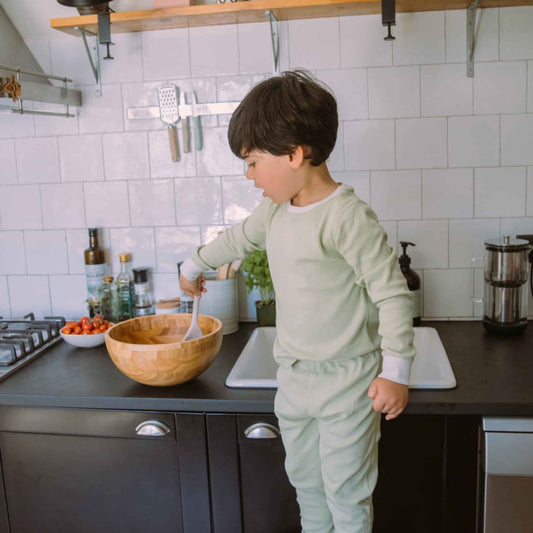
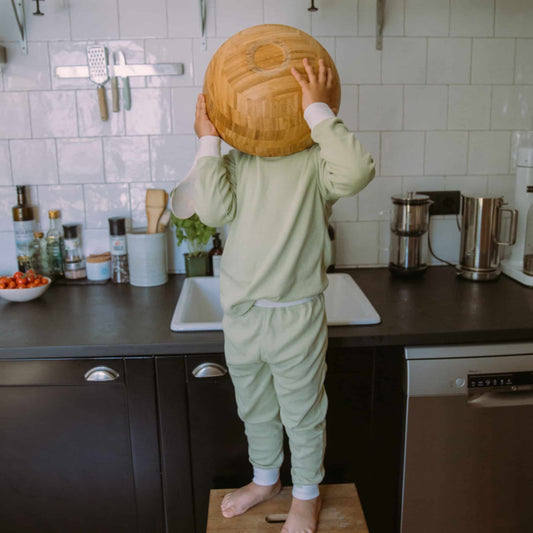
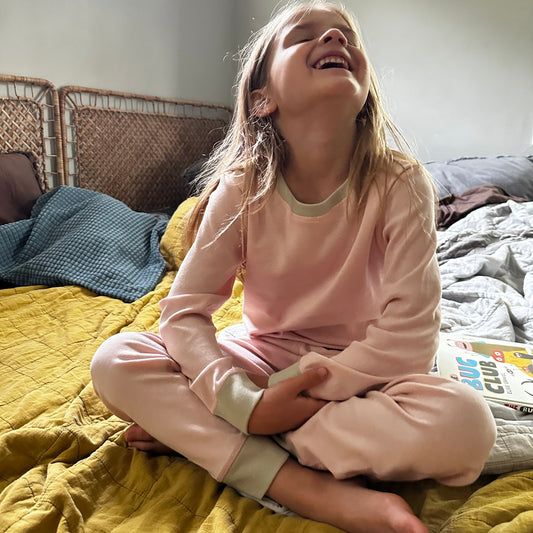
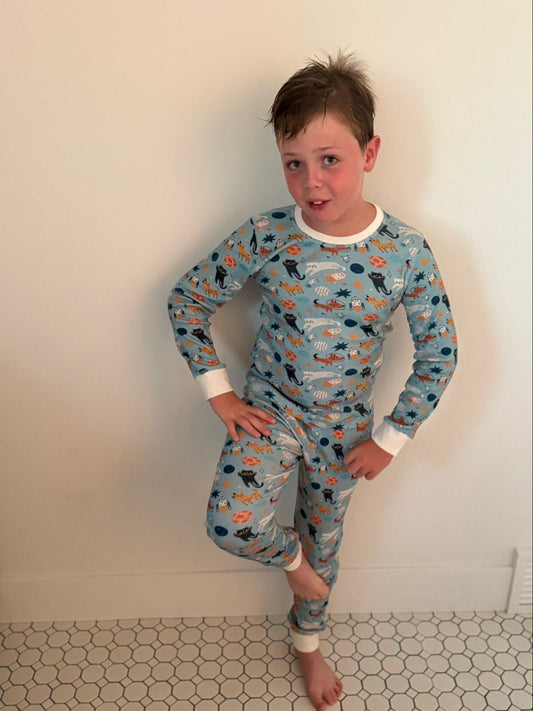
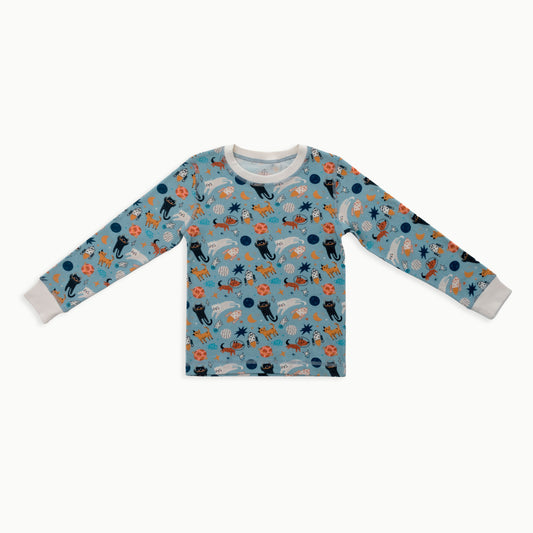
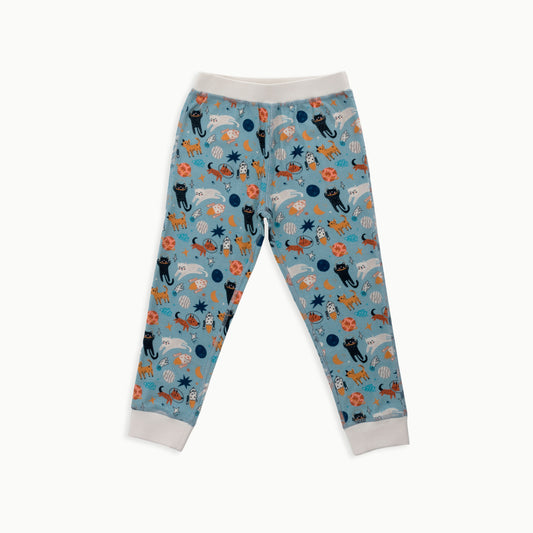
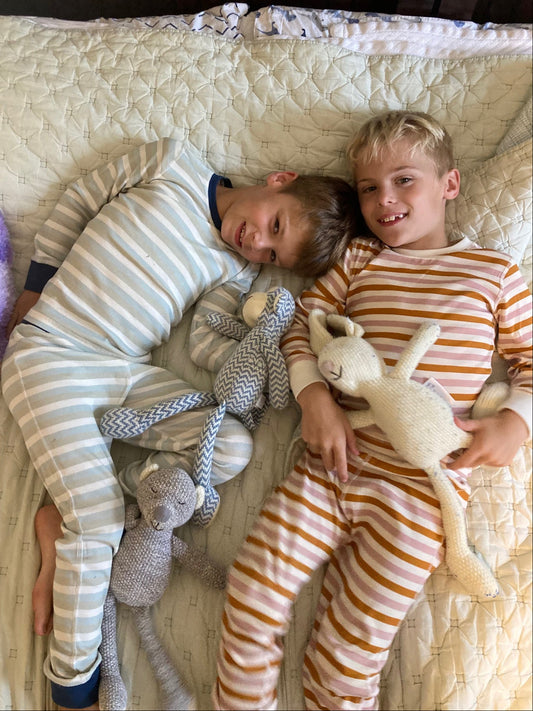
Snug fit means the garment follows the body’s shape, not that it squeezes it.
Signs pajamas are truly too tight
Parents should look for:
-
Deep red marks on the skin
-
Difficulty bending arms or legs
-
Waistbands digging in
-
Complaints of discomfort or overheating
If you see these signs, sizing may be incorrect.
Why sizing up too much isn’t ideal
Because snug fit serves a safety purpose, buying several sizes too large can unintentionally defeat that intent.
Children grow quickly, so sizing thoughtfully matters:
-
Choose room to grow
-
Avoid oversized, loose sleepwear marketed as snug-fit
Well-designed pajamas balance stretch, comfort, and safe proportions.
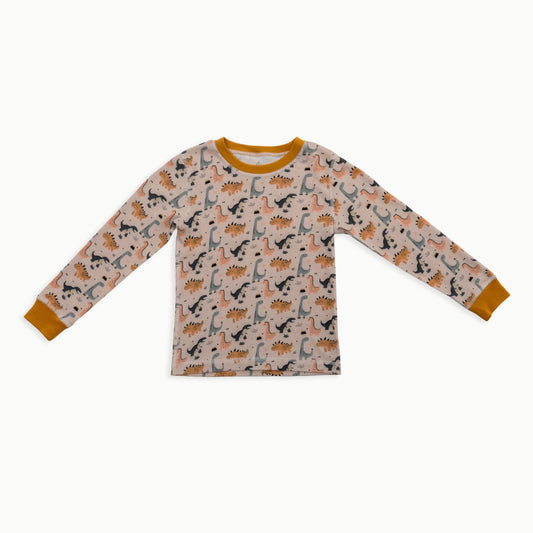
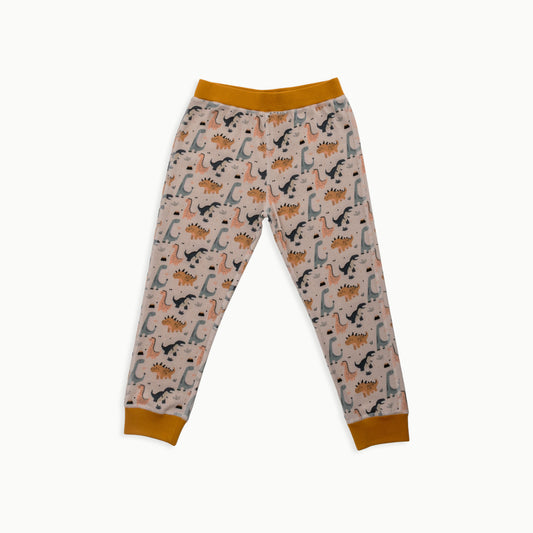
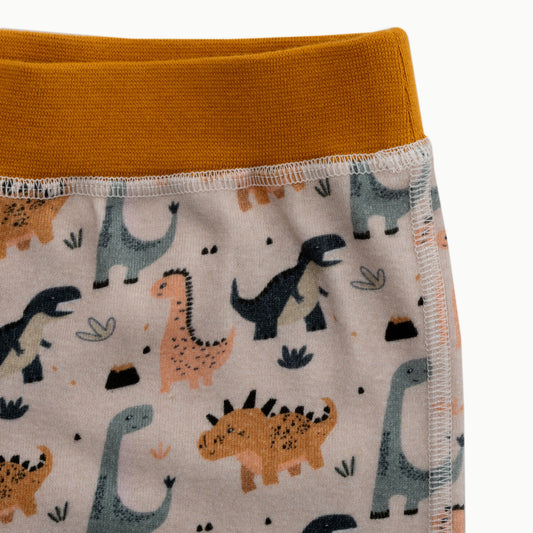
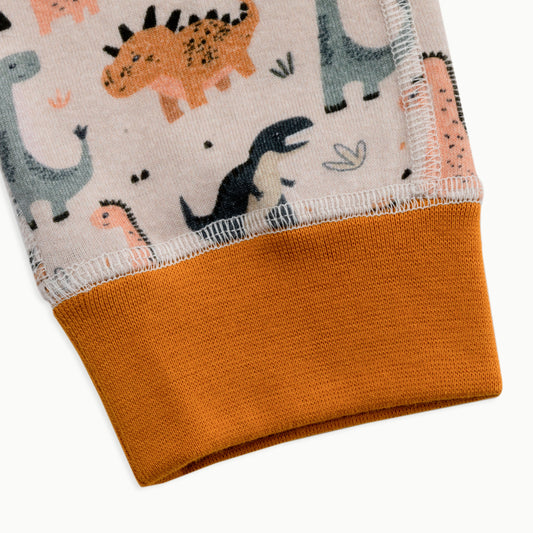
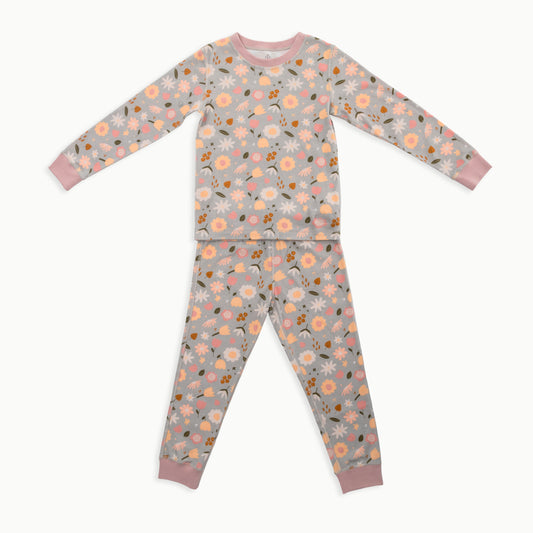
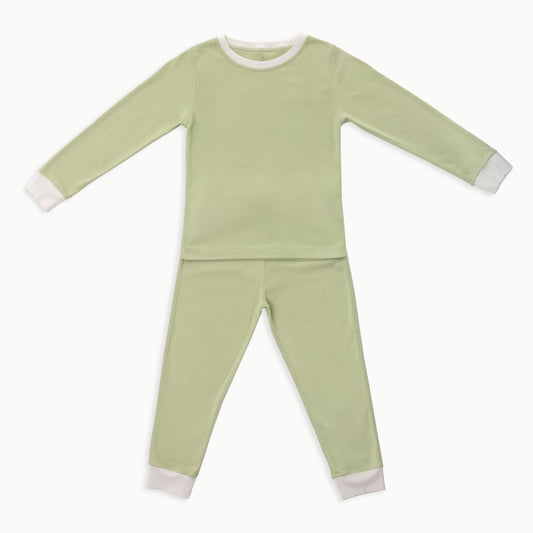
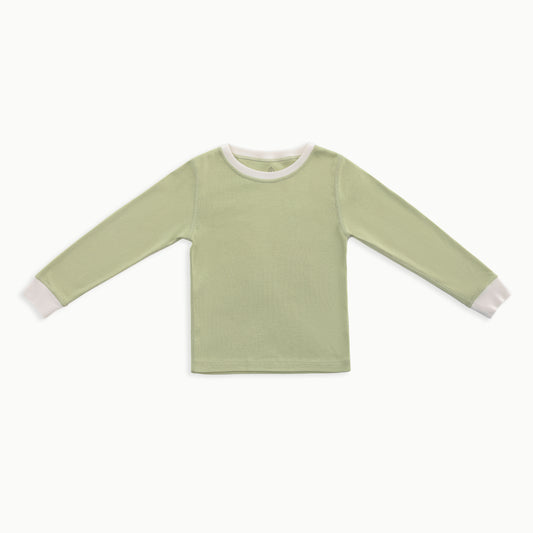
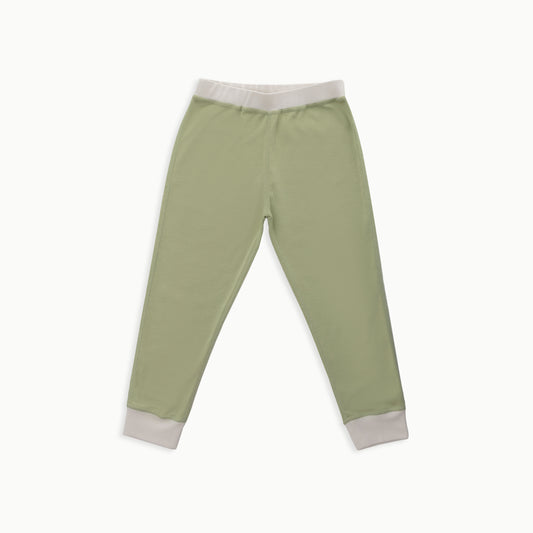
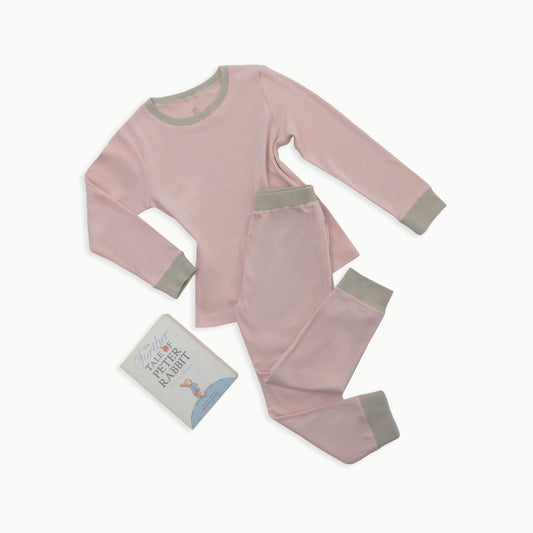
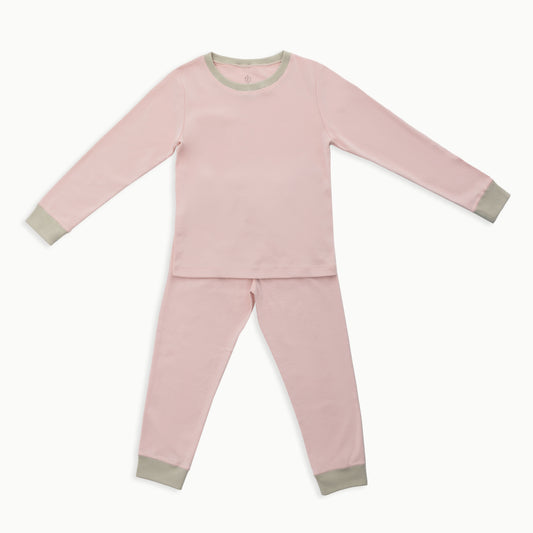
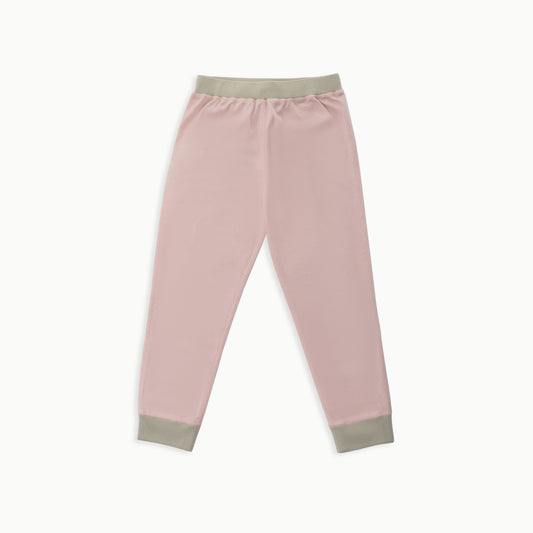
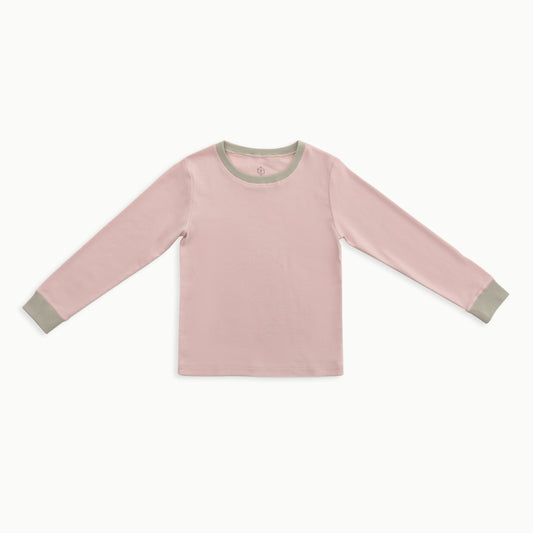
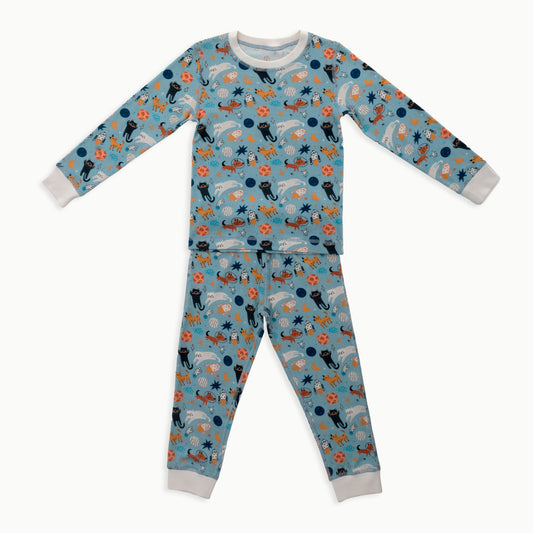
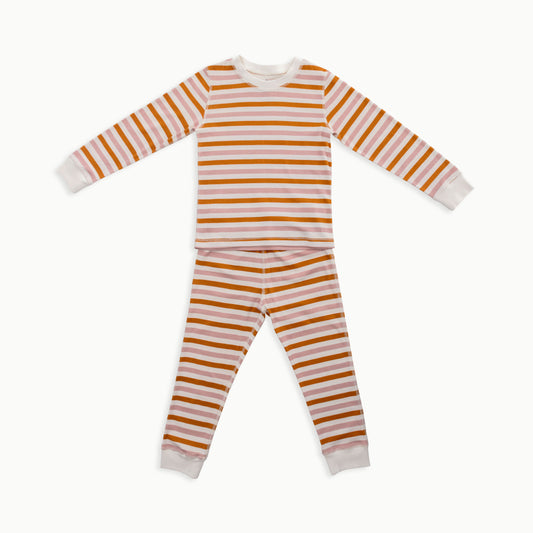
👉 Explore examples of properly designed snug-fitting baby sleepers here:
Snug Fit vs Flame-Resistant Pajamas
This is where many parents become confused.
Children’s pajamas generally meet safety regulations in one of two ways.
Option 1: Snug-Fitting Pajamas
These rely on design, not chemical treatment.
Characteristics:
-
Close-to-body fit
-
Usually lightweight fabrics
-
Often cotton or natural fibers
-
Stretch allows movement
-
Safety achieved through reduced air space
Many families appreciate this approach because the garment itself, rather than added chemical treatments, provides compliance.
Option 2: Flame-Resistant Pajamas
These pajamas meet safety standards through fabric treatment or inherently flame-resistant fibers.
Characteristics may include:
-
Looser silhouettes allowed
-
Fabrics engineered to resist ignition
-
Materials designed to self-extinguish
Flame-resistant construction allows manufacturers to offer looser styles while still meeting federal flammability requirements.
Why Many Parents Prefer Snug-Fitting Pajamas Today
Both snug-fit and flame-resistant pajamas meet federal safety standards. However, many modern parents are increasingly interested in how that safety is achieved.
Historically, flame resistance in children’s sleepwear was often created using chemical treatments designed to slow ignition. Over time, scientific research raised questions about certain flame-retardant chemicals used across household products, including furniture, electronics, and textiles, and their potential environmental persistence and exposure concerns.
As a result, many brands and families began moving toward an alternative already built into regulation: snug-fitting pajamas that meet safety standards through design rather than chemical treatment.
Snug-fit sleepwear provides compliance without requiring added flame-retardant finishes, which is one reason natural-fiber snug pajamas have become the dominant sleepwear style today.
For many parents, the preference comes down to simplicity:
-
Safety achieved through fit
-
Breathable fabrics close to skin
-
Fewer added treatments in garments worn overnight
Both options remain legal and compliant, but understanding the difference allows families to choose the approach that aligns best with their comfort level and values.
Choose Safe and Comfortable Sleepwear for Your Child
 Shopping for pajamas becomes much easier once you know what to look for.
Check the labeling
Compliant children’s sleepwear clearly states:
-
“Snug fitting”
or -
“Flame resistant”
These labels indicate the garment meets federal safety standards.
Choose breathable fabrics
Comfort plays a major role in sleep quality.
Look for:
-
Soft fabrics
-
Breathable construction
-
Stretch that moves with your child
Temperature regulation matters just as much as safety.
Consider season and layering
Instead of oversized pajamas for warmth, experts recommend layering:
-
Snug pajamas
-
Sleep sacks (for babies)
-
Wearable blankets
-
Room temperature adjustments
This maintains safety while keeping children comfortable year-round.
Select the right size
Ideal fit means:
✔ Close to the body
✔ Comfortable movement
✔ No restriction
✔ Not overly loose
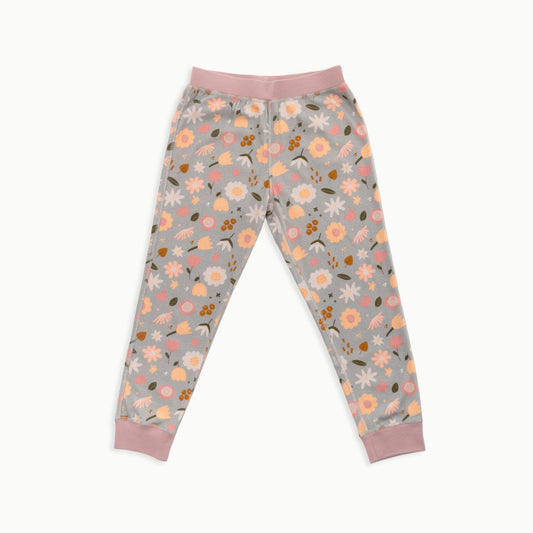
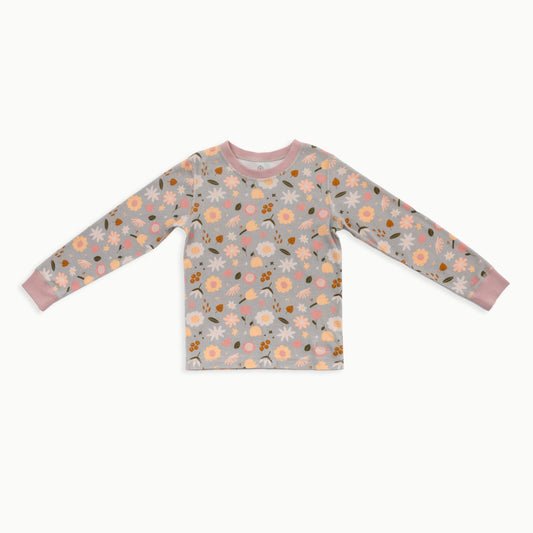
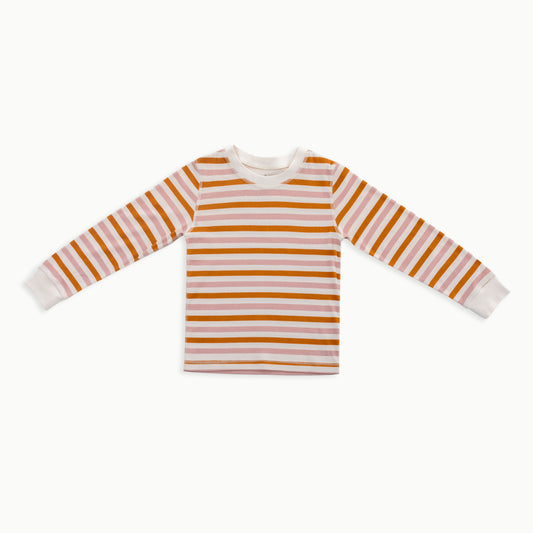
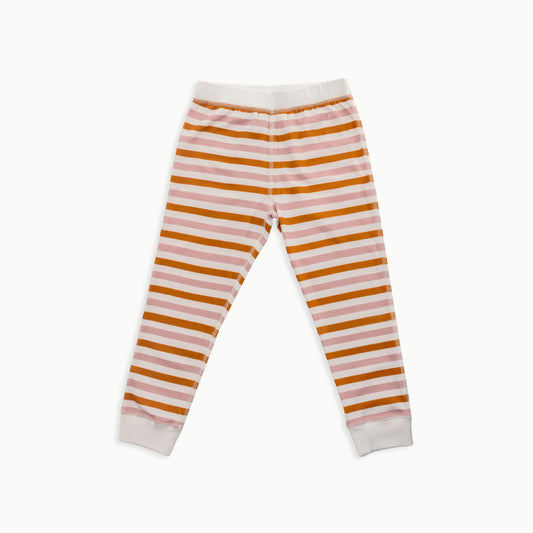
👉 Browse snug-fitting kids’ pajamas designed with both safety and comfort in mind:


