Anastasia Vasilieva is a sustainable fashion researcher and founder of Treehouse, a certified organic kidswear brand. Her work on non-toxic clothing has been featured in podcasts, press, and guest lectures at FIT and Georgetown.
A Drawer Worth Building
Organic cotton baby basics from newborn to 24 months, easy to sort by size and by season.
I still remember opening the nursery dresser drawer and feeling like I had an explosion of tiny onesies. At first, I did a great job of keeping them looking super organised, but somehow they multiplied and took over, and before I knew it, things were a mess.
The good news? It is possible to get and stay organized. And if I managed it (classic adhd mom here), you can too! With a smart system in place, you can find what you need for your baby quickly and keep daily dressing routines running smoothly, even when you’re sleep-deprived.
Why Organizing Baby Clothes Early Makes Life Easier
Two things most parents quickly learn:
Clothes sizes change fast in infancy. Babies grow quickly in the first weeks and months. Newborn clothes typically fit babies for only a short time, often about 3–5 weeks, before they switch to 0–3 month sizes, depending on birth weight and growth patterns.
Frequent outfit changes are normal. Newborns go through multiple outfits daily due to spit-ups, diaper leaks, and general messiness, often 2–4 outfits per day in the earliest months.
Getting clothing sorted early by size and function supports smoother days and calmer mornings, in a way that allows parents to get through the craziness of the early days more easily.
Tip #1: Start by Sorting Baby Clothes by Size and Age
This is the highest-impact step, because it immediately stops the “this looks like it should fit… why doesn’t it?” cycle.
Do this in 15 minutes:
Make size piles: Newborn / 0–3 / 3–6 / 6–9 / 9–12
Make two extra piles: Wear now, next up
Put only “wear now” into drawers.
The “next up” rule
Store the next size in one labeled bin (or one drawer). If it doesn’t fit in one bin/drawer, you have too much of that size.
Size sanity (so you don’t overbuy newborn)
Newborn size is often short-lived, and it’s very common to end up with too many newborn pieces compared to 0–3 months. Baby registry blogs explicitly recommend registering for a range of sizes and putting “most” clothing in 0–3 months and 3-6 months rather than newborn.
If you’re building a small set of organic cotton baby clothes, it’s even more important to keep the size rotation clean so you don’t lose track of what fits.
Tip #2: Decide What Goes in Drawers vs the Closet
Most parents accidentally do this backwards, hanging the stuff they use constantly, and stuffing daily basics wherever they fit.
Put in drawers (your “multiple-times-a-day” basics)
bodysuits
sleepers
pajamas
leggings / soft pants
everyday tops
Why: Babies can go through 2–3 outfits in a day, so anything you reach for repeatedly should be one-handed accessible.
Hang in the closet (less frequent, bulkier, or “special”)
jackets/outerwear
sweaters
“nice outfits”
anything that wrinkles easily (if you care)
Pro move: dedicate one small closet section to “Next size up.” This prevents the classic mistake: buying duplicates because you forgot you already own them.
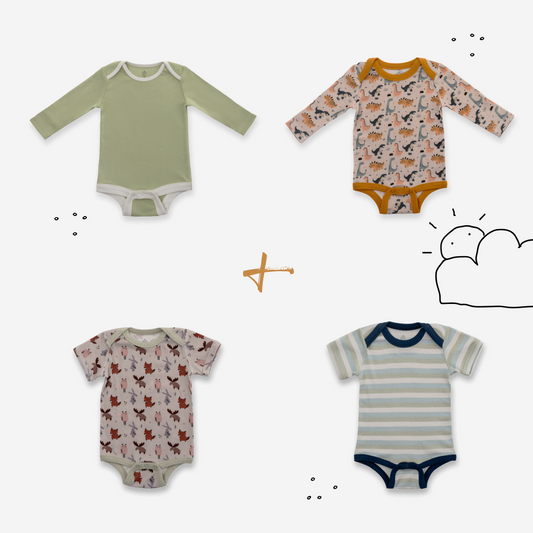
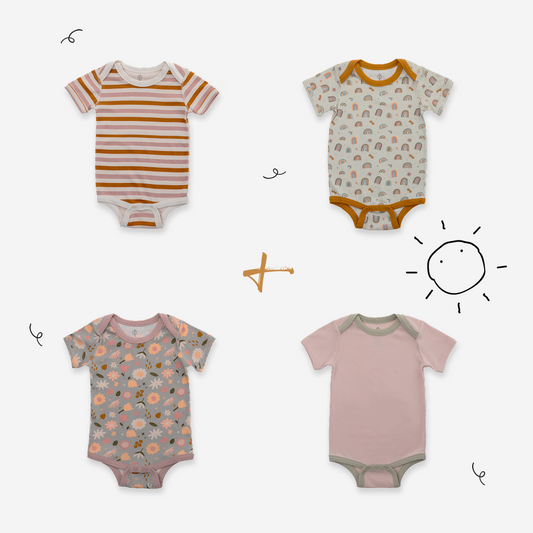
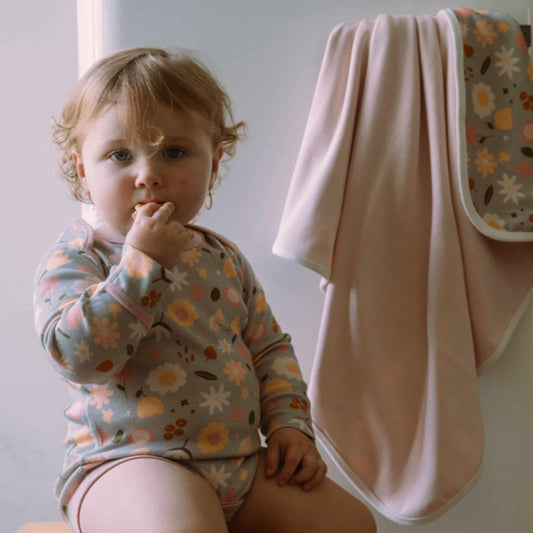
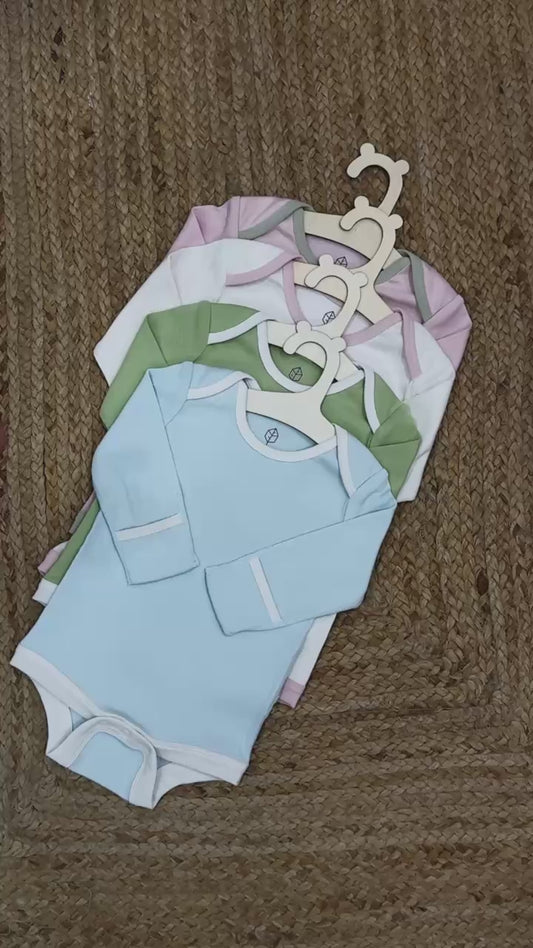
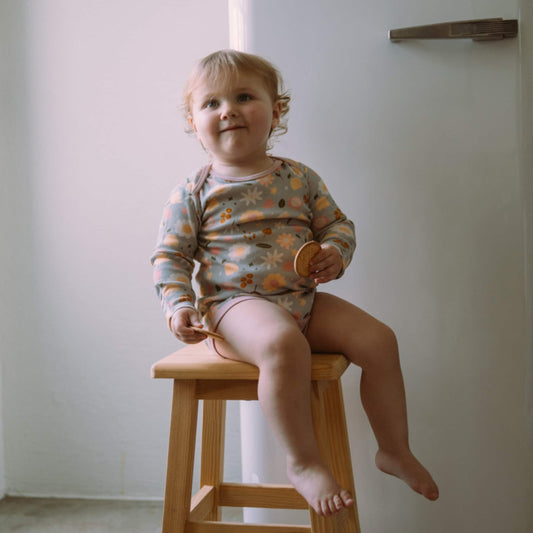
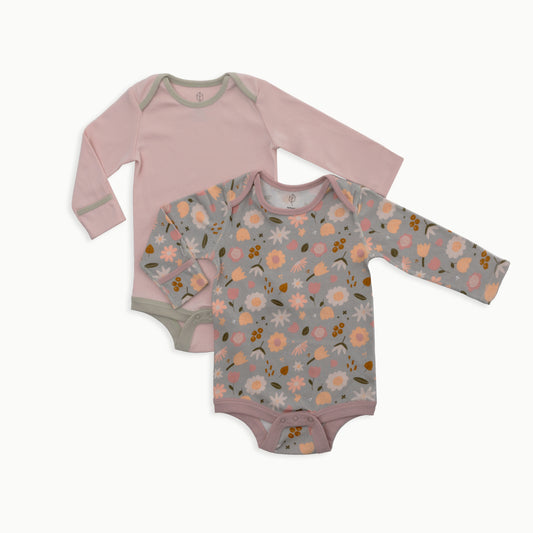
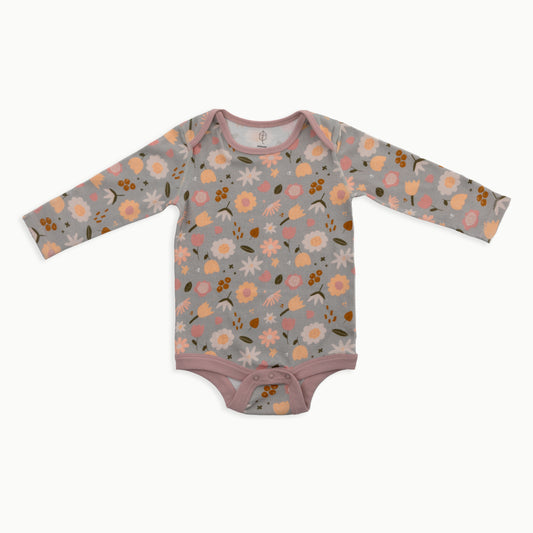
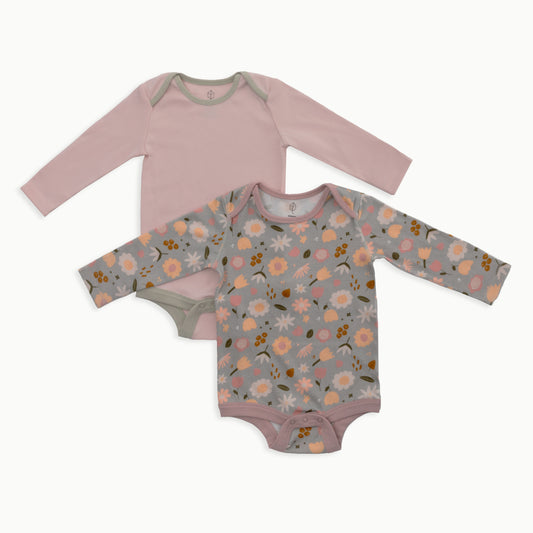
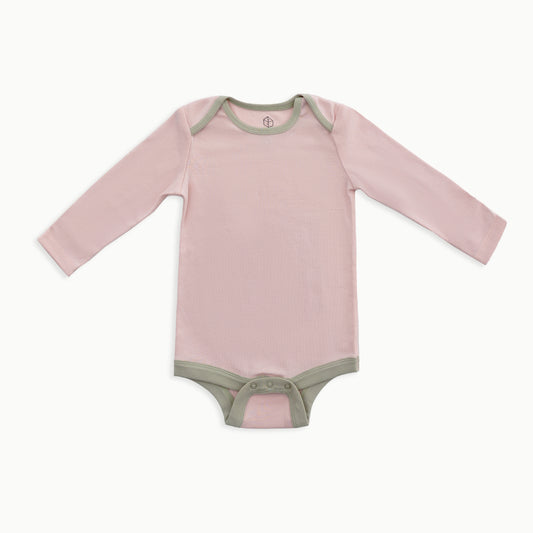
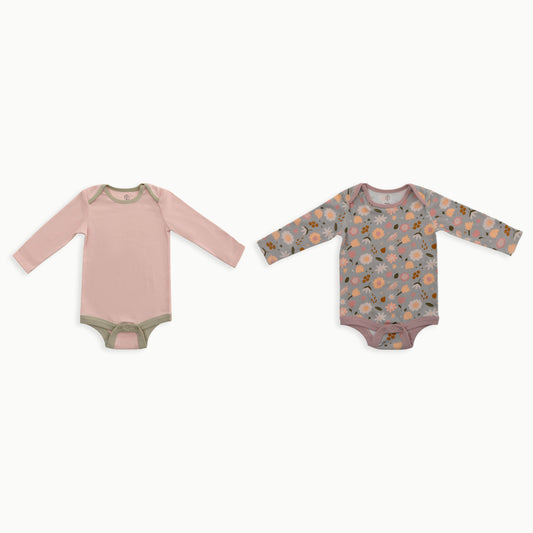
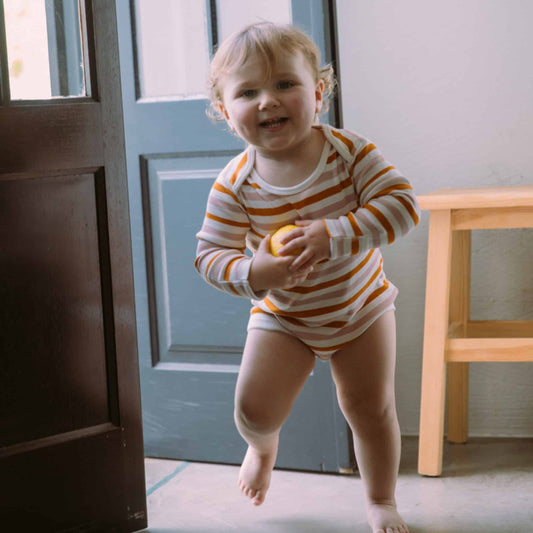
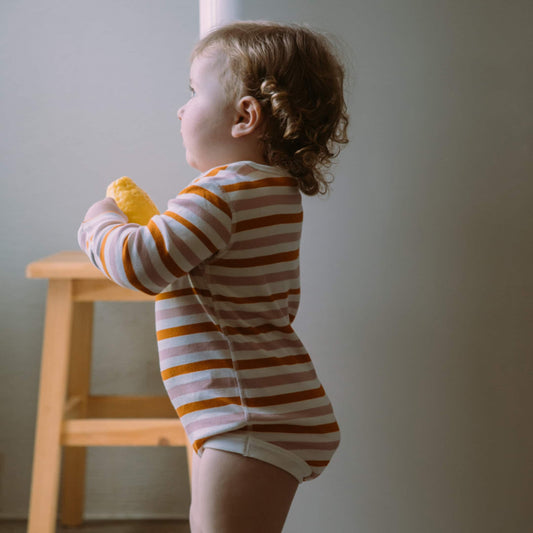
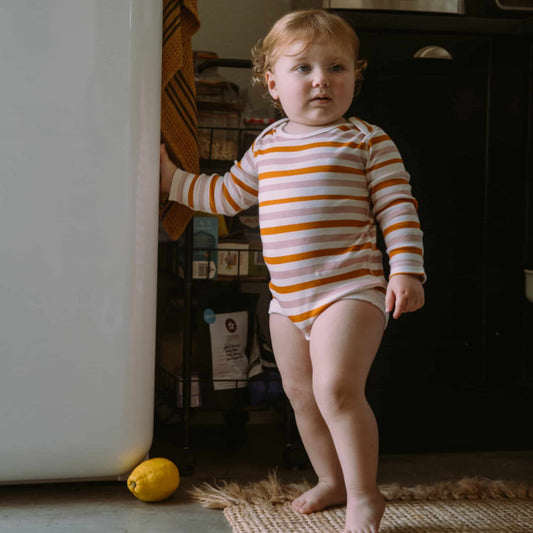
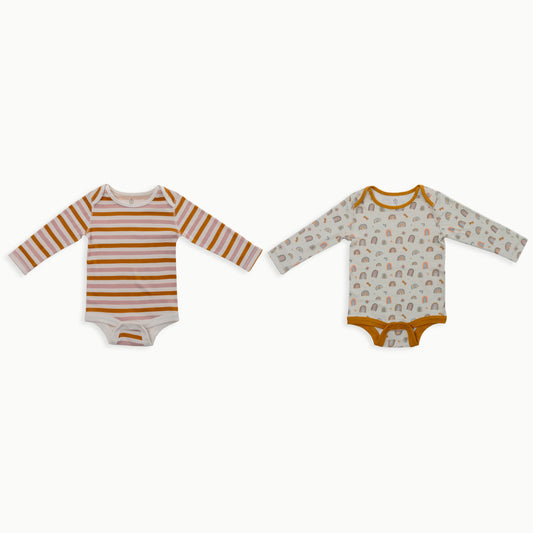
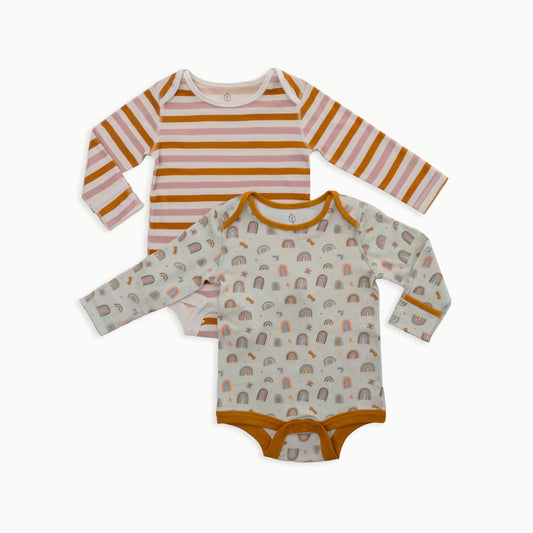
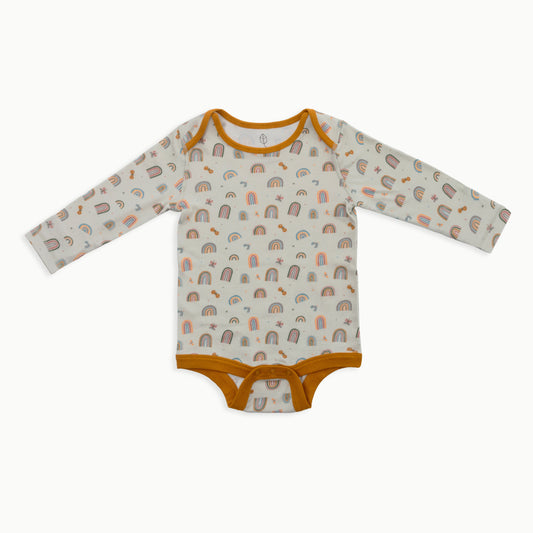
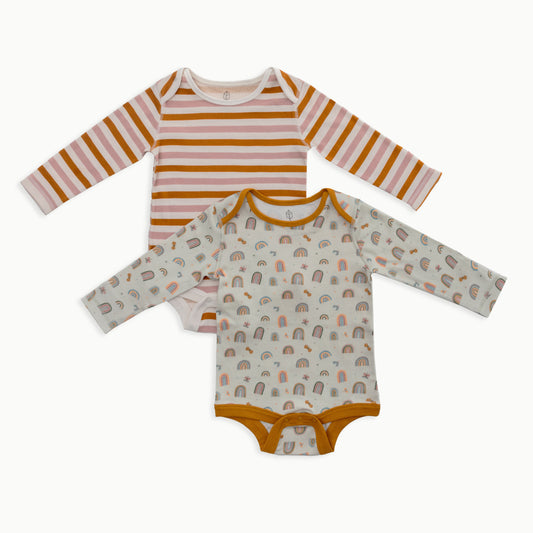
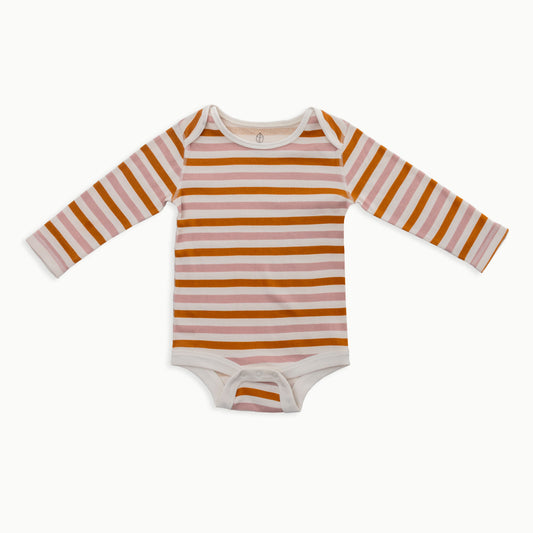
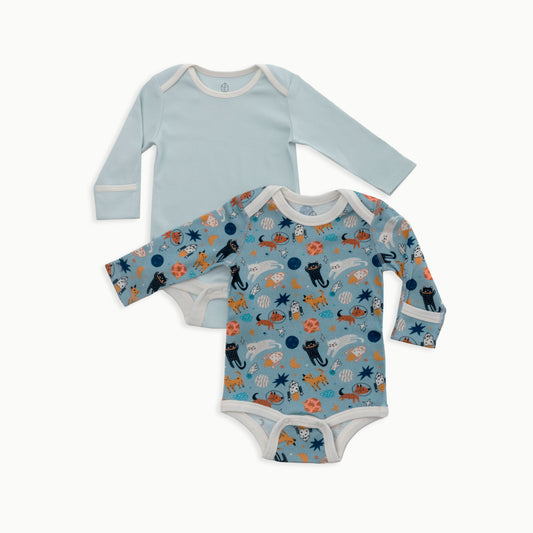
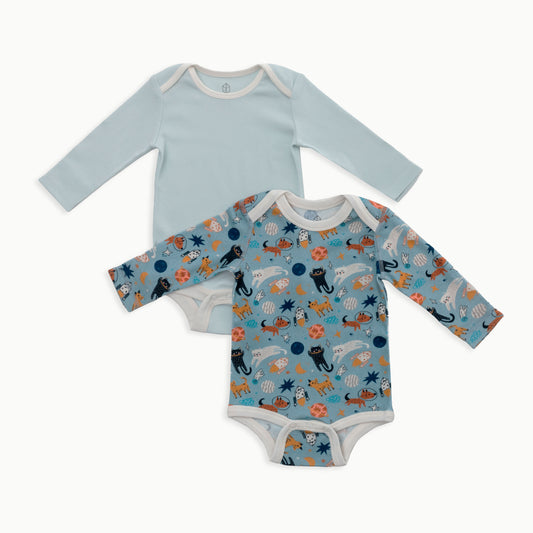
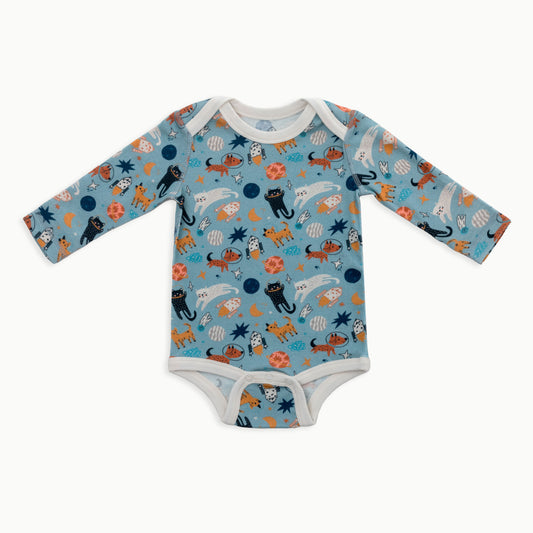
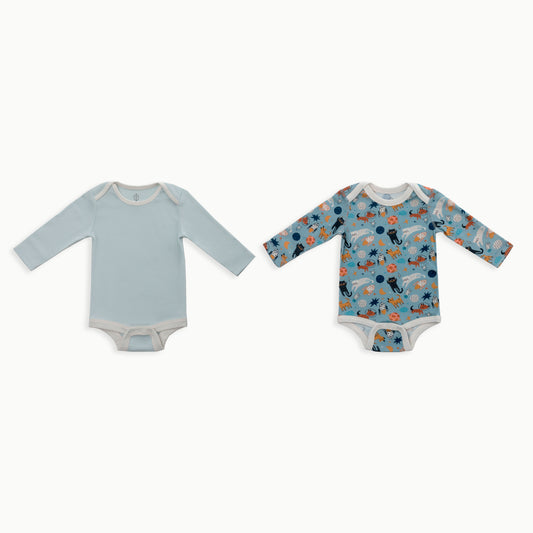
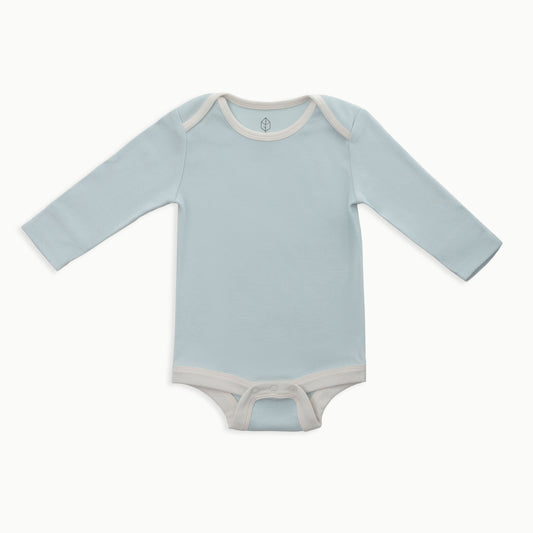
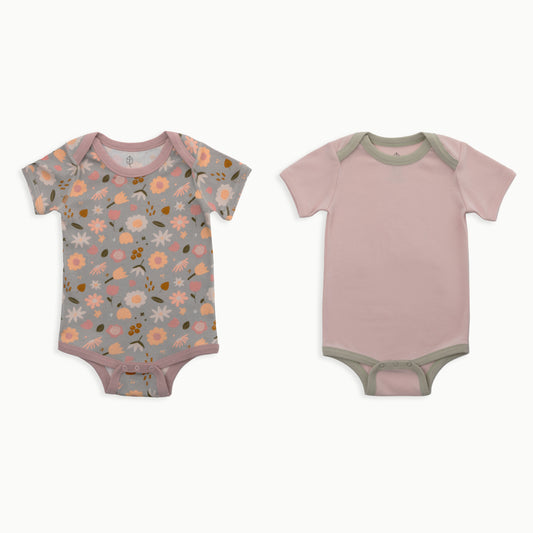
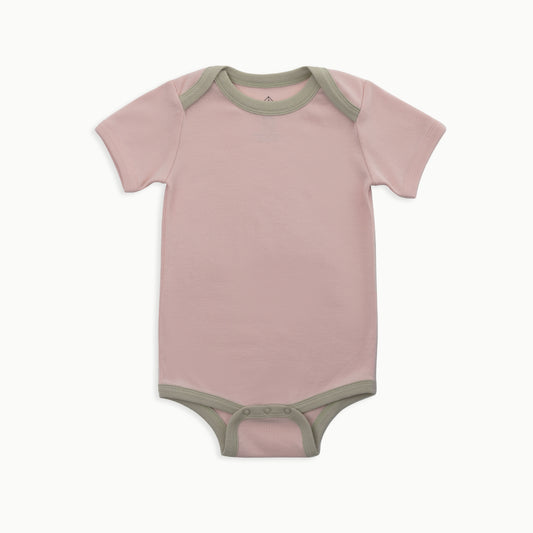
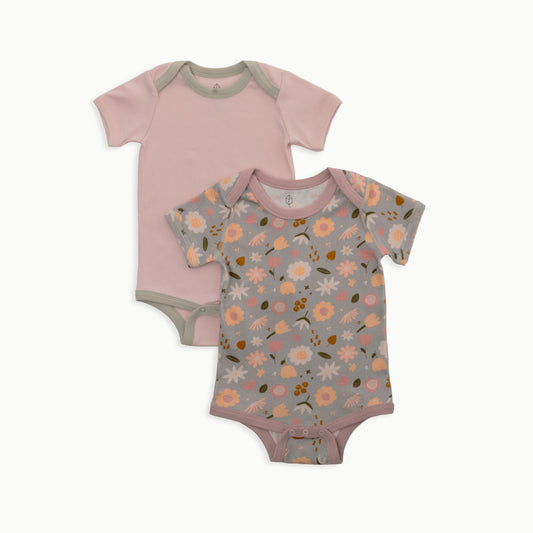
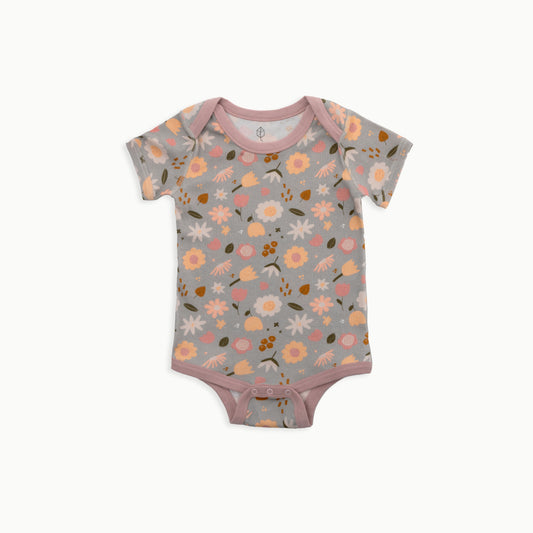
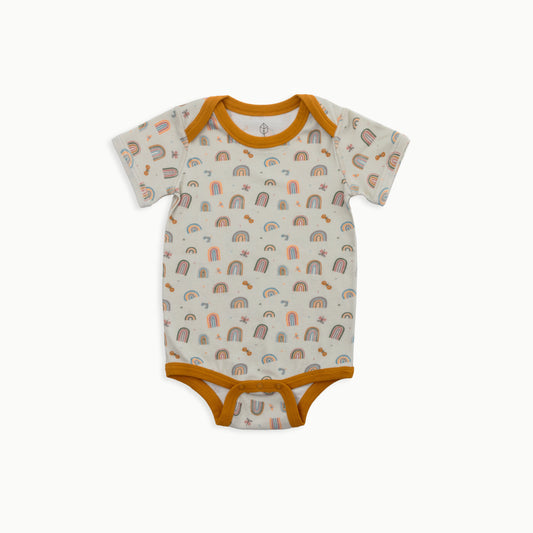
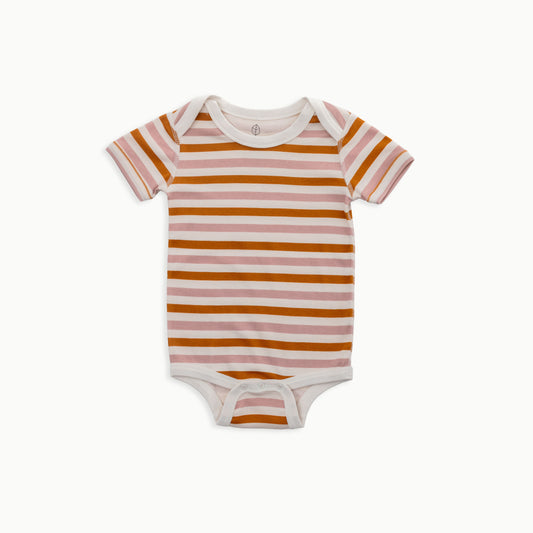
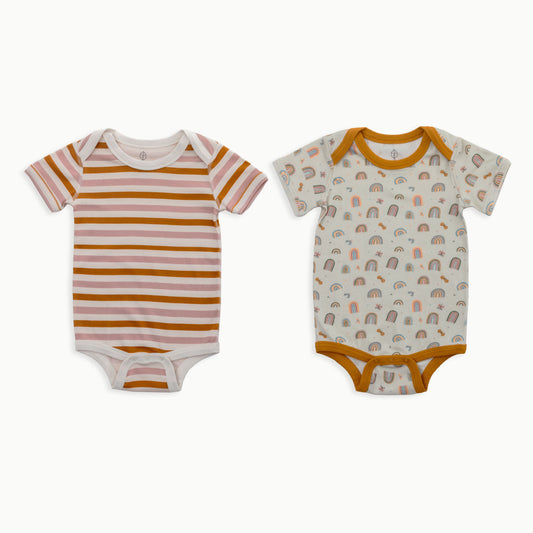
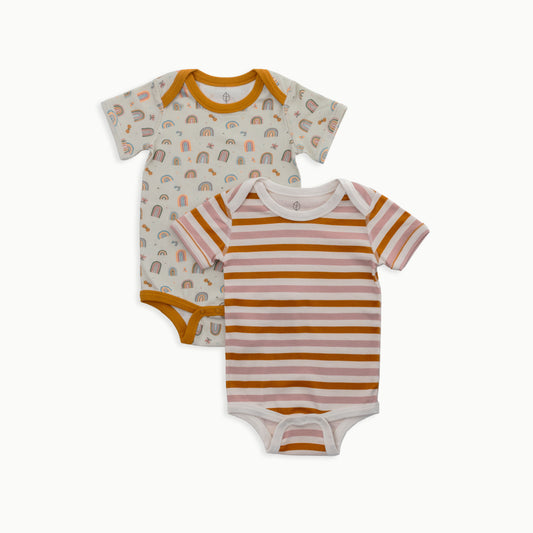
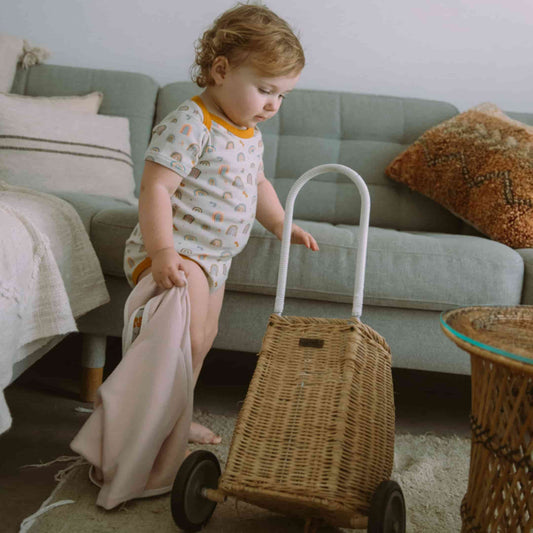
These are the bodysuits and sleepers we make for everyday wear.
Tip #3: Organize Baby Clothes for Quick Daily Access
This is where things go from “organized” to actually useful.
Use the 3-zone drawer system
Instead of sorting by “tops vs bottoms” (which sounds logical but fails at 3 am), sort by what you need the clothes to do:
Fast changes: bodysuits + sleepers (grab-and-go)
Daytime outfits: tops + pants/leggings
Outing-ready: one “presentable but comfy” mini stack
This reduces decision fatigue, especially when you’re changing a baby who has opinions.
The 3 am test
If you wouldn’t want to deal with an item at 3 am (fussy snaps, stiff fabrics, complicated layers), it doesn’t belong in the top drawer. Put it in “Outing-ready” or donate it to a different life phase.
Tip #4: Organize by Season and Fabric Type
Seasonal rotation feels obvious. But fabric-based organization is the “why didn’t I think of that” part.
Babies can overheat more easily than adults, and “too warm” is genuinely a safety concern, so you want breathable everyday pieces that are easy to reach.
Simple system:
Keep breathable daily fabrics (like organic cotton) in the top drawers.
Move heavier or niche items (thick fleece, bulky knits) to a lower drawer or closet bin.
Rotate seasonally into two bins only:
“Next season, current size.”
“Next season, next size.”
This way you don’t end up with five bins labeled like a warehouse.
Tip #5: Storage Solutions for Small Spaces
Small spaces don’t need complicated storage. They need visibility.
High-impact tools (not bulky systems)
Drawer dividers for small items (socks, hats, mittens)
One slim bin per size in the closet (Next up / Later)
Vertical stacking inside drawers (so you can see everything)
If you want a simple folding approach that keeps drawers visible (and not a pile you dig through), your Treehouse folding guide is already built for that.
Tip #6: Create a Simple System for Newborn Clothes
Newborn organization fails when you over-categorize. Newborn life is already fragmented enough.
Keep newborn clothes in just 4 groups:
Sleepers
Bodysuits
Layers
Extras (socks/hats/burp cloths)
That’s it.
Also, because babies can go through 2–3 outfits per day, your “enough” number depends mostly on laundry frequency, not aesthetics.
Tip #7: Don’t Forget the “Extras” (Accessories & Textiles)
Accessories are where money disappears quietly because they’re just so very easy to lose!.
Make “extras” visible, so you stop overbuying
Socks + hats: one small open bin (not a closed box you never open)
Burp cloths: store where you feed (not where you dress)
Blankets: one basket; if you need more space, you probably own too many
This is one of those boring tips that saves actual time every day.
Tip #8: Consider Baby Clothing Bundles for Easier Organization
Bundles aren’t about buying more—they’re about reducing sorting.
If you have a few sets that are:
same size
same season
designed to work together
…then your storage stays clean because you’re not mixing random “maybe this matches” items across drawers.
Common Mistakes Parents Make When Organizing Baby Clothes
These are the ones that create chaos fast:
Mixing sizes in the same drawer.
You end up dressing a baby in something that fits emotionally, not physically.
Storing everything “for later” out of sight.
If you can’t see it, it doesn’t exist. Then you rebuy it.
Over-organizing too early.
Your baby will change sizes and routines quickly. Your system should be easy to update, not precious.
Treating clothes like outfits, not tools.
The best baby clothes are the ones that make changes easy and keep your baby comfortable.
How Often to Reorganize Baby Clothes as Your Baby Grows
Forget “every X weeks.” Use triggers.
Reorganize when:
You’re cycling through the same few items (everything else is “wrong”)
Drawers stop closing easily
You notice diaper changes creeping toward “wrestling match”
You’re doing laundry early because you can’t find basics
Also, remember: babies can go through multiple outfits per day, so your daily-use drawer should never run empty. That’s the drawer to protect.
Wrap-up
A good baby clothing system won’t make parenting easy. But it will remove a bunch of unnecessary decisions from days that are already full, and that’s a real quality-of-life upgrade.
Our commitment to you extends beyond just the our clothing - we prioritize the well-being of your children, the environment, and the workers who craft our pieces.








 Two things most parents quickly learn:
 Most parents accidentally do this backwards, hanging the stuff they use constantly, and stuffing daily basics wherever they fit.


