






CONTENTS
Folding baby clothes somehow feels harder than it should. It’s so exciting getting your nursery set up that you kinda want everything to look just so. But, everything is tiny, oddly shaped, and comes in materials you don’t want to stretch, wrinkle, or ruin. Add sleep deprivation and limited storage, and suddenly, laundry becomes a full-blown project.
This guide is not about aesthetic perfection or elaborate folding systems you’ll abandon in a week. It’s about repeatable, low-effort methods that work in real homes, with real drawers, and real time constraints. The good news: most baby clothes can be folded using one simple base method, with small tweaks depending on the item.
If you can fold a t-shirt, you can fold baby clothes. You just need fewer steps and lower expectations.
Why Folding Baby Clothes the Right Way Matters
Folding isn’t about neatness for its own sake. It’s about making daily routines easier. With easier daily routines, the grind of being a new parent is that much more manageable. Believe me (I almost lost my mind with baby number 1 before I got a repeatable routine in place).
A consistent folding method:
-
Saves time during rushed mornings and middle-of-the-night changes
-
Maximizes space in small drawers and shared storage
-
Reduces wrinkles, which means less rewashing
-
Makes it easier to see what you actually have (and what you don’t)
It also reduces mental load. When everything is folded the same way, you don’t have to think. You open a drawer, grab what you need, and move on. That’s the goal.
The Core Folding Method Parents Can Rely On
 If you only take one thing from this article, let it be this: file-style folding works for almost all baby clothes.
Instead of stacking items flat on top of each other, you fold them into compact rectangles and store them upright in drawers. This allows you to:
-
See everything at once
-
Pull out one item without disrupting the rest
-
Keep sizes and categories separated easily
This method adapts well across onesies, sleepers, pants, and tops. The exact folds may change slightly, but the end result stays the same: a slim, drawer-friendly shape that stands on its own.
You don’t need exact measurements. Consistency matters more than precision.
👉 Further read: Kids' Capsule Wardrobe Guide.
Folding Baby Clothes by Item Type
This section is intentionally skimmable. These are not tutorials, just priorities and quick methods that work.
How to Fold Baby Onesies
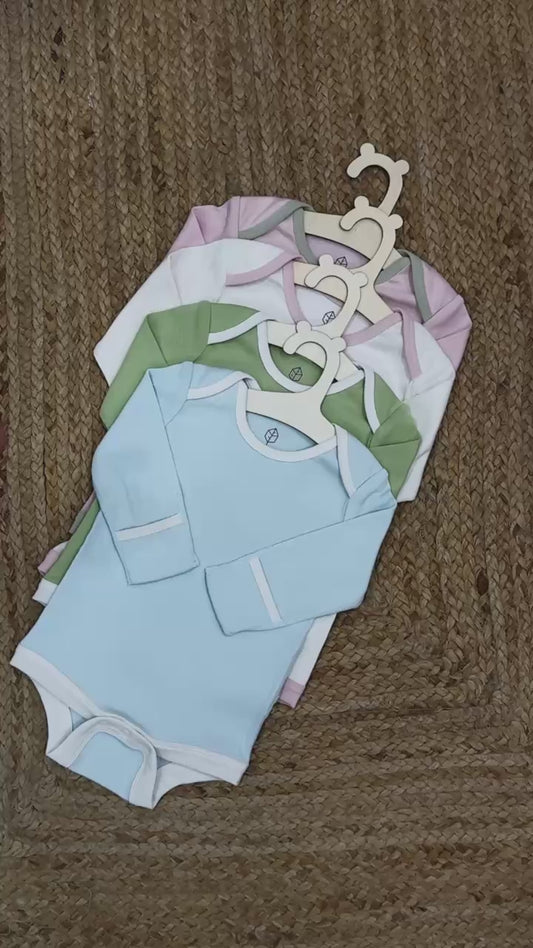
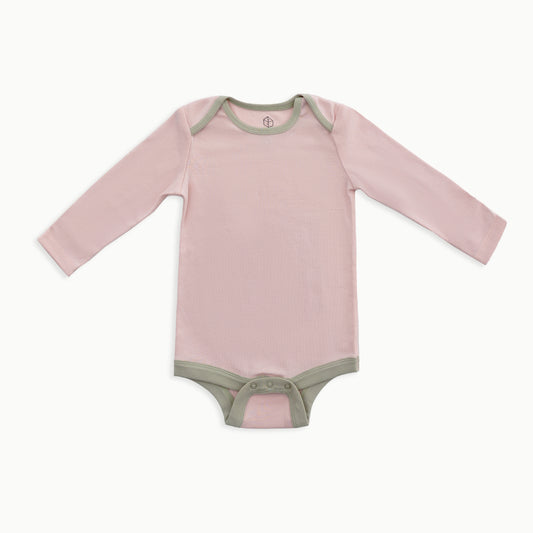
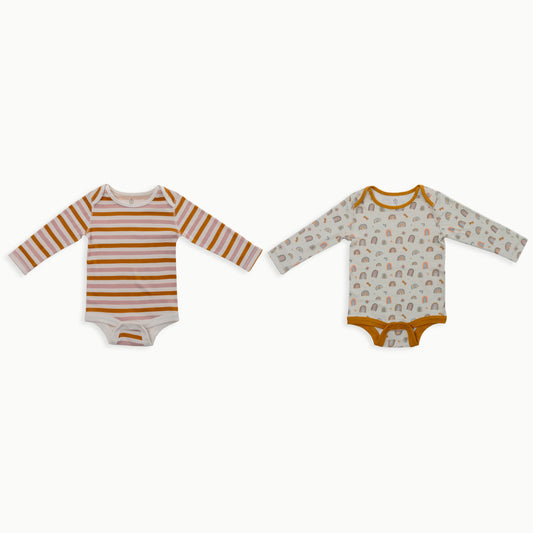
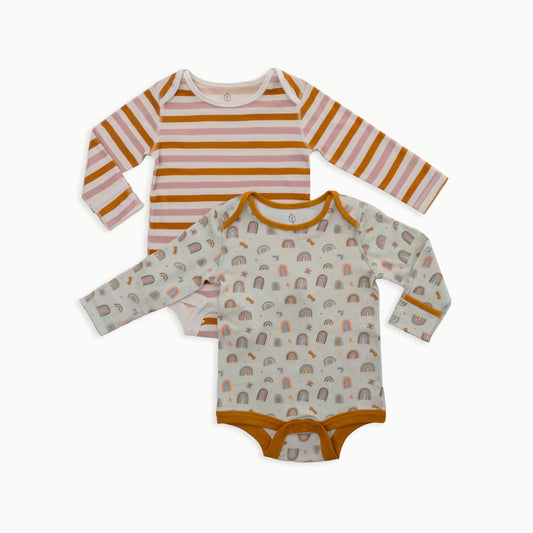
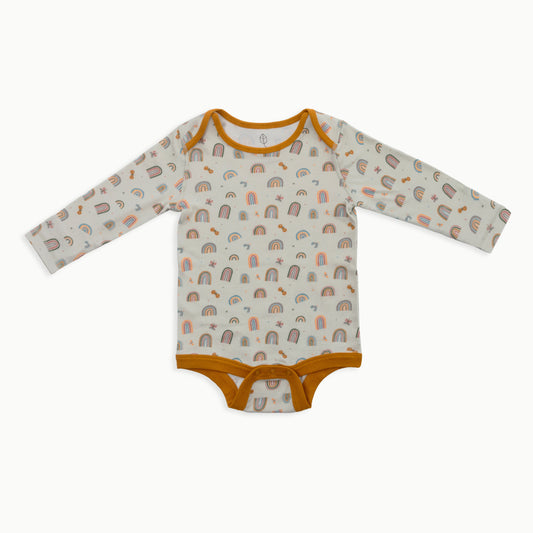
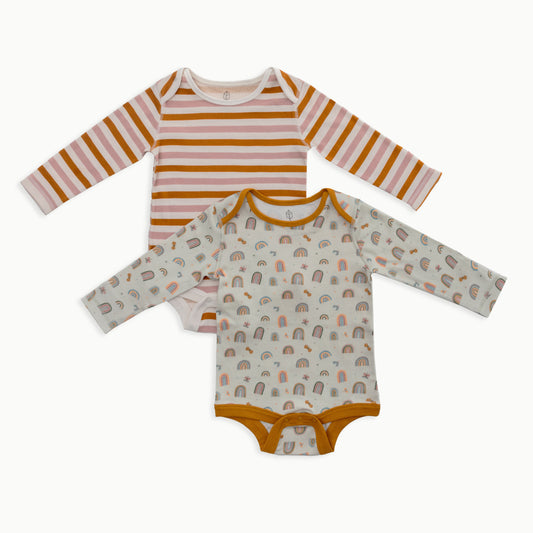
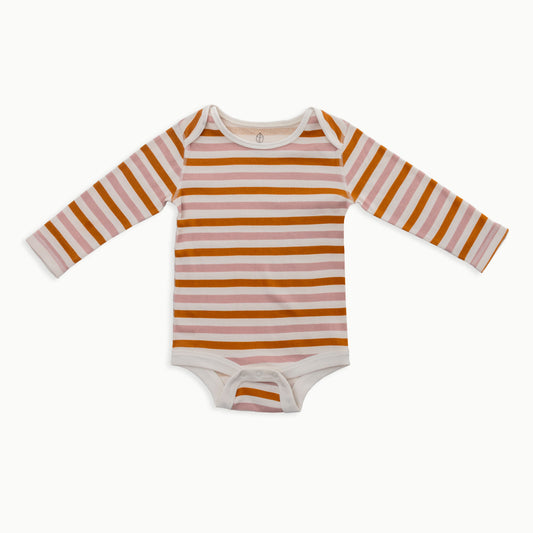
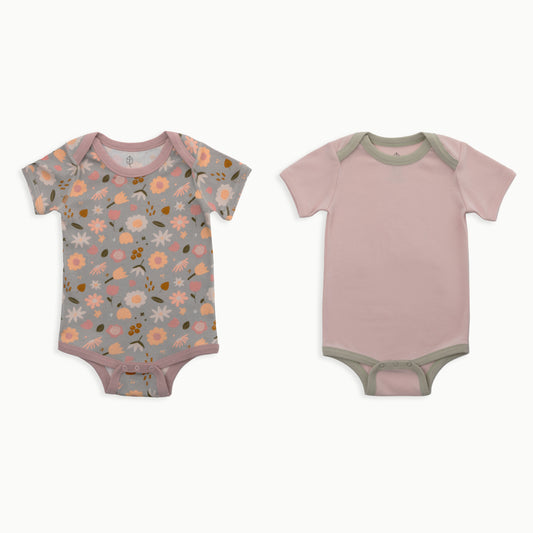
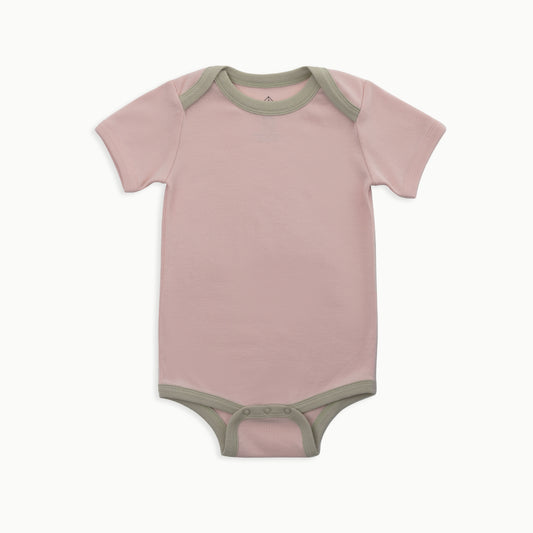
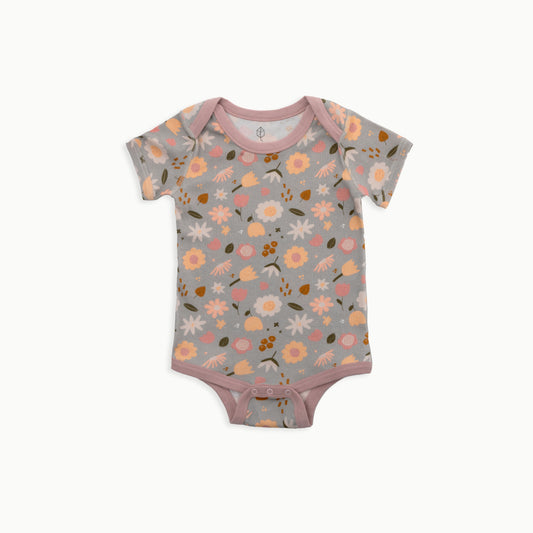
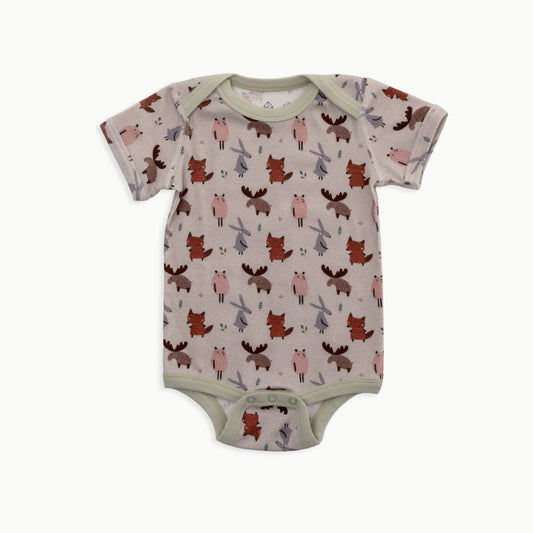
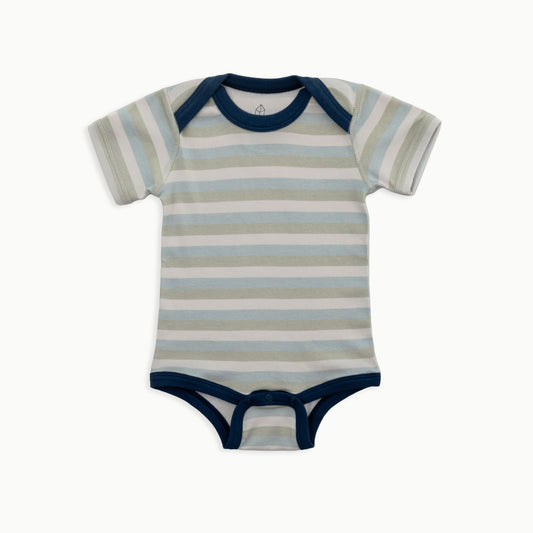
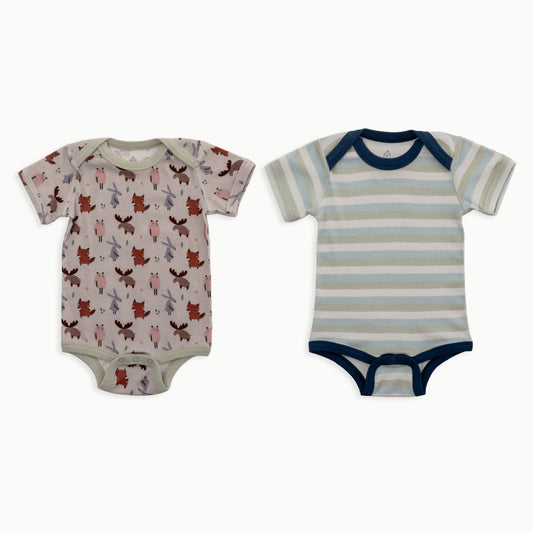
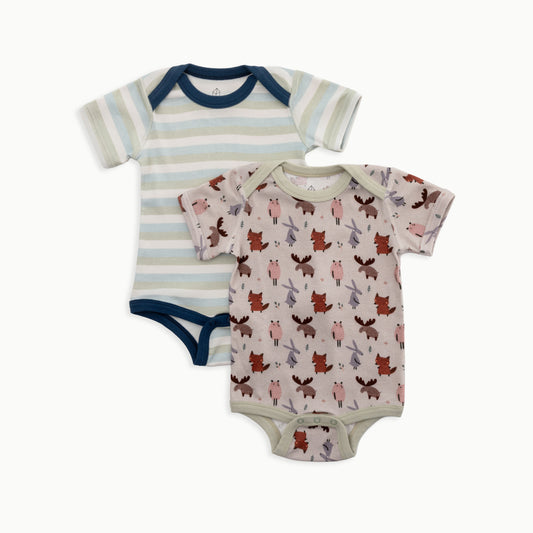
Lay flat, fold sleeves in, fold the bottom up once, then fold into a compact rectangle that protects snaps and avoids bulk at the crotch. Store folded, not hung.
Short-sleeved and long-sleeved styles fold the same way.
👉 Related read: How To Fold Onesies
How to Fold Baby Sleepers and Pajamas
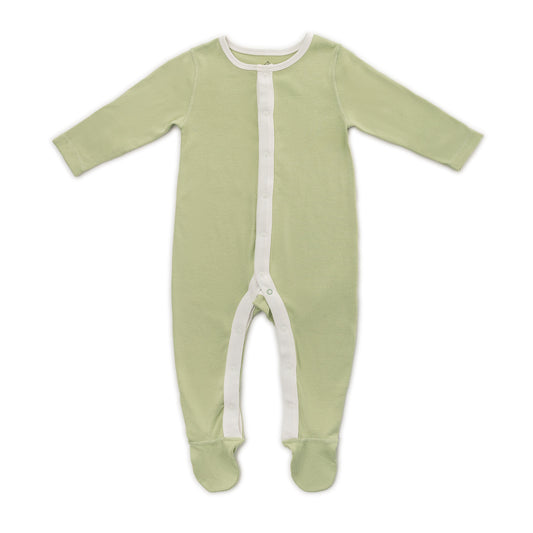
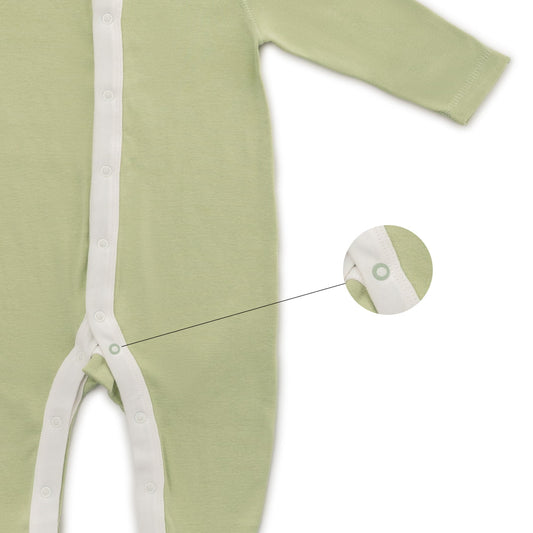
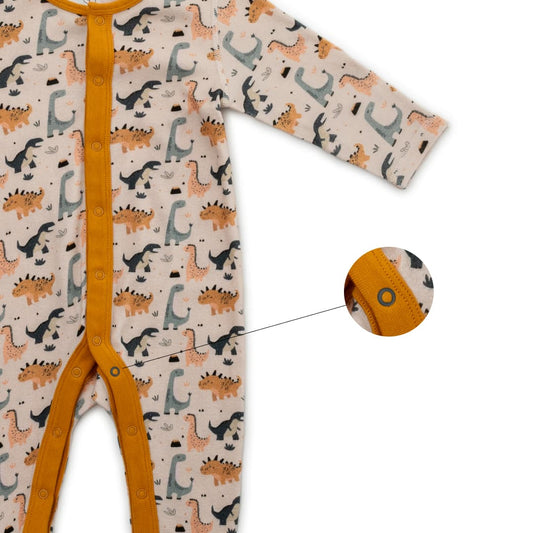
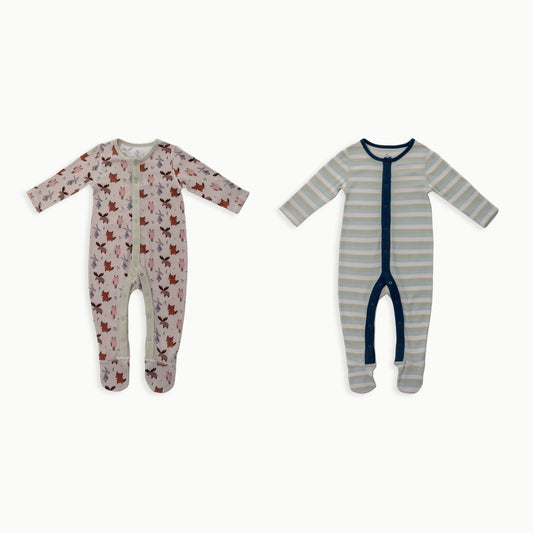
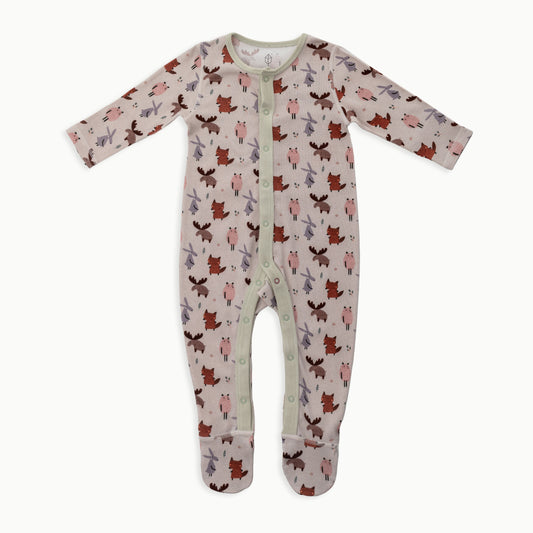
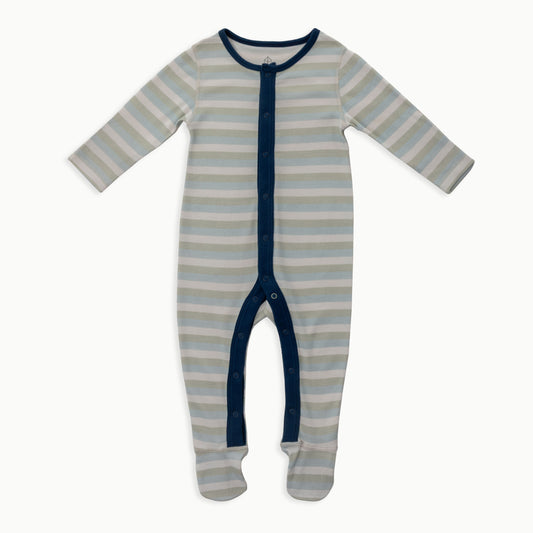
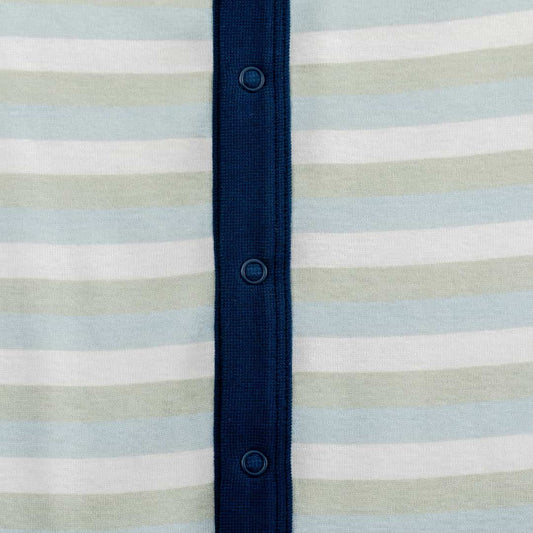
Fold along natural seams, zip or do up the snaps fully before folding, then fold lengthwise and once more into a rectangle; this prevents stretching and zipper creases.
For everyday storage, folding beats hanging. Rolling works better for overnight bags or travel.
You’ll find this method works especially well for baby sleepers made from softer, natural fabrics that crease less when folded correctly.
How to Fold Baby Socks
 Lay socks flat, pair them together, then fold once; don’t stretch one sock over the other into a ball.
Stretching damages elasticity and shortens lifespan. Use drawer dividers or small bins to keep pairs visible.
This is especially important for soft knits like baby socks that rely on structure rather than tight elastic.
How to Fold Baby Blankets
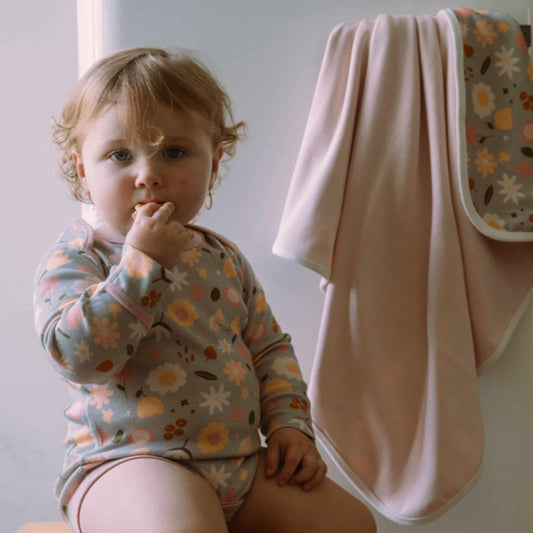
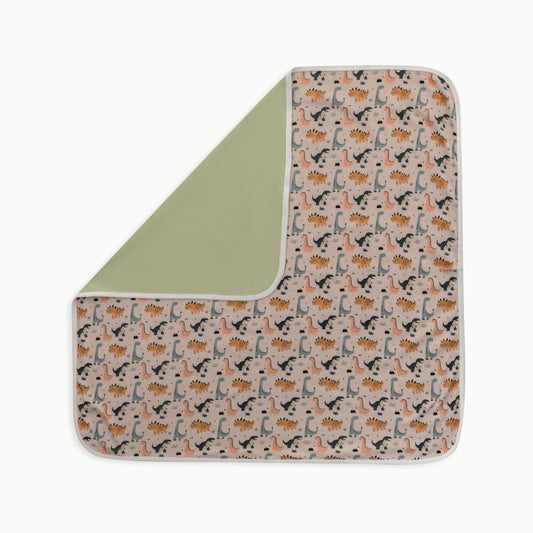
Fold loosely into thirds and then in half, or roll gently if storing in open baskets. Avoid sharp creases, especially for natural fibers.
Rolling works well for everyday blankets used in rotation, while folding is better for shelf or drawer storage.
This approach helps preserve texture and softness in baby blankets that are washed frequently.
Shop Baby Essentials
If you’re building a simple, fold-friendly baby wardrobe, focus on categories that store well and rotate easily:
-
Bodysuits (short and long sleeve)
-
Sleepers and pajamas
-
Socks and accessories
-
Blankets and burp cloths
Fewer categories, folded consistently, beat overfilled drawers every time.


