































CONTENTS
Yes. Pediatricians and dermatologists overwhelmingly recommend pre-washing all baby clothes that touch skin before first wear. The reasons go far beyond “freshening them up.” New baby clothes often carry manufacturing residues, dyes, finishing chemicals, warehouse dust and handling bacteria before they ever reach your home. This guide breaks down what is present on new clothing, whether organic cotton needs the same treatment, which items matter most, and how to wash baby clothes properly without damaging the fabric.

The Short Answer (And Why It Matters)
Yes, wash all baby clothes that touch skin before first wear. The American Academy of Pediatrics recommends this specifically for newborns because their skin is thinner, more permeable and more reactive than adult skin.
New clothes move through a very long chain before they reach your baby. Fabric mills, dye houses, sewing facilities, warehouses, shipping containers, retail shelves and packaging facilities all leave residues behind. Clothing also collects dust, bacteria and handling contamination throughout transport and storage.
The manufacturing side matters too. Conventional baby clothes are often treated with wrinkle-resistant finishes, dyes, sizing agents and chemical softeners designed to improve appearance during shipping and retail display. Those chemicals stay in the fabric until they are washed out. And sometimes they cannot be washed out fully.
Babies absorb more through their skin than adults do. A t-shirt that feels perfectly normal to you can trigger irritation, heat rash, or eczema flare-ups on a newborn.
What's Actually on New Baby Clothes?

A lot of articles vaguely mention “chemicals” without explaining what they mean. The reality is much more specific.
Formaldehyde Resins
Many conventional garments are treated with formaldehyde-based resins to reduce wrinkling and help clothing hold shape during shipping. These finishes are common in mass-market apparel because they keep garments looking crisp inside packaging and on store shelves.
Formaldehyde exposure has been associated with skin irritation and allergic contact dermatitis, particularly in sensitive individuals and young children. Higher levels have historically been found in imported garments and wrinkle-resistant clothing.
Azo Dyes
Azo dyes are among the most widely used synthetic dyes in the textile industry because they are inexpensive and produce bright, stable colours. Certain azo compounds can break down into aromatic amines, some of which are restricted or banned in parts of Europe due to toxicity concerns.
You can read more here about what azo dyes are.
Sizing Agents and Starches
Many new clothes are coated in sizing agents during manufacturing to make fabric feel smoother, stiffer or easier to cut and sew. This is one reason brand-new clothing sometimes feels unnaturally crisp before washing.
These coatings are not necessarily dangerous in small amounts, but they are unnecessary on clothing sitting directly against newborn skin.
NPEs (Nonylphenol Ethoxylates)
NPEs are surfactants historically used during textile processing and dyeing. They have raised environmental and endocrine-disruption concerns because they break down into nonylphenols, which persist in waterways and ecosystems.
Many certification systems, including GOTS restrict or prohibit them entirely.
Handling Residues
Even beautifully packaged clothing passes through many hands before it reaches your baby. Warehouses, shipping containers, store shelves and fulfillment centers expose fabric to dust, dirt, bacteria and packaging residue along the way.
Pre-washing removes a large portion of that surface contamination immediately.
Does Organic Cotton Need to Be Pre-Washed Too?

Yes, although the reasoning changes significantly.
GOTS-certified organic cotton is processed under far stricter chemical standards than conventional cotton. GOTS prohibits many of the formaldehyde finishes, problematic azo dyes and harsh processing chemicals commonly used in conventional apparel manufacturing. The chemical argument for pre-washing becomes dramatically smaller.
Hygiene still matters, though. Organic clothing still travels through warehouses, shipping systems and packaging environments before arriving in your nursery. Dust, storage residue and handling contamination still apply regardless of fiber type.
Pre-washing also softens organic cotton beautifully. High-quality organic cotton tends to become softer with each wash because long-staple natural fibers relax over time rather than breaking down quickly like many synthetic blends.
For certified organic cotton, one gentle pre-wash with a fragrance-free detergent is usually enough. There is no need for repeated stripping cycles or aggressive washing routines.
You can explore our collection of GOTS-certified organic cotton baby clothes.
Which Baby Clothes to Pre-Wash (And Which You Can Skip)
Not every item needs the same urgency.
Wash Before First Wear
These items sit directly against the skin and should always be washed first:
• Onesies and bodysuits
• Sleepers and pajamas
• Sleep sacks
• Swaddles and receiving blankets
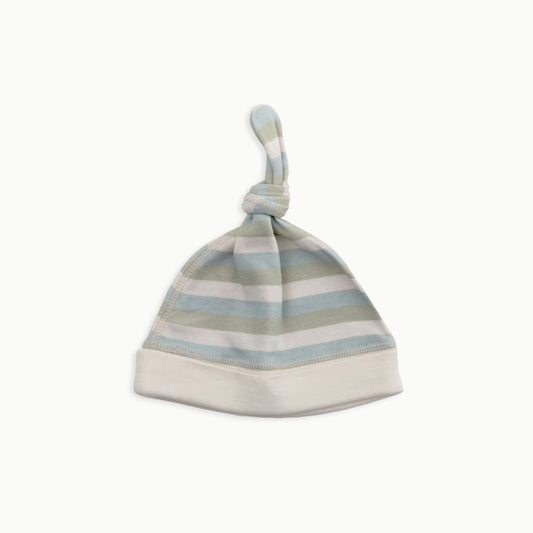
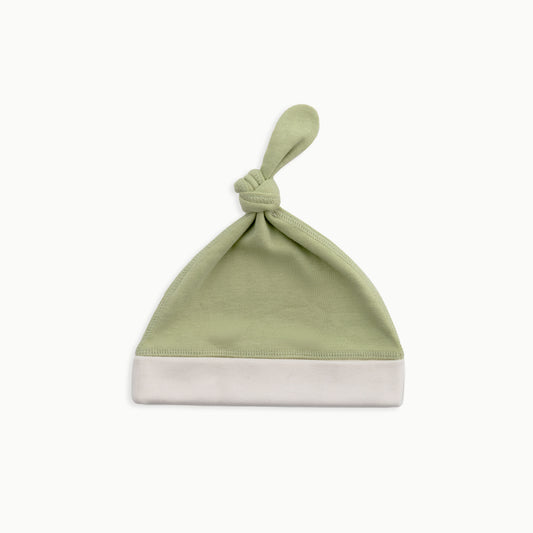
• Hats and beanies
• Socks and booties
• Bibs and burp cloths
• Crib sheets and bassinet bedding
• Cloth diapers and inserts
Wash Before Use, But Less Urgently
These items can usually wait until your baby is closer to fitting into them:
• Daywear in larger sizes
• 6–12 month sleepers
• T-shirts and leggings for later stages
This approach saves time and prevents unnecessary rewashing of unworn clothing months later.
Items That Usually Do Not Need Immediate Pre-Washing
• Winter coats and outerwear
• Shoes
• Hair accessories
• Structured jackets with minimal skin contact
The smartest approach is usually to wash newborn through 0–3 month clothing before birth, then wash larger sizes gradually as your baby grows.


