







CONTENTS
Children have an impressive ability to outgrow things at lightning speed. Shoes announce the problem fairly quickly. Pants become weirdly cropped-looking. Underwear tends to remain in the drawer for much longer, getting tighter, thinner, and increasingly unpopular with its owner.
So how often should you replace children's underwear?
There is no official replacement schedule. The six-to-twelve-month rule you will see repeated online is a general rule of thumb rather than any kind of universal standard. For children, the better answer is much more practical: replace underwear when it becomes worn, digs in uncomfortably, or is just visibly too small.
Is There Actually a Rule?
 There is no health authority telling parents to replace children's underwear every six or twelve months.
How long a pair lasts depends entirely on how often it is worn, how it is washed, the quality and weight of the fabric, the construction of the seams and waistband, and, most importantly for children, how quickly its owner grows.
Growth during childhood is anything but uniform. Children tend to grow in spurts, and growth rates vary considerably by age and developmental stage. The CDC therefore assesses children's growth using age- and sex-specific growth charts rather than expecting every child to follow one standard rate. [CDC]
That makes a calendar rule particularly unhelpful for kids. A pair bought eight months ago may still fit beautifully. Another bought three months ago may already be digging into a newly grown waist.
As I’m writing this, I’m getting ready to stock up on the size up for my kids before the school year. For them, it’s been a year in their current Treehouse size. But again, every kid (and every brand) is different.
The Signs It's Time to Replace Kids' Underwear
You can usually tell quickly whether underwear needs replacing. Look at your kiddo and their comfort level, then check their elastic, fabric and fit.
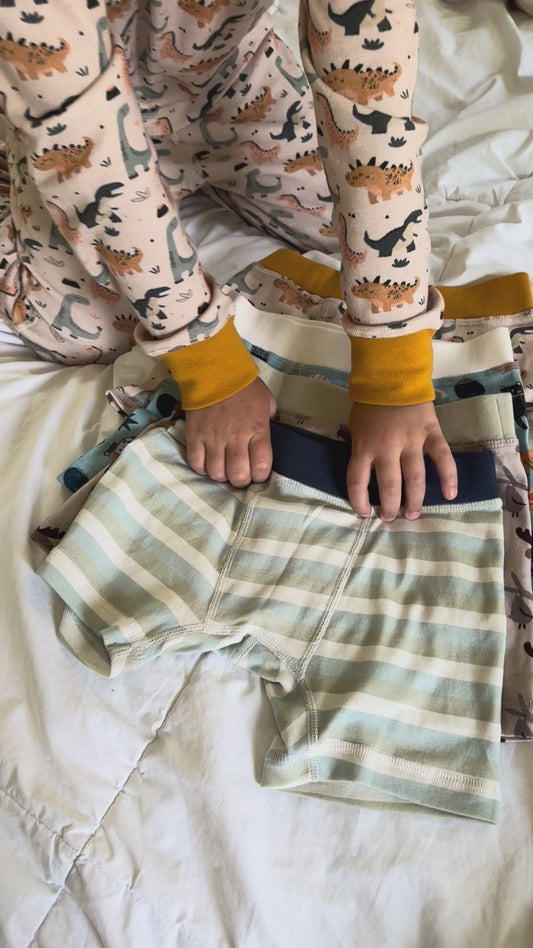
The waistband has stretched (and potentially makes that crunchy sound) or started sagging. Elastic should recover after being stretched and hold the underwear comfortably in place. Once it remains loose, curls significantly, or stops returning to shape, the pair has done its job.
The fabric is getting thin. Hold the underwear up to the light. Areas of noticeably thinner fabric, particularly around seams and places exposed to repeated friction, are a good indication that the fibers are wearing down.
There are holes or damaged seams. Tiny holes have a habit of becoming considerably less tiny once they enter the washing machine.
Stains remain after normal washing. Persistent staining, especially alongside thinning or worn fabric, is not a deal breaker, neither is the lightening of formally bright prints, but alongside any of the other signs above, you might start getting ready to buy some new undies.
The fabric feels rough or heavily pilled. Underwear spends many hours directly against the skin, so texture matters more here than it might on a sweatshirt or jacket.
Your child keeps pulling at it. This is one of the most useful signs of all. A child who repeatedly adjusts a waistband, pulls at leg openings, or avoids particular pairs is giving you fairly good consumer feedback.
For Kids, Fit Matters More Than Age
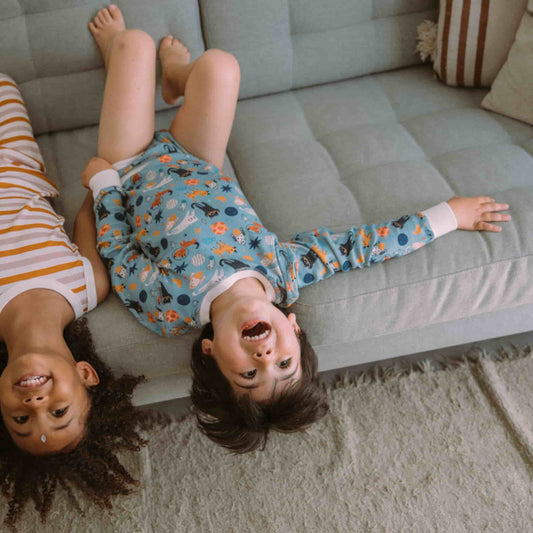
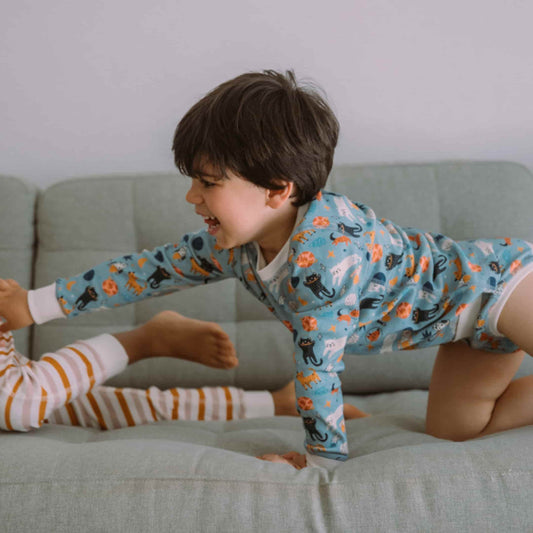
 A waistband should sit comfortably against the body without digging in. Leg openings should stay in place without leaving pronounced marks or riding up. Your child should be able to run, sit, climb, bend and spend an inexplicably long time upside down on the sofa without thinking about their underwear at all.
The American Academy of Pediatrics notes that children grow at different rates and recommends following individual growth patterns over time rather than focusing on a single measurement. [American Academy of Pediatrics]
Clothing sizes cannot account perfectly for those differences. Two children of exactly the same age can have completely different proportions, which is why the number printed on the label should always come second to the fit on the child.
Behavior can also tell you quite a lot. Younger children may not say, “The elastic tension around my leg opening has become uncomfortable.” They are considerably more likely to pull at it repeatedly, refuse to put it on, or mysteriously wear the same two pairs every week.
Check underwear fit every few months, particularly after a growth spurt. If you are moving into the next size, our kids' underwear size guide as well as the reviews of our products can help you choose.
For children who are especially aware of seams, texture or roughness, our guide to the best fabrics for sensitive skin also explains what to look for in clothing that sits directly against the body.
Does Old Underwear Actually Cause Problems?
Mmmm…this is a funny one. The age of the garment matters far less than how it is washed, dried, fitted and maintained.
Underwear naturally comes into contact with sweat, skin oils and normal bodily fluids, which is why regular laundering matters. Guidance from the American College of Obstetricians and Gynecologists emphasizes practical measures including wearing cotton underwear, avoiding tight-fitting clothing, keeping the genital area clean and dry, and avoiding products that may cause irritation. [ACOG]
For children, worn underwear is therefore much more useful to think about as a comfort and irritation issue.
A waistband that has become tight can dig into skin. Elastic that no longer holds will not keep underwear up on the body. Rough fabric and raised seams can create friction. Underwear that has become too small can ride up and require constant adjustment.
Make Underwear Last Longer
Children already require a remarkable quantity of new clothing simply by continuing to grow, so there is little reason to replace underwear before it needs replacing.
How the underwear is made matters. Fabric weight, fiber quality, elastic and seam construction all influence how a garment responds to dozens of cycles of wearing, stretching, washing and drying.
Care matters too.
Wash underwear according to the care label with a gentle detergent. Excessive heat can damage fibers and elastic over time, so line drying or lower-temperature tumble drying, where permitted by the care instructions, can help extend its useful life.
It is also worth reconsidering fabric softener. The American Cleaning Institute notes that fabric softeners work by depositing lubricating ingredients onto fibers. Garment manufacturers may advise against them for certain fabrics and finishes, so following the individual care label is the safest approach. [American Cleaning Institute]
And then there is rotation.
If your child owns ten pairs but has decided that seven of them are unacceptable for reasons known only to them, the remaining three will be worn and washed far more frequently. A drawer of underwear that all feels comfortable spreads wear much more evenly.
This is also where quality becomes relevant. A higher initial price does not automatically make a garment better, but fabric weight and construction can affect how well underwear retains its shape through repeated wear. Cost per wear is ultimately more useful than the price printed on the pack.
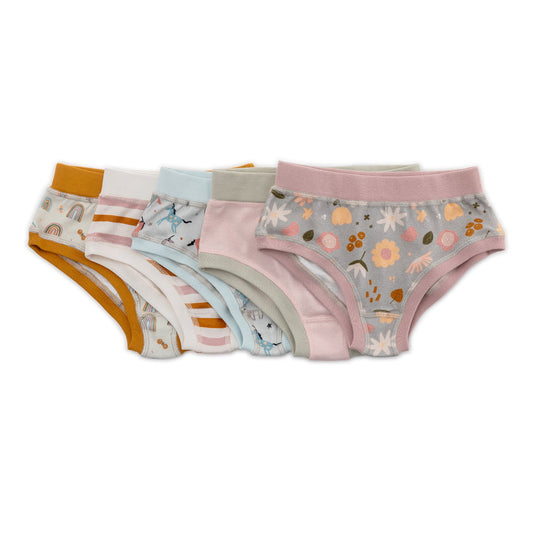
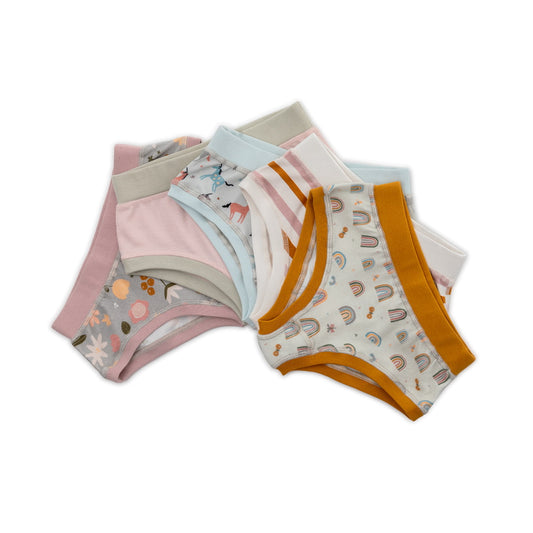
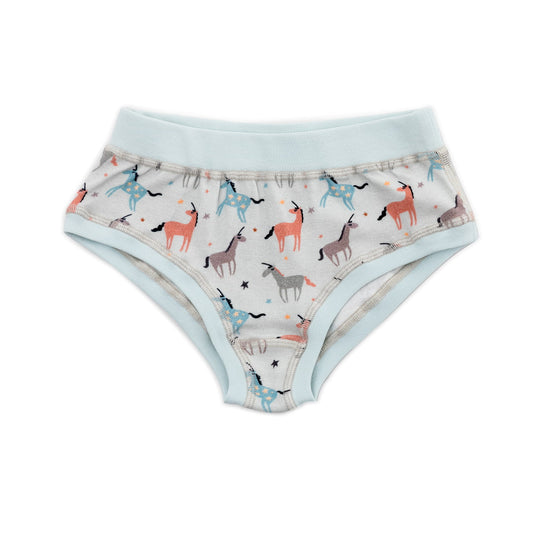
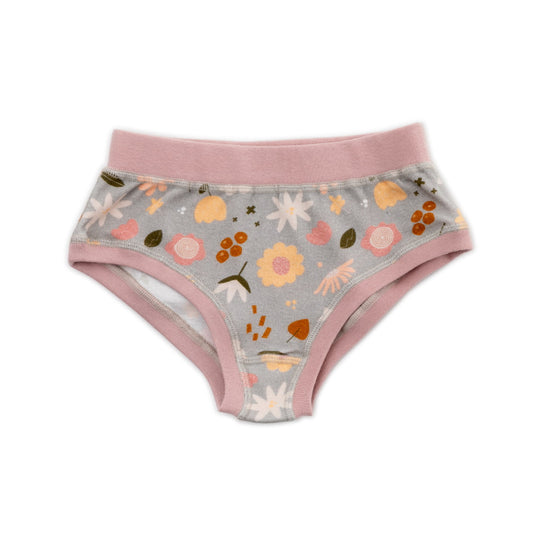
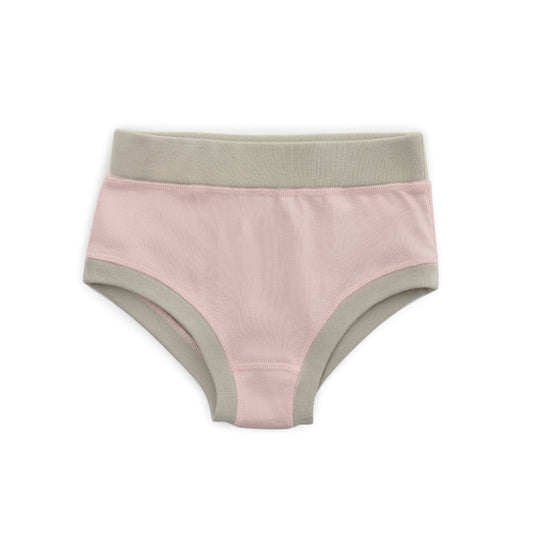
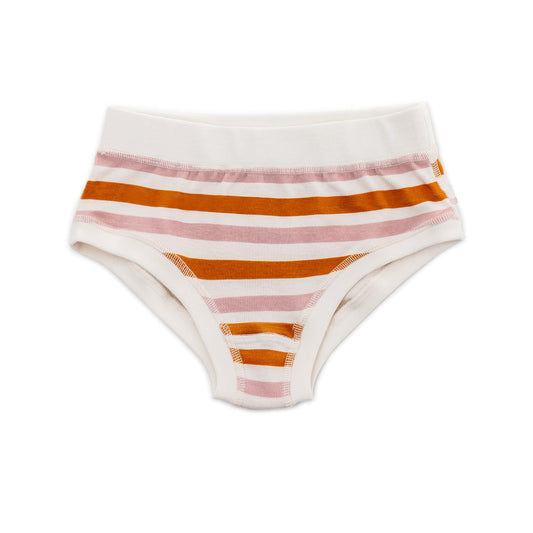
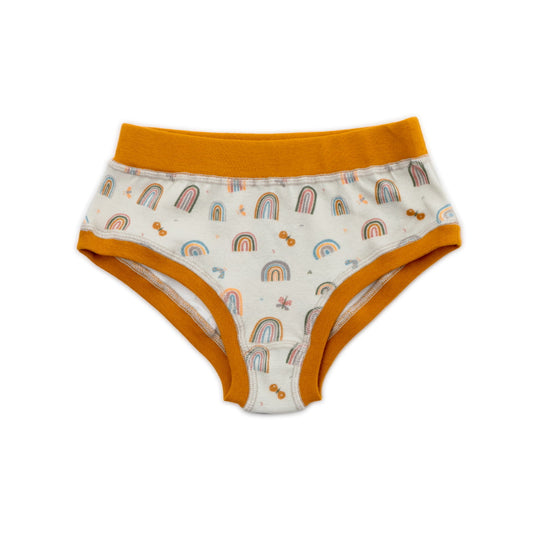
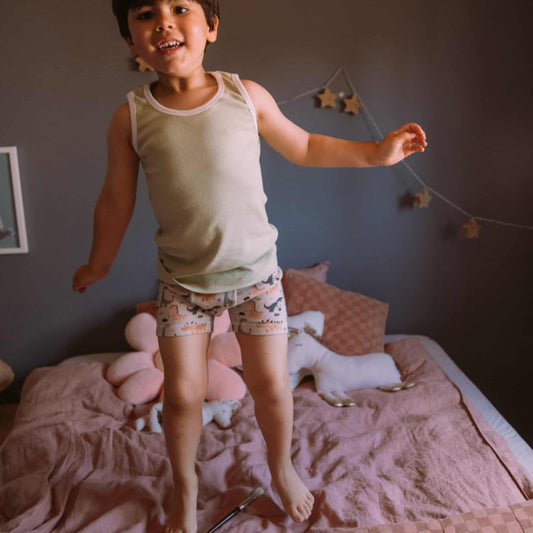
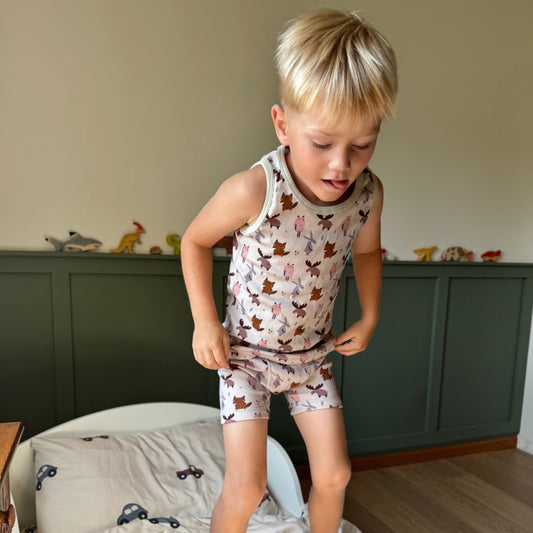
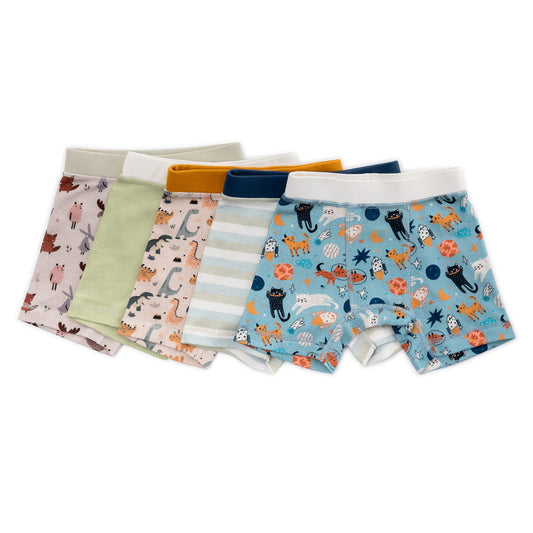
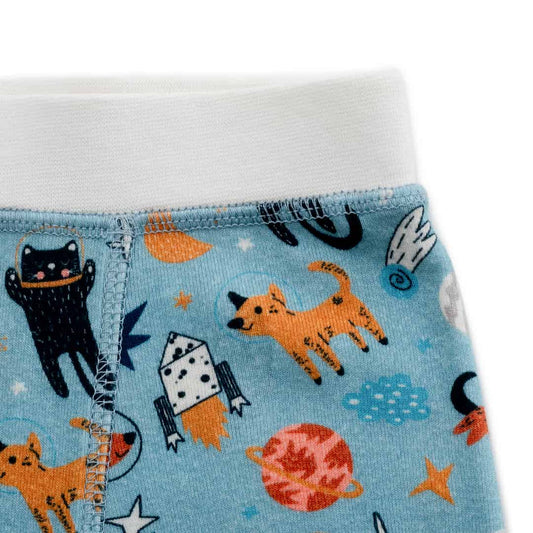
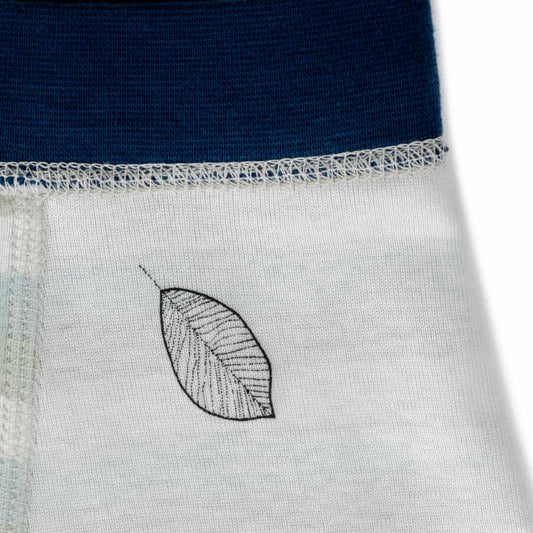
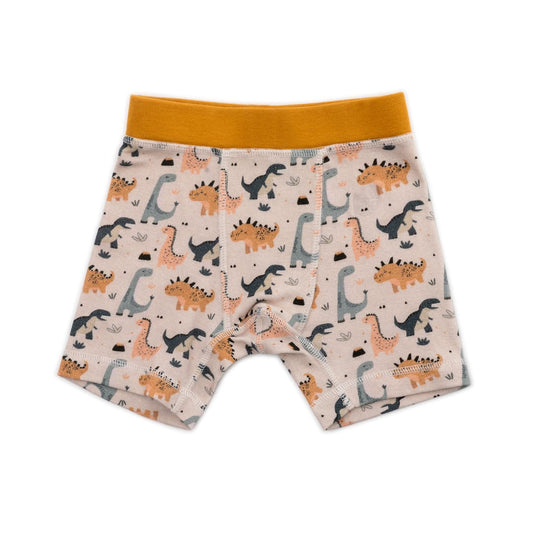
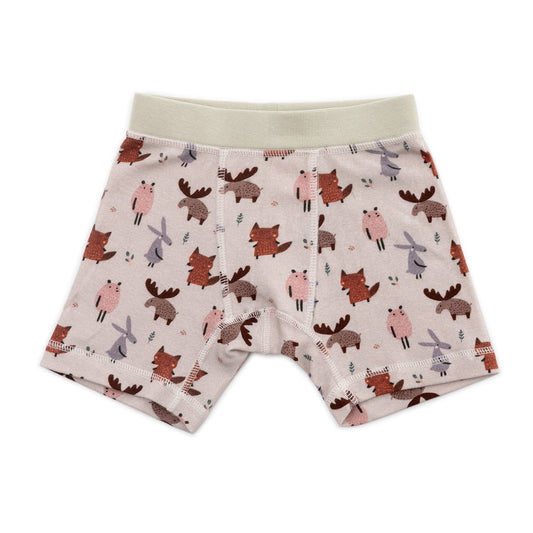
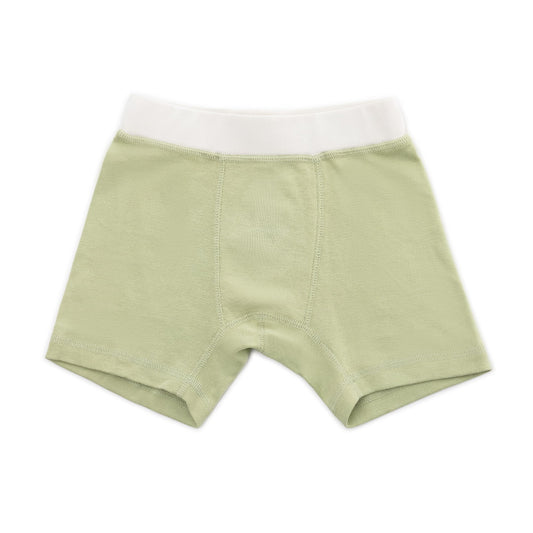
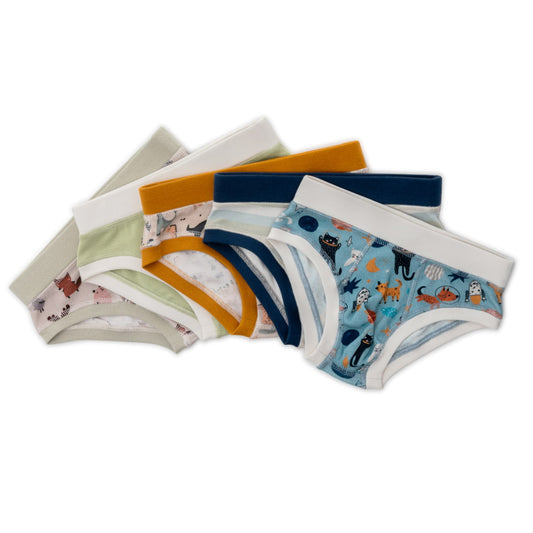
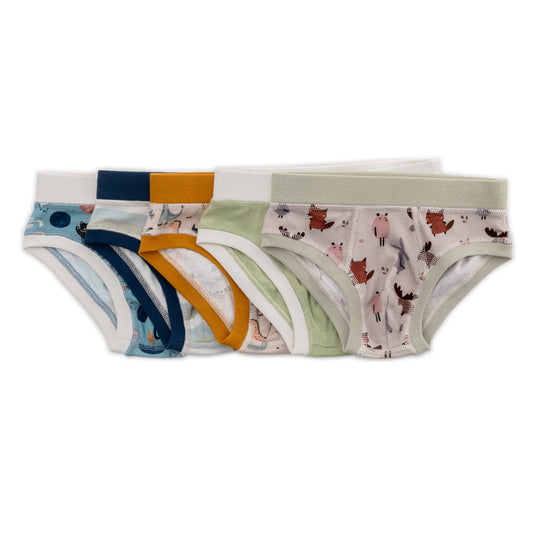
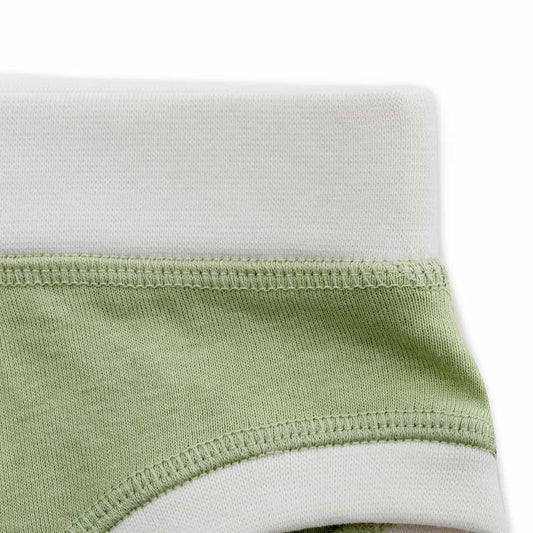
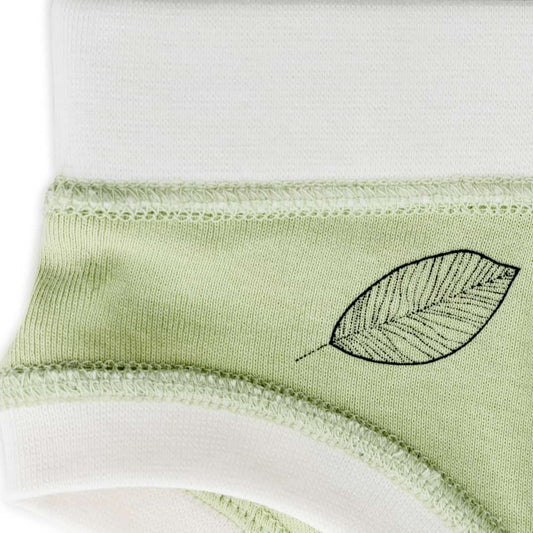
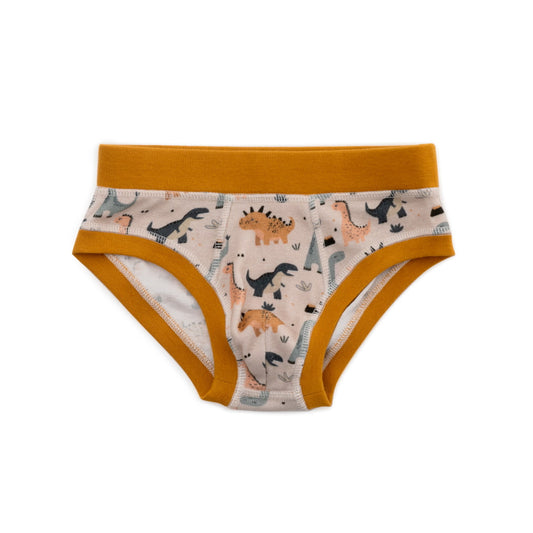
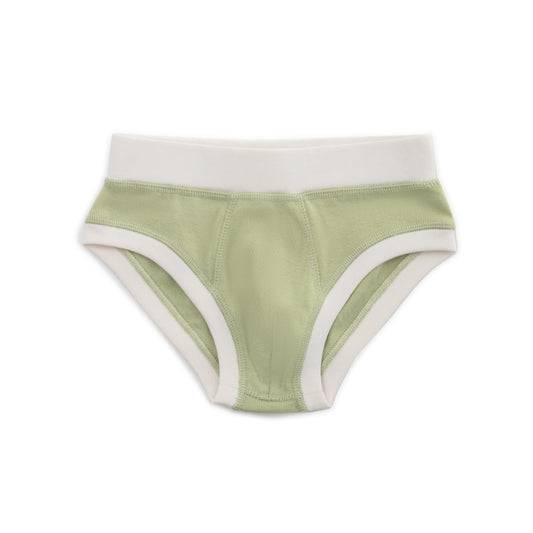
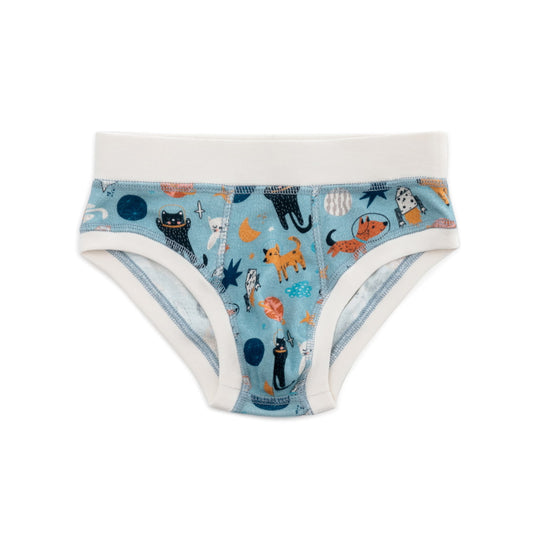
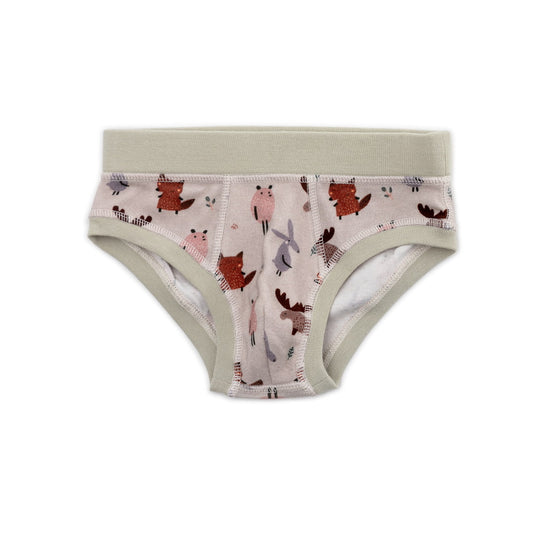
At Treehouse, our kids' underwear is made from heavier-weight GOTS-certified organic cotton than other leading brands in this niche ( we shan’t name names). Our pieces also feature generously covered waistbands, tag-free construction and completely flat seams. We chose those details because underwear is worn directly against children's skin for hours at a time, and because it needs to survive a rather unreasonable amount of laundry.
Fresh underwear each day, proper washing, complete drying, breathable fabric and a comfortable fit are far more useful habits than throwing away a perfectly good pair because somebody on the internet said six months had passed.
Shop Treehouse organic cotton kids' underwear.


