





CONTENTS
Footed sleepers are a staple of most newborn wardrobes for good reason. They keep babies comfortably covered from neck to toe, eliminate the need for socks and make getting dressed for bed straightforward. But as babies grow, their proportions change, their sleeping environments vary with the seasons, and the convenience of having enclosed feet can sometimes become a limitation.
One of the most common problems with footed sleepers is that babies can outgrow the feet before the rest of the garment. A sleeper might still fit perfectly around the chest and torso while leaving little room for growing toes, particularly if your baby has long feet or is going through a growth spurt. Footless sleepers avoid this problem and can often be worn for longer, although they leave you with the additional decision of whether your baby's feet need covering at night.
Ultimately, the choice depends on your baby's proportions, the temperature of their sleeping environment and their stage of development. There are also some important considerations around overheating, circulation and safe sleep that are worth understanding before deciding which style to buy.
Footed vs Footless Sleepers: What's the Difference?
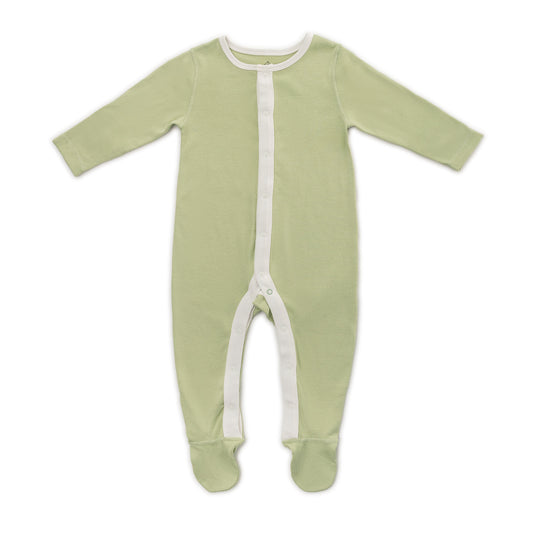
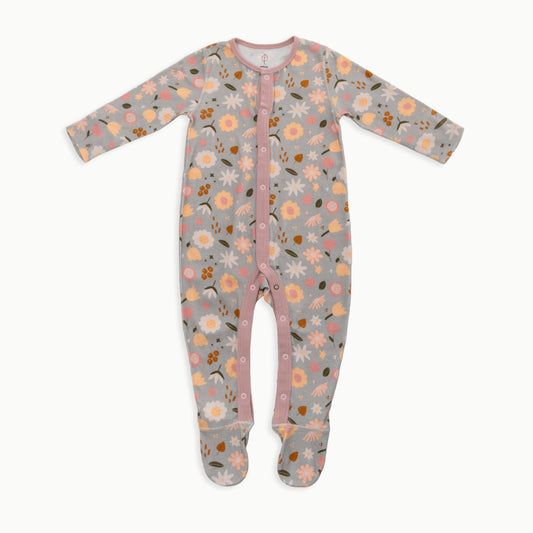
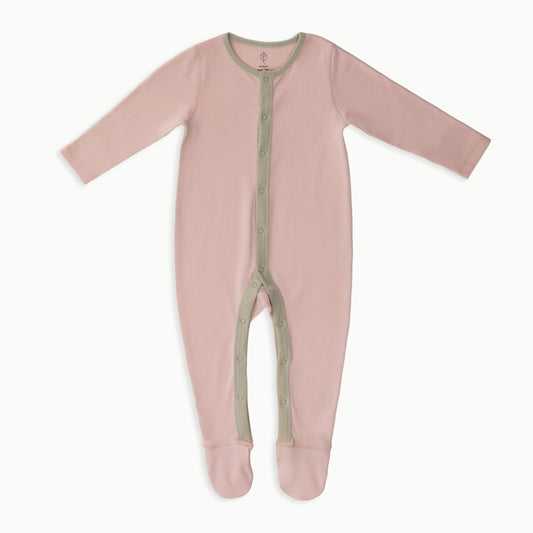
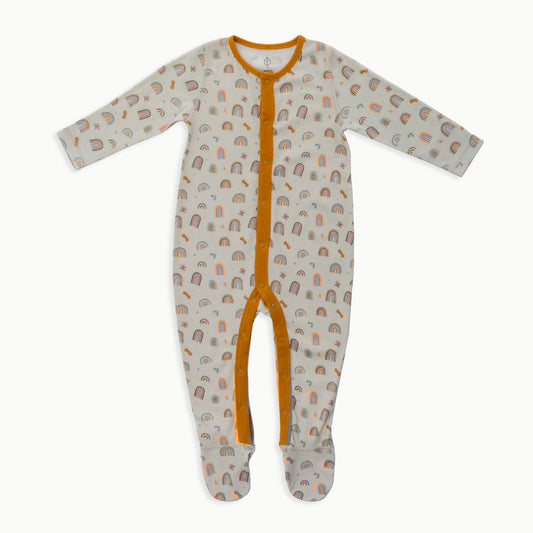
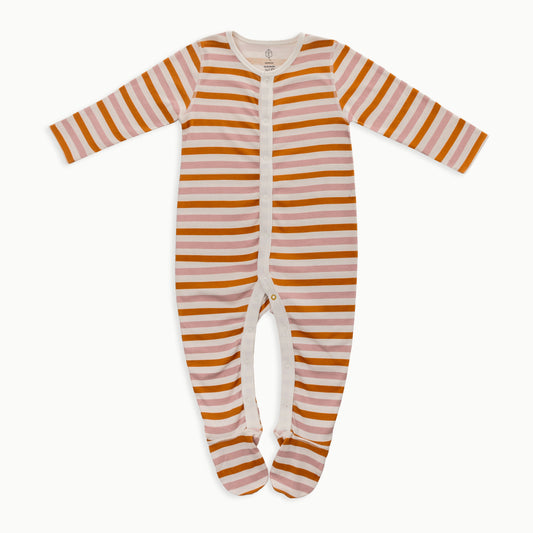
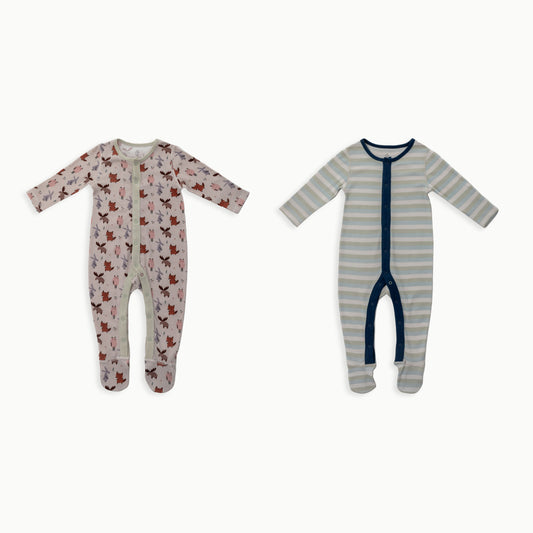
A footed sleeper is a one-piece garment with enclosed feet, typically fastened with a zipper or snaps. A footless sleeper has a similar construction but ends at the ankles, leaving the feet uncovered. Both are designed to provide comfortable, practical sleepwear for babies, although their differences become more noticeable as babies grow and begin moving independently.
| Footed sleepers | Footless sleepers | |
|---|---|---|
| Warmth | Covers the feet, making it useful in cooler rooms | Leaves the feet uncovered, allowing slightly less coverage |
| Convenience | No additional socks required | Socks can be added as needed |
| Sizing | Foot length can become restrictive before the body is outgrown | More flexibility for growing feet |
| Longevity | May need replacing sooner if the feet become tight | Can sometimes accommodate growth for longer |
| Nighttime changes | Two-way zippers can make changes straightforward | Similar convenience, depending on the fastening |
| Early walking | Smooth soles may be slippery on hard floors | Bare feet can provide better traction |
| Best suited to | Cooler conditions and babies who frequently lose their socks | Warmer conditions, rapidly growing babies and early walkers |
Neither style has any advantage in terms of sleep safety when the garment fits properly, is appropriate for the room temperature and meets applicable children's sleepwear requirements.
Why Footed Sleepers Are Particularly Useful for Young Babies
 During the first few months, babies spend much of their time sleeping, and a well-fitting footed sleeper provides an easy way to keep their bodies covered without relying on separate socks.
Newborns are less efficient than older children and adults at regulating their body temperature, partly because they have a relatively large body surface area compared with their weight. Their temperature regulation also continues to mature after birth, which makes the sleeping environment and appropriate clothing particularly important.
A footed sleeper provides consistent coverage without requiring parents to repeatedly replace socks that have slipped off. This is especially convenient during cooler months, when a lightweight cotton sleeper can be combined with an appropriately rated wearable sleep sack if the room temperature calls for additional insulation.
However, covered feet should not be confused with a need to keep a baby's feet warm at all times.
Cold Feet Don't Necessarily Mean Your Baby Is Cold
It's common for babies to have hands and feet that feel noticeably cooler than the rest of their bodies, even when they are perfectly comfortable. Peripheral circulation is still developing, and the body naturally prioritizes blood flow to vital organs, which can leave the extremities feeling cooler.
The NHS and The Lullaby Trust recommend checking a baby's chest or the back of their neck to assess warmth rather than relying on the temperature of their hands and feet.
If your baby's chest feels comfortably warm, their feet feeling cool is not, by itself, a reason to add socks or another layer. If their chest or neck feels hot or sweaty, they may be overdressed.
This distinction matters because overheating is an established risk factor for sudden infant death syndrome (SIDS), and parents can unintentionally add unnecessary layers when they judge temperature by cold fingers or toes.
For more on this, read our guide to whether babies should wear socks to bed.
Why Babies May Outgrow Footed Sleepers So Quickly
Baby clothing sizes are generally organized around age, height and weight, but babies of similar lengths can have surprisingly different proportions. Some have longer torsos, others have longer legs, and some have feet that seem to grow faster than everything else.
With a footed sleeper, all of those measurements have to work together.
If the enclosed foot becomes too short, the fabric can pull against the toes when the baby stretches their legs, even when there is still plenty of room around the chest and waist. This can be particularly noticeable when a baby is lying flat and extending their legs.
A useful way to check the fit is to lay your baby down with their legs naturally extended and examine the space around their toes. The fabric should allow the feet to rest comfortably without pulling tightly against the ends of the sleeper.
Also look for tension around the crotch and shoulders, which can indicate that the garment is becoming too short overall.
Avoid automatically sizing up several sizes to accommodate growing feet. Excess fabric can bunch around a baby's body, and sleepwear should fit according to the manufacturer's sizing guidance. If the feet are consistently the first part of the garment to become restrictive, switching to a footless design may be more practical.
Does Footless Sleepwear Last Longer?
It can at time seem so, although the difference depends on the baby's proportions and the garment's construction.
Because footless sleepers have no enclosed foot compartment, they can accommodate increases in foot length without affecting the fit of the rest of the garment. An ankle cuff may gradually sit slightly higher as a baby grows, while the torso and sleeves remain comfortable.
This can make footless sleepers a particularly useful option for parents trying to get more wear from each size.
Fabric quality also matters. Cotton garments that retain their shape through repeated washing and have well-constructed seams are more likely to remain comfortable throughout their intended size range. Excessive shrinkage, especially in the length of a one-piece garment, can make an otherwise well-fitting sleeper too short.
Are Footless Sleepers Better for Warmer Weather?
 Footless sleepers provide slightly less coverage, which can be useful during warmer months or in homes where the bedroom remains warm overnight.
However, the difference between a footed and footless sleeper is relatively small compared with the difference between fabrics of varying weights, constructions and fiber compositions.
A thick footless fleece sleeper may be considerably warmer than a lightweight footed cotton sleeper, despite leaving the feet uncovered. Similarly, two garments labeled 100% cotton can feel quite different depending on their knit structure, thickness and finishing.
For this reason, parents should consider the entire garment rather than using foot coverage as the main indicator of warmth.
Fabric Weight Makes a Difference
Fabric weight is commonly expressed in grams per square meter, or GSM, and can provide a useful starting point when comparing sleepwear.
A lightweight cotton jersey will generally provide less insulation than a heavier cotton interlock or brushed fabric, although GSM alone cannot tell you how warm a garment will feel. Knit structure, air permeability and the presence of additional layers all influence thermal comfort.
Cotton is also capable of absorbing moisture, which can help manage small amounts of perspiration, although a damp cotton garment can remain wet against the skin. Breathability and moisture absorption are useful properties, but they do not eliminate the possibility of overheating.
For babies sleeping in heated apartments or warmer climates, lightweight cotton sleepwear may be more appropriate than thicker fabrics, regardless of whether the feet are covered.
The American Academy of Pediatrics advises dressing babies in no more than one additional layer than an adult would wear comfortably in the same environment, while also watching for signs of overheating.
You can find more detailed guidance in our article on how to dress a baby for sleep.
What About Sleep Gowns and Convertible Sleepers?
Parents shopping for footless sleepwear will also encounter sleep gowns and convertible sleepers, which offer slightly different approaches to nighttime dressing.
Sleep Gowns for Newborns
Sleep gowns are usually long, soft garments with an elasticated or gathered opening at the bottom. Their main advantage is the ease of accessing a newborn's diaper without having to undo a series of snaps or remove their legs from a one-piece sleeper.
This can be particularly helpful during the early weeks, when newborns may need frequent overnight diaper changes.
Because gowns have no enclosed feet, they also avoid the foot-length limitations of traditional footed sleepers. However, their loose lower construction makes them less practical as babies become increasingly mobile, and parents should follow the manufacturer's age, size and developmental-stage guidance.
Convertible Sleepers
Convertible sleepers feature fold-over foot cuffs that can be worn either open or closed, allowing parents to change the amount of foot coverage without changing the entire outfit.
They can be useful when temperatures fluctuate or when a baby's feet are approaching the limits of a particular size.
The quality of the cuff construction is worth examining, since bulky seams, tight elastic or poorly positioned folds can make the garment less comfortable when worn with the feet enclosed.
When Your Baby Starts Standing, Footless Sleepers Have Another Advantage
Once babies begin pulling themselves up, cruising along furniture and taking their first steps, the soles of their sleepers become an important consideration. Smooth fabric can be slippery on hardwood, tile and other polished surfaces, particularly when a baby is still developing their balance and coordination.
Bare feet are generally ideal for early walkers because direct contact with the floor provides sensory feedback that helps babies adjust their footing, distribute their weight and develop balance. Footless sleepers allow for this natural movement, although footed sleepers with non-slip soles can also be a practical option.
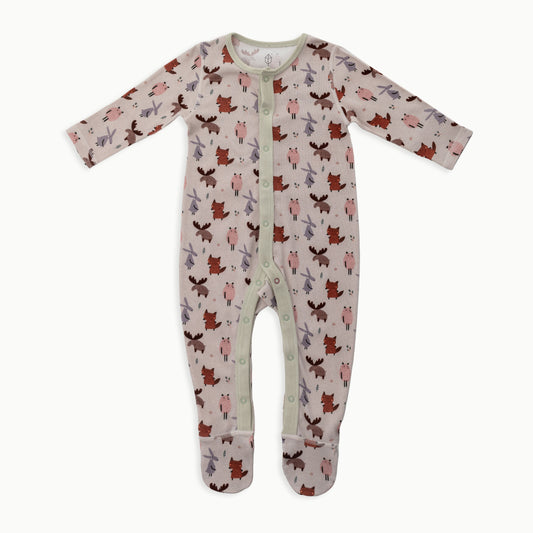
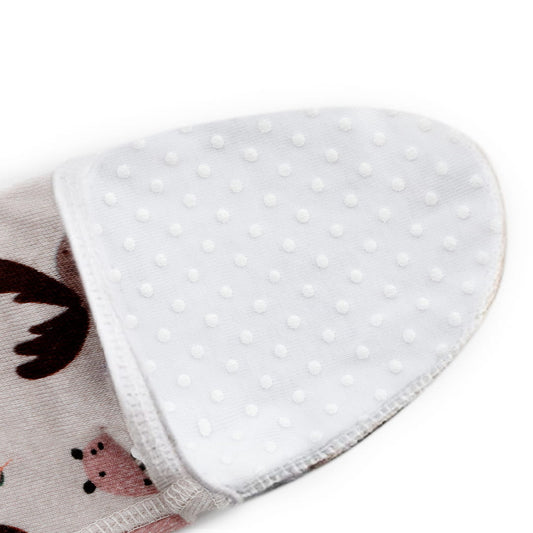
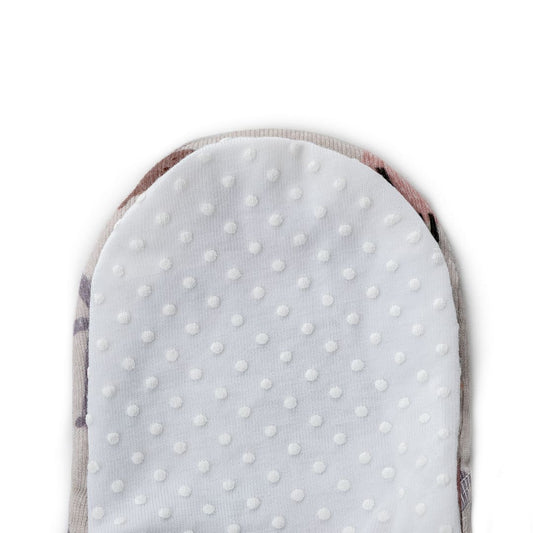
This is why our Treehouse footed sleepers feature little non-slip grips on the soles from size 12 months onwards, when many babies are beginning to pull themselves up, cruise and experiment with independent steps. The grips provide additional traction on smooth indoor surfaces while keeping little feet comfortably covered.
When shopping for footed sleepers for an increasingly mobile baby, check whether the soles have non-slip grips, particularly in larger sizes. It's a small construction detail that becomes considerably more useful as your baby finds their feet.
How to Choose Based on the Season and Your Baby's Growth
Rather than buying an entire wardrobe of one style, it can be useful to consider how your baby's needs are likely to change over the coming months.
For newborns during cooler months, footed sleepers are particularly convenient because they provide full coverage in one garment. A two-way zipper can also make overnight diaper changes easier without fully undressing the baby.
For babies sleeping in warmer rooms, a lightweight footless sleeper may provide sufficient coverage, although a lightweight footed cotton sleeper can also be appropriate depending on the temperature and any additional sleep layers.
For babies who are long for their age, footless sleepers may offer better value, particularly if you regularly find that the feet become tight while the rest of the garment still fits.
For babies beginning to stand and cruise, footless sleepers allow for barefoot movement, while footed designs with non-slip soles can offer an alternative.
For newborns requiring frequent overnight changes, a sleep gown can be convenient during the early stage when the manufacturer considers it appropriate.
It is also worth remembering that a baby's sleeping environment may change considerably throughout the year. Central heating, air conditioning, insulation and even the location of the crib can influence the temperature around your baby, so the season alone is not always a reliable guide.
A Few Important Safe Sleep Considerations
The American Academy of Pediatrics recommends keeping a baby's sleep space free of loose blankets, pillows, soft toys and other soft objects, particularly during the first year.
A properly fitted wearable sleep sack can provide additional warmth when needed, without introducing a loose blanket into the crib. Weighted sleep sacks and weighted sleepwear should not be used for infants.
The AAP also recommends avoiding overheating and keeping babies' heads and faces uncovered during sleep.
For temperature checks, feel your baby's chest or the back of their neck. Sweating, a hot chest or flushed skin can indicate that a baby is too warm, although flushed skin is not always apparent on every skin tone.
You can read more in our guide to signs your baby is too hot while sleeping.
Why Snug-Fitting Sleepwear Matters
In the United States, children's sleepwear is subject to federal flammability requirements administered by the Consumer Product Safety Commission (CPSC).
Certain snug-fitting sleepwear garments can qualify for an exemption from the children's sleepwear flammability standards if they meet specific sizing, labeling and other requirements. The rationale is that close-fitting garments present less loose fabric that can come into contact with a flame.
This is particularly relevant for parents trying to avoid added flame-retardant chemicals, since appropriately designed snug-fitting sleepwear can comply without relying on chemical flame-retardant treatments.
However, parents should not assume that every close-fitting garment automatically qualifies, since the regulatory requirements depend on the garment's size, classification, construction and labeling.
We've explained the regulations in more detail in our article on why children's pajamas are snug-fitting.
What We Look for in a Good Baby Sleeper at Treehouse
When developing our baby sleepwear at Treehouse, we paid particular attention to the details that affect comfort during long periods of wear, including fabric composition, construction, fastenings and the fit around a baby's body.
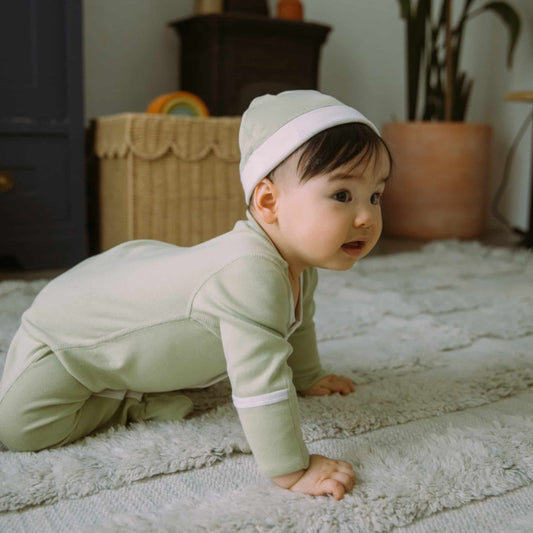
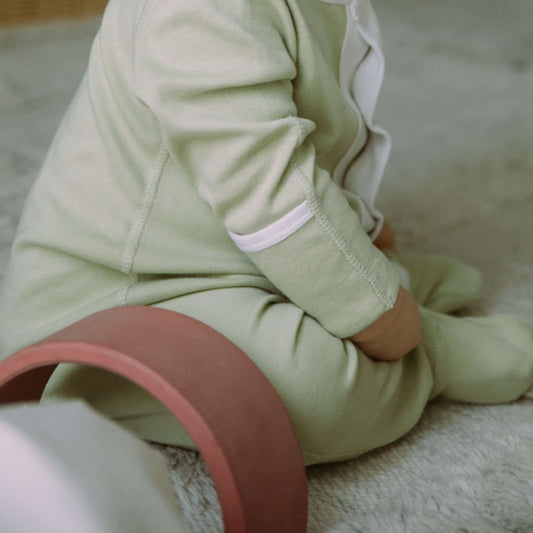
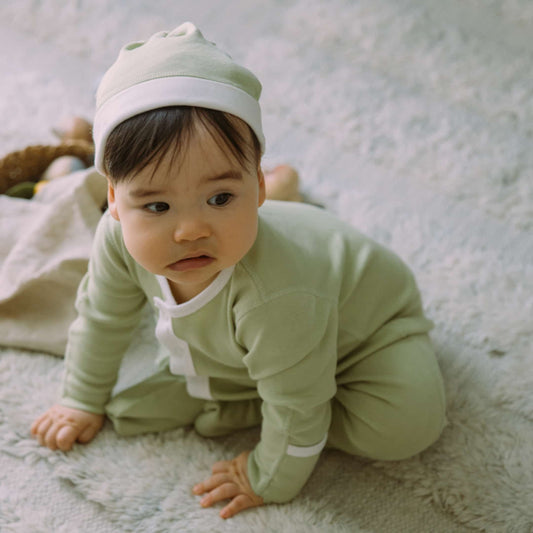
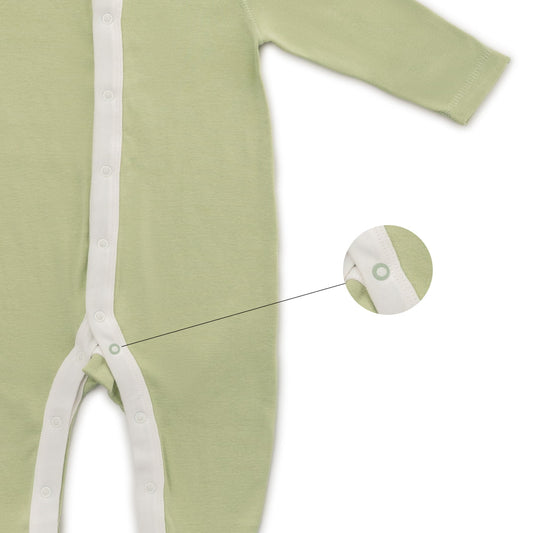
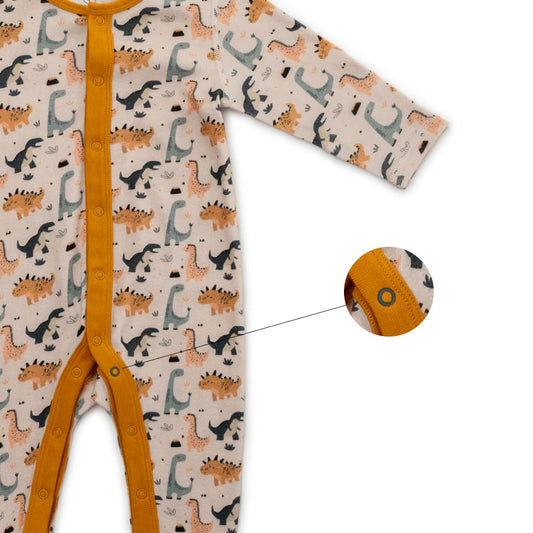
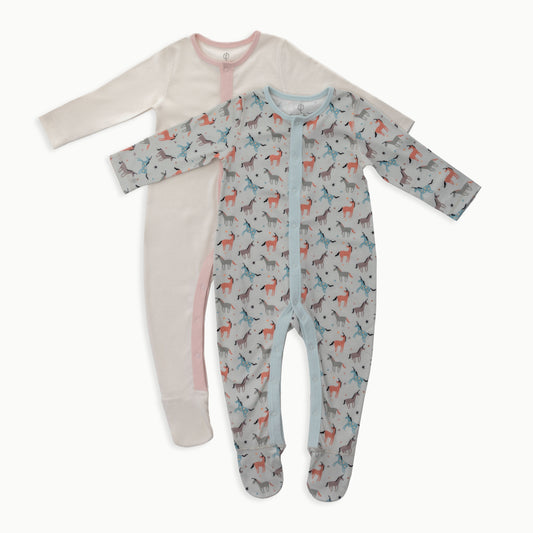
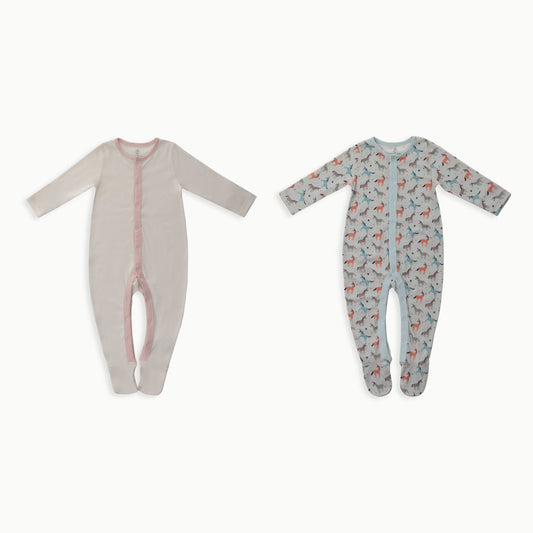
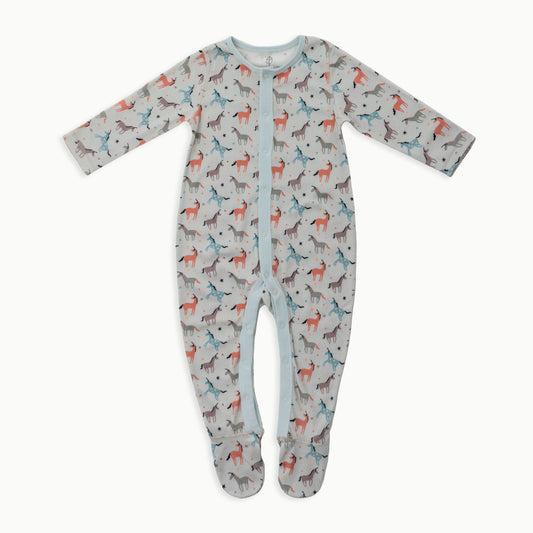
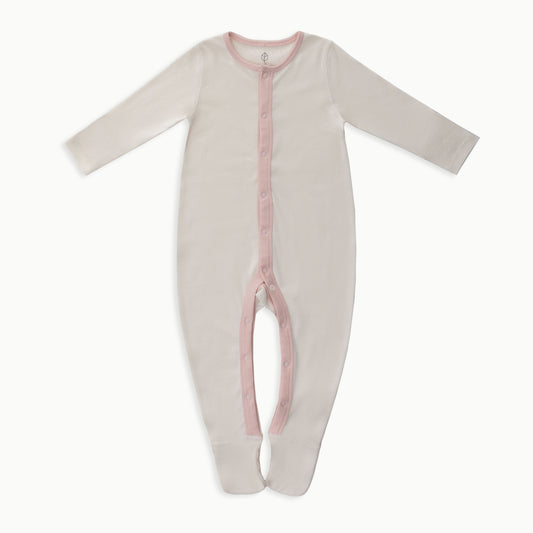
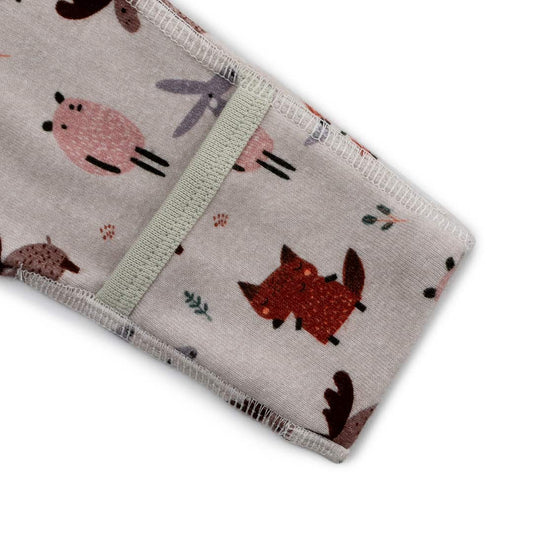
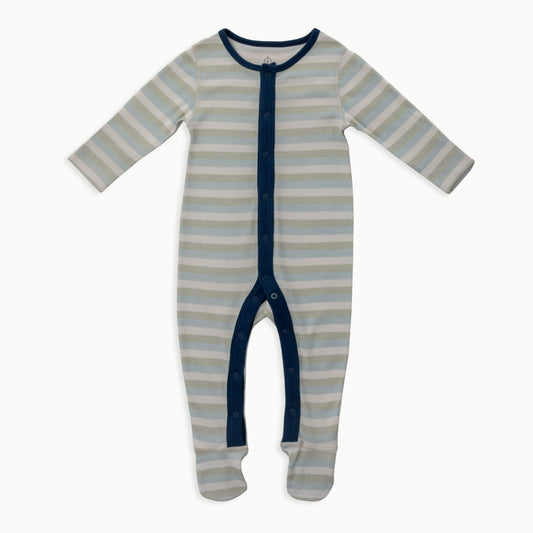
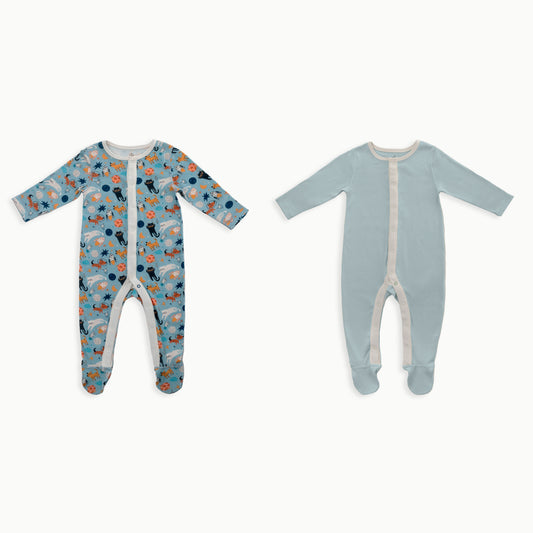
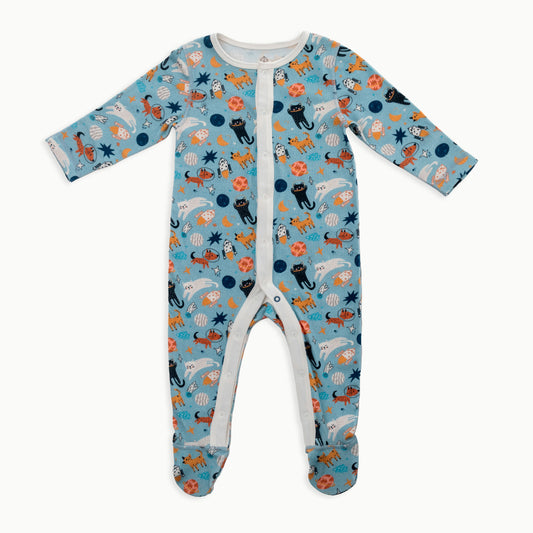
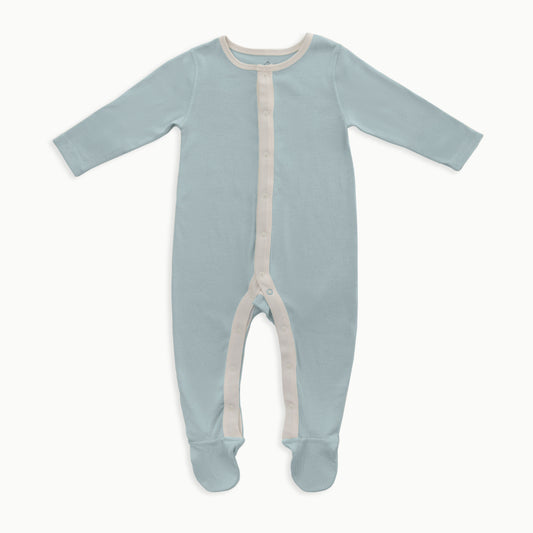
Our footed baby sleepers are made from 100% GOTS-certified organic cotton in a soft ribbed construction, with a snug fit designed to meet applicable sleepwear requirements without added flame-retardant treatments.
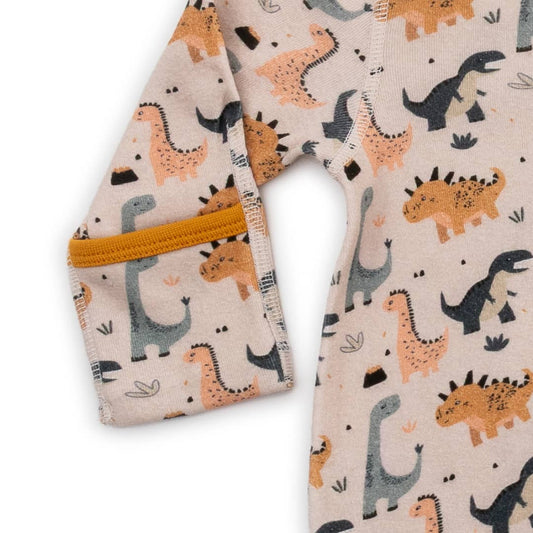
The smallest sizes feature fold-over mittens, which can be useful during the newborn stage, while nickel-free snaps provide a fastening option for parents who prefer them.
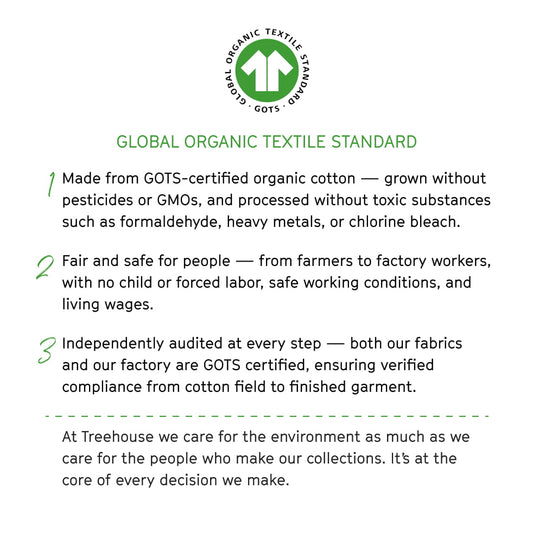
We chose organic cotton for its softness, breathability and the assurance provided by third-party certification. GOTS certification covers requirements relating to organic fiber content, chemical inputs and environmental and social criteria across the certified textile supply chain.
For parents who prefer an option without enclosed feet, a well-fitting organic cotton bodysuit paired with appropriately sized pants can provide similar coverage, although separate pieces should be selected carefully for sleep and must be suitable for the baby's age and developmental stage.
Our organic cotton baby clothing collection includes options for layering according to the season.


