





CONTENTS
If your baby’s feet feel cold at night, it is very tempting to assume they need socks. But cold feet are actually a pretty poor way to judge whether a baby is cold.
Babies’ hands and feet are normally cooler than the rest of their bodies, which is why both the NHS and The Lullaby Trust recommend checking the chest or back of the neck instead. If those areas feel comfortably warm, there is usually no reason to add another layer simply because their feet feel cold.
There is also no official safe-sleep rule saying that babies should or should not wear socks to bed. What the guidance does consistently focus on is avoiding overheating. The American Academy of Pediatrics (AAP) recommends dressing a baby in no more than one additional layer than an adult would comfortably wear in the same environment, because overheating is associated with an increased risk of SIDS. (HealthyChildren.org)
So the answer is fairly practical. If your baby is already wearing a footed sleeper or an appropriate sleep bag, socks are probably unnecessary. If they are wearing non-footed pajamas and the room is cool, socks can simply be counted as one part of what they are wearing.
Why Babies Can Have Cold Feet Without Being Cold
 Babies regulate temperature differently from adults, and their extremities commonly feel cooler than their torso. This is normal enough that the NHS specifically tells parents not to worry if a baby’s hands or feet feel cool.
Instead, put your hand on your baby’s chest or the back of their neck. You are looking for skin that feels comfortably warm and dry. If the skin feels hot or sweaty, the NHS recommends removing a layer. (NHS)
The Lullaby Trust gives the same advice, noting that hands and feet will usually feel cooler than the rest of the body. (The Lullaby Trust)
This is useful beyond the socks question because it gives you a much better way to make decisions about nighttime clothing generally. You do not need to make your baby’s hands and feet feel warm. You need their core temperature to be comfortable.
What Should a Baby Actually Wear to Bed?
There is no universal sleep outfit because a room at 64°F requires a different approach from one at 75°F, and a thick fleece garment provides very different insulation from a lightweight cotton one.
In the UK, the NHS and The Lullaby Trust recommend keeping a baby’s room at around 16 to 20°C, or approximately 61 to 68°F. U.S. guidance does not prescribe the same fixed thermostat range. Instead, the AAP focuses on avoiding overheating and recommends dressing babies in no more than one layer more than an adult would wear in the same environment. (NHS) (HealthyChildren.org)
This is where looking at the whole outfit becomes more useful than asking whether socks themselves are good or bad.
A baby wearing a lightweight non-footed sleeper in a cool room might be perfectly comfortable with socks. A baby wearing a bodysuit, footed pajamas and a sleep bag already has several layers of insulation, including over the feet.
The season matters less than the temperature of the room your baby is actually sleeping in.
Footed Sleepers Make the Socks Question Much Easier
For babies who tend to kick socks off, or parents who simply prefer covered feet, footed sleepwear is the obvious alternative.
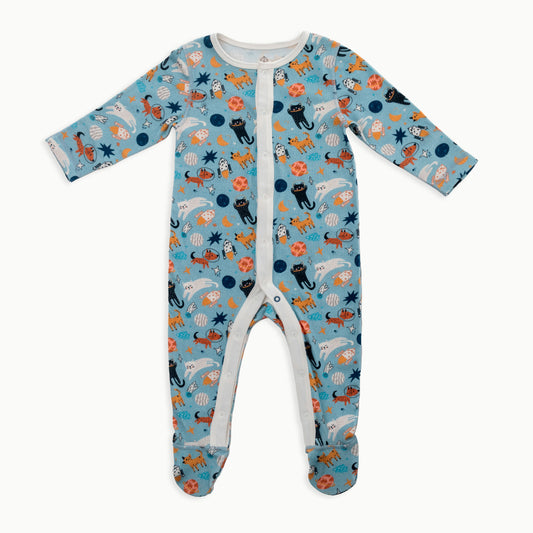
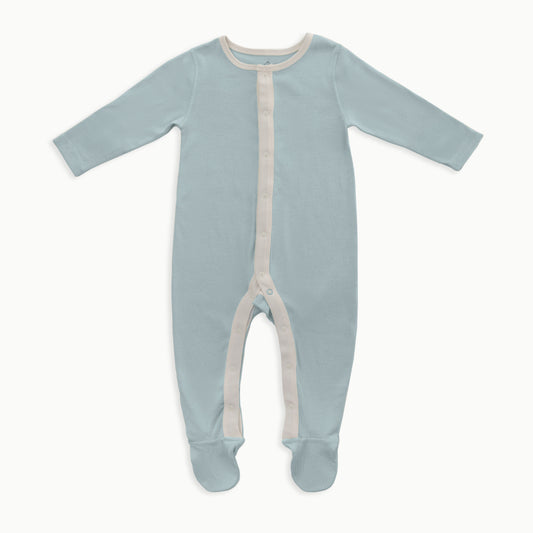
A footed sleeper covers the torso, legs and feet in one garment, so you are not adding a separate layer specifically to the feet. It also removes the nightly mystery of where one sock has gone.
Fabric still matters. Two garments can both count as a single layer while providing very different amounts of warmth, so a lightweight cotton sleeper should not be treated as thermally identical to thick fleece.
For this reason, breathable fabrics are particularly useful for sleepwear because they make it easier to dress a baby comfortably without excessive insulation.
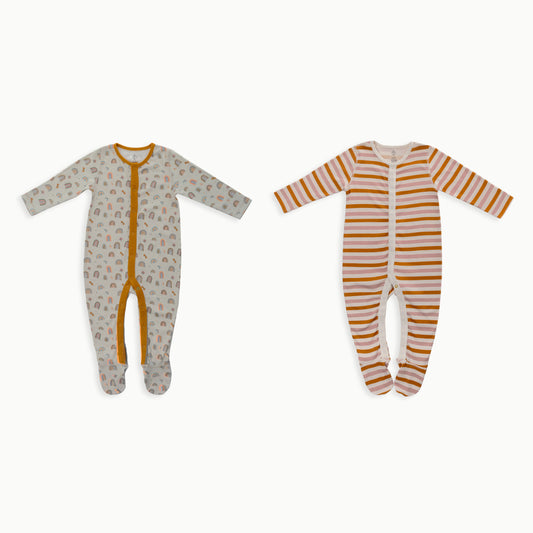
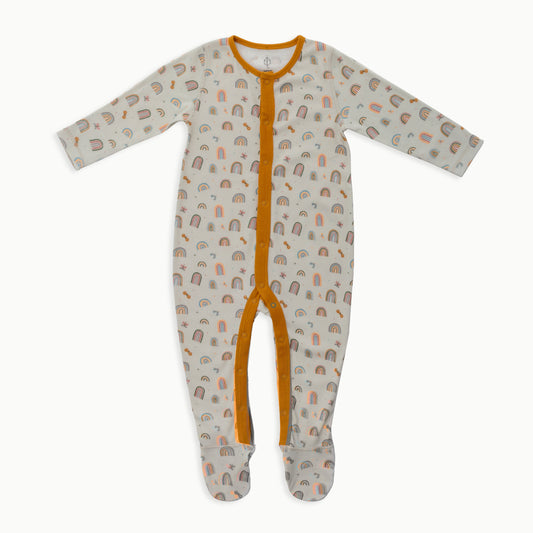
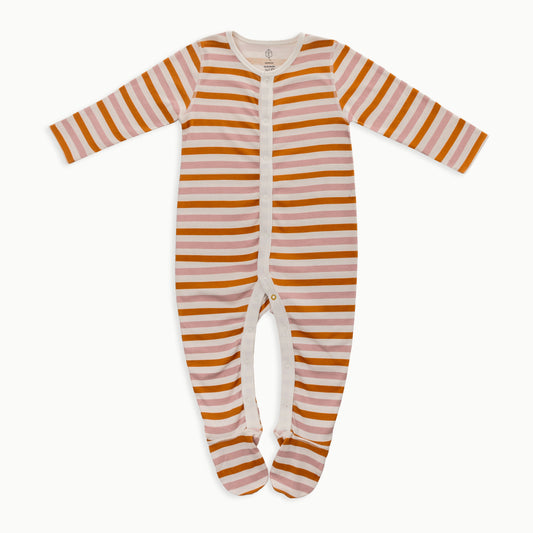
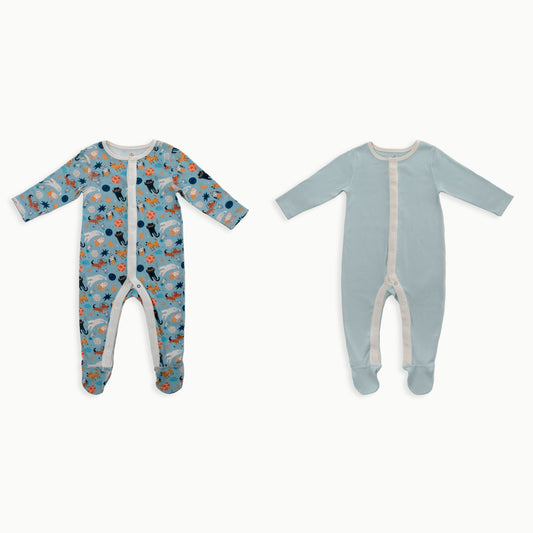
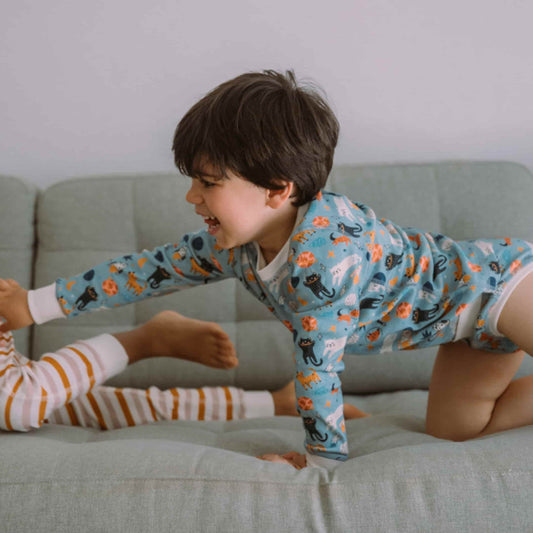
Our organic cotton baby sleepers are made from breathable 100% GOTS-certified organic cotton and include footed styles, so the feet stay covered without requiring another separate layer.
The Bigger Safe-Sleep Issue Is Overheating
This is the part of the socks conversation that actually matters from a safe-sleep perspective.
Overheating has been associated with an increased risk of SIDS, which is why the AAP, NHS, Safe to Sleep and The Lullaby Trust all advise parents to avoid overdressing babies for sleep. (HealthyChildren.org) (Safe to Sleep)
Signs that your baby may be too warm include sweating, flushed or hot skin and a chest that feels hot to the touch. The NHS advises removing a layer if your baby’s chest or the back of their neck feels hot or sweaty. (NHS)
It is also why adding clothing every time hands or feet feel cool is not particularly helpful. You can end up responding to a normal feature of infant circulation by making the rest of the baby unnecessarily warm.
Hats should also come off indoors for sleep. Babies release heat through their heads, and safe-sleep guidance recommends leaving the head uncovered. (NHS)
What About Blankets?
If you are worried that your baby is cold, loose blankets are not the answer.
The AAP recommends keeping blankets, pillows, toys and other loose objects out of an infant’s sleep space. If additional warmth is needed, it recommends clothing layers or a wearable blanket instead. (HealthyChildren.org)
A well-fitting sleep bag can therefore provide additional warmth without introducing loose bedding. The appropriate weight will depend on the room temperature and what your baby is wearing underneath it.
This is also a better framework for thinking about warmth generally. Rather than adding individual items whenever one part of the baby feels cool, choose an appropriate base layer and sleep bag for the room and then check your baby’s core temperature.
So, When Would I Put Socks on a Baby at Night?
 There are really only a few circumstances where I would bother.
If a baby is wearing non-footed pajamas, the room is cool and their chest or neck suggests they could comfortably use another light layer, socks are a perfectly reasonable option.
If they are already wearing footed pajamas, I would generally leave them alone.
And if their chest feels comfortably warm but their feet happen to feel cold, I would also leave them alone. Cold feet by themselves are normal and do not need fixing.
If you do use socks, choose a pair that fits comfortably without leaving deep marks around the ankle. Lightweight, breathable cotton is a practical choice when the aim is simply to add a little coverage rather than substantial warmth.
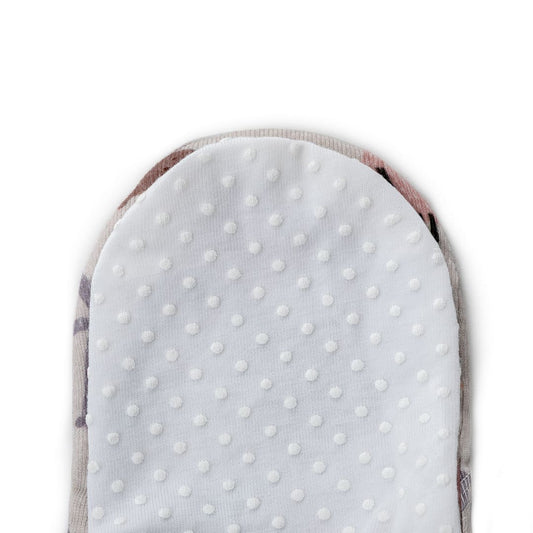
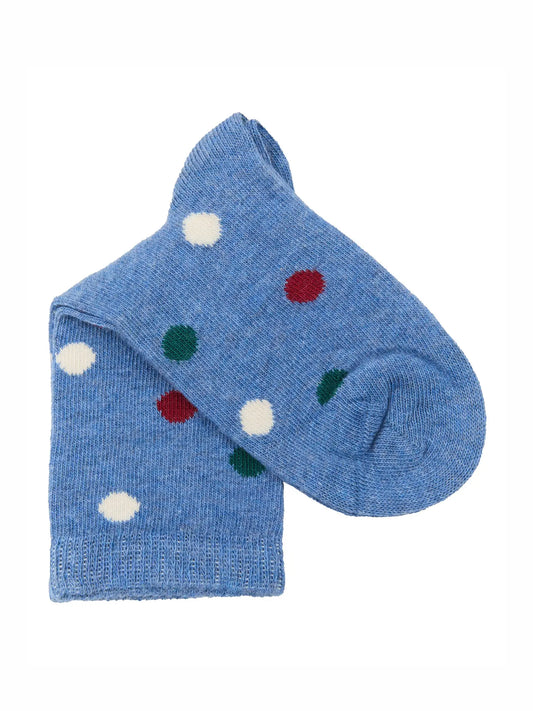
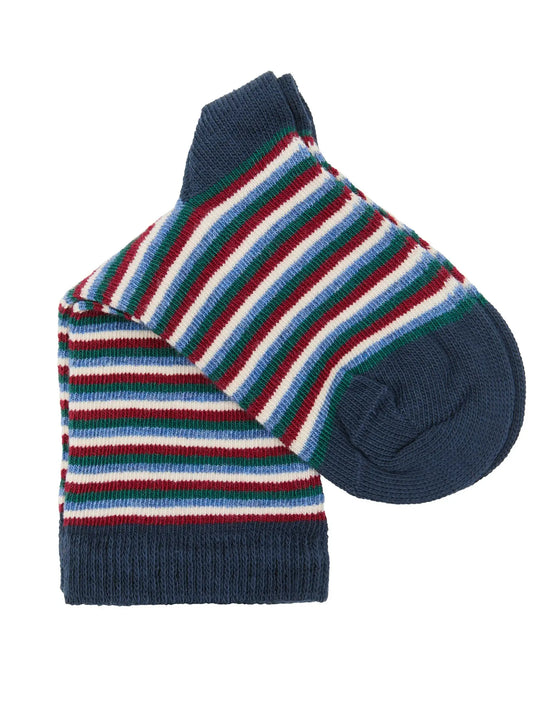
Our organic cotton baby socks are made from 98% GOTS-certified organic cotton with a small amount of stretch, so they work well when a light foot layer genuinely makes sense.


