








CONTENTS
Preparing for a new baby comes with a crazy amount of shopping, right? There is just so much “stuff” to get familiar with, so many lists to make, and so many new terms to learn as you go along. One of these terms is “layette”. So, what even is that?
Put simply, a layette is simply your baby's first wardrobe, a collection of essential newborn clothing and basic linens that will keep them comfortable, clean, and appropriately dressed during their first weeks and months. Think bodysuits, sleepers, socks, hats, blankets, and burp cloths, rather than the entire nursery or everything on your baby registry.
The challenge is knowing how much of everything to buy, especially when babies grow so quickly and you have no idea how big yours will be when they arrive. This guide will help you put together a practical newborn layette, choose the right sizes, and avoid spending money on clothing your baby may barely wear.
The Newborn Clothing Checklist: What Is Included in a Layette?
A well-planned layette should make those first few weeks easier, with enough clothing to handle frequent changes without leaving you with drawers full of unworn outfits.
Newborns spend most of their time sleeping, feeding, and being held, so comfort and practicality matter considerably more than having a different outfit for every occasion. Soft fabrics, easy access for diaper changes, and clothing that can be layered as temperatures change will serve you far better than an elaborate wardrobe.
Here is a practical newborn layette checklist for your baby's first few weeks.
| Item | How many | Why you need it |
|---|---|---|
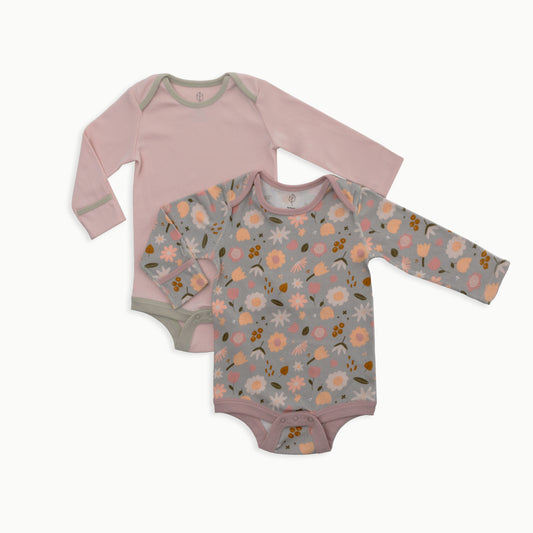
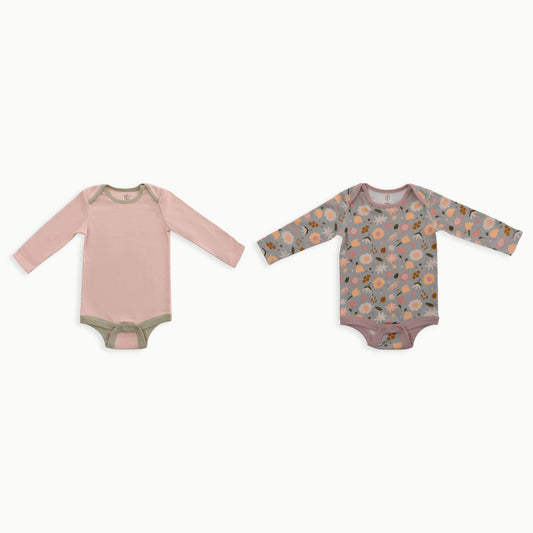
| Short-sleeve bodysuits | 5 to 7 | Everyday essentials that work alone in warm weather or as a base layer |
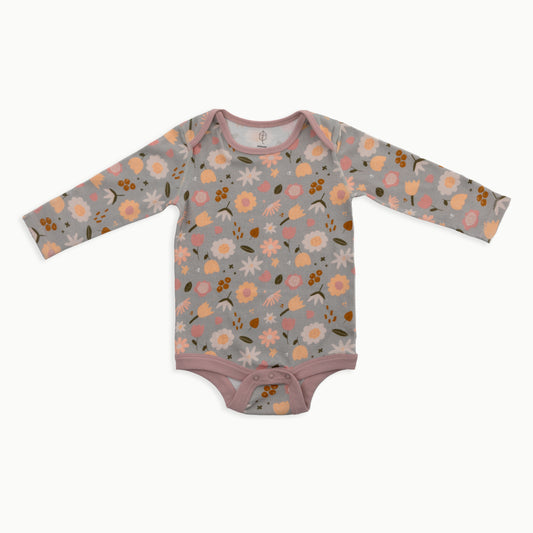
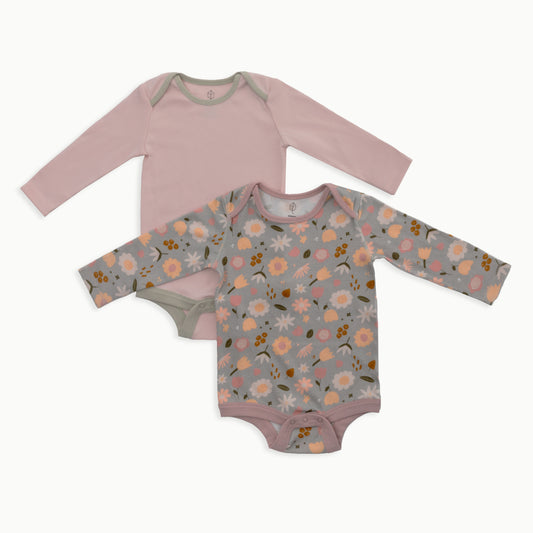
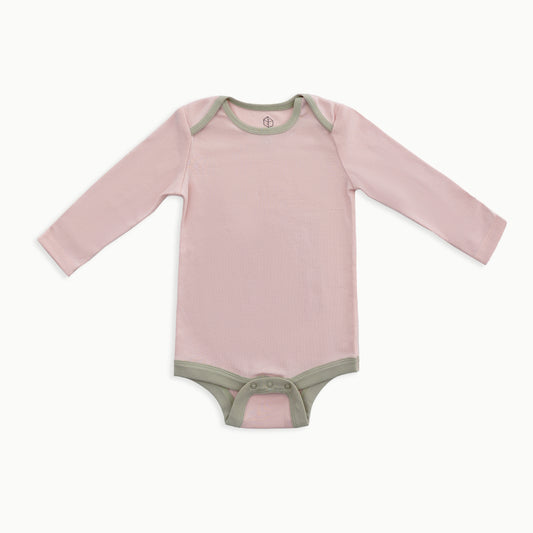
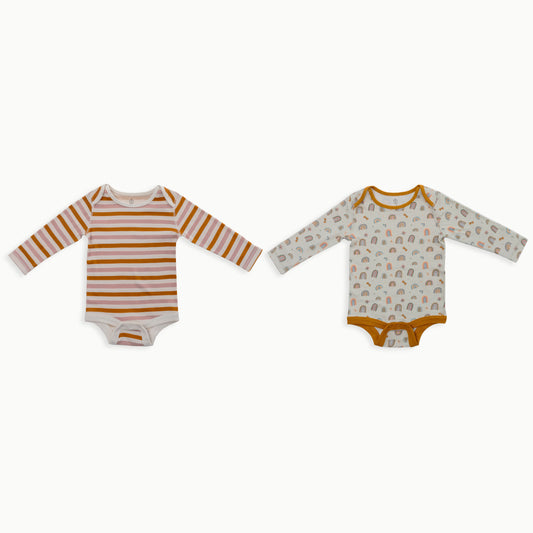
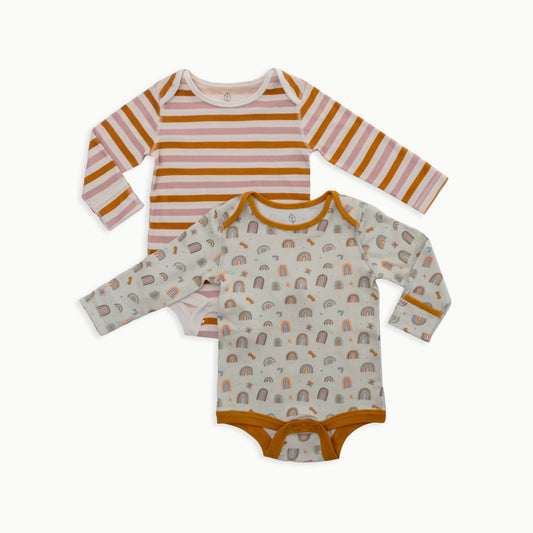
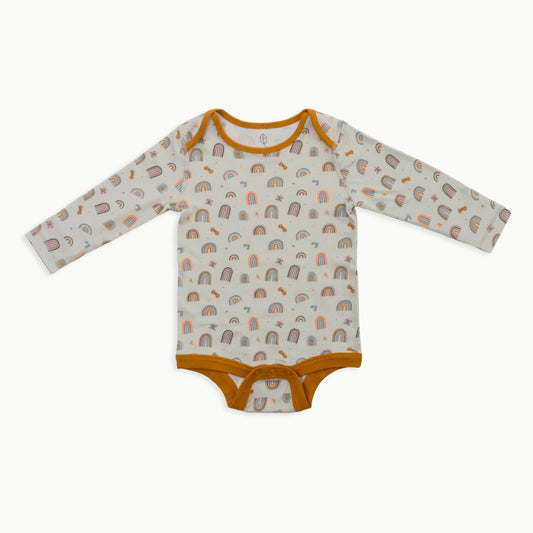
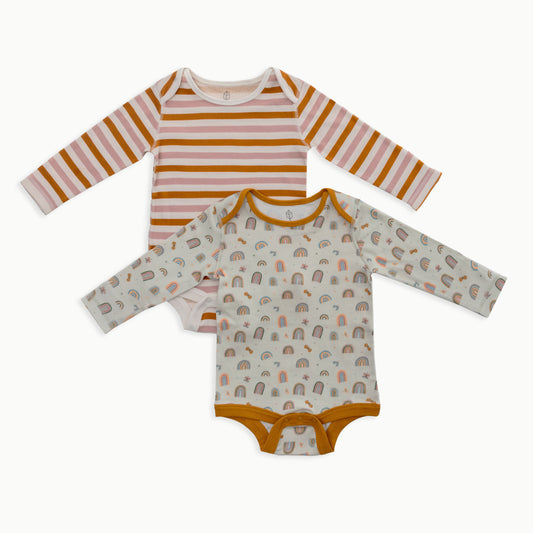
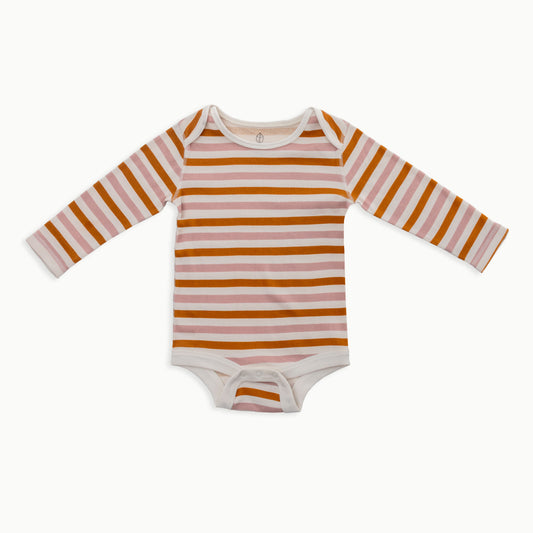
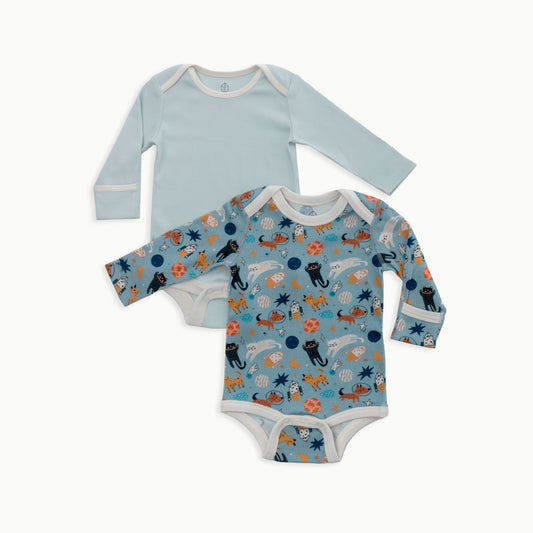
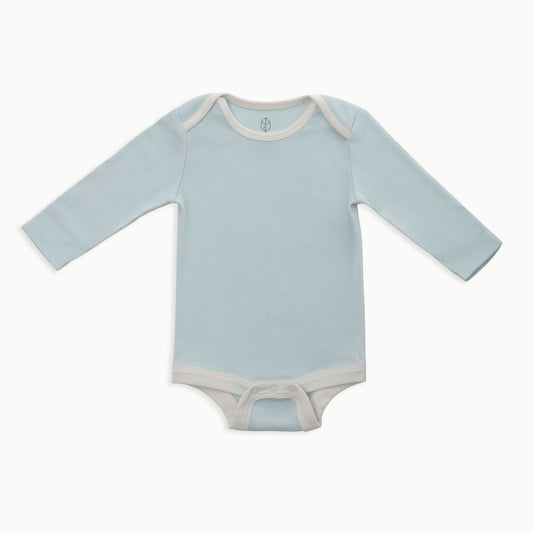
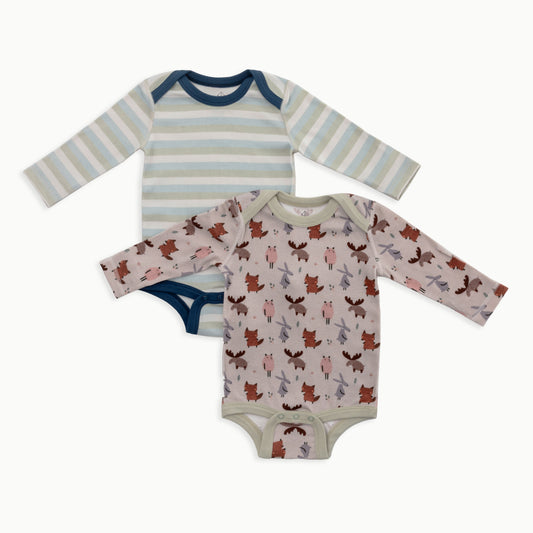
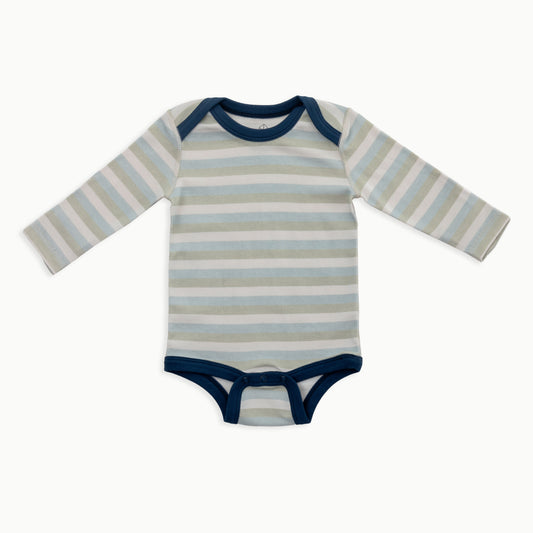
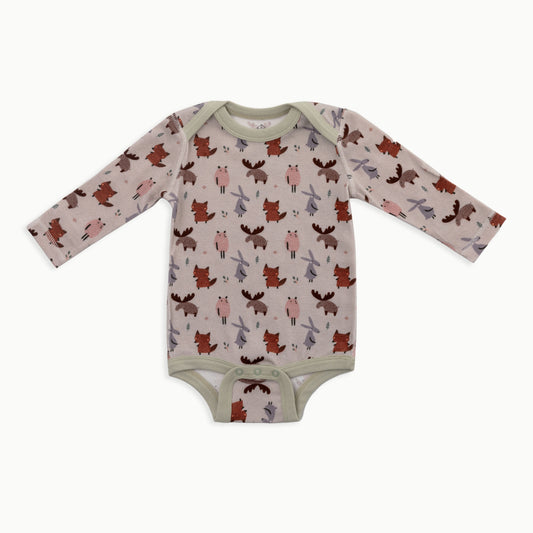
| Long-sleeve bodysuits | 4 to 6 | Useful for cooler temperatures and layering |
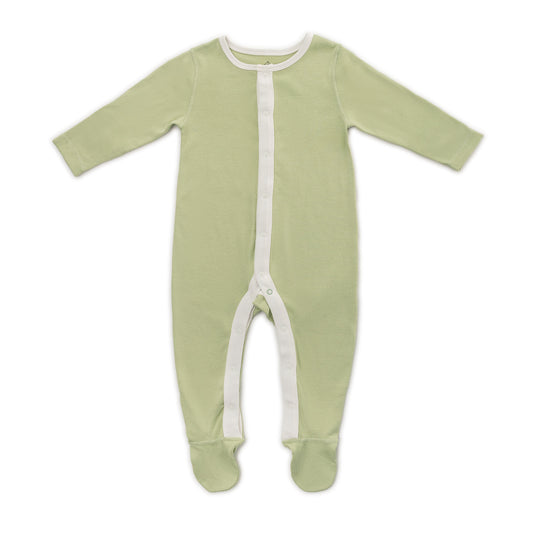
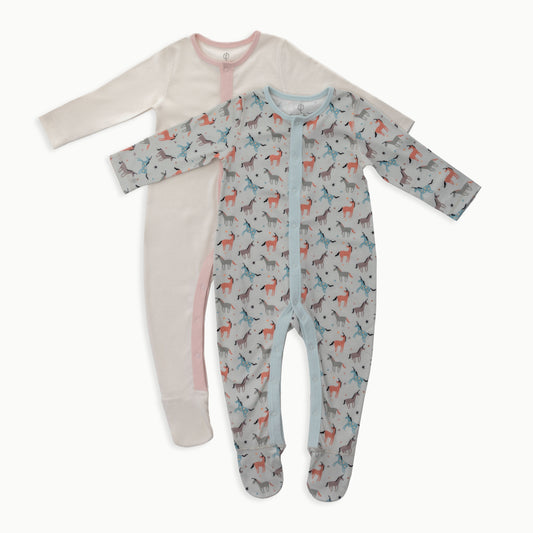
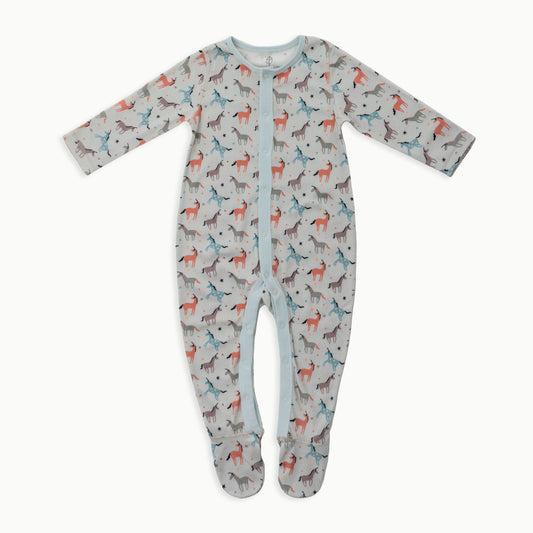
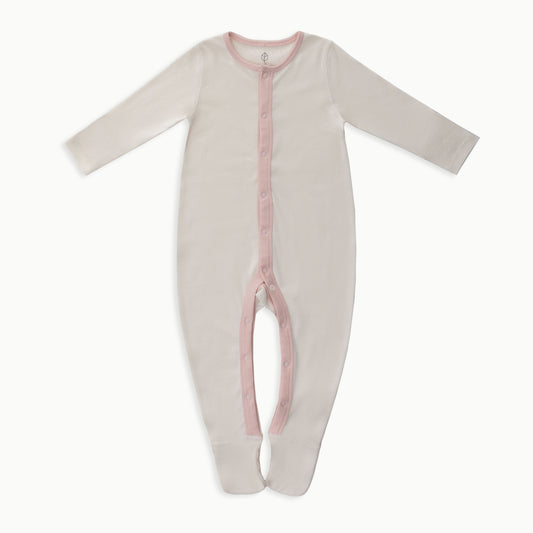
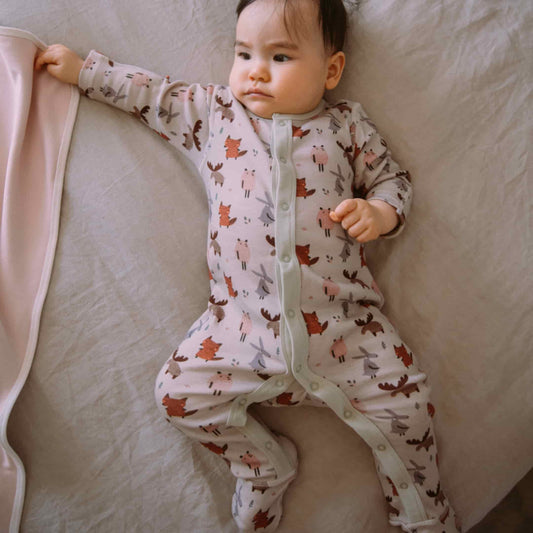
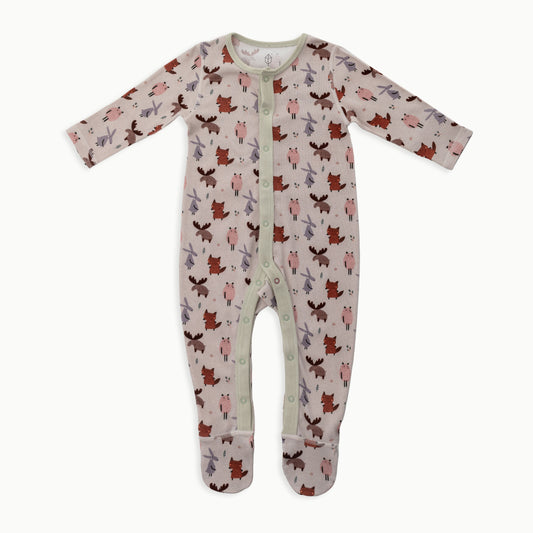
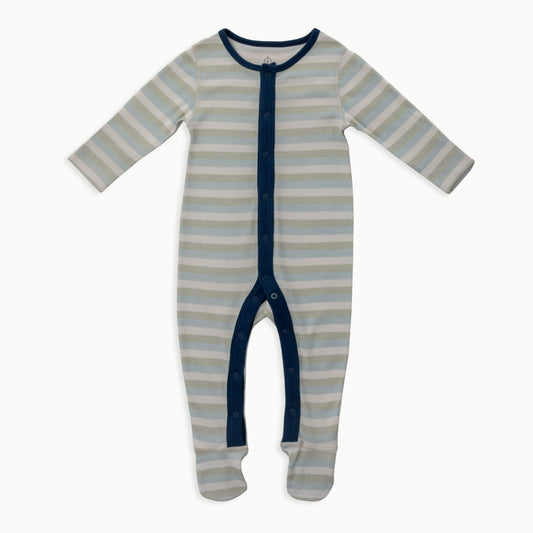
| Footed sleepers | 4 to 6 | Comfortable for daytime and nighttime, with built-in foot coverage |
| Soft hats | 1 to 2 | For outdoor warmth in cooler weather, never for indoor sleep |
| Socks | 3 to 5 pairs | Particularly useful with footless outfits |
| Baby blankets | 1 to 2 | For supervised tummy time, cuddles, and other awake activities |
| Burp cloths | 5 to 10 | Protect your clothing and help manage inevitable spit-up |
| Swaddles (optional) | 1 to 2 | For parents who choose to swaddle during the early weeks |
Here is a practical newborn layette checklist for your baby's first few weeks. These quantities assume you can do laundry every two or three days. If you prefer washing less frequently, adding a few extra bodysuits and sleepers may be worthwhile.
A useful rule: Buy enough clothing to get through two days without doing laundry, plus a few extras for unexpected messes. You can always add more once you understand your baby's needs.
How Much Newborn Clothing Do You Actually Need?
One of the most common mistakes expectant parents make is buying too much clothing in newborn sizes.
It is understandable, especially when those tiny outfits are irresistible and buying baby clothes is one of the more enjoyable parts of preparing for a new arrival. However, newborn sizing covers a relatively narrow weight and height range, and some babies will outgrow it within a couple of weeks, while larger babies may fit straight into 0–3 month clothing.
Rather than buying your entire layette in newborn size, consider purchasing just a handful of pieces for the first days and choosing 0–3 months for much of the remaining wardrobe.
For example, if you plan to buy six footed sleepers, you might purchase two in newborn size and four in 0–3 months. This gives you something that fits more closely immediately after birth, while ensuring you have clothing ready when your baby starts growing.
There are a few other things worth considering before deciding how much to buy.
Your laundry routine matters more than most checklists acknowledge. A family doing laundry daily can comfortably manage with fewer clothes than one washing twice a week. If your baby experiences frequent spit-up or diaper leaks, you may find yourself going through three or four outfits in a single day.
The type of clothing matters as much as the quantity. Six beautifully coordinated outfits are considerably less useful if every one requires you to pull something over a newborn's head, fasten a dozen buttons, or remove multiple layers for every diaper change. During those early weeks, simplicity is a luxury.
You do not need everything before your baby arrives. Having the basics washed and ready is sensible, but there is no need to predict your baby's clothing needs for the next six months. Their growth rate, the weather, and your preferences will become much clearer once they are here.
For more detailed guidance, read our guides to how many newborn onesies you actually need and newborn versus 0–3 month sizing.
What Makes a Good Newborn Layette?
When you are choosing clothes for a baby who cannot yet regulate their body temperature as effectively as an adult, has delicate skin, and may need changing several times a day, the details of how each garment is made become particularly important.
1. Choose fabrics carefully
Newborn clothing spends hours in direct contact with your baby's skin, so fabric composition deserves more attention than it typically receives.
Cotton is a practical choice because it is soft, breathable, absorbent, and relatively easy to care for. Organic cotton can be particularly appealing to parents who want to consider the environmental impact of how their baby's clothing is produced.
However, the word organic on a label does not automatically tell you everything about the finished garment. Cotton may be organically grown while subsequent processing, dyeing, and finishing involve chemicals that are not covered by the original farming claim.
This is one reason we prioritize GOTS-certified organic cotton at Treehouse. The Global Organic Textile Standard goes beyond the farming of cotton to establish requirements for textile processing, including restrictions on certain hazardous chemicals and criteria for environmental and social practices.
It offers a more comprehensive way of evaluating the finished textile than relying on an unverified organic marketing claim.
You can learn more in our guide to the best fabrics for baby clothes.
2. Look for designs that make diaper changes easier
A newborn can need eight to twelve diaper changes a day, sometimes more, and the last thing you want is clothing that turns every change into a complicated operation.
Look for bodysuits with envelope necklines, which allow the garment to be pulled down over the shoulders rather than over the baby's head when there has been a particularly messy diaper leak.
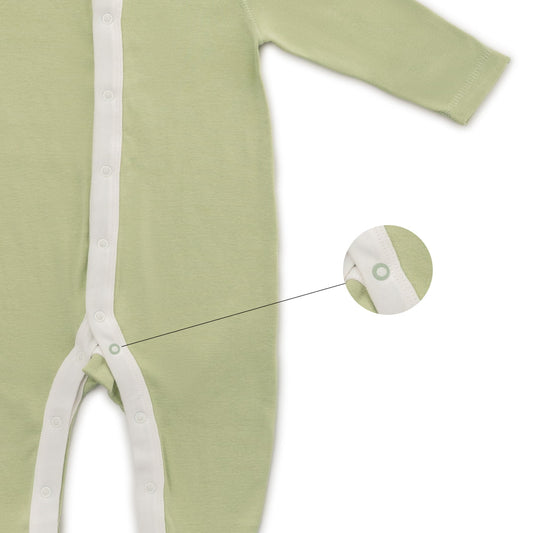
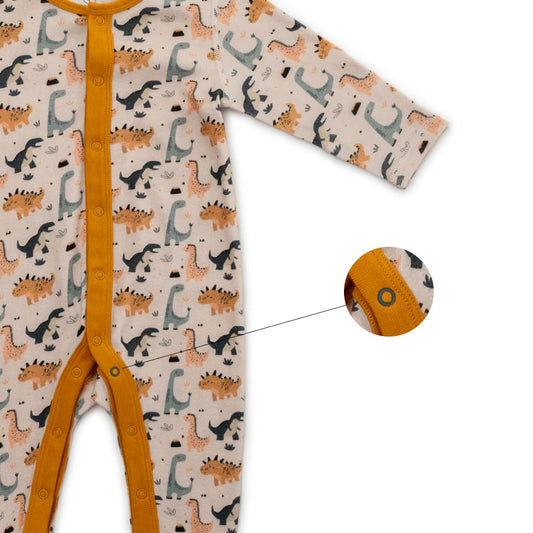
For sleepers, two-way zippers are especially convenient because they allow you to access the diaper without completely undressing your baby. This can make nighttime changes considerably less disruptive.
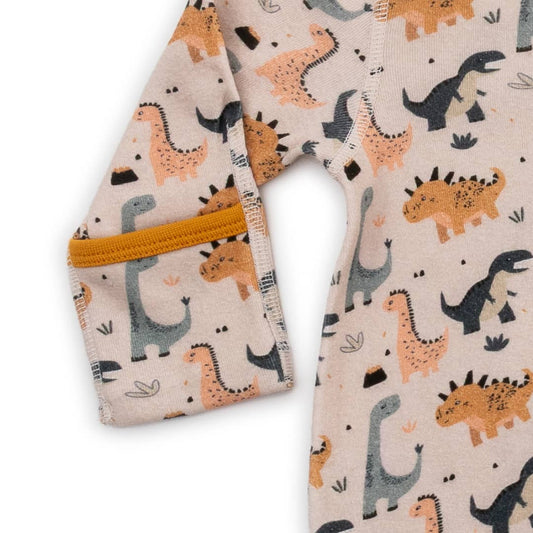
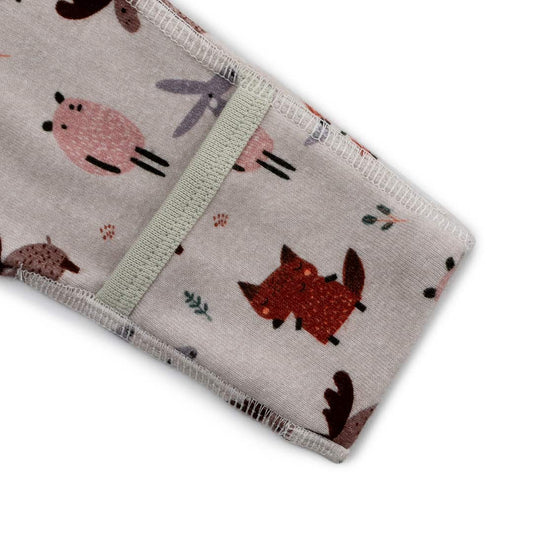
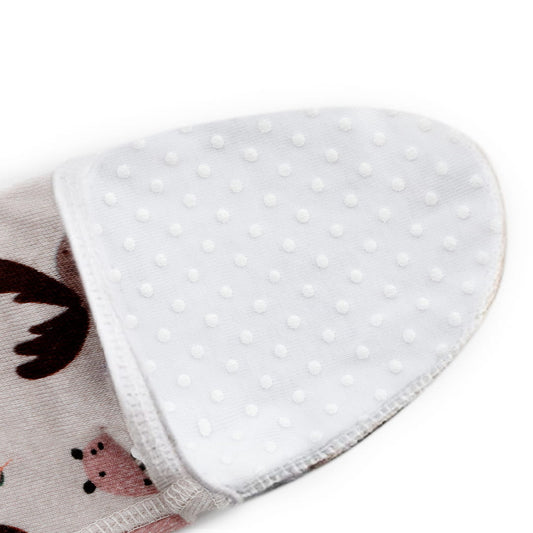
Fold-over cuffs on newborn sleepers are another useful feature. They can cover tiny hands when needed, without requiring you to keep track of separate mittens that inevitably disappear.
3. Think about how the pieces work together
A coordinated layette does not necessarily mean matching colors and prints, although there is something rather lovely about opening a drawer of beautifully considered baby clothing.
What matters more is that the pieces can be worn together and layered easily.
A long-sleeve bodysuit should fit comfortably beneath an appropriately sized outer layer, while a sleeper should be practical enough to wear throughout the day as well as at night.
Choosing a small number of versatile styles also makes it easier to dress your baby without having to think too much about what goes with what, something you may appreciate considerably more after a few nights of interrupted sleep.
A Quick Note on Baby Blankets and Safe Sleep
Baby blankets are a traditional part of a newborn layette, and they can be wonderfully useful for supervised tummy time, cuddling while your baby is awake, or providing a clean surface when you are out and about.
However, there is an important distinction between a blanket being part of your baby's wardrobe and being appropriate for their sleep space.
The American Academy of Pediatrics recommends keeping loose blankets, pillows, quilts, and other soft objects out of a baby's sleep area during the first year because they can increase the risk of suffocation and sleep-related infant deaths.
For nighttime warmth, choose appropriately fitted sleep clothing or a wearable blanket, often called a sleep sack, rather than placing a loose blanket over your baby.
If you choose to swaddle, follow safe-swaddling guidance, always place your baby on their back, and stop swaddling as soon as they show signs of attempting to roll.
A beautiful blanket may eventually become a treasured comfort object, but it should remain outside the crib during the first year.
For a more detailed explanation, read when babies can safely sleep with a blanket.
Sources: American Academy of Pediatrics, HealthyChildren.org, A Parent's Guide to Safe Sleep; NHS, Reduce the Risk of Sudden Infant Death Syndrome.
How to Choose a Layette for a Summer or Winter Baby
Your baby's birth season will influence which clothing you reach for most frequently, although the basic layette checklist remains largely the same.
Summer newborn layette
For babies arriving during warmer months, prioritize lightweight, breathable fabrics and short-sleeve bodysuits that can be worn on their own.
A summer layette might contain seven short-sleeve bodysuits, four long-sleeve bodysuits, and four lightweight sleepers, with a couple of extra layers for air-conditioned environments.
One consideration parents sometimes overlook is how dramatically temperatures can vary throughout a summer day. Your baby may move from a warm outdoor environment into a heavily air-conditioned car, restaurant, or home, so having a lightweight extra layer available is often more useful than buying an entirely separate wardrobe for each situation.
Avoid dressing your baby in unnecessary layers during hot weather, and check their chest or the back of their neck for signs of overheating rather than relying on the temperature of their hands and feet.
Winter newborn layette
For winter babies, shift the balance toward long-sleeve bodysuits, footed sleepers, and practical layers that can be added or removed as temperatures change.
You might choose six long-sleeve bodysuits, four short-sleeve bodysuits, and six footed sleepers, along with a warm hat and socks for outdoor use.
While it is tempting to bundle a newborn into the thickest clothing available, several lighter layers can make it easier to adjust their clothing when moving between cold outdoor temperatures and heated indoor spaces.
For sleep, avoid overheating and follow safe-sleep guidance on appropriate clothing and room temperature. Hats should be removed indoors, particularly for sleep.
If your baby is due in spring or autumn, the most practical approach is to buy a versatile base wardrobe in 0–3 months and add a few season-specific pieces once you have a better idea of the weather.
What Can You Skip When Building a Newborn Layette?
A sensible layette is as much about knowing what to leave out as knowing what to buy.
Baby clothing is frequently sold in elaborate sets with accessories that look adorable in photographs but offer little practical value during the newborn stage.
Here are a few purchases worth reconsidering.
-
Too many special-occasion outfits. One or two are lovely for photographs or family gatherings, but most newborns spend their days in bodysuits and sleepers.
-
Baby shoes. Newborns do not need structured shoes, and socks or footed clothing are usually sufficient for keeping their feet covered.
-
Large quantities of newborn-size clothing. You may be surprised by how quickly your baby moves into the next size.
-
Uncomfortable embellishments. Stiff collars, scratchy seams, decorative buttons, and bulky details can be irritating or impractical for a baby who spends much of the day lying down.
-
Too many separate accessories. Built-in feet and fold-over cuffs can reduce the number of tiny items you need to buy, wash, and keep track of.
There is also no need to purchase a completely new wardrobe for every baby. Good-quality clothing can often be passed between siblings, cousins, or friends, making durability an important consideration even for garments that may only fit for a few months.
Should You Buy a Ready-Made Layette Set or Build Your Own?
There are two perfectly sensible ways to prepare your baby's first wardrobe, and the best option depends on how much time you want to spend choosing individual pieces.
Building a layette yourself gives you complete control over the quantities, colors, fabrics, and styles you purchase. It can also be a lovely way to incorporate hand-me-downs or special gifts from family members.
The disadvantage is that shopping for individual pieces can become surprisingly time-consuming, especially when you are trying to compare fabric certifications, sizes, quality, and care instructions across different brands.
A ready-made layette set simplifies the process by bringing together coordinated essentials in appropriate sizes. It can also make a thoughtful baby shower gift, particularly for parents who would appreciate receiving something genuinely useful rather than another decorative outfit.
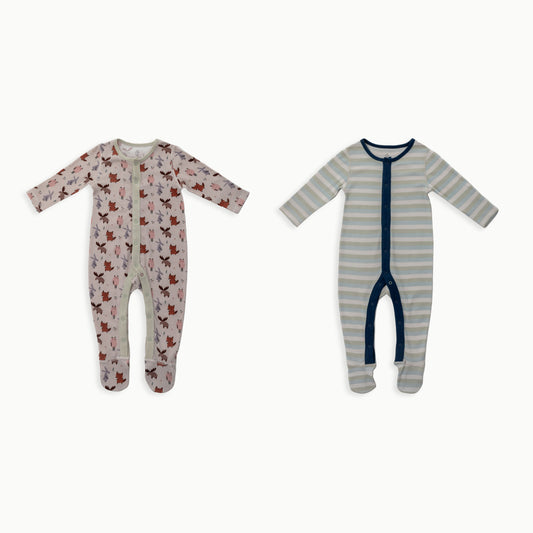
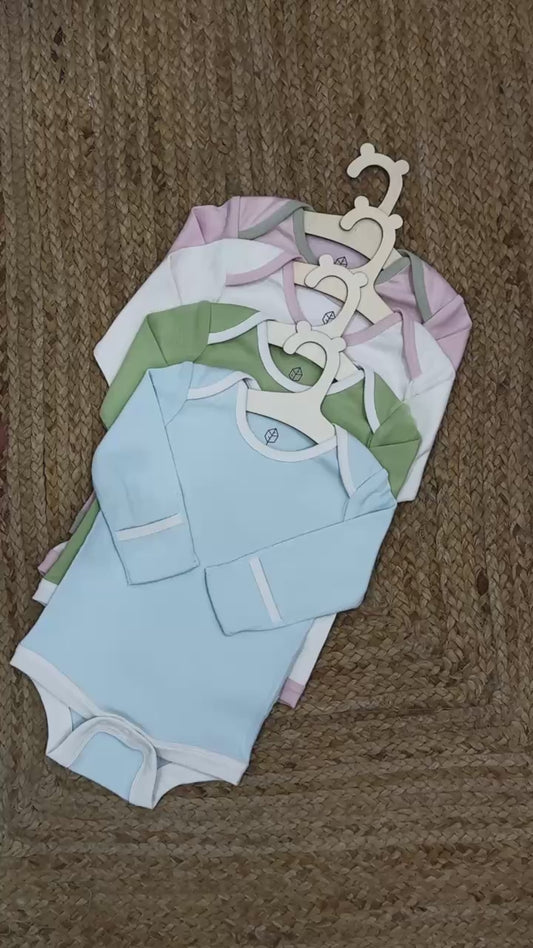
At Treehouse, our organic cotton layette sets are designed around the pieces babies actually wear, with thoughtfully coordinated essentials made from GOTS-certified organic cotton.
Our Nest Box and baby bundles make it easier to put together a first wardrobe, whether you are preparing for your own arrival or choosing a gift for someone else.
The aim is to have a small, useful collection of clothing that works together and makes everyday life with a newborn a little easier.


