









CONTENTS
If you’re feeling strangely somewhat nervous about doing baby laundry, you’re not alone. Many parents say washing baby clothes feels more complex than regular laundry, especially before the baby even arrives. Suddenly, familiar questions come up. Do I need a special detergent? What temperature is safe? Am I doing this right?
The good news is that washing baby clothes doesn’t require special equipment, complicated routines, or perfection. In most cases, it’s about being gentle, consistent, and practical. This guide answers the most common questions parents ask, both before and after birth, so you can feel confident from the very first wash onward.

Do I Need to Wash Baby Clothes Before Use?
Yes, it’s generally recommended to wash baby clothes before first use.
Even brand-new clothing can carry residues from manufacturing, packaging, transport, and storage. Washing before use helps remove those residues and gives you a clean starting point for your baby’s wardrobe.
This applies to all baby clothes, whether they’re new, gifted, or hand-me-downs. It doesn’t mean anything is dirty or unsafe. It’s simply a practical step that many parents take, particularly due to the finishing agents many mainstream brands use.
How to Wash Baby Clothes for the First Time
 The first wash doesn’t need to be complicated.
A simple, gentle approach works best. Many parents choose to wash baby clothes separately from adult laundry for the first wash so they can control the detergent and settings more easily. This can be especially helpful if adult clothes are washed with stronger detergents or fragrance additives.
There’s no need for an intensive routine. The goal of the first wash is to clean the clothes thoroughly while keeping fabrics soft and comfortable.
How to Wash Baby Clothes in a Washing Machine
Most baby clothes can be safely washed in a standard washing machine.
A gentle or normal cycle is usually sufficient, depending on the fabric. Heavy-duty cycles are rarely necessary and can be rough on smaller, softer garments. Washing with enough water movement, without overcrowding the machine, helps clothes rinse properly and come out clean.
Thorough rinsing is important. Detergent residue can build up if clothes aren’t rinsed well, so avoid using more detergent than needed. An extra rinse can be helpful if your machine offers that option.
How to Wash Baby Clothes by Hand
Hand washing can be useful in certain situations, but it’s not required for all baby clothes.
Parents often hand-wash very delicate items, need a quick refresh, or are being washed while traveling. When hand washing, lukewarm water and gentle handling are key. Swish clothes lightly, avoid wringing, and rinse thoroughly to remove detergent.
Hand washing is an option, not an obligation. If machine washing works well for your routine, that’s perfectly fine.
What Laundry Detergent Is Best for Baby Clothes?
 The best detergent for baby clothes is one that cleans effectively without leaving unnecessary residue.
Many parents look for detergents that are fragrance-free and designed to rinse clean. Fragrance can linger on fabric, and residue buildup can make clothes feel less breathable over time. The term “baby detergent” isn’t regulated, so reading labels and choosing based on ingredients and performance matters more than the name alone.
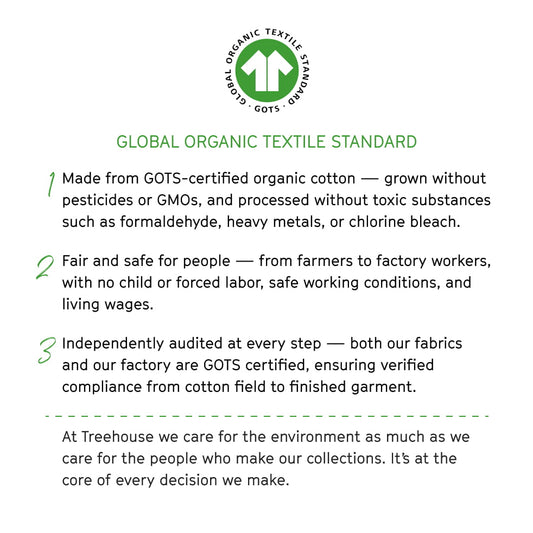
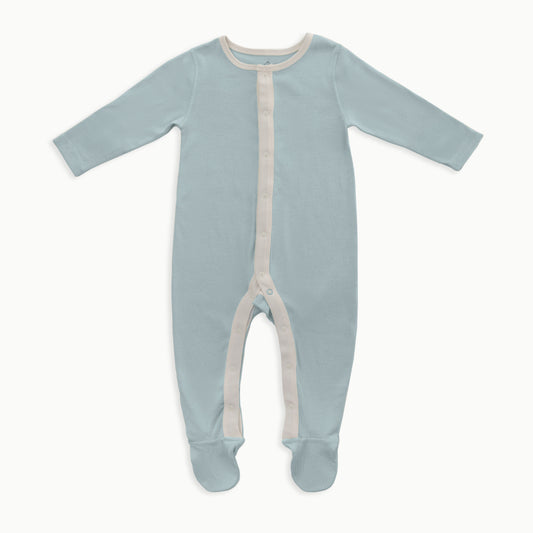
Detergent choice works best when paired with breathable, untreated fabrics. Many parents find that organic cotton baby clothes are easier to wash and stay comfortable over time, especially when combined with a gentle detergent routine.
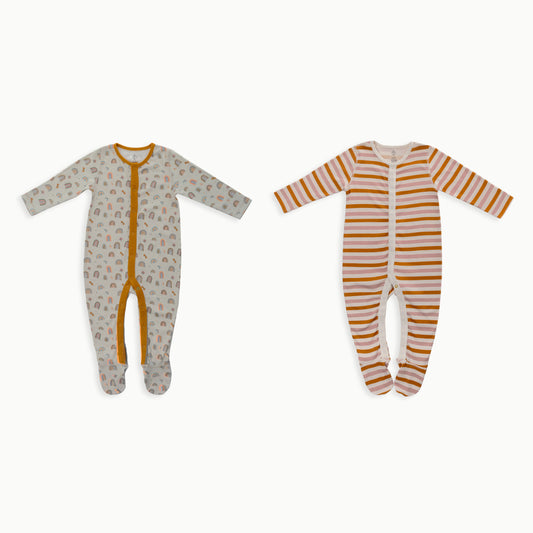
Everyday baby essentials made for frequent washing.


