Anastasia Vasilieva is a sustainable fashion researcher and founder of Treehouse, a certified organic kidswear brand. Her work on non-toxic clothing has been featured in podcasts, press, and guest lectures at FIT and Georgetown.
Soft for the Big Step
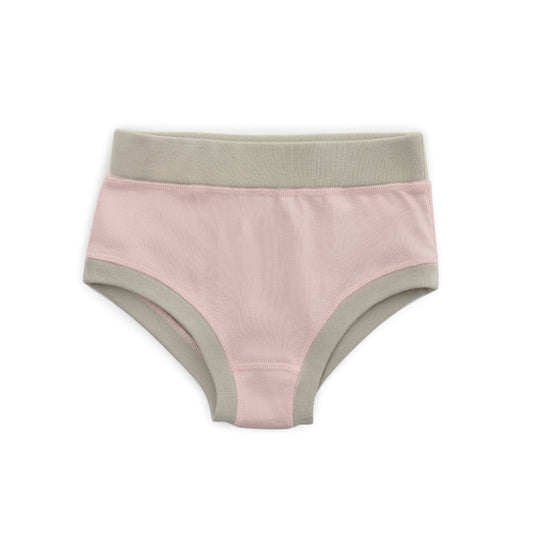
GOTS-certified organic cotton underwear, tag-free with gentle waistbands, for the move out of diapers.
One of the most common parenting questions is simple: when do kids start wearing underwear?
If you have been wondering the same thing, you are not alone. This is one of the most googled questions out there. This milestone sits right at the intersection of potty training, independence, and growing up. While nearly every parent searches for the answer, clear guidance can be hard to find because there is so much variation.
The truth is that children move into underwear on their own developmental timeline, not according to a specific age. Some toddlers are excited to wear “big kid underwear” early, while others take a bit longer to get there. Plus, there is just so much nuance when it comes to cultural norms and traditions.
By the end of this guide, you will understand:
the typical age range when kids start wearing underwear
the readiness signs to look for
how to make the transition smoother
and what to consider when choosing your child’s first underwear
What Age Do Kids Typically Start Wearing Underwear?
Most children begin wearing underwear some time between ages 2 and 4, with the average transition happening around 2½ to 3½ years old.
The timing is closely tied to potty training progress, and sometimes milestones like starting preschool.
Some children show readiness earlier, around 18 to 22 months, while others are not fully ready until closer to age 4 or even 5. Both scenarios fall within the normal developmental range.
You may also hear that girls tend to potty train slightly earlier than boys. Some studies do show girls completing training a few months earlier on average, but the difference varies widely and should not be treated as a rule.
The most reassuring thing parents can remember is this.
There is no such thing as “late” when it comes to underwear readiness. Every child develops body awareness, communication skills, and emotional readiness at their own pace. And for some, what’s normal during daytime might be different from their routine at night. And that’s okay too.
Signs Your Child Is Ready to Wear Underwear
Instead of focusing only on age, it is more helpful to watch for readiness signs that show your child is physically and emotionally prepared.
Physical signs
Your child may be ready when they:
stay dry for two hours or more at a time
have predictable bowel movements
can pull pants or training pants up and down independently
can walk to and sit on the potty without assistance
Cognitive and behavioral signs
You might notice that your child:
tells you verbally or through body language when they need to go
shows discomfort in a wet or dirty diaper
becomes curious about the toilet
expresses interest in wearing big kid underwear
Emotional signs
Many kids also show social motivation, such as:
wanting to imitate older siblings or classmates
showing excitement when seeing underwear in stores
expressing pride in doing things independently
These signs do not need to appear all at once. Think of them as positive milestones, not a checklist your child must complete perfectly.
There is no single correct way to transition from diapers to underwear. Parents typically follow one of three approaches.
Diapers to underwear
Some families switch directly to underwear once a child shows strong readiness signs and is mostly staying dry during the day.
This approach works best for children who already understand potty routines and communicate when they need to go.
Diapers to bare-bottom time to underwear
Some potty training specialists recommend starting with short periods of bare-bottom time at home. This helps children build body awareness before introducing underwear.
Children may then go commando in loose pants before moving into regular underwear.
Diapers to training pants to underwear
This is the most common approach.
Training pants provide a bridge between diapers and underwear, offering some absorbency while still allowing children to feel when they are wet.
Two important things to remember.
Underwear can cause temporary regression.
Some children have accidents when first wearing underwear because the snug fit can feel similar to a diaper.
If that happens, stay calm and consistent. It is usually temporary.
Daytime and nighttime are separate milestones.
Many children begin wearing underwear during the day but continue using diapers or pull-ups at night for several months. Nighttime dryness often develops later and may not happen until age 5 to 7 or even later for some kids.
How to Choose the Right First Underwear for Your Child
Once your child is ready, choosing the right underwear can make the transition smoother.
Fabric
Look for soft, breathable materials such as organic cotton. These fabrics feel gentle on sensitive skin and help regulate moisture.
Stiff synthetic fabrics can feel uncomfortable and discourage toddlers from wanting to wear underwear.
Fit
Underwear should feel snug enough to stay in place but not restrictive. If it feels too tight or too loose, toddlers may reject it quickly.
You can refer to a size guide to make sure the fit is right.
Waistband
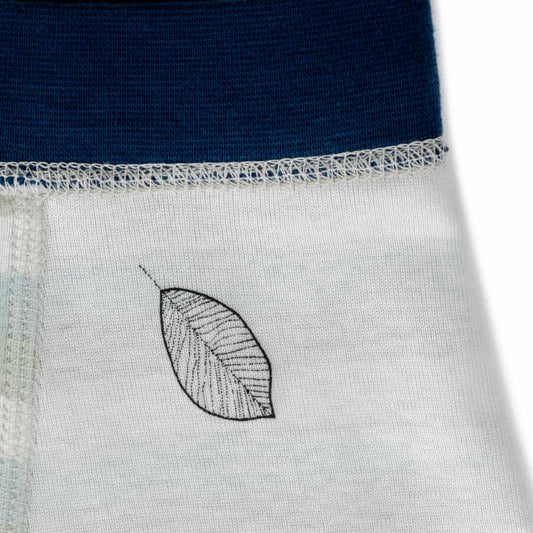
Choose underwear with soft elastic-covered waistbands that do not dig into the skin. Toddlers are quick to notice discomfort at the waist.
Fun factor
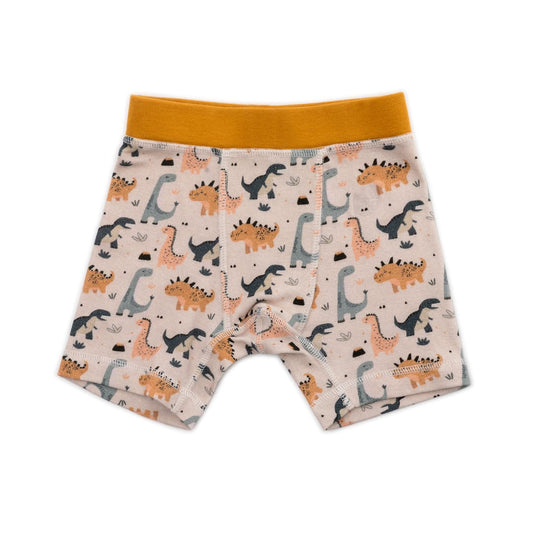
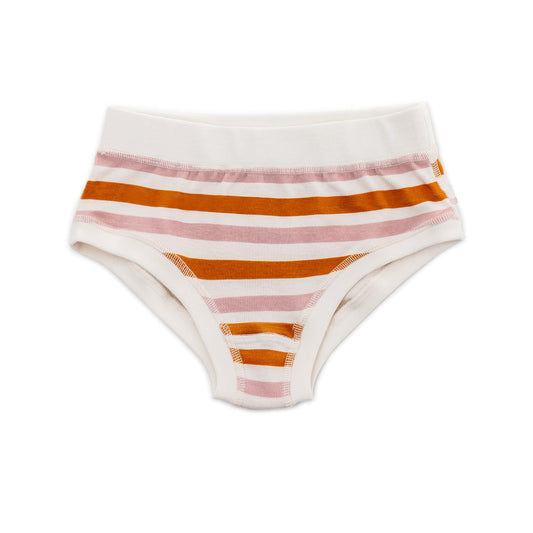
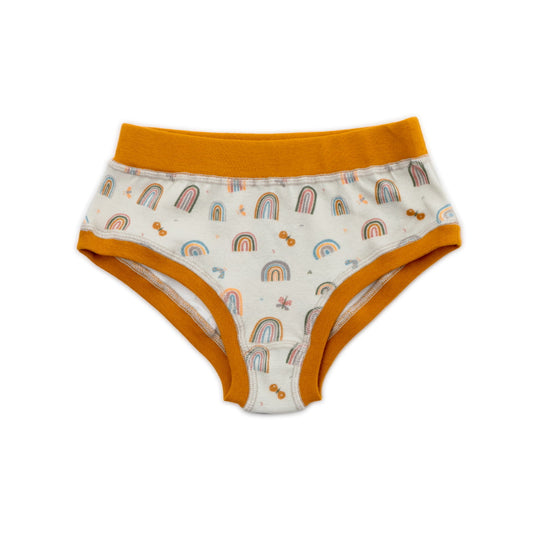
Let your child choose. Patterns, colors, and characters they love can make underwear feel exciting rather than intimidating.
Easy on and off
Toddlers must be able to pull their underwear up and down independently. This is essential for potty training success.
There are several common kids' underwear styles, including briefs, boxer briefs, and hipster styles. You can learn more about the differences in the underwear styles guide.
A few small strategies can make the transition smoother for both parents and kids.
Make it a celebration.
Frame “big kid underwear” as an exciting milestone. Let your child pick their favorites.
Use books or videos.
Stories about potty training can normalize the process.
Use older siblings as role models.
Toddlers love to copy what they see other kids doing.
Stock up.
Having at least 10 to 12 pairs of underwear reduces stress during the learning phase.
Stay calm about accidents.
Accidents are part of the learning process. Respond neutrally and offer gentle reminders.
Establish routines.
Encourage bathroom breaks every 30 to 60 minutes at the beginning.
Be patient with nighttime training.
Nighttime dryness often takes longer and should not be rushed.
When to Talk to Your Pediatrician
Most children transition to underwear without difficulty. However, it may be helpful to talk to your pediatrician if:
your child shows no interest in potty training or underwear by age 4 to 5
a previously potty-trained child begins having frequent accidents
your child shows signs of pain or discomfort when using the bathroom
Some children with sensory sensitivities may also struggle with certain fabrics or seams. In these cases, soft, seamless, or tagless underwear can make the transition easier, and an occupational therapist can provide helpful strategies.
The goal of this conversation is reassurance and support, not alarm.
Frequently Asked Questions
Can a 2-year-old wear underwear?
Yes, if they show readiness signs. However, many two-year-olds are still in the early stages of potty training. Training pants may be a helpful first step.
Should I use pull-ups or underwear for potty training?
It depends on the child. Pull-ups are convenient for outings and naps, but they can feel similar to diapers. Cotton underwear creates a clearer wet and dry sensation, which can sometimes help children learn faster.
What if my child refuses to wear underwear?
Do not force it. Try different styles, fabrics, or sizes. Letting your child choose fun patterns can also help. If resistance continues, pause and revisit the idea in a few weeks.
Is it normal for a 4-year-old to still wear diapers?
Yes. Some children take longer to complete potty training, especially at night. Many children are not consistently dry overnight until age 5 to 7.
When should kids stop wearing diapers at night?
Nighttime dryness usually develops six months to two years after daytime dryness. This milestone is driven largely by biological development rather than training.
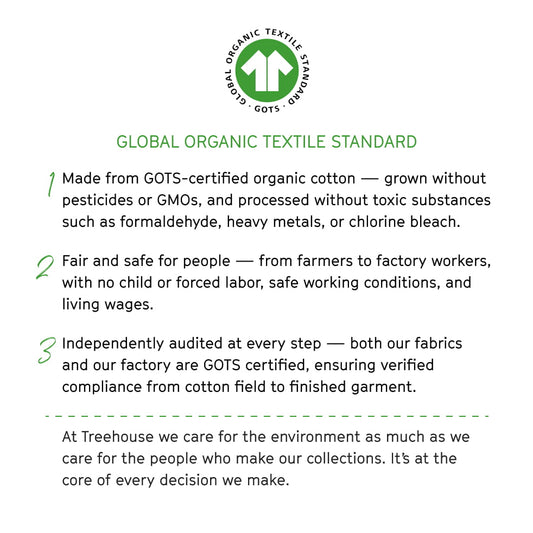
Our commitment to you extends beyond just the our clothing - we prioritize the well-being of your children, the environment, and the workers who craft our pieces.


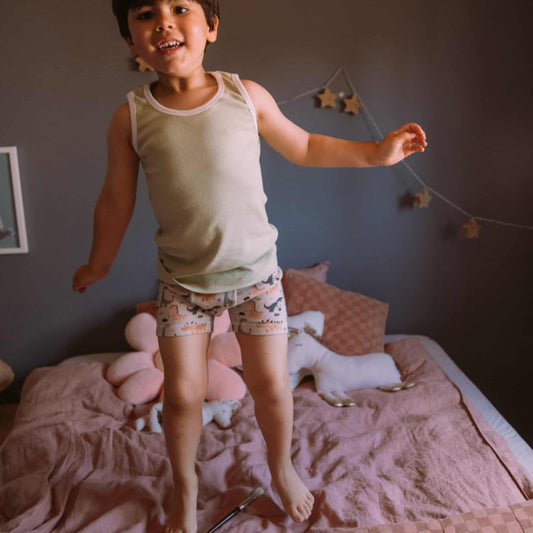
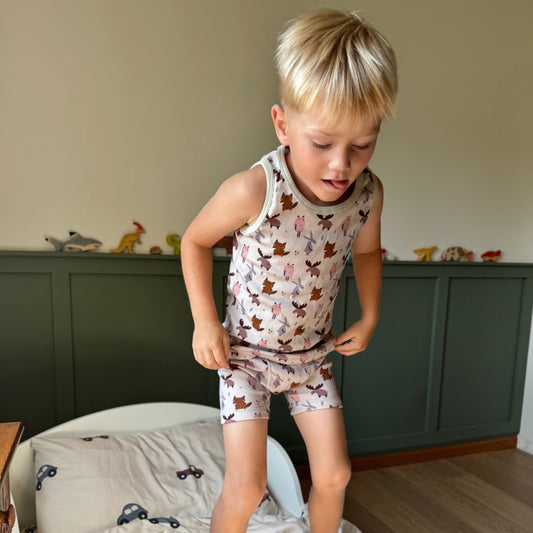
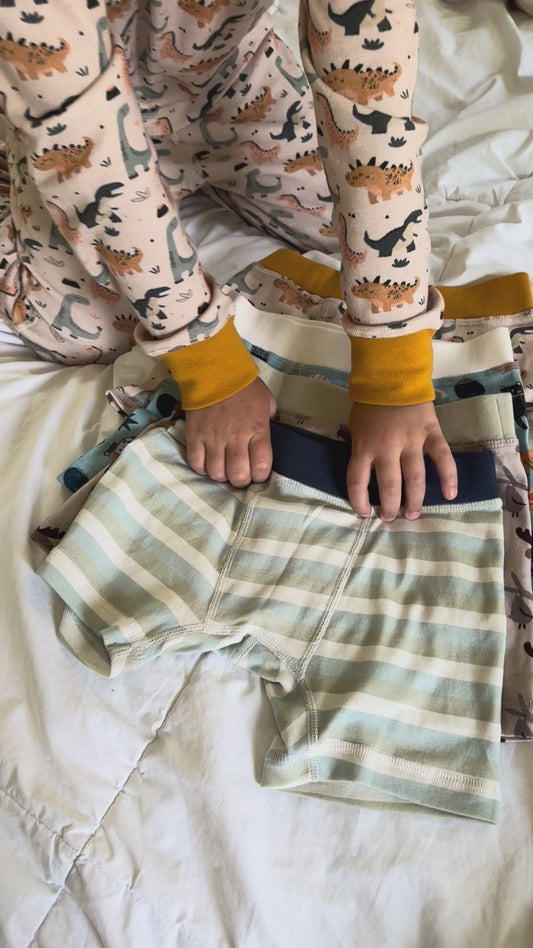
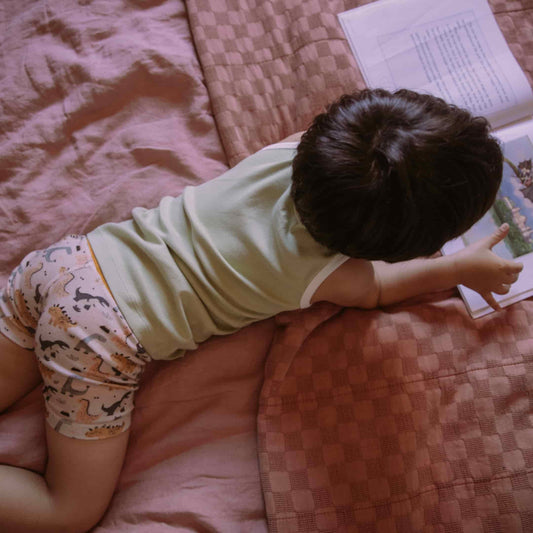





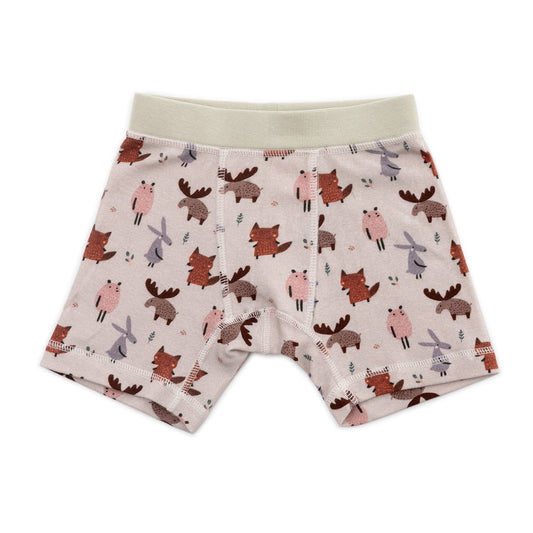
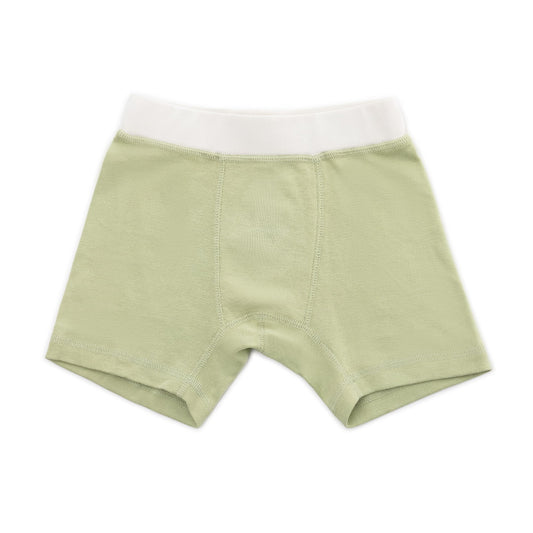
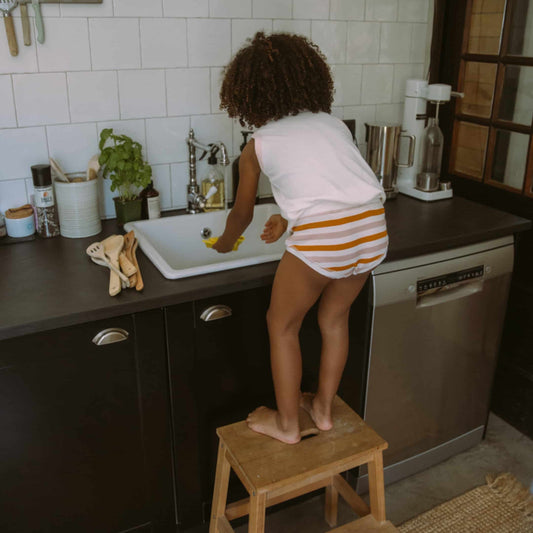
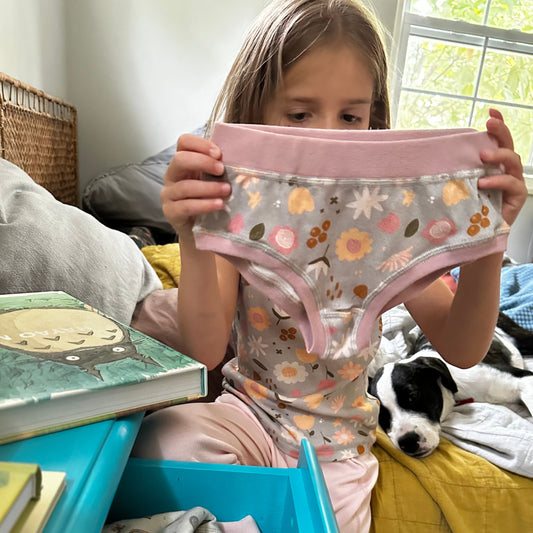
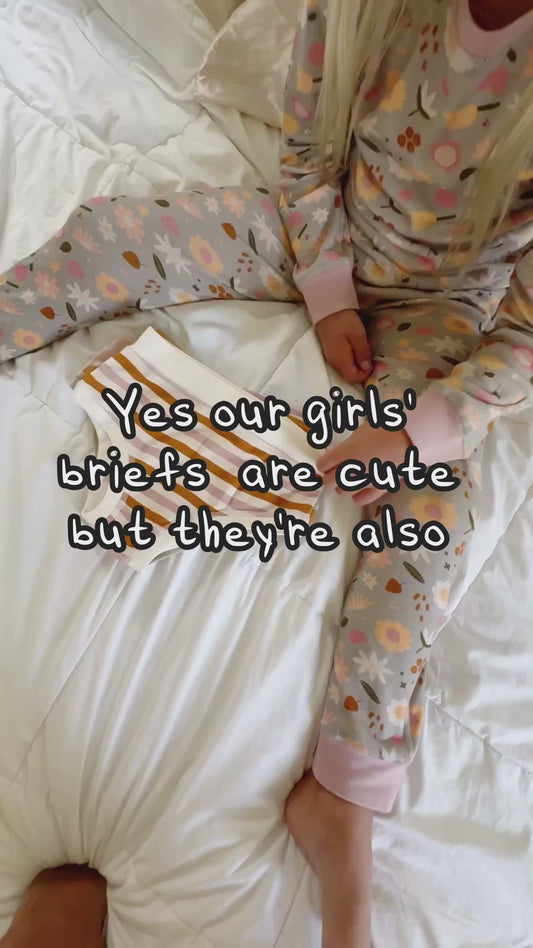
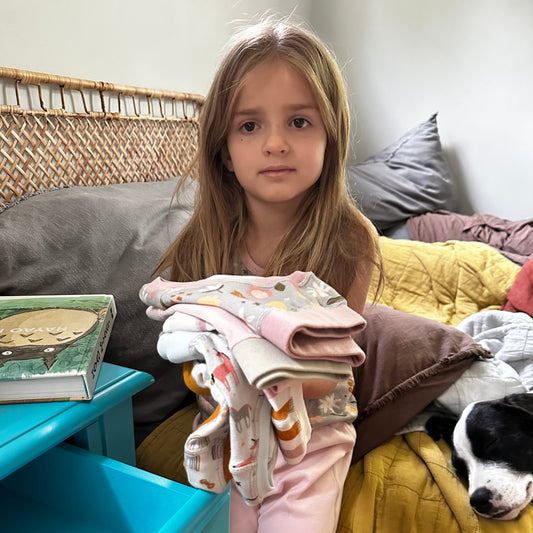
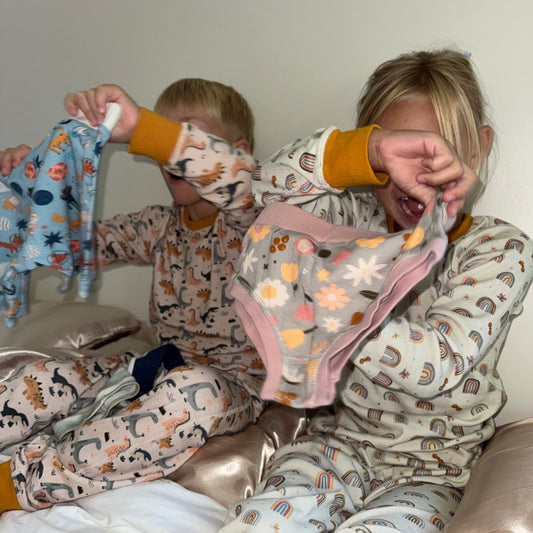
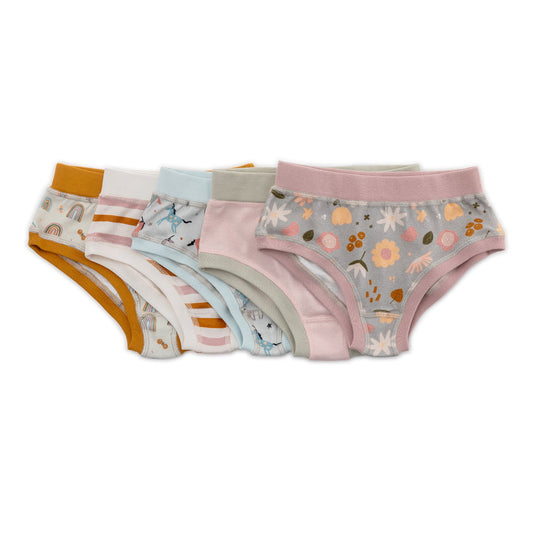
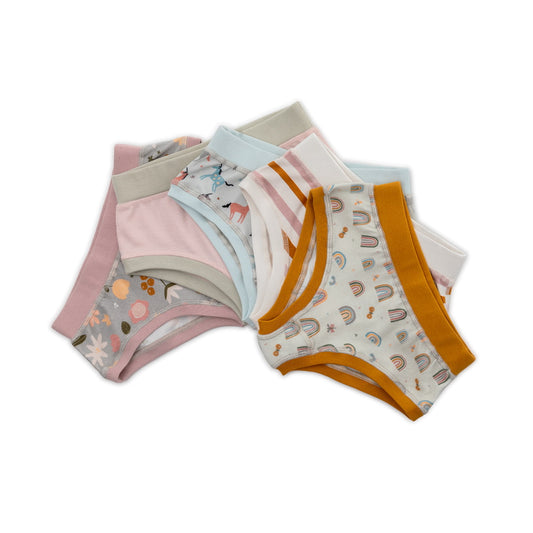
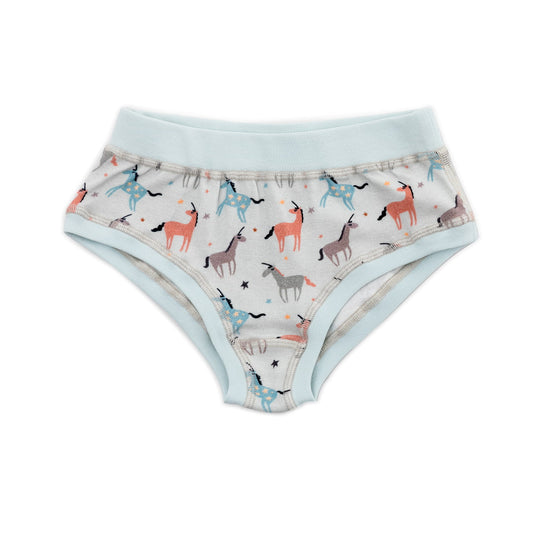
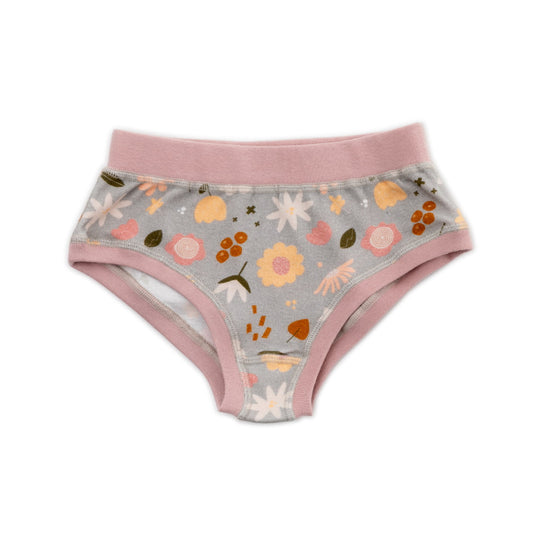

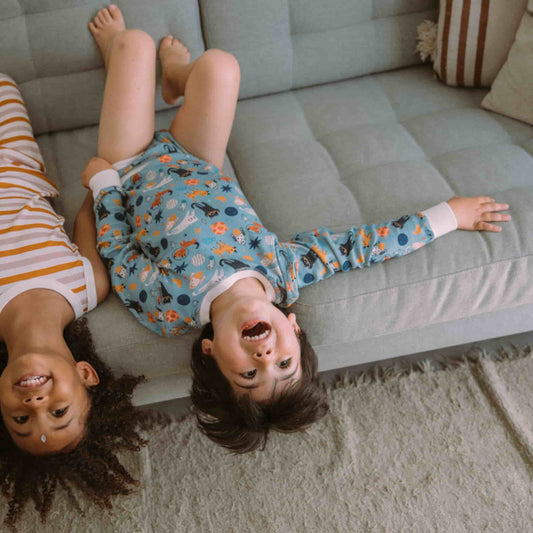
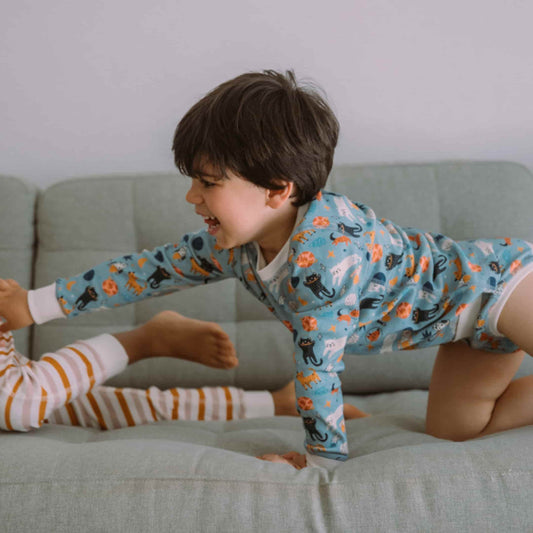
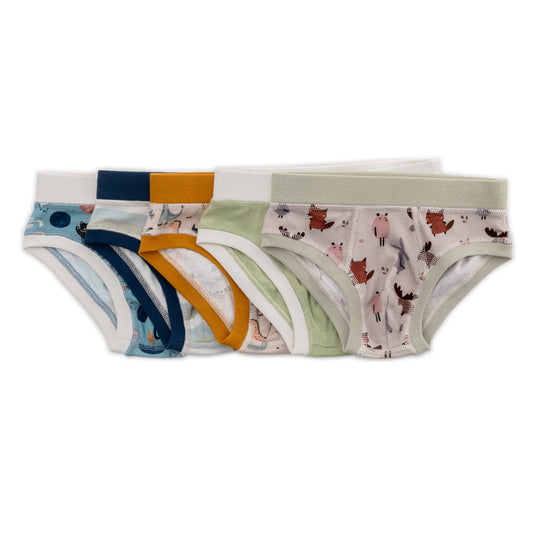
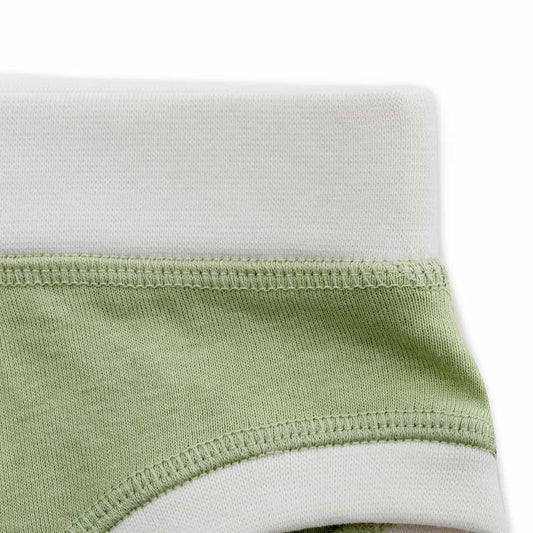
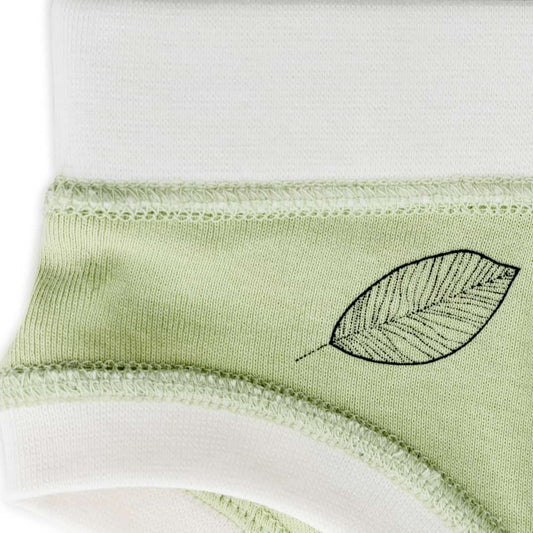
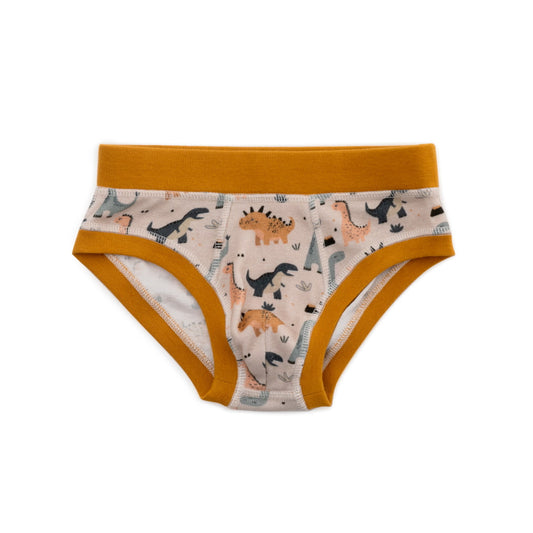
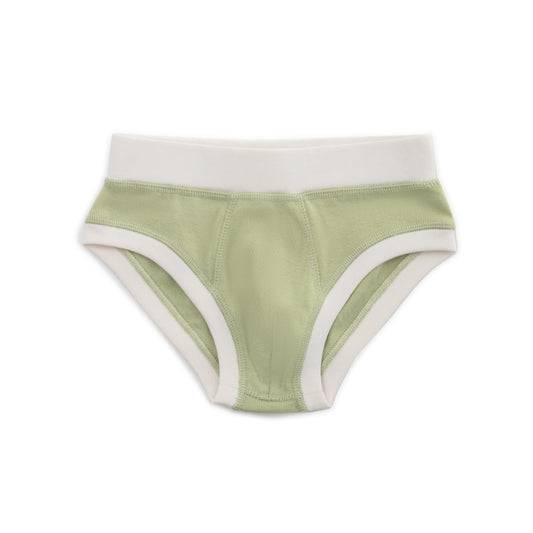
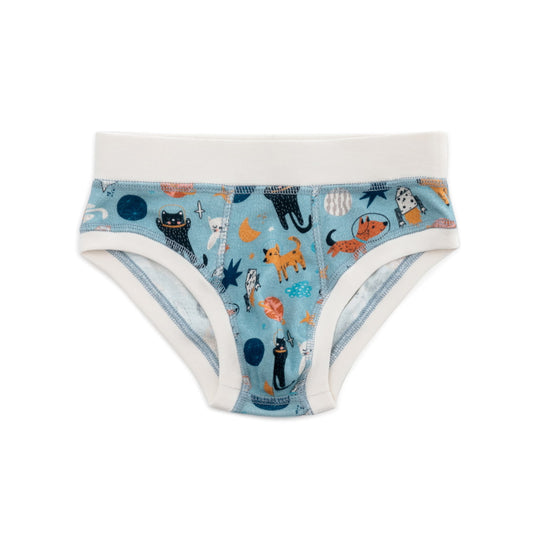
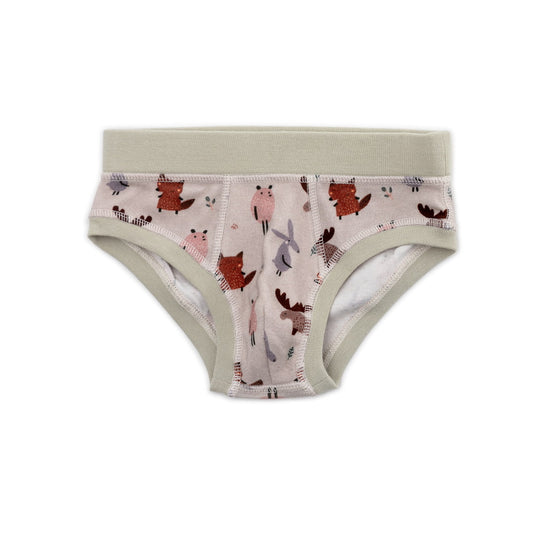


 Most children begin wearing underwear some time between ages 2 and 4, with the average transition happening around 2½ to 3½ years old.
 Instead of focusing only on age, it is more helpful to watch for readiness signs that show your child is physically and emotionally prepared.


