


Kids’ Underwear Size Chart
| Kids Size | Approx. Age | Height (in) | Weight (lbs) |
|---|---|---|---|
| 2T | 2–3 yrs | 33–36 | 26–31 |
| 3T | 3–4 yrs | 36–39 | 31–36 |
| 4T | 4–5 yrs | 39–42 | 36–41 |
| 5 | 5–6 yrs | 42–45 | 41–47 |
| 6 | 6–7 yrs | 45–48 | 47–53 |
| 7 | 7–8 yrs | 48–51 | 53–58 |
| 8 | 8–9 yrs | 51–54 | 58–64 |
| 10 | 9–10 yrs | 54–57 | 64–72 |


If your child falls between sizes, sizing up usually offers better comfort and longevity.
Why Underwear Fit Matters More Than Parents Expect
Underwear is the layer kids wear all day, every day. That means fit issues tend to show up quickly and repeatedly, and can become a huge annoyance. Pediatric dermatologists note that tight clothing, especially around elastic areas like waistbands and leg openings, can increase friction, trap moisture, and contribute to skin irritation and redness in children
(American Academy of Dermatology).
Underwear is the layer kids wear all day, every day. That means fit issues tend to show up quickly and repeatedly, and can become a huge annoyance. Pediatric dermatologists note that tight clothing, especially around elastic areas like waistbands and leg openings, can increase friction, trap moisture, and contribute to skin irritation and redness in children
(American Academy of Dermatology).
Having said that, a proper underwear fit supports independence and development. Occupational therapists emphasize that clothing that is easy to pull up and down helps children build self-care skills, confidence, and body awareness
(American Occupational Therapy Association).
When underwear fits correctly, kids can move freely, manage bathroom routines independently, and focus on play and learning rather than adjusting their clothes. Well-fitting kids’ organic cotton underwear also performs better over time: natural fibers are shown to be more breathable and gentler on sensitive skin, while maintaining shape and comfort through repeated washing
(National Eczema Association).
Sizing Guide for Kids’ Underwear
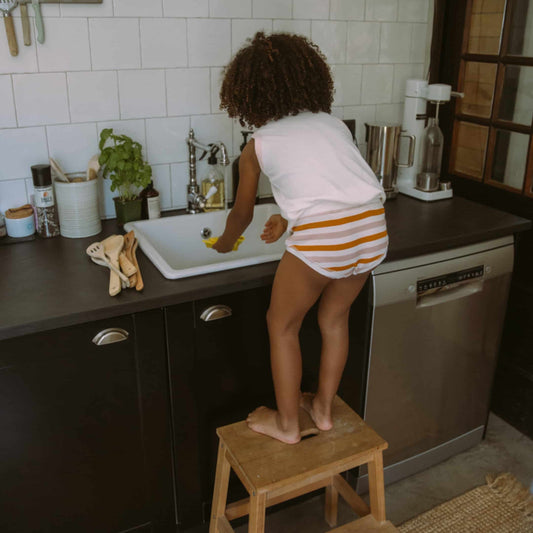
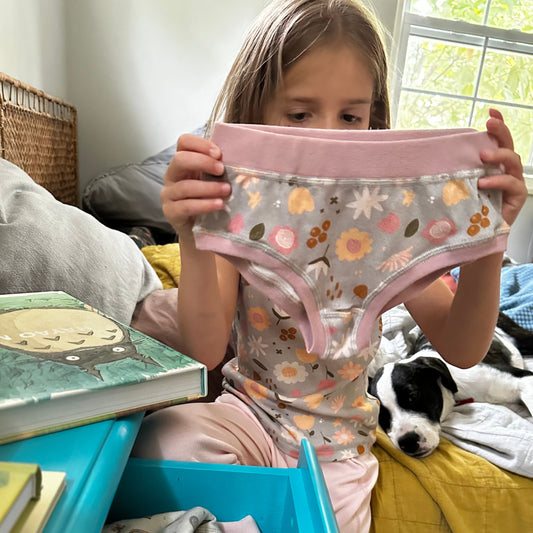
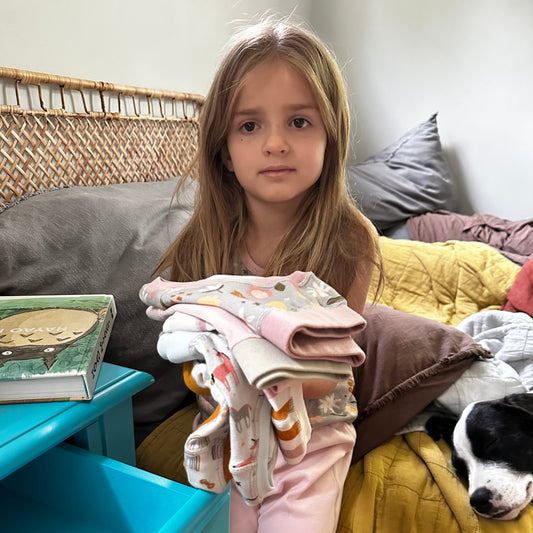
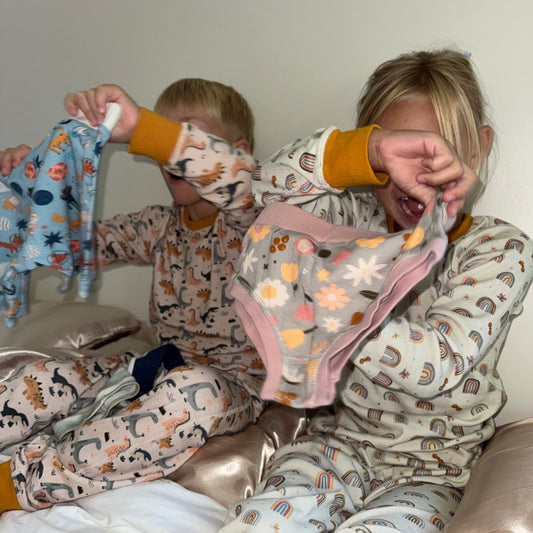
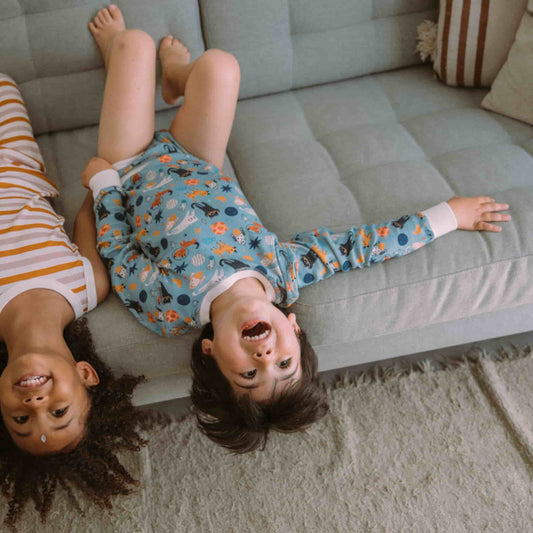
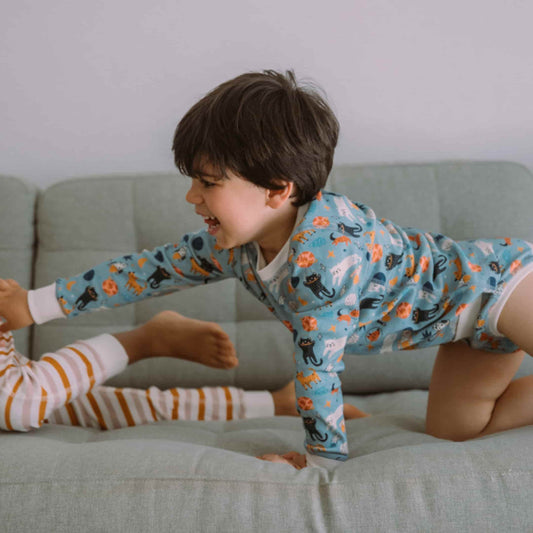
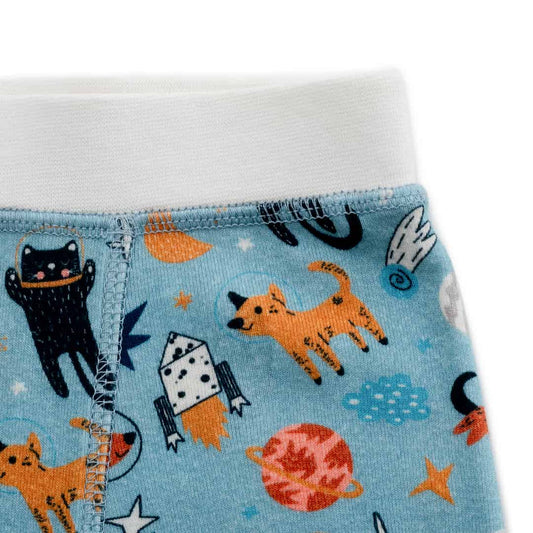
Shop Treehouse’s organic cotton underwear, available in multiple styles, sizes, and colors. Thoughtfully designed to mix, match, and layer effortlessly with our matching tank tops and organic cotton pajamas to support everyday routines.
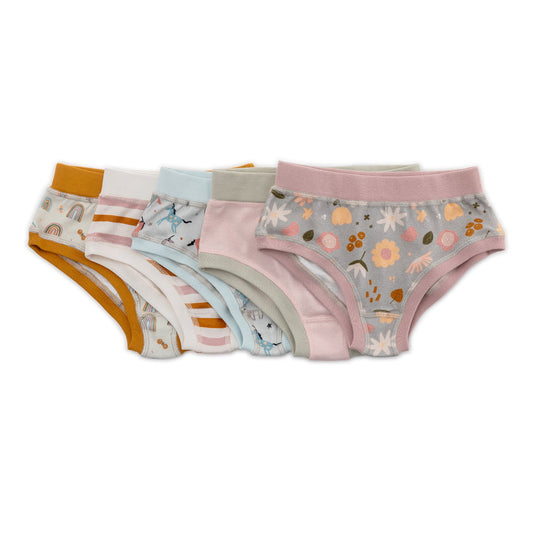
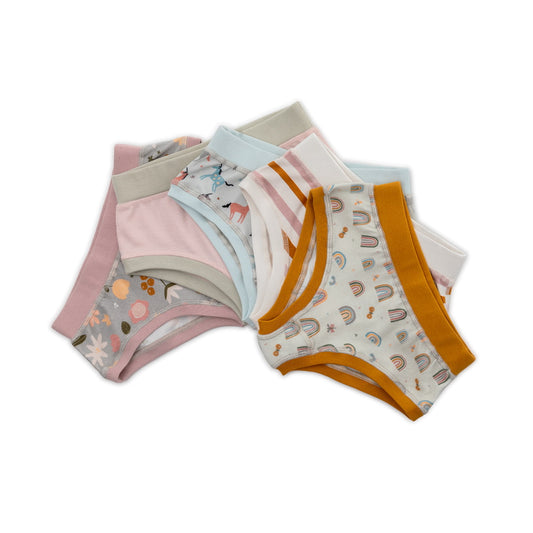
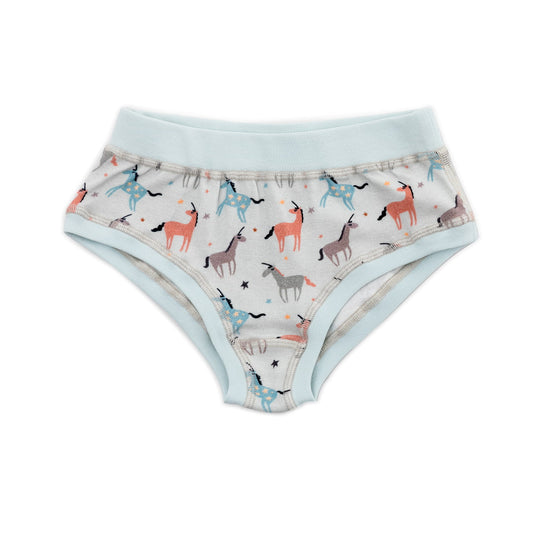
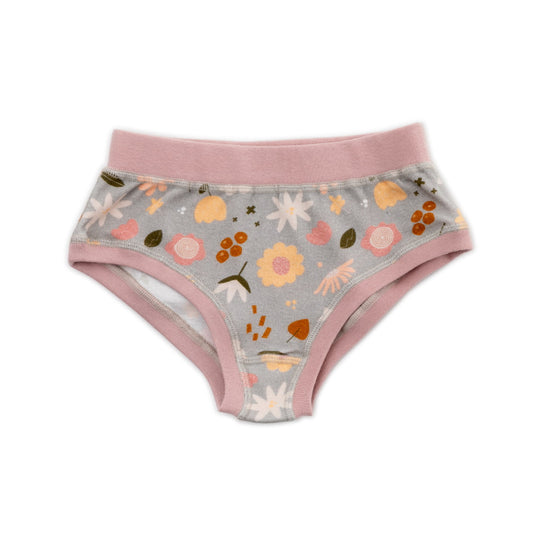
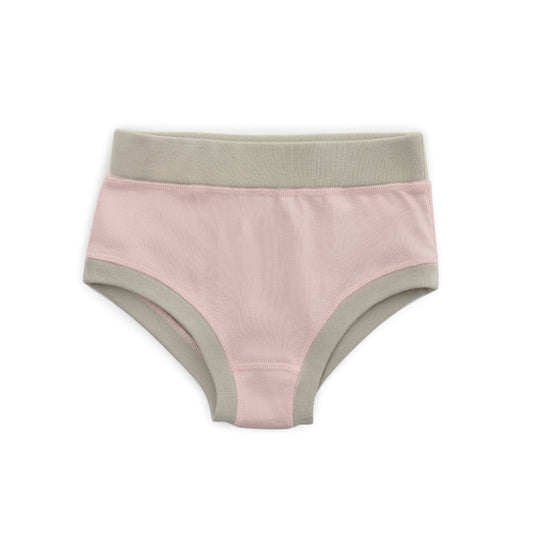
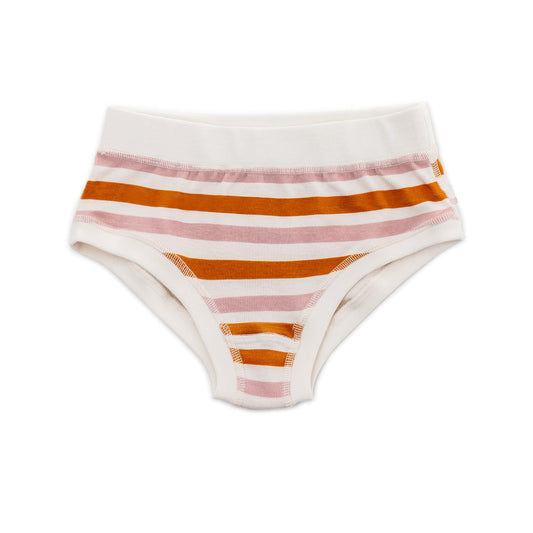
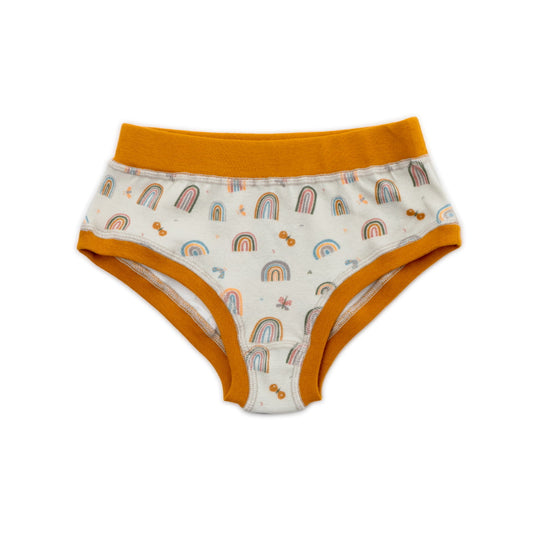
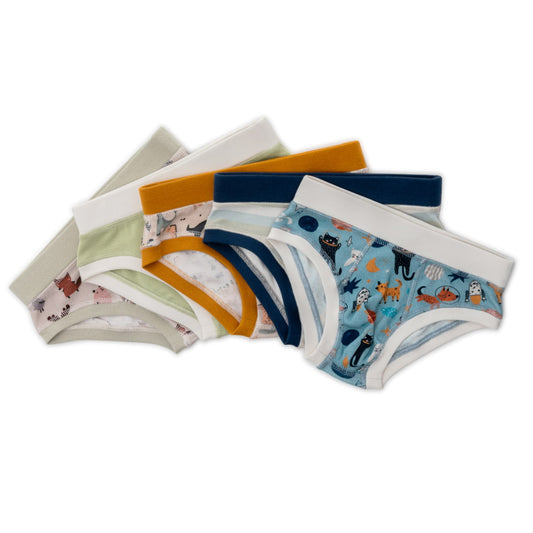
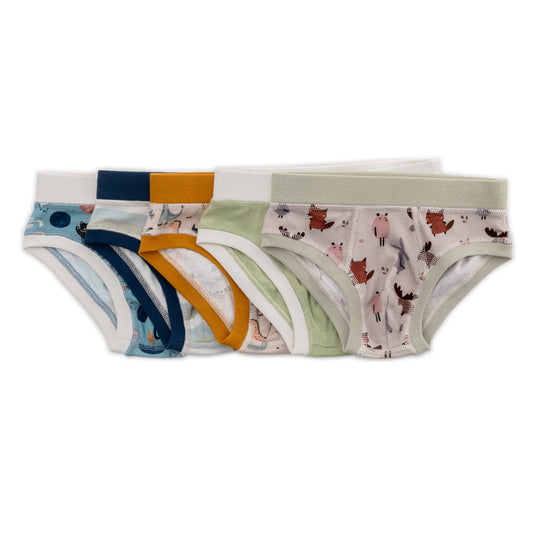
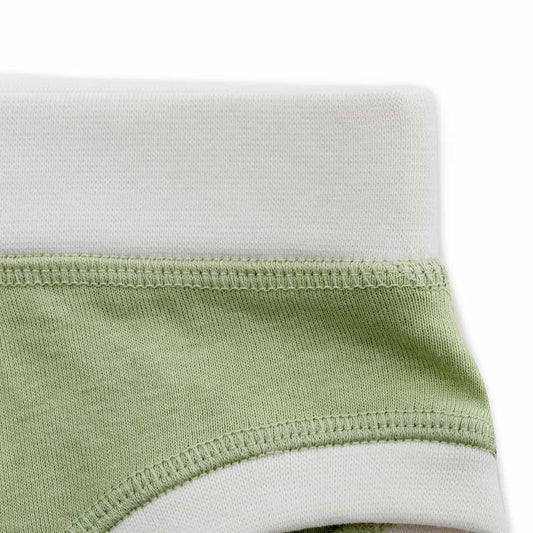
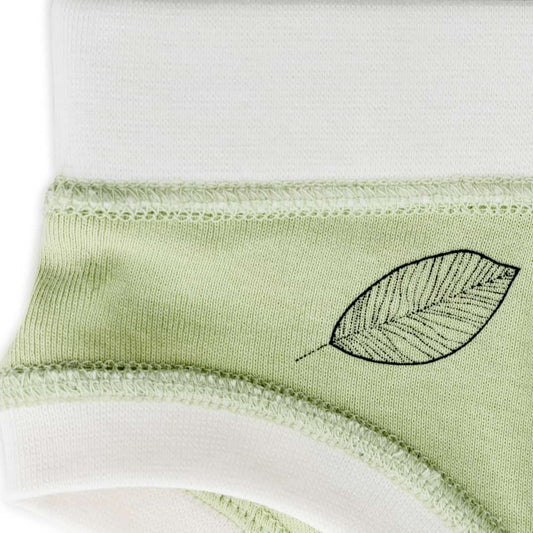
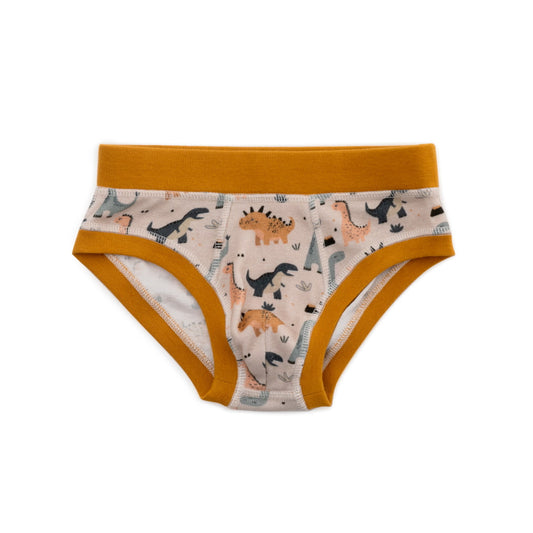
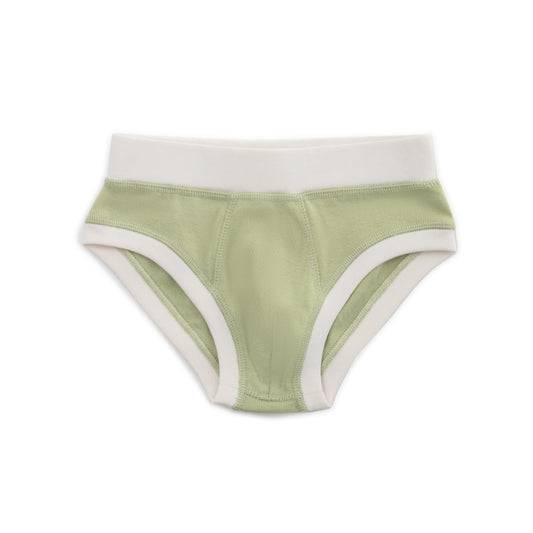
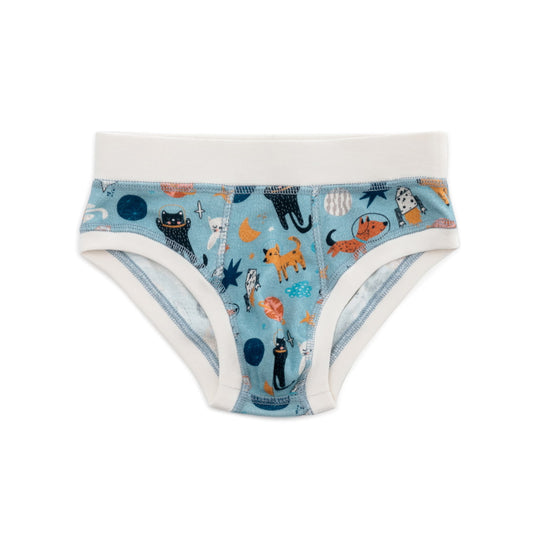
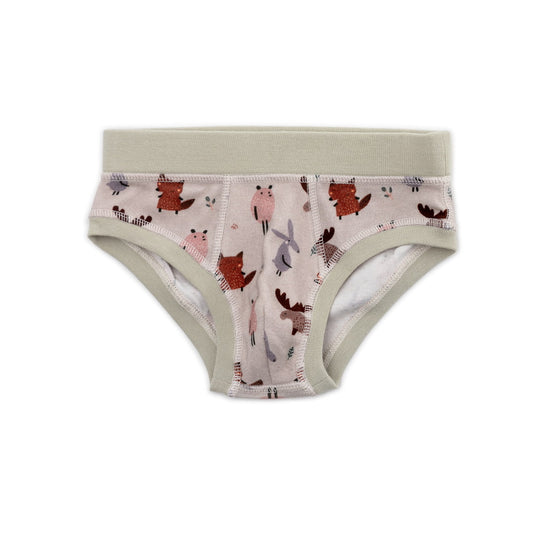
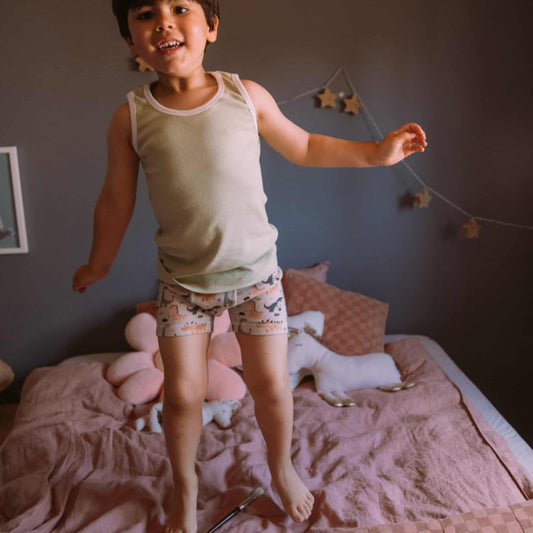
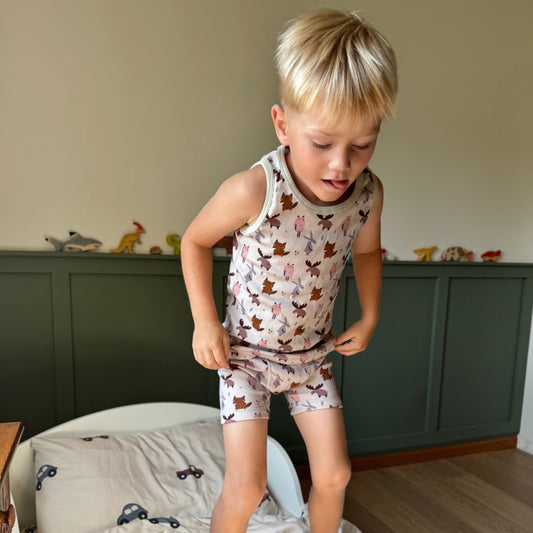

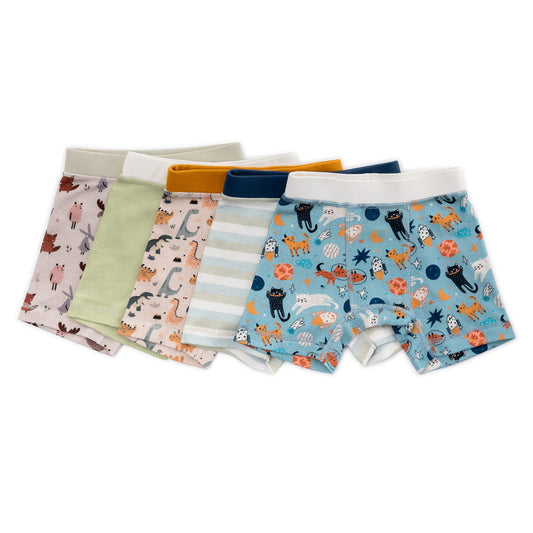



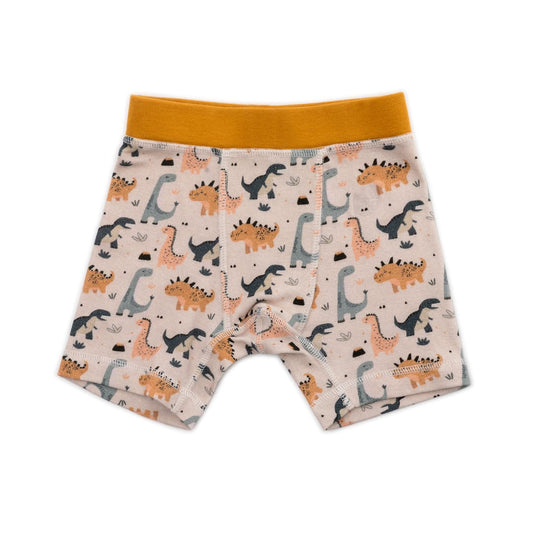
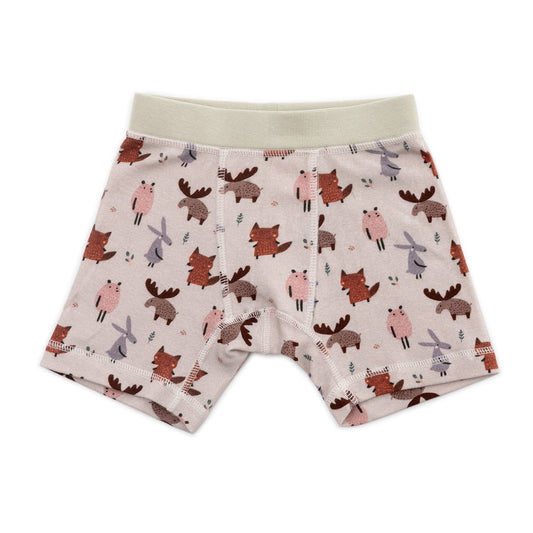
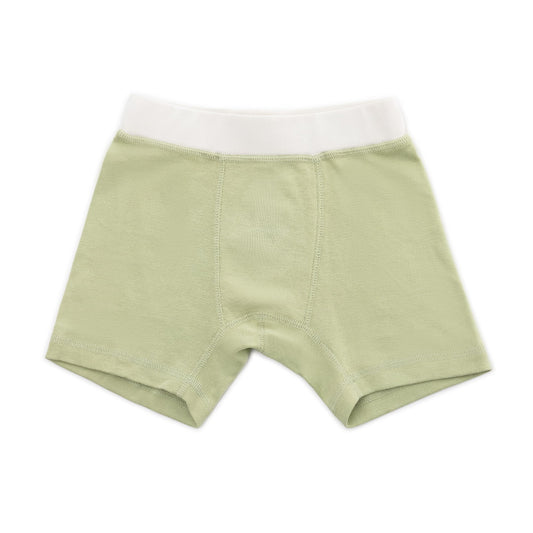
Age-only sizing is a rough guess. Kids grow at different rates, have different fit preferences and body proportions vary widely.
- Height indicates torso and leg length (key for leg openings)
- Weight helps determine waistband comfort and stretch
- Together, they give a more accurate fit than age alone
- Measure height barefoot against a wall
- Weigh your child in lightweight clothing
- Compare both to the size chart
- If between sizes, always size up

- Buying too small “for now”
- Buying too large “to grow into”
- Ignoring leg opening fit
- Forgetting to size up during growth spurts
- Snug at the waist without digging in or leaving marks
- Leg openings sit flat, not tight or gaping
- No twisting, riding up, or constant adjusting
- Enough stretch to move freely and recover after wear
- Red marks at the waist or legs
- Fabric looks stretched out and doesn’t recover
- Frequent pulling or adjusting
- Wedgies
- Elastic stretches out and doesn’t recover
- Sudden height or weight gain
Shrinkage, Stretch, and Fabric Behavior
Organic cotton behaves differently than synthetic blends. Expect minimal, natural shrinkage after the first wash, this is normal and accounted for in well-made underwear.
- Kimono-style designs
- Soft organic rib fabrics
- No internal tags
High-quality organic cotton maintains softness and shape over time without relying on harsh chemicals or excessive elastics.
How Many Pairs to Buy Per Size
In our experience, most families find 7–10 pairs per size ideal:
- Covers a full week plus backups
- Accounts for school, sports, and accidents
- Reduces laundry stress (particularly during trips)
- Makes transitions between sizes smoother
If your child is mid-growth spurt, consider splitting between current and next size. We also offer bundle savings when buying more than one pack.
Frequently Asked Questions
Yes, if your child is between sizes or showing signs of outgrowing their current pair.
Any red marks, digging, or complaints of discomfort mean it’s too tight.
Typically every 6–12 months, depending on growth and wear.
Often yes, underwear tends to fit closer to the body and shows size changes sooner, particularly if clothing is boxy vs. classic in fit.


