






CONTENTS
If you’re reading this because your baby hates being swaddled, you’re not doing anything wrong, and neither is your baby.
Swaddling is often presented as a universal newborn solution (I'm looking at you, Harvey Karp!). As if every baby will instantly sleep longer, cry less, and magically settle once wrapped up tightly. But many parents quickly discover that their newborn resists it, fights it, or sleeps worse when swaddled. That can leave you wondering whether newborn sleep without swaddling is safe, or whether you’re missing something important.

The short answer: yes, newborns can sleep safely without a swaddle. Swaddling is optional, not mandatory. What matters most is the overall sleep setup, not whether your baby is wrapped.
In this guide, we’ll walk through what swaddling actually is, when it’s useful, when it’s not, and what safe, comfortable alternatives look like if your newborn doesn’t like a swaddle.
What Is Swaddling?
 Swaddling is the practice of wrapping a newborn snugly in a blanket or swaddle to limit arm and leg movement. You probably saw your nurses do this in the hospital, and it was pretty impressive, I’m sure. The idea is to recreate some of the containment of the womb, which can help reduce the startle (Moro) reflex and make some babies feel more secure in the early weeks.
It’s a tool, not a requirement, and it works well for some babies and not at all for others.
Can Newborns Sleep Without a Swaddle?
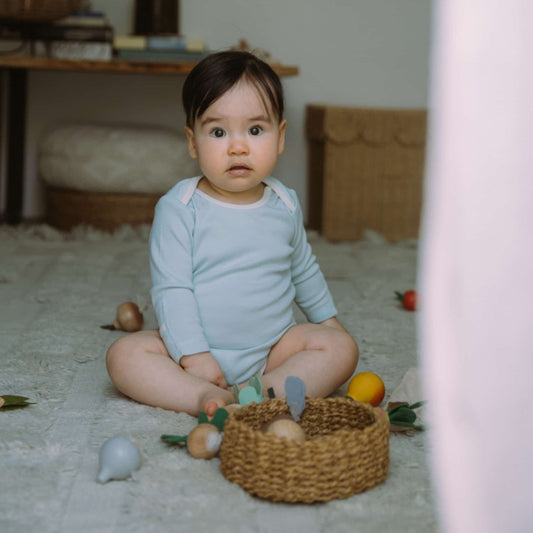
Yes. Newborns can sleep without a swaddle, as long as safe sleep principles are followed.
Swaddling is not a safety requirement. It is one option among many for comfort. Some babies settle more easily when swaddled, while others clearly prefer freedom of movement from the start. Both are normal.
Safe sleep depends on how and where your baby sleeps, on their back, on a firm, flat surface, in an uncluttered sleep space, not on whether they’re wrapped.
If your newborn doesn’t like a swaddle, there is no evidence-based reason to force it.
What Pediatric Sleep Guidelines Say About Swaddling
Major pediatric sleep guidelines focus on environmental safety, not swaddling as a necessity.
Organizations like the American Academy of Pediatrics emphasize:
-
Placing babies on their backs to sleep
-
Using a firm, flat sleep surface
-
Keeping the sleep area free of loose blankets, pillows, and toys
-
Maintaining a smoke-free environment
Swaddling is mentioned as something that can be used, but it is not required and is not central to safe sleep recommendations. The guidance focuses on reducing risks related to sleep position and environment, rather than enforcing specific sleepwear choices.
You can review the AAP’s safe sleep guidance directly on their website for more details.
Signs Your Baby May Not Like Being Swaddled
Some babies make their preferences very clear early on. Common signs that a newborn doesn’t like being swaddled include:
-
Constantly breaking free from the swaddle
-
Increased crying or agitation once wrapped
-
Sleeping better with arms out
-
Settling more easily when placed down without being restricted
Babies are individuals from day one. Some crave containment; others find it overstimulating or frustrating. Trusting what you observe, rather than what you were told “should” work, is often the best guide.
What Babies Wear for Sleep Without Swaddling
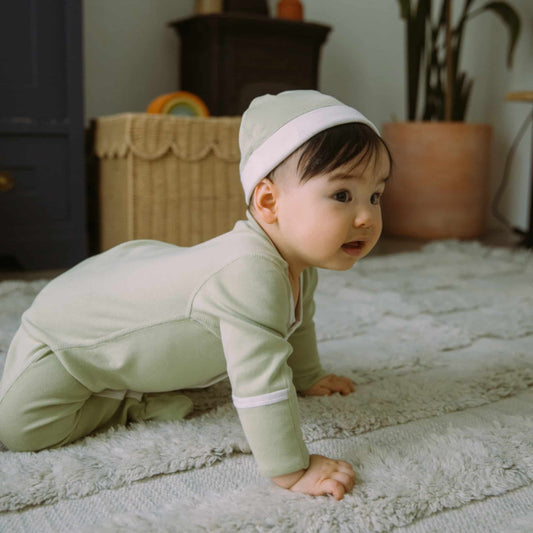
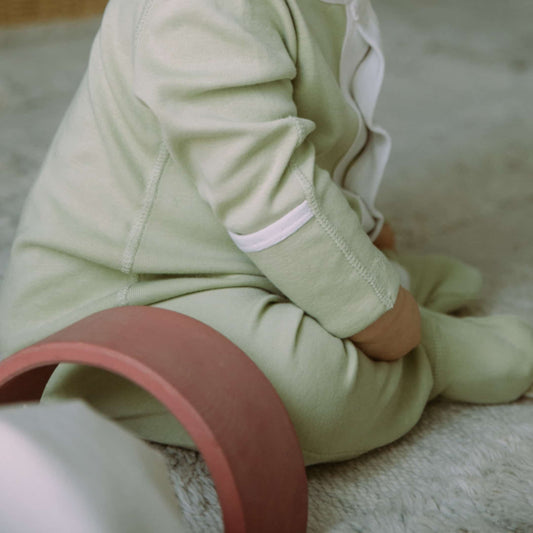
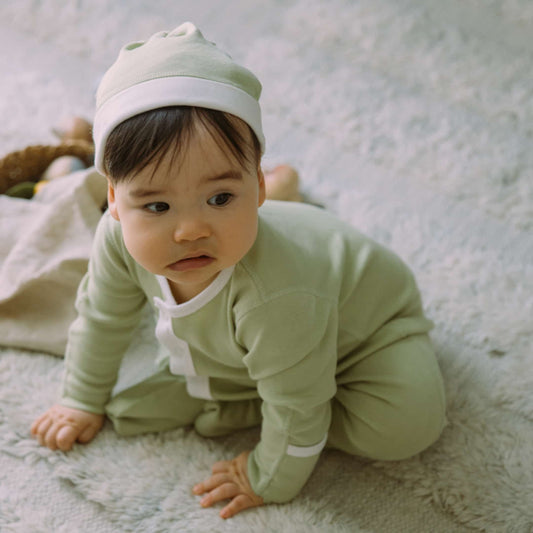
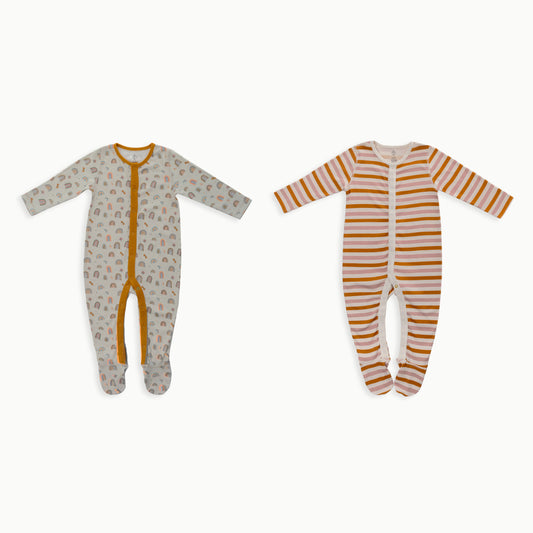
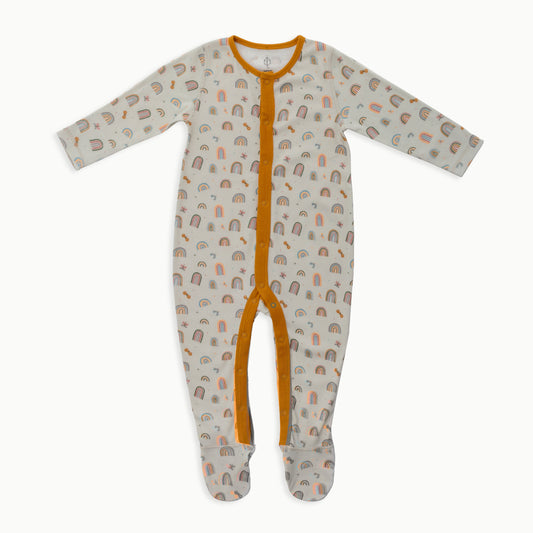
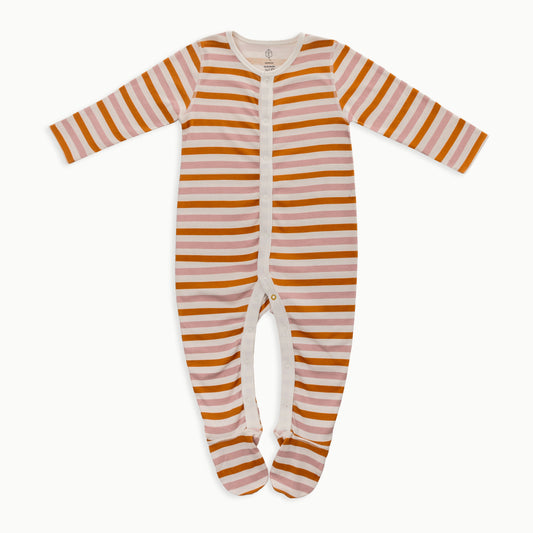
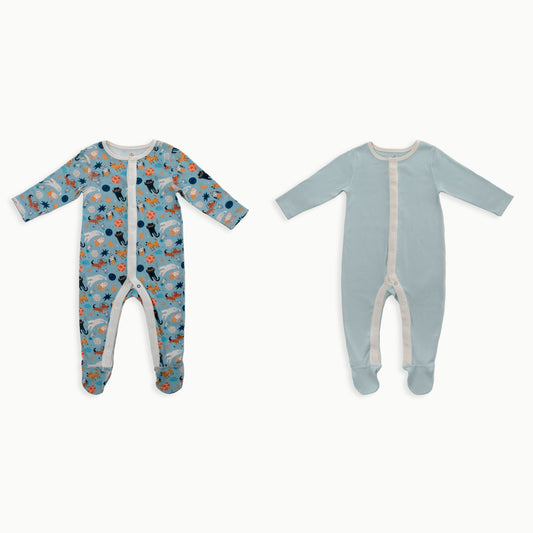
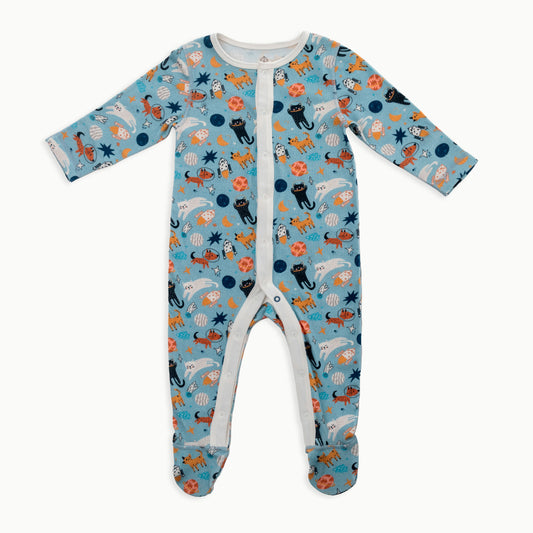
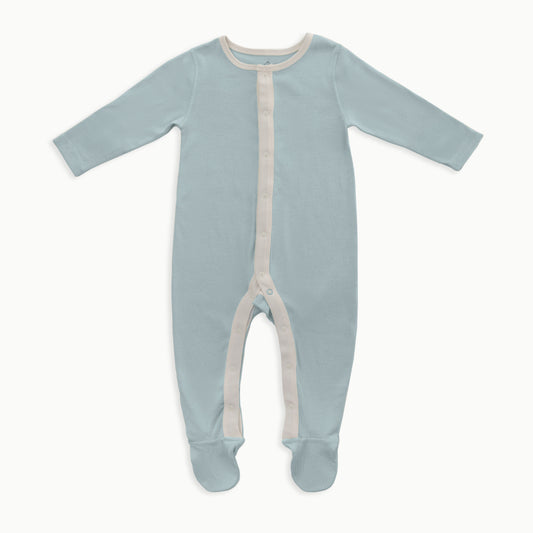
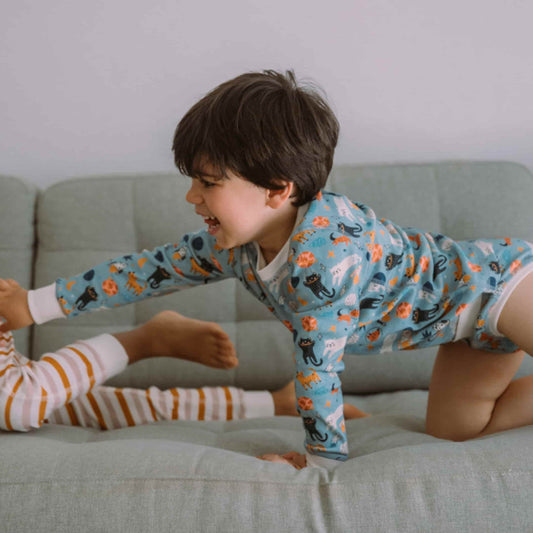
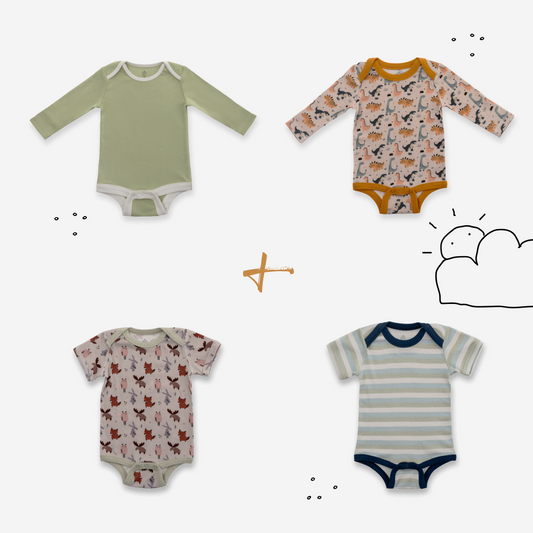
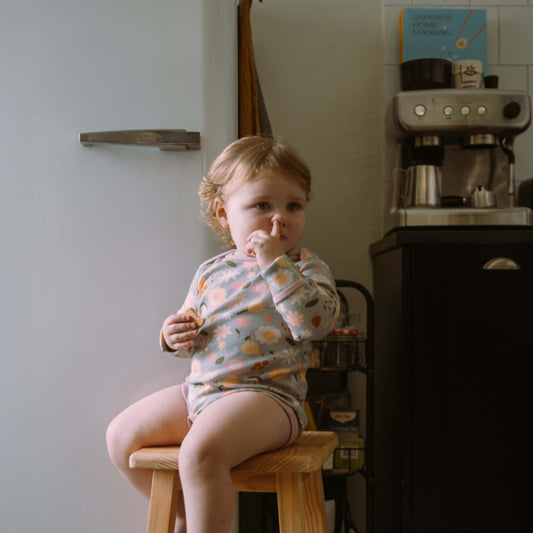
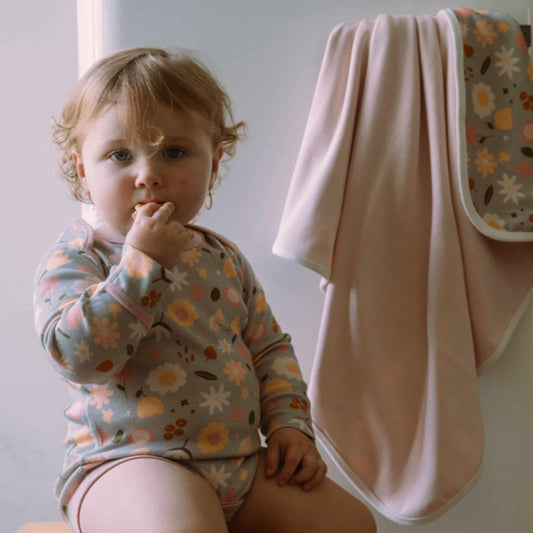
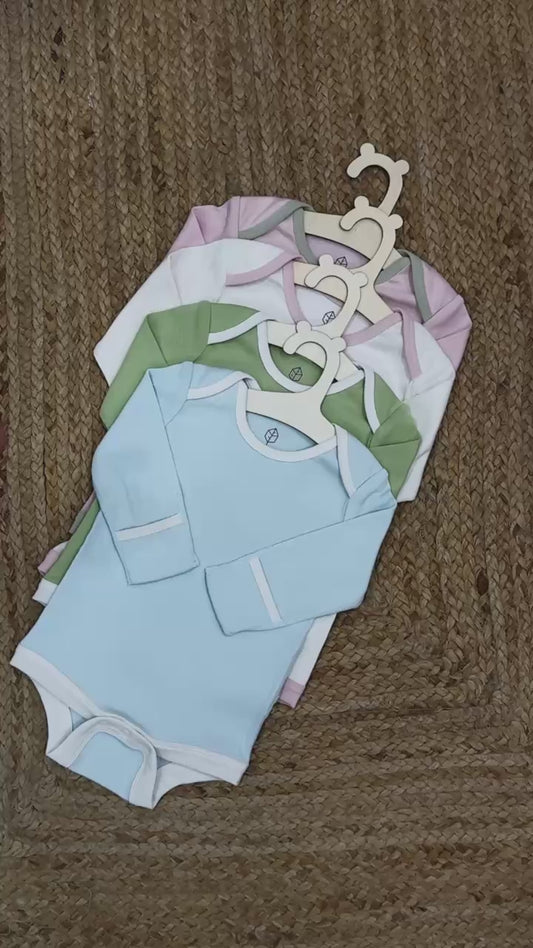
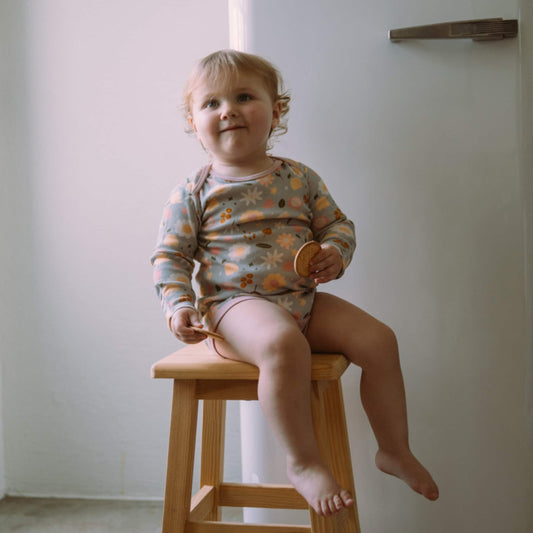
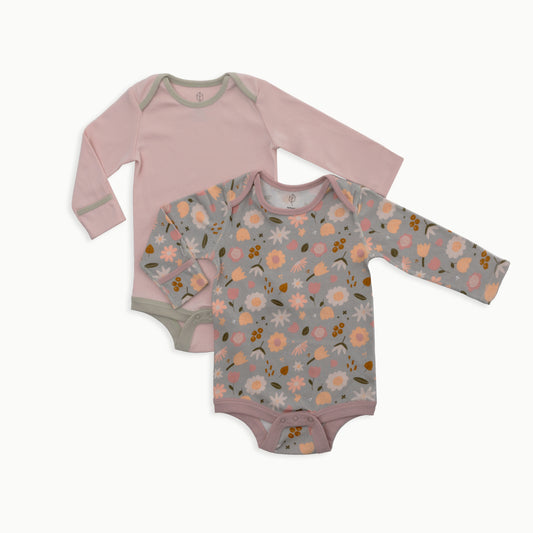
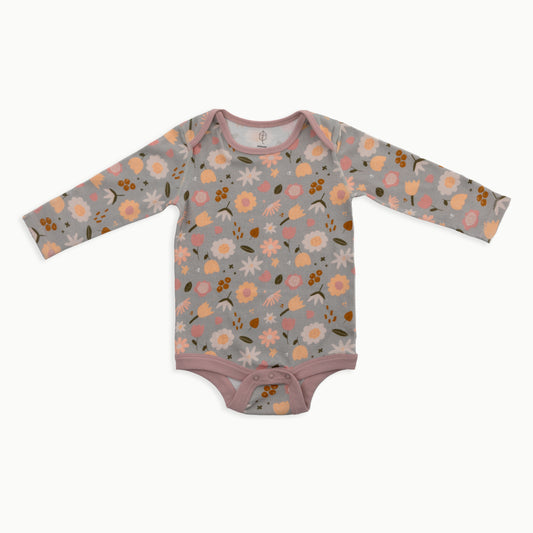
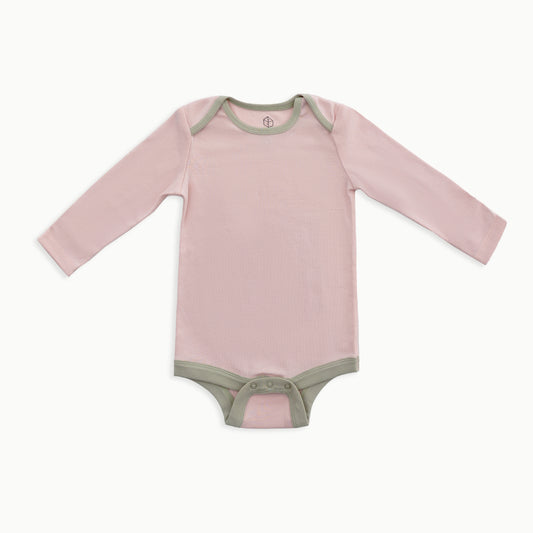
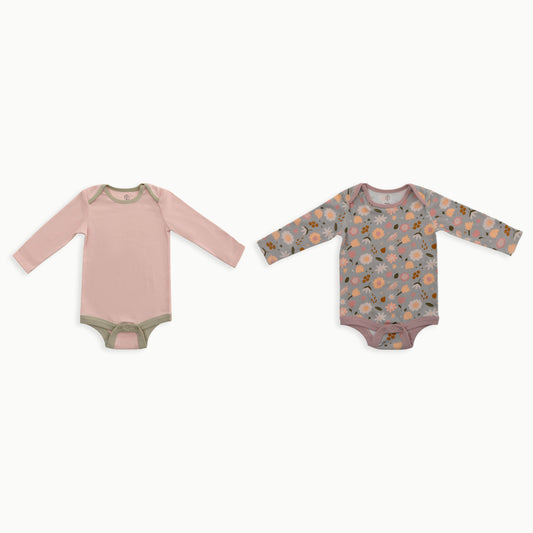
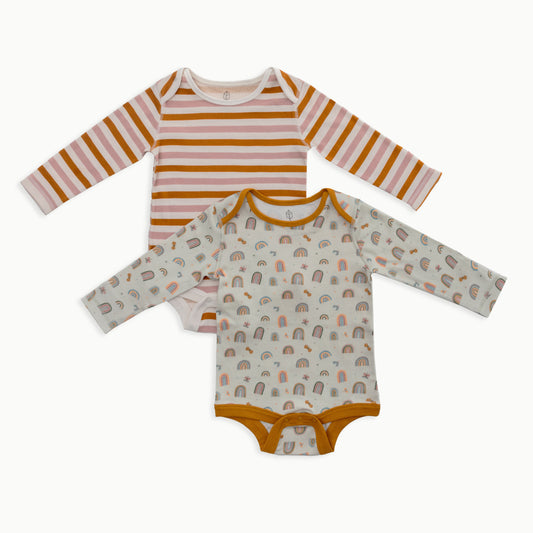
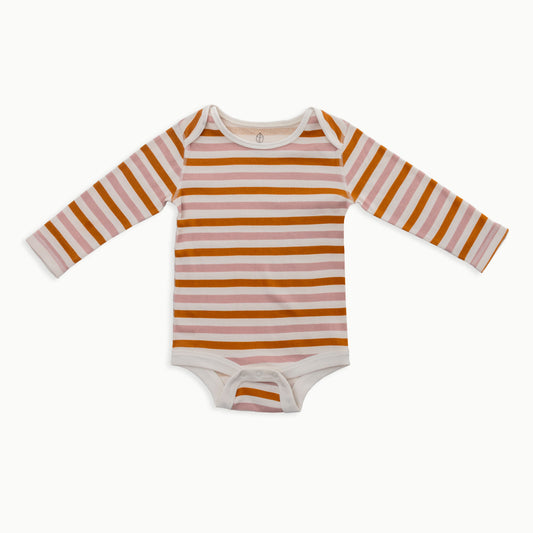
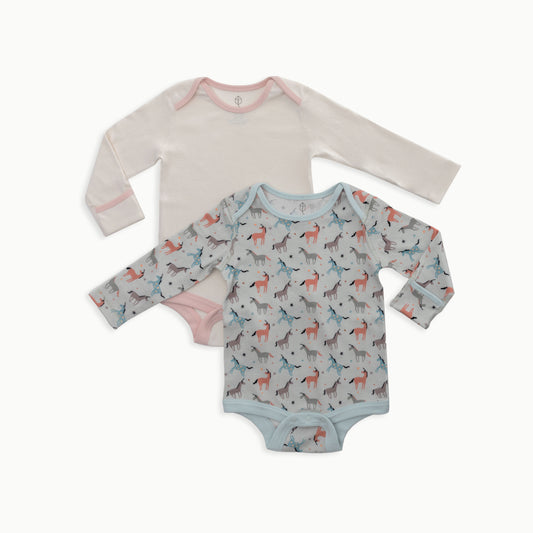
 If you’re not swaddling, sleepwear becomes the main variable you control. The goal is simple: keep your newborn warm enough, comfortable, and free to move, without introducing loose layers.
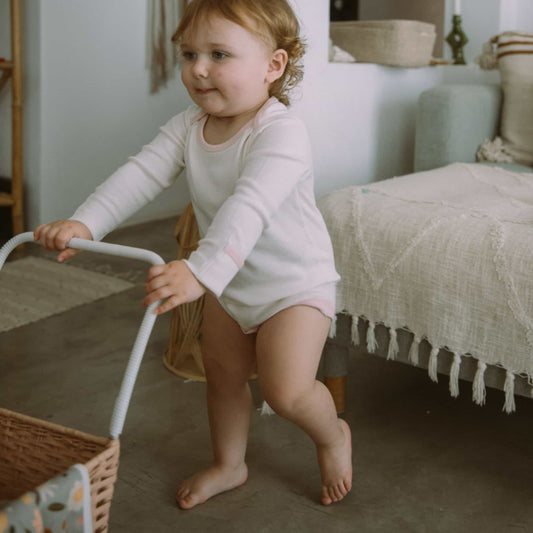
Well-fitted sleep clothing can provide enough warmth and security on its own. Temperature regulation matters more than wrapping, and babies don’t need bulky or complicated outfits to sleep well.
Most parents find that a consistent, simple sleep clothing system works better than constantly switching techniques.
Comfortable Sleepwear Options for Newborns
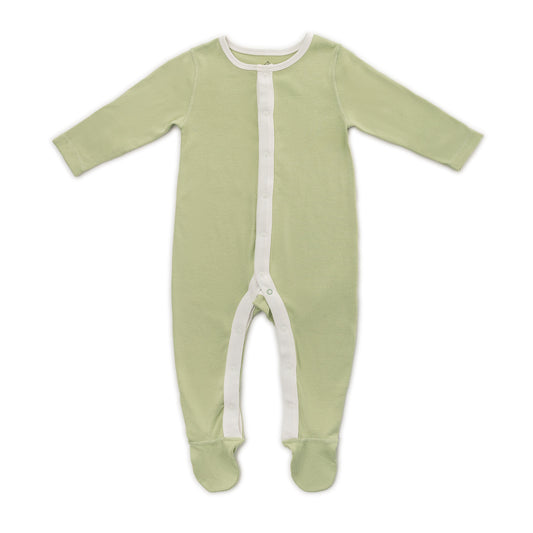
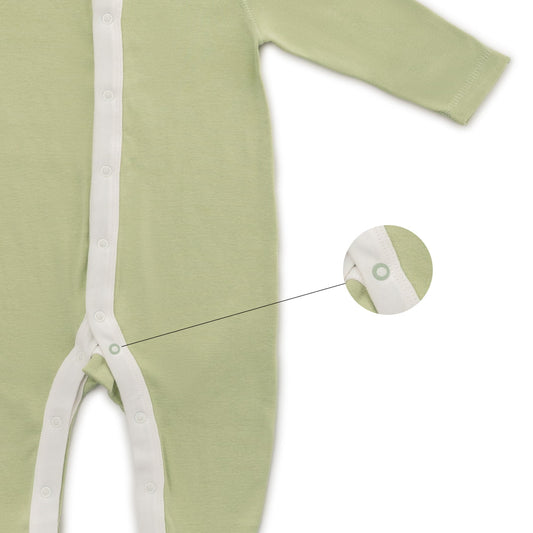
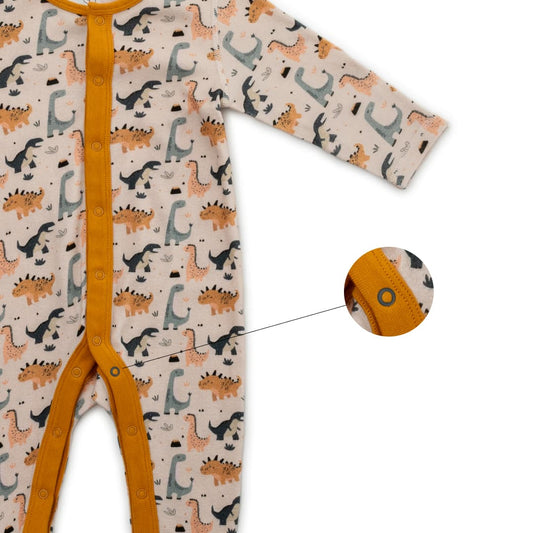
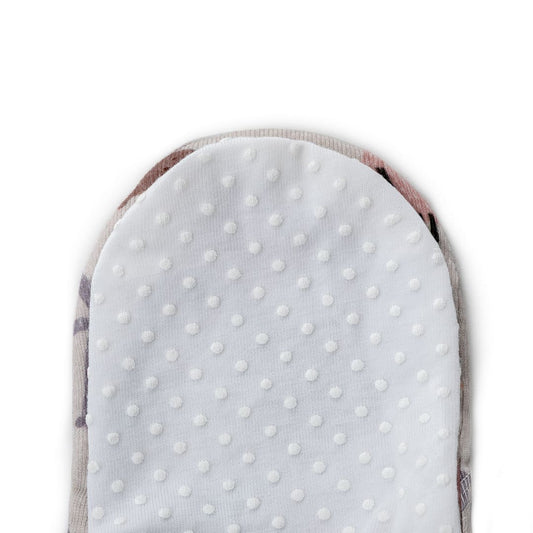
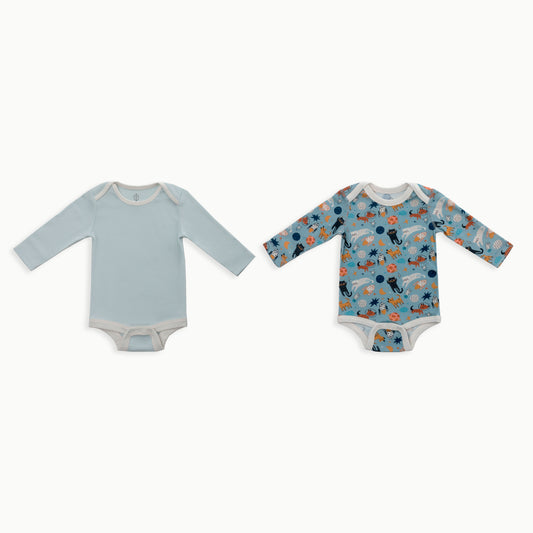
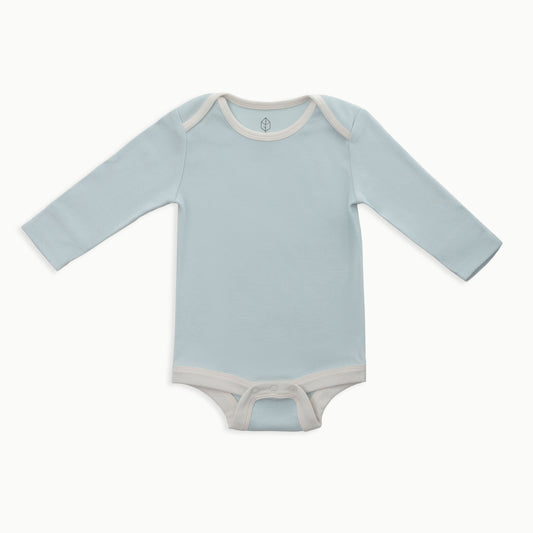
When choosing sleepwear for newborns sleep without swaddling, look for:
-
Soft, breathable fabrics that don’t irritate sensitive skin
-
Stretch and flexibility that allow natural movement
-
Snug but not tight fits
-
No loose ties, hoods, or decorative elements
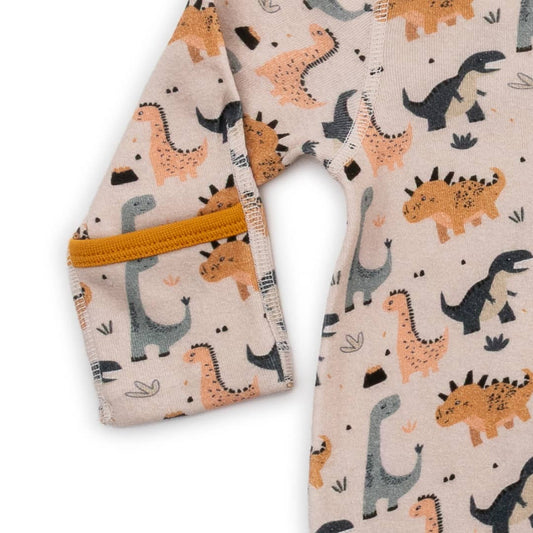
Seams, tags, and stiff fabrics can matter more than parents expect, especially for babies who are sensitive sleepers.


