Anastasia Vasilieva is a sustainable fashion researcher and founder of Treehouse, a certified organic kidswear brand. Her work on non-toxic clothing has been featured in podcasts, press, and guest lectures at FIT and Georgetown.
Made for Day One
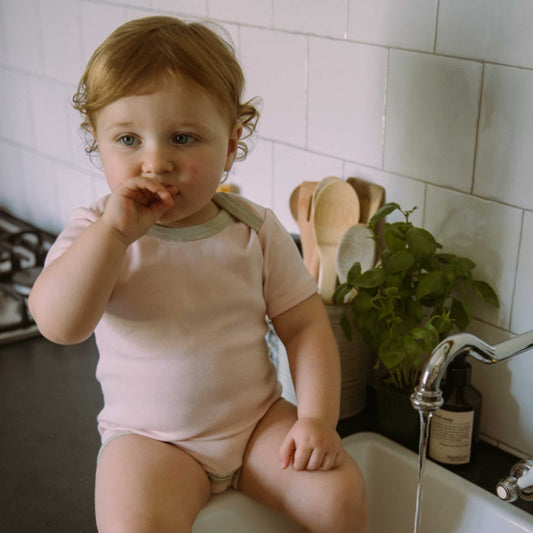
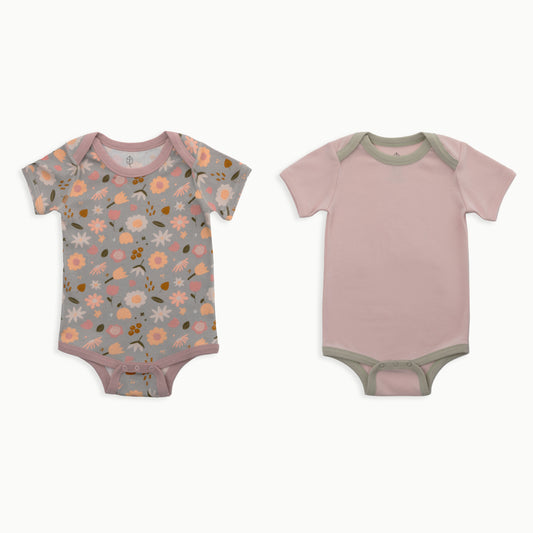
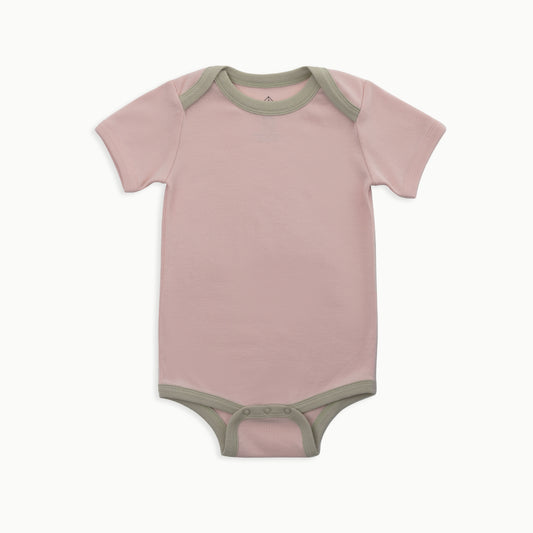
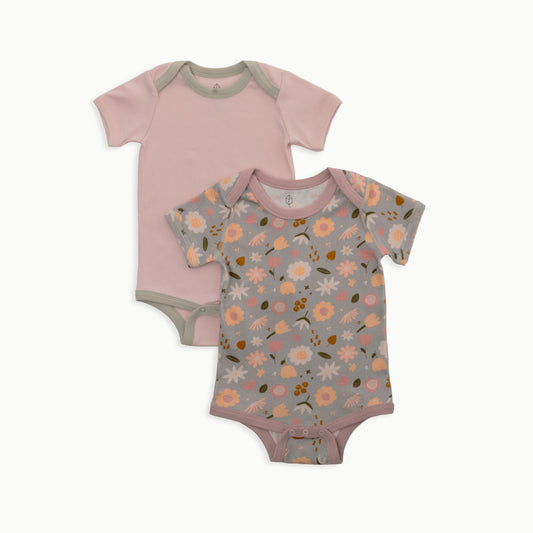
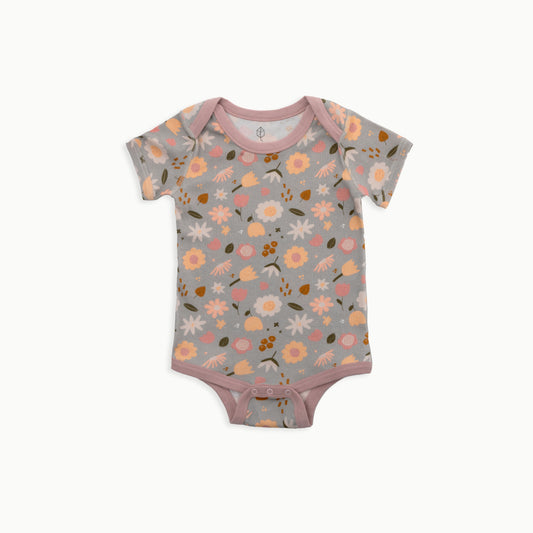
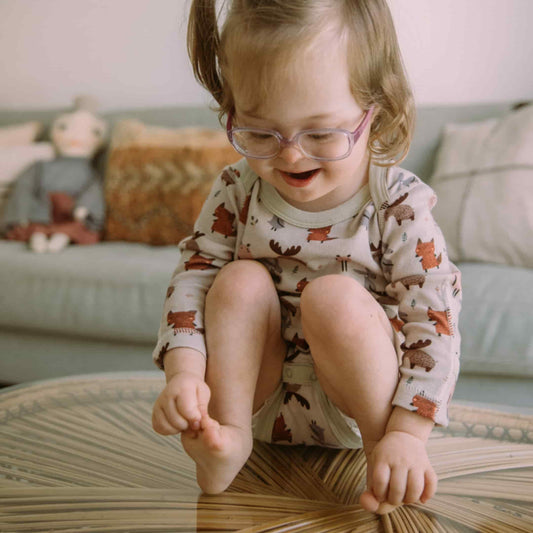
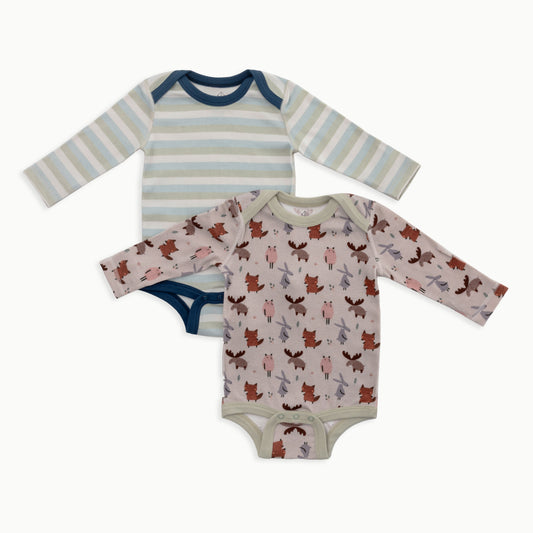
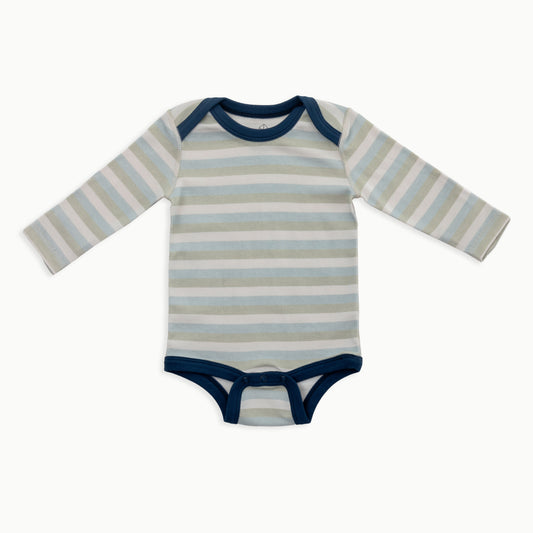
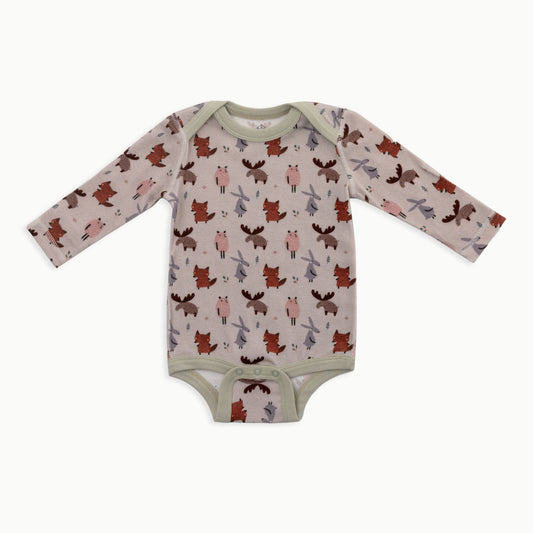
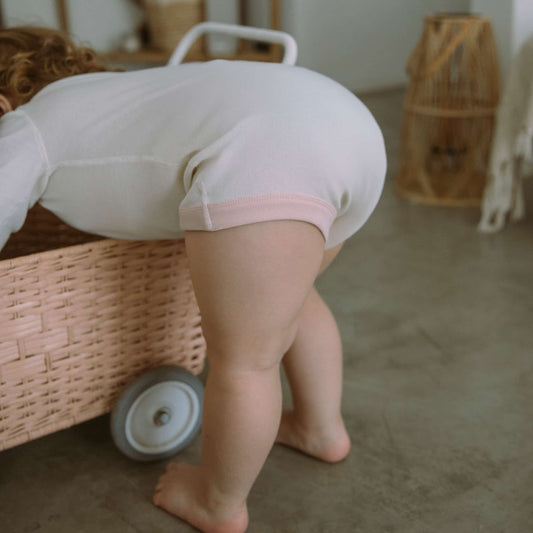
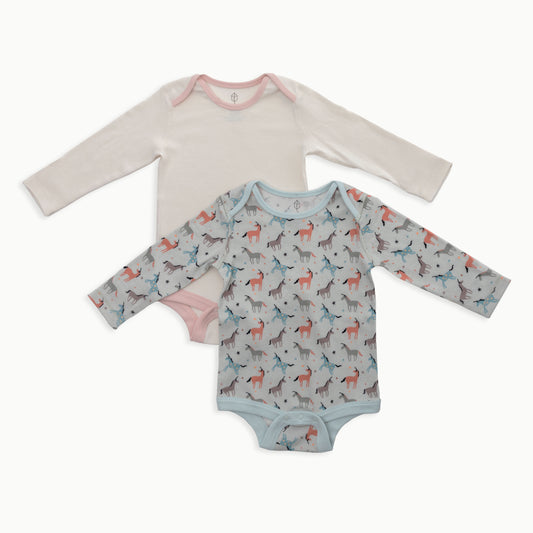
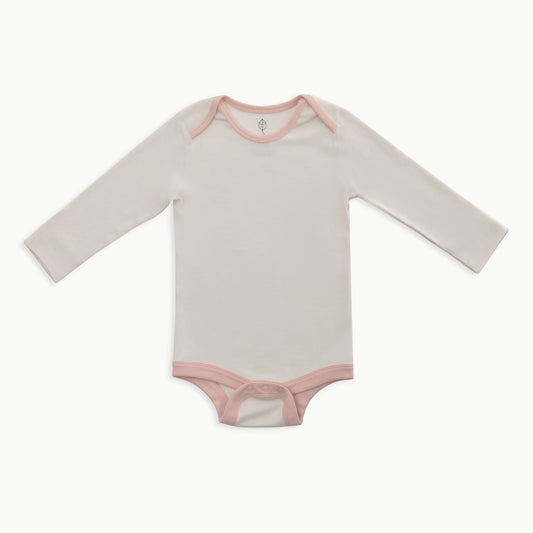
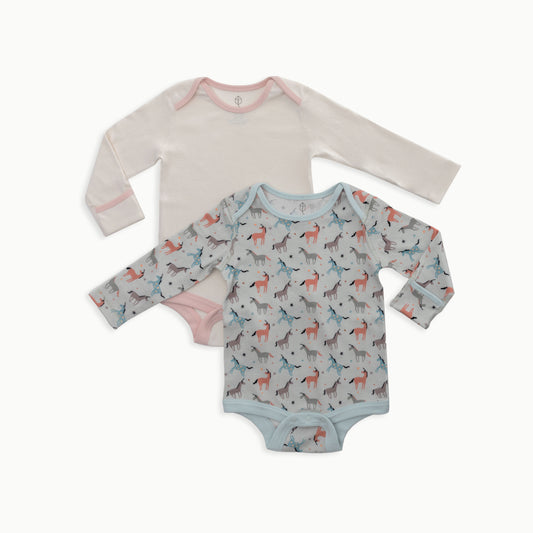
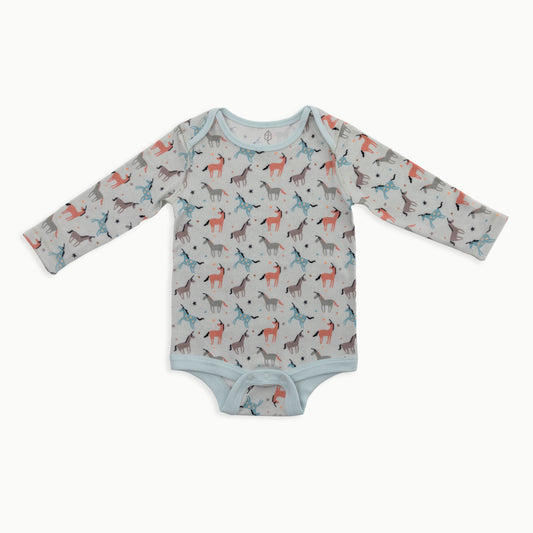
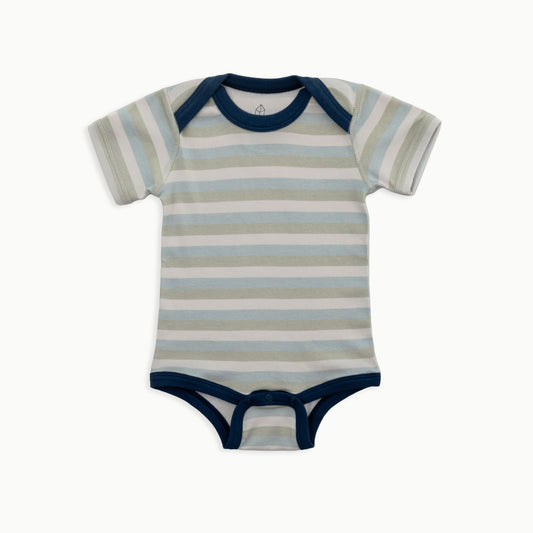
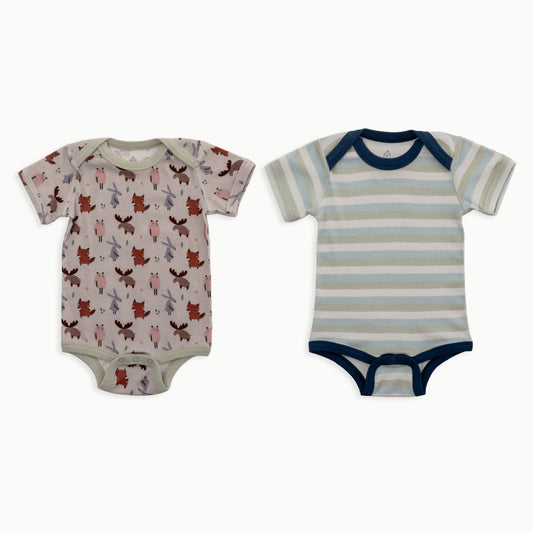
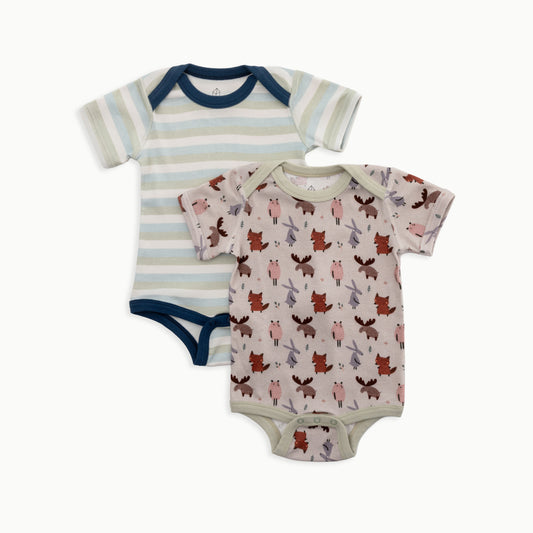
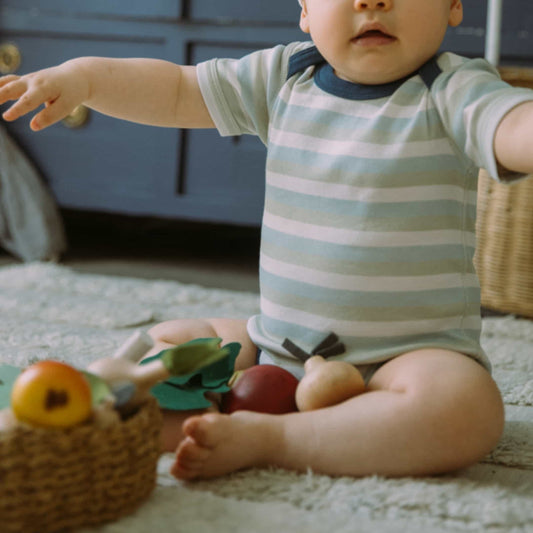
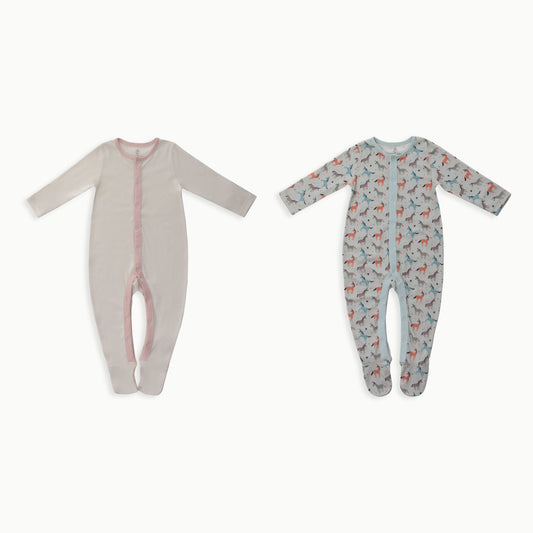
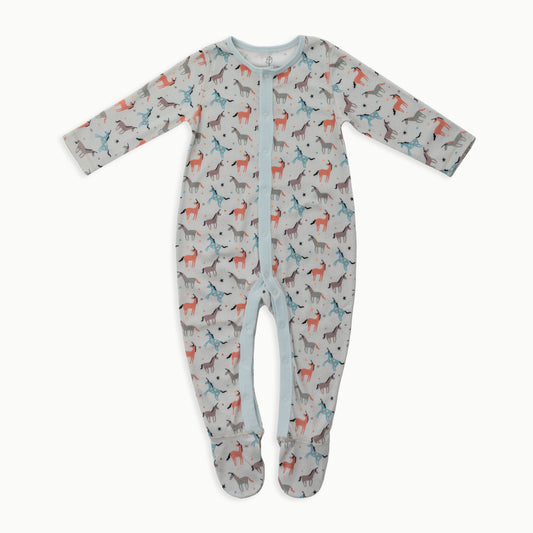
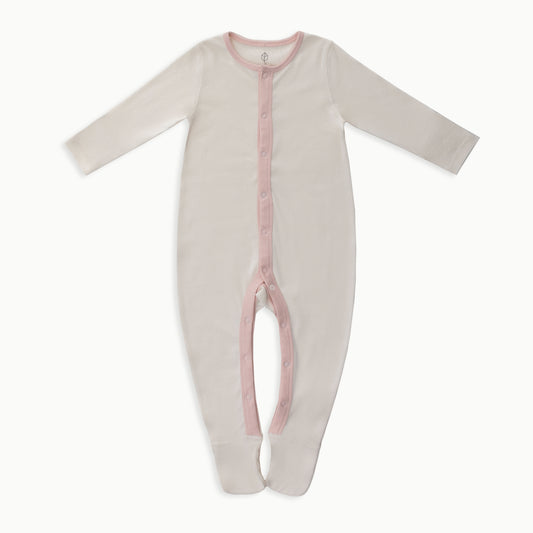
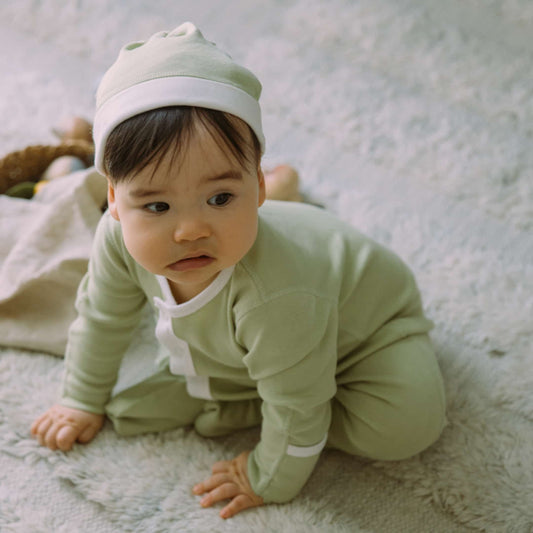
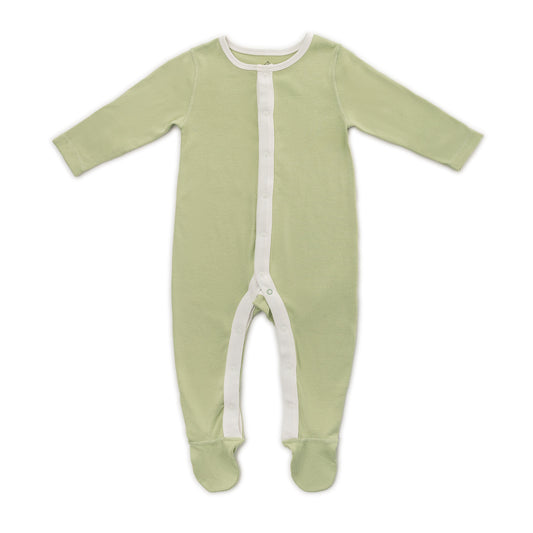
Organic cotton newborn pieces with lap-neck openings, kinder over a healing cord stump and big baby heads.
If you’re expecting a baby (or you’ve just had one), you’re probably already staring at a pile of tiny clothes, wondering which of them you’ll actually use and which were impulse buys.
Newborns are delicate. Their skin is around 20–30% thinner than adult skin, which makes it more permeable and more reactive to friction, heat, and chemicals (American Academy of Pediatrics). At the same time, newborns can’t regulate their body temperature efficiently yet, because their sweat response, fat distribution, and nervous system are still immature (AAP; World Health Organization).
So, when people ask what baby clothes are best for newborns? The answer isn’t about brand names, Pinterest outfits, or even aesthetics more broadly. It comes down to three things: fabric, fit, and function, in that order.
Let’s break it down.
What Fabric Is Best for Newborn Baby Clothes?
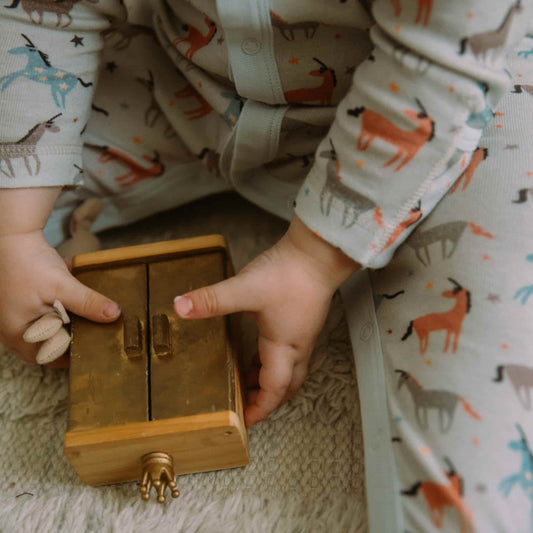
I hate to let people down with this one, but fabric matters more than cuteness. A lot more.
Newborn clothes are worn close to the skin, often for long stretches, and washed constantly. That means the material needs to be very soft, breathable, and able to handle frequent laundering without becoming rough or irritating.
Natural vs synthetic fabrics (the short version)
Synthetic fibers like polyester or nylon are plastic-based materials, and like most plastics, they do not allow air or moisture to move through the fabric effectively (U.S. Environmental Protection Agency; European Commission on textile fibres). Instead, they tend to trap heat and moisture against the skin, which has been shown to increase the risk of overheating, skin irritation, and rashes (American Academy of Pediatrics; Journal of Dermatological Science).
For newborns who can’t regulate body temperature efficiently yet, this lack of breathability can directly affect comfort and sleep (AAP).
Natural fibers such as cotton allow better airflow and moisture absorption, which helps regulate skin temperature and reduces prolonged dampness against the skin (European Commission on textile fibres; Textile Research Journal). They are also consistently shown to be less irritating and better tolerated by sensitive or compromised skin, including infant skin (American Academy of Dermatology; Journal of Pediatric Dermatology).
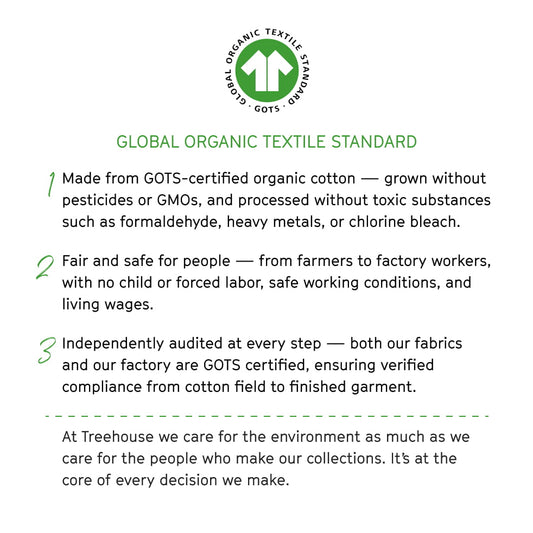
That’s why organic cotton, which is produced without harsh chemical finishes and toxic dyes, is widely considered one of the safest and most practical options for newborn baby clothes, particularly for daily wear and frequent washing (Global Organic Textile Standard; American Academy of Pediatrics).
Why is organic cotton preferred for newborns?
Certified organic cotton (see more about GOTS certification here) isn’t just about farming practices; it’s about what isn’t in the fabric.
For parents, this usually means:
No harsh chemical finishes
No formaldehyde-based treatments
No heavy metals in dyes
Softer fibers that stay soft after repeated washing
The goal isn’t to be a purist; it’s to reduce unnecessary exposure during a stage when skin is most vulnerable.
Are Organic Cotton Clothes Better for Newborns?
For most babies, yes, especially for everyday basics. Organic cotton is grown and processed with significantly fewer chemical inputs, which reduces exposure to substances known to irritate immature or sensitive skin (Global Organic Textile Standard; European Chemicals Agency).
For newborns with sensitive skin, reflux, frequent spit-ups, or eczema tendencies, that reduction in chemical variability matters. Studies show that minimizing exposure to fragrances, finishes, and textile residues can help support the developing skin barrier and reduce irritation in infants (American Academy of Dermatology; Journal of Pediatric Dermatology).
It’s also practical:
It holds up well to frequent washing
It stays breathable day and night
It works year-round with simple layering
Choosing materials that do their job quietly, without causing problems you then have to troubleshoot, is what ultimately makes parenting easier.
Newborn clothes should never feel “structured” like adult outfits. Newborn skin has a fragile, still-developing barrier, and pressure, friction, or stiff construction can contribute to irritation and discomfort (American Academy of Pediatrics; Journal of Pediatric Dermatology). Garments that are tailored, rigid, or overly detailed are more likely to create pressure points or rubbing, especially around the neck, abdomen, and diaper area (AAP).
For that reason, clothing designed with soft construction, flexible fits, and minimal seams is consistently recommended for newborn comfort and skin health (American Academy of Dermatology).
What to look for
Relaxed, flexible fits
Soft stretch without tight elastics
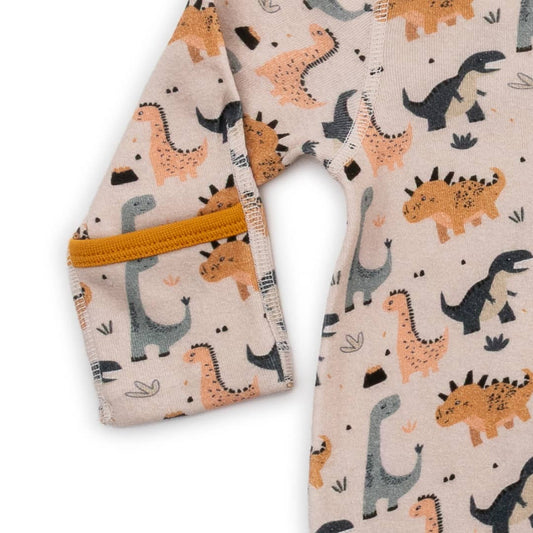
Flat seams that won’t rub
Wide, forgiving necklines
Features that actually help
Envelope shoulders so clothes slide on and off easily
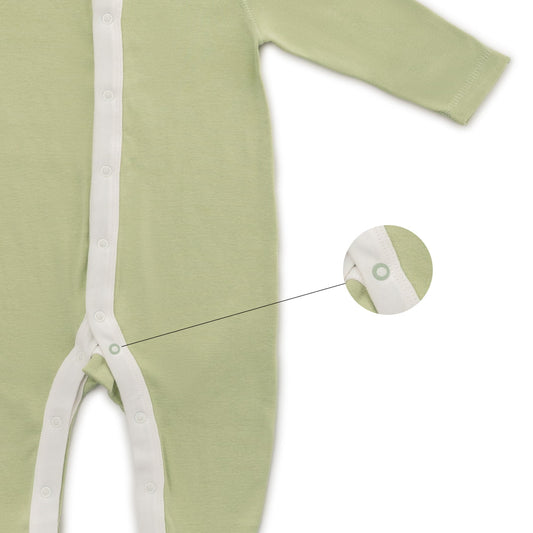
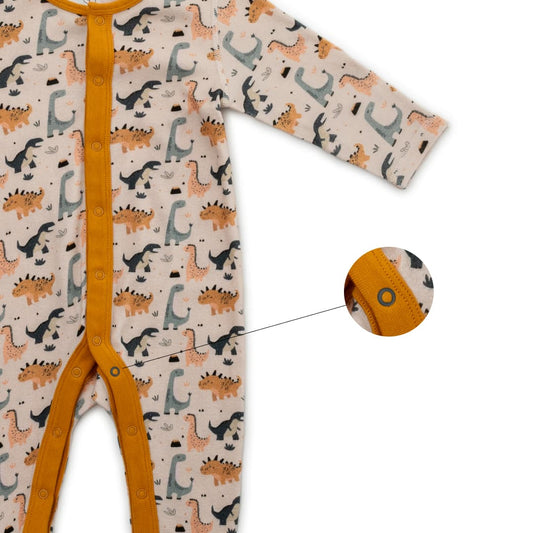
Well-placed snaps that simplify diaper changes
Stretch where it matters, without compressing little bellies
What Baby Clothes Do Newborns Actually Need?
This is where a lot of parents overbuy.
Newborn baby clothes essentials don’t need to be extensive. You’re dressing for rotation, not variety.
You can always add more later. Most parents do, but only once they know what actually gets used.
How Many Newborn Clothes Do You Need?
Newborns soil clothes frequently due to spit-ups and diaper leaks, but they also outgrow sizes rapidly in the first weeks, often within 4–6 weeks (American Academy of Pediatrics; NHS).
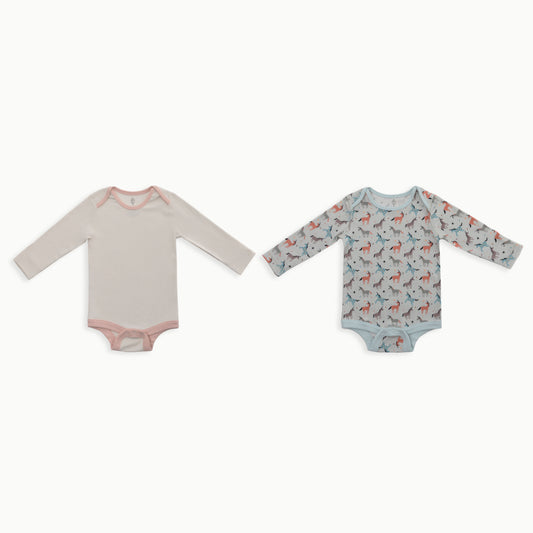
Realistically, how many clothes you need depends far more on laundry frequency than stockpiling. For most families, 5–7 bodysuits and 4–6 sleepers are enough to rotate comfortably through the early weeks with regular washing (AAP newborn care guidance).
Buying more rarely adds convenience. In practice, it often results in unworn items that are outgrown before they’re ever used, especially in newborn sizes (AAP; consumer studies on infant clothing use).
What Clothes Are Best for Newborn Sleep?
Sleep is where comfort matters most. For newborns, simple one-piece sleepers are generally more practical than multi-piece outfits, because they reduce layering, stay in place during movement, and simplify nighttime diaper changes (American Academy of Pediatrics; NHS safe sleep guidance). Fewer layers also make it easier to maintain a stable body temperature overnight, which is important for newborn sleep safety (AAP).
Look for:
Breathable fabrics (again, certified organic cotton works well)
No bulky seams or stiff trims
Designs that don’t trap heat
Overheating can disrupt sleep and isn’t recommended, so lighter layers you can adjust are better than thick, padded garments.
What Should Newborns Wear in Different Seasons?
Think in layers, not thickness. Pediatric guidance recommends adding or removing light layers rather than relying on thick or bulky clothing, because layering allows caregivers to respond to changes in temperature without risking overheating (American Academy of Pediatrics; NHS). Newborns are particularly sensitive to excess heat, and adjustable layers make it easier to keep them comfortable across indoor and outdoor environments (AAP safe sleep and thermoregulation guidance).
Warm weather
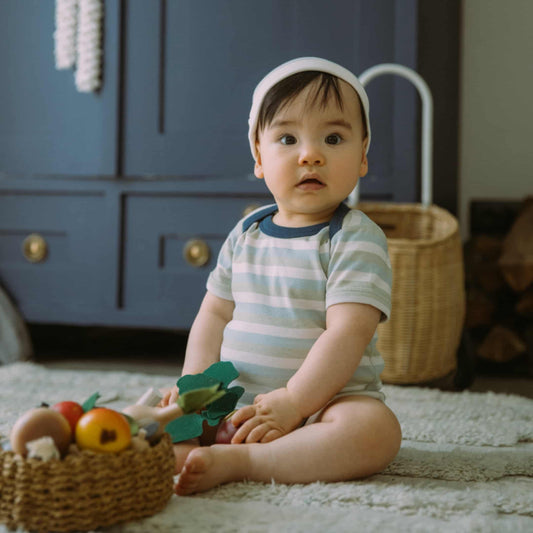
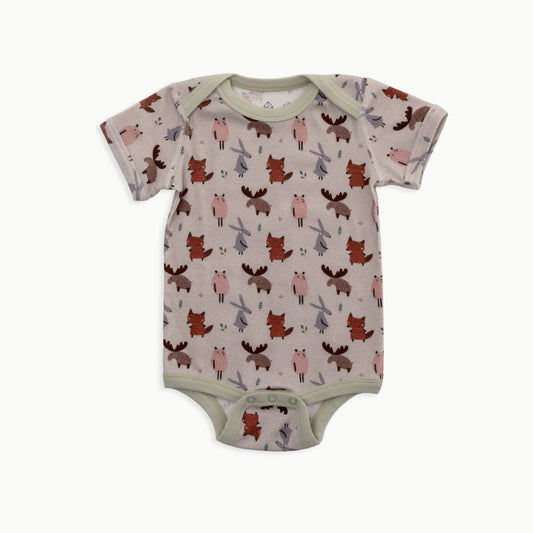
Short-sleeve bodysuits
Lightweight cotton layers
Breathable sleepers at night
Cooler weather
Long-sleeve bodysuits
Sleepers layered over basics
Light blankets when awake
Indoors is often warmer than outdoors, so flexibility matters more than season-specific outfits.
Our commitment to you extends beyond just the our clothing - we prioritize the well-being of your children, the environment, and the workers who craft our pieces.



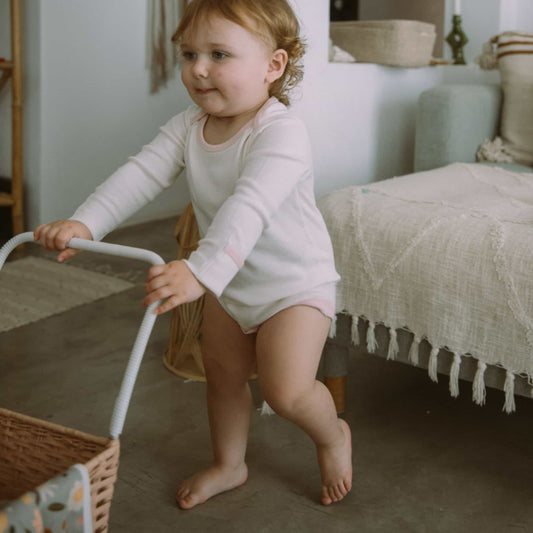
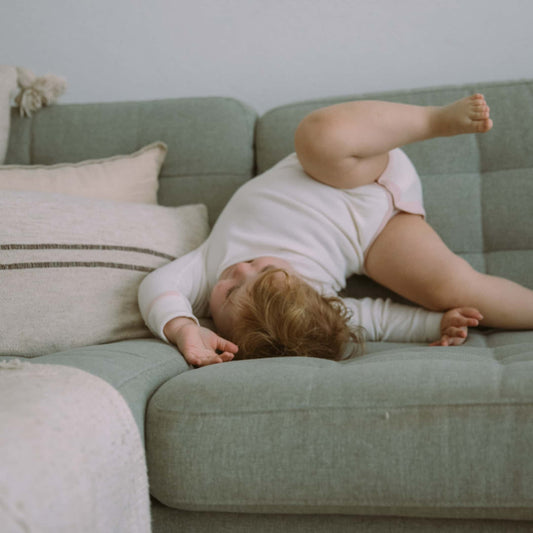
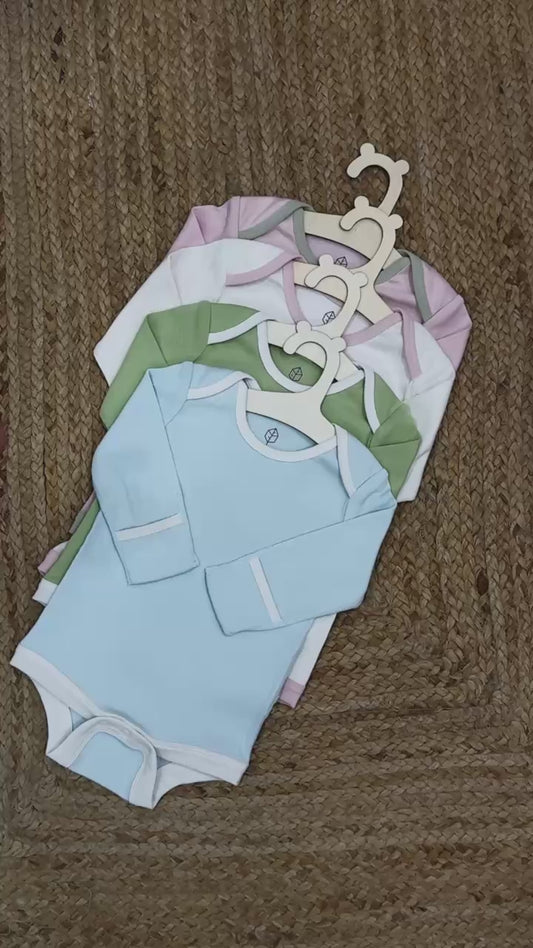
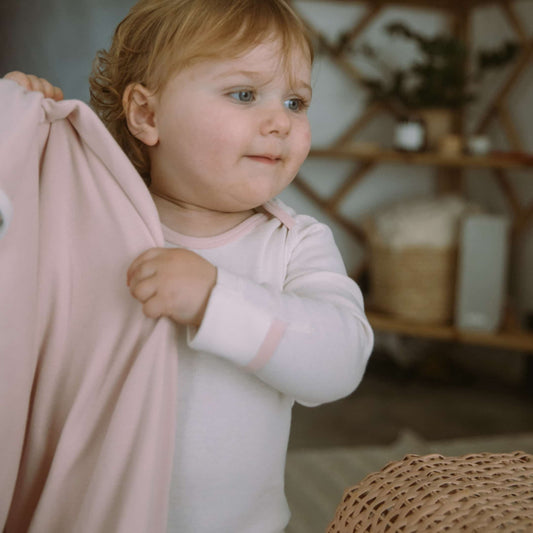
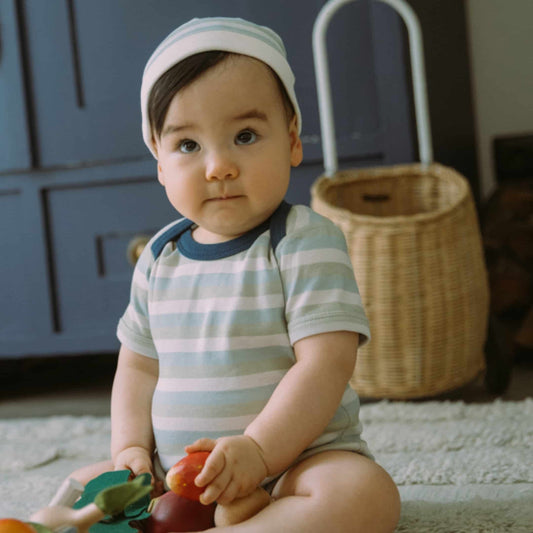
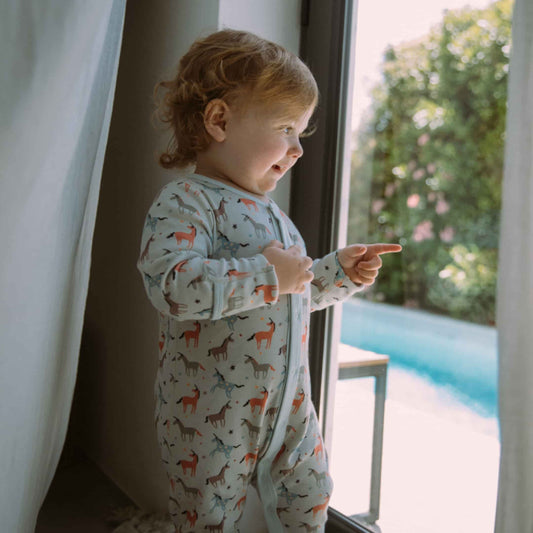
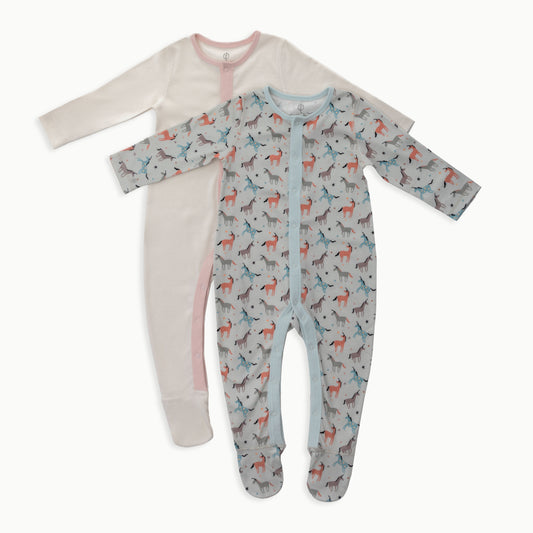
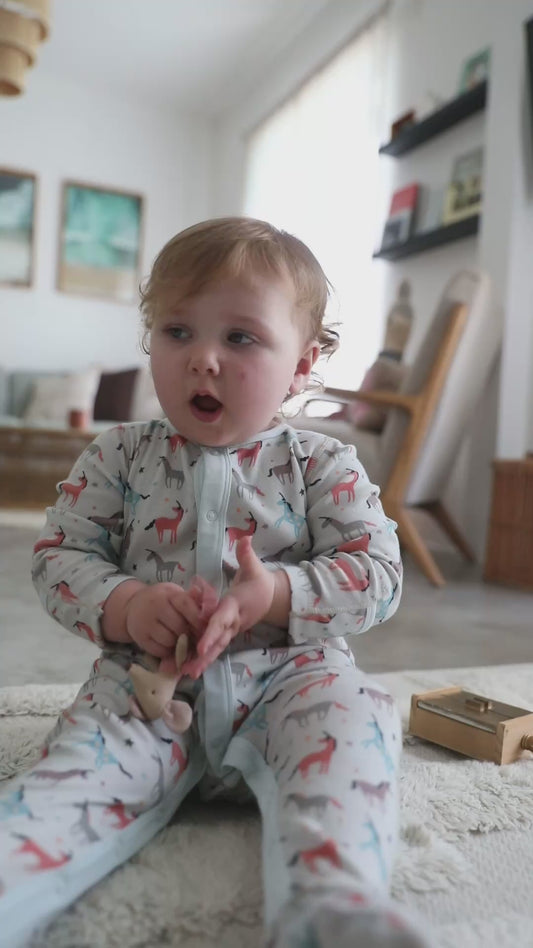
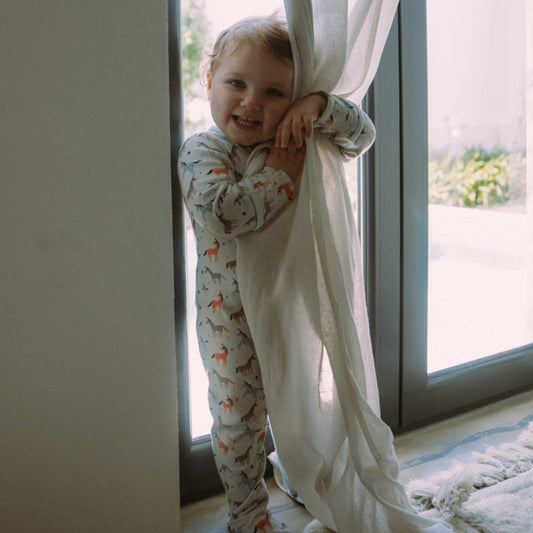
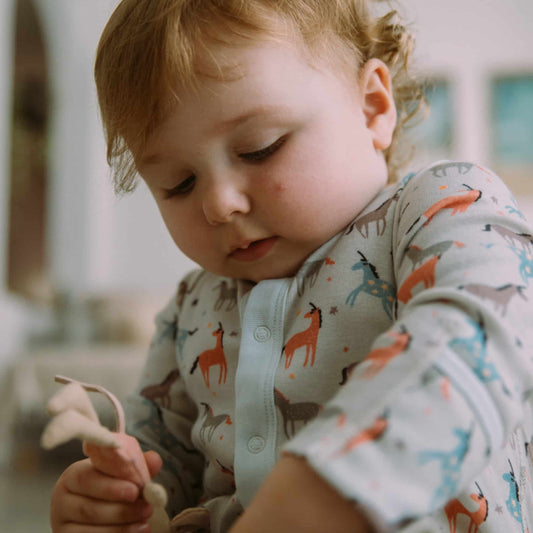
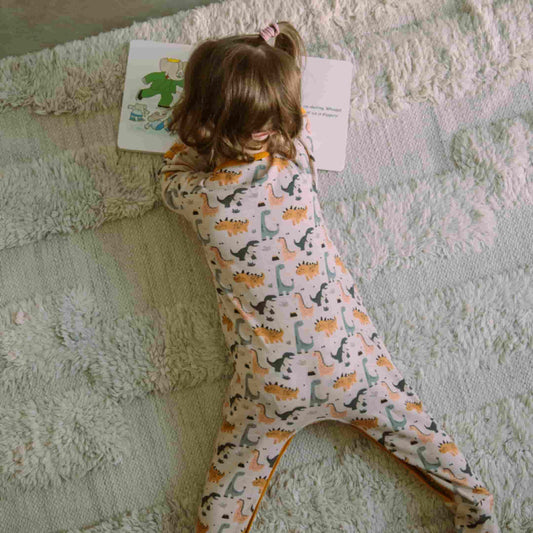
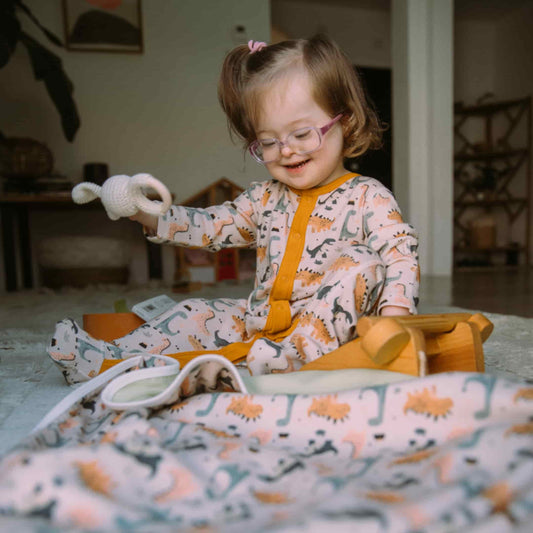
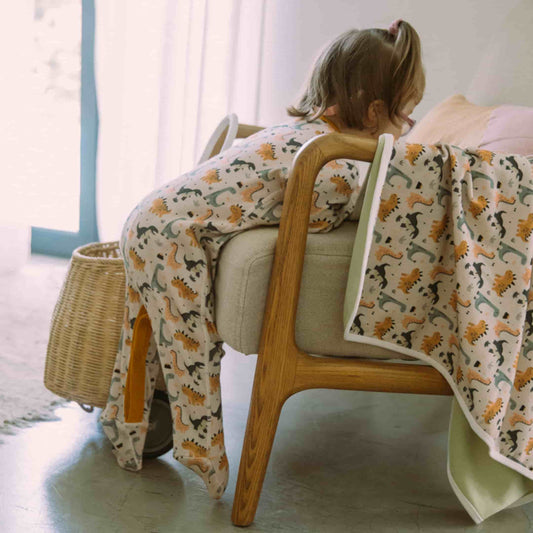

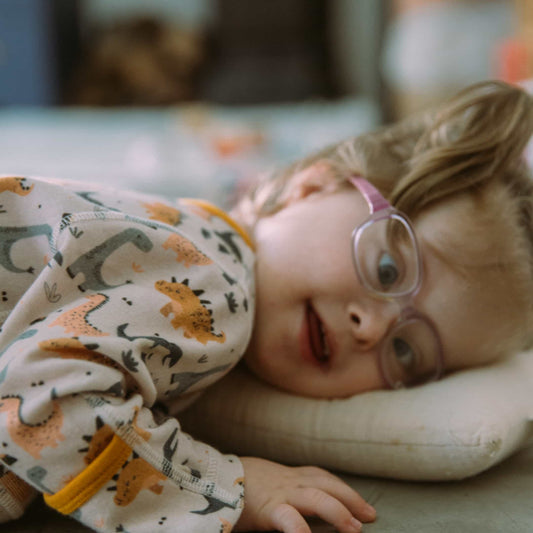

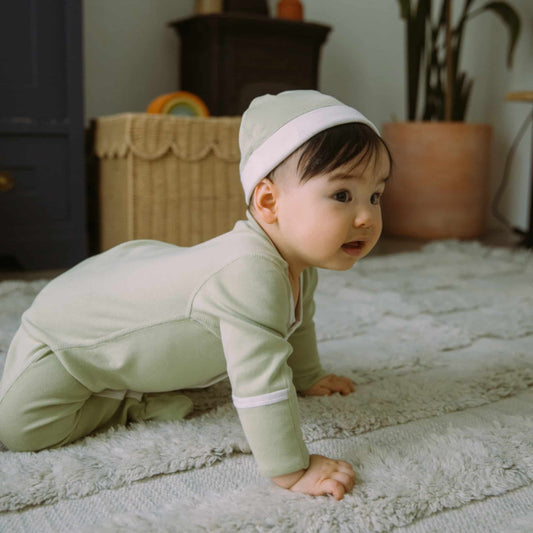
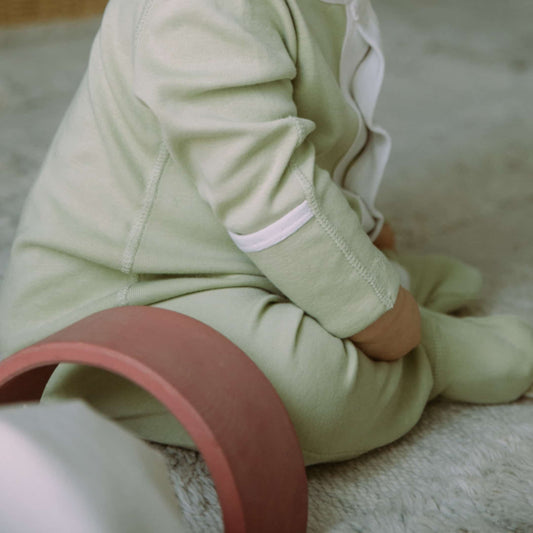


 I hate to let people down with this one, but fabric matters more than cuteness. A lot more.
 For most babies, yes, especially for everyday basics. Organic cotton is grown and processed with significantly fewer chemical inputs, which reduces exposure to substances known to irritate immature or sensitive skin (Global Organic Textile Standard; European Chemicals Agency).


