













The Golden Rules of Natural Stain Removal
Most stain removal advice feels inconsistent because it ignores the underlying structure of stains. In practice, almost all stains fall into three categories: protein-based, oil-based, and tannin-based. Each category responds to completely different conditions. Once you understand that, the process becomes much more predictable.
A fresh stain has not yet bonded fully to the fiber. Over time, oxidation and drying cause molecules to anchor more deeply into the fabric structure, which is why older stains are harder to remove.
When you rub fabric, especially natural fibers like linen, you are not just spreading the stain. You are forcing it deeper into the weave and physically damaging the fiber surface. This makes removal harder and can also lead to uneven fading.
Most stains on kids’ clothes are protein-based — like milk, spit-up, or blood. Heat changes their structure, making them bind tightly to fabric and much harder to remove. That’s why it’s always best to start with cold water.
Heat accelerates oxidation and can permanently set even faint, partially removed stains that are not visible when wet.
The Three Core Stain Removal Mechanisms
All effective DIY stain removal methods rely on one of three mechanisms: breaking down oils, oxidizing pigments, or physically lifting particles from the fabric.
This is how dish soap works. It contains surfactants that surround oil molecules and allow them to be rinsed away with water. This is essential for stains like avocado, sunscreen, and grease.


Sunlight and hydrogen peroxide both work by breaking down chromophores, which are the molecules responsible for color. This is why sunlight is particularly effective on yellow or orange stains like baby poop and tomato sauce.


This involves physically dislodging particles from the fabric. Baking soda pastes work this way. The fine particles help lift dirt and pigments without the need for harsh scrubbing.


Understanding which mechanism applies to your stain dramatically increases your chances of removing it successfully.
Why Clothes Come Out of the Washer with “Oil Stains”
One of the most confusing problems is when clothes come out of the washer or dryer with what appear to be grease stains, even though nothing oily was spilled on them. In most cases, these are not new stains at all. They are residues that have been redeposited during the wash cycle.
Modern detergents are highly concentrated and often combined with low-water washing systems. High-efficiency machines use significantly less water, which increases the likelihood that detergent, body oils, and previous residues are not fully rinsed away. Over time, these substances build up inside the drum and on the fibers themselves.


Fabric softeners make this worse. They work by coating fibers with a thin layer of conditioning agents. While this can make fabrics feel softer, it reduces absorbency and traps oils within the fabric. When these coated fibers are exposed to heat in the dryer, the residues oxidize and become visible as dark patches.
This is why the stains often appear after drying rather than after washing.
The solution is not stronger detergent but removing buildup.
Start by soaking the affected garments in warm water with a small amount of clear dish soap and baking soda. Dish soap is specifically designed to break down oils and residues, which is why it is more effective than standard laundry detergent in this case.
Then rewash using a reduced amount of detergent. Most households use significantly more detergent than necessary, which contributes directly to buildup.
It is also important to clean the washing machine itself. Running an empty hot cycle with white vinegar helps remove residue from the drum.
Finally, avoid fabric softeners and dryer sheets. If softness is needed, wool dryer balls are a better option because they do not leave a coating on the fabric.
Category 1: High-Chair Hazards
(Food and Drink Stains)
Food stains are the most common and the most chemically varied. Some act like dyes and bind quickly to fibers, while others are driven by fats and proteins that require different removal methods. Treating them correctly depends on identifying what type of stain you are dealing with.
| The Stain | "Why it's Hard" | Step-by-Step Action | Take a note |
|---|---|---|---|
|
Banana
 |
Bananas contain enzymes that trigger rapid oxidation, turning stains dark brown or black as they react with oxygen. |
|
Avoid heat at all stages. Heat accelerates oxidation and sets the stain permanently. |
|
Avocado
 |
Avocado combines high natural fat content with green plant pigments, making it both oil-based and color-based. |
|
Dish soap is critical here because standard detergent is less effective at breaking down oils. |
|
Berries and Cherries
 |
These contain tannins that behave like natural dyes and bind quickly to fibers. |
|
The combination of heat and gravity forces the pigment out before it sets. |
|
Tomato Sauce
 |
Tomatoes contain lycopene, a strong red pigment, combined with oil. |
|
Heat will set both the oil and pigment, making the stain much harder to remove. Always treat and check the stain before drying. |
|
Chocolate
 |
Chocolate contains both fat and pigment, requiring a two-step removal process. |
|
Treat both the fat and the pigment — skipping one step often leaves a shadow. Always rinse with cold water to avoid setting the stain. |
-
 $34.002-3,3-4,4-5,5-6,6-7,7-8,8-9,9-10 yearsSELECT SIZE$22.10
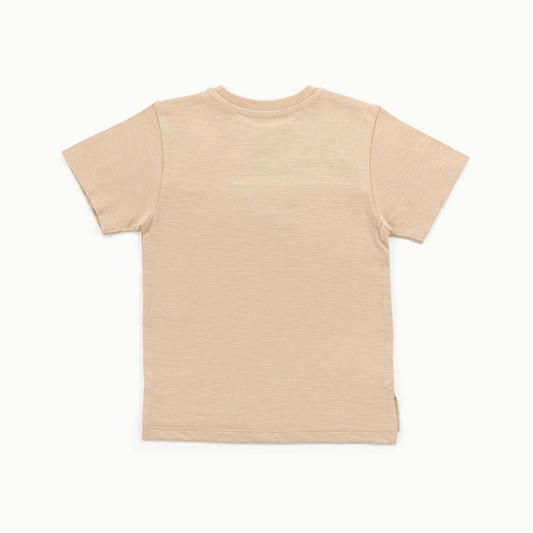
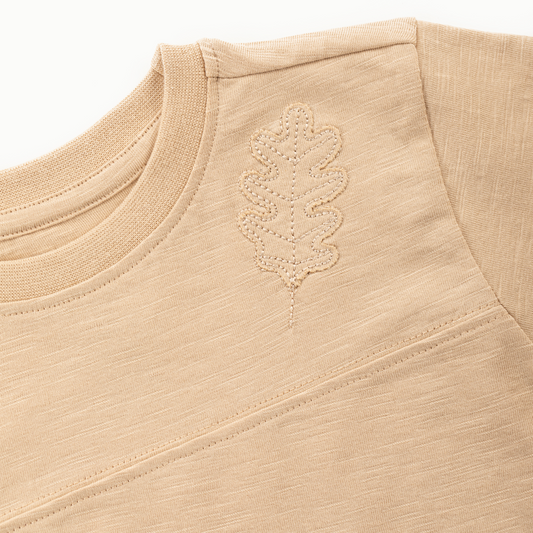
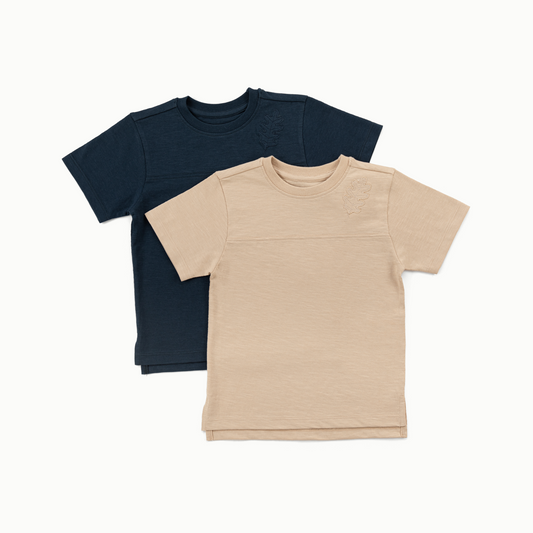
$34.002-3,3-4,4-5,5-6,6-7,7-8,8-9,9-10 yearsORGANIC COTTON OAK TEE IN SANDRegular price $34.00Regular priceUnit price per$34.00Sale price $34.00 -

 $34.002-3,3-4,4-5,5-6,6-7,7-8,8-9,9-10 yearsSELECT SIZE$22.10
$34.002-3,3-4,4-5,5-6,6-7,7-8,8-9,9-10 yearsORGANIC COTTON WILLOW TEE IN TASSELRegular price $34.00Regular priceUnit price per$34.00Sale price $34.00 -
 $34.002-3,3-4,4-5,5-6,6-7,7-8,8-9,9-10 yearsSELECT SIZE$22.10
$34.002-3,3-4,4-5,5-6,6-7,7-8,8-9,9-10 yearsORGANIC COTTON OAK TEE IN NAVALRegular price $34.00Regular priceUnit price per$34.00Sale price $34.00 -
 $34.002-3,3-4,4-5,5-6,6-7,7-8,8-9,9-10 yearsSELECT SIZE$22.10
$34.002-3,3-4,4-5,5-6,6-7,7-8,8-9,9-10 yearsORGANIC COTTON WILLOW TEE IN RIPE OLIVERegular price $34.00Regular priceUnit price per$34.00Sale price $34.00 -
 $34.002-3,3-4,4-5,5-6,6-7,7-8,8-9,9-10 yearsSELECT SIZE$22.10
$34.002-3,3-4,4-5,5-6,6-7,7-8,8-9,9-10 yearsORGANIC COTTON OAK HENLEY TEE IN CANYON CLAYRegular price $34.00Regular priceUnit price per$34.00Sale price $34.00 -
 $34.002-3,3-4,4-5,5-6,6-7,7-8,8-9,9-10 yearsSELECT SIZE$22.10
$34.002-3,3-4,4-5,5-6,6-7,7-8,8-9,9-10 yearsORGANIC COTTON OAK HENLEY IN SLEEPY BLUERegular price $34.00Regular priceUnit price per$34.00Sale price $34.00
Category 2: The "Oops" Moments
(Bodily Fluids)
These are entirely protein-based stains, which means temperature control is critical. Using hot water at any stage will permanently set the stain.
| The Stain | Difficulty | DIY Solution | Step-by-Step Action |
|---|---|---|---|
|
Breastmilk or Formula Poop
 |
Very High | Hydrogen Peroxide (3%) + Sun |
|
|
Spit-Up or Vomit
 |
Medium | White Vinegar + Baking Soda |
|
|
Blood
 |
High | Freezing Water + Hydrogen Peroxide |
|
-

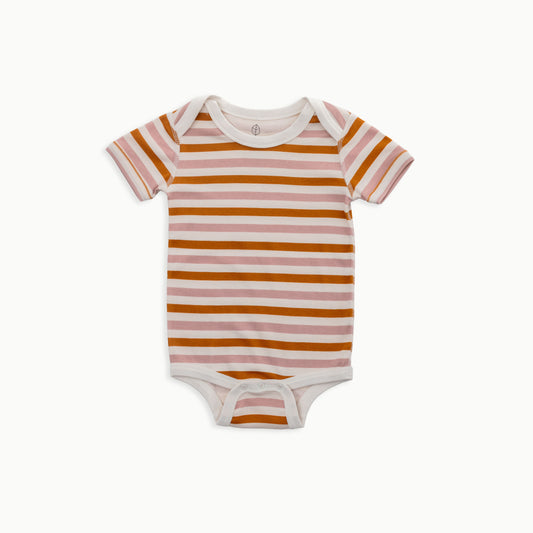
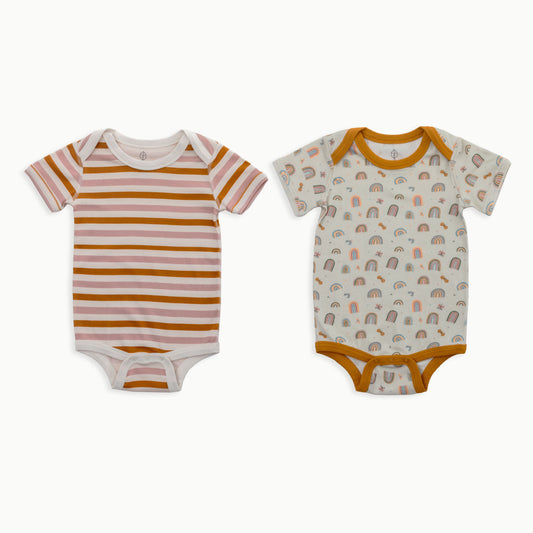
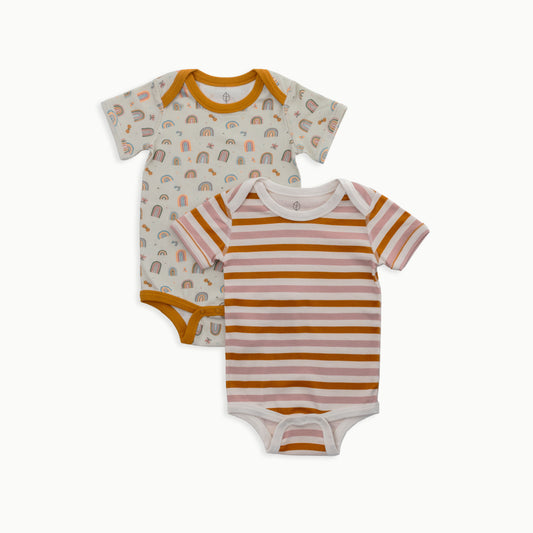

 $34.00Newborn,0-3,3-6,6-12,12-18,18-24 monthsSELECT SIZE$34.00Newborn,0-3,3-6,6-12,12-18,18-24 monthsORGANIC COTTON BABY SHORT SLEEVE BODYSUIT, 2-PACK | RAINBOWS + STRIPEDRegular price $34.00Regular priceUnit price per
 -


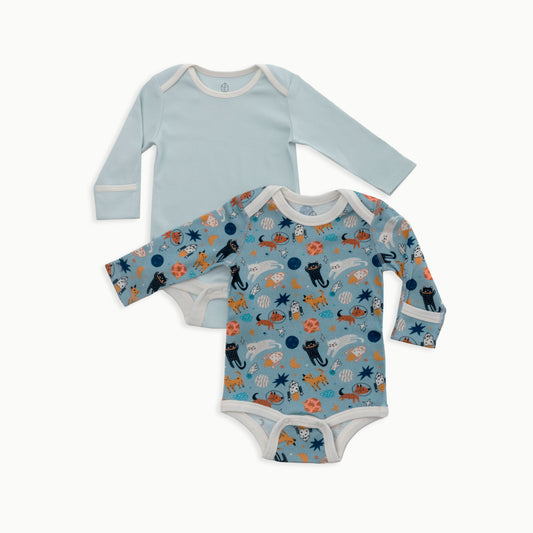
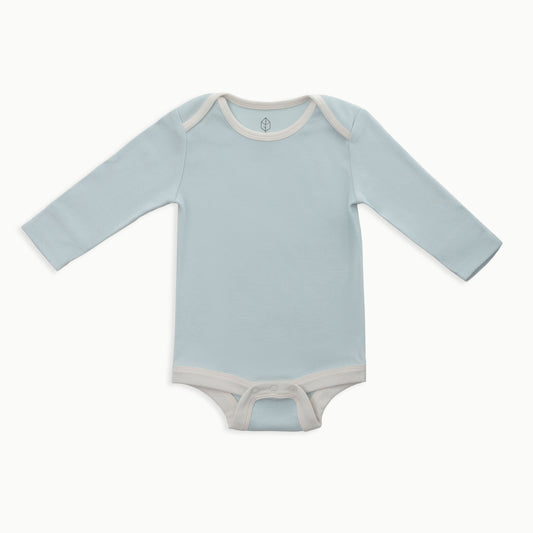 $38.00Newborn,0-3,3-6,6-12,12-18,18-24 monthsSELECT SIZE$38.00Newborn,0-3,3-6,6-12,12-18,18-24 monthsORGANIC COTTON BABY LONG SLEEVE BODYSUIT, 2-PACK | SPACE CATS + SOLID BLUERegular price $38.00Regular priceUnit price per
 -
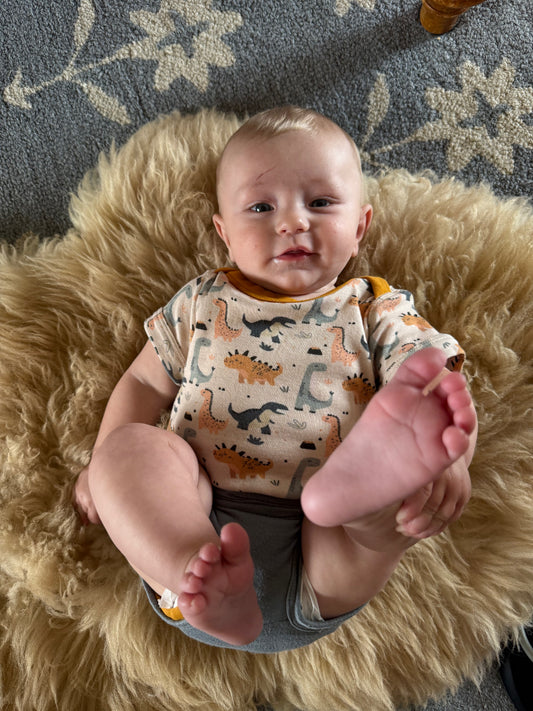
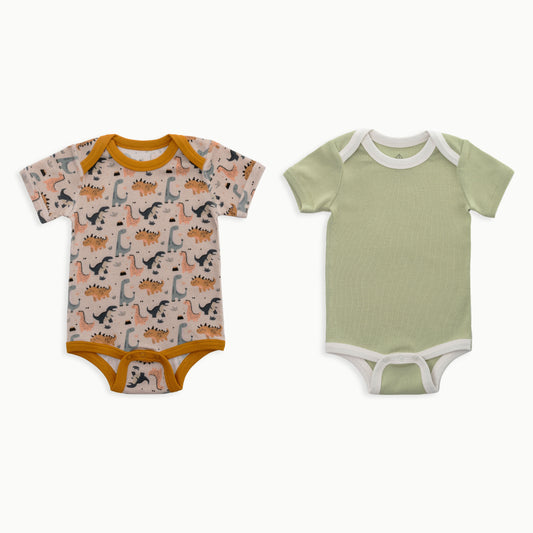
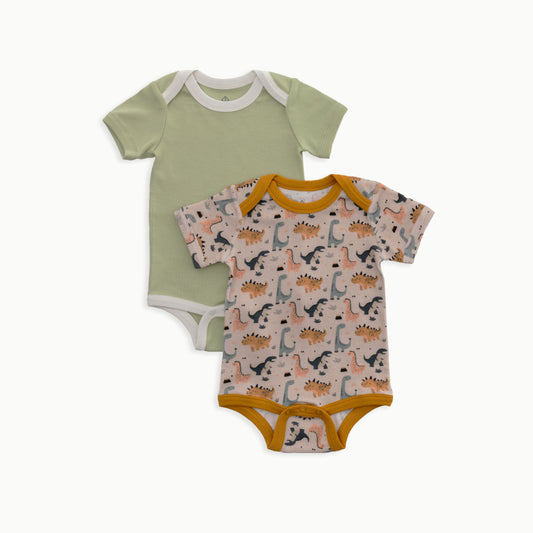

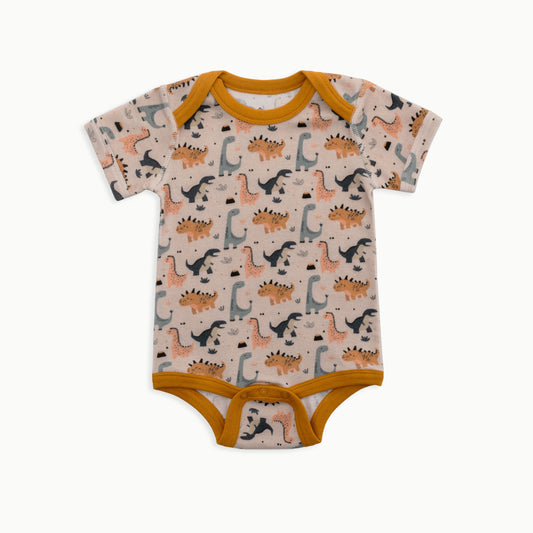
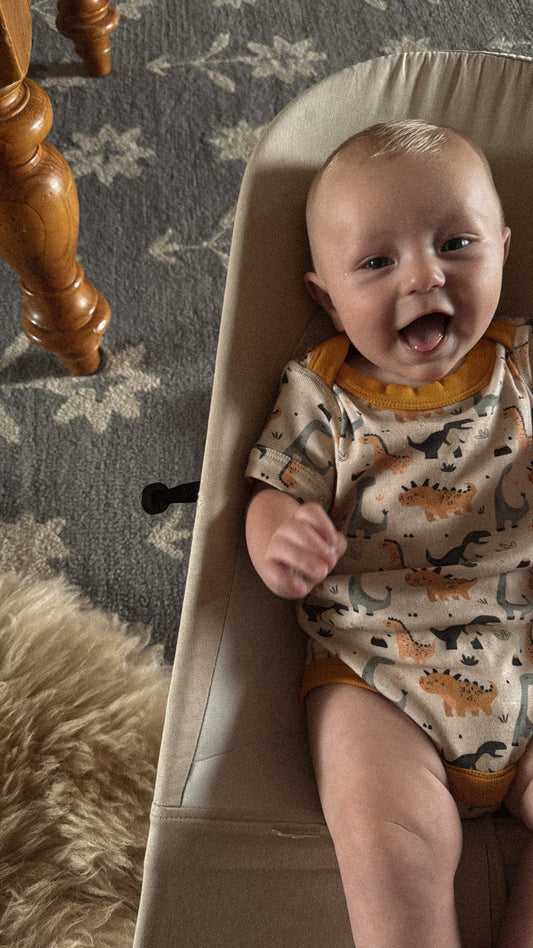 $34.00Newborn,0-3,3-6,6-12,12-18,18-24 monthsSELECT SIZE$34.00Newborn,0-3,3-6,6-12,12-18,18-24 monthsORGANIC COTTON BABY SHORT SLEEVE BODYSUIT, 2-PACK | DINOSAUR + SOLID GREENRegular price $34.00Regular priceUnit price per
 -

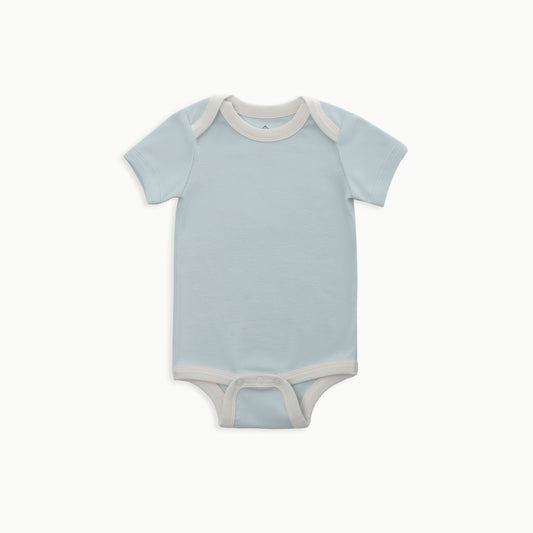
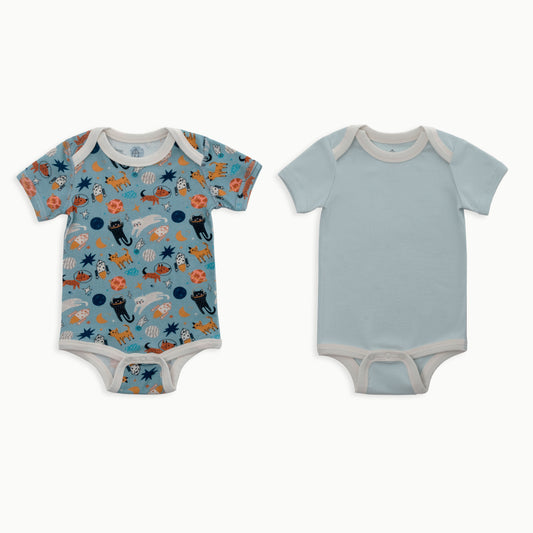
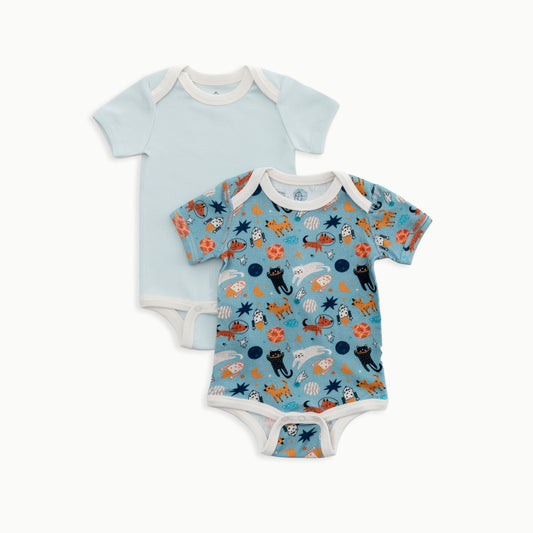

 $34.00Newborn,0-3,3-6,6-12,12-18,18-24 monthsSELECT SIZE$34.00Newborn,0-3,3-6,6-12,12-18,18-24 monthsORGANIC COTTON BABY SHORT SLEEVE BODYSUIT, 2-PACK | SPACE CATS + SOLID BLUERegular price $34.00Regular priceUnit price per
 -
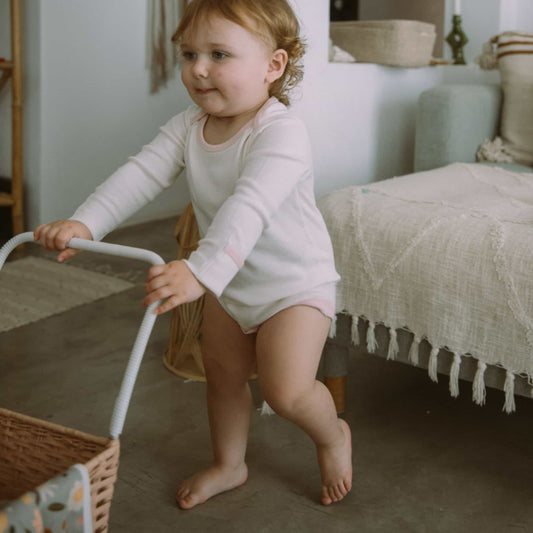

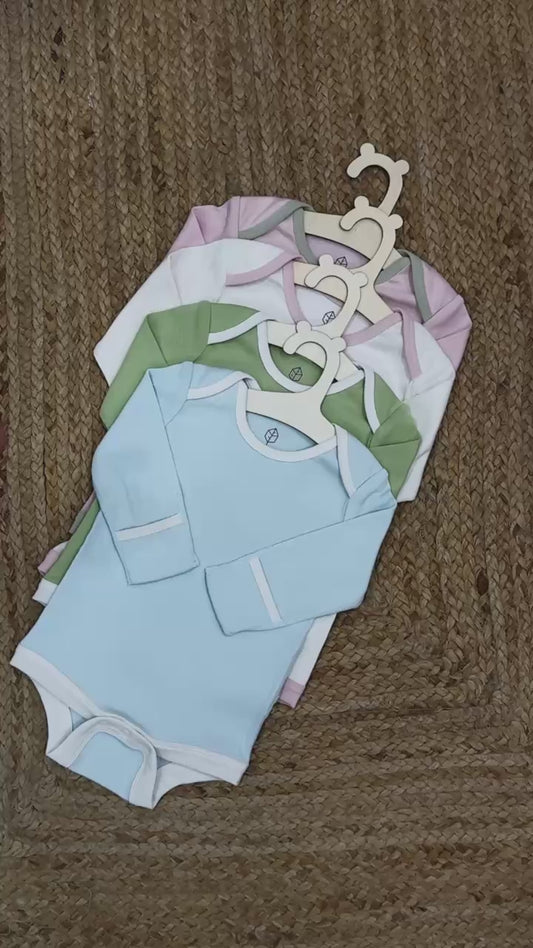
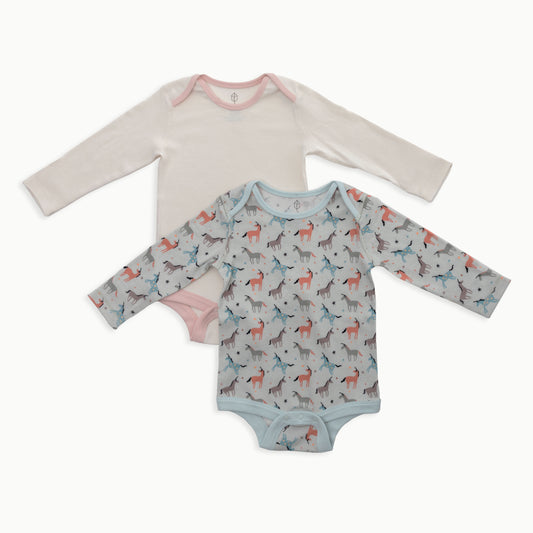
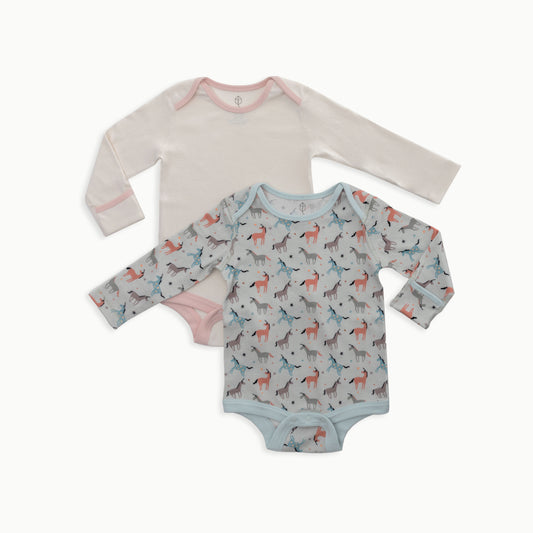
 $38.00Newborn,0-3,3-6,6-12,12-18,18-24 monthsSELECT SIZE$38.00Newborn,0-3,3-6,6-12,12-18,18-24 monthsORGANIC COTTON BABY LONG SLEEVE BODYSUIT, 2-PACK | UNICORNS + SOLID CREAMRegular price $38.00Regular priceUnit price per
 -
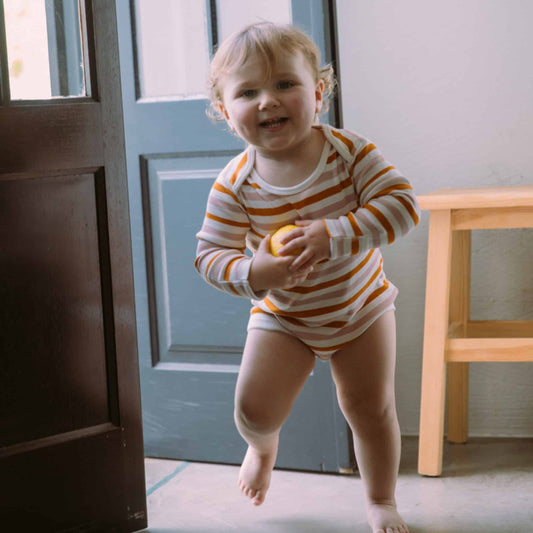
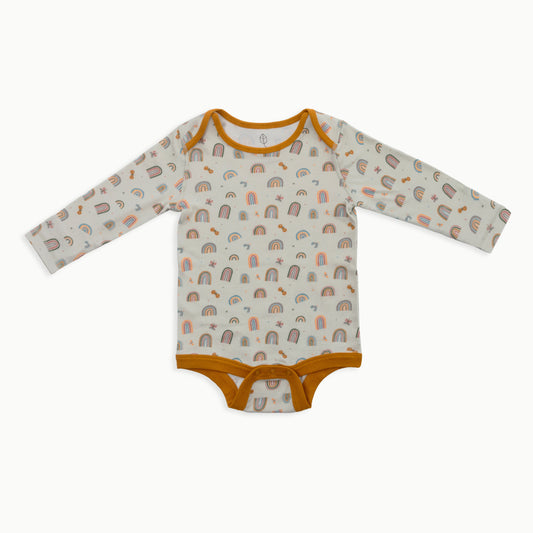
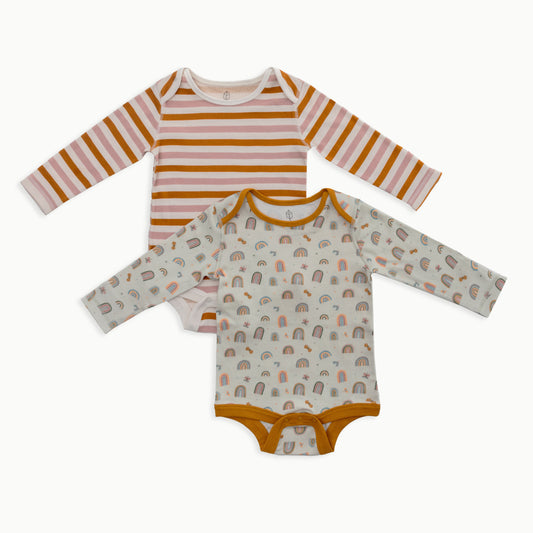
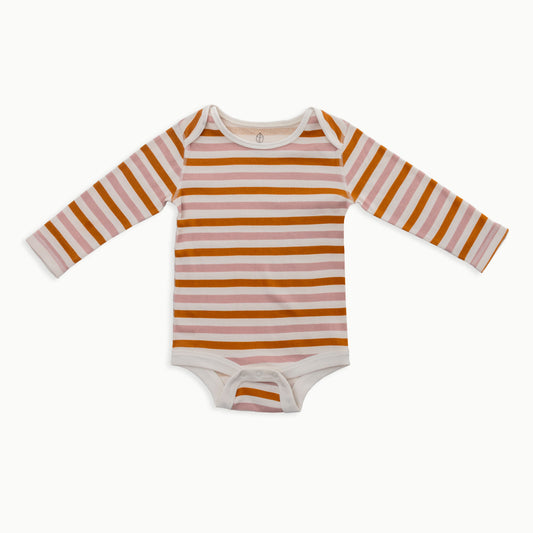 $38.00Newborn,0-3,3-6,6-12,12-18,18-24 monthsSELECT SIZE$38.00Newborn,0-3,3-6,6-12,12-18,18-24 monthsORGANIC COTTON BABY LONG SLEEVE BODYSUIT, 2-PACK | RAINBOWS + STRIPEDRegular price $38.00Regular priceUnit price per
Category 3: The Great Outdoors
(Nature and Play Stains)
Outdoor stains often require lifting particles from fibers rather than dissolving them.
| The Stain | "Why it's Hard" | DIY Solution | Step-by-Step Action |
|---|---|---|---|
|
Grass
 |
Chlorophyll acts as a natural dye and binds tightly to fabric. | Vinegar + Baking Soda Paste |
|
|
Mud and Red Clay
 |
Fine, microscopic dirt particles get trapped deep within the weave. | Patience + Castile Soap |
|
|
Sunscreen (Yellow Stains)
 |
Avobenzone reacts with hard water/iron to create permanent rust-like stains. | Lemon Juice + Salt |
|
|
Tree Sap
 |
Contains sticky, water-resistant resin and yellow plant dye. | Rubbing Alcohol / Hand Sanitizer |
|
-
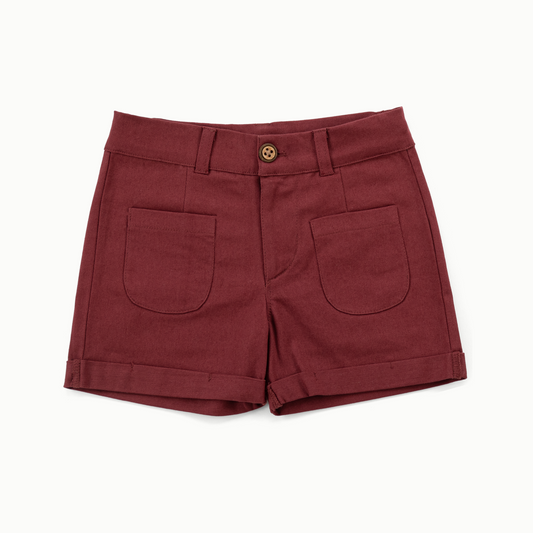
 $36.002-3,3-4,4-5,5-6,6-7,7-8,8-9,9-10 yearsSELECT SIZE$23.40
$36.002-3,3-4,4-5,5-6,6-7,7-8,8-9,9-10 yearsORGANIC COTTON WILLOW SHORT IN CANYON CLAYRegular price $36.00Regular priceUnit price per$36.00Sale price $36.00 -


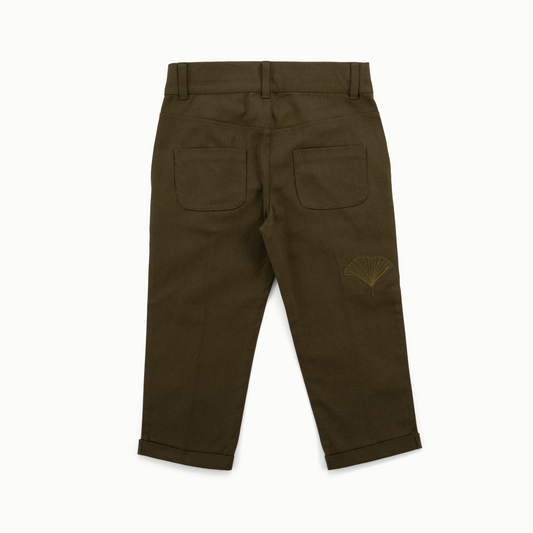
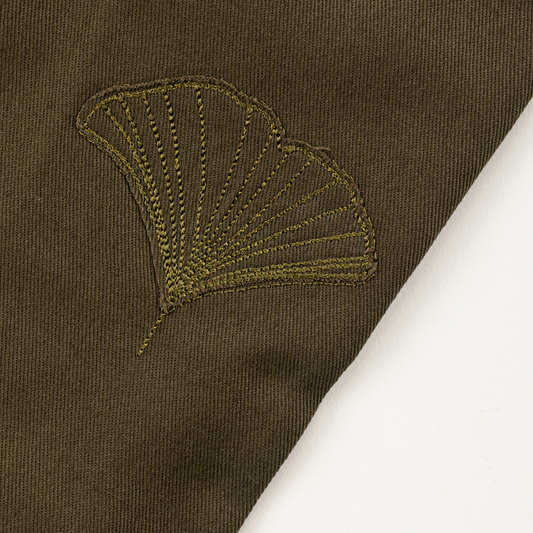
 $42.002-3,3-4,4-5,5-6,6-7,7-8,8-9,9-10 yearsSELECT SIZE$42.002-3,3-4,4-5,5-6,6-7,7-8,8-9,9-10 yearsORGANIC COTTON GINGKO PANT IN RIPE OLIVERegular price $42.00Regular priceUnit price per
$42.00Sale price $42.00 -
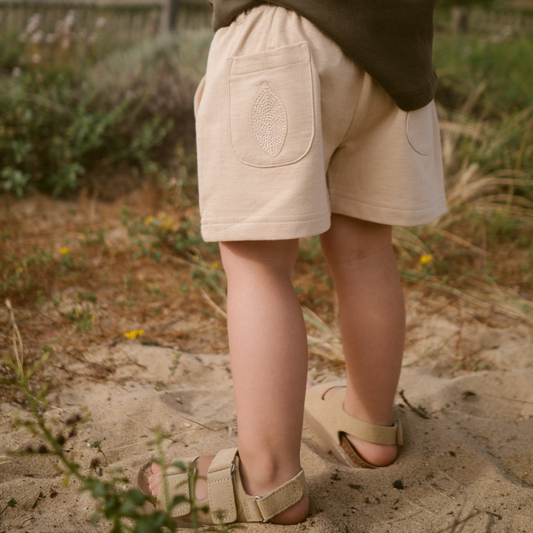
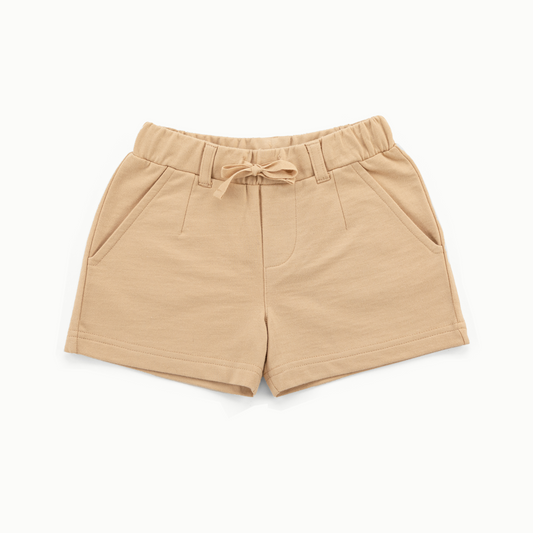
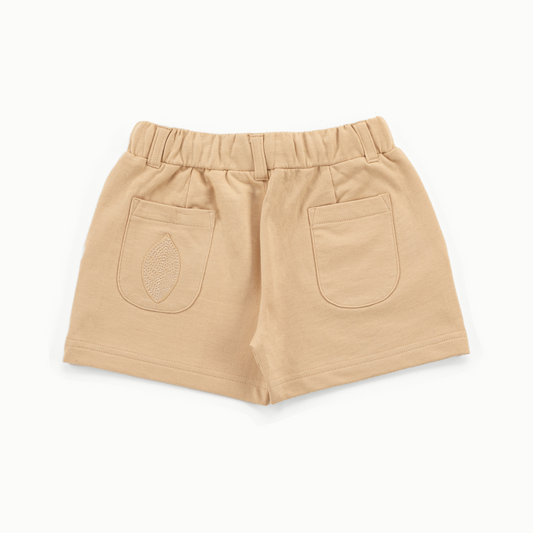
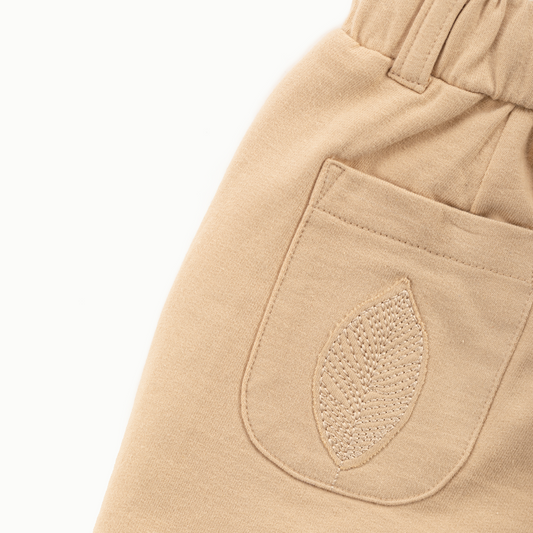 $36.002-3,3-4,4-5,5-6,6-7,7-8,8-9,9-10 yearsSELECT SIZE$23.40
$36.002-3,3-4,4-5,5-6,6-7,7-8,8-9,9-10 yearsORGANIC COTTON BIRCH SHORT IN SANDRegular price $36.00Regular priceUnit price per$36.00Sale price $36.00 -

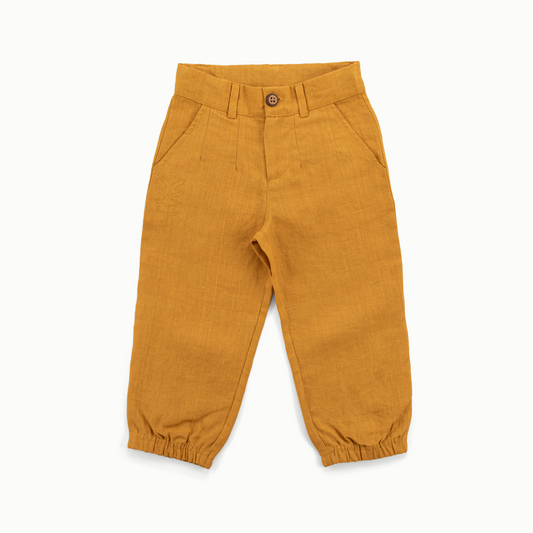
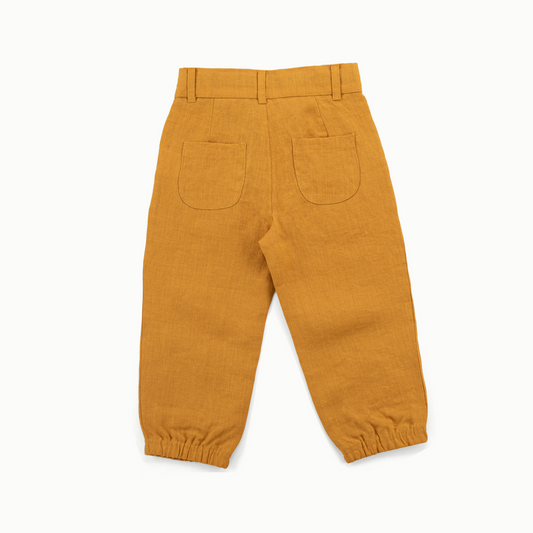

 $52.002-3,3-4,4-5,5-6,6-7,7-8,8-9,9-10 yearsSELECT SIZE$52.002-3,3-4,4-5,5-6,6-7,7-8,8-9,9-10 yearsLINEN OAK PANT IN TASSELRegular price $52.00Regular priceUnit price per
$52.00Sale price $52.00 -
 $45.002-3,3-4,4-5,5-6,6-7,7-8,8-9,9-10 yearsSELECT SIZE$29.25
$45.002-3,3-4,4-5,5-6,6-7,7-8,8-9,9-10 yearsLINEN OAK SHORT IN NAVALRegular price $45.00Regular priceUnit price per$45.00Sale price $45.00 -
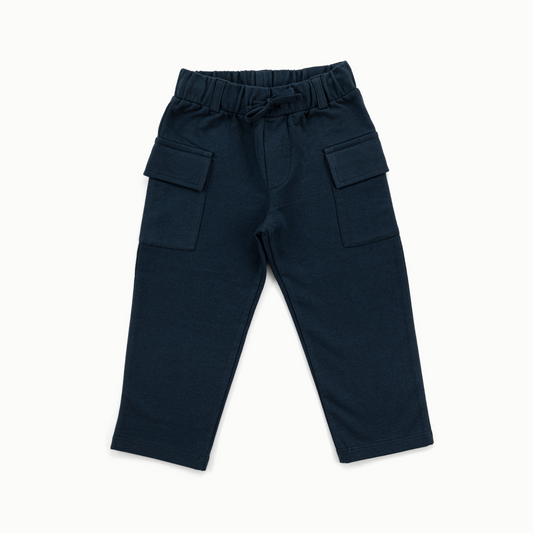
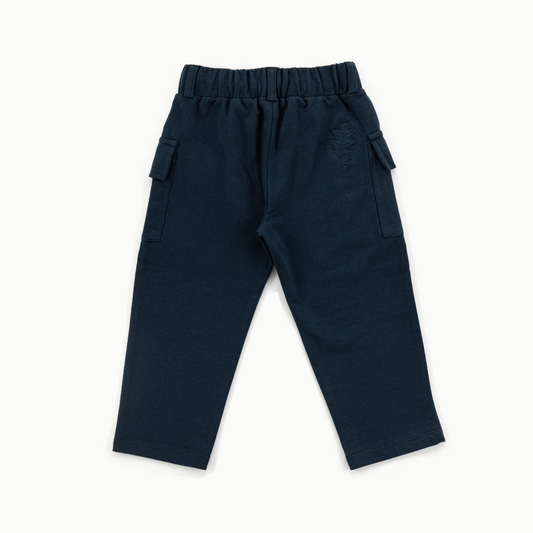
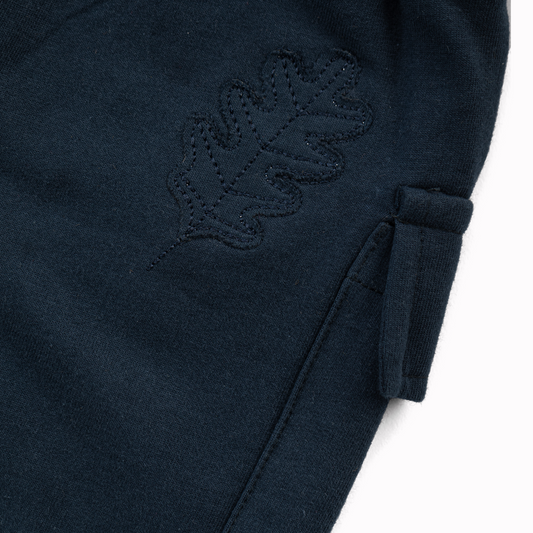
 $42.002-3,3-4,4-5,5-6,6-7,7-8,8-9,9-10 yearsSELECT SIZE$42.002-3,3-4,4-5,5-6,6-7,7-8,8-9,9-10 yearsORGANIC COTTON OAK PANT IN NAVALRegular price $42.00Regular priceUnit price per
$42.00Sale price $42.00
Category 4: The Mini Artist
(Craft Stains)
Craft stains often involve waxes or synthetic pigments that require breaking down physical structure rather than just rinsing.
| The Stain | Difficulty | DIY Solution | Step-by-Step Action |
|---|---|---|---|
|
Crayons
 |
Medium | Ice + Clear Dish Soap |
|
|
Washable Markers
 |
Low/Medium | Milk Soak |
|
|
School Glue
 |
Low | Warm White Vinegar |
|
Why Some Stains Reappear After Washing
A stain that disappears when wet but reappears after drying is usually not fully removed. What you are seeing is oxidation. When the fabric dries, remaining stain molecules react with oxygen and become visible again.
This is common with milk, fruit, and baby stains. The solution is to retreat the stain before applying heat. Once the garment has been dried, removal becomes significantly more difficult.

Fabric-Specific Care
Different fabrics respond differently to stain removal techniques.
Linen is particularly strong and has smooth fibers that release stains more easily when flushed with water. However, it should never be aggressively scrubbed, as friction can damage the fibers.
Organic cotton is highly absorbent, which makes it comfortable but also means stains penetrate quickly. Immediate rinsing is critical.
Bamboo and viscose fabrics are weaker when wet and should be handled gently to avoid stretching or pilling.
Wool contains lanolin, which naturally repels some stains, but it is sensitive to alkaline substances and should not be treated with baking soda.
Synthetic fabrics tend to hold onto oils because they are hydrophobic. This makes grease stains more difficult to remove and often requires dish soap.


The Stain Removal Mistakes (What NOT to Do)
- Rubbing instead of blotting damages fibers and pushes stains deeper.
- Using hot water on protein stains causes them to set permanently.
- Putting garments in the dryer before the stain is gone locks it in.
Final Stain Removal Checklist
Before washing, run through this:
- Have I removed excess material
- Am I starting with cold water
- Am I using the right method for this stain type
- Am I avoiding friction
- Is the stain fully gone before drying
FAQs About Stain Removal
Yes, but they often require repeated soaking and oxidation to break down fully.
Yes, provided it is rinsed out completely.
This usually indicates oxidation or that heat was applied too early, especially in protein-based stains.


