




Why Dressing Children in Summer Requires a Different Approach
Babies and young children regulate temperature very differently from adults. Newborns in particular have immature thermoregulation systems and a higher surface-area-to-body-weight ratio, which means they lose and gain heat more quickly than adults (American Academy of Pediatrics). They also cannot communicate the early signs of overheating. At the same time, summer introduces direct sun exposure as a daily skin safety factor.
Ultraviolet radiation is strongest between
and children’s skin is more vulnerable to damage (World Health Organization).
Once you understand that summer clothing must manage both heat and sun exposure at the same time, the decisions become much more straightforward.
How to Dress a Newborn in Summer: The Most Important Question First
How to dress a newborn in summer is one of the first things parents worry about, and for good reason. Newborns cannot regulate their temperature effectively, which means clothing choices matter more than at any other stage.
- indoors
- outdoors
- sleep
Each has slightly different requirements, but all follow the same principle of preventing overheating while maintaining comfort. This is a guide, not a replacement for medical advice. Always consult your paediatrician or healthcare provider for guidance specific to your newborn.
-
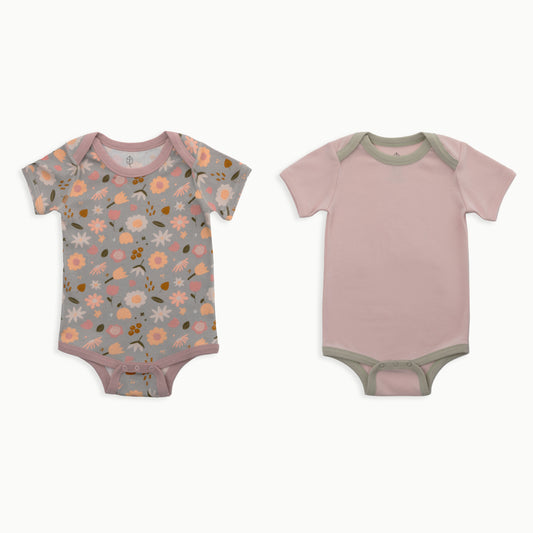
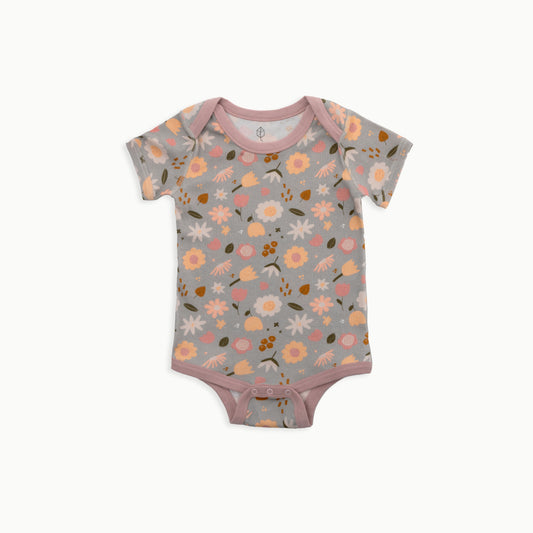
 $34.00Newborn,0-3,3-6,6-12,12-18,18-24 monthsSELECT SIZE$34.00Newborn,0-3,3-6,6-12,12-18,18-24 monthsORGANIC COTTON BABY SHORT SLEEVE BODYSUIT, 2-PACK | FLOWERS + SOLID PINKRegular price $34.00Regular priceUnit price per
 -
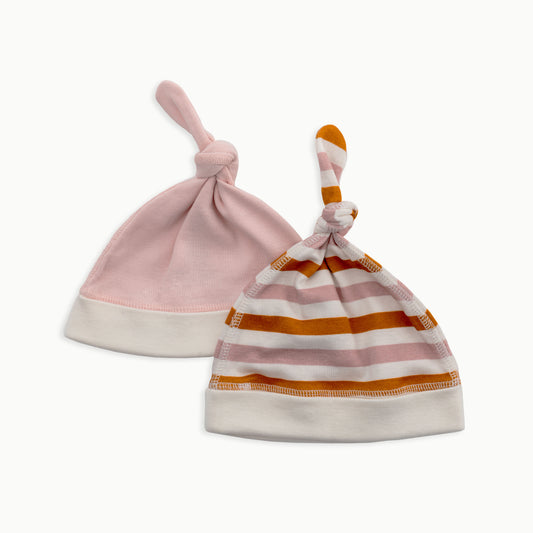
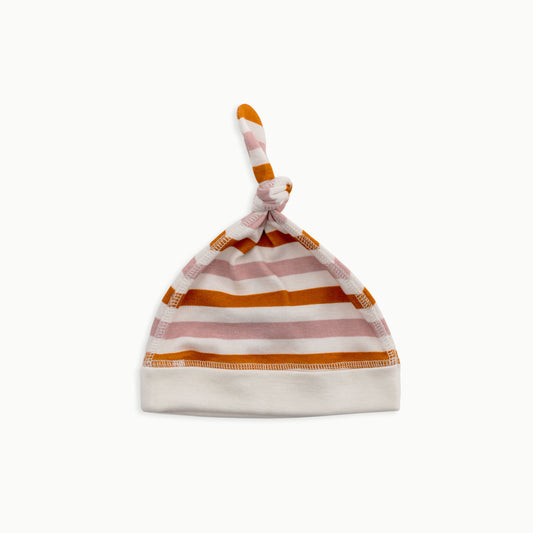
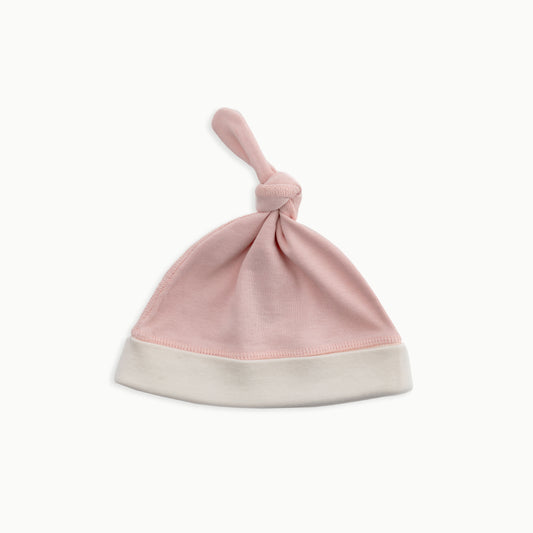
 $20.000-3,3-6 monthsSELECT SIZE$20.000-3,3-6 monthsORGANIC COTTON BABY KNOTTED HAT | STRIPED + SOLID PINKRegular price $20.00Regular priceUnit price per
 -
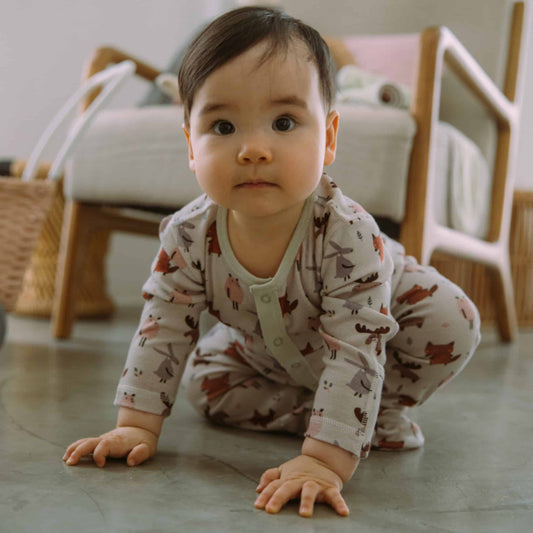
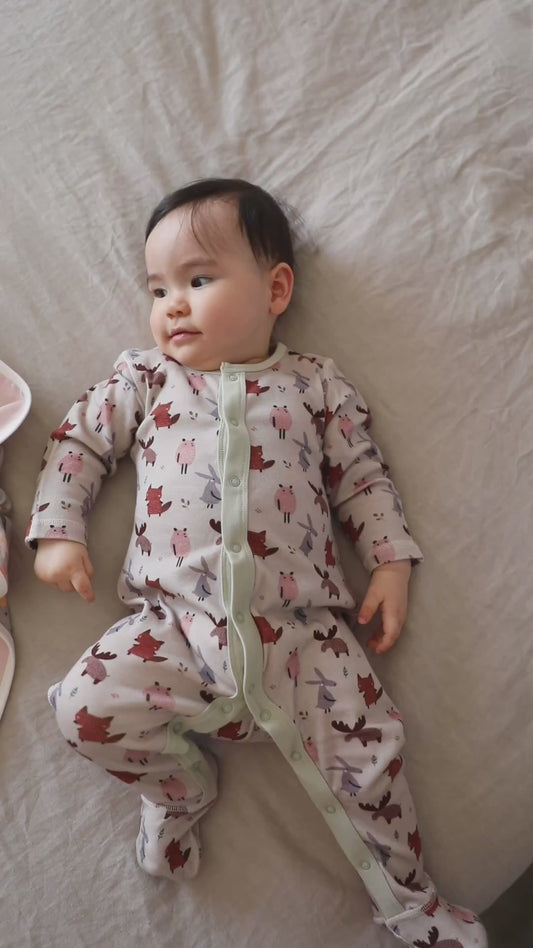
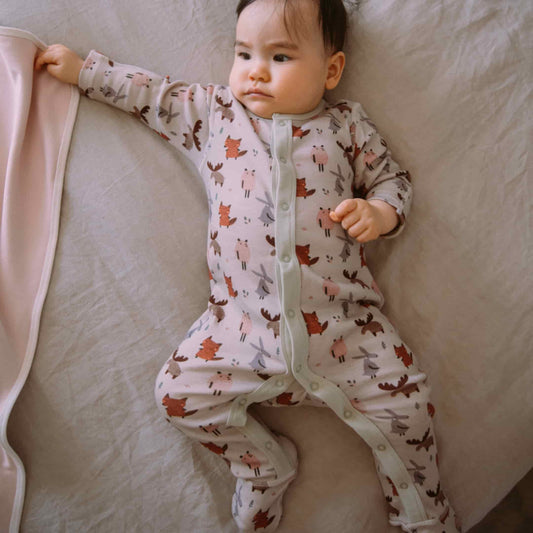
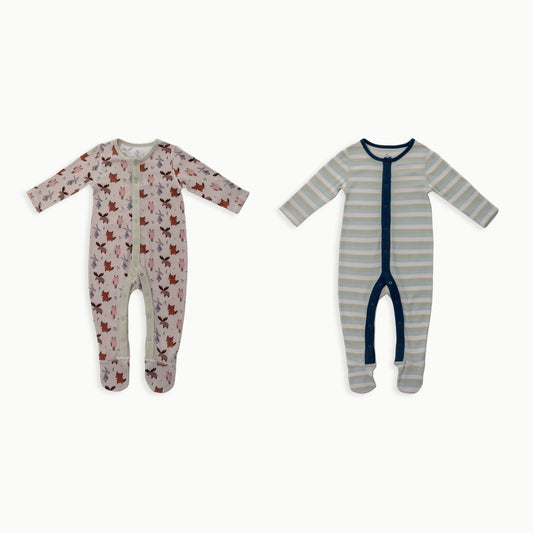
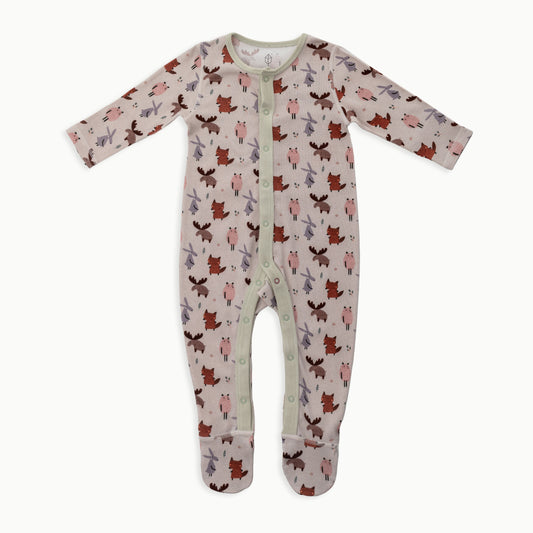
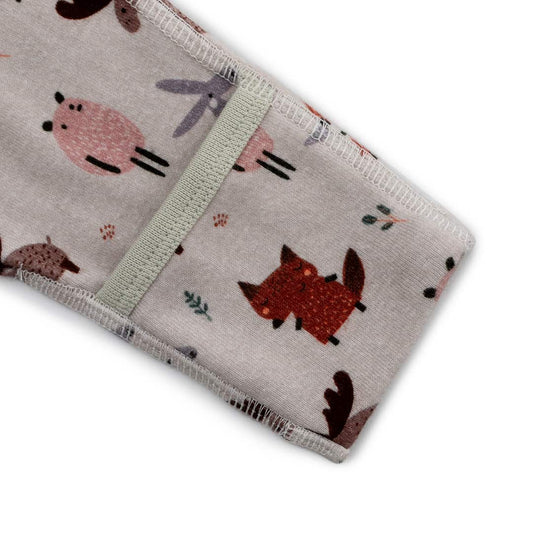
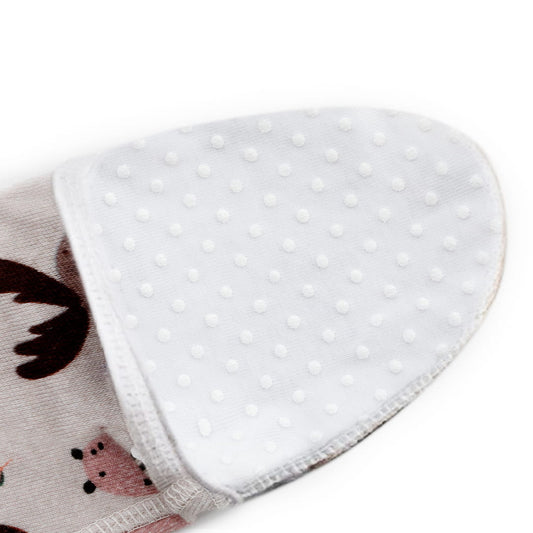
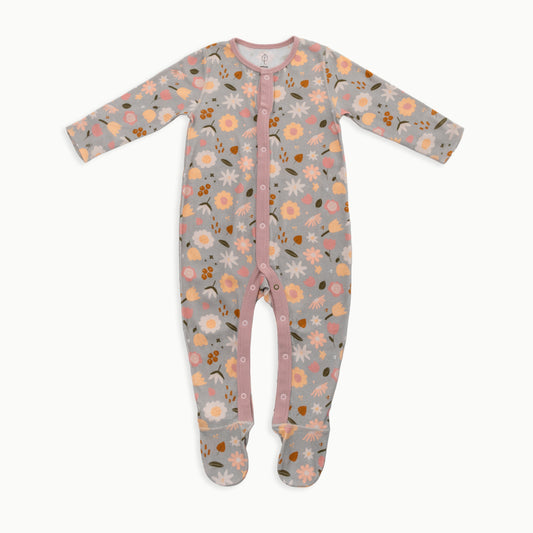
 $48.00Newborn,0-3,3-6,6-12,12-18,18-24 monthsSELECT SIZE$48.00Newborn,0-3,3-6,6-12,12-18,18-24 monthsORGANIC COTTON BABY SLEEPER, 2-PACK | WOODLAND + STRIPEDRegular price $48.00Regular priceUnit price per
 -
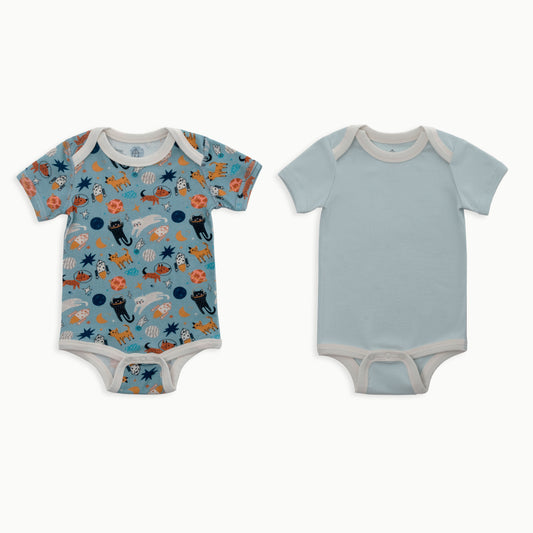
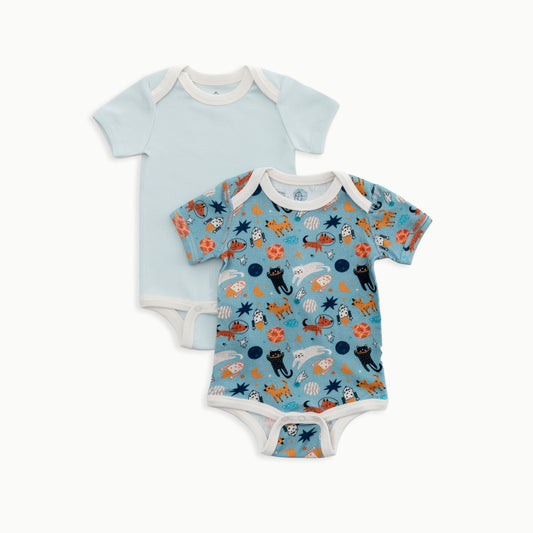
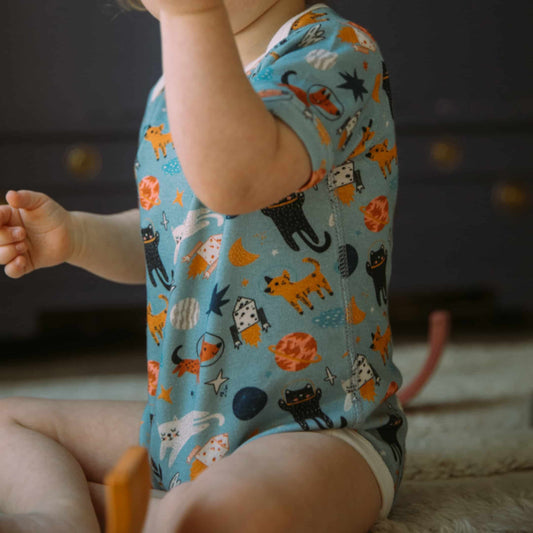
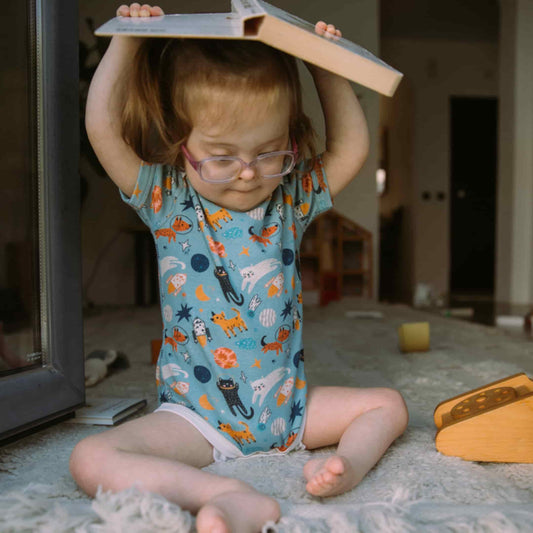
 $34.00Newborn,0-3,3-6,6-12,12-18,18-24 monthsSELECT SIZE$34.00Newborn,0-3,3-6,6-12,12-18,18-24 monthsORGANIC COTTON BABY SHORT SLEEVE BODYSUIT, 2-PACK | SPACE CATS + SOLID BLUERegular price $34.00Regular priceUnit price per
 -
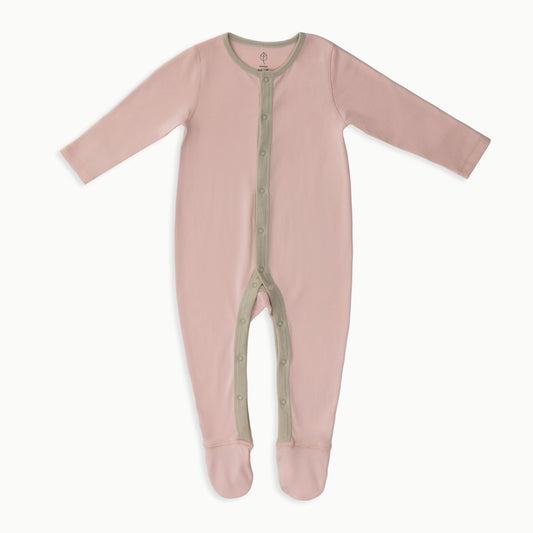
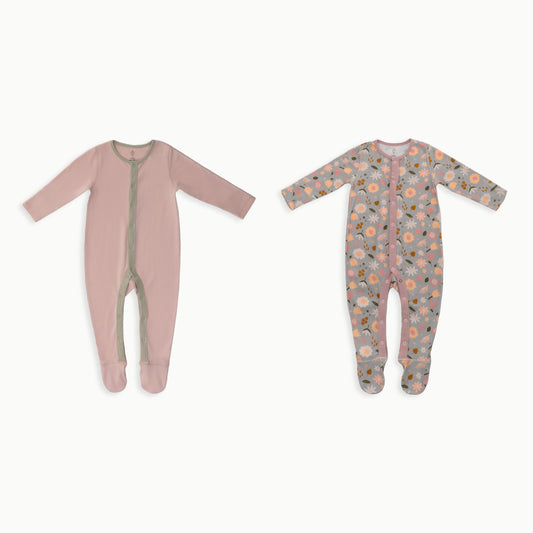
 $48.00Newborn,0-3,3-6,6-12,12-18,18-24 monthsSELECT SIZE$48.00Newborn,0-3,3-6,6-12,12-18,18-24 monthsORGANIC COTTON BABY SLEEPER, 2-PACK | FLOWERS + SOLID PINKRegular price $48.00Regular priceUnit price per
 -
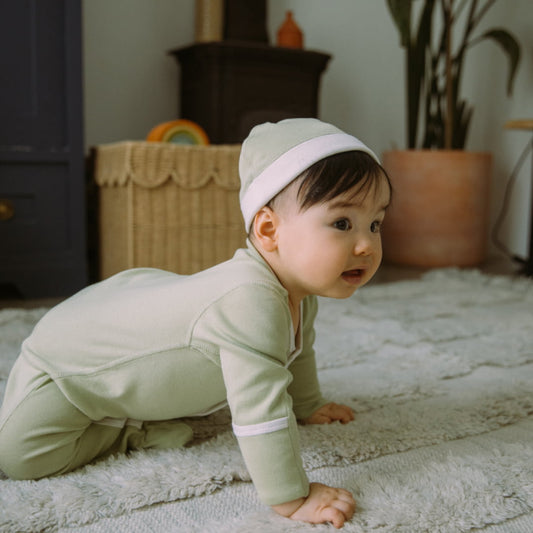
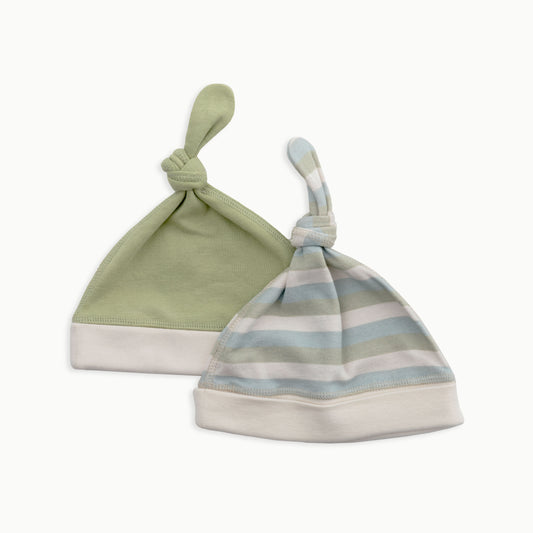
 $20.000-3,3-6 monthsSELECT SIZE$20.000-3,3-6 monthsORGANIC COTTON BABY KNOTTED HAT | STRIPED + SOLID GREENRegular price $20.00Regular priceUnit price per
A simple and reliable rule is to dress your baby in one more layer than you feel comfortable wearing in the same environment.
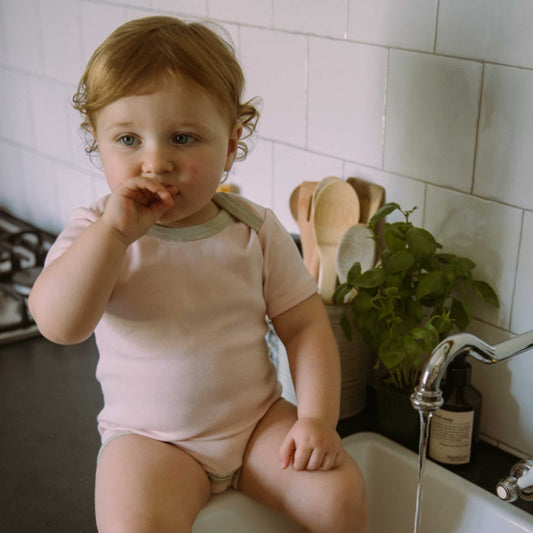
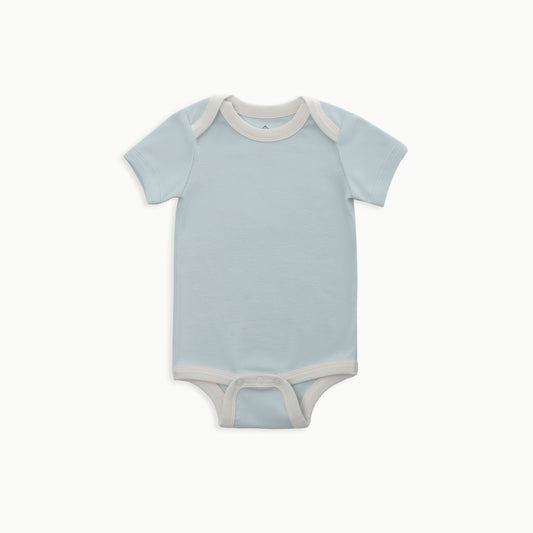
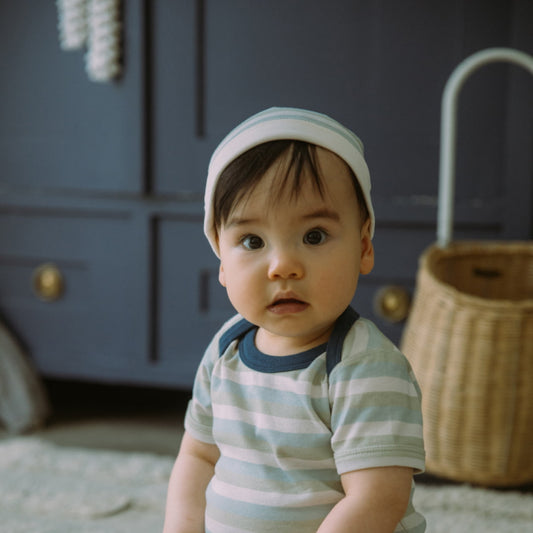
At typical indoor temperatures of 20–22°C or 68–72°F, a single short-sleeve organic cotton bodysuit is usually sufficient.
When temperatures rise above 25°C or 77°F, a diaper alone can be appropriate.
The most accurate way to check your baby’s temperature is at the back of the neck, not the hands or feet, which are often cooler due to circulation. Light-coloured fabrics also reflect heat more effectively than dark ones, which absorb solar radiation.


One of the most important safety points is that covering a pram with a blanket to create shade can significantly increase the temperature inside. Studies have shown that pram temperatures can rise by several degrees within minutes when airflow is restricted (Swedish Consumer Agency).
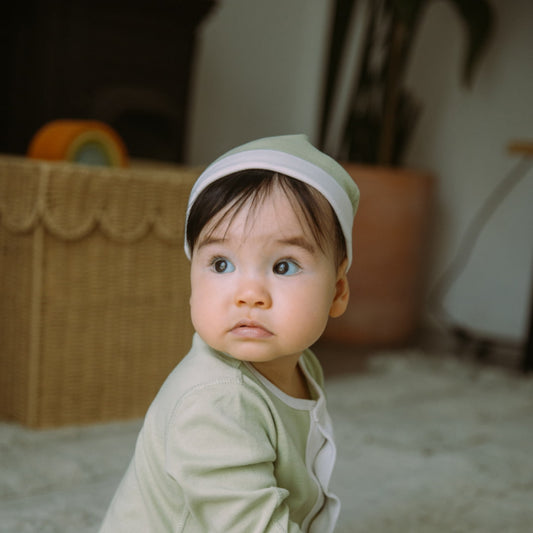
Babies under six months should not use sunscreen, so clothing becomes the primary form of protection. Lightweight long-sleeve organic cotton provides better protection than short sleeves in direct sun, and a wide-brimmed hat is essential to protect the face, neck, and ears.


Sleep is where temperature regulation matters most because babies cannot adjust their environment. Overheating during sleep has been associated with increased risk factors in infant safety research (American Academy of Pediatrics safe sleep guidelines).
TOG ratings indicate the warmth of sleepwear. In summer, a short-sleeve bodysuit paired with a lightweight sleep sack is a common and safe setup. Loose blankets should never be used for infants, as they increase both overheating and suffocation risks.
Want to go deeper on safe summer sleep? These guides cover everything you need to know.


How to Dress a Baby and Toddler in Summer
As babies grow, dressing them in summer becomes more intuitive. Older babies and toddlers can signal discomfort, which reduces uncertainty for parents. The focus shifts from strict temperature management to balancing comfort, movement, and practicality while still prioritising breathable fabrics and sun protection.
-
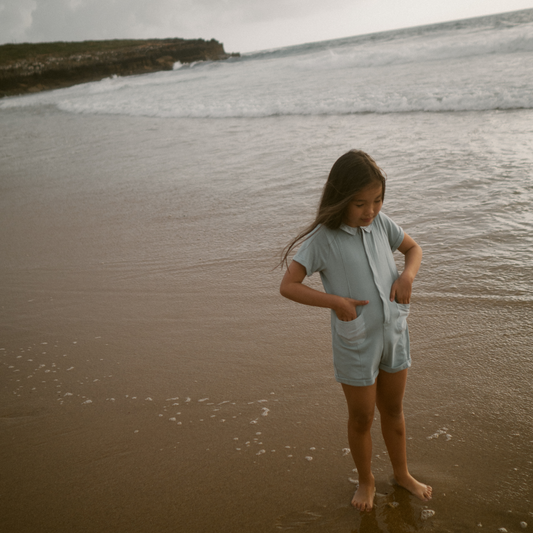
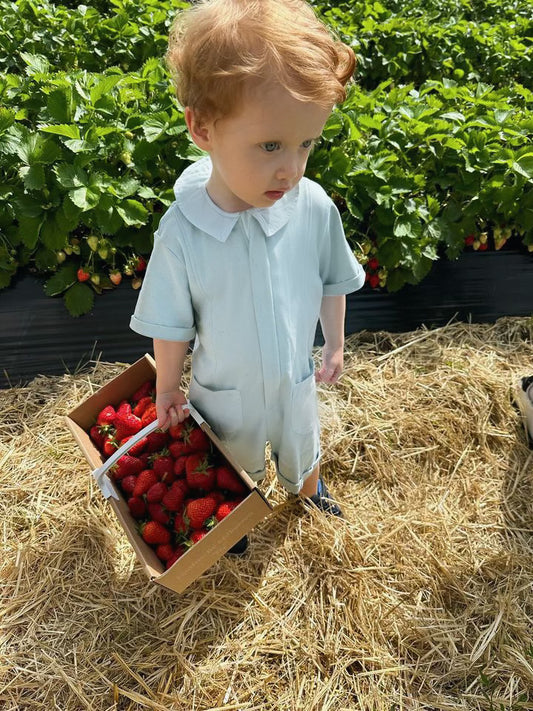
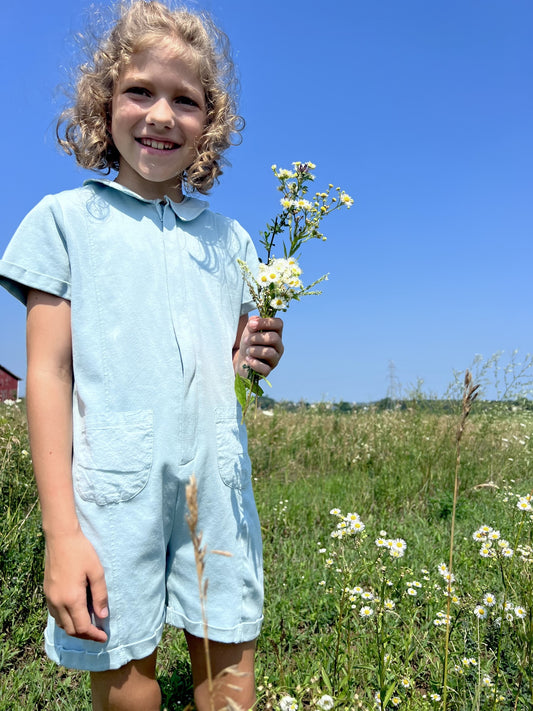
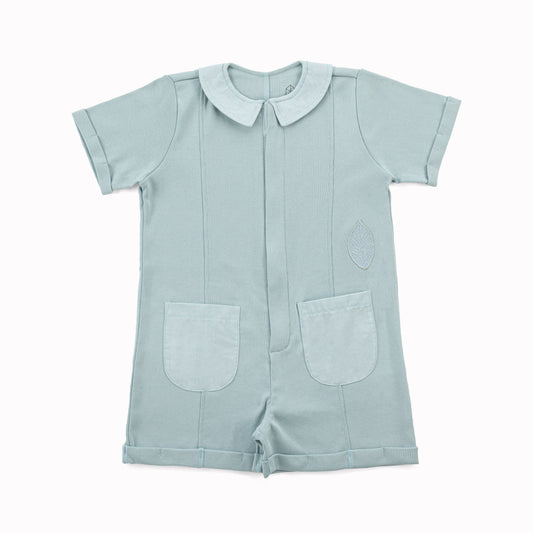
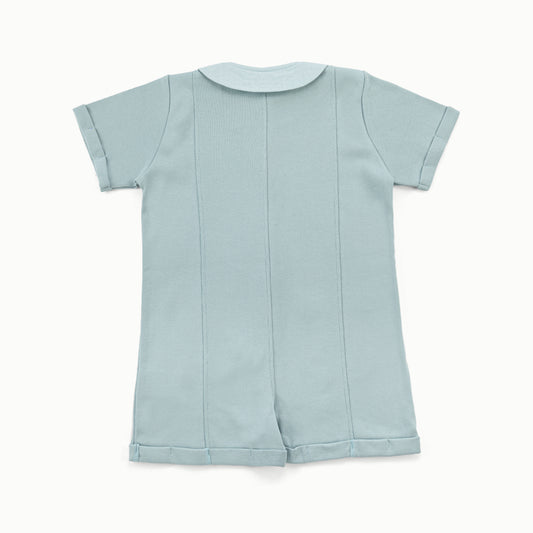
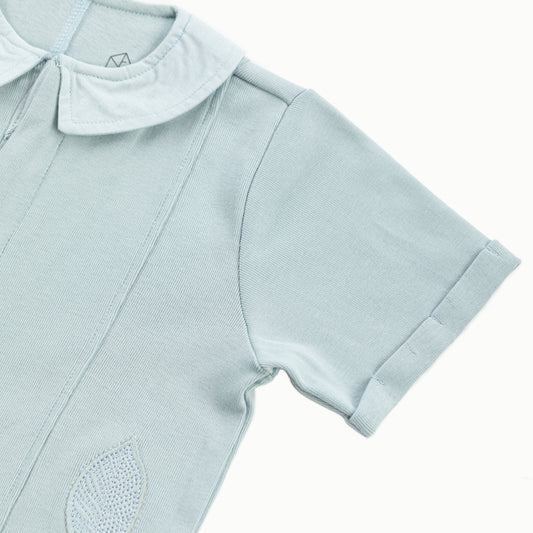 30% OFF$43.402-3,3-4,4-5,5-6,6-7,7-8,8-9,9-10 yearsSELECT SIZE$23.87
$43.402-3,3-4,4-5,5-6,6-7,7-8,8-9,9-10 yearsORGANIC COTTON BIRCH ROMPER IN SLEEPY BLUERegular price $43.40Regular priceUnit price per$62.00Sale price $43.40 -
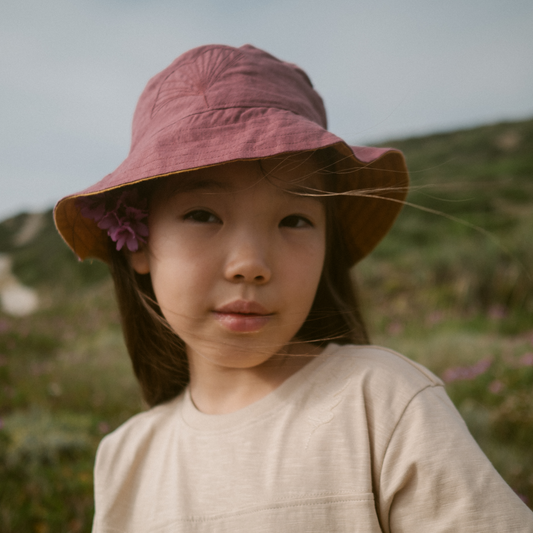
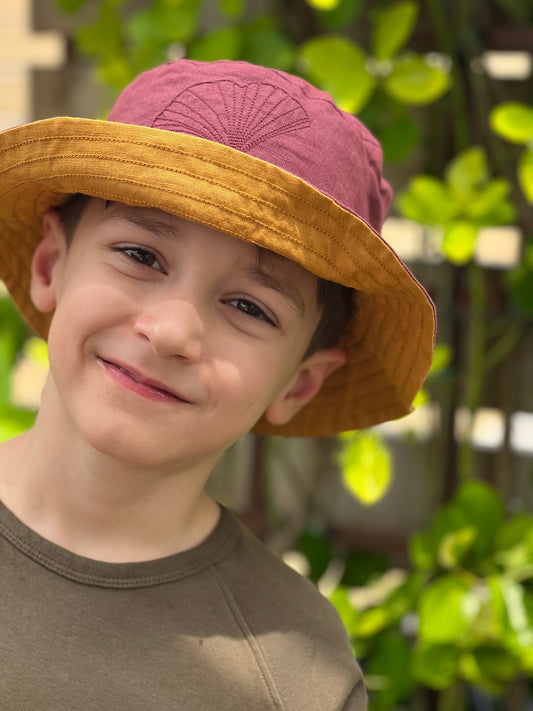
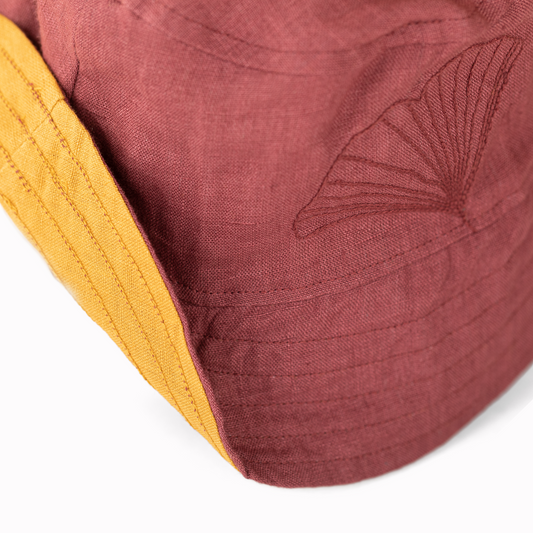
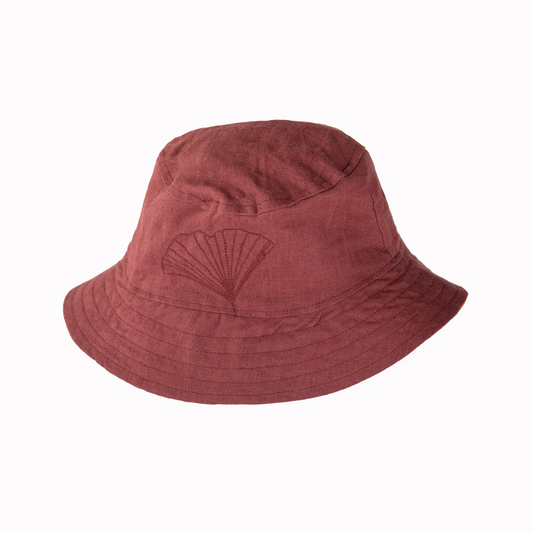
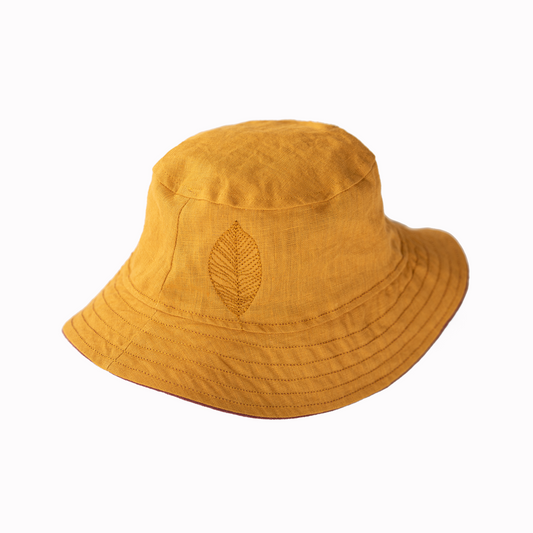
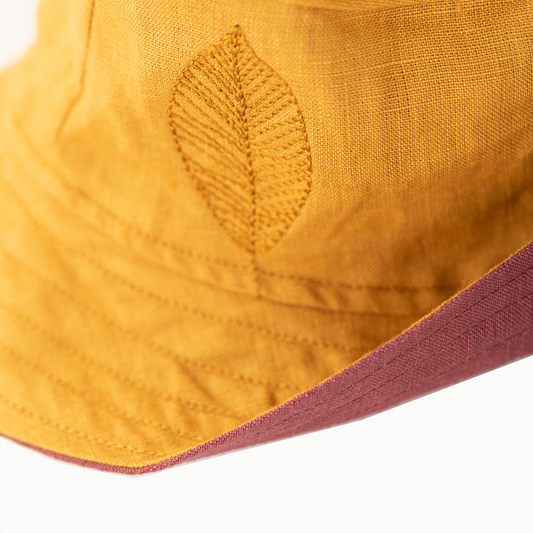
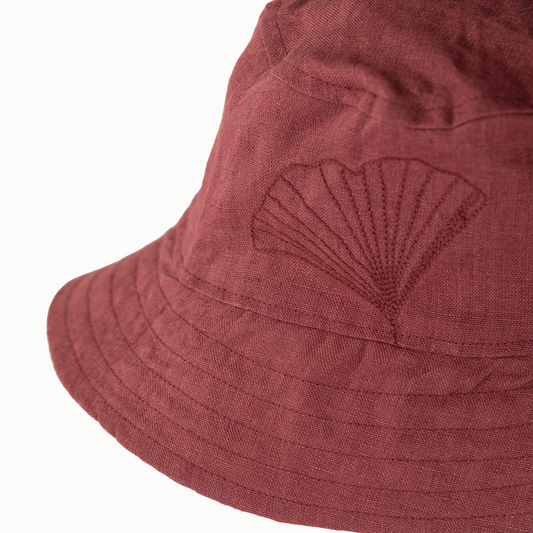
 $29.00S,M,LSELECT SIZE$29.00S,M,LLINEN THREE-LEAF BUCKET HATRegular price $29.00Regular priceUnit price per
$29.00Sale price $29.00 -
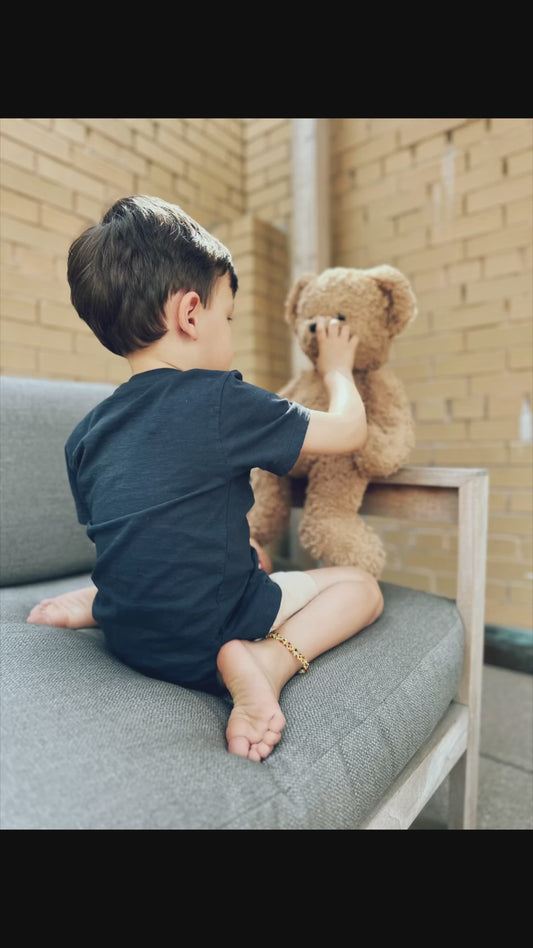
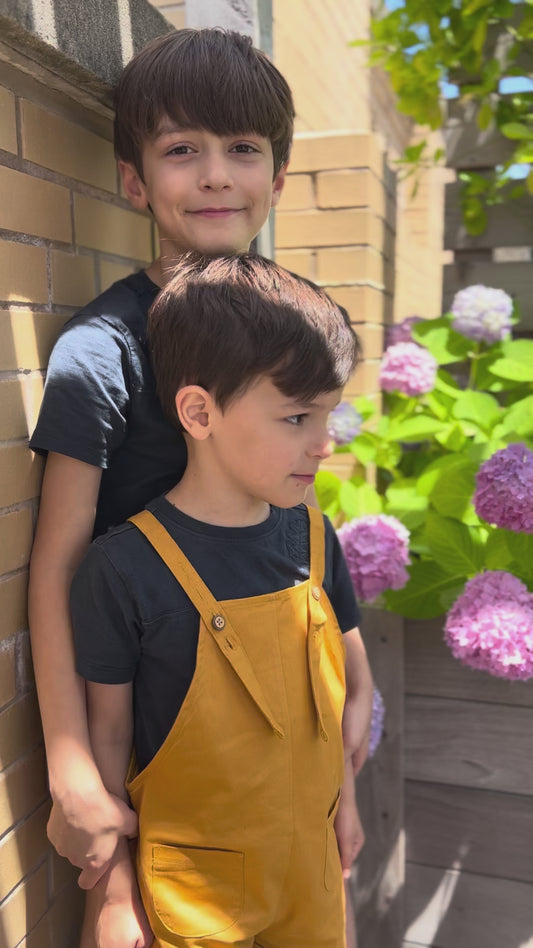
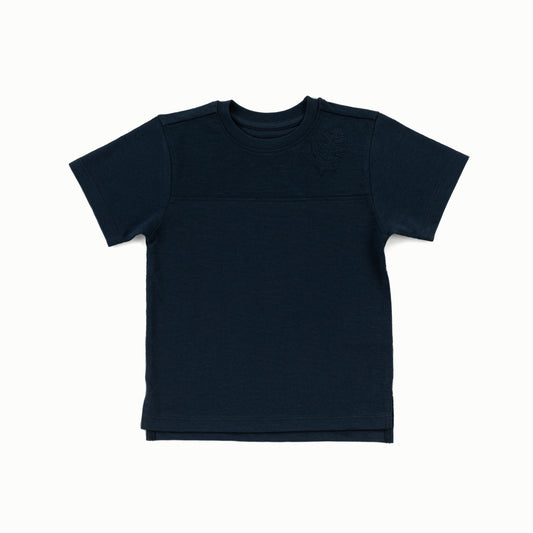
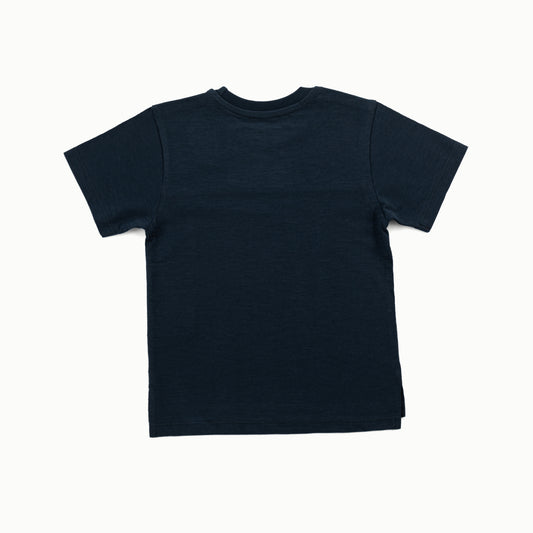
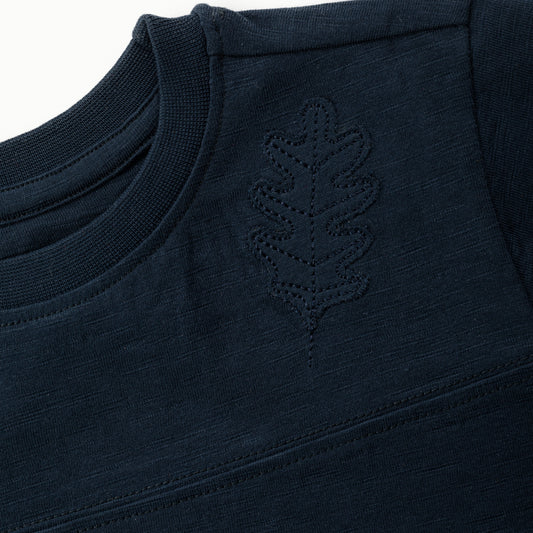
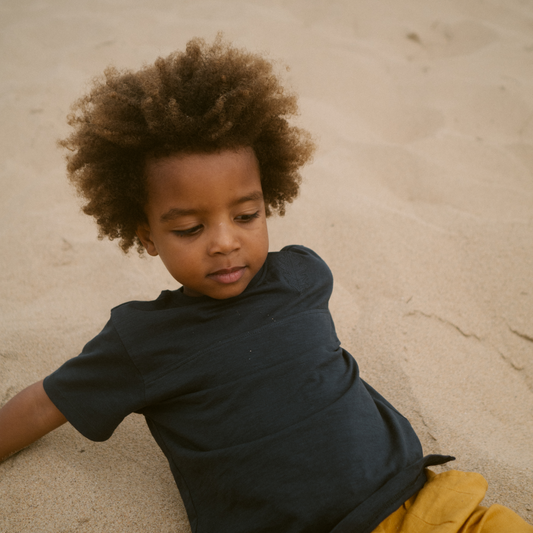 $34.002-3,3-4,4-5,5-6,6-7,7-8,8-9,9-10 yearsSELECT SIZE$22.10
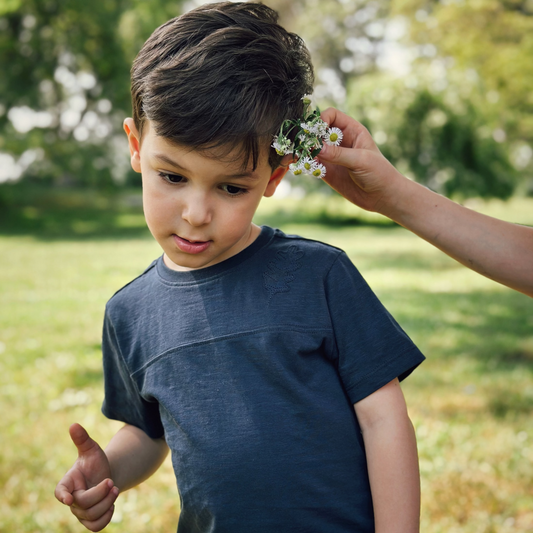
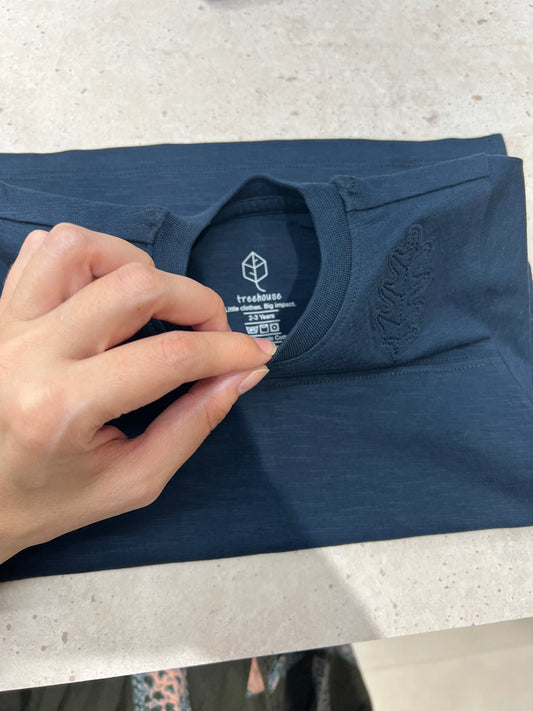
$34.002-3,3-4,4-5,5-6,6-7,7-8,8-9,9-10 yearsORGANIC COTTON OAK TEE IN NAVALRegular price $34.00Regular priceUnit price per$34.00Sale price $34.00 -
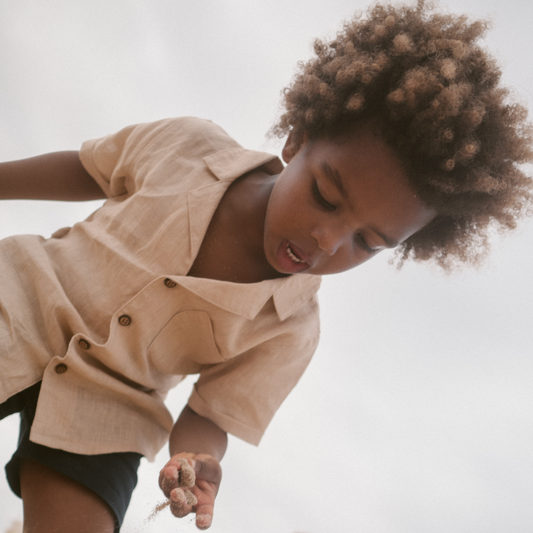
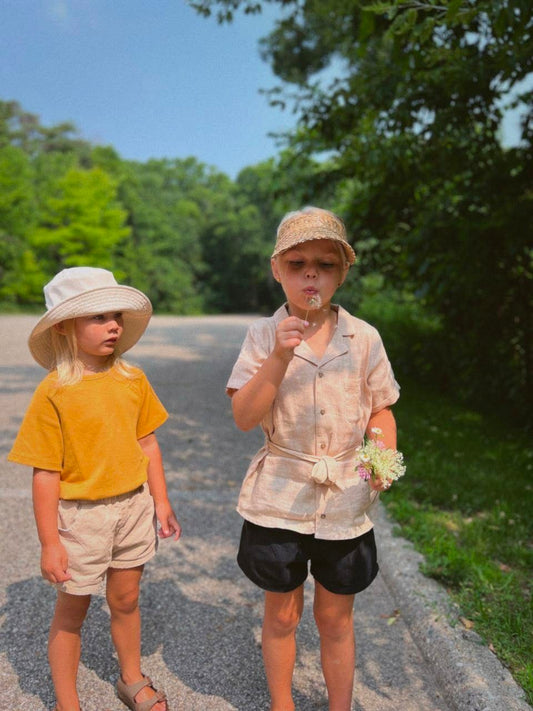
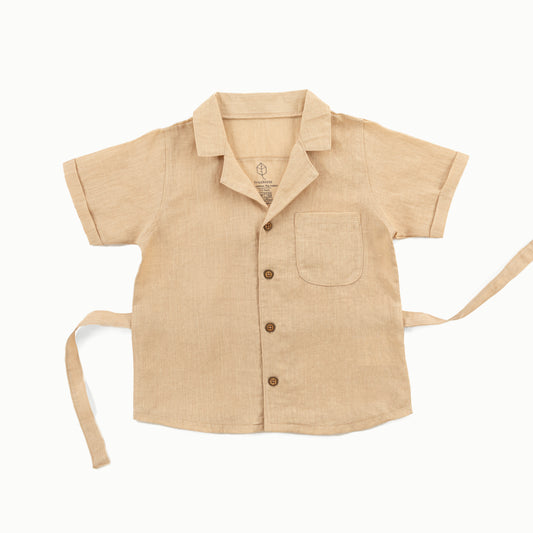
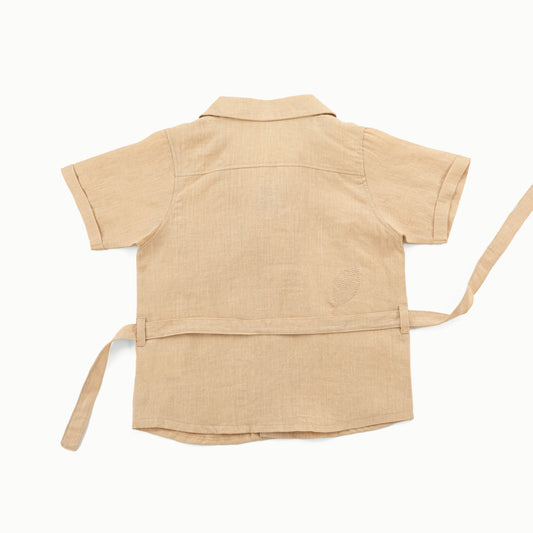
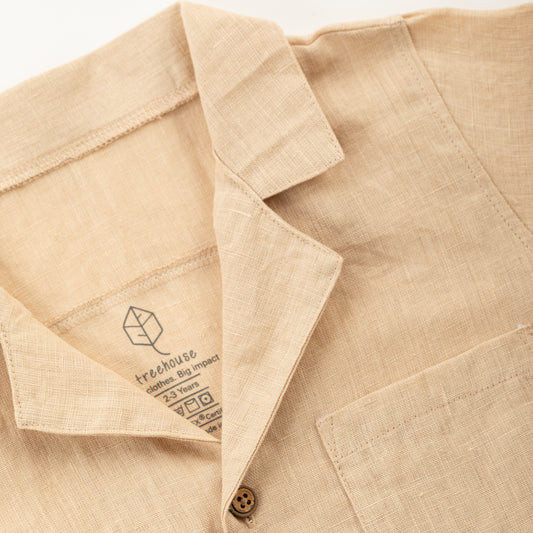
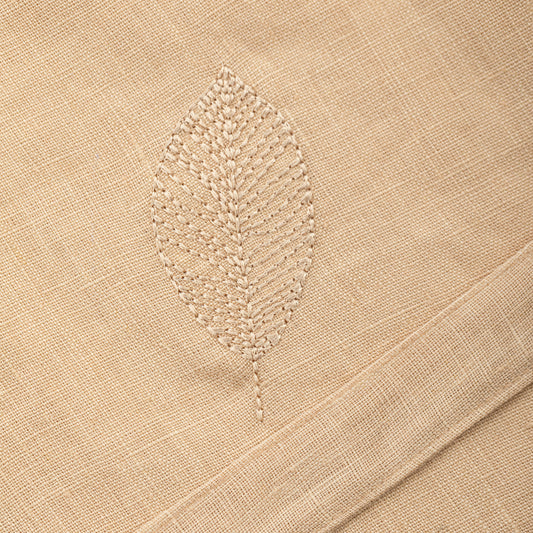 $45.002-3,3-4,4-5,5-6,6-7,7-8,8-9,9-10 yearsSELECT SIZE$29.25
$45.002-3,3-4,4-5,5-6,6-7,7-8,8-9,9-10 yearsLINEN BIRCH SHIRT IN SANDRegular price $45.00Regular priceUnit price per$45.00Sale price $45.00 -
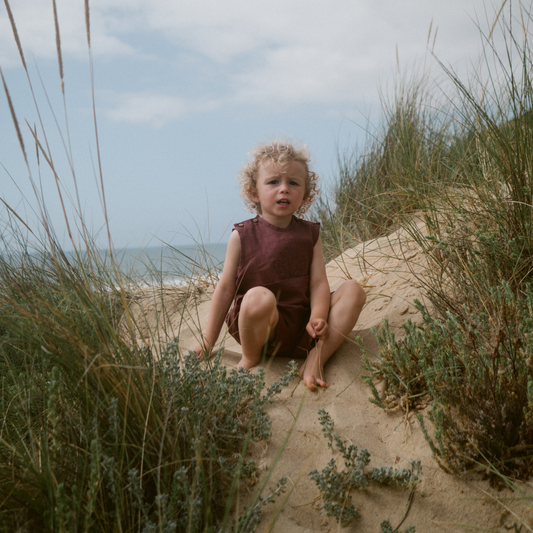
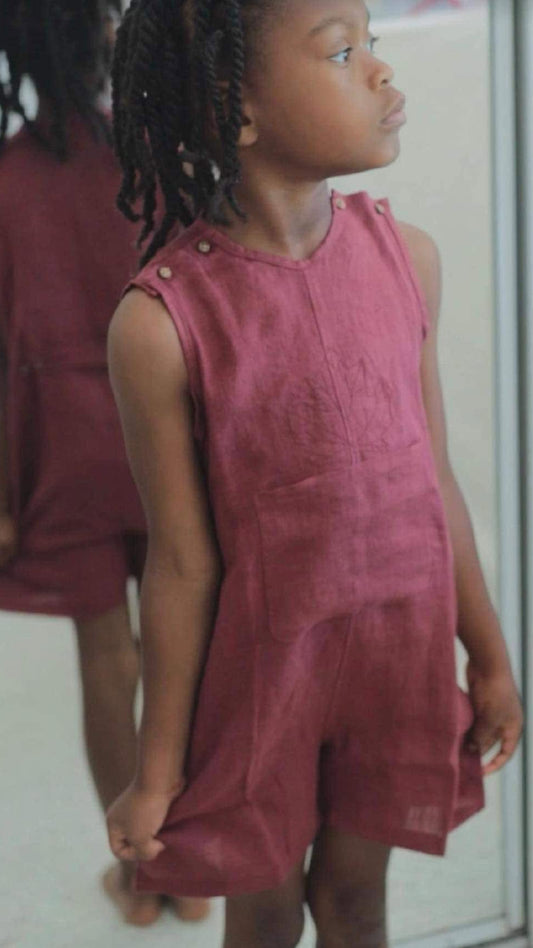
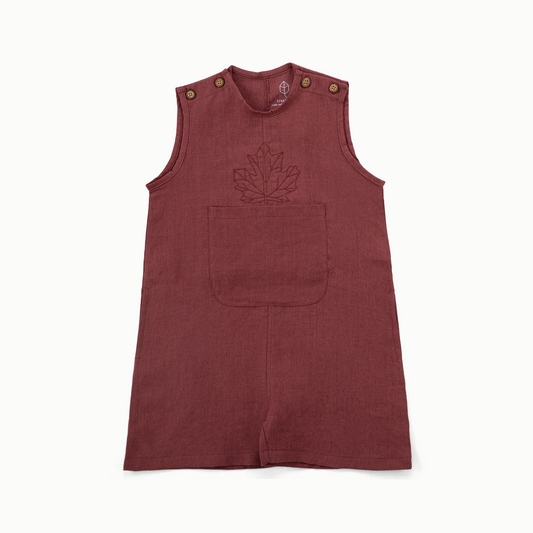
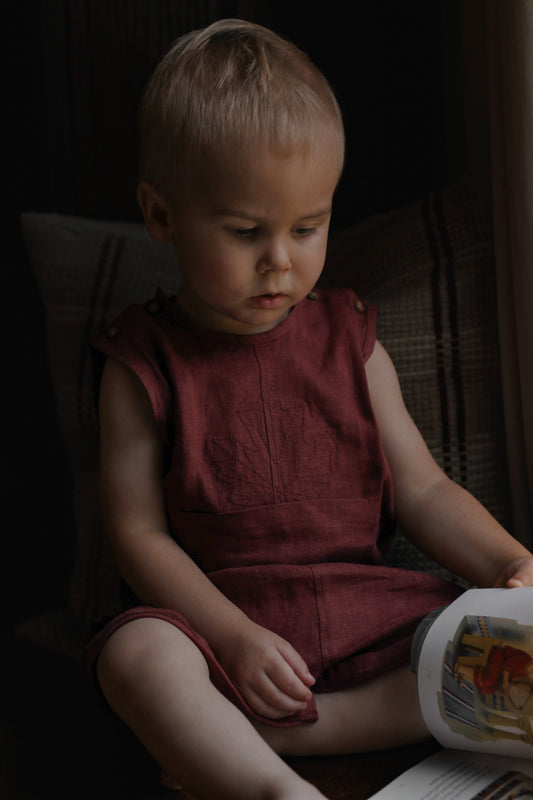
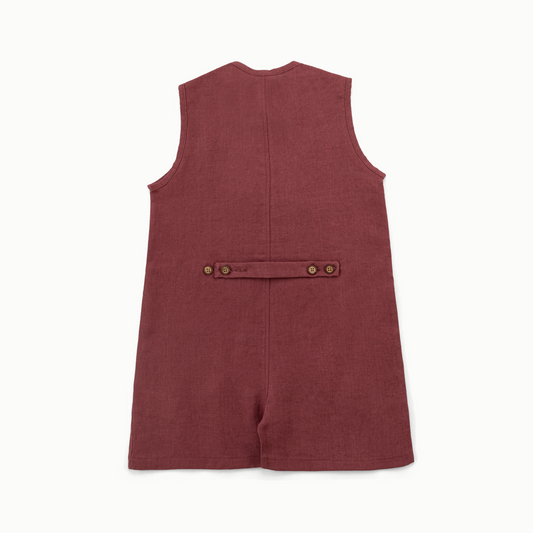
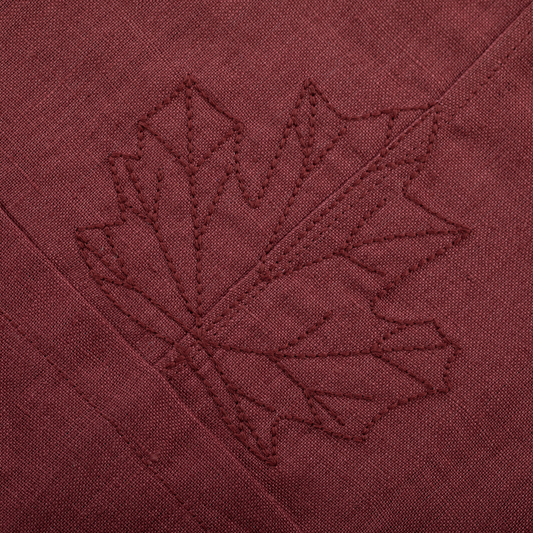
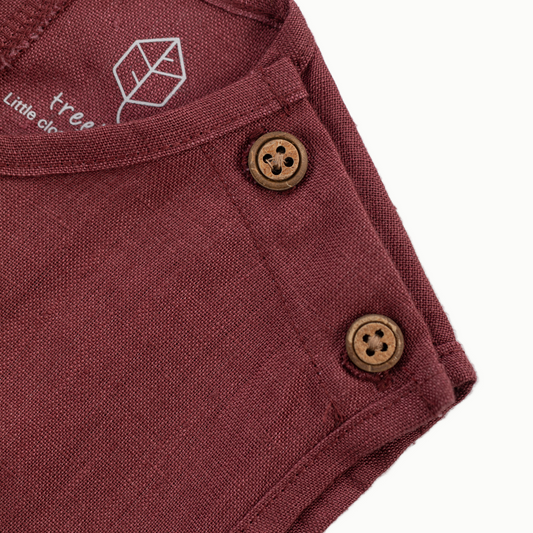 30% OFF$49.002-3,3-4,4-5,5-6,6-7,7-8,8-9,9-10 yearsSELECT SIZE$26.95
$49.002-3,3-4,4-5,5-6,6-7,7-8,8-9,9-10 yearsMAPLE ROMPER IN CANYON CLAYRegular price $49.00Regular priceUnit price per$70.00Sale price $49.00 -
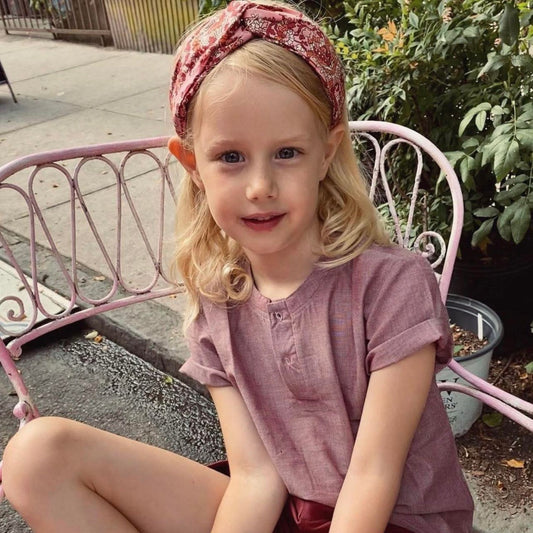
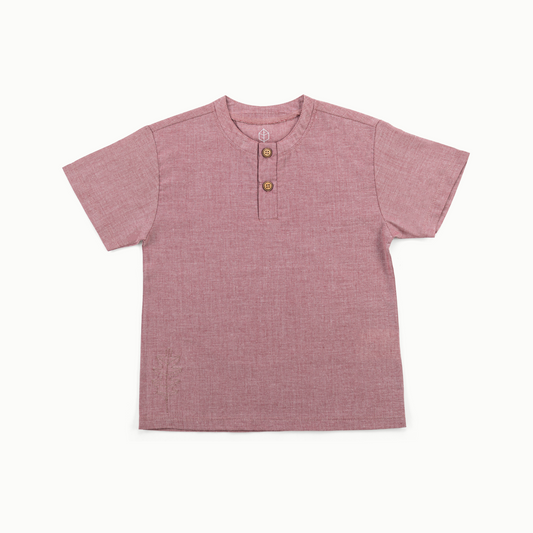
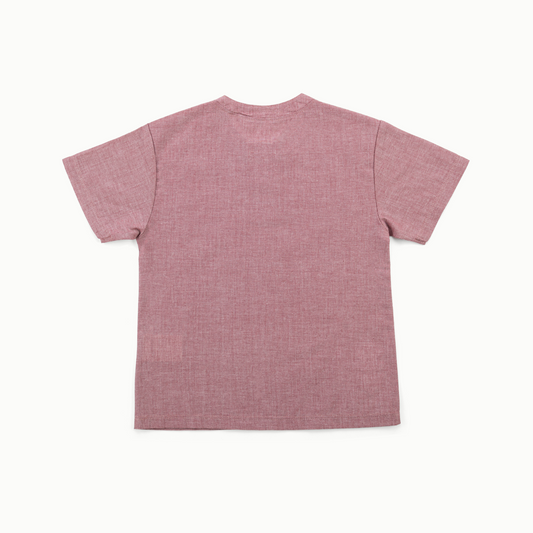
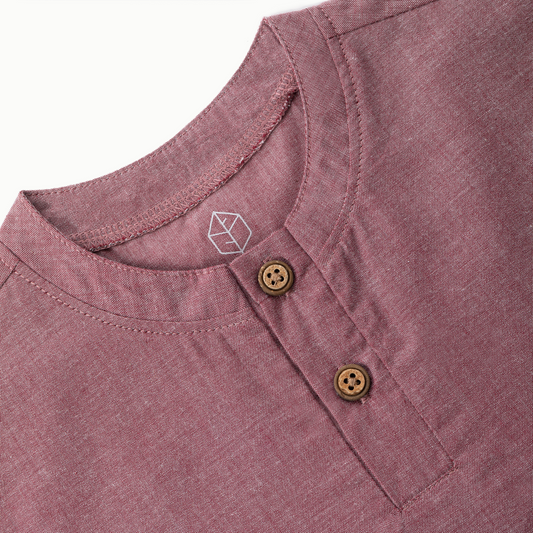
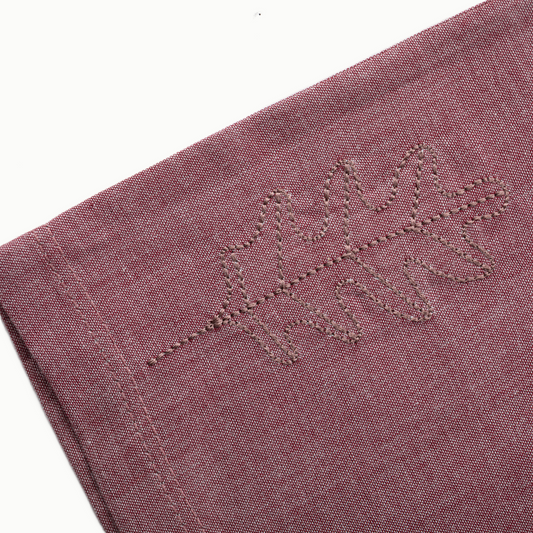
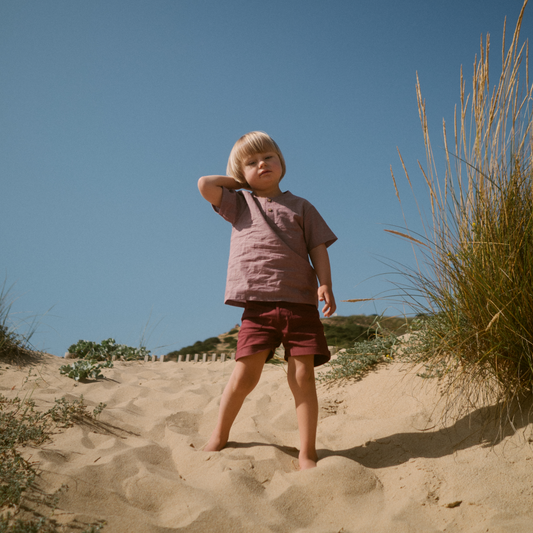
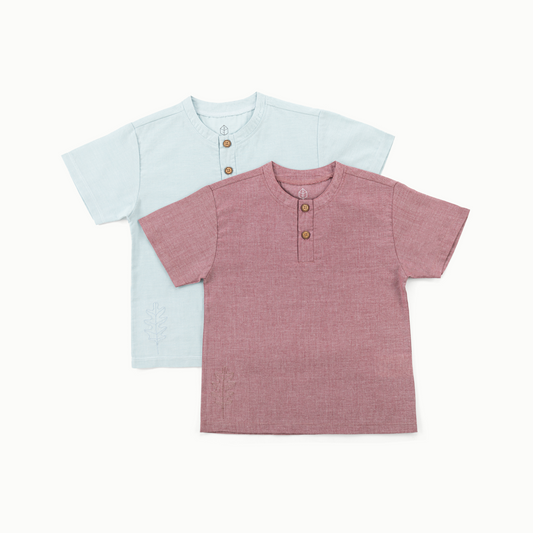 $34.002-3,3-4,4-5,5-6,6-7,7-8,8-9,9-10 yearsSELECT SIZE$22.10
$34.002-3,3-4,4-5,5-6,6-7,7-8,8-9,9-10 yearsORGANIC COTTON OAK HENLEY TEE IN CANYON CLAYRegular price $34.00Regular priceUnit price per$34.00Sale price $34.00
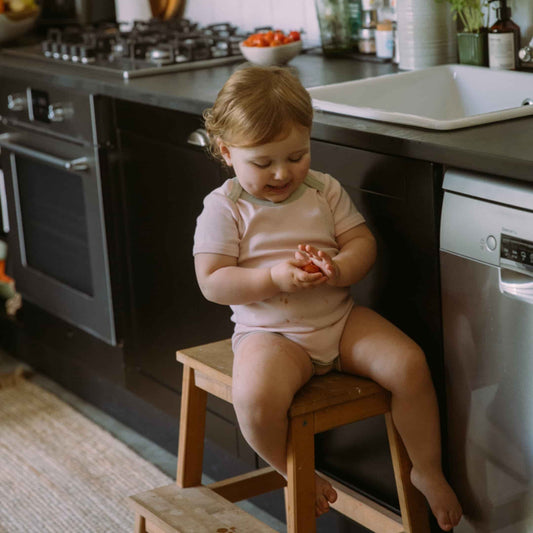
As babies become more active, two-piece outfits become more practical for both mobility and changing. Indoors, lightweight organic cotton remains one of the most reliable options due to its breathability and moisture absorption. Outdoors, the same principles apply. Protect from direct sun, avoid overheating, and choose loose-fitting clothing that allows air circulation. Rompers and bodysuits provide simple, effective options for everyday wear.

For toddlers and older children, a combination of lightweight shorts and breathable t-shirts becomes the default summer uniform. Natural fibers such as organic cotton and linen allow better air circulation than synthetic fabrics, which tend to trap heat. Always carry a light layer for air-conditioned spaces, which can be significantly cooler than outdoor temperatures.
From six months onward, mineral sunscreen can be applied to exposed skin, alongside protective clothing. Involving children in choosing their outfits also helps them develop awareness of comfort and temperature.


Why Fabric Matters in a Summer Capsule Wardrobe
Fabric choice has a direct impact on how the body manages heat. Breathability, moisture absorption, and airflow become more important than durability or aesthetics in warm weather. Research shows that synthetic fabrics can increase skin temperature and reduce evaporative cooling compared to natural fibres (textile thermophysiology studies). The same fabrics recommended for non-toxic clothing are also the ones that perform best in summer.
These fabrics allow heat to dissipate and moisture to evaporate, which helps regulate body temperature.
Organic cotton is one of the most effective summer fabrics due to its breathability and ability to absorb moisture. Cotton can absorb up to 25 times its weight in water without feeling wet, which helps keep skin dry (Cotton Incorporated).
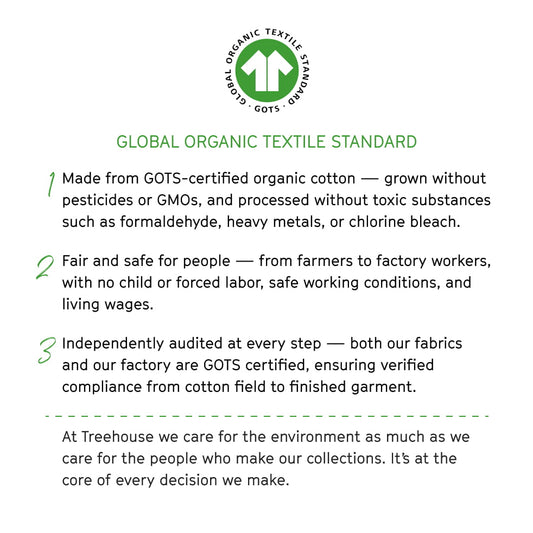
GOTS certification ensures that both the farming and processing stages meet strict standards, reducing exposure to residual chemicals. This becomes particularly important in summer, when heat and sweat can increase skin sensitivity.


Linen is one of the best-performing hot-weather fabrics due to its hollow fibre structure, which promotes airflow. It can absorb up to 20 percent of its weight in moisture before feeling damp and dries quickly (European Confederation of Linen and Hemp). Linen also becomes softer over time, making it increasingly comfortable with wear. Despite its performance, it remains underused in children’s clothing.
-
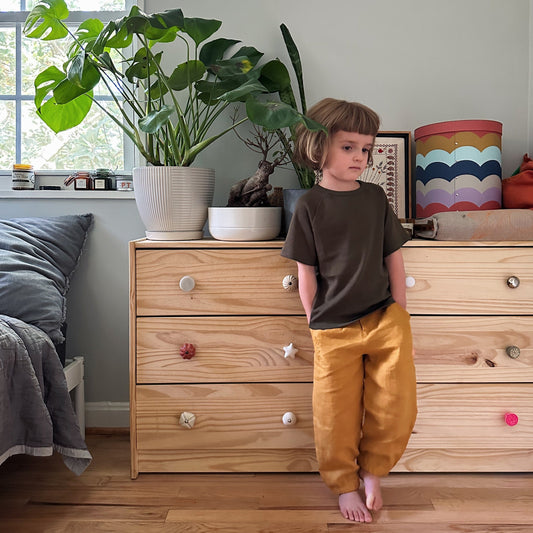
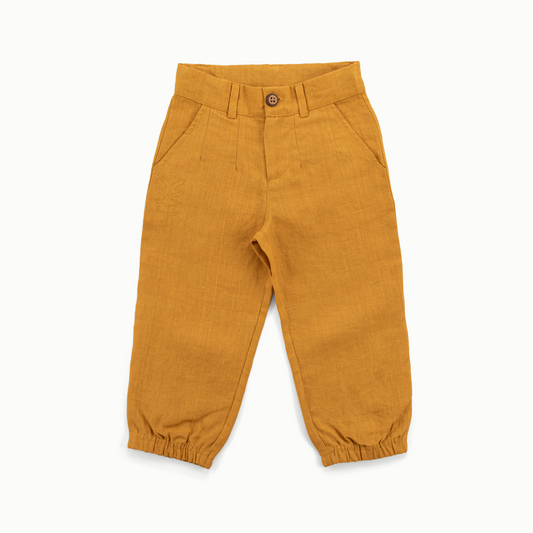
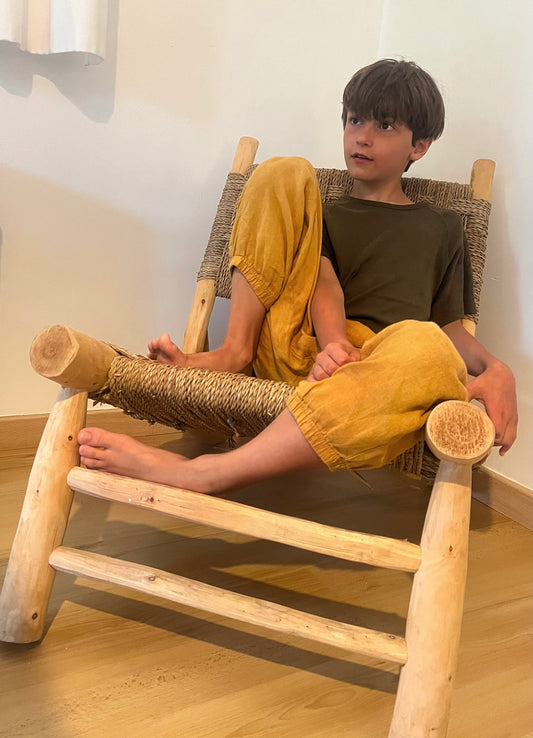
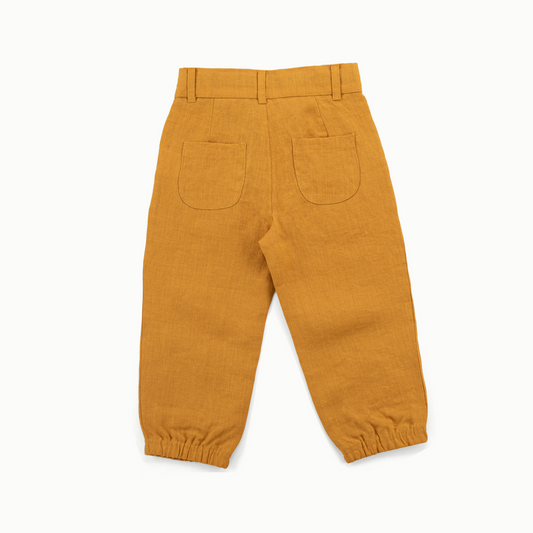
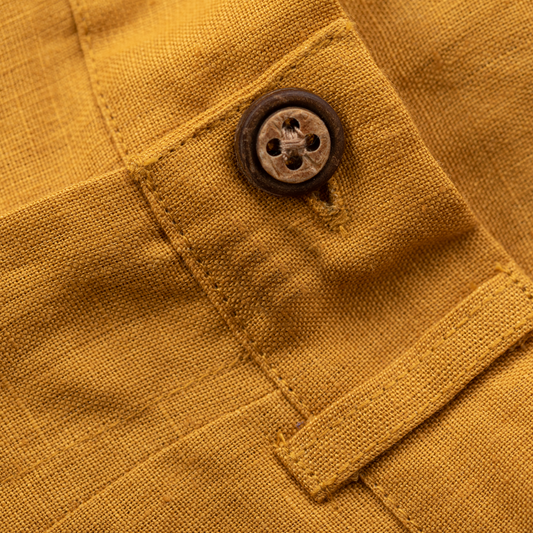
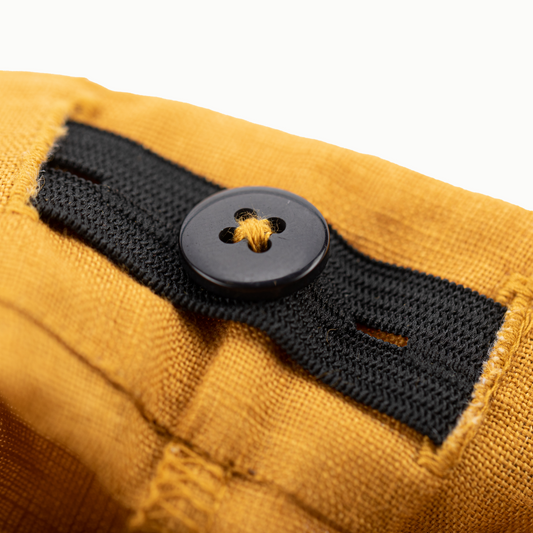
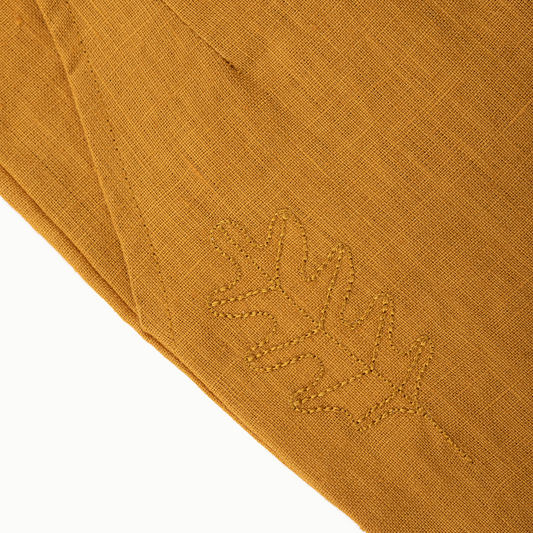
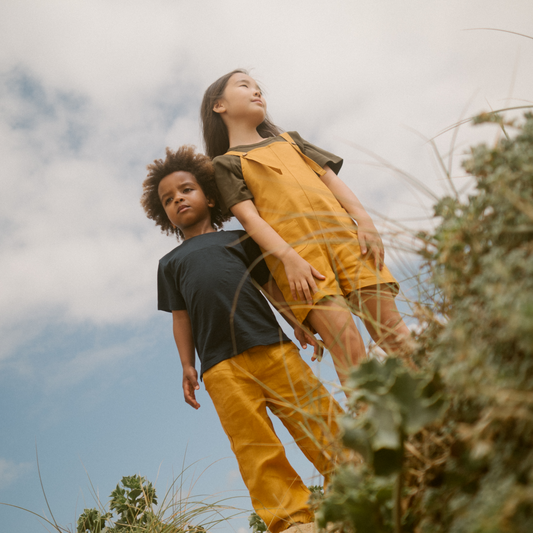 $52.002-3,3-4,4-5,5-6,6-7,7-8,8-9,9-10 yearsSELECT SIZE$52.002-3,3-4,4-5,5-6,6-7,7-8,8-9,9-10 yearsLINEN OAK PANT IN TASSELRegular price $52.00Regular priceUnit price per
$52.00Sale price $52.00 -
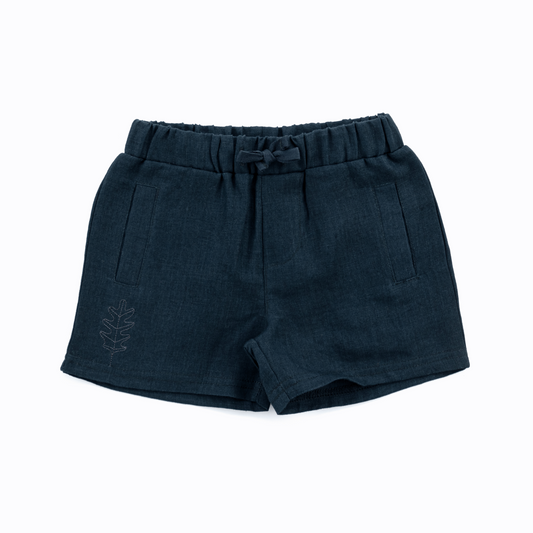
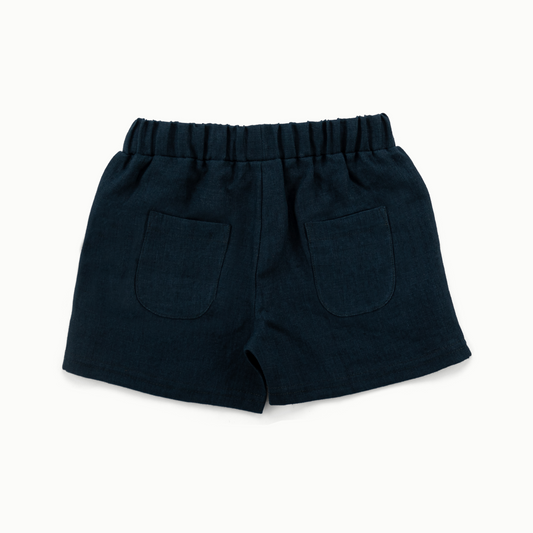
 $45.002-3,3-4,4-5,5-6,6-7,7-8,8-9,9-10 yearsSELECT SIZE$29.25
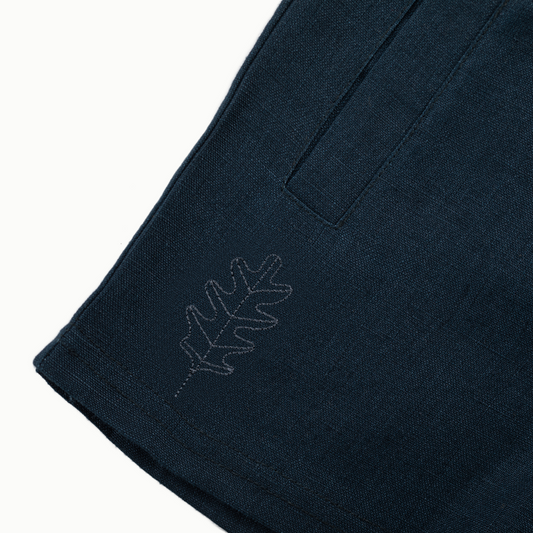
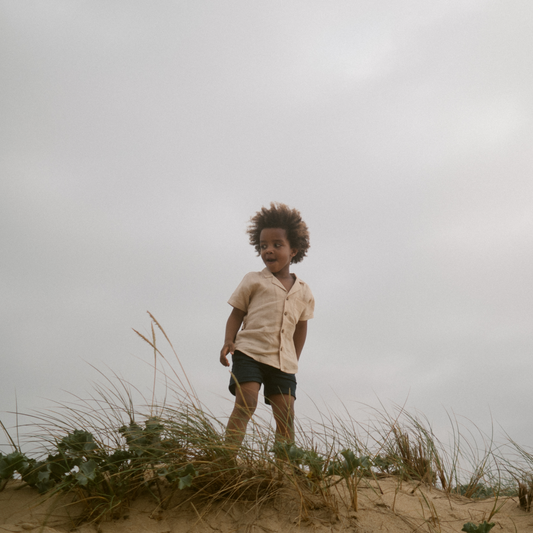
$45.002-3,3-4,4-5,5-6,6-7,7-8,8-9,9-10 yearsLINEN OAK SHORT IN NAVALRegular price $45.00Regular priceUnit price per$45.00Sale price $45.00 -
30% OFF$49.002-3,3-4,4-5,5-6,6-7,7-8,8-9,9-10 yearsSELECT SIZE$26.95
$49.002-3,3-4,4-5,5-6,6-7,7-8,8-9,9-10 yearsMAPLE ROMPER IN CANYON CLAYRegular price $49.00Regular priceUnit price per$70.00Sale price $49.00 -
$45.002-3,3-4,4-5,5-6,6-7,7-8,8-9,9-10 yearsSELECT SIZE$29.25
$45.002-3,3-4,4-5,5-6,6-7,7-8,8-9,9-10 yearsLINEN BIRCH SHIRT IN SANDRegular price $45.00Regular priceUnit price per$45.00Sale price $45.00 -
$29.00S,M,LSELECT SIZE$29.00S,M,LLINEN THREE-LEAF BUCKET HATRegular price $29.00Regular priceUnit price per
$29.00Sale price $29.00
Muslin is a lightweight, open-weave gauze like cotton fabric that allows maximum airflow. Its structure makes it particularly suitable for newborns and young babies in hot climates. It also softens with repeated washing, improving comfort over time.
Bamboo viscose is often marketed as breathable and cooling, but the manufacturing process converts the plant into a regenerated fibre using chemical solvents. This process removes many of the original properties associated with bamboo. Similarly, garments labelled as “organic cotton” may still contain significant amounts of synthetic fibres. Always check the full fiber composition and look for the GOTS symbol, rather than relying on front-label claims.


Synthetic fabrics such as polyester and nylon trap heat and reduce airflow, which can increase sweating and discomfort. Studies have shown that polyester fabrics retain more heat and moisture compared to cotton, which contributes to heat rash and irritation. Children playing outdoors in these materials are significantly more likely to overheat than those wearing breathable natural fibers. This is not about eliminating everything immediately, but about prioritising better choices for everyday wear over time.


Summer Clothing for Kids with Sensitive Skin
If your child’s skin tends to flare in summer, heat and moisture are usually the main triggers. Sweat combined with friction from clothing can weaken the skin barrier and increase irritation. Synthetic fabrics can worsen this by trapping moisture against the skin.
The most effective approach is to reduce heat, friction, and chemical exposure. Lightweight GOTS-certified organic cotton in single-jersey or muslin form allows the skin to breathe. Linen can also work well once softened.


Choose loose-fitting clothing with minimal seams, and prioritise undyed or naturally dyed fabrics where possible. Changing clothes more frequently after sweating can significantly reduce irritation.
Synthetic dyes and fabrics can become more irritating in summer, as heat opens pores and increases skin sensitivity.


More Helpful Guides for New Parents
If you want to go deeper, these guides will help you build a more intentional wardrobe:


