



What is Linen?
Linen is a natural fiber made from the stalks of the flax plant. It is one of the oldest textiles in the world, with evidence of linen production dating back over 30,000 years. It is also one of the strongest natural fibers, estimated to be up to 30 percent stronger than cotton, which contributes to its durability and long lifespan. The structure of linen fibres is unique. Each fibre is naturally hollow, allowing air to circulate more freely compared to many other fabrics.


Linen can absorb up to 20 percent of its weight in moisture before feeling damp, which supports its ability to regulate temperature and keep skin dry. These structural properties are what give linen its characteristic breathability and make it particularly effective in warm conditions.
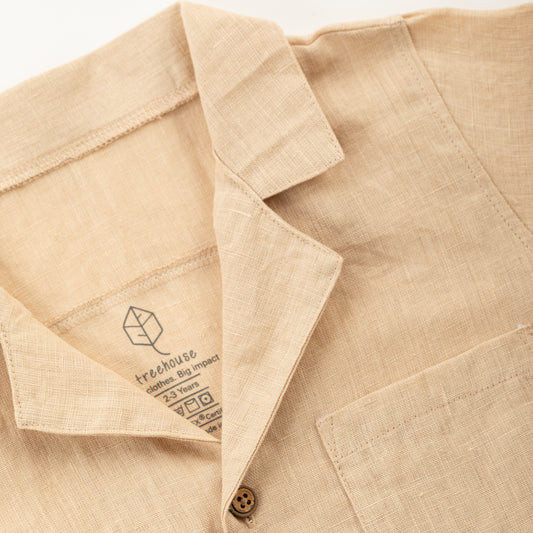
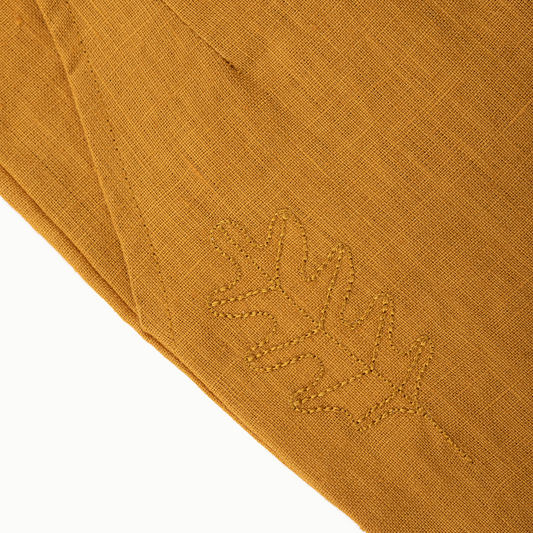
Linen has a distinct texture when new. It can feel slightly structured at first, which often surprises parents who are used to softer cotton fabrics. However, high-quality linen softens significantly with washing and wear. Over time, it adapts to the body and becomes more comfortable without losing its strength. This combination of structure and softness is what makes linen particularly suitable for children’s clothing.
Benefits of Linen Clothing for Kids' Skin and Comfort
Linen performs particularly well for everyday wear, especially for active children, because of how it manages heat, moisture, and movement.
The hollow structure of flax fibers allows air to move freely through the fabric. This helps regulate body temperature and keeps children cooler in warm conditions. Linen can absorb up to 20 percent of its weight in moisture before feeling damp, which helps keep skin dry during play. This is particularly important for preventing heat rash in babies and toddlers, who are more prone to overheating.
Linen is naturally hypoallergenic and less likely to irritate sensitive skin. It does not trap heat and moisture in the same way synthetic fabrics do, which can help reduce flare-ups in children with eczema or easily irritated skin. This makes it a strong option for parents asking whether linen is good for babies and young children.
Linen is one of the strongest natural fibers available, with tensile strength estimated to be up to 30 percent higher than cotton. Unlike many other fibers, linen becomes stronger when wet rather than weaker, which is why it performs particularly well under repeated washing. It also has low elasticity, meaning it resists stretching and helps garments maintain their shape over time. These properties make linen highly resistant to wear, friction, and frequent laundering. For children’s clothing, this translates into garments that can handle regular washing cycles, outdoor play, and repeated use without breaking down, thinning, or losing structure as quickly as softer, less durable fabrics.
Check more about the benefits and durability of linen.


How to Choose High-Quality Linen
Knowing how to choose linen clothes for kids comes down to a few key technical details.
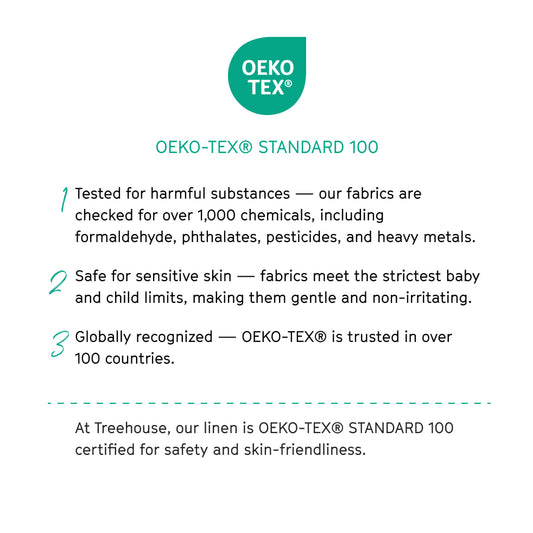
Linen typically requires fewer pesticides and less intensive chemical processing than cotton, as flax is naturally resilient and often mechanically processed. Because of this lower baseline, certifications like OEKO-TEX Standard 100 are often sufficient to ensure the final fabric is free from harmful substances, particularly in dyes and finishes.
Look for OEKO-TEX Standard 100 certification. This ensures that the fabric has been tested for harmful substances and is safe for direct contact with skin, which is especially important for children.
Fabric weight is another important factor. Medium-weight linen, typically around 150 to 170 GSM, provides the best balance between durability and breathability.

Always check that the garment is made from 100 percent linen. Blends with synthetic fibres reduce breathability and moisture-wicking performance, which are two of linen’s main benefits.
Explore our OEKO-tex certified kids linen clothes
-
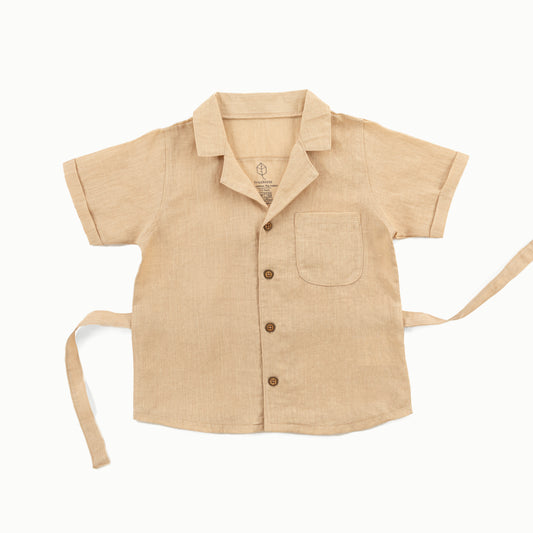
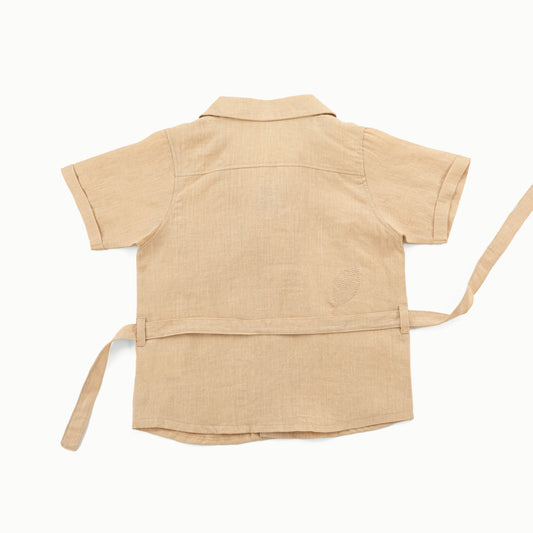
 $45.002-3,3-4,4-5,5-6,6-7,7-8,8-9,9-10 yearsSELECT SIZE$29.25
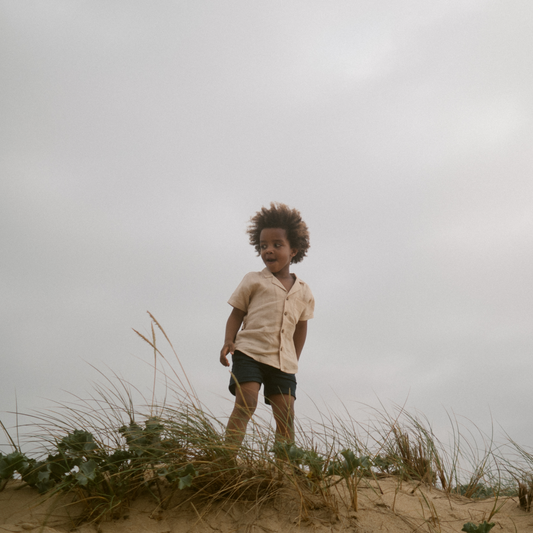
$45.002-3,3-4,4-5,5-6,6-7,7-8,8-9,9-10 yearsLINEN BIRCH SHIRT IN SANDRegular price $45.00Regular priceUnit price per$45.00Sale price $45.00 -
 30% OFF$49.002-3,3-4,4-5,5-6,6-7,7-8,8-9,9-10 yearsSELECT SIZE$26.95
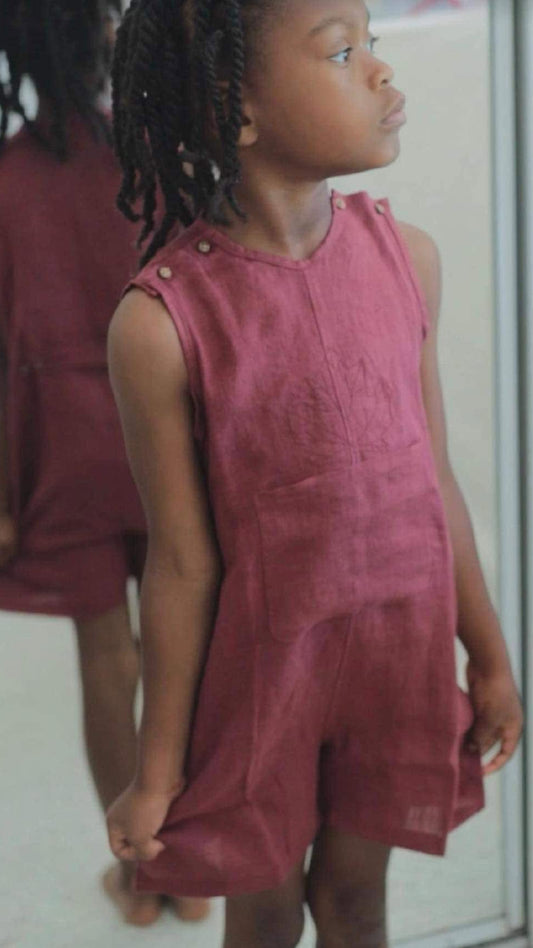
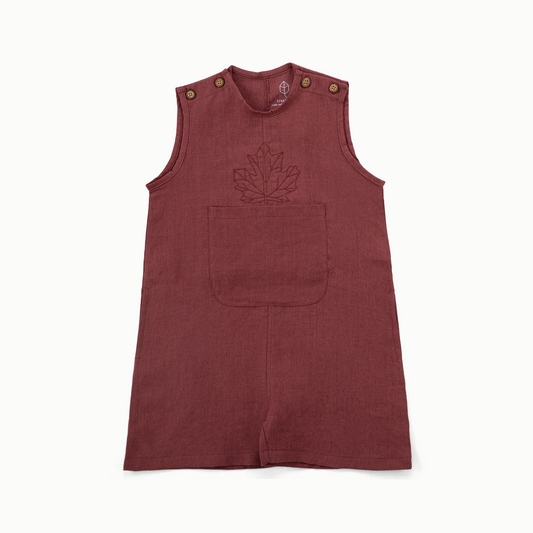
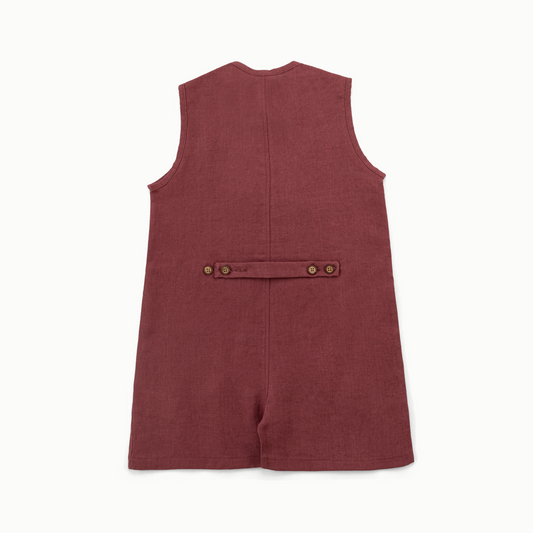
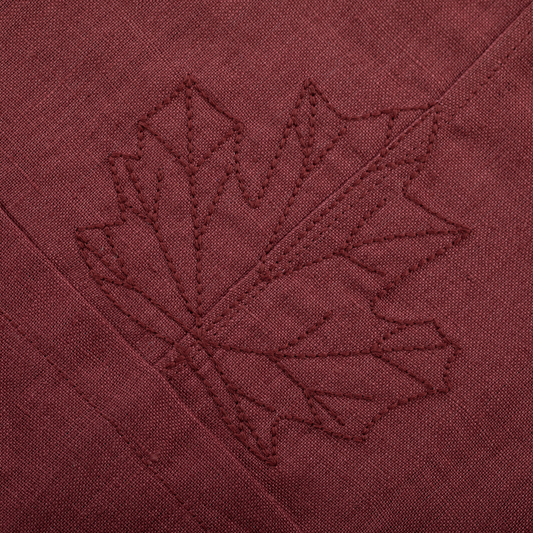
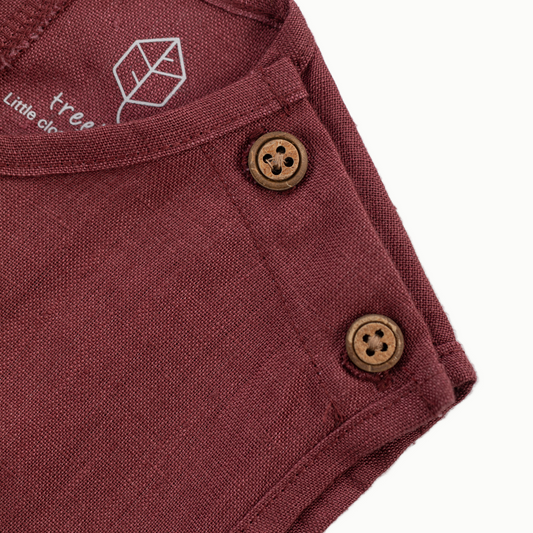
$49.002-3,3-4,4-5,5-6,6-7,7-8,8-9,9-10 yearsMAPLE ROMPER IN CANYON CLAYRegular price $49.00Regular priceUnit price per$70.00Sale price $49.00 -
 $45.002-3,3-4,4-5,5-6,6-7,7-8,8-9,9-10 yearsSELECT SIZE$29.25
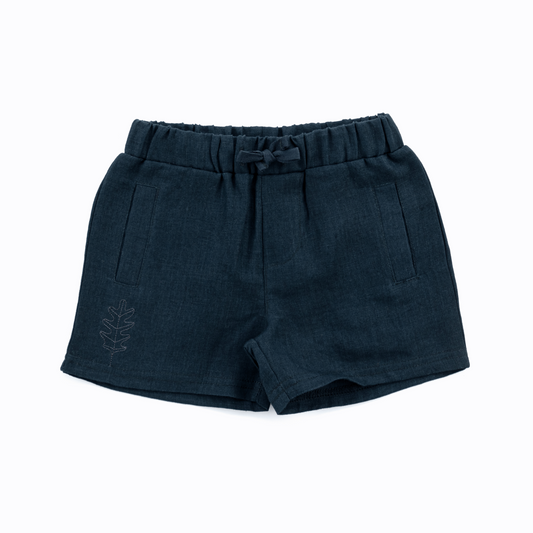
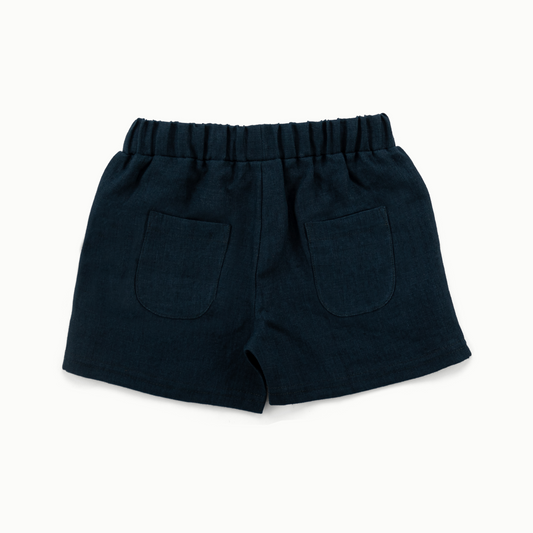
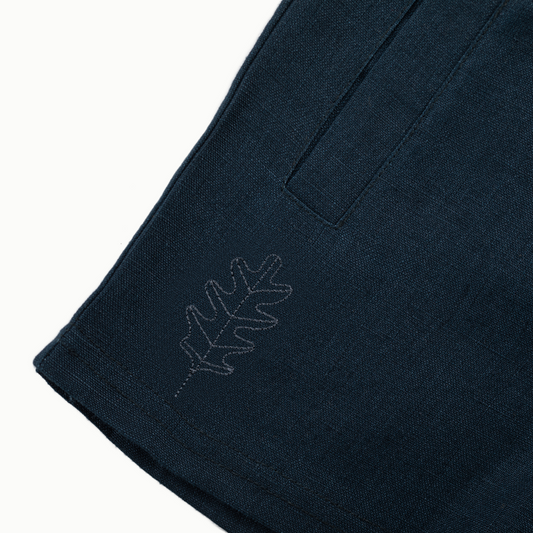
$45.002-3,3-4,4-5,5-6,6-7,7-8,8-9,9-10 yearsLINEN OAK SHORT IN NAVALRegular price $45.00Regular priceUnit price per$45.00Sale price $45.00 -
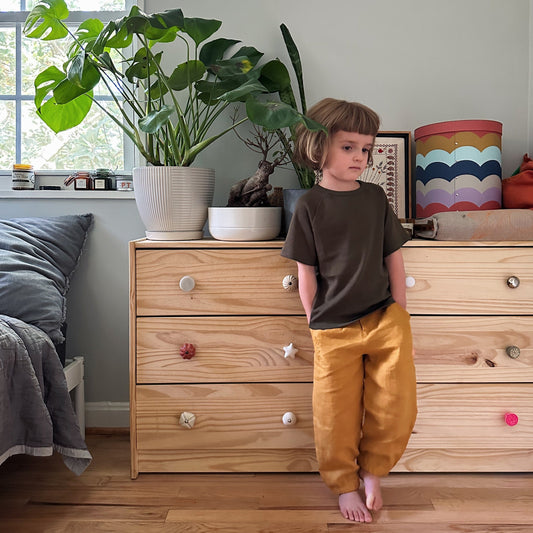
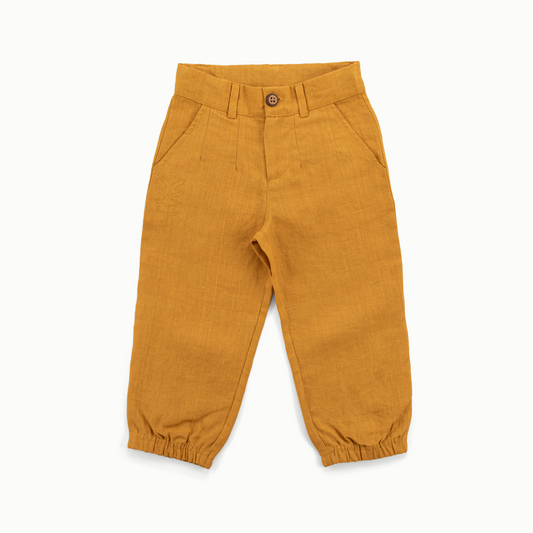
 $52.002-3,3-4,4-5,5-6,6-7,7-8,8-9,9-10 yearsSELECT SIZE$52.002-3,3-4,4-5,5-6,6-7,7-8,8-9,9-10 yearsLINEN OAK PANT IN TASSELRegular price $52.00Regular priceUnit price per
$52.00Sale price $52.00 -
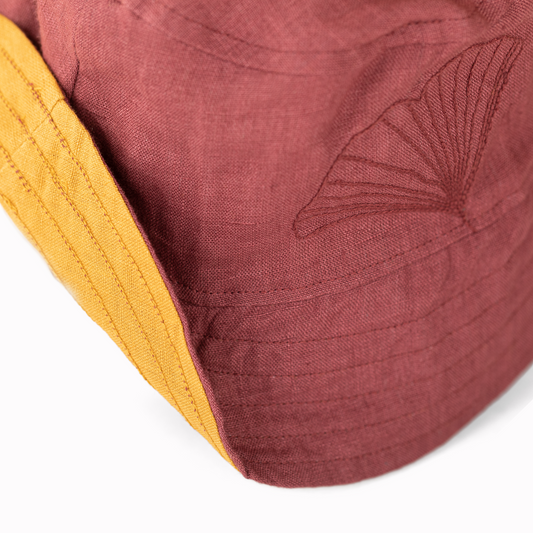
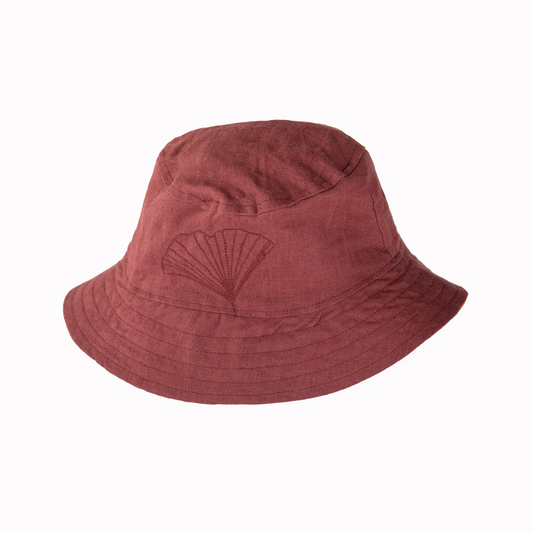
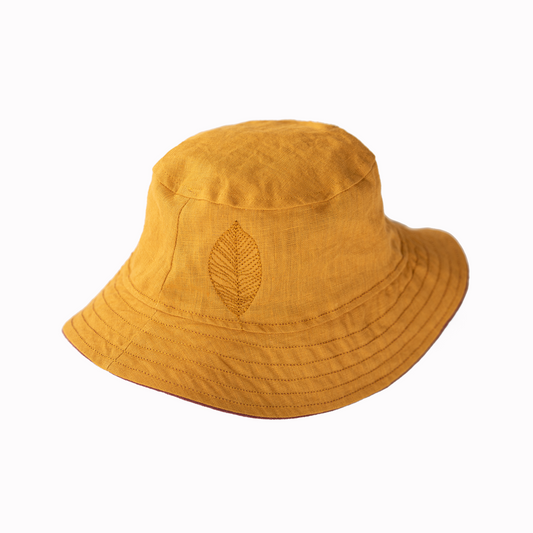
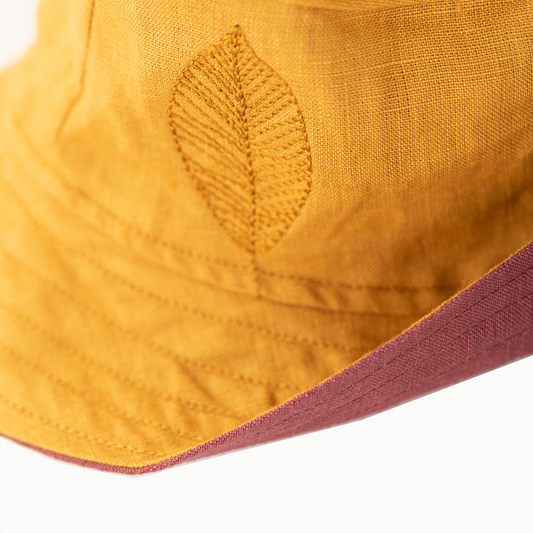
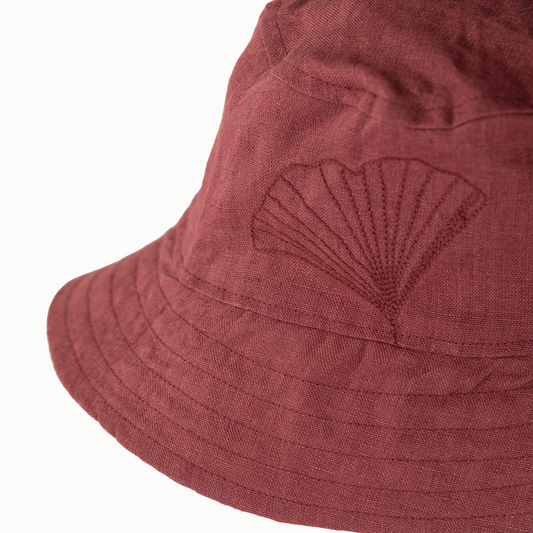
 $29.00S,M,LSELECT SIZE$29.00S,M,LLINEN THREE-LEAF BUCKET HATRegular price $29.00Regular priceUnit price per
$29.00Sale price $29.00
Kids' Linen Clothing Sizing and Fit
Kids linen sizing requires a slightly different approach compared to stretchy fabrics. Linen has no natural elasticity, so the fit needs to allow for movement.
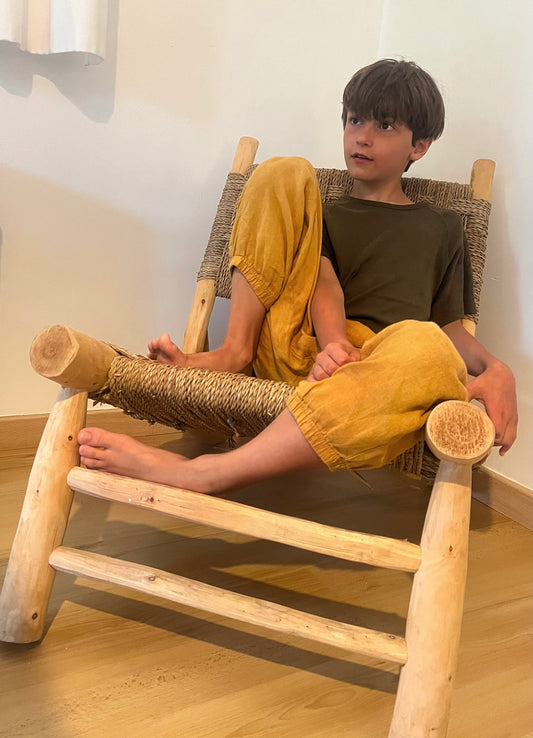
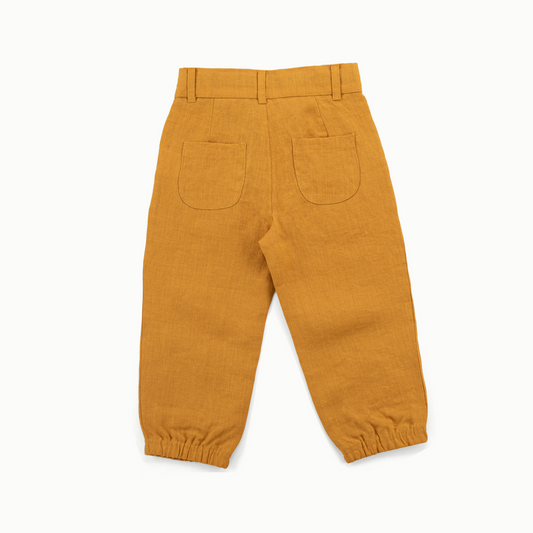
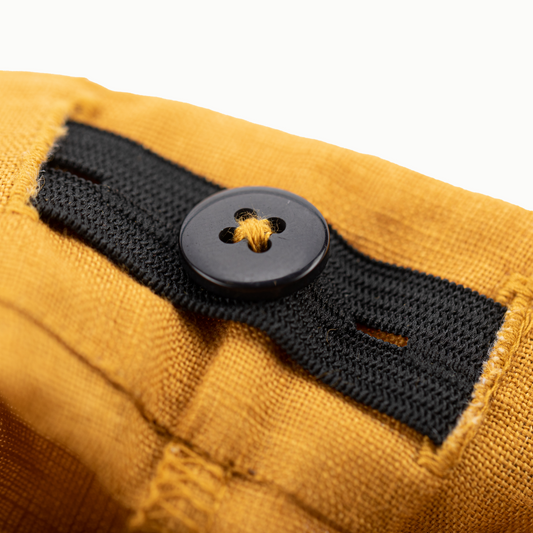
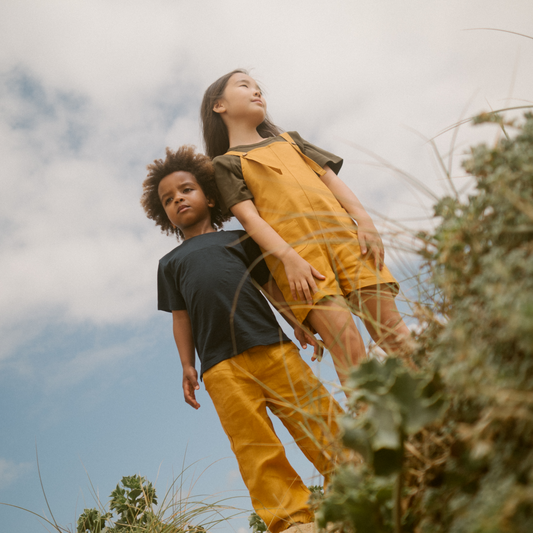
Look for relaxed silhouettes that give children space to move freely. Features such as drop shoulders, wider leg openings, and roomy cuts improve comfort during active play. Elastic waistbands are particularly useful for easy dressing and flexibility.
Avoid tightly fitted linen garments. When linen is too snug, seams can pull and restrict movement, which reduces both comfort and durability.
Sizing slightly up can often be a practical choice, especially if the garment is designed with a relaxed fit.
Refer to our sizing chart below to find the perfect fit for your child's measurements.
| Size | Height (inches) | Chest (inches) | Waist (inches) | Hip (inches) | Inner leg (inches) |
|---|---|---|---|---|---|
| 2-3 years | 38.5–41 | 21.5 | 20.5 | 22 | 16.1 |
| 3-4 years | 41–43 | 22.4 | 21.3 | 23 | 18 |
| 4-5 years | 43–45.5 | 23.2 | 22 | 24 | 19.3 |
| 5-6 years | 45.5–48 | 24 | 22.8 | 25 | 20.4 |
| 6-7 years | 48–50 | 25.1 | 23.4 | 26 | 22 |
| 7-8 years | 50–53 | 26.4 | 24 | 26.5 | 22.8 |
| 8-9 years | 53–55 | 27.6 | 24.6 | 27 | 24 |
| 9-10 years | 55-57.5 | 28.7 | 25.2 | 28.5 | 25.3 |
Is Linen Good Only for Summer?
Linen is often associated with warm weather, but it is not limited to summer use. Its temperature-regulating properties make it useful across seasons.
In hot weather, linen helps release heat and keeps the body cool. In cooler conditions, it works well as a breathable base layer. When layered under warmer clothing, linen helps prevent the build-up of heat and moisture, which can make children feel uncomfortable.
This makes linen a versatile option that can be worn year-round with the right layering.


Common Mistakes When Buying Linen

One of the most common mistakes is buying exact sizes without allowing room for movement. Linen does not stretch, so a slightly relaxed fit is essential.

Using heavy fabric softeners can also reduce the performance of linen. These products coat the fibres and interfere with their natural ability to absorb moisture and allow airflow.

Another common mistake is buying linen blended with polyester while expecting the same breathability as pure linen. Blends compromise the fabric’s natural performance.

Choosing dry-clean-only linen for children is impractical. Kids’ clothing should be easy to wash and maintain.
Linen Buyer's Checklist
Use this checklist when selecting linen clothing for your child:
- Is it 100 percent natural linen
- Is it OEKO-TEX certified
- Does the fit allow for unrestricted movement
- Are waistbands elastic and easy to wear
- Can it be machine washed
- Is the fabric medium weight for durability and breathability
Frequently Asked Questions
Linen can shrink slightly after the first wash, especially if exposed to high heat. Washing in cold or warm water and air drying helps minimise shrinkage.
New linen can feel slightly structured, but it softens significantly with each wash and becomes more comfortable over time.
Yes, linen is breathable and moisture-wicking, which makes it suitable for sleepwear, particularly in warmer conditions.


