








CONTENTS
For some kids, underwear is just underwear. For sensitive kids, one scratchy tag, bulky seam, or waistband that digs in can derail the entire morning.
The best underwear for sensory-sensitive kids is soft, tag-free, and made with flat seams or fully seamless construction for children who cannot tolerate seams at all. Look for a wide, soft waistband that does not dig in and a breathable natural fiber such as organic cotton. These details matter because tags, seams, fabric texture, and pressure can all be tactile triggers for sensory-sensitive children.
The right underwear will not change the way a child processes sensory input. It can, however, remove one very persistent source of discomfort from their day.
Why Underwear Can Be So Difficult for Sensory-Sensitive Kids
If your child refuses to wear certain underwear, complains endlessly about a seam you can barely feel, or needs their waistband sitting in exactly the right place, it is easy to assume they are simply being particular.
For a child with tactile defensiveness, also called sensory over-responsivity, those sensations can feel much more intense than they do to us. Their nervous system over-responds to ordinary touch, which means a tag, seam, fabric, or snug waistband may feel highly irritating or even painful. It’s important to note that sensory over-responsivity is seen in children with a range of neurodevelopmental profiles and is not specific to autism. [Source: Dressing And Sensory Over-Responsivity]
Underwear is particularly tricky because it sits directly against the skin, in an area with plenty of movement and friction, for hours at a time. There is very little opportunity to ignore something that feels wrong.
That discomfort can show up as refusing to get dressed, repeatedly adjusting clothing, taking underwear off, or having a meltdown over what appears to be a very small detail.
It is worth distinguishing sensory sensitivity from skin sensitivity, too. A child with eczema may reject clothing because it irritates inflamed or itchy skin. A sensory-sensitive child may find the physical sensation of a seam or waistband intolerable even when there is no visible irritation. Some children, of course can also deal with both simultaneously.
Clothing can remove or reduce a trigger. It cannot treat the underlying way a child processes touch. If dressing is a persistent daily struggle, an occupational therapist can help assess what your child is reacting to and develop strategies to support them.
What to Look for in Sensory-Friendly Underwear
 Occupational therapy guidance around tactile defensiveness consistently comes back to reducing unnecessary sources of sensation. For underwear, that means paying much more attention to construction than you might when shopping for an average child.
| Look for | Avoid |
|---|---|
| Printed or transfer labels | Sewn-in tags (sometime 2 or 3 layers of tags) |
| Flat seams, or fully seamless construction for very seam-sensitive kids | Thick, raised, or bulky seams |
| Soft natural fabrics such as organic cotton | Stiff or scratchy synthetics |
| A wide, soft waistband that sits flat | Thin, tight elastic that digs or pinches |
| Simple, predictable construction | Rough trims, appliqués, or fabric that bunches |
No sewn-in tags
Tags are an obvious place to start. If you have ever cut a tag out of a shirt only to discover that the little pieces left behind are even more irritating, you will understand why.
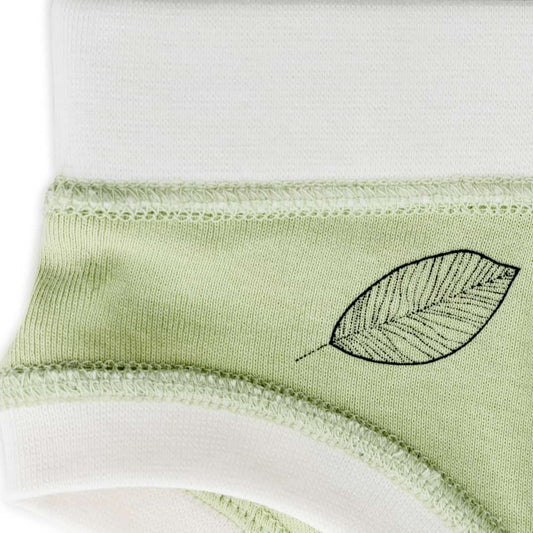
Printed or transfer labels give you the information you need without adding another piece of material against the skin.
Flat or seamless construction
Turn the underwear inside out and look at the seams.
Traditional seams can create a surprisingly substantial ridge of fabric. Flat seams reduce that bulk considerably, which can make them much easier for sensory-sensitive children to tolerate.
Some children need to go further and wear underwear with no seams at all. There is an important distinction between the two, which I will get into below.
Soft, natural fabric
Fabric matters just as much as construction. A soft natural fiber such as cotton tends to be easier to tolerate than a stiff or scratchy fabric, particularly when it is sitting directly against the skin all day.
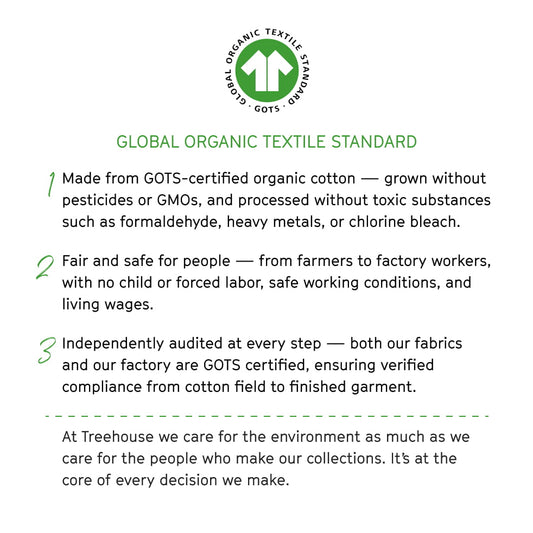
I prefer organic cotton for underwear, and ideally certified organic cotton so you know what the certification actually covers rather than relying on an unverified "organic" claim.
A waistband that does not dig in
Waistbands are one of the first things I look at when assessing children's underwear.
A thin piece of exposed elastic can create a very concentrated point of pressure. Look instead for a wider, soft waistband that lies flat against the body without pinching or digging into the waist.
Seamless vs. Flat-Seam Underwear: There Is a Difference
These terms are often used far too loosely.
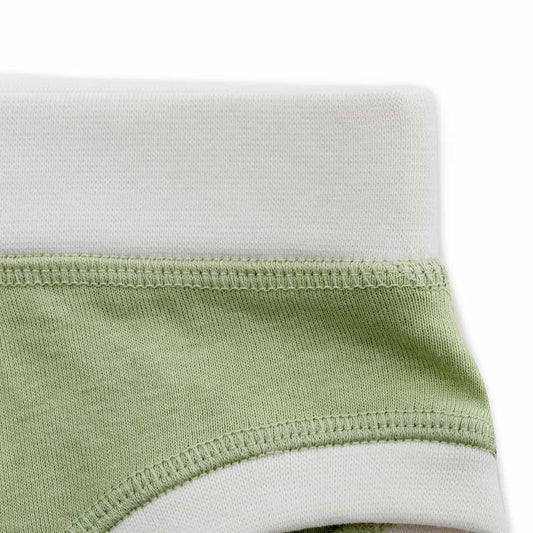
Flat-seam underwear still has seams. The seams are constructed to lie much flatter against the body than a conventional raised seam, reducing the ridge and bulk that the child can feel.
Truly seamless underwear has no traditional seams at all. It is typically knitted or bonded in a way that eliminates them.
Both can be useful for sensory-sensitive children, but they are not interchangeable. Occupational therapy guidance recognizes seamless clothing as one adaptation for tactile defensiveness, alongside things such as removing tags.
The question is what actually bothers your child.
If they cannot tolerate the sensation of any seam, look for genuinely seamless underwear.
If their biggest complaints are scratchy fabric, tags, bulky seams, or a waistband digging into them, well-constructed flat-seam underwear may be perfectly comfortable.
I think brands need to be precise about this distinction. Calling a flat seam "seamless" might make for easier marketing, but it is not particularly helpful to the parent of a child who cannot tolerate seams.
Should Sensory-Friendly Underwear Be Snug or Loose?
There is no universal sensory-friendly fit.
Some children are highly sensitive to touch and cannot stand clothing pressing against their bodies. They may constantly pull at fitted underwear and prefer something looser with as little noticeable contact as possible.
Other children actively seek sensory input and prefer firm, even pressure. For them, a snug fit can feel more comfortable and settling than loose fabric moving around against the skin. Deep, firm pressure can have a calming effect on the nervous system, which helps explain why the same tight garment that one sensory-sensitive child cannot stand may be exactly what another child prefers.
Watch your child rather than relying on the word "sensory" on a product page.
Do they constantly pull clothing away from their body? Do they complain that things feel too tight? Or are they always choosing the snugger pair and becoming irritated by loose fabric moving or bunching?
Their behavior will tell you far more about the right fit than a generic sensory-friendly label will.
How to Make Getting Dressed Less of a Battle
Once underwear has become a source of conflict, the temptation is to keep buying different pairs until something works. A more deliberate approach can save everyone a lot of frustration.
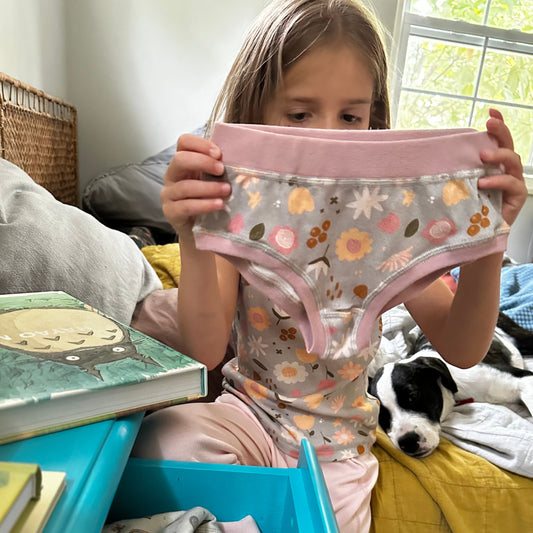
Let your child have some control over the process. If they are old enough, show them a few appropriate choices and let them feel the fabric and seams before deciding.
Wash new underwear before the first wear. Even very soft cotton can feel different straight out of the package, and washing can soften the fabric.
Introduce new underwear gradually rather than replacing an entire drawer overnight. And when you finally discover the pair your child happily puts on without discussion, buy multiples. This is not the moment to insist on variety.
Occupational therapy approaches to tactile defensiveness similarly emphasize choice, predictability, and gradually introducing new textures rather than simply forcing a child to tolerate something they find distressing.
If dressing remains a daily source of distress despite changing the clothing itself, it is worth speaking to an occupational therapist.
Why We Designed Treehouse Underwear the Way We Did
I spent years looking at children's clothing before developing our own underwear, and many of the details that seem tiny on a product specification make an enormous difference once a child actually wears it.
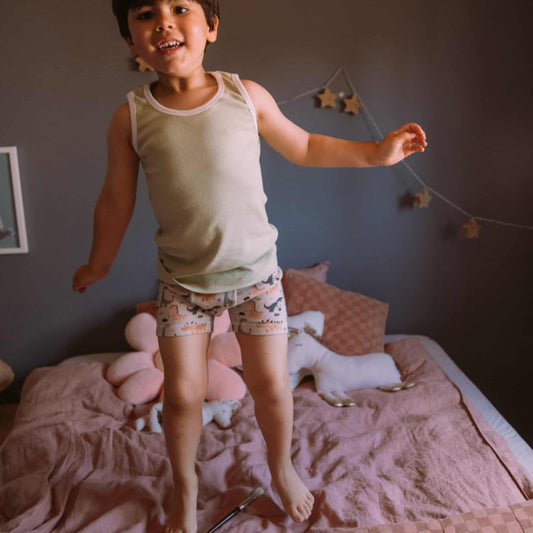
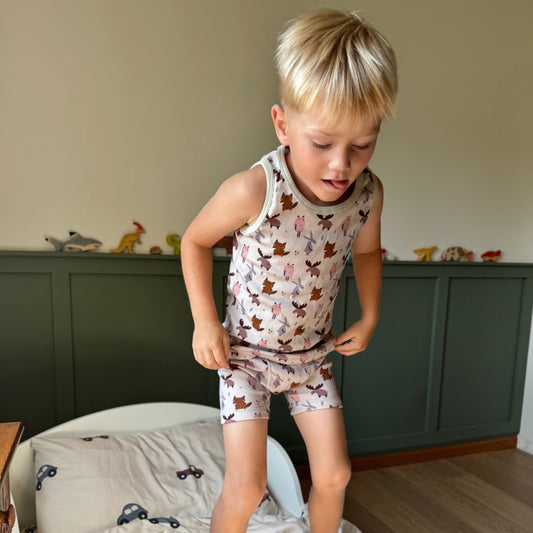
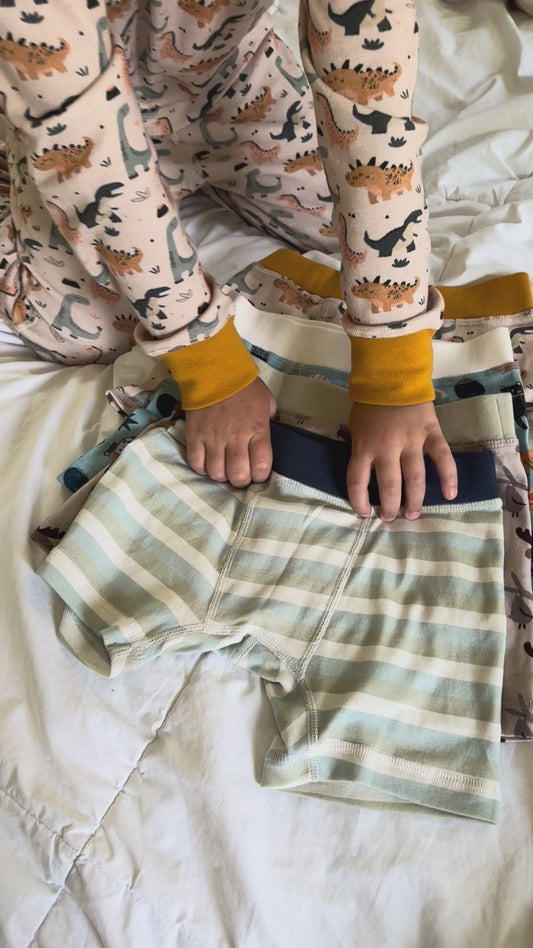
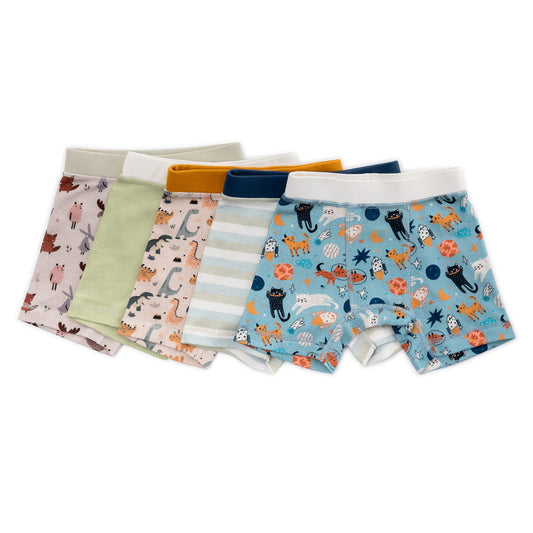
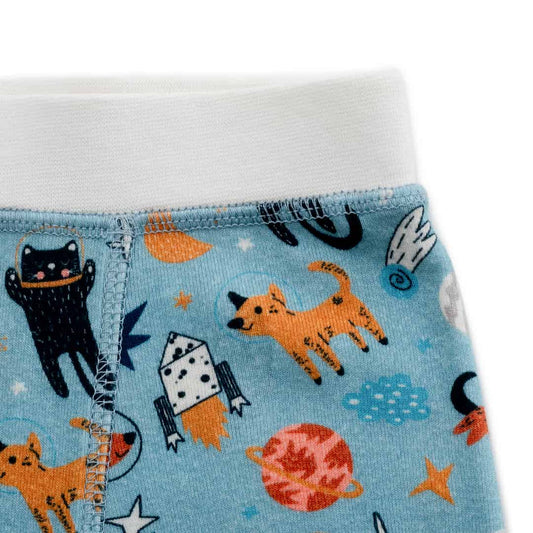
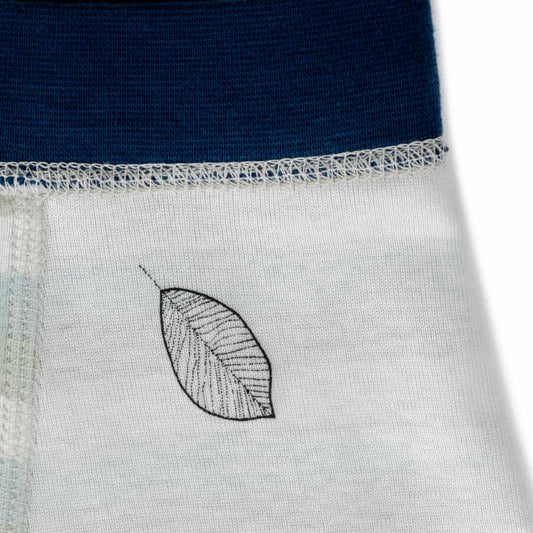
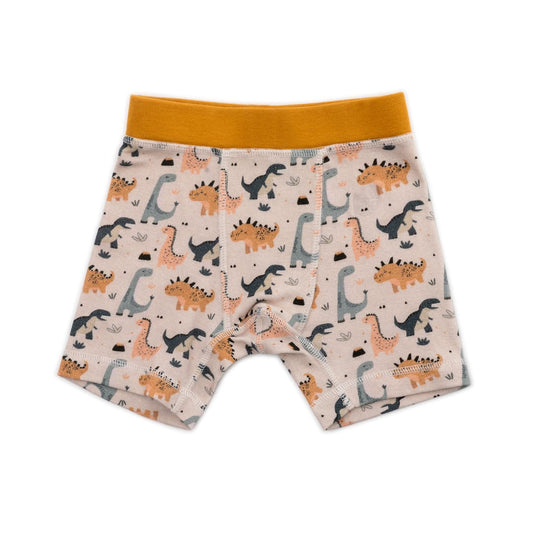
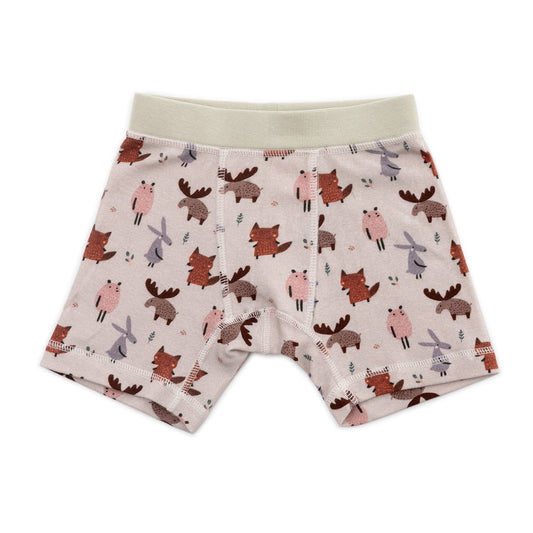
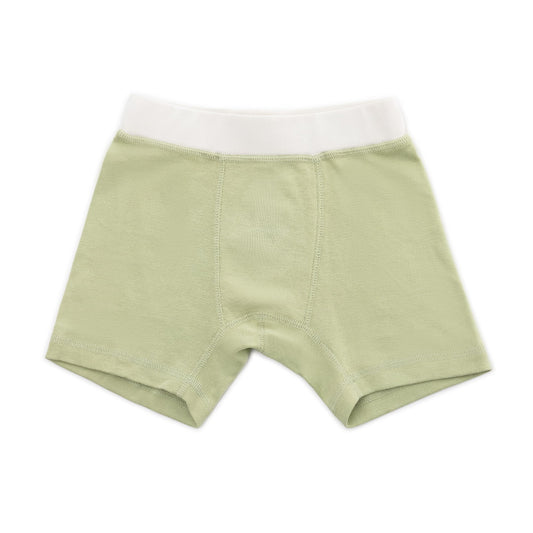
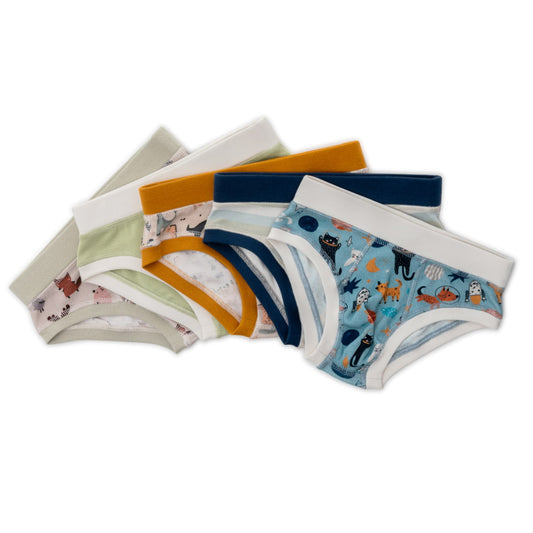
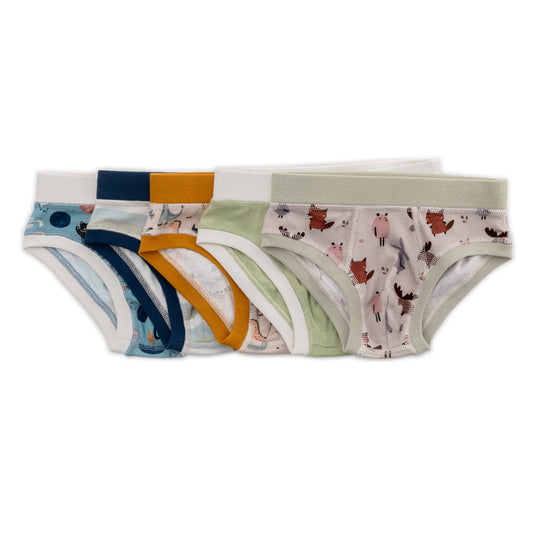
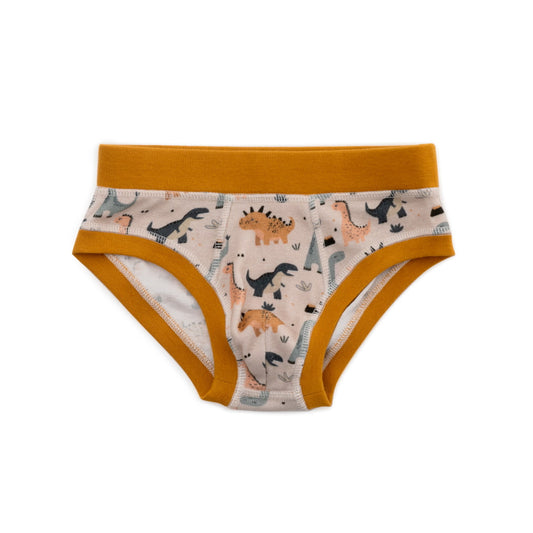
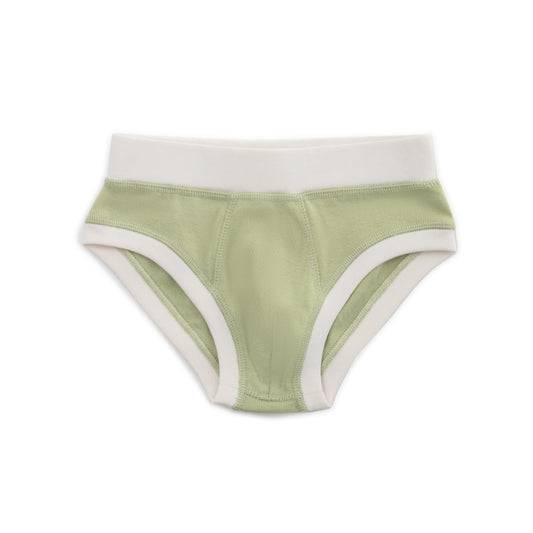
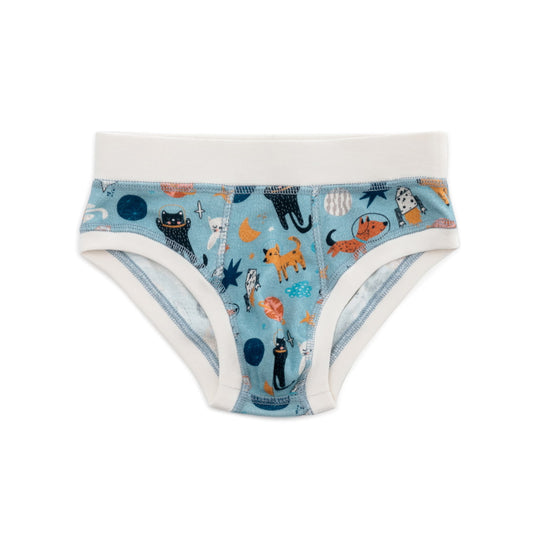
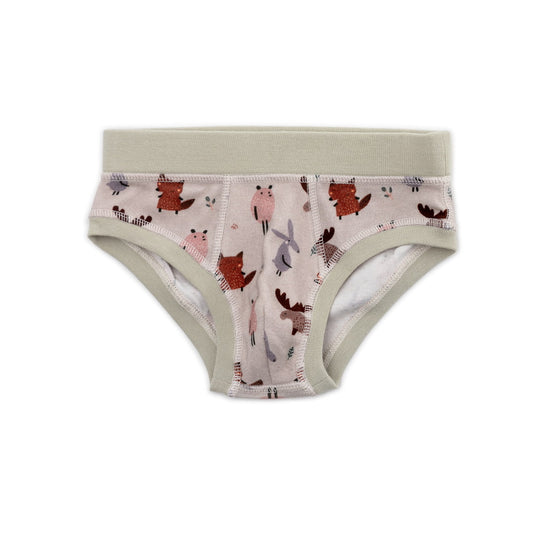
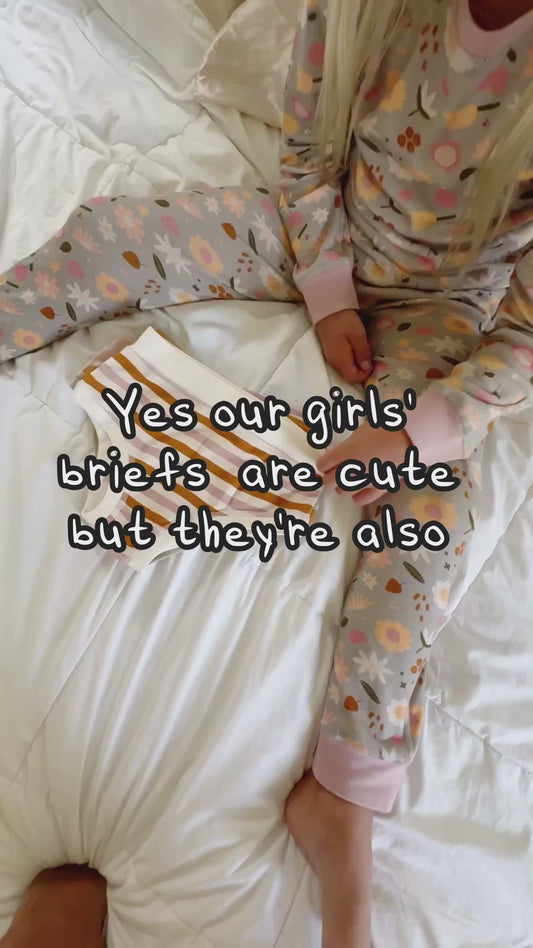
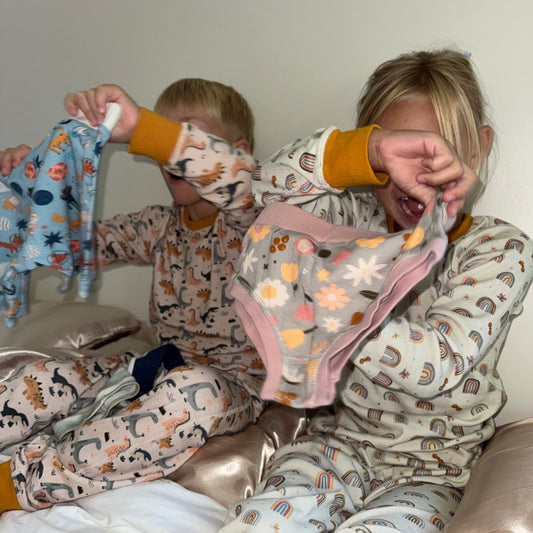
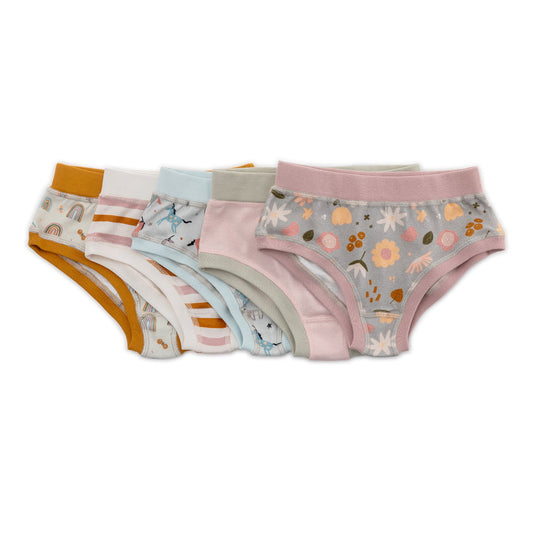
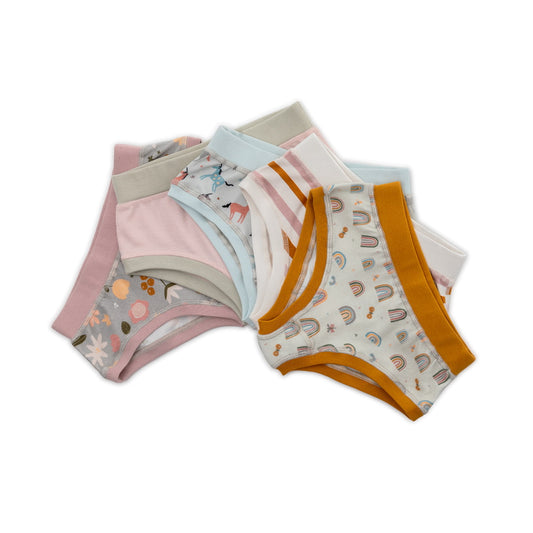
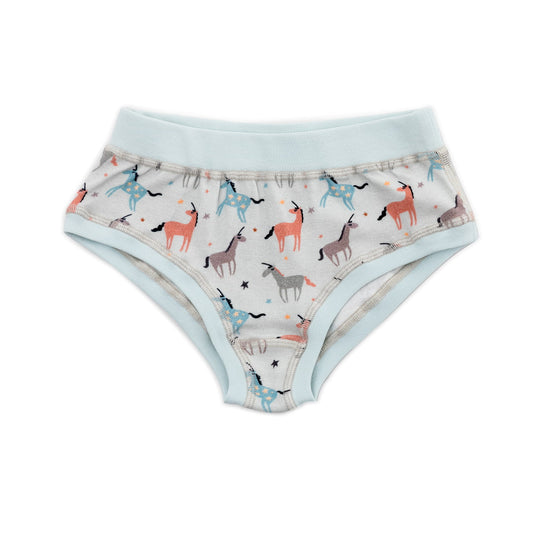
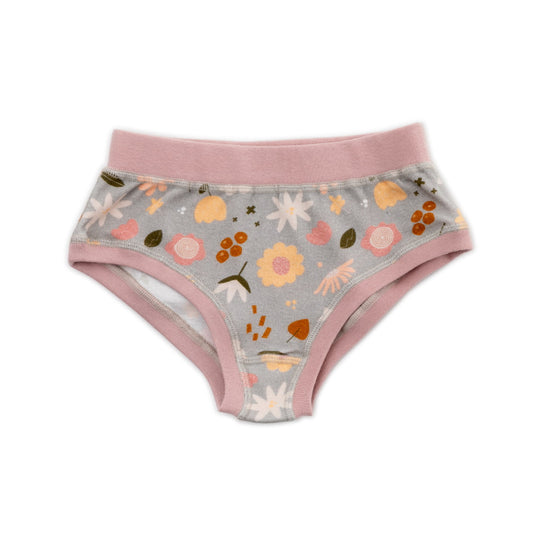
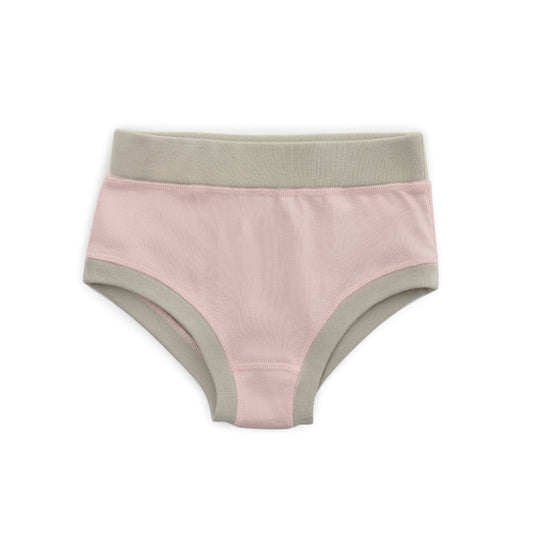
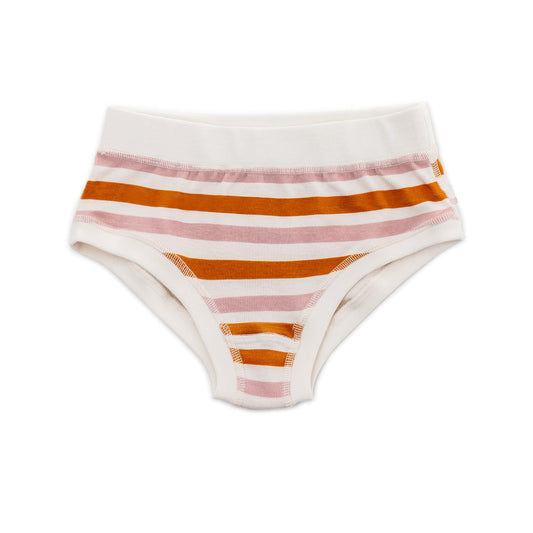
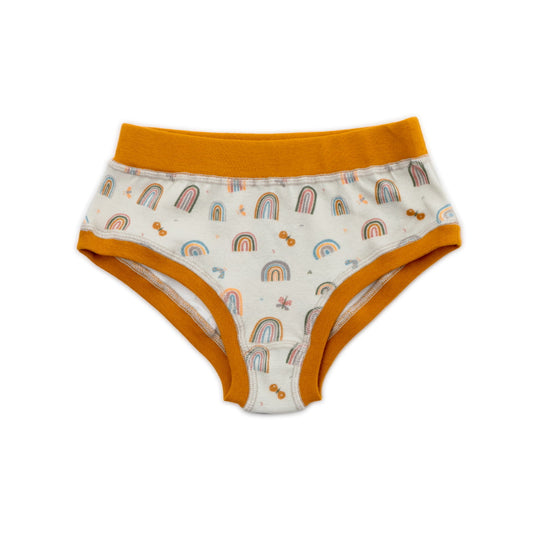
Treehouse underwear is made from 100% GOTS-certified organic cotton rib. It is completely tag-free, with printed labels instead of sewn-in tags. We use flat seams throughout and a wide, soft, covered waistband designed to sit flat against the body rather than having exposed elastic digging into the skin.
Those features make it particularly well suited to children who are sensitive to tags, rough fabric, bulky seams, and waistband pressure.
But I want to be very clear about one thing: our underwear is flat-seamed, not seamless.
If your child cannot tolerate any seam whatsoever, I would look for knit-seamless underwear instead. There is no point in me telling you ours will work for every sensory-sensitive child when sensory needs vary enormously from one child to another.
If your child falls between sizes and dislikes pressure around the waist, our reviewers generally recommend sizing up.


