












CONTENTS
Underwear can absolutely cause or worsen itching and irritation in children, particularly when it is synthetic, tight, damp, heavily dyed or finished, washed in fragranced products, or designed with seams, tags and elastic that rub against sensitive skin.
This is particularly relevant because underwear sits directly against one of the warmest, most sensitive and least ventilated areas of a child’s body for most of the day. Before puberty, vulval tissue is also thinner and more susceptible to irritation, while moisture, friction and irritating products can make inflammation considerably worse. Cambridge University Hospitals specifically advises children with vulvovaginitis to wear cotton underwear and avoid nylon underwear, while other NHS pediatric guidance tells parents to choose cotton rather than synthetic fibers and avoid artificial fabrics that increase sweating and friction.
There is, however, an important distinction. If your child is persistently scratching, red or sore, do not assume that buying different underwear will solve the problem. Soap, bubble bath, detergent, poor wiping, urine or stool left against the skin, threadworms and infections can produce similar symptoms. Underwear is one possible cause, and sometimes a significant aggravating factor, but it is not the only one.
Why Underwear Can Irritate Children
 There are several ways in which a pair of underwear can make sensitive skin miserable.
1. Synthetic Underwear
If a child is experiencing genital irritation, we would take synthetic underwear out of the equation.
Pediatric guidance on childhood vulvovaginitis repeatedly recommends loose cotton underwear and avoidance of synthetic or artificial fabrics. Cambridge University Hospitals advises avoiding nylon underwear; NHS guidance from Kingston and Richmond specifically recommends cotton rather than synthetic fibers; and NHS Greater Glasgow and Clyde advises avoiding artificial fabrics because they increase sweating and friction. Children’s Hospital Colorado goes further and recommends only plain cotton underpants while symptoms are being managed.
The mechanism is simple. Heat, moisture and friction are all capable of aggravating sensitive skin, and the groin is already warm and relatively poorly ventilated. Tight synthetic underwear can create exactly the combination pediatric clinicians are trying to reduce.
There is a broader reason we choose not to put children in plastic-based underwear at Treehouse. Polyester and nylon are synthetic polymers aka plastics and synthetic textiles are a source of microplastic fibers. The health consequences of textile-derived microplastic exposure are still being studied, so it would be irresponsible to claim that wearing polyester underwear has been proven to cause a particular disease. It is equally unnecessary to pretend that plastic fibers worn against intimate skin for many hours every day are somehow desirable when natural alternatives exist.
The chemical composition of finished textiles is another consideration. Clothing can contain substances introduced through dyes, plasticizers, coatings and finishing treatments, and research has demonstrated that chemicals present in clothing can contribute to dermal exposure. One human study investigating phthalates found measurable exposure at skin sites covered by clothing and estimated that ignoring covered areas could substantially underestimate total dermal uptake.
More recent research on children’s textiles makes the role of sweat particularly interesting. A 2025 study investigating PFAS and organophosphate esters in children’s clothing found that simulated sweat dramatically increased modeled dermal absorption compared with dry contact, by as much as 3,252-fold for PFAS and 835-fold for organophosphate esters under the study conditions. That does not mean every synthetic garment contains these chemicals, nor does it translate directly into a child's real-world dose, but it does demonstrate why the chemistry of textiles worn against sweaty skin deserves considerably more scrutiny than it historically received.
For underwear, which sits against intimate skin for perhaps twelve hours at a stretch, our preference is therefore very simple: we choose natural fiber over plastic wherever we reasonably can.
2. Tight Underwear and Friction
Fabric is only half the equation. Fit matters enormously.
Tight underwear presses fabric, seams and elastic against the skin while simultaneously reducing ventilation. Add running, climbing, sitting cross-legged on a classroom floor and whatever inexplicable gymnastics children perform while watching television, and repeated friction can make already-sensitive skin considerably more uncomfortable.
Pediatric recommendations are remarkably consistent on this point. Children’s Hospital Colorado advises avoiding tights, tight jeans and leggings and choosing clothes that allow air to circulate without rubbing or pressure, while NHS pediatric guidance similarly recommends loose cotton underwear and avoidance of tight clothing.
Underwear should fit securely without digging into the waist or leg openings. If there are deep elastic marks when your child takes it off, the underwear is telling you something.
3. Dyes, Finishes and Textile Chemicals
“Cotton” and “organic cotton” are not interchangeable descriptions.
A fiber-content label tells you what the garment is predominantly made from. It tells you considerably less about what happened to that fiber between the field and your child’s underwear drawer.
Textiles go through numerous stages of processing, which can include bleaching, dyeing, printing, washing and finishing. This is why we care about certification, rather than simply sourcing something described as cotton and considering the matter closed.
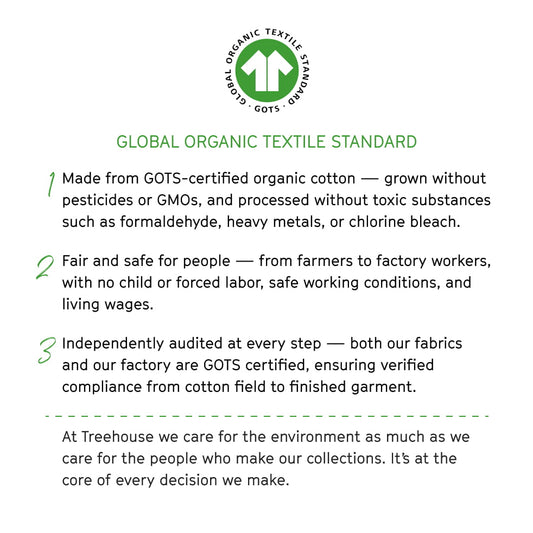
GOTS certification controls chemical inputs across textile processing. Under the standard, prohibited substance groups include PFAS compounds, phthalates and other plasticizers with endocrine-disrupting potential, organotin compounds and azo dyes capable of releasing specified carcinogenic aromatic amines.
That distinction is especially relevant for underwear because this is a garment worn directly against the skin every day. Organic certification is not decorative virtue-signaling for a label; a credible textile standard provides restrictions on chemistry that the words “100% cotton” alone simply do not provide.
4. Laundry Products
Sometimes the underwear itself is perfectly innocent and what you have washed it in is the problem.
Soap residue, fragranced detergents, fabric conditioners and other laundry products can irritate sensitive genital skin. Cambridge University Hospitals lists soap residue and some laundry products among triggers for childhood vulvovaginitis and advises parents to avoid fabric softener and rinse underwear thoroughly. Children’s Hospital Colorado recommends using only a small amount of unscented detergent and rinsing underwear twice to remove remaining detergent irritants.
If a child is suddenly complaining that underwear itched when it previously did not, look at what changed in the laundry room before replacing the entire drawer.
For a child prone to irritation, use a fragrance-free detergent, avoid fabric softener and dryer sheets, use only as much detergent as necessary and rinse thoroughly.
5. Damp Underwear and Swimsuits
Warmth plus moisture plus sensitive skin is not a particularly inspired combination.
NHS guidance identifies moisture and dampness as triggers for childhood vulvovaginitis, and pediatric hospitals routinely advise changing children out of wet swimsuits rather than allowing them to spend the afternoon slowly drying inside one.
The same logic applies after sport or heavy sweating. If the underwear is damp, change it. There is no prize for getting an entire calendar day out of one pair.
6. Tags, Seams and Elastic
Not every irritation requires a biochemical explanation.
Sometimes a scratchy label is simply a scratchy label.
Tags, bulky seams and tight elastic create localized friction and pressure, particularly when children are moving around all day. If your child repeatedly scratches one particular point, complains about the waistband or immediately tries to rearrange their underwear after getting dressed, inspect the garment itself.
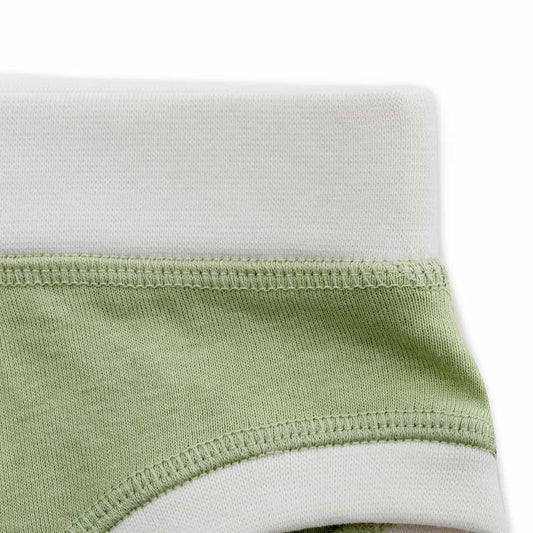
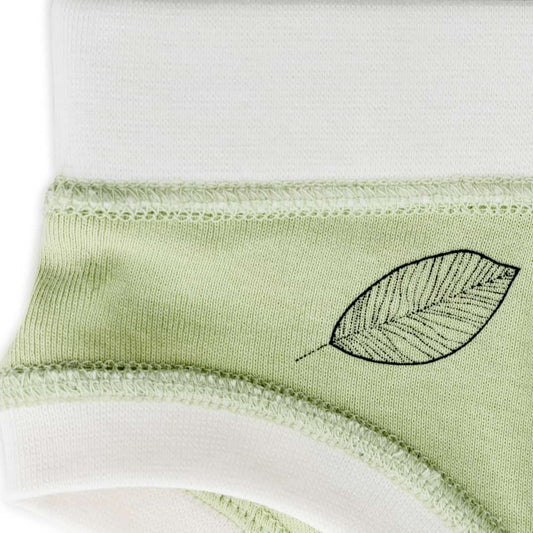
Tag-free designs, flatter seams and wide, soft waistbands remove several completely avoidable sources of irritation.
It May Have Nothing to Do With the Underwear
 This is the part that matters most if you have already changed the underwear and your child is still uncomfortable.
Genital itching in children has several common causes that no organic cotton underpants on earth are going to cure.
Soap and Bubble Bath
Soap, shower gel, bubble bath, fragranced bath products and excessive washing can all irritate sensitive genital skin. UCLH lists soaps, shower gels and bubble bath among common causes of childhood vulvovaginitis, while Children’s Hospital Colorado recommends plain warm water and specifically advises keeping bubble bath and cleaning-product residue out of the bath.
The solution is usually less exciting than another children's bath product: water.
Wiping and Hygiene
Poor toilet hygiene is another common cause of irritation, particularly in younger children who are still perfecting a skill adults tend to forget had to be learned.
Children should be taught to wipe from front to back, and the area should be gently dried rather than left damp. Both Cambridge University Hospitals and UCLH identify poor toilet hygiene as a common contributor to vulvovaginitis.
Threadworms
If itching around the bottom becomes particularly noticeable at night, consider threadworms.
Threadworms are common in children and can cause significant itching. They have nothing whatsoever to do with the fabric content of a child's underwear and require appropriate treatment. NHS pediatric guidance specifically lists threadworms among causes of childhood genital irritation.
Infection or Another Medical Problem
Persistent redness, soreness or itching can also have medical causes, including infection and skin conditions.
If symptoms continue despite removing obvious irritants, or if your child has significant pain, fever, blood-stained discharge, pain when urinating or other concerning symptoms, speak to your pediatrician rather than continuing to experiment with clothing. Cambridge University Hospitals specifically recommends medical review for severe symptoms, including blood-stained discharge and for fever accompanied by painful urination.
Girls and Boys Can Both Experience Irritation
Much of the pediatric literature focuses on girls because vulvovaginitis is particularly common before puberty. At this age, vulval and vaginal tissues are thinner and more sensitive, which makes them more susceptible to irritation from dampness, friction, soaps and other irritants.
Boys can experience genital irritation too, and the same basic principle applies: remove obvious irritants, keep the area clean and dry, avoid unnecessarily tight clothing and seek medical advice when symptoms are persistent, painful or accompanied by other symptoms.
There should be no embarrassment attached to any of this. Skin is skin, children get itchy, and occasionally the explanation is simply that the garment sitting against it for twelve hours was a poor choice.
What Should You Change First?
If you suspect underwear is contributing to irritation, you do not need a seventeen-product regimen. Start by removing the obvious sources of heat, dampness, friction and chemical irritation.
| Possible cause | What to do) |
|---|---|
| Synthetic underwear | Replace with loose, breathable organic cotton underwear; if irritation is present, pediatric guidance specifically supports avoiding nylon/synthetic fibers |
| Tight underwear | Size up or choose a cut that does not press or rub |
| Unverified dyes and finishes | Choose underwear made under a credible textile certification with restricted chemical inputs |
| Tags or bulky seams | Choose tag-free underwear with flatter seams |
| Fragranced detergent | Switch to fragrance-free detergent and use it sparingly |
| Fabric softener/dryer sheets | Stop using them on underwear |
| Detergent residue | Rinse thoroughly; Children’s Colorado recommends a second rinse when managing vulvovaginitis |
| Wet swimsuit or sweaty underwear | Change into something clean and dry prompty |
| Bubble bath or fragranced soap | Remove it from the genital area |
| Poor wiping | Teach front-to-back wiping and gentle drying |
| Nighttime bottom itching | Consider threadworms and seek appropriate medical/pharmacy advice |
| Persistent or significant symptoms | Speak to your pediatrician |
Why We Choose GOTS-certified Organic Cotton
Our underwear is made from 100% GOTS-certified organic cotton. The reason we don’t just use conventional cotton is multifold.
First, we deliberately choose a natural fiber rather than polyester or nylon. When pediatric specialists are treating childhood vulval irritation, their advice repeatedly moves in precisely the same direction: cotton underwear, loose clothing, and avoidance of synthetic fibers, nylon and garments that increase sweating and friction.
Second, GOTS certification goes considerably further than fiber composition. Its chemical criteria prohibit PFAS, phthalates and other plasticizers with endocrine-disrupting potential, specified organotin compounds and dyes capable of releasing certain carcinogenic aromatic amines, among numerous other restrictions.
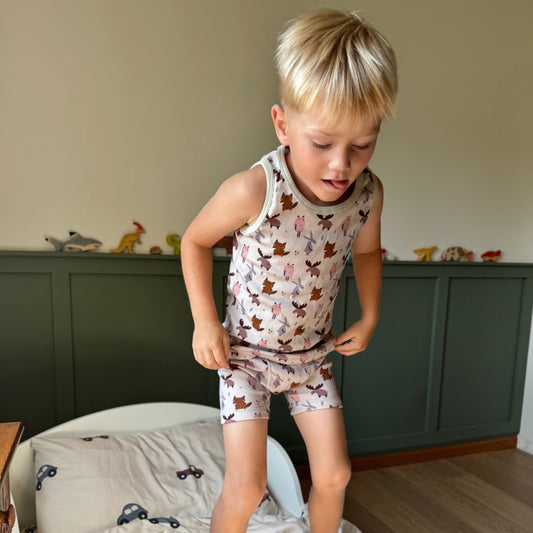
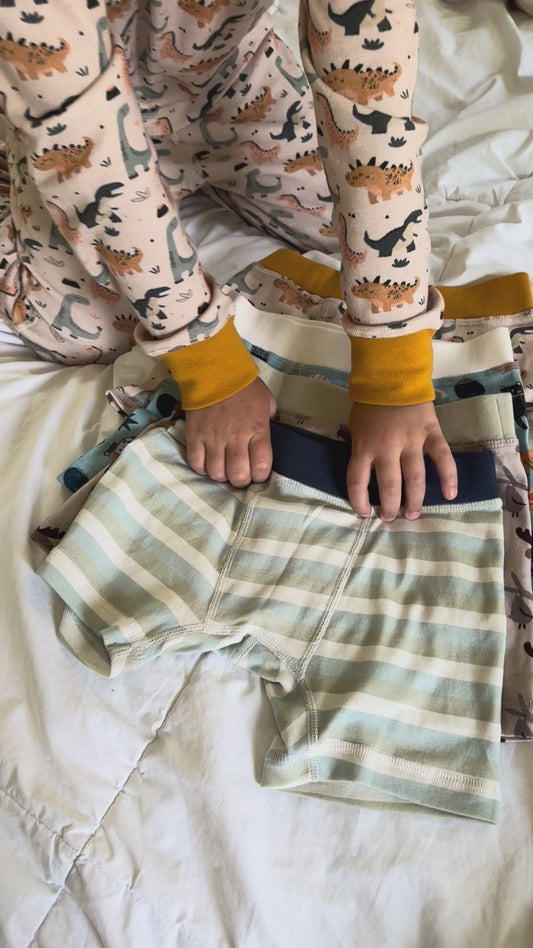
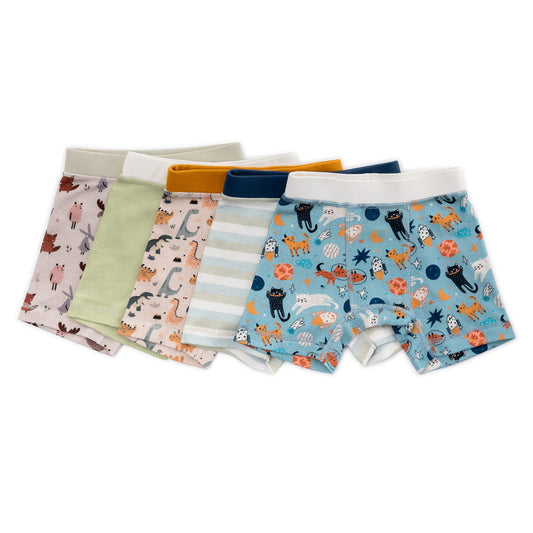
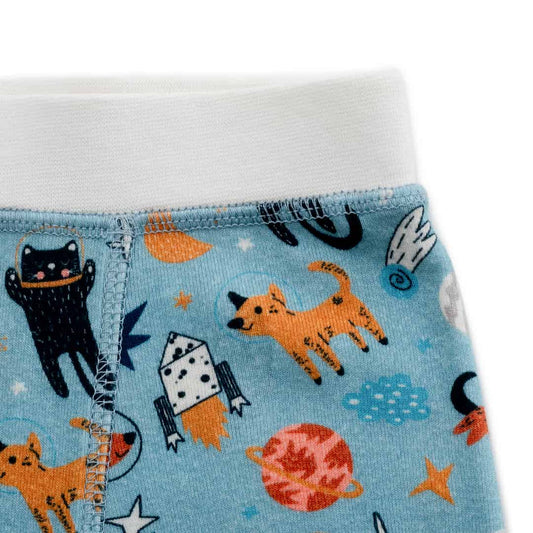
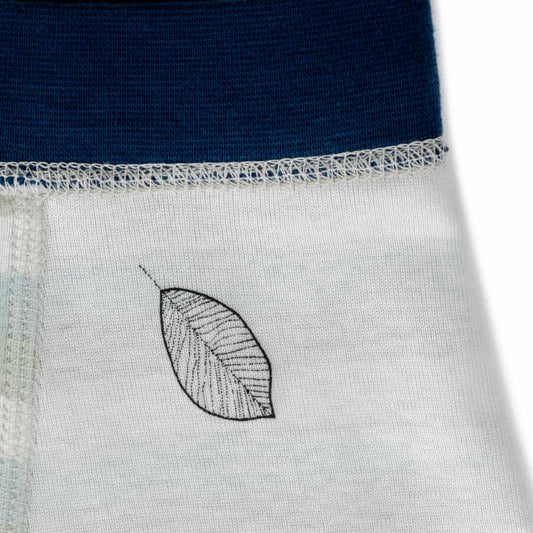
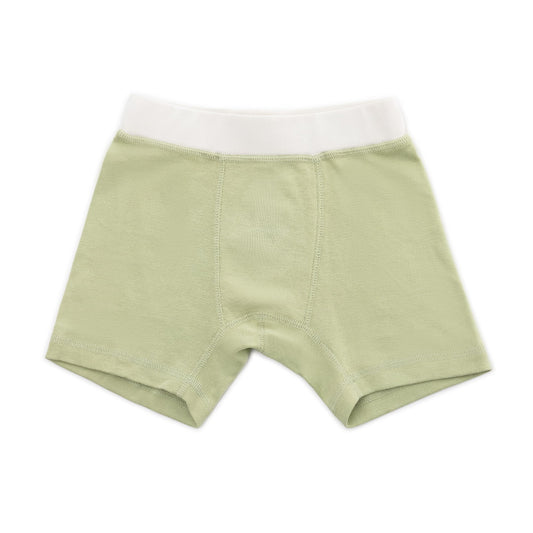
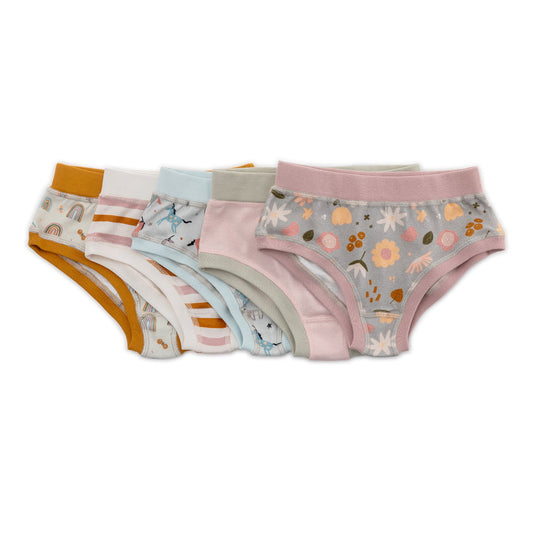
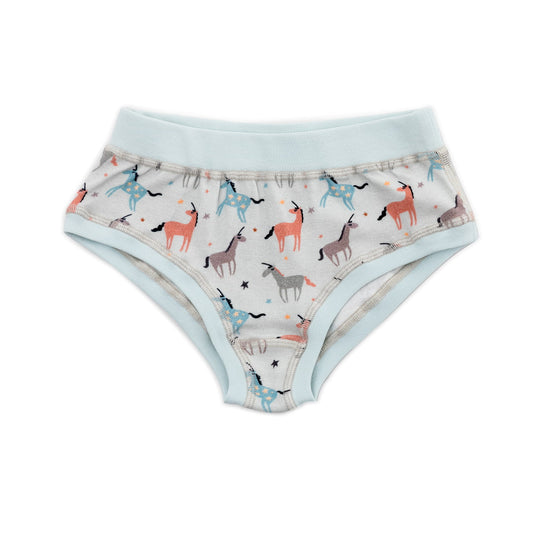
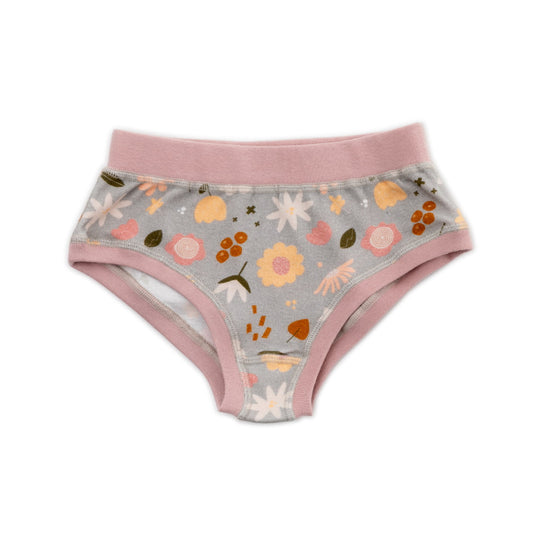
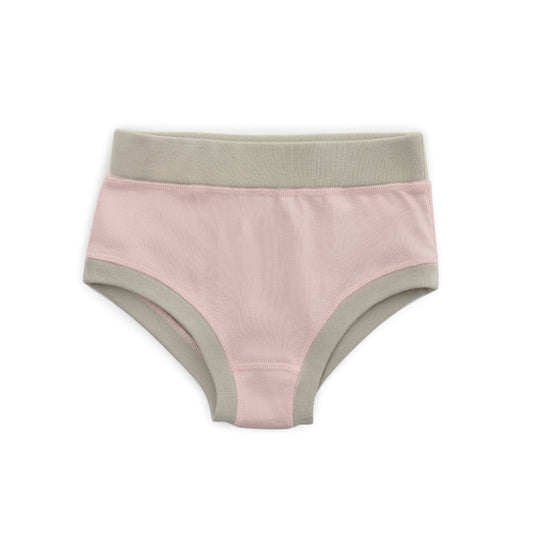
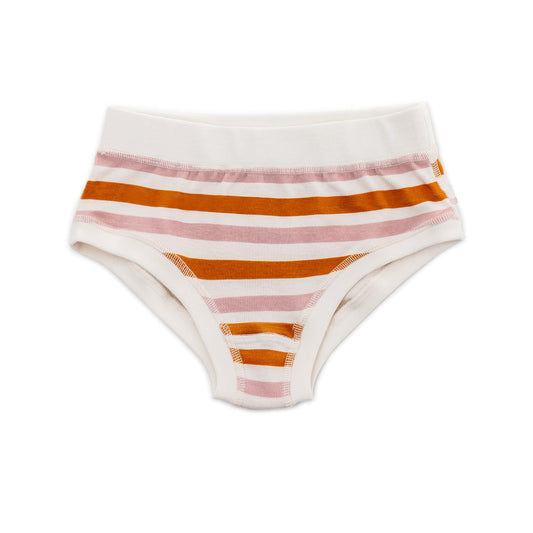
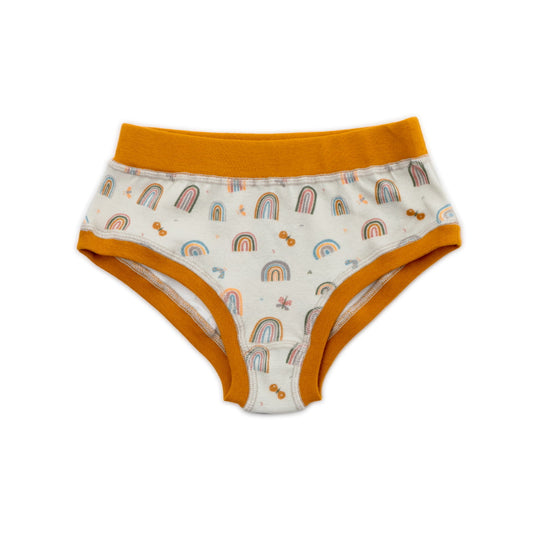
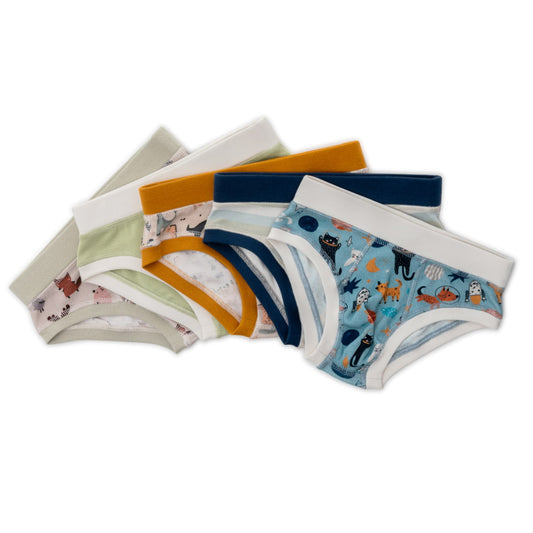
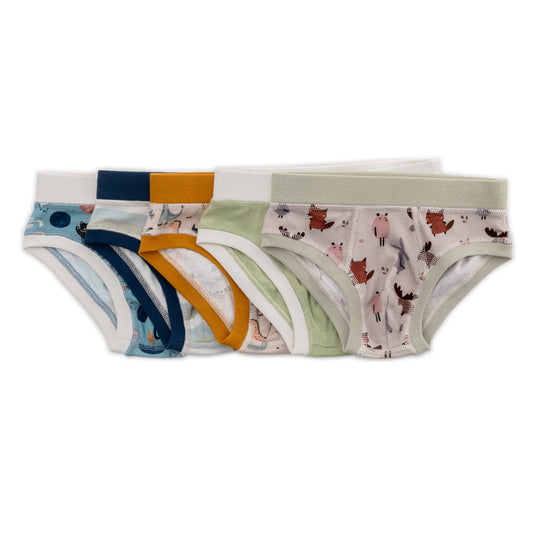
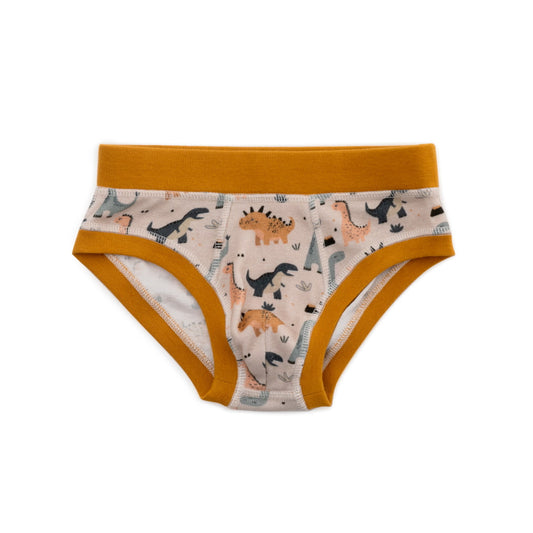
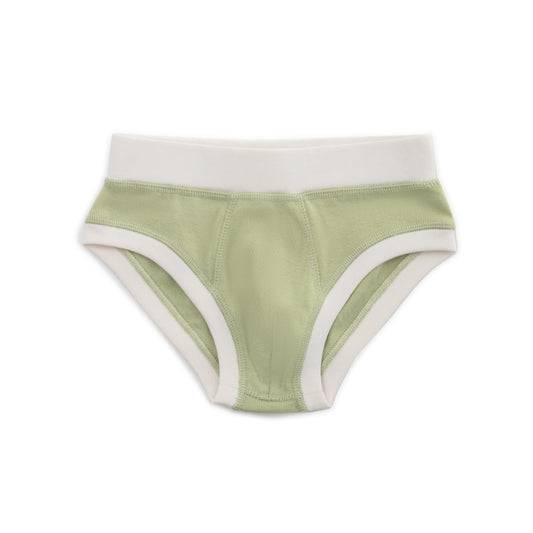
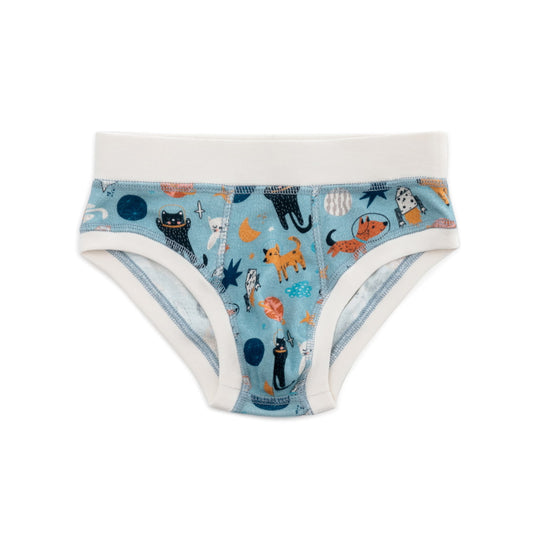
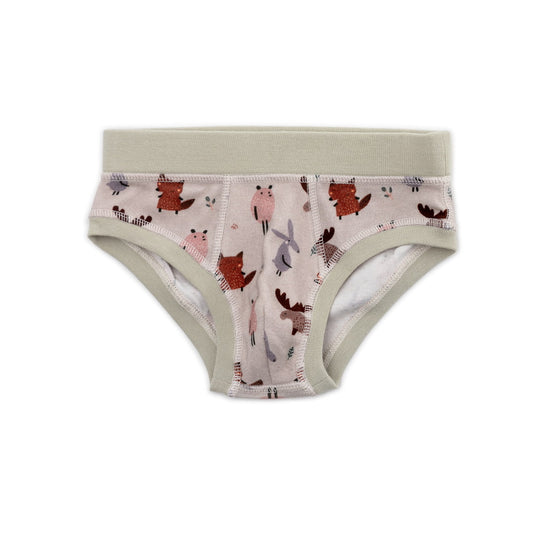
Our underwear is made using AZO-free, water-based dyes, with printed labels rather than scratchy sewn-in tags, flatter seams and a wide, soft waistband designed not to dig into the skin.
None of that makes underwear medicine. Organic cotton will not treat threadworms, cure an infection, remove bubble bath from the bathtub or teach a five-year-old to wipe properly.
What it can do is remove several completely unnecessary variables from a garment that spends most of its life pressed against a child's skin: synthetic fibers, poorly controlled textile chemistry, scratchy tags, bulky seams and uncomfortable elastic.
For us, children's underwear is precisely the wrong place to compromise on those things.
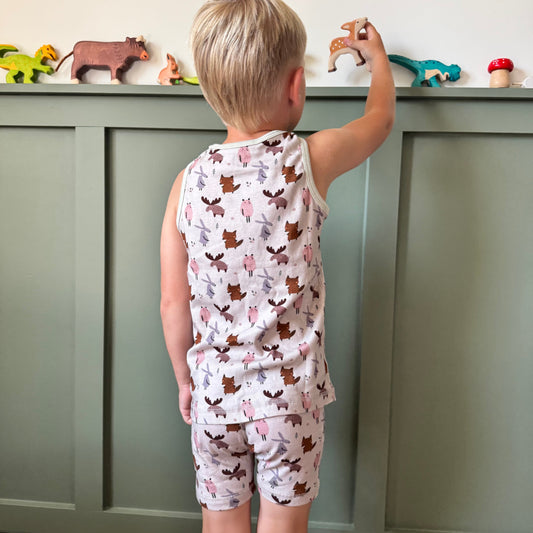
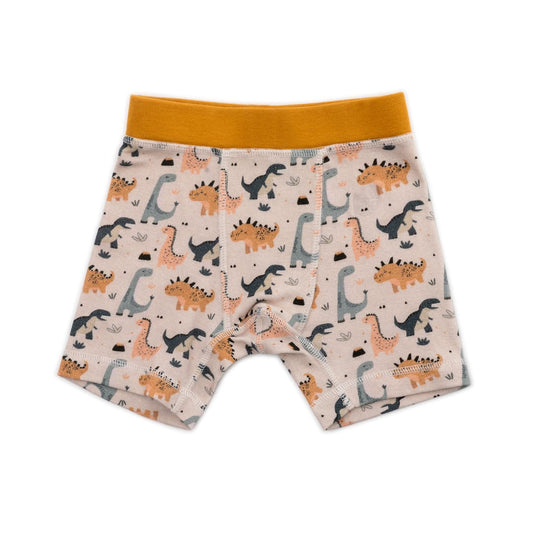
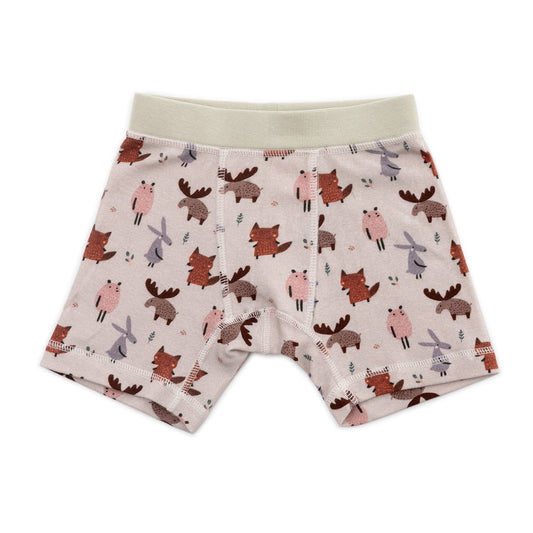
You can see our GOTS-certified organic cotton kids’ underwear collection here.
When Should You See a Doctor?
Most mild irritation improves once obvious triggers such as tight clothing, dampness, fragranced products and irritating laundry products are removed. Childhood vulvovaginitis itself is common and usually not serious.
Speak to your pediatrician or GP if symptoms are persistent or worsening, or if your child has significant pain, fever, bleeding or blood-stained discharge, unusual discharge, pain or burning when urinating, or other symptoms that concern you. Persistent nighttime itching around the bottom should also raise the possibility of threadworms rather than being endlessly blamed on underwear.


