









CONTENTS
The answer is pretty easy: children should put on a clean pair of underwear every day, and they may need another clean pair before the day is over, especially after getting very sweaty, playing sports, swimming, or having an accident.
Underwear spends most of the day sitting directly against warm areas of the body where we naturally sweat, and clothes can retain sweat and odor even when they do not look particularly dirty. Pediatric guidance from Connecticut Children's Medical Center recommends changing socks and underwear daily, and UW Medicine gives the same advice: change underwear at least once a day. The CDC also recommends changing underwear daily as part of keeping skin clean and dry.
Not to state the obvious, but just in case... changing underwear is not the same thing as replacing underwear. Changing means putting on a clean pair; replacing means finally retiring the pair whose elastic has surrendered, whose fabric has thinned, or which your child has simply outgrown. If you are wondering about the latter, we have a separate guide to how often to replace kids’ underwear.
A Clean Pair Every Day is the Baseline
For children of every age, a fresh pair each day is a sensible basic hygiene habit. Connecticut Children’s includes changing socks and underwear daily among the hygiene skills children should learn, and Nemours KidsHealth similarly advises wearing clean clothes, socks, and underwear each day. UW Medicine goes slightly further in its wording, recommending that socks and underwear be changed “at least daily.”
There is also a little more science behind this rather unglamorous household rule than you might imagine. Sweat itself is not inherently smelly. The American Academy of Pediatrics explains that body odor develops when bacteria living on the skin interact with sweat and oils, producing the compounds we recognize as odor. Clothes worn against those areas can then retain those smells.
The CDC, for example, lists changing socks and underwear every day alongside keeping skin clean and dry as basic measures that can reduce the risk of fungal infections such as ringworm.
For toddlers, you will obviously be running the operation. By elementary-school age, the clean-pair-every-morning rule can gradually become something children manage themselves. Connecticut Children’s describes ages six to nine as the period when children begin establishing their own hygiene routines, with parents balancing independence with the occasional reminder.
Some Days Require More than One Pair
 Once a day is the baseline rather than an absolute maximum.
If your child has spent an afternoon playing soccer in August and comes home thoroughly sweaty, there is little virtue in preserving the morning underwear until bedtime purely for administrative consistency. The American Academy of Pediatrics recommends changing clothes after working up a sweat through exercise or sports, while Nemours KidsHealth notes that clean clothing and breathable natural materials can help manage perspiration and odor.
The same common-sense principle applies after an accident or leak during potty training: soiled underwear comes off and a clean, dry pair goes on. After swimming, change children into dry clothing rather than leaving them sitting around in wet swimwear or wet underwear simply because technically they changed that morning. And on particularly hot or active days, if their underwear is noticeably damp with sweat, there is nothing excessive about changing it.
A useful household rule is therefore:
One clean pair every day, plus another whenever the pair they are wearing becomes wet, soiled or very sweaty. OR, after a shower.
It is considerably easier to remember than attempting to calculate underwear requirements according to age, temperature and extracurricular schedule.
Puberty Changes the Equation Slightly
Daily underwear becomes particularly useful once children begin approaching puberty because the biology of sweating starts to change.
Children have sweat glands long before puberty, but hormonal changes make certain glands more active and alter their secretions. The American Academy of Pediatrics explains that increased apocrine-gland activity during puberty produces sweat containing oils; bacteria on the skin break these substances down, which is one reason children suddenly develop a more recognizably adult body odor. Nemours KidsHealth likewise notes that puberty makes sweat glands more active and changes the composition of their secretions.
And this can begin earlier than many parents expect. The AAP says noticeable body odor can begin at around eight or nine years old, while Connecticut Children’s places the common introduction of deodorant at roughly nine to eleven, although there is considerable normal variation between children.
So the hygiene progression looks roughly like this:
| Stage | What changing underwear is mainly about | Who is generally responsible |
|---|---|---|
| Toddler/potty training | Accidents, soiling and basic cleanliness | Parent |
| Preschool/early elementary | Everyday cleanliness and establishing the routine | Mostly parent, increasingly child |
| Commonly used in | Activewear, base layers, baby clothing and sensory-conscious designs | T-shirts and most standard children’s clothing |
| Elementary/preteen | Independence, increasing sweat and the beginnings of body odor | Increasingly the child |
| Durability | Strong, flexible and designed to accommodate movement | Strong, efficient and inexpensive to produce |
| Teen | Normal daily hygiene, sweat, sports and puberty | Child |
These are stages rather than deadlines.
One thing is worth knowing. If distinctly adult-type body odor or other signs of puberty appear unusually early, mention it to your pediatrician. The AAP generally defines precocious puberty as puberty beginning before age eight in girls or age nine in boys, although early body odor by itself can be caused by premature adrenarche and does not necessarily mean that true puberty has begun.
How to Make Daily Underwear Changes Automatic
The easiest hygiene habits are generally the ones nobody has to remember.
Rather than repeatedly asking, “Did you change your underwear?”, attach clean underwear to something that already happens every day. If your child dresses in the morning, underwear comes out with the rest of tomorrow’s clothes. If they shower or bathe at night and change into pajamas afterward, that can be the natural point for a fresh pair instead.
Keep clean underwear somewhere children can reach it themselves and put the laundry hamper somewhere equally obvious. This sounds painfully basic, but reducing the number of steps between “take this off” and “put it where it belongs” is rather more effective than delivering a lecture on personal responsibility to a six-year-old.
There is also some evidence behind handing children a degree of control. Connecticut Children’s recommends progressively giving children responsibility for hygiene as they develop, while UW Medicine suggests allowing children to choose some of their own hygiene products because involvement can make them more invested in actually using them.
The same principle can reasonably apply to underwear. Give them a drawer of pairs they actually find comfortable and allow them to choose which one to wear. Independence is considerably easier to encourage when the available options do not contain an itchy tag or waistband they have spent six months complaining about.
Why We Choose Organic Cotton for Underwear
For everyday underwear, we strongly prefer organic cotton. Underwear sits against some of the most intimate areas of a child’s body for ten, twelve or sometimes more hours a day, usually in a warm environment and often while they are sweating. Nemours KidsHealth recommends cotton and other natural materials for people who sweat heavily because they absorb perspiration effectively, while the American Academy of Pediatrics similarly recommends breathable fabrics such as cotton, linen and wool to help the body stay cooler.
There is another reason we never use synthetic underwear at Treehouse. Polyester, nylon and acrylic are plastics, and synthetic textiles shed microscopic plastic fibers during their manufacture, wear and washing. The environmental problem is well established, although scientists are still working out exactly what lifelong exposure to textile-derived microplastics means for human health. But, reducing unnecessary plastic against children’s skin is a perfectly reasonable precaution, particularly when an excellent natural alternative already exists.
The chemical side of clothing deserves attention too. Textiles can contain or acquire a long list of chemical substances through dyes, finishes, prints, coatings and manufacturing processes, including phthalates, PFAS and bisphenols. A 2024 scientific review examining more than 120 published studies on phthalates in clothing highlighted concerns around endocrine disruption and reproductive toxicity, while a 2025 study testing 111 clothing, textile and footwear products found the chemicals it investigated in 63% of samples; 19% of the products could represent a significant source of exposure to phthalates and PAHs because they did not comply with European REACH limits.
That matters because some of these chemical classes have been associated with reproductive effects independently of clothing. Research on PFAS, for example, has found associations between higher exposure to certain PFAS and reduced female fecundability, and current research continues to investigate how PFAS, phthalates and other endocrine-disrupting chemicals may interfere with hormonal and reproductive processes. The important distinction is that this evidence concerns chemical exposure overall; it does not establish that a polyester pair of underwear causes infertility. There are quite enough legitimate reasons to reduce children's unnecessary exposure to plastics and problematic textile chemistry without improving the science for dramatic effect.
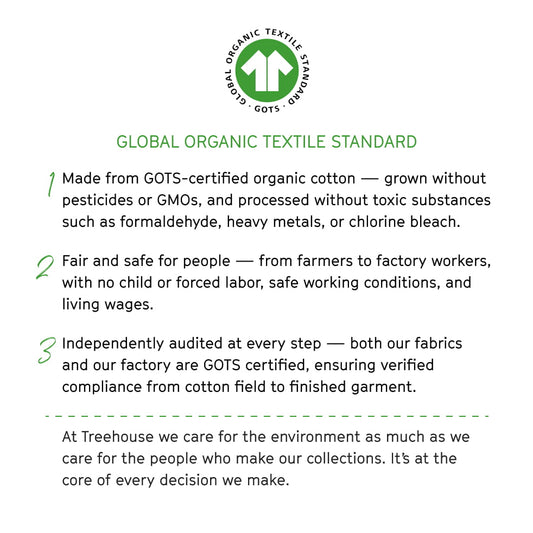
And this is precisely why organic certification matters. “100% cotton” tells you the fiber content; it does not, by itself, tell you how that cotton was grown, processed, dyed or finished. GOTS certification follows the textile through the supply chain, beginning with certified organic fiber and applying environmental and chemical criteria to subsequent processing stages. GOTS describes its label as covering production stages from the certified organic origin of the fiber through to the finished textile product.
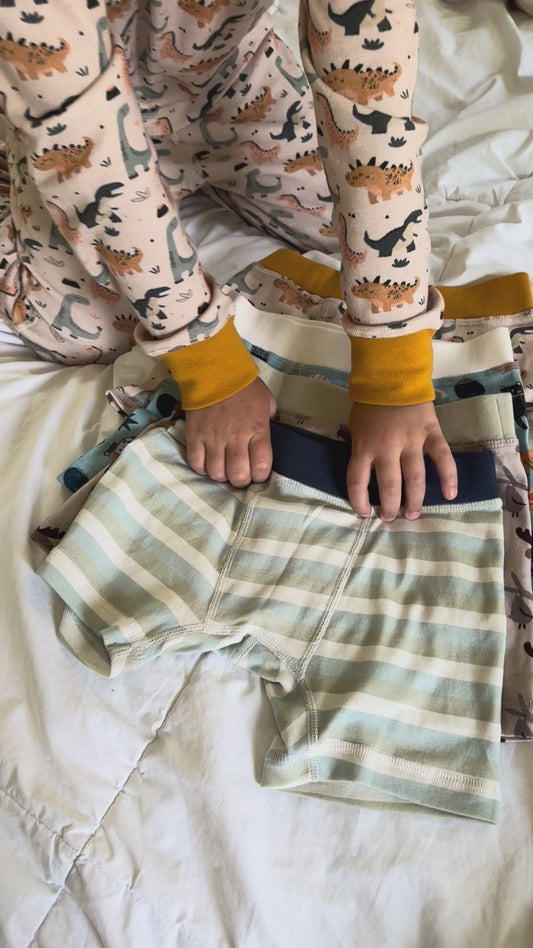
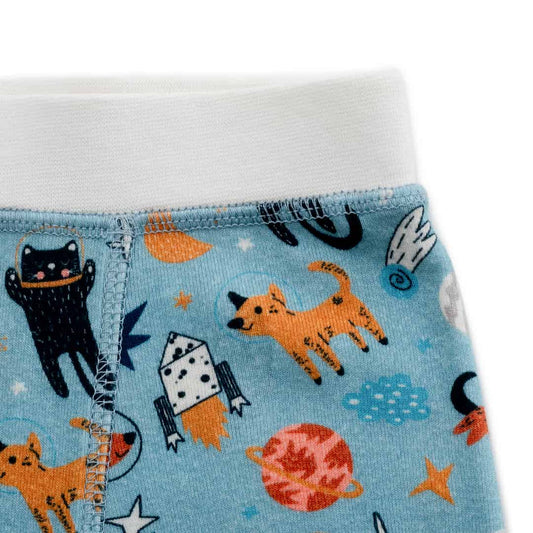
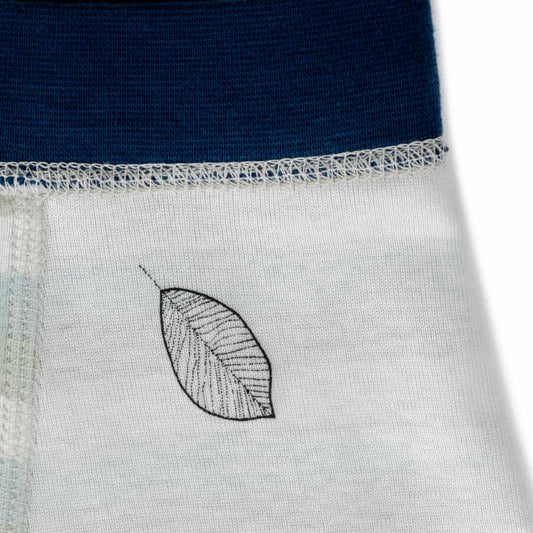
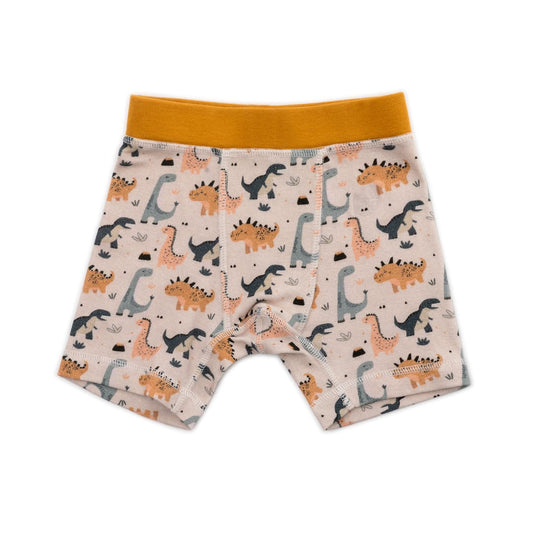
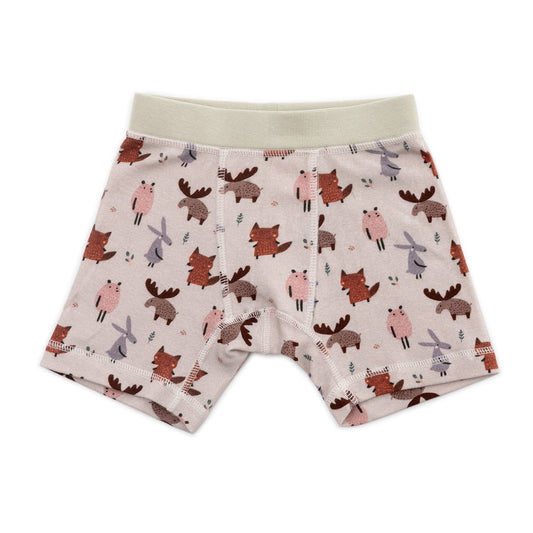
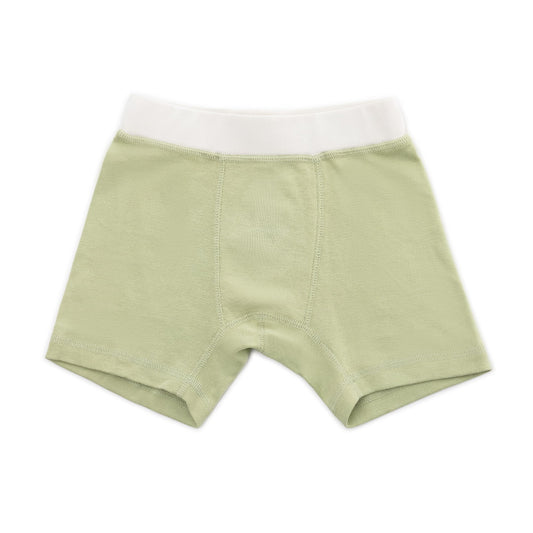
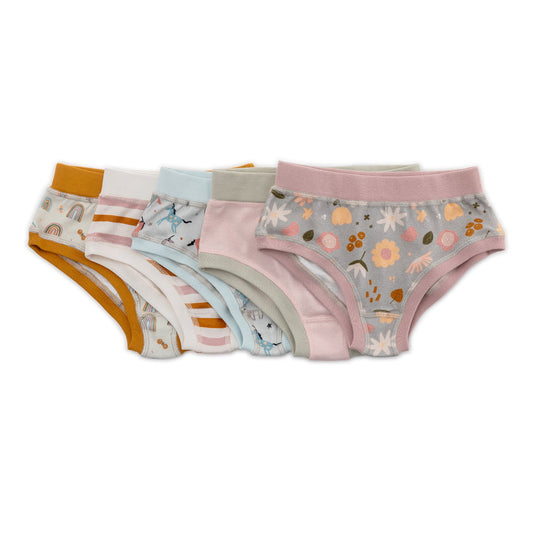
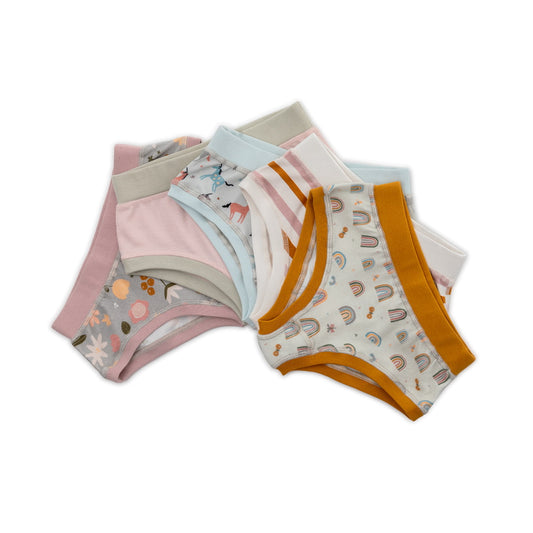
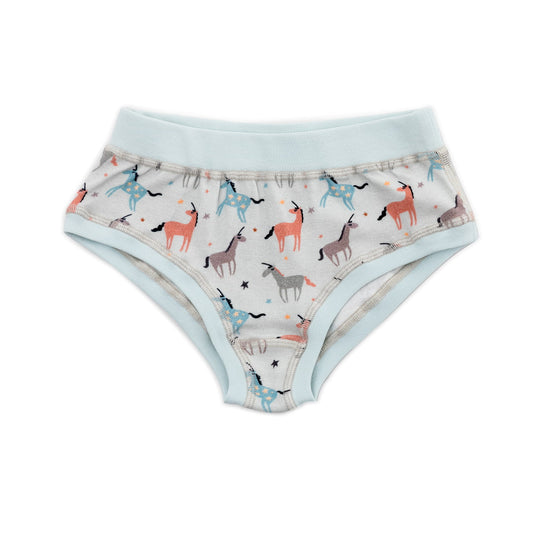
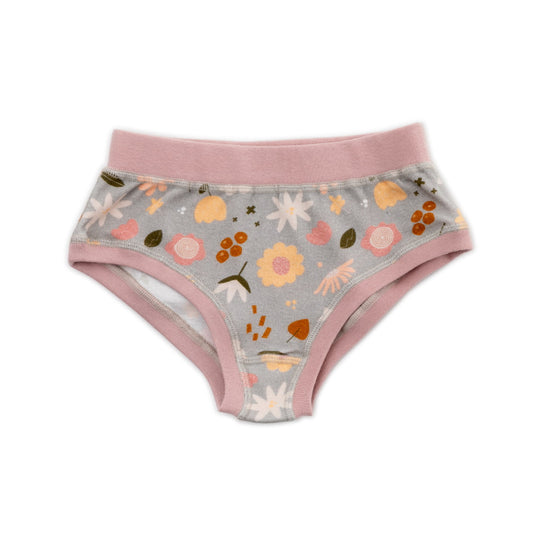
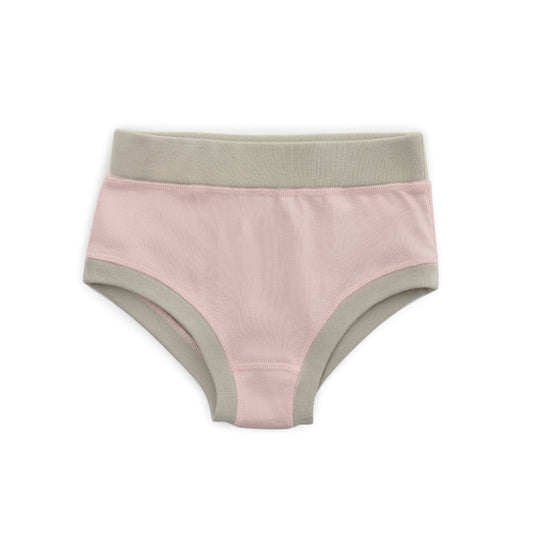
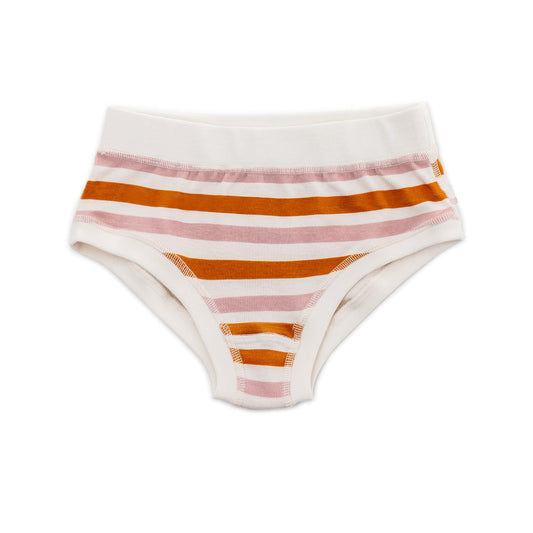
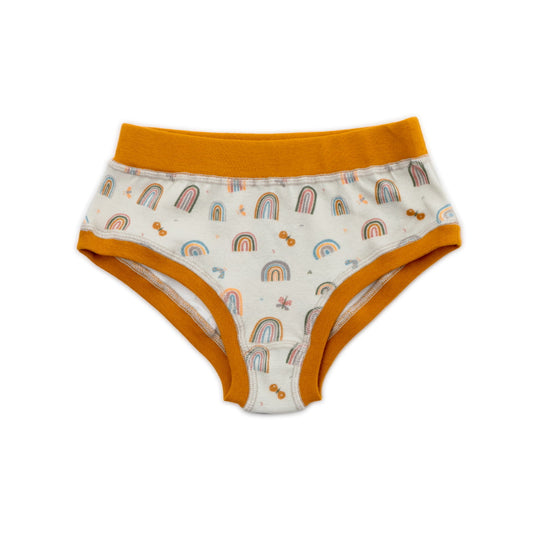
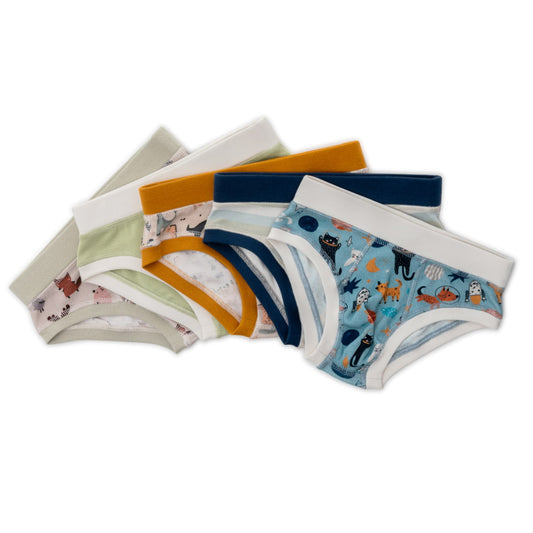
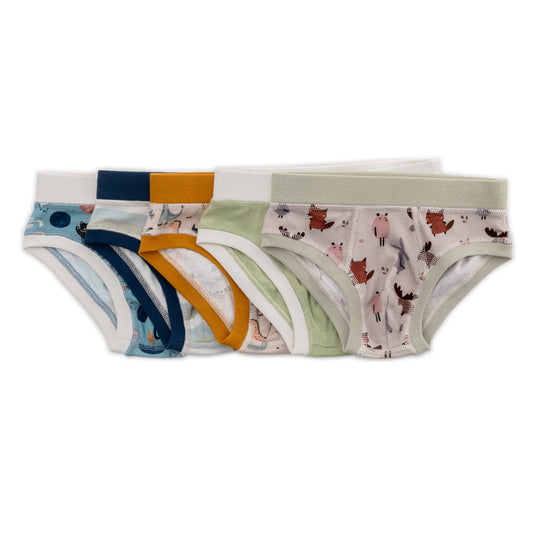
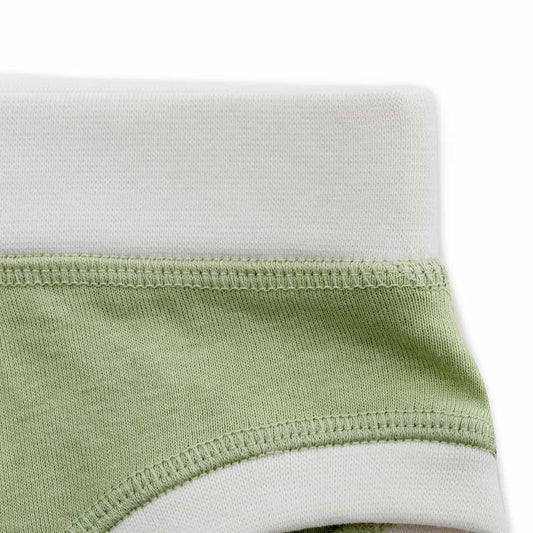
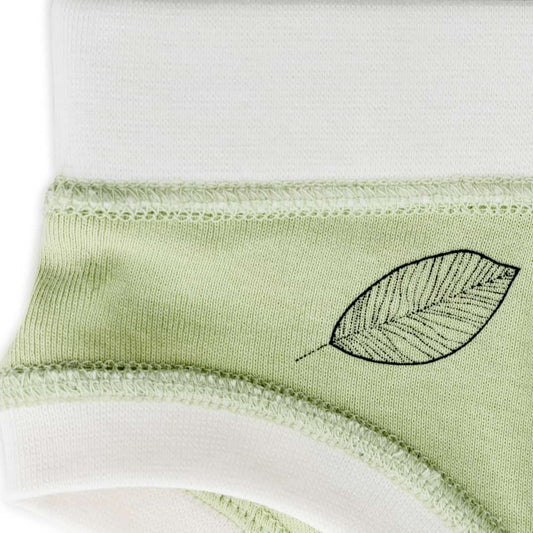
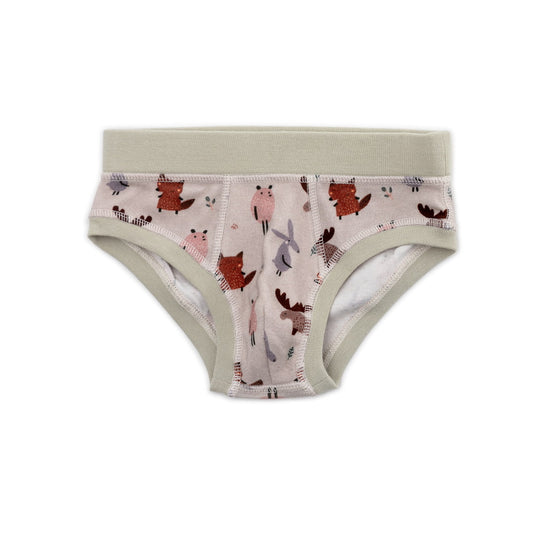
At Treehouse, our underwear is made from 100% GOTS-certified organic cotton, with printed rather than sewn-in tags and a soft, wide waistband. We wanted the garment sitting against a child’s most intimate skin all day to be about as uncomplicated as clothing can reasonably be: certified organic cotton, breathable, comfortable, free from unnecessary plastic fibers, and made under a textile standard that controls far more than the word “cotton” on a composition label.
For us, that is the point of organic underwear. Children need underwear that is comfortable enough to forget about, made from a material we are comfortable putting against their skin every single day.
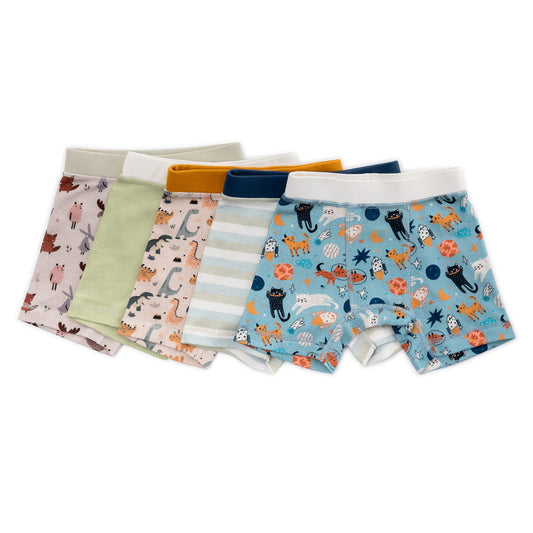
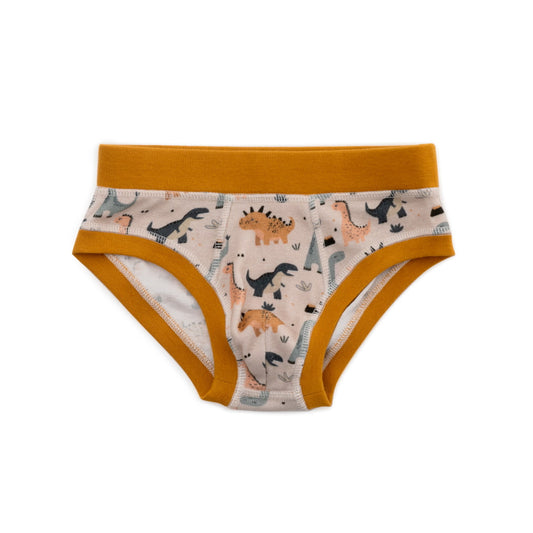
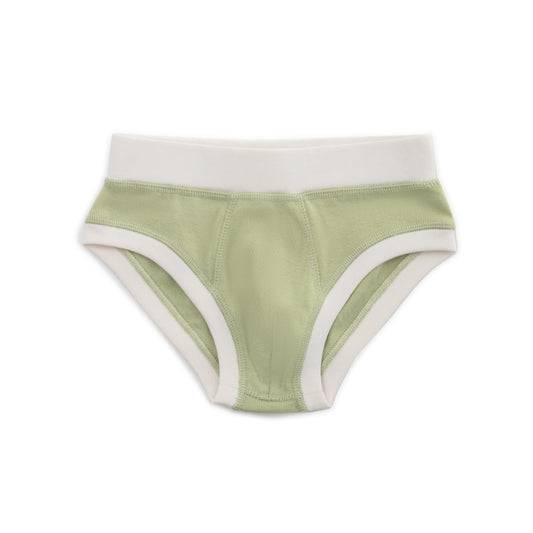
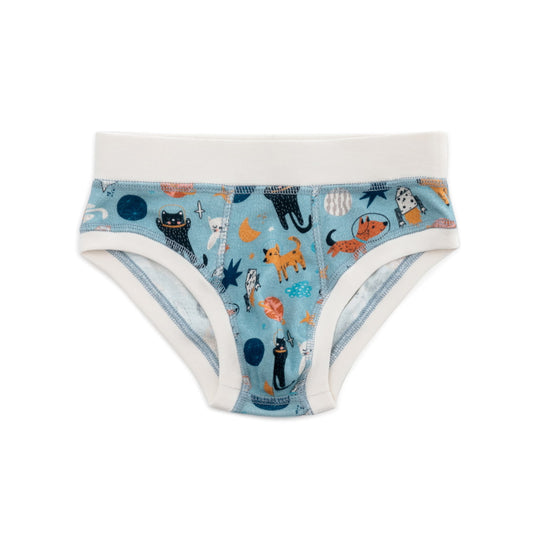
You can see our organic cotton kids’ underwear collection here, or read more about choosing the best fabrics for sensitive skin.
What About Wearing the Same Underwear to Bed?
 There is no universal pediatric rule requiring every child to put on a second clean pair specifically for sleeping if they have already changed that day.
The more useful question is what happened in the underwear they are currently wearing. If your child put on a clean pair after an evening bath, there is little reason to change it again purely because bedtime has arrived. If they put that pair on at 7 a.m., spent the afternoon running around, got sweaty at sports practice and are now climbing into bed in it, changing makes considerably more sense.
Think clean and dry, rather than keeping score.
Is Wearing the Same Pair for Two Days Terrible?
No. It is not an emergency and your child does not require decontamination.
It simply is not a particularly good habit. Underwear is worn against areas where sweat, skin oils and normal bacteria accumulate, and clothing can retain odor even when it appears visually clean. Daily changing is recommended by multiple pediatric and public-health sources.
If your child occasionally forgets, put a clean pair on and move along with your lives. Hygiene habits work better when children understand them than when they become another source of shame.


