






CONTENTS
One minute, you are stocking up on newborn sleepers and tiny onesies. Next, you are packing those baby clothes away and watching your little one take off across the living room at full speed. The transition from baby to toddler is exciting, emotional, and often surprisingly expensive when you realize your child suddenly needs an entirely different type of wardrobe.
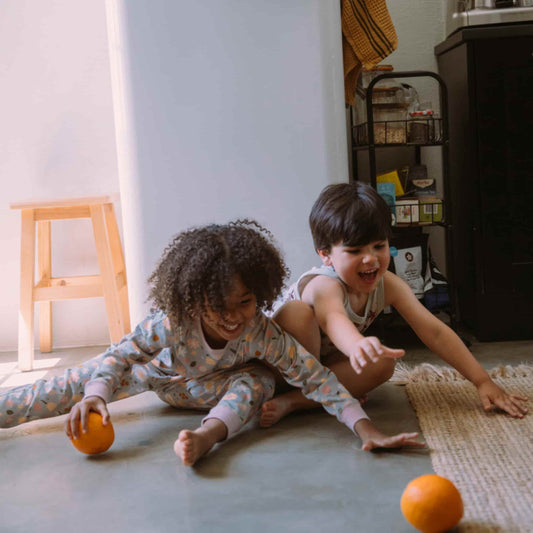
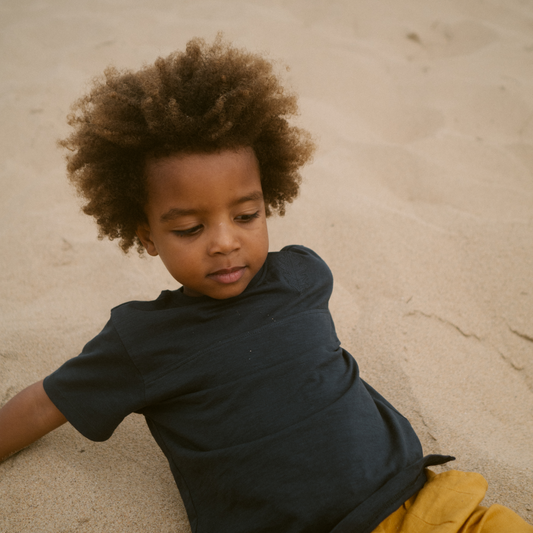
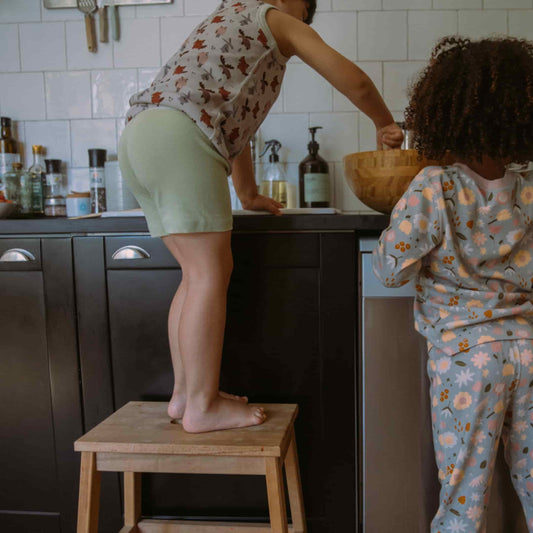
Between 12 and 24 months, children become dramatically more active. They are walking, climbing, squatting, crawling under furniture, feeding themselves, experimenting with crayons, and exploring every puddle they can find. Their clothes need to keep up with all of it.
Many parents find themselves wondering how many outfits a toddler actually needs, whether expensive shoes are necessary, and how to build a wardrobe that works for daycare, playgrounds, and everyday life without overflowing drawers and closets.
This toddler clothing checklist is designed to simplify the process. We will walk through exactly what clothing essentials most toddlers need between 12 and 24 months, how many pieces to buy, and what features to prioritize when shopping. If it feels like only yesterday you were researching newborn wardrobe basics, you are not alone. Time moves incredibly fast during these early years.
Why Toddler Clothes Need to Be Different
 The clothing needs of a 12-month-old are very different from those of a newborn or young infant because their development changes so rapidly during this stage.
One of the biggest shifts is mobility. Most children begin walking between 12 and 18 months, and many quickly progress to running, climbing, and jumping. According to the American Academy of Pediatrics, physical activity plays a critical role in healthy development during toddlerhood, making freedom of movement especially important when choosing clothing.
Toddlers also become increasingly independent. Many begin attempting to pull their own pants up, remove their shoes, and participate in dressing themselves. Clothing with elastic waistbands, simple zippers, and easy neck openings can help support these emerging skills while reducing frustration for both parents and children.
At the same time, messes become a daily reality. Self-feeding, finger painting, outdoor exploration, and sensory play all place significantly greater demands on clothing than the infant stage. Fabrics need to withstand frequent washing without losing shape, shrinking excessively, or becoming rough against sensitive skin.
The best toddler clothes balance comfort, durability, flexibility, and simplicity. Soft fabrics, stretchy waistbands, and breathable materials often outperform stiff denim, restrictive overalls, or complicated outfits that make movement difficult.
Your 12–24 Month Clothing Checklist
The exact number of items your toddler needs will depend on laundry frequency, climate, and daycare attendance. However, the following checklist works well for most families.
Everyday Playwear (Tops and Bottoms)
Everyday playwear forms the foundation of a toddler's wardrobe because these are the pieces your child will wear most often.
For tops, aim for:
-
7–10 short-sleeve shirts
-
4–6 long-sleeve shirts
-
2–3 layering tops for cooler weather
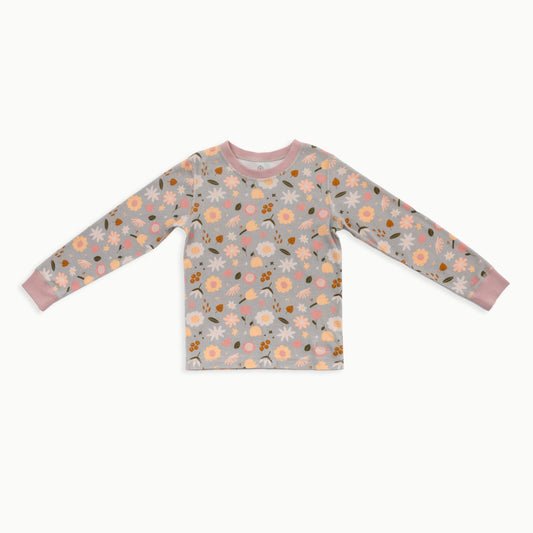
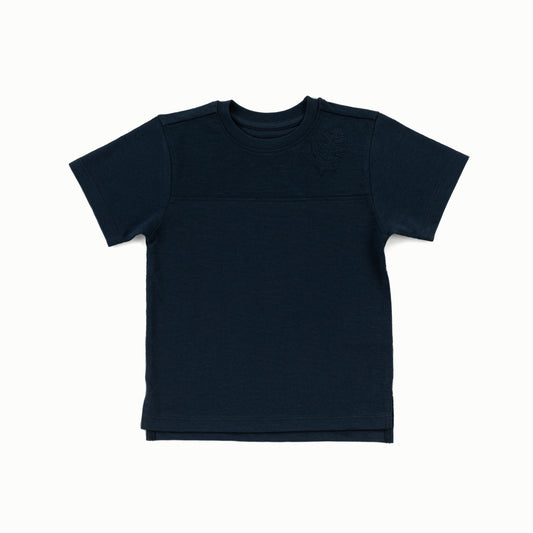
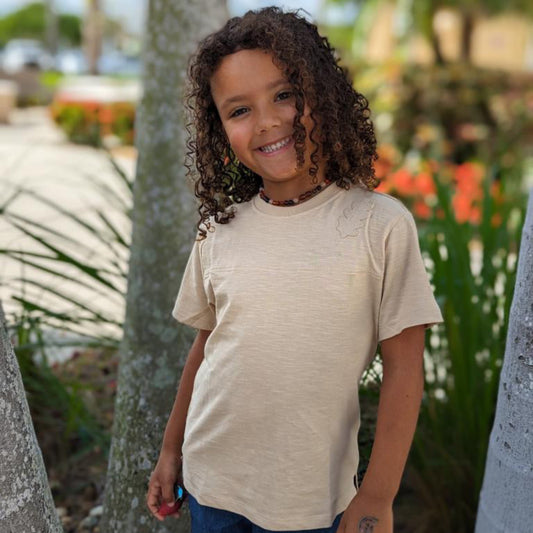
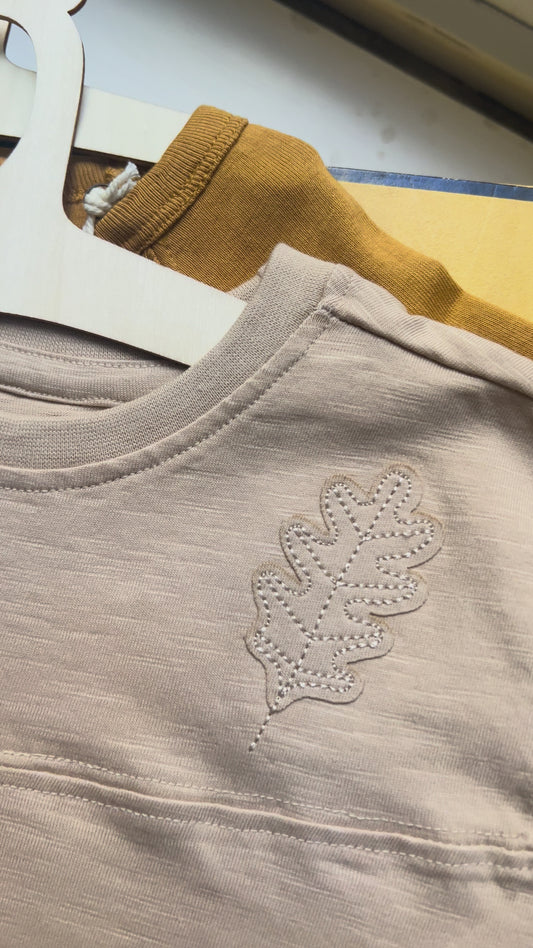
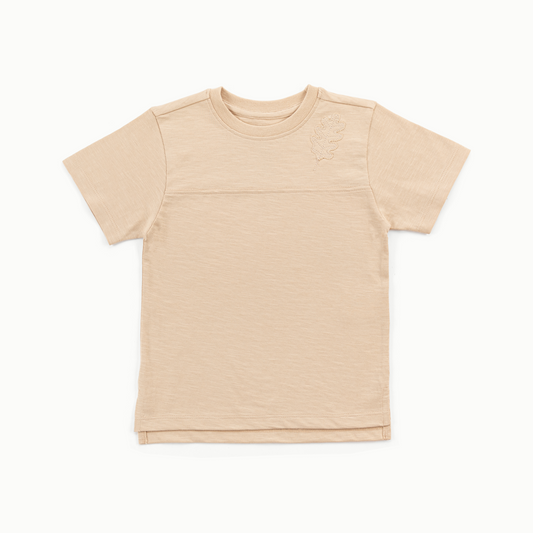
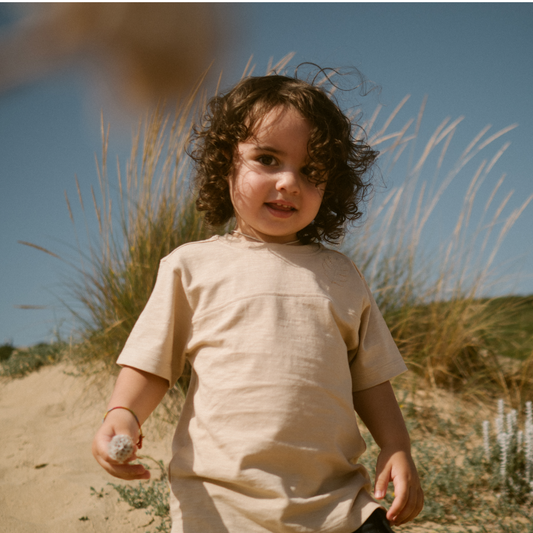
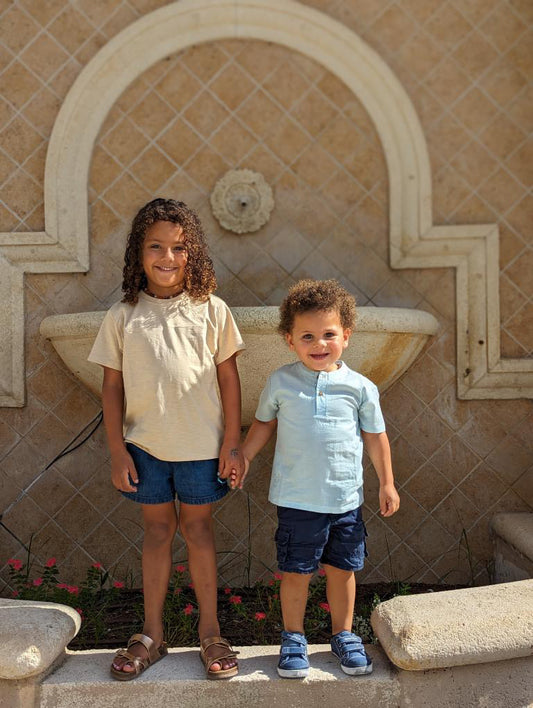
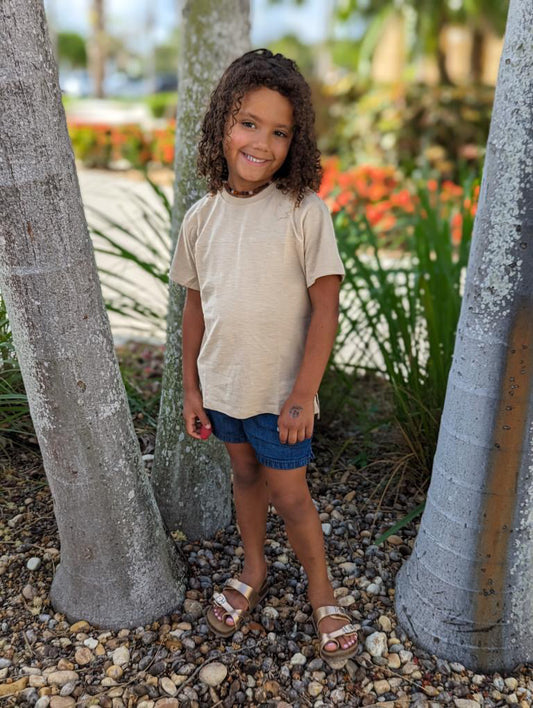
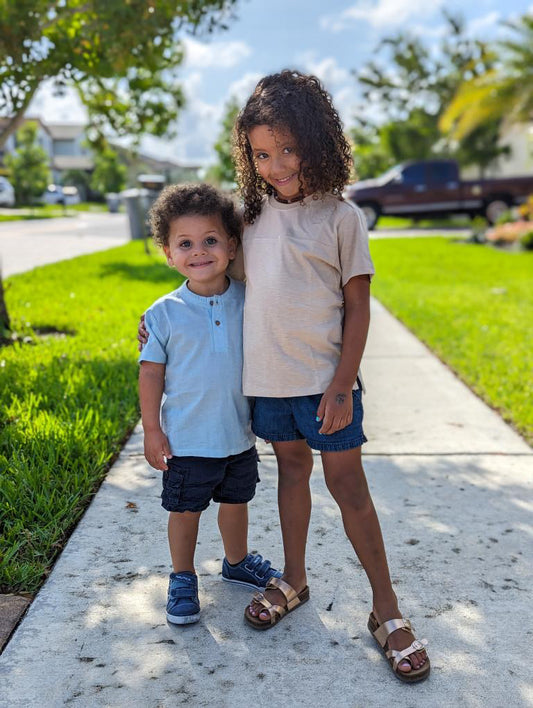
Look for breathable fabrics that remain comfortable during active play and repeated washing. Organic cotton is particularly popular among parents because it is soft, durable, and naturally breathable. Everyday tops should be roomy enough to allow unrestricted movement while still fitting securely during climbing and play.
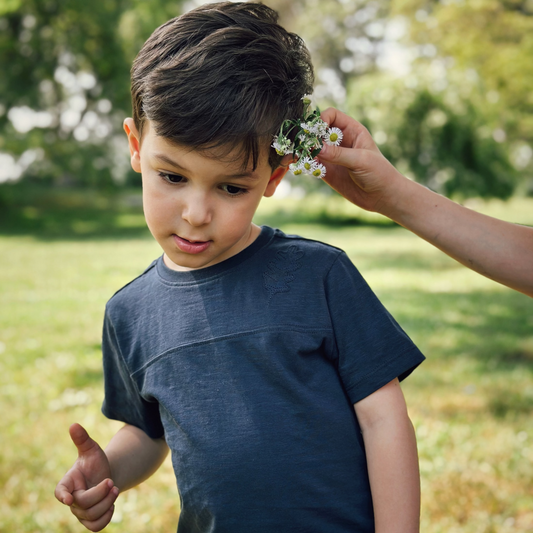
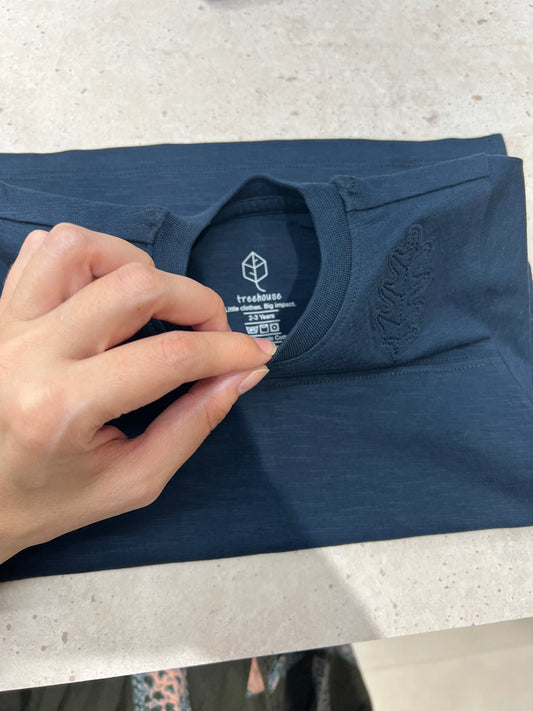
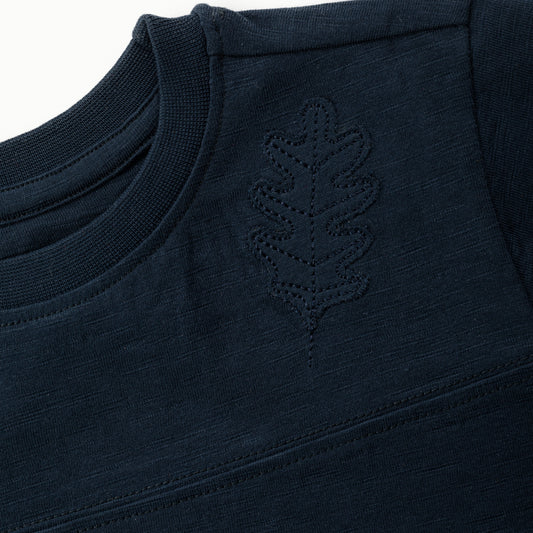
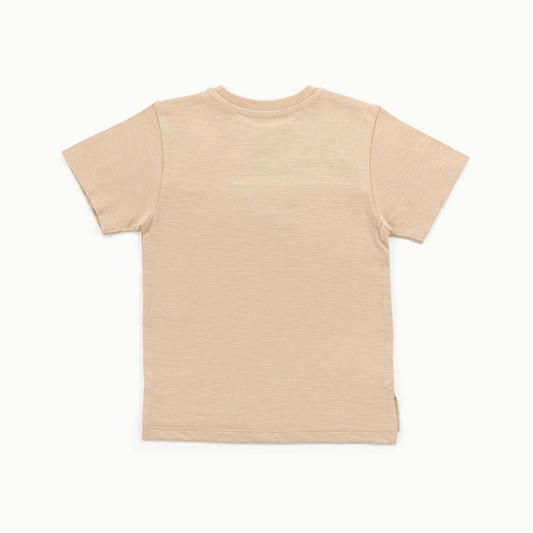
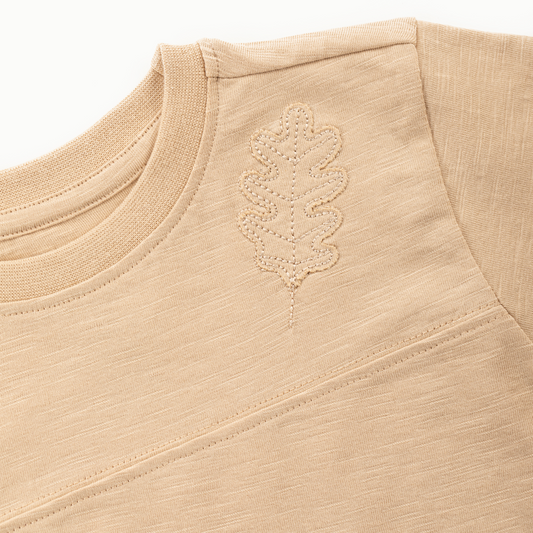
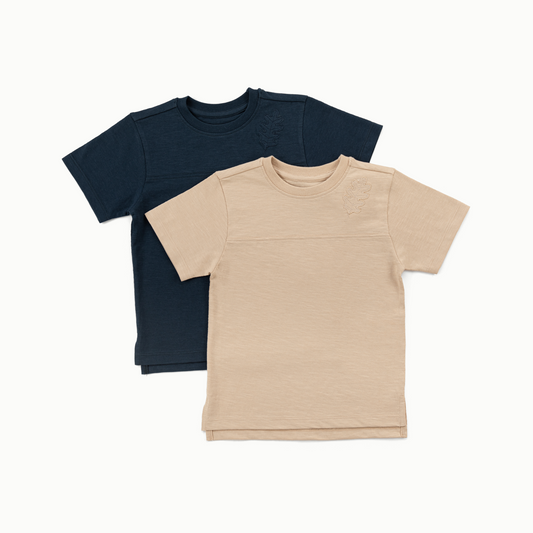
You can find comfortable everyday tops in Treehouse's collection of t-shirts:
https://treehousekids.shop/collections/t-shirts
For bottoms, consider:
-
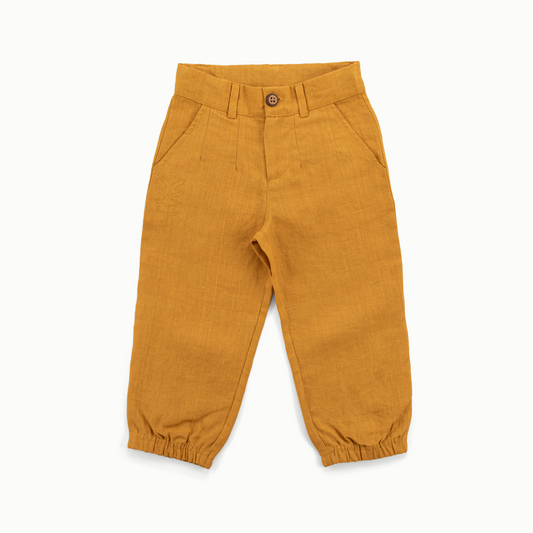
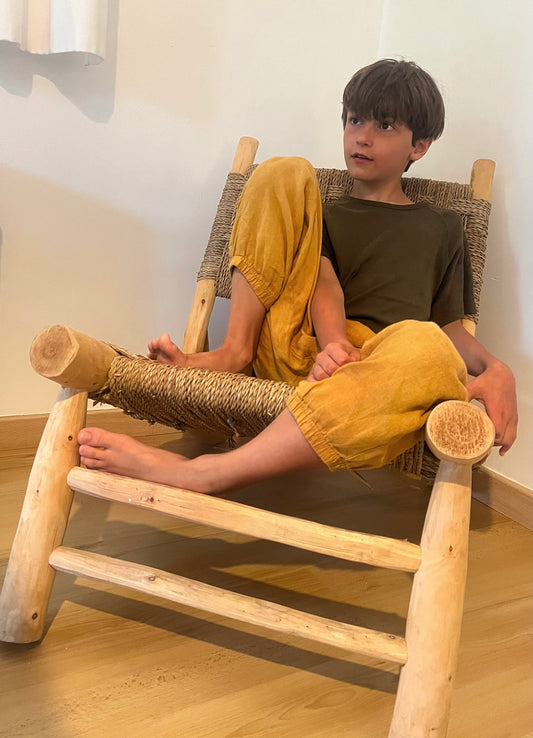
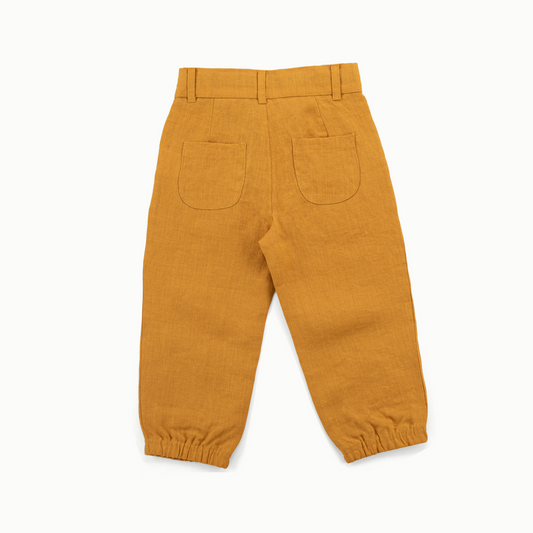
5–7 pairs of pants
-
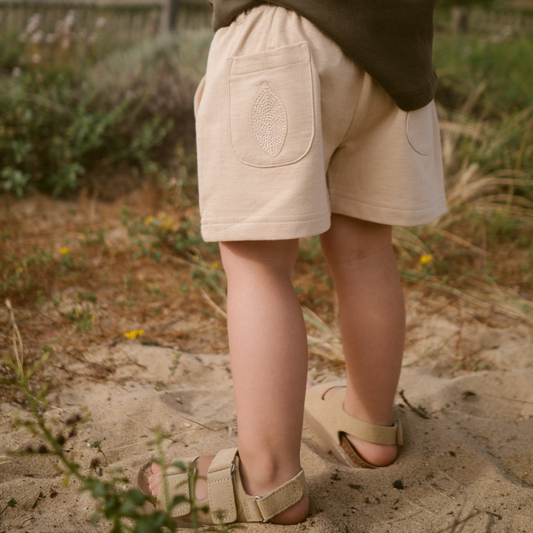
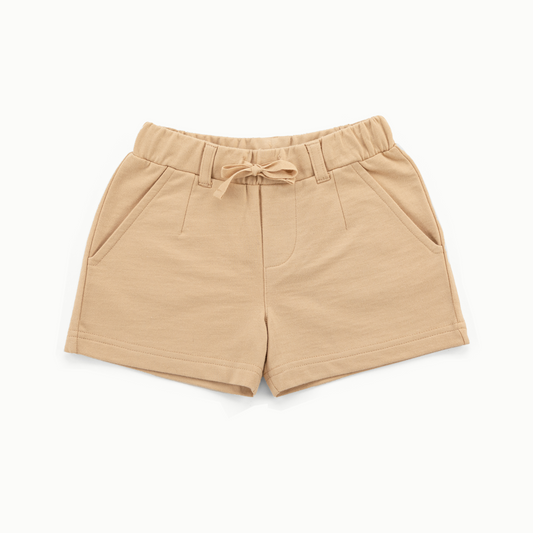
4–6 pairs of shorts
-
1–2 special occasion outfits
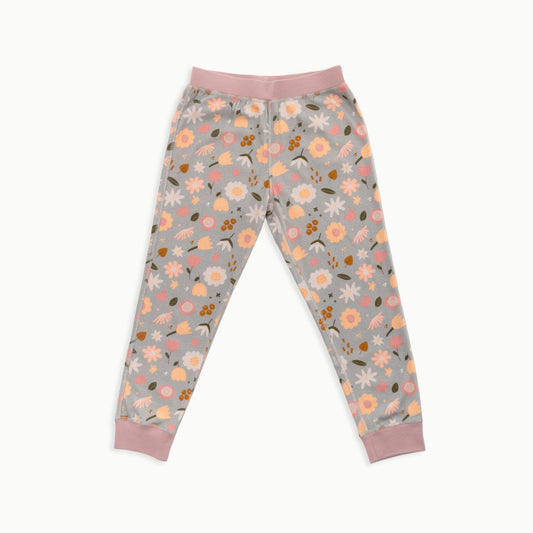
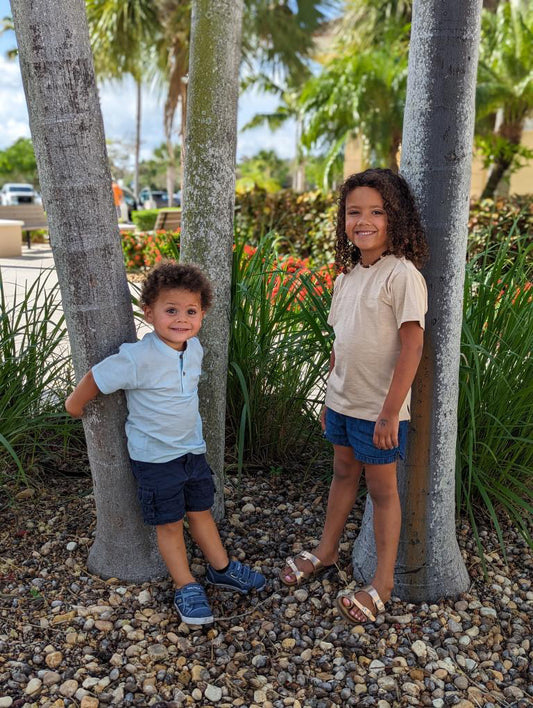
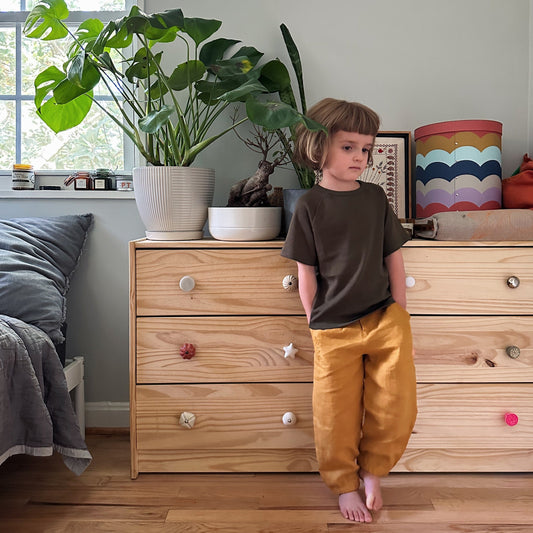
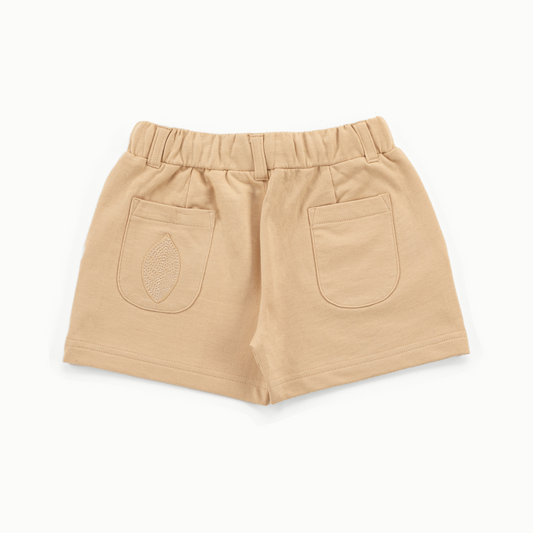
Stretch and mobility matter more than appearance at this age. Elastic waistbands make diaper changes easier and support growing independence. Soft joggers, cotton pants, and comfortable shorts are often more practical than stiff jeans or clothing with complicated closures.
Explore comfortable bottoms here:
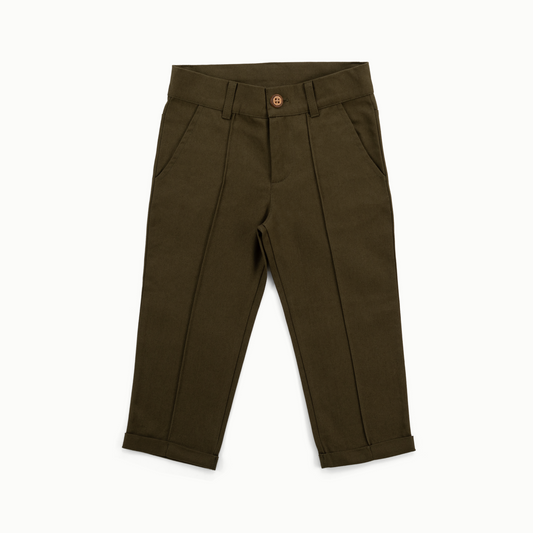
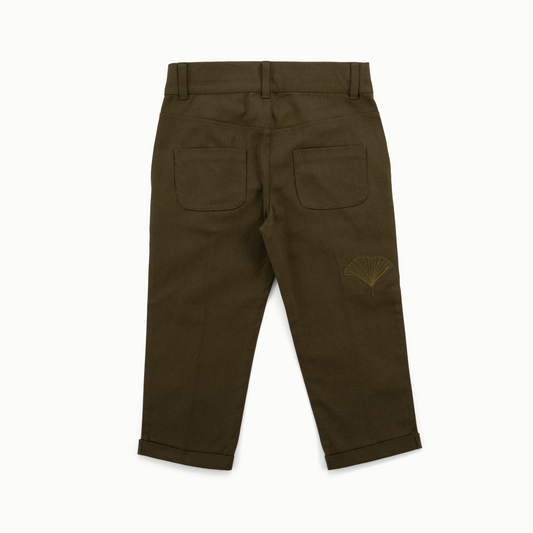
Organic cotton pants: https://treehousekids.shop/collections/organic-cotton-kids-pants
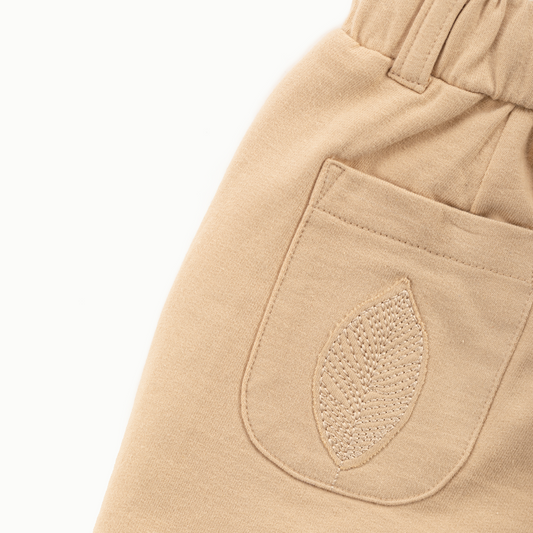
Organic cotton shorts: https://treehousekids.shop/collections/kids-organic-cotton-shorts
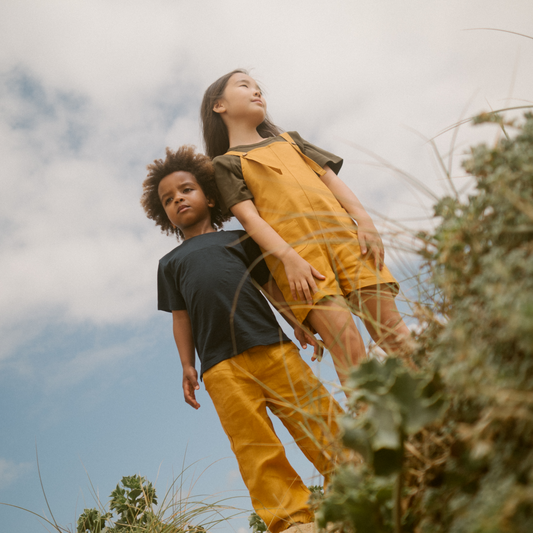
Many parents also find one-piece outfits helpful during this stage because they simplify dressing busy toddlers. Rompers can be particularly useful for active days, travel, and outings. However, if potty training may begin soon, separates generally offer more convenience and independence.
Browse one-piece toddler outfits: https://treehousekids.shop/collections/rompers
Sleepwear and Pajamas
Sleep needs evolve significantly during toddlerhood. Most children transition away from infant sleep sacks and begin sleeping in traditional pajamas during this stage.
Because toddlers tend to move constantly while sleeping, breathable fabrics become especially important. Research shows that overheating can negatively affect sleep quality, making lightweight natural fibers a practical choice year-round.
Most parents choose between two primary sleepwear options.
One-piece zip-up sleepers work well for toddlers who kick off blankets or tend to wake up with cold feet. They also provide full-body coverage during cooler months.
Browse one-piece sleepers: https://treehousekids.shop/collections/baby-sleepers
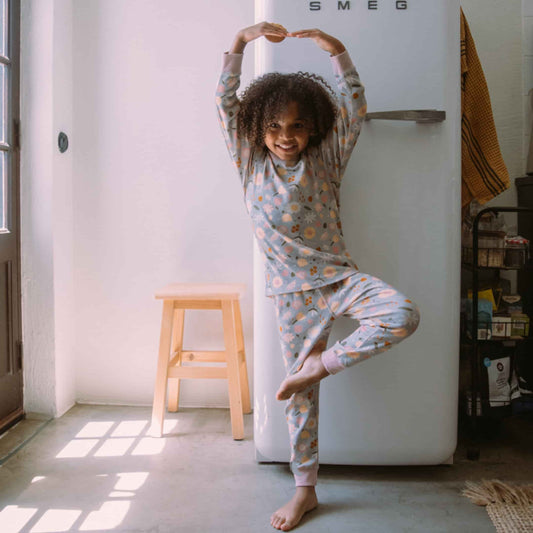
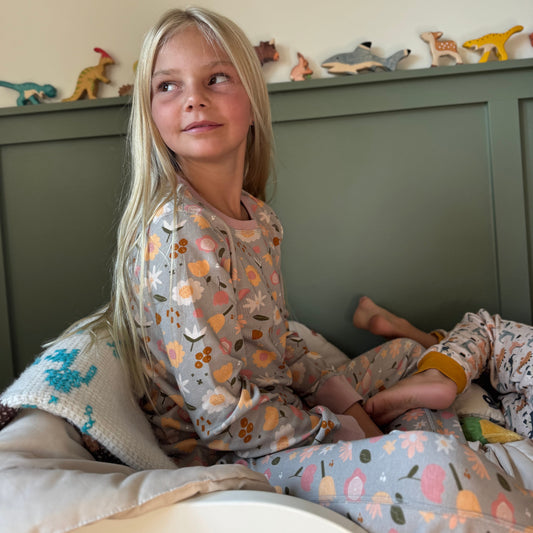
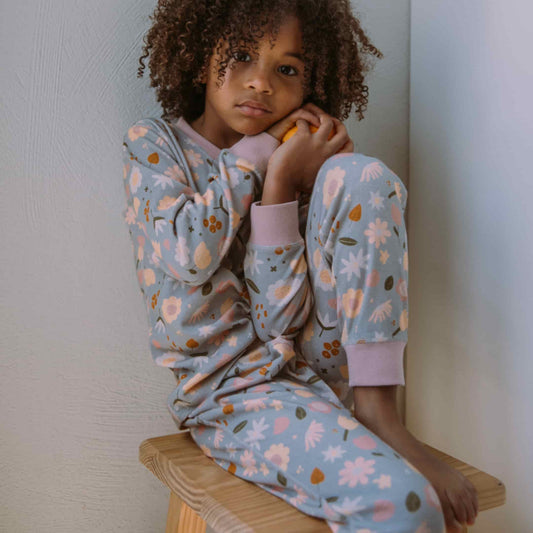
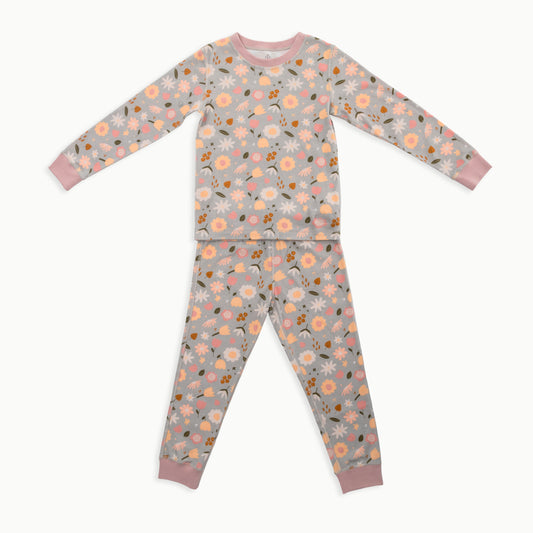
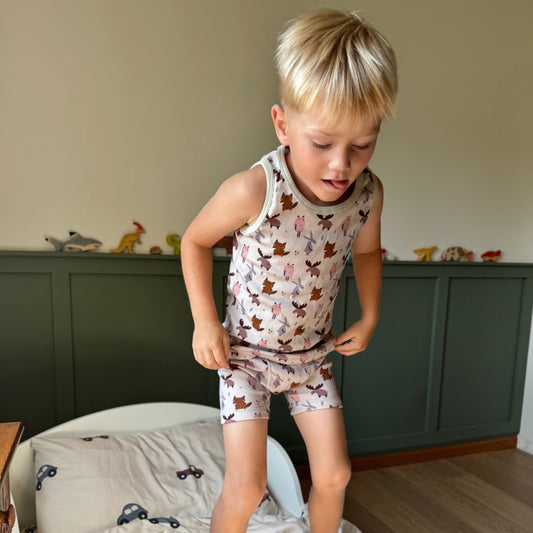
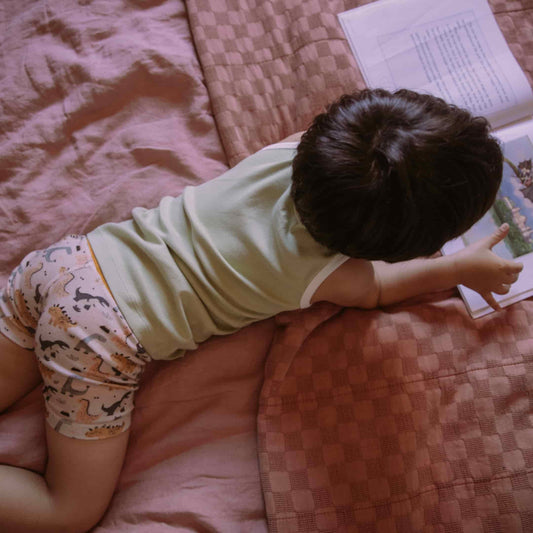
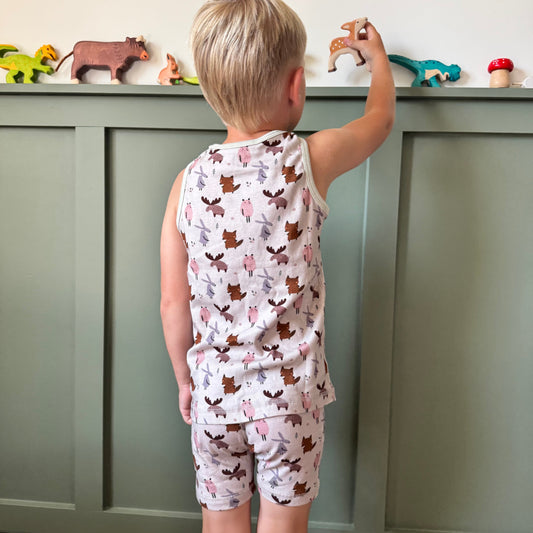
Two-piece pajama sets offer greater flexibility and can make diaper changes, bathroom trips, and early potty training easier. Many toddlers also prefer the freedom of movement that comes with separate tops and bottoms.
Browse toddler pajamas: https://treehousekids.shop/collections/pajamas
For most toddlers, a practical sleepwear collection includes:
-
3–5 pairs of pajamas
-
2–3 backup sleep outfits
-
Seasonal layers for colder weather
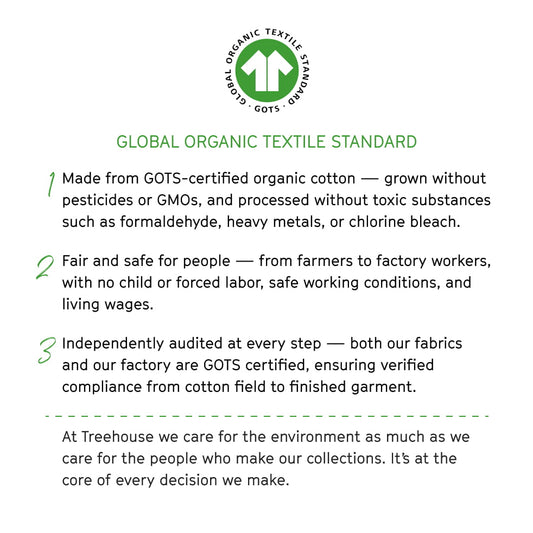
When choosing sleepwear, prioritize soft, breathable fabrics such as organic cotton that help regulate temperature while remaining gentle on sensitive skin.
Outerwear and Seasonal Layers
Toddlers spend more time outdoors than infants, which means layering becomes increasingly important.
A practical outerwear collection typically includes:
-
1 lightweight jacket
-
1 heavier winter coat
-
2–3 zip-up hoodies or cardigans
-
1 rain jacket or splash suit
-
Seasonal hats and accessories
Zip-up layers are particularly useful because temperatures can fluctuate significantly throughout the day. Cardigans, hoodies, and lightweight jackets make it easy to add or remove layers as needed.
If your family lives in a colder climate, remember that bulky winter coats should not be worn underneath car seat harnesses. The American Academy of Pediatrics recommends using thin layers in the car seat and adding blankets or approved covers over the harness instead.
Underwear and Potty Training Prep
Between 18 and 24 months, many families begin thinking about potty training, even if they are not ready to start immediately.
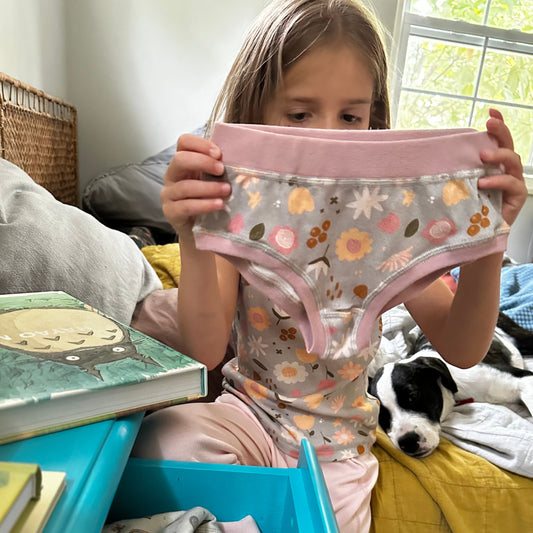
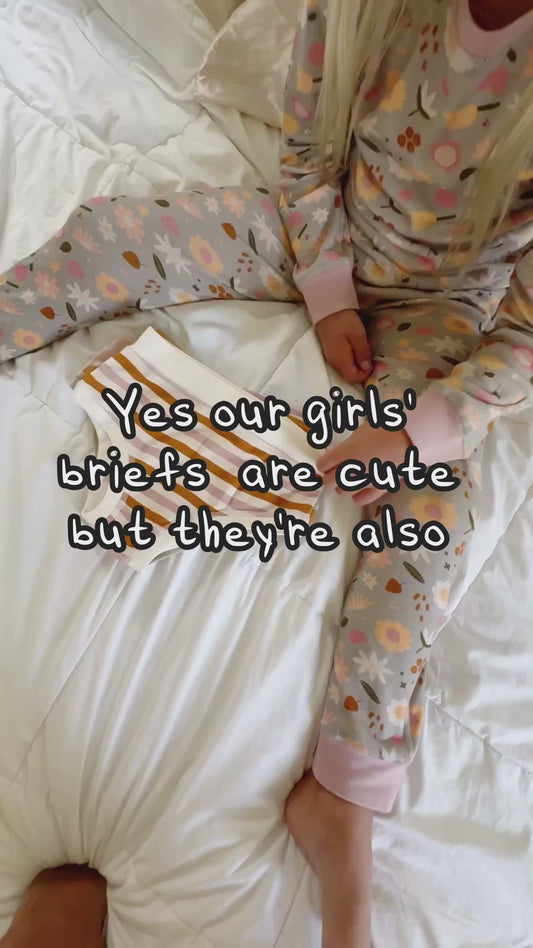
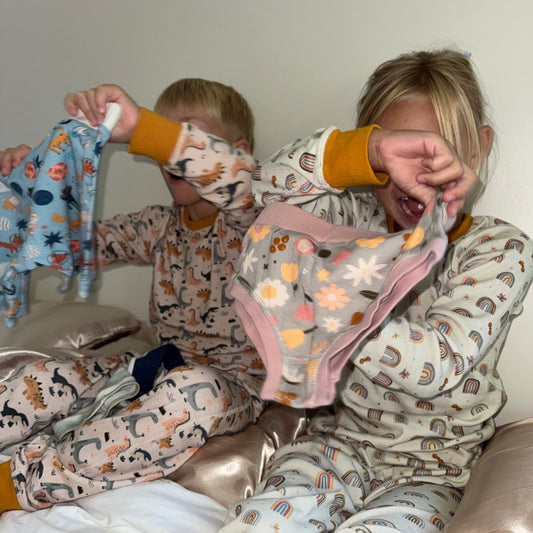
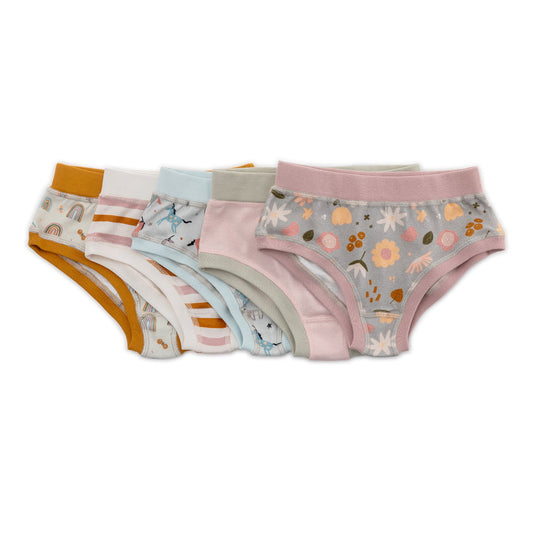
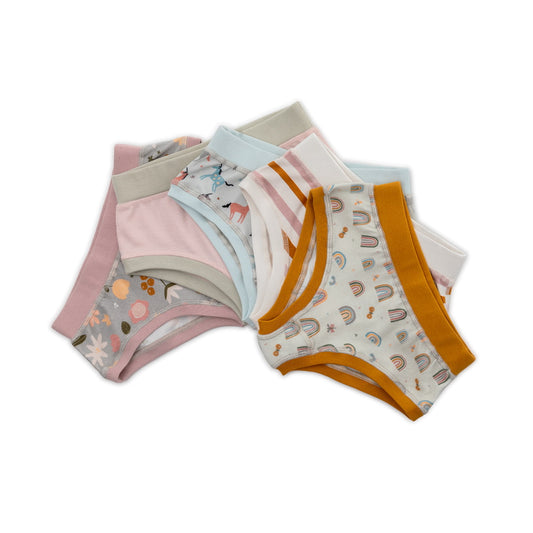
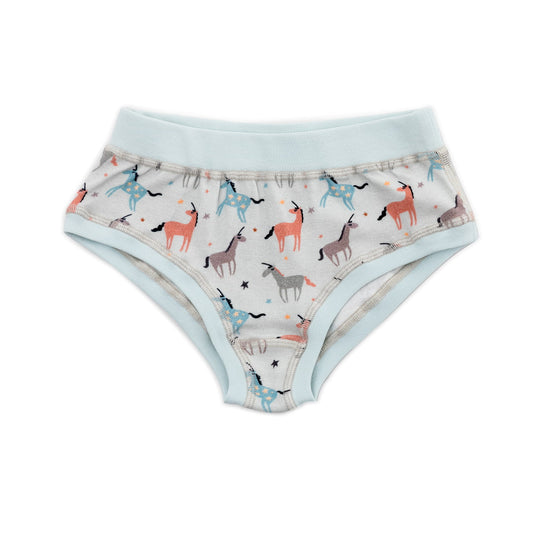
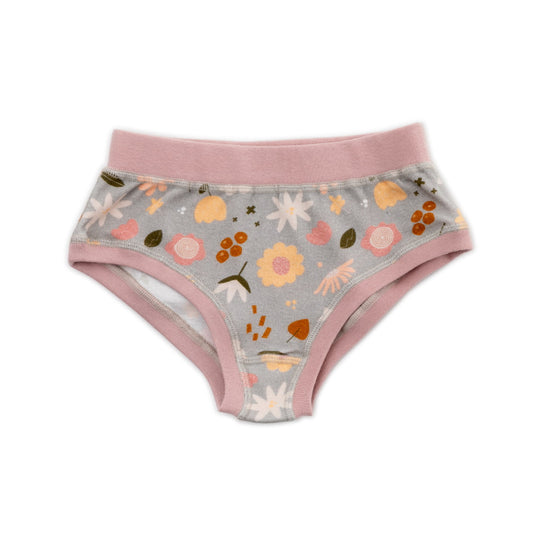
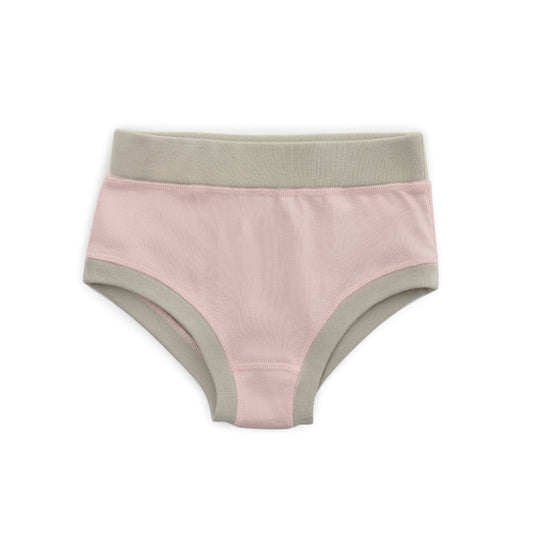
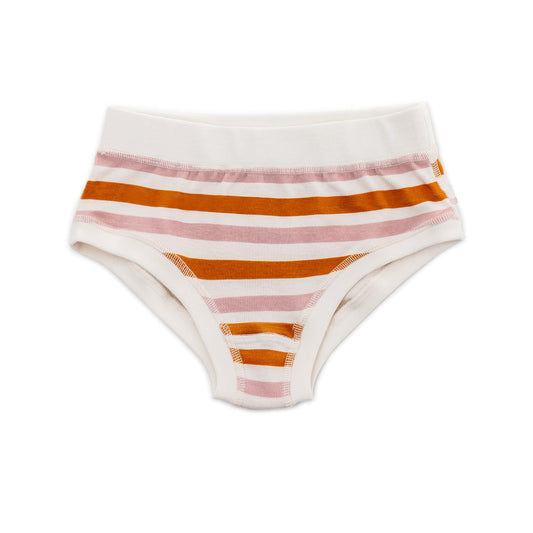
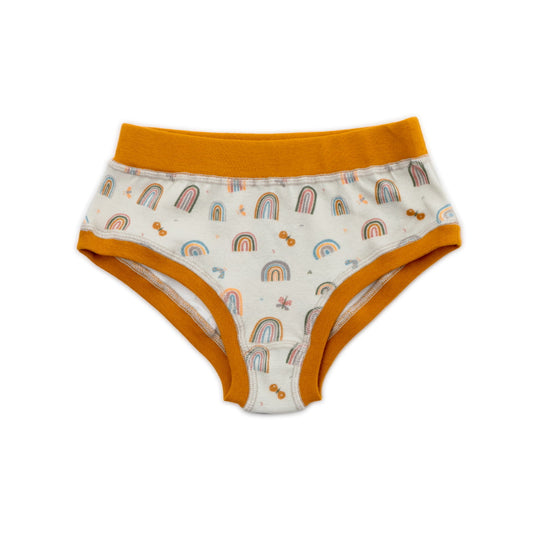
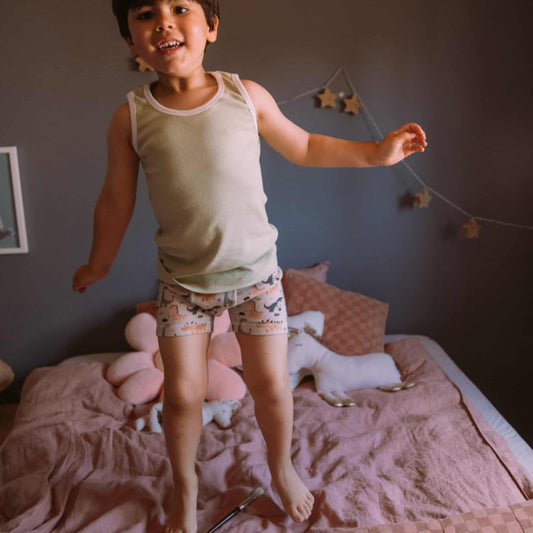
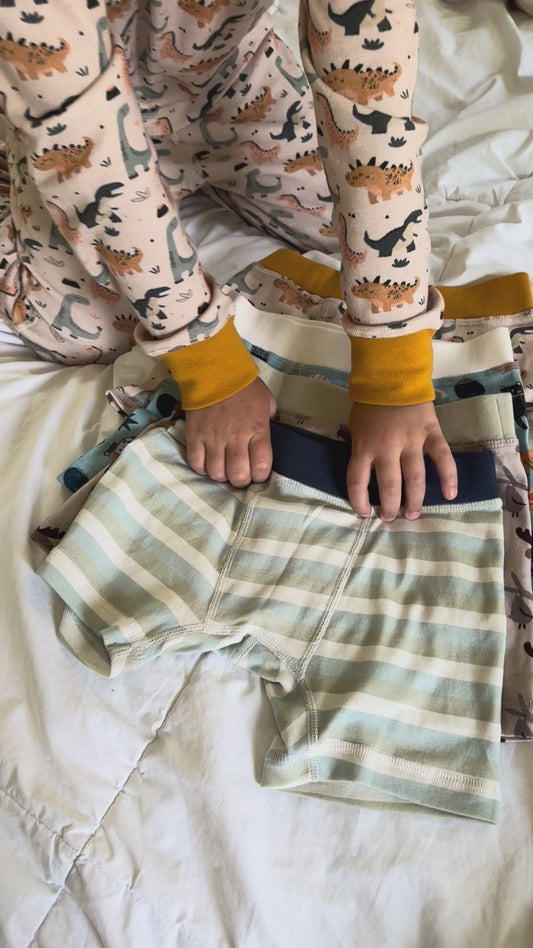
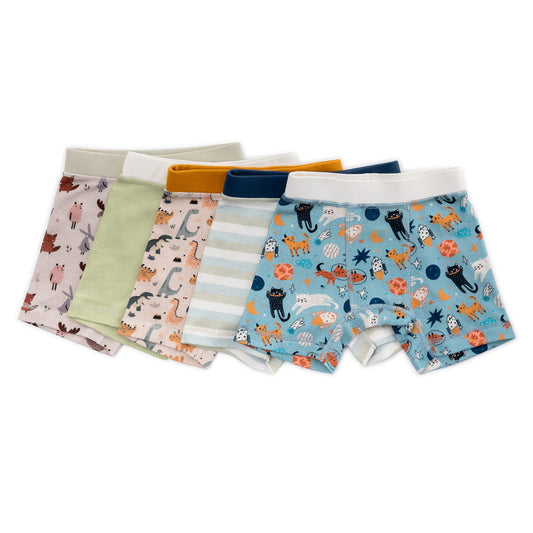
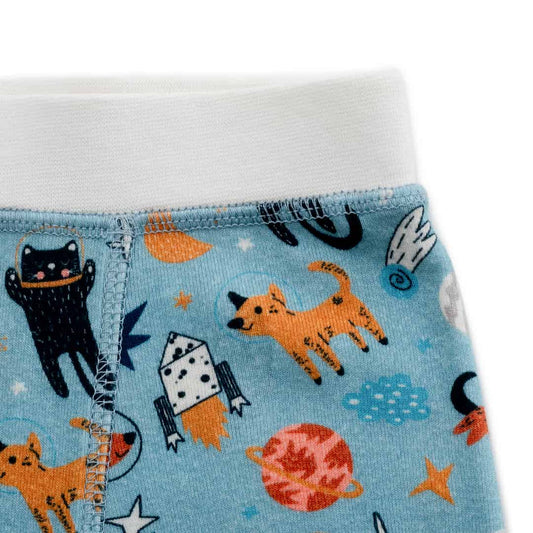
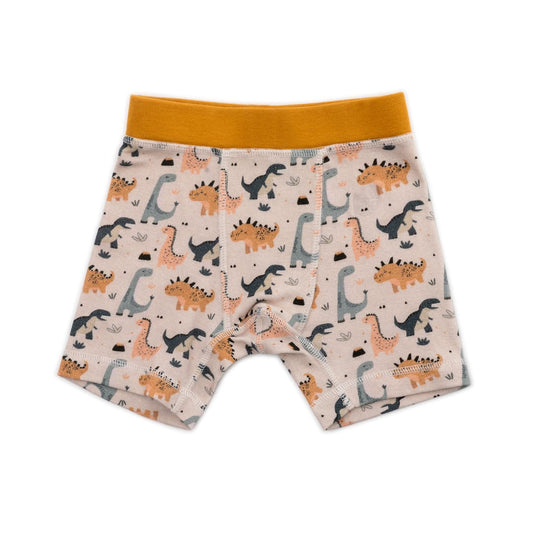
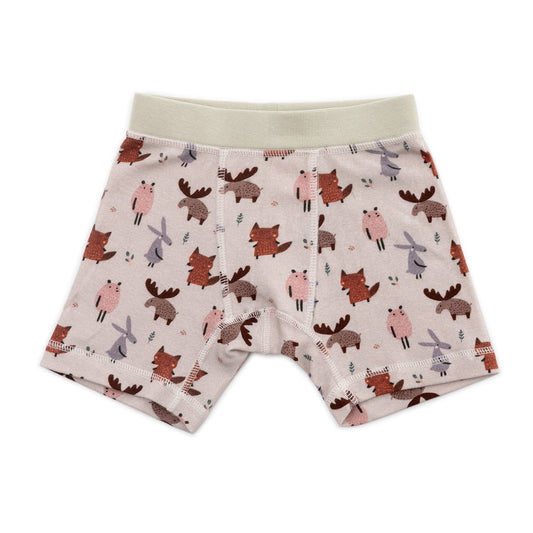
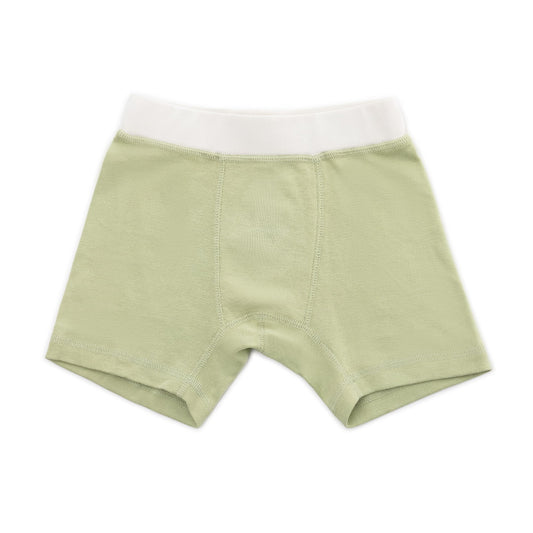
During this period, comfortable underwear becomes an important wardrobe category. Underwear should fit snugly without pinching, bunching, or irritating sensitive skin.
Many parents find that introducing underwear before formal potty training helps build familiarity and excitement around the transition.
A good starting point includes:
-
10–14 pairs of underwear
-
Several backup pairs for outings
-
Comfortable training pants if actively potty training
If you are preparing for this milestone, explore early potty training basics and comfortable kids' underwear here.
Build Your Toddler's Wardrobe
Building a toddler wardrobe should not require choosing between comfort, durability, and sustainability.
At Treehouse Kids, we design clothing specifically for the realities of toddler life. Our pieces are made to withstand frequent washing, active play, climbing, crawling, and all the adventures that come with raising a curious one-year-old. At the same time, we prioritize soft, breathable fabrics that feel comfortable against sensitive skin.
Whether you are shopping for everyday basics, pajamas, outerwear, or underwear, our collection of sustainable kids' and baby clothes is designed to simplify getting dressed while helping children move comfortably through every stage of development.
Product categories parents often love during this stage include:
-
Organic cotton everyday basics
-
Durable playwear
-
Comfortable pajamas
-
Soft toddler underwear
-
Easy-to-layer seasonal essentials


