





CONTENTS
Imitation cotton is fabric that has been made to look and feel like cotton without actually being cotton. Most of the time it is polyester. Sometimes it is rayon or viscose. Whatever the fiber, it has been engineered to recreate the softness and look we associate with cotton, usually at a lower cost.
It is not real cotton. It is also not dangerous. But it is not the same thing either, and it is often sold in a way that is designed to make you think it is. That is the part worth paying attention to.
The difference starts with where the fiber comes from. Cotton grows on a plant. Polyester begins with fossil fuels and is manufactured into a synthetic fiber. Rayon and viscose sit somewhere in between, made from wood pulp that has been through heavy chemical processing. However soft the end result feels in your hand, one of these grew in a field and the others were made in a factory.
Then there is the naming, which is where most of the confusion comes from. Imitation cotton turns up under a lot of labels: artificial cotton, faux cotton, synthetic cotton, "cotton-feel," even "super imitation cotton." Those names are doing a job. They are there to make you think of cotton while quietly leaving out the fiber that is actually in the fabric.
One quick note, because the term gets used two ways. "Imitation cotton" sometimes means a synthetic stuffing or filler, the kind found inside cushions and jackets. When we are talking about clothing, it means the fabric, and that is what this is about.

Imitation Cotton vs Real Cotton
Real cotton grows on a plant. Polyester is plastic: it starts with fossil fuels and is manufactured into a synthetic fiber. The fact that modern textile processing can make the two feel surprisingly similar in your hand does not make them remotely the same material.
That is really the point of imitation cotton. Manufacturers can engineer polyester to recreate some of the softness and appearance people associate with cotton, at a much lower cost. What they cannot recreate in exactly the same way is how a natural cotton fiber behaves.
Cotton is breathable and absorbent. It takes up moisture and allows air to move through the fabric, which is one reason it works so well for clothing worn directly against the skin.
Polyester is hydrophobic, meaning it absorbs very little moisture into the fiber itself. Sweat therefore sits between the fabric and the skin rather than being absorbed as it is with cotton. For a baby in a bodysuit, pajamas or other clothing worn for hours at a time, that matters.
Then there is pilling. Synthetic fibers such as polyester are strong, so when friction creates those little balls of tangled fiber on the surface of a garment, they tend to remain stubbornly attached. Anyone who has owned cheap polyester pajamas will probably recognise the result.
And polyester is plastic. That isn't inflammatory language; it is what the material is. It is a petroleum-derived synthetic polymer made into textile fibers, with the trade-offs that come with it.
So while imitation cotton can be engineered to feel remarkably cotton-like when you pick it up in a shop, the similarity is largely superficial.
| Real cotton | Polyester imitation cotton | |
|---|---|---|
| Where it comes from | Cotton plant | Petroleum-derived synthetic polymer |
| Fiber type | Natural | Synthetic plastic fiber |
| Moisture | Absorbent | Absorbs almost no moisture into the fiber |
| Breathability |
Naturally breathable |
Generally less breathable |
| Wear | Softens with washing | Can pill with friction and washing |
| What the label says | 100% cotton | Polyester or a polyester blend |
There are plenty of places where manufacturers choose polyester because they specifically want the properties of polyester.
What I find much harder to understand is taking plastic, processing it until it resembles cotton and then selling the resulting fabric using language designed to make consumers think of cotton.
If you want cotton, buy cotton.
Does Imitation Cotton Matter for Babies?
 Polyester isn't simply a less breathable version of cotton. It is a plastic fiber, and plastic textiles shed microplastics.
Tiny fibers break away from synthetic clothing through normal use, friction and laundering. Research has identified synthetic textiles as an important source of microplastic fibers in the environment, while studies of indoor air have found polyester among the plastic polymers we are exposed to indoors.
That matters when we are talking about baby clothing because babies spend an enormous amount of time in direct contact with textiles: bodysuits, pajamas, sleepers, blankets, carpets and upholstery. They also spend much more time close to floors and household dust than adults do.
We still don't have enough evidence to tell parents exactly what years of exposure to textile-derived microplastics means for a child's health, but why wait to find out?
We do know the exposure exists.
We know synthetic textiles shed plastic microfibers during washing and use. We know microplastics are present in indoor air and household dust. And researchers are actively investigating inhalation and ingestion as routes of human exposure.
For me, that is enough reason to apply a fairly simple principle: where there is no good reason for my child to wear plastic, I would rather they didn't.
Then there are the more immediate differences.
Cotton is a natural, absorbent fiber. Polyester is petroleum-derived, absorbs very little moisture into the fiber itself and generally doesn't manage heat and moisture against the skin in the same way. It can also pill as it is repeatedly worn and washed.
None of this means you need to throw away every polyester item your child owns. It means polyester engineered to imitate cotton is a particularly strange proposition.
We have taken a natural fiber that already exists, replaced it with a fossil-fuel-derived plastic, engineered that plastic to feel like the original fiber, and then given it names such as “cotton-touch.”
I would rather just have the cotton.
Where Treehouse Fits In
This is one of those areas where our position is very simple.
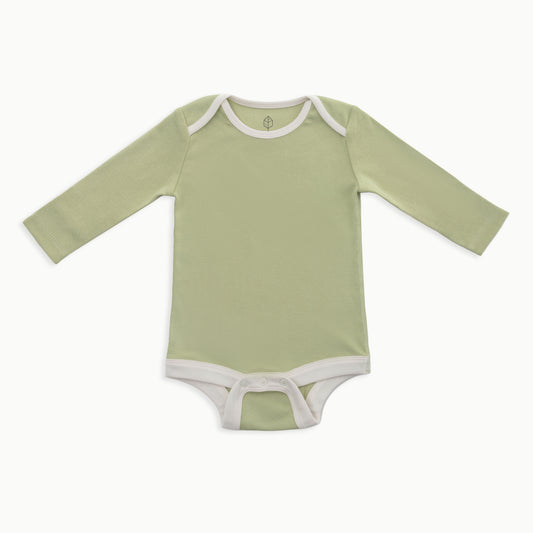
We don't use imitation cotton. We don't replace cotton with polyester and call it “cotton-feel.” And we don't bulk out our cotton baby basics with synthetic fibers to make them cheaper to produce.
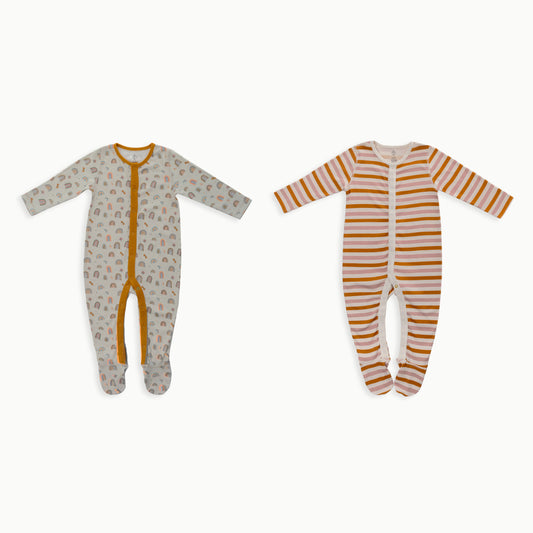
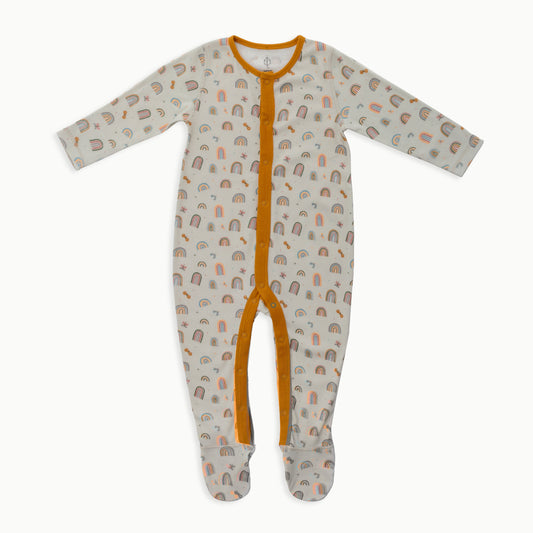
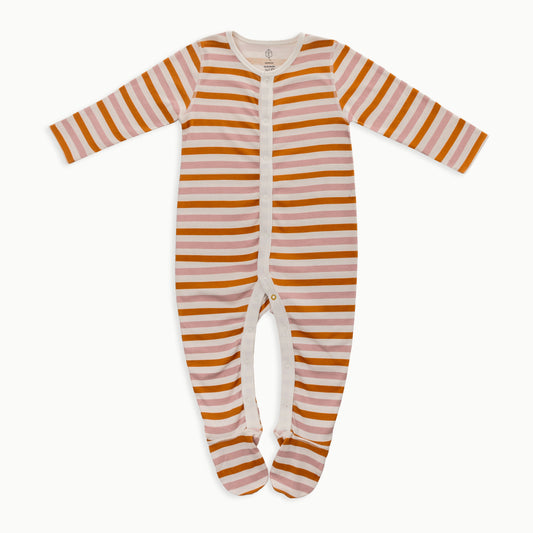
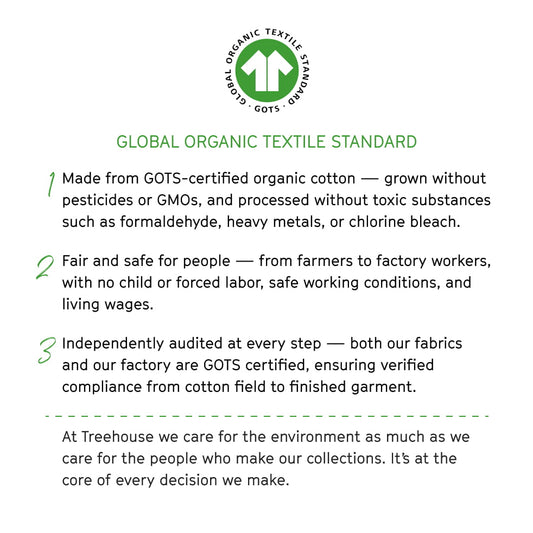
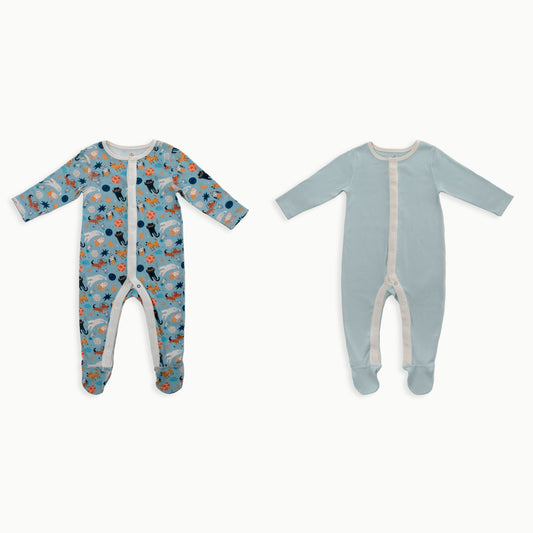
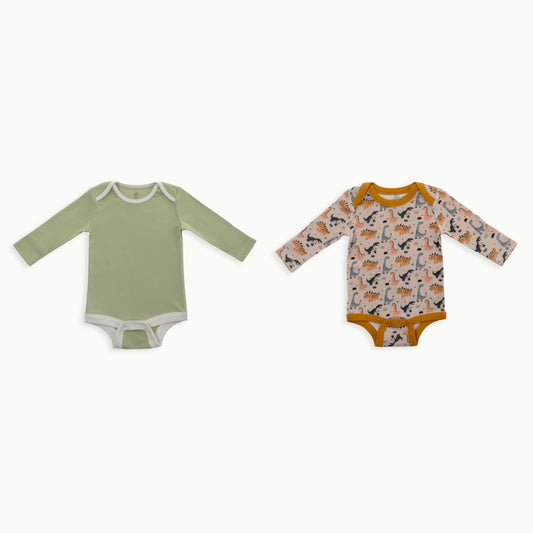
Our cotton baby essentials are made from 100% GOTS-certified organic cotton.
I know exactly what I want against my own children's skin, and it isn't polyester engineered to feel vaguely like the thing I wanted in the first place.
You can see our organic cotton baby clothes here.


