




Why Baby Room Temperature Is a Sleep Safety Priority
Newborns do not regulate their body temperature in the same way adults do.
In the first months of life, their ability to adapt to changes in temperature is still developing. This makes them more sensitive to both overheating and getting too cold.
Temperature is also part of safe sleep guidance. Research has shown a link between overheating and increased risk of sudden infant death syndrome. This is why sleep recommendations consistently emphasize keeping babies comfortably cool rather than warm.
At the same time, being too cold is not ideal either. Babies who are cold tend to wake more often and settle less easily.
The room environment sets the baseline, and what your baby is wearing completes the picture.
What Temperature Should a Baby’s Room Be?
The most widely recommended range is
Some sources extend the acceptable range slightly, from 65–74°F, to account for different environments and individual variation.
Here is how to think about it:
| Room Temp (°F) | Room Temp (°C) | Assessment |
|---|---|---|
| Below 65°F | Below 18°C | Too cold. Add layers. |
| 65–68°F | 18–20°C | Slightly cool. Monitor and layer. |
| 68–72°F | 20–22°C | Ideal range. |
| 72–74°F | 22–23°C | Warm. Reduce layers. |
| Above 74°F | Above 23°C | Too hot. Risk of overheating. |


Every baby is slightly different, so this should be used as a guideline rather than a rigid rule.
If your baby was born prematurely or has specific health considerations, it is always worth checking with your pediatrician and following their guidance.
Does the Ideal Temperature Change as Baby Grows?
The recommended range stays broadly consistent, but how your baby responds to it changes over time.

Newborns
(0–3 Months)
This is the most sensitive stage.
Temperature regulation is still immature, so it is generally better to stay toward the warmer end of the recommended range, around 70–72°F.
A common mistake is over-bundling when hands or feet feel cool. That’s normal — check the chest or back instead.

Babies
3–6 Months
By this stage, thermoregulation improves slightly.
The same 68–72°F range still applies, but babies may begin moving more, which can affect how they retain heat. They may also start kicking off layers.

Babies
6–12 Months
As babies become more active, they generate more body heat.
Many will be comfortable at the cooler end of the range, around 68–70°F. Clothing choices become more important as sleep patterns change and mobility increases.
How to Keep Baby’s Room the Right Temperature Year-Round
Maintaining a stable sleep environment requires small adjustments across seasons.
Cooling the room becomes the priority.
Air conditioning, blackout curtains, and keeping the crib away from direct sunlight all help maintain a stable temperature. Fans can be used, but they should not be pointed directly at the baby.
Lightweight, breathable fabrics become especially important in warmer conditions.
There is a tendency to overcompensate by raising the thermostat too high.
Instead, it is more effective to keep the room within range and adjust clothing layers. A base layer combined with a sleep sack is safer than heavy blankets.
Loose blankets should not be used for babies under 12 months.
Dry air is also common in winter. A humidifier can help maintain comfort and improve how the room temperature feels.
These transitional seasons are often the most unpredictable.
Temperatures can vary significantly between day and night, so it is helpful to rely on a room thermometer rather than guesswork.
A simple thermometer is one of the most useful tools you can have.
How to Dress Your Baby to Match Room Temperature
For a more detailed breakdown, see our complete guide to dressing baby for sleep.
A common rule of thumb is to dress your baby in one more layer than you would wear yourself. This is a helpful starting point, but it should not replace paying attention to the actual room temperature.
Here is a practical guide:
| Room Temp (°F) | Suggested clothing |
|---|---|
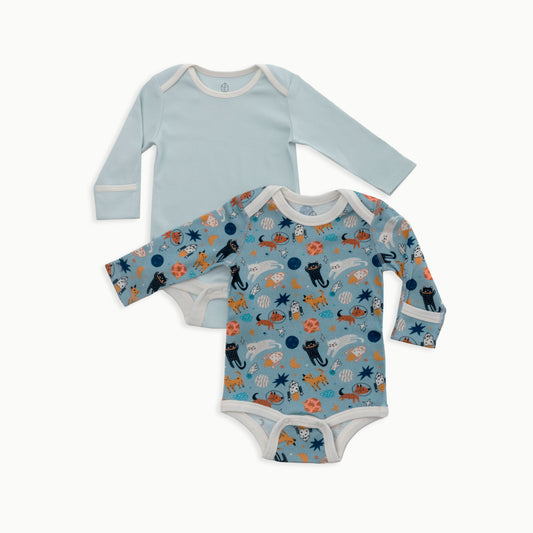
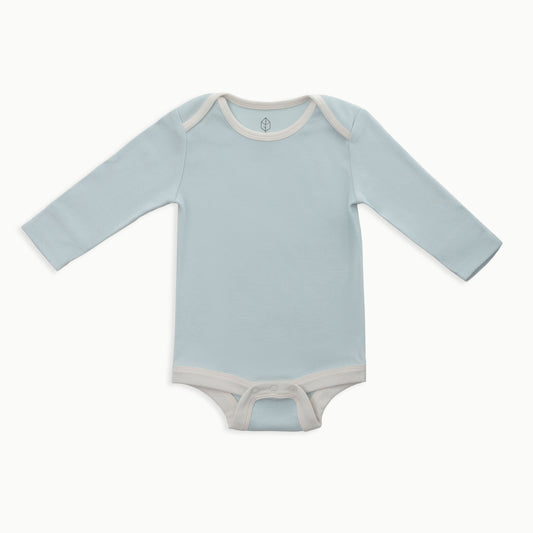
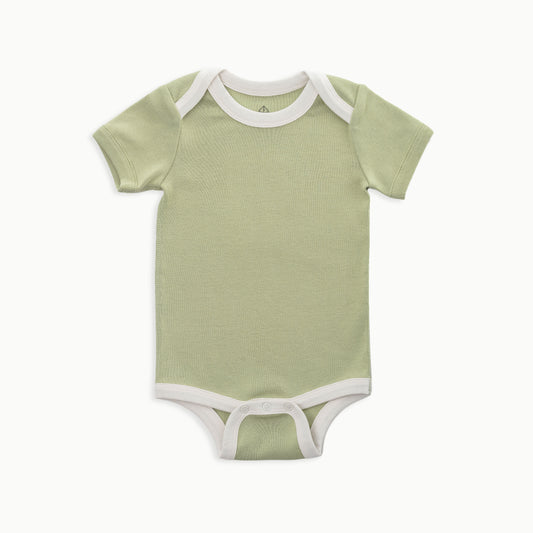
| Below 68°F | Long sleeve onesie and sleep sack (2.5 TOG) |
| 68–72°F | Short sleeve onesie and sleep sack (1.0 TOG) |
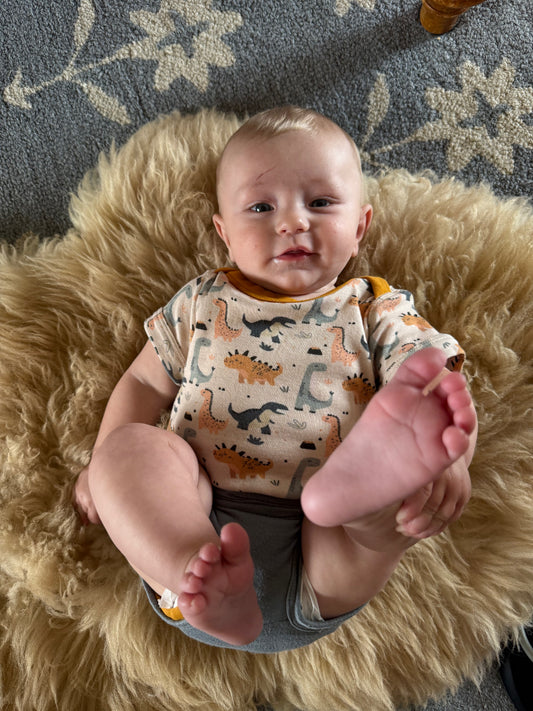
| 72–74°F | Short sleeve onesie or very light sleep sack |
| Above 74°F | Diaper and lightweight onesie |
Loose blankets should not be used for babies under 12 months.
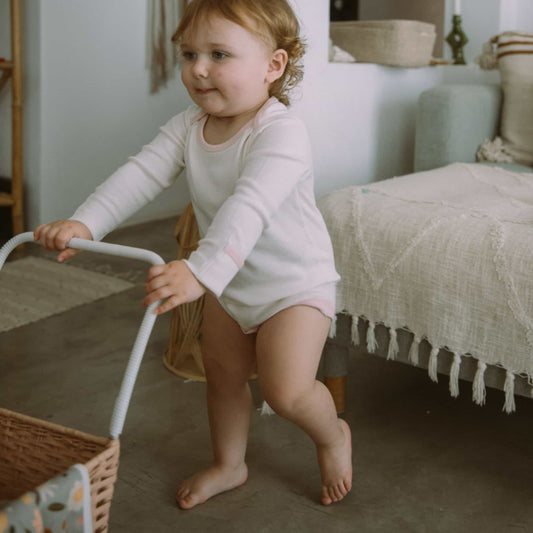
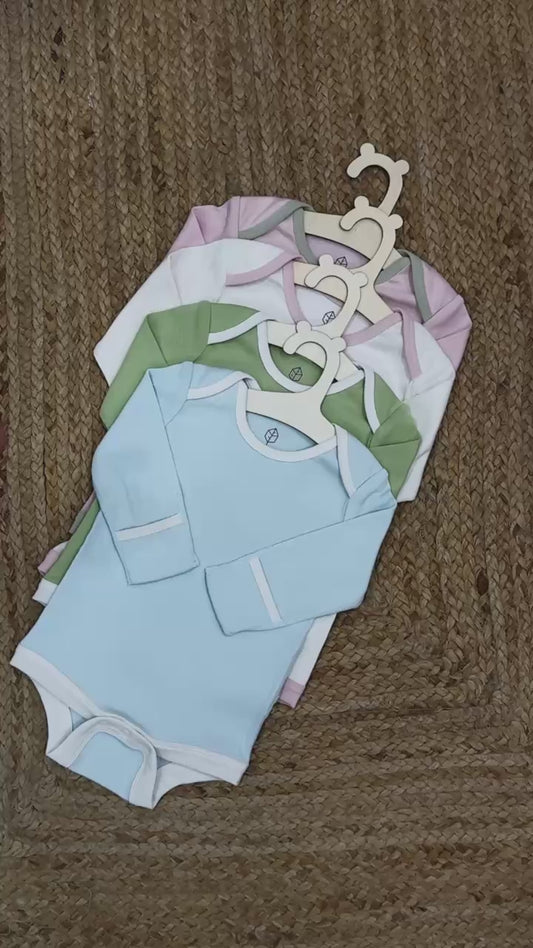
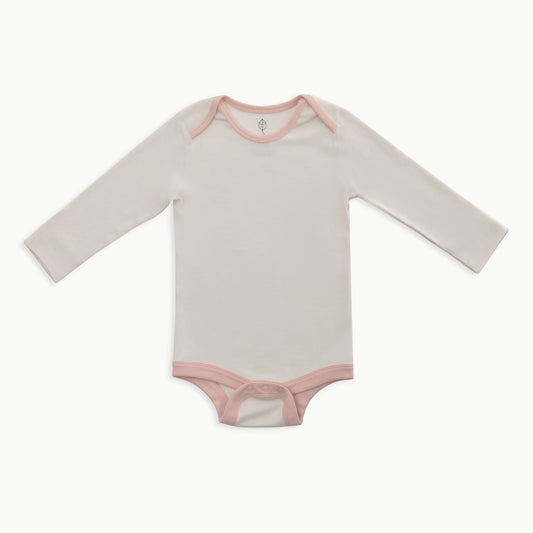
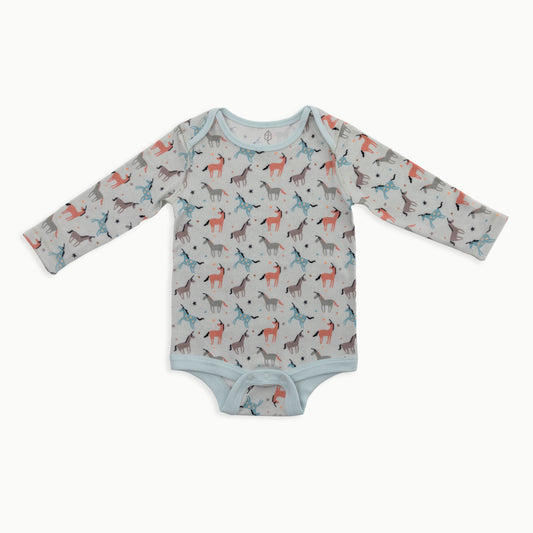
Fabric also plays a role. Breathable materials such as organic cotton regulate temperature more effectively than synthetic blends.
You can explore options in organic cotton baby clothes.
-
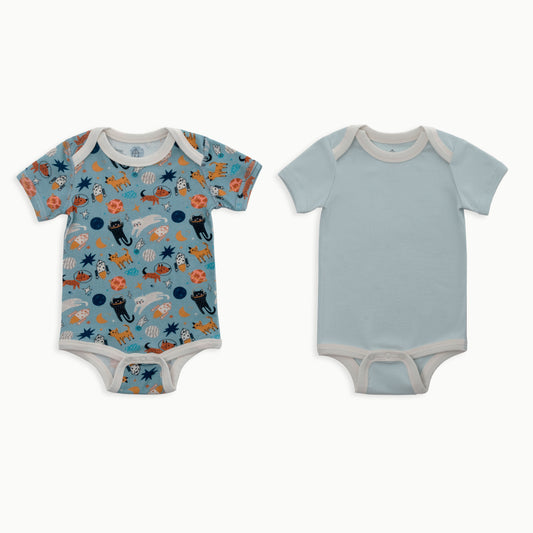
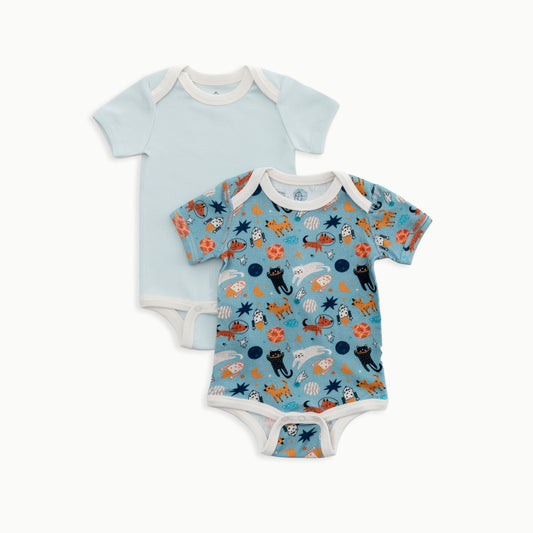
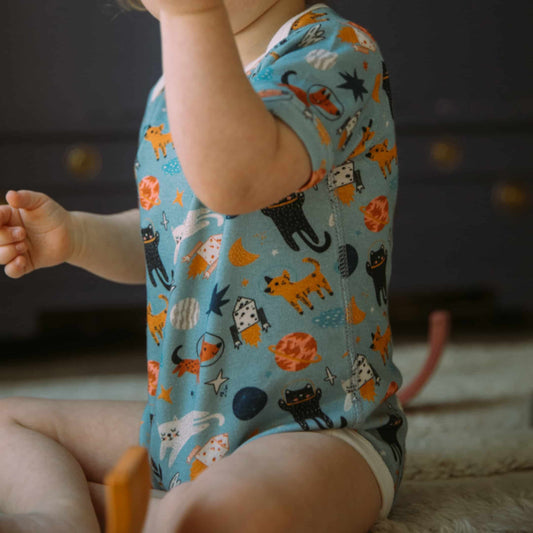
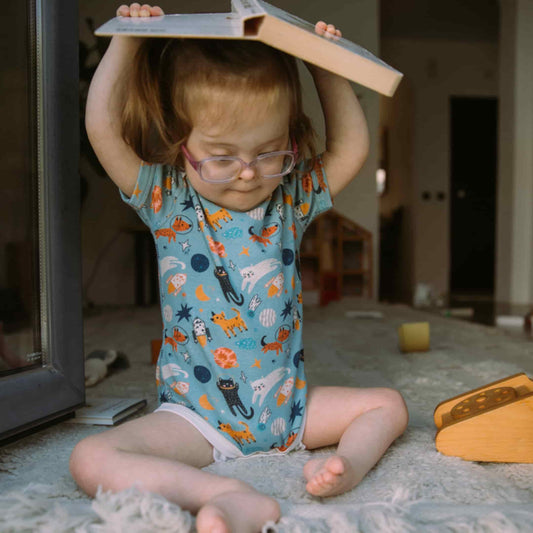
 $34.00Newborn,0-3,3-6,6-12,12-18,18-24 monthsSELECT SIZE$34.00Newborn,0-3,3-6,6-12,12-18,18-24 monthsORGANIC COTTON BABY SHORT SLEEVE BODYSUIT, 2-PACK | SPACE CATS + SOLID BLUERegular price $34.00Regular priceUnit price per
 -
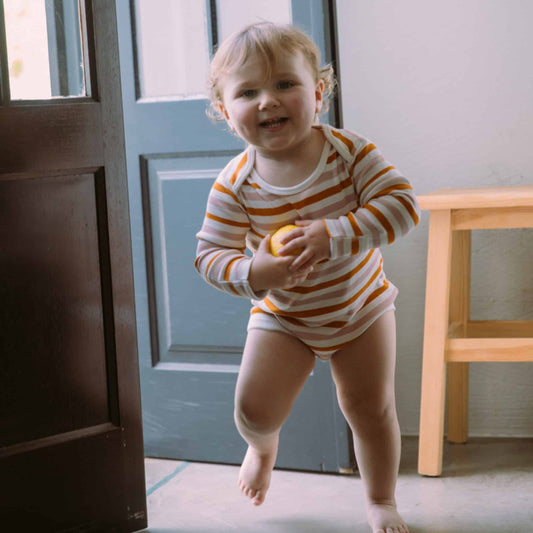
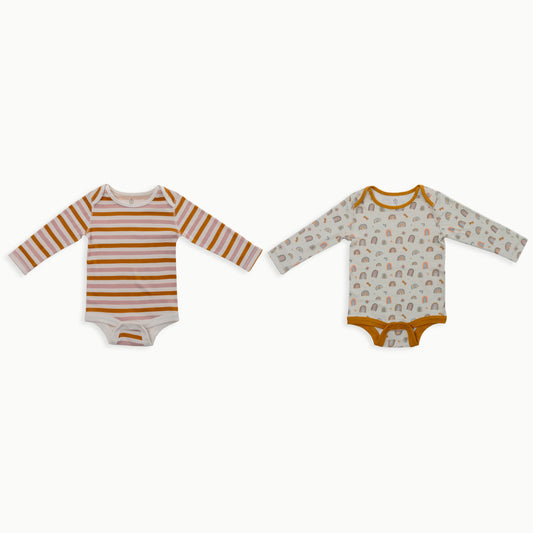
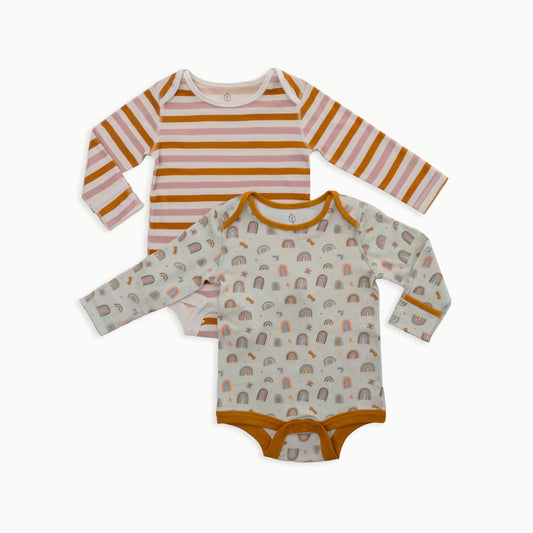
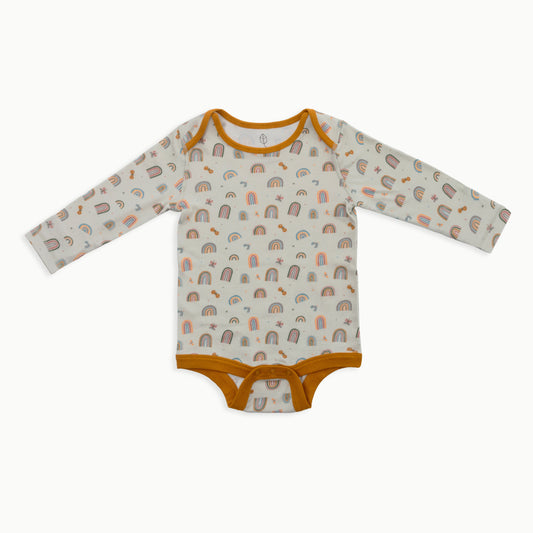
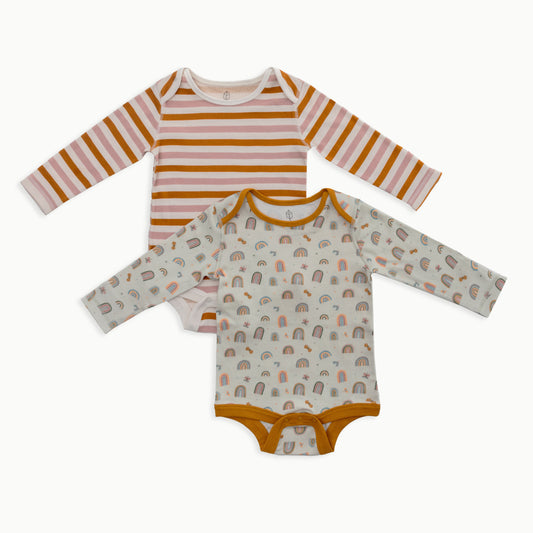
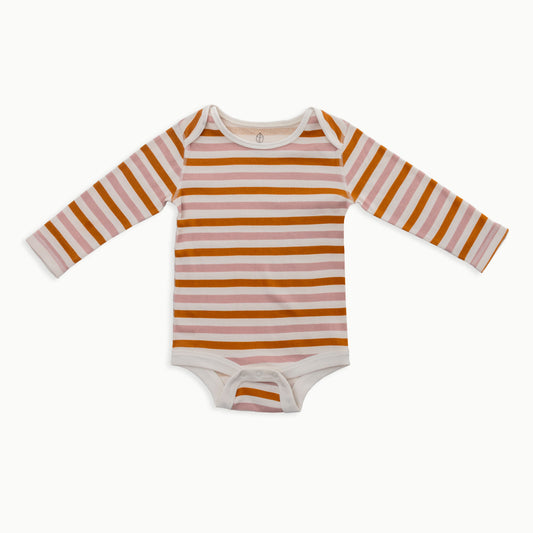
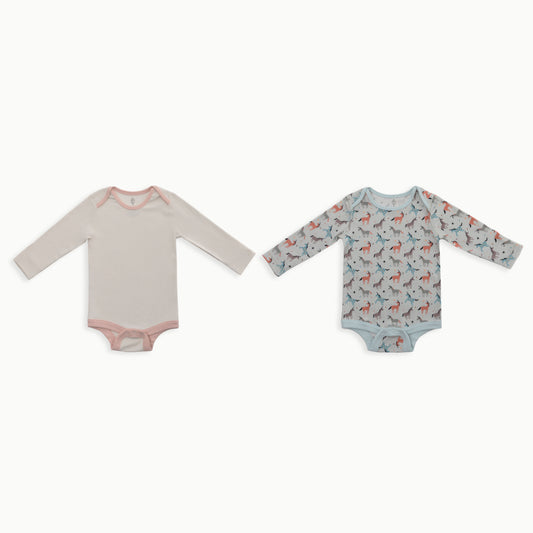
 $38.00Newborn,0-3,3-6,6-12,12-18,18-24 monthsSELECT SIZE$38.00Newborn,0-3,3-6,6-12,12-18,18-24 monthsORGANIC COTTON BABY LONG SLEEVE BODYSUIT, 2-PACK | RAINBOWS + STRIPEDRegular price $38.00Regular priceUnit price per
 -
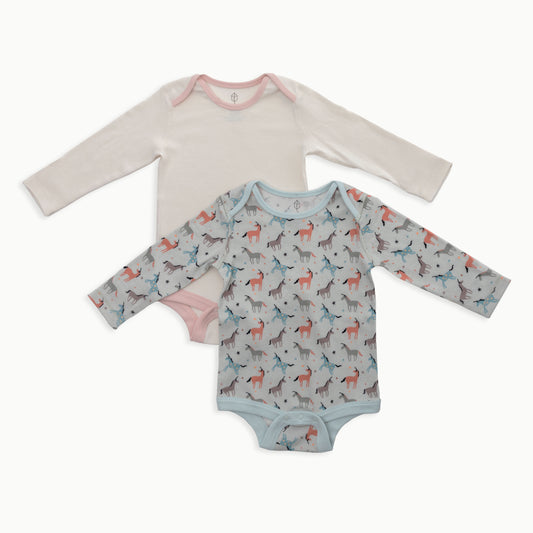
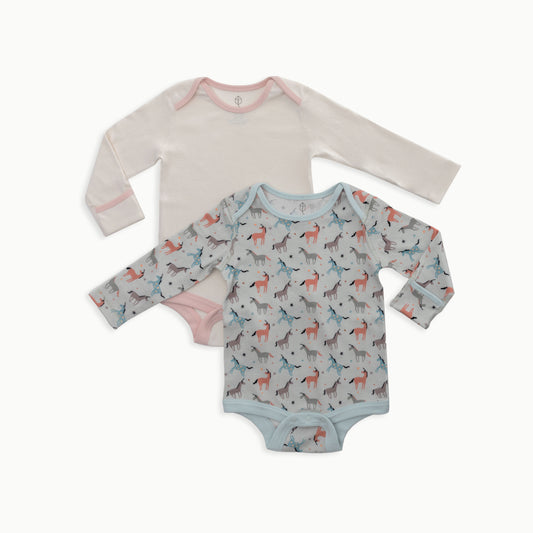
 $38.00Newborn,0-3,3-6,6-12,12-18,18-24 monthsSELECT SIZE$38.00Newborn,0-3,3-6,6-12,12-18,18-24 monthsORGANIC COTTON BABY LONG SLEEVE BODYSUIT, 2-PACK | UNICORNS + SOLID CREAMRegular price $38.00Regular priceUnit price per
 -
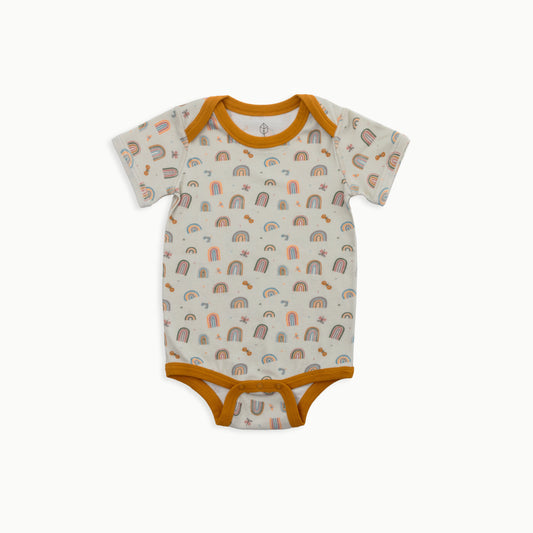
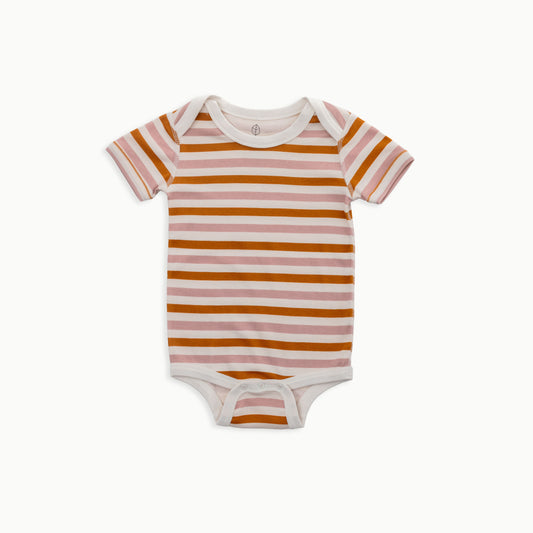
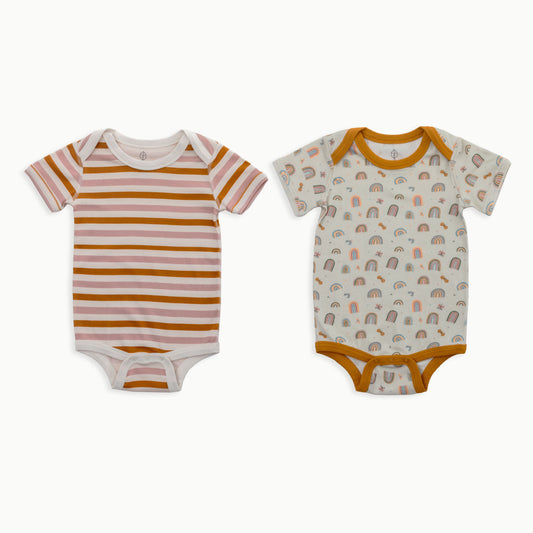
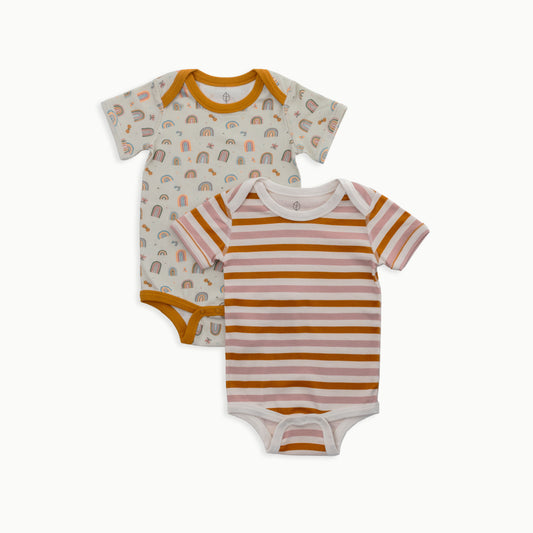
 $34.00Newborn,0-3,3-6,6-12,12-18,18-24 monthsSELECT SIZE$34.00Newborn,0-3,3-6,6-12,12-18,18-24 monthsORGANIC COTTON BABY SHORT SLEEVE BODYSUIT, 2-PACK | RAINBOWS + STRIPEDRegular price $34.00Regular priceUnit price per
 -
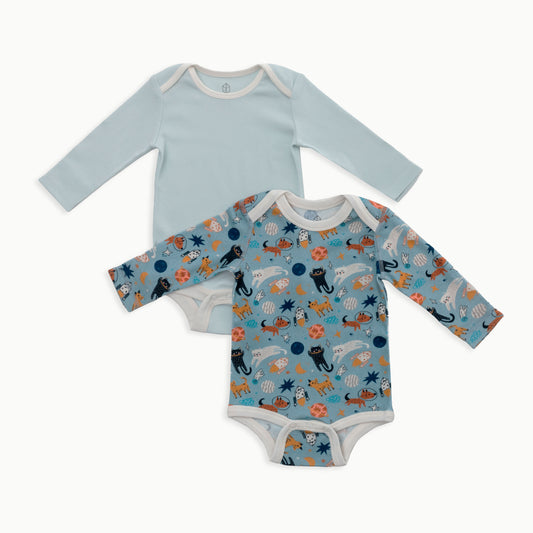
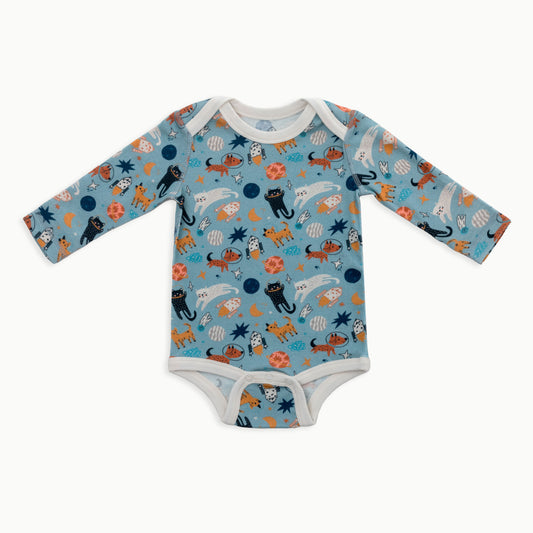
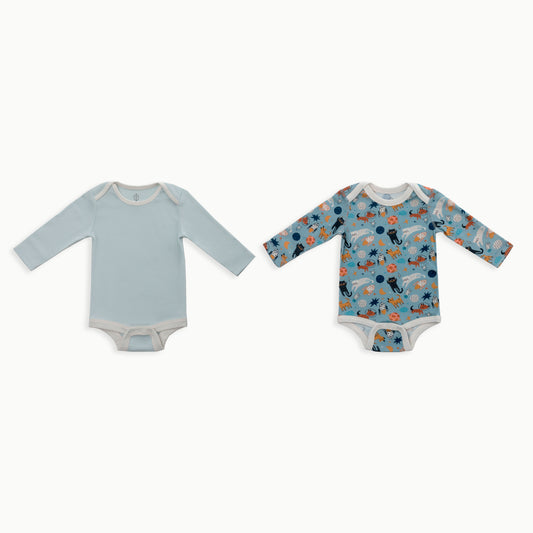
 $38.00Newborn,0-3,3-6,6-12,12-18,18-24 monthsSELECT SIZE$38.00Newborn,0-3,3-6,6-12,12-18,18-24 monthsORGANIC COTTON BABY LONG SLEEVE BODYSUIT, 2-PACK | SPACE CATS + SOLID BLUERegular price $38.00Regular priceUnit price per
 -
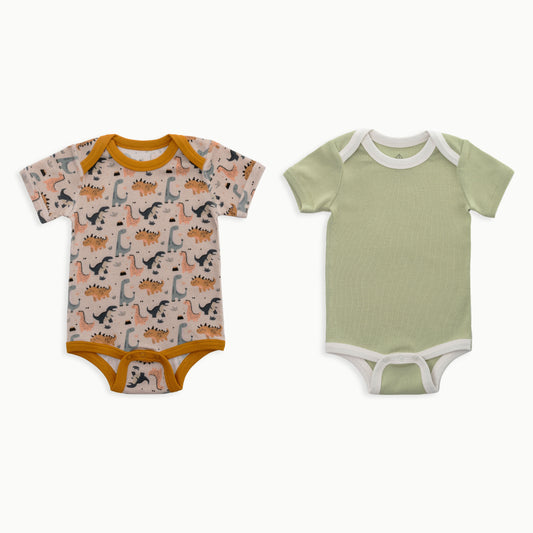
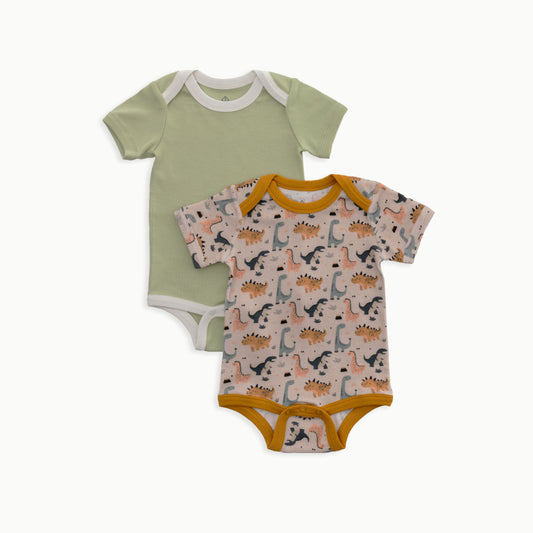
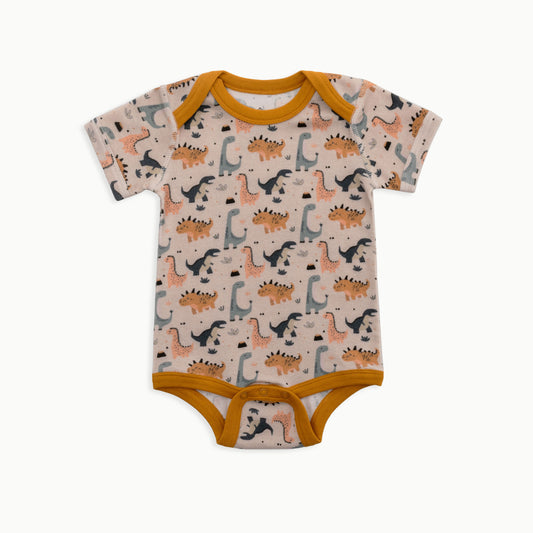
 $34.00Newborn,0-3,3-6,6-12,12-18,18-24 monthsSELECT SIZE$34.00Newborn,0-3,3-6,6-12,12-18,18-24 monthsORGANIC COTTON BABY SHORT SLEEVE BODYSUIT, 2-PACK | DINOSAUR + SOLID GREENRegular price $34.00Regular priceUnit price per
Organic cotton allows air to circulate and helps manage moisture.
Synthetic fabrics tend to trap heat and can make it harder for babies to regulate their temperature.
Fleece, while warm, is often too insulating for indoor sleep environments unless temperatures are very low.
How to Tell If Your Baby Is Too Hot or Too Cold
For a deeper look, see signs your baby may be overheating at night.
- Sweaty neck or hairline
- Flushed skin
- Rapid breathing
- Restlessness or difficulty set
- If your baby’s chest or back feels damp, it is a clear sign that they are too warm.
The response is to remove a layer, lower the room temperature, and improve airflow.
- Cool chest or back
- Persistent fussiness
- Difficulty settling
- Hands and feet are not reliable indicators, as they are often cooler than the rest of the body.
If the chest feels cool, add a layer and check for drafts.
The simplest way to assess temperature is to place your hand on your baby’s chest or back.
This takes seconds and provides a much more accurate sense of their comfort than touching hands or feet.
Tools Every Parent Should Have
- A room thermometer is essential. It should be placed near crib height and away from vents or windows.
- A humidifier can help maintain comfortable air conditions, particularly in winter. The ideal humidity range is 40–60 percent.
- A fan can improve air circulation and provide gentle background noise, but it should not blow directly on the baby.
Baby Room Temperature Mistakes Parents Often Make
- Over-bundling because hands feel cold
- Setting temperature based on adult comfort
- Using blankets under 12 months
- Placing crib near vents or windows
- Not adjusting for seasonal changes
- Relying only on layering rules
- Ignoring humidity
- Check chest or back instead
- Use baby-safe temperature range
- Use sleep sacks instead
- Keep airflow stable and indirect
- Reassess clothing and temperature regularly
- Maintain 40–60 percent humidity
- Measure actual room temperature
Sleep Starts with the Right Temperature and the Right Layers
A comfortable sleep environment comes down to a few consistent principles.
- Keep the room between 68–72°F.
- Dress your baby appropriately for that temperature.
- Choose breathable fabrics that support natural regulation.
You do not need to get this perfect. You need to observe, adjust, and respond.
At Treehouse Kids, we approach sleep with this same mindset.
You can explore our collections here:


Frequently Asked Questions
Anything above 74°F increases the risk of overheating and should be adjusted.
It is not ideal. Reduce layers and improve airflow if the temperature cannot be lowered immediately.
It can be acceptable with proper layering, but it is at the lower end of the range.
Yes, as long as it is not directed at the baby and is used to circulate air.
Check for sweating, flushed skin, and dampness on the chest or back.
A long sleeve onesie with a light sleep sack is usually appropriate.
Babies generally sleep better in a slightly cool, well-regulated environment rather than a warm one.


