



Kids' Sock Size Chart
| US Shoe Size | Typical Age Range | Category |
|---|---|---|
| 0–2 | 0–6 months | Baby |
| 3–4.5 | 6–12 months | Baby / Early Walker |
| 5–7.5 | 1–2 years | Baby / Early Walker |
| 8–9.5 | 2–4 years | Toddler |
| 10–12.5 | 4–7 years | Toddler / Little Kid |
| 13–3 | 7–10 years | Big Kid |
If your child falls between two sock sizes, choose the larger size. A slightly roomier sock is usually more comfortable than one that stretches tightly across the toes.
How Kids' Sock Sizes Work
Kids' socks are sized by shoe size first because foot length is the most accurate predictor of fit. Age can be helpful when buying a gift or shopping for a child whose shoe size you do not know, but two children of the same age can easily wear completely different sock sizes.
Sock manufacturers build size ranges around shoe sizes because feet grow in length before most other dimensions change significantly. If you know your child's current shoe size, skip directly to the chart and choose the matching sock size category.
Using shoe size helps reduce common fit problems such as bunching at the toe, slipping at the heel, and cuffs that feel too tight.
Age-based sizing works best as a rough estimate. For example, a typical four-year-old may wear a toddler sock size, while another four-year-old may already fit comfortably into little kid sizing.
Growth spurts become increasingly unpredictable after toddlerhood, which is why age becomes less reliable as children get older.
When possible, always choose based on shoe size rather than age.
Most kids' sock charts use five broad categories:

Designed for infants who are not yet walking regularly. Comfort, softness, and gentle cuffs matter most.

Created for babies taking their first steps. Non-slip grips often become important at this stage.

Built for active children who spend much of the day walking, climbing, and running. Grip soles and secure heels become increasingly valuab

Designed for school-age children. Durability, fit retention, and comfort inside shoes become priorities.

Made for older children whose feet are approaching youth shoe sizes. Construction quality and long-term durability matter more because activity levels increase significantly.
We carry organic cotton and merino wool socks from our trusted partner brands, Leela Cotton and Menique. These collections were selected because they align with the same standards we use when evaluating children's clothing: natural fibers, thoughtful construction, and third-party certifications.
-
 BUY 2 - 15% BUY 3 - 20% BUY 4 - 25%$45.00US Baby 0-2,US Baby 3-4.5,US Baby 5-7.5,US Toddler 8-9.5,US Little Kid 10-12.5,US Big Kid 13-3SELECT SIZE$45.00US Baby 0-2,US Baby 3-4.5,US Baby 5-7.5,US Toddler 8-9.5,US Little Kid 10-12.5,US Big Kid 13-3LEELA COTTON 98% ORGANIC COTTON KIDS CREW SOCKS, 6-PACK | POLKA DOTRegular price $45.00Regular priceUnit price per
 -
 BUY 2 - 15% BUY 3 - 20% BUY 4 - 25%$45.00US Baby 0-2,US Baby 3-4.5,US Baby 5-7.5,US Toddler 8-9.5,US Little Kid 10-12.5,US Big Kid 13-3SELECT SIZE$45.00US Baby 0-2,US Baby 3-4.5,US Baby 5-7.5,US Toddler 8-9.5,US Little Kid 10-12.5,US Big Kid 13-3LEELA COTTON 98% ORGANIC COTTON KIDS CREW SOCKS, 6-PACK | BERRYRegular price $45.00Regular priceUnit price per
 -
 BUY 2 - 15% BUY 3 - 20% BUY 4 - 25%$50.00US Baby 5-7.5,US Toddler 8-9.5,US Little Kid 10-12.5,US Big Kid 13-3SELECT SIZE$50.00US Baby 5-7.5,US Toddler 8-9.5,US Little Kid 10-12.5,US Big Kid 13-3LEELA COTTON 98% ORGANIC COTTON KNEE-HIGH KIDS SOCKS, 6-PACK | NAVYRegular price $50.00Regular priceUnit price per
 -
 BUY 2 - 15% BUY 3 - 20% BUY 4 - 25%$45.00US Baby 0-2,US Baby 3-4.5,US Baby 5-7.5,US Toddler 8-9.5,US Little Kid 10-12.5,US Big Kid 13-3SELECT SIZE$45.00US Baby 0-2,US Baby 3-4.5,US Baby 5-7.5,US Toddler 8-9.5,US Little Kid 10-12.5,US Big Kid 13-3LEELA COTTON 98% ORGANIC COTTON KIDS CREW SOCKS, 6-PACK | GREYRegular price $45.00Regular priceUnit price per
 -
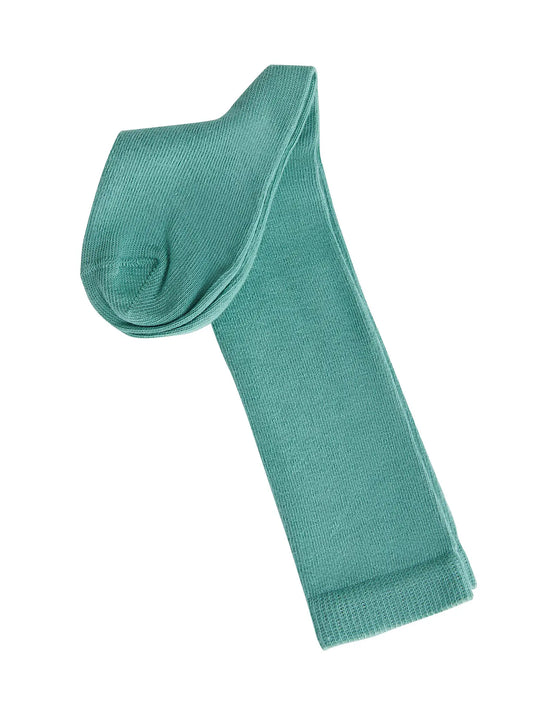
 BUY 2 - 15% BUY 3 - 20% BUY 4 - 25%$50.00US Baby 5-7.5,US Toddler 8-9.5,US Little Kid 10-12.5,US Big Kid 13-3SELECT SIZE$50.00US Baby 5-7.5,US Toddler 8-9.5,US Little Kid 10-12.5,US Big Kid 13-3LEELA COTTON 98% ORGANIC COTTON KNEE-HIGH KIDS SOCKS, 6-PACK | MINT GREENRegular price $50.00Regular priceUnit price per
 -
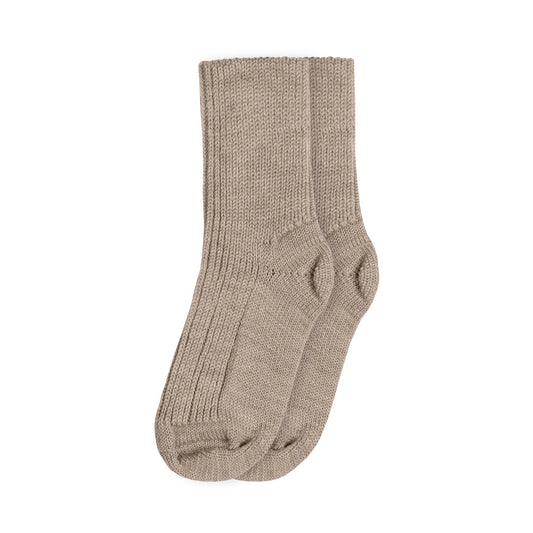
 PRE-ORDER$19.95SELECT SIZE$19.95SOLD OUTPREORDER: MENIQUE 95% MERINO THICK RIBBED WOOL KIDS' SOCKS IN BEIGERegular price $19.95Regular priceUnit price per
Sock Sizes for Toddlers
Toddlers typically wear a US shoe size between 8 and 9.5 and the corresponding toddler sock size. During this stage, fit matters more than many parents realize because loose socks can increase slipping, bunching, and discomfort during active play.
Toddlers spend much of their day running, climbing, jumping, and exploring. A sock that shifts inside a shoe can quickly become frustrating.
Grip soles can also be helpful for children who spend time on hardwood, tile, or other smooth surfaces. While grip socks cannot prevent every fall, they can improve traction for confident walkers.

Toddler feet also tend to be wider and softer than older children's feet.
A comfortable cuff and flexible instep are often just as important as choosing the correct length.
Because toddlers grow quickly, it is worth checking fit every few months. Many children move through multiple sock sizes in a single year.
Why the Right Sock Fit Matters More Than Parents Expect
Socks touch your child's skin all day and sit inside shoes during some of the most active years of development. A sock that is too tight can crowd growing toes and leave uncomfortable marks. A sock that is too loose can bunch, rub, and create friction that leads to blisters.
According to the American Podiatric Medical Association, children's shoes and socks should allow enough room for natural toe movement and growth.
Signs that socks may be too small include:
- Deep cuff marks around the ankle
- Toes pressing against the end of the sock
- Complaints of discomfort after wearing shoes
- Difficulty pulling socks on
Loose socks create a different set of problems, including:
- Bunching under the foot
- Wrinkles around the toes
- Heel pockets sitting below the heel
- Socks slipping into shoes
- May increase slip risk.
A properly fitted sock:
- Stays in place throughout the day
- Allows toes to spread naturally
- Maintains its shape during wear
- Feels comfortable inside shoes
- Supports independent dressing
How to Measure Your Child's Foot for Socks
If you do not know your child's shoe size, measuring their foot at home takes only a few minutes. Measure heel to longest toe, convert that measurement into a shoe size, then use the sock chart above to find the correct size category.

- Place your child's bare foot on a piece of paper with the heel touching a wall.
- Mark the tip of the longest toe.
- Measure from the wall to the toe mark.
- Repeat for both feet.
- Use the larger measurement.
- Convert the measurement to a US shoe size.
- Match the shoe size to the sock chart.
For the most accurate results, measure in the evening when feet are slightly larger than they are first thing in the morning.
How Socks Should Fit
A properly fitting sock should feel almost invisible once it is on. It should stay in place, allow natural movement, and create a smooth layer between the foot and the shoe. Good sock fit helps reduce friction, supports comfort, and makes independent dressing easier for children.
Use this quick fit checklist:
- Heel pocket sits directly on the heel
- Toe seam sits comfortably beyond the toes without pressing
- Cuff stays up without leaving deep marks
- No bunching under the foot
- No twisting during wear
- Sock stretches comfortably and recovers its shape
A common mistake is focusing only on foot length. Heel placement, cuff comfort, and fabric recovery matter just as much.

When to Size Up
Most children show clear signs when they are ready for the next sock size. Watching for these signs can help prevent discomfort before complaints start.
Consider sizing up if you notice:
- Red marks around the ankle after wear
- Toes pressing against the toe seam
- Heel pocket sliding below the heel
- Holes forming at the toe area
- Excessive stretching across the foot
- A recent increase in shoe size
- A noticeable growth spurt
Frequent slipping can also indicate that the sock size is no longer ideal. While slipping is often associated with socks that are too large, worn-out elastic or a foot shape change can also affect fit.
As a general rule, whenever your child moves up a shoe size, it is worth checking whether their socks still fit properly.
How to Choose the Best Kids' Socks for Your Child
The best kids' socks combine the correct size with comfortable fabrics, thoughtful construction, secure fit, and durability. Rather than focusing only on price or appearance, look for features that support comfort during long days of school, play, sports, and everyday life.
Fabric is often the first thing parents notice and one of the most important factors for comfort.
Organic cotton is breathable, soft, and comfortable for everyday wear. It allows airflow around the foot and is often preferred by families with sensitive or eczema-prone skin.
Cotton also performs well across different seasons, making it one of the most versatile choices for children's socks.
Merino wool is often misunderstood as a winter-only fabric.
In reality, merino wool helps regulate temperature throughout the year. It can help keep feet warm in winter while also managing moisture during active outdoor play.
Many families choose merino wool for hiking, skiing, travel, and colder climates.
Socks made primarily from polyester, nylon or other synthetic fibers can trap heat and moisture more readily than natural fibers.
Over time, this may contribute to sweaty feet, odor, and discomfort, particularly during warmer months or long days in shoes.
This is one of the most common questions we receive about the socks we carry from our partner brand, Leela Cotton.
Leela Cotton's organic cotton socks are made from 98% GOTS certified organic cotton and 2% elastane.
Many parents assume 100% cotton would automatically be better. In practice, socks are one of the few garments where a very small amount of stretch fiber provides significant benefits.
Cotton itself has very little natural elasticity. A sock made from 100% cotton tends to loosen throughout the day. The heel can slide down, the arch can sag, and the sock can bunch inside shoes.
Adding just 2% elastane helps the sock:
- Stay securely on the foot
- Recover its shape after washing
- Reduce bunching and slipping
- Improve overall durability
- Maintain comfort during active play
The result is a sock that remains overwhelmingly natural fiber while performing the way most families expect a sock to perform.
For many parents, 98% organic cotton and 2% elastane represents a practical balance between natural materials and everyday functionality.
Always choose the size that corresponds with your child's current shoe size.
A well-fitting sock should stretch comfortably without becoming tight. It should also return to its original shape after wear.
If you know the shoe size, use the chart above rather than relying solely on age.
The construction of a sock can dramatically affect comfort. Look for flat or smooth toe seams whenever possible. Bulky seams can rub against the toes, especially during long periods of walking, sports, or school activities.
Children with sensory sensitivities often notice seam placement immediately.
A good cuff should stay in place without digging into the skin. You should not see deep marks around the ankle after removing the socks.
The goal is secure without restrictive.
Grip socks can be particularly helpful for:
- Babies
- Early walkers
- Toddlers
- Hardwood floors
- Tile floors
Look for grip patterns appropriate to your child's stage rather than assuming every child needs them. Older children spending most of their day in shoes often do not require grip soles.
Active children put socks through a surprising amount of wear. Reinforced heels and toes can significantly extend the life of a sock.
Certifications can also provide additional reassurance about materials and manufacturing.
Examples include:
- GOTS (Global Organic Textile Standard)
- OEKO-TEX Standard 100
These certifications help families identify products that have undergone third-party review and testing.
How Many Pairs of Socks Does a Child Need?
Most families find that having more socks than they initially expect makes life easier.
A practical collection accounts for:
- Laundry schedules
- Wet weather
- Sports
- School
- Travel
- Lost socks
- Sleepovers
During a growth spurt, it can make sense to split purchases between the current size and the next size up.
Multi-packs are often the most economical way to build a practical sock drawer while maintaining consistency in fit.
We carry thoughtfully selected multipack socks from our partner brand, Leela Cotton, including:
- Organic cotton baby socks
- Organic cotton kids' socks
- Merino wool socks


Frequently Asked Questions
Not usually.
Socks that are too large can bunch, slide, and create friction inside shoes. It is generally better to buy the correct size for your child's current shoe size.
For babies and toddlers, every two to three months is reasonable.
For school-age children, checking every few months or whenever shoes begin feeling tight is usually sufficient.
Yes. Deep cuff marks, compressed toes, and discomfort are signs that a larger size may be needed.
Common causes include:
– Incorrect sizing
– Worn elastic
– Poor fit around the heel
– Low-quality construction
A sock with good recovery should return to its original shape after wear and washing.
Many families find that organic cotton socks feel softer and more comfortable against sensitive skin.
Natural fibers are also generally more breathable than heavily synthetic alternatives.


