







CONTENTS
Back-to-school shopping has a funny way of sneaking up on you when you least expect it..
Every August, the stores are packed with perfectly coordinated outfits, polo tees, chinos, sequined leggings, and enough seasonal collections to make it seem as though your child needs an entirely new wardrobe before the first day.
Then Tuesday morning arrives.
Your child reaches for the same comfortable T-shirt they wore yesterday, refuses the stiff new jeans you bought two weeks ago, and somehow manages to outgrow half of their new wardrobe by October.
A successful back-to-school wardrobe has very little to do with trends and everything to do with comfort, practicality, and cost per wear. The clothes that earn their place are the ones that survive playgrounds, classroom floors, after-school activities, repeated washing, and the strong opinions of the small human wearing them.
This guide covers exactly what is worth buying, what can stay on the store shelf, and how to build a school wardrobe that actually gets worn.
The Back-to-School Wardrobe Trap (And How to Avoid It)
 In short, most parents buy too much.
It makes sense. Children grow quickly, the school year feels like a fresh start, and retailers are extremely good at convincing us that every new season requires a complete refresh.
The problem is that children are unpredictable.
A pair of trousers that fit perfectly in August can be ankle-length by November. A sweater that seemed practical during a back-to-school sale can spend the entire year hanging in a locker. A favourite colour can suddenly become unacceptable because a friend decided dinosaurs are cool this week and unicorns are not.
This is where the idea of a kids' capsule wardrobe becomes incredibly useful.
Instead of buying large quantities of clothing, focus on a smaller collection of pieces that work together, wash well, and can be worn repeatedly throughout the week. Children rarely need more clothes. They usually need better clothes.
What’s Actually Worth Buying (The Essentials)
When deciding where to spend your budget, think about cost per wear instead of the price on the tag.
The most valuable items in your child's wardrobe are the ones they will wear the most. These are the pieces they reach for three or four times every week because they feel good, fit properly, and make getting dressed easy.
Sensory-Friendly and Comfortable Basics
For kids with sensory sensitivities, and to be fair, kids broadly, clothing needs to be comfortable.
Children spend six or seven hours wearing their school clothes. An itchy tag, bulky seam, scratchy fabric, or tight neckline can become a distraction that lasts all day.
Comfortable basics earn their keep because they remove friction from the morning routine.
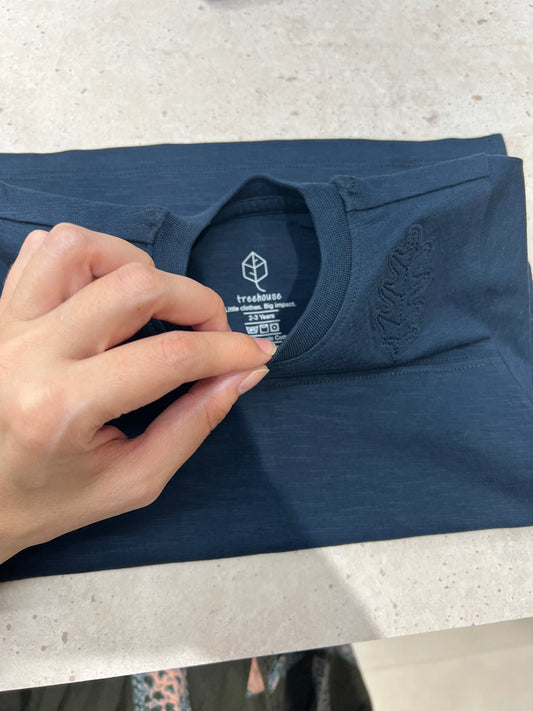
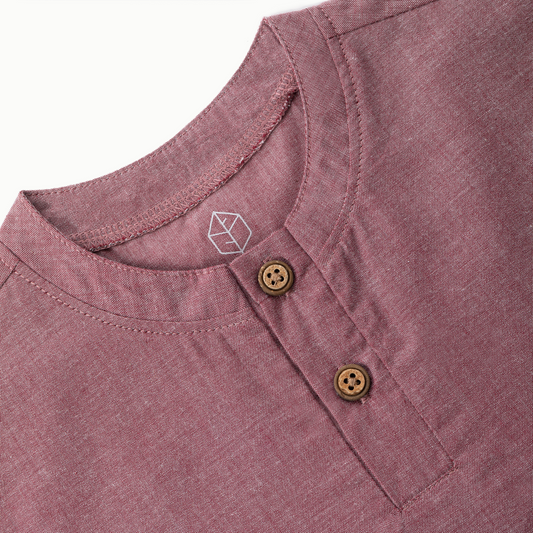
Look for tagless construction, flat seams, soft fabrics, and relaxed fits that allow children to move freely throughout the day.
If your child is particularly sensitive to clothing textures, a collection of thoughtfully designed sensory-friendly clothing for kids can make a remarkable difference.
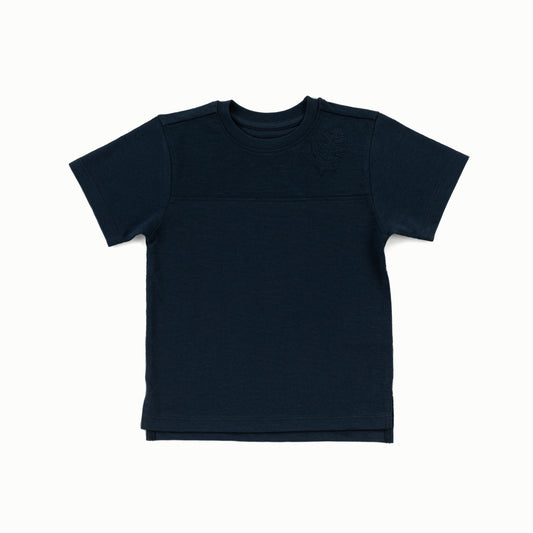
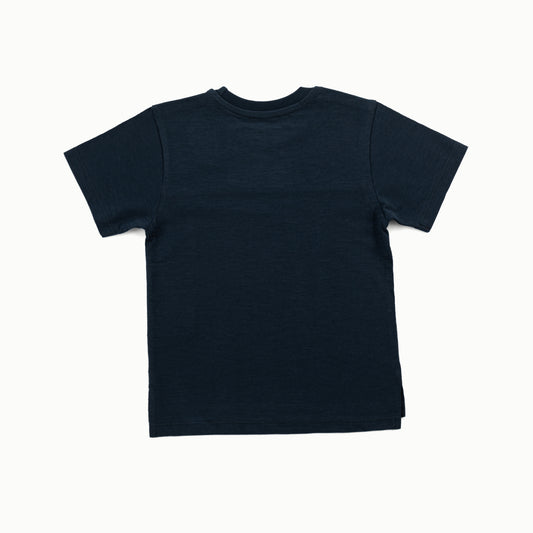
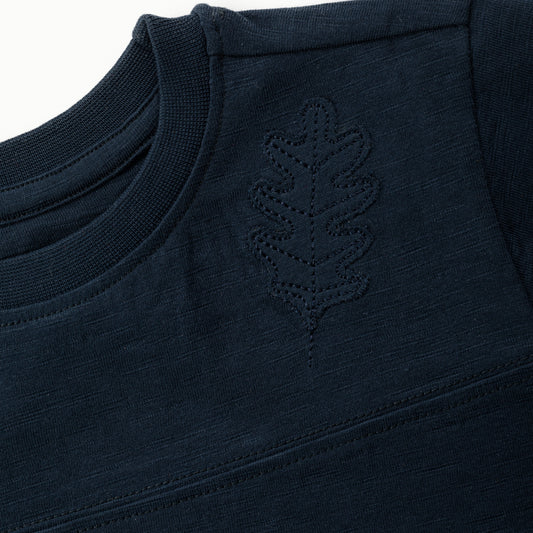
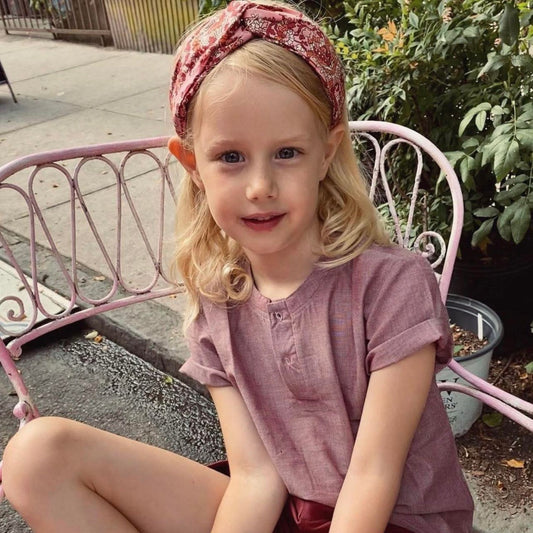
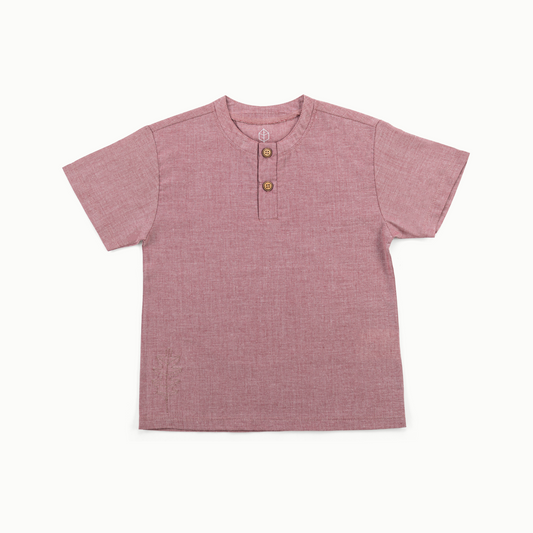
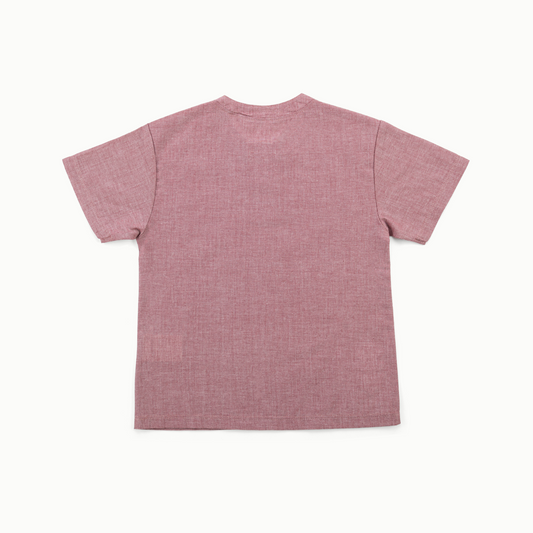
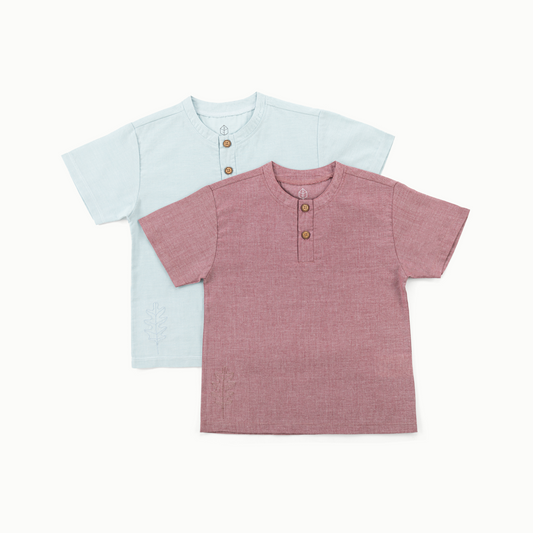
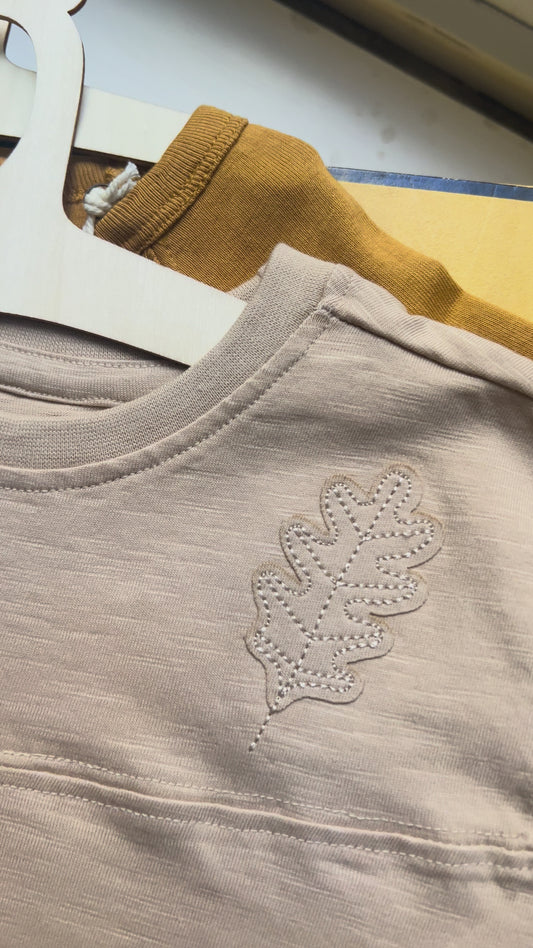
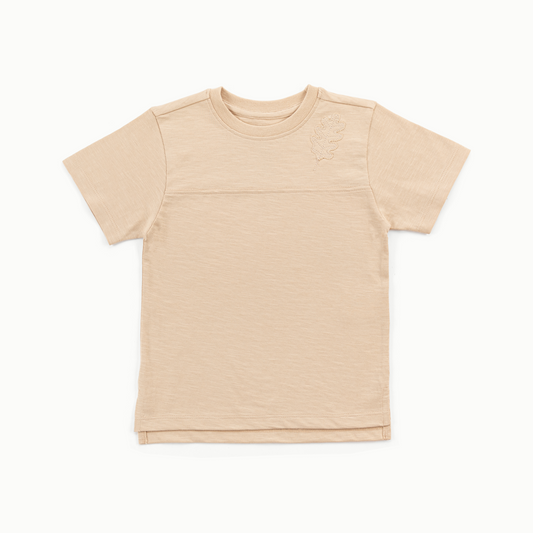
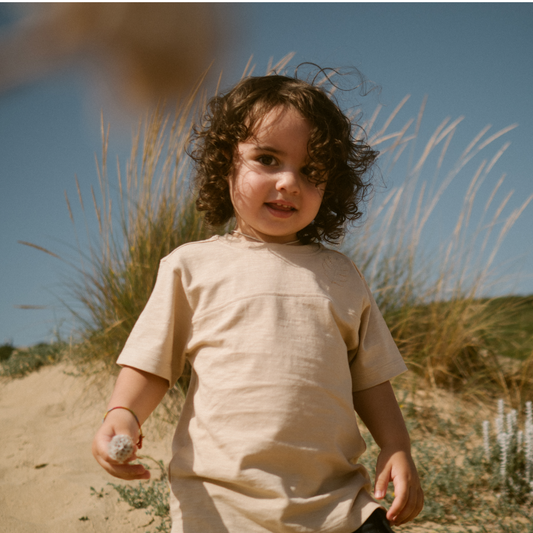
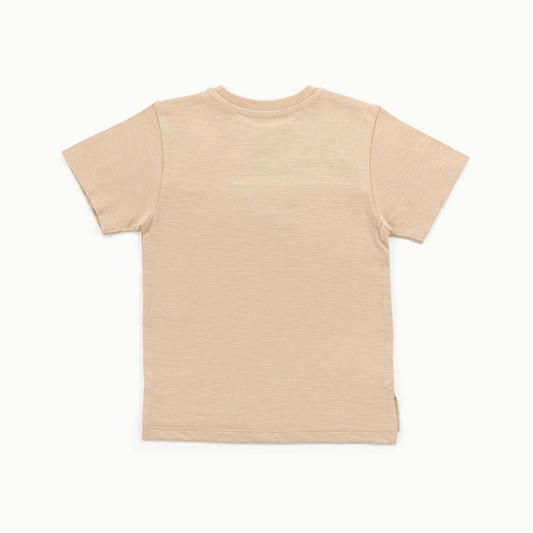
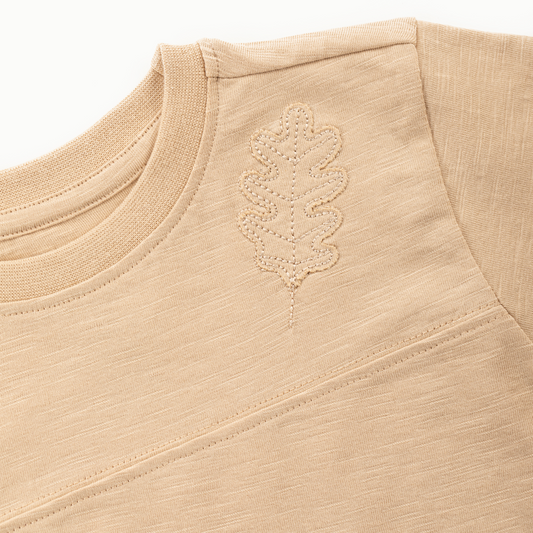
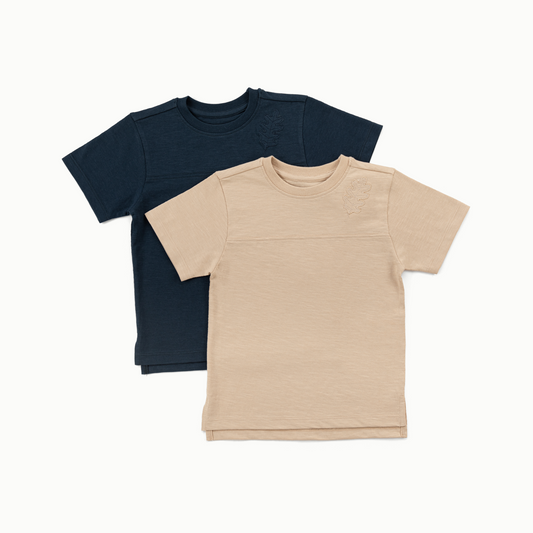
High-quality T-shirts are one of the smartest investments in any school wardrobe because they work year-round and layer easily when temperatures change.
Durable, Stretchy Bottoms
Parents tell me over and over that their kids are tough and clothes and that’s because, unlike adults, they move a lot.
They climb, run, squat, crawl under playground equipment, sit cross-legged on classroom rugs, and sprint across fields during recess.
Their clothing needs to keep up.
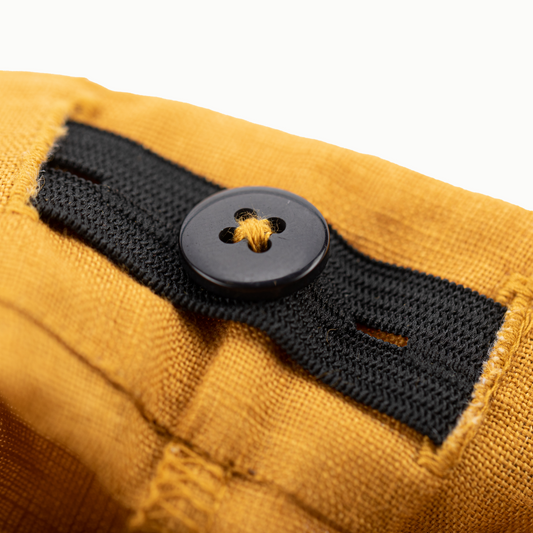
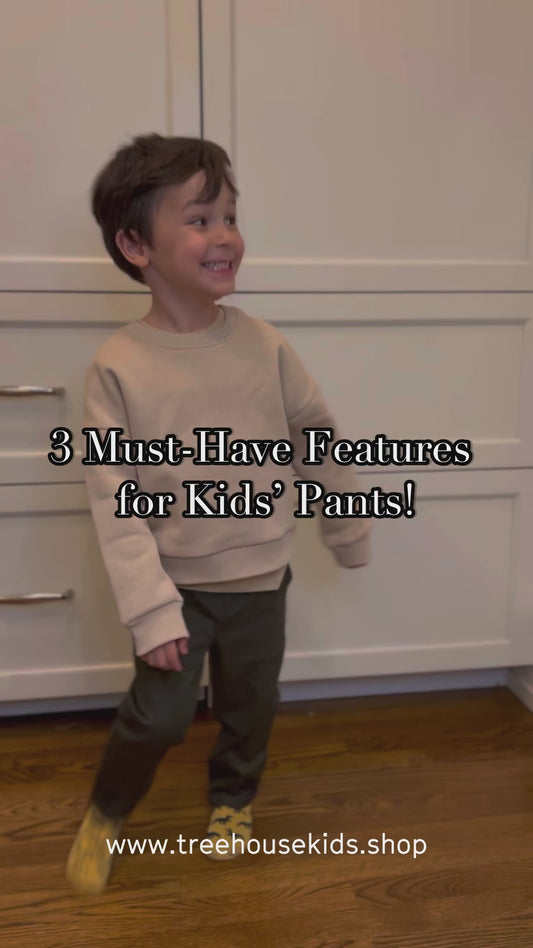
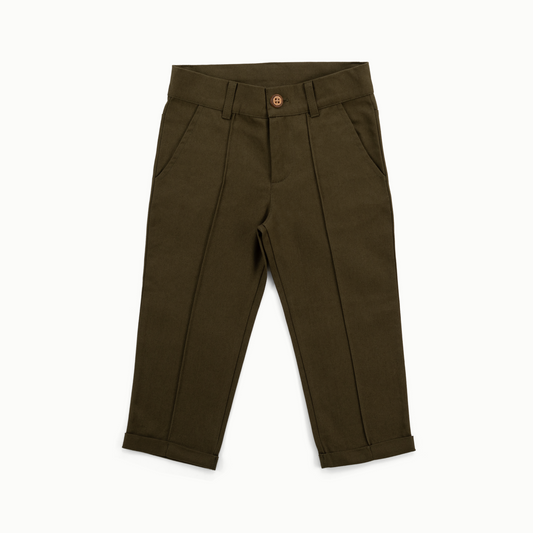
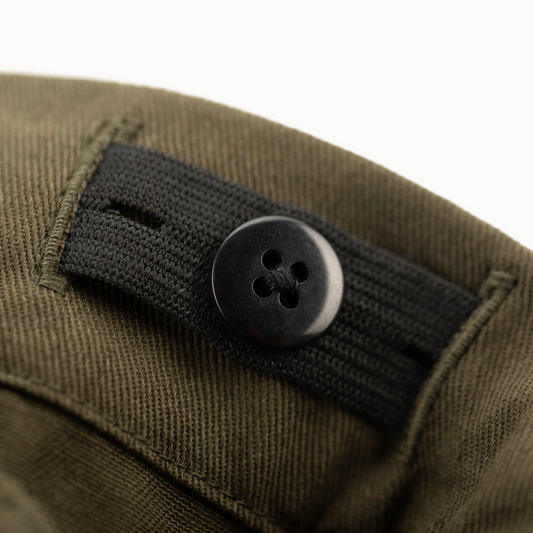
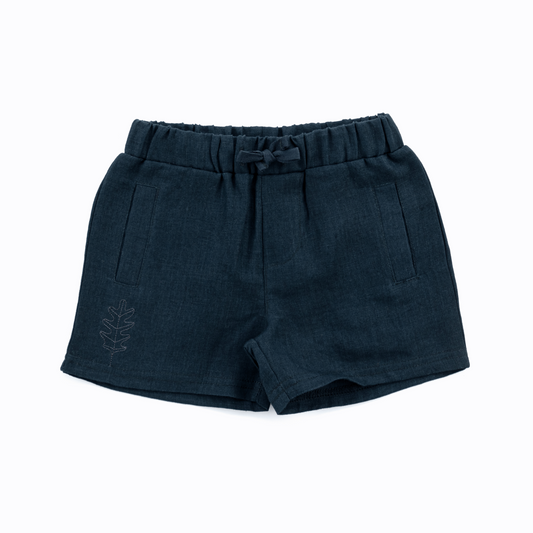
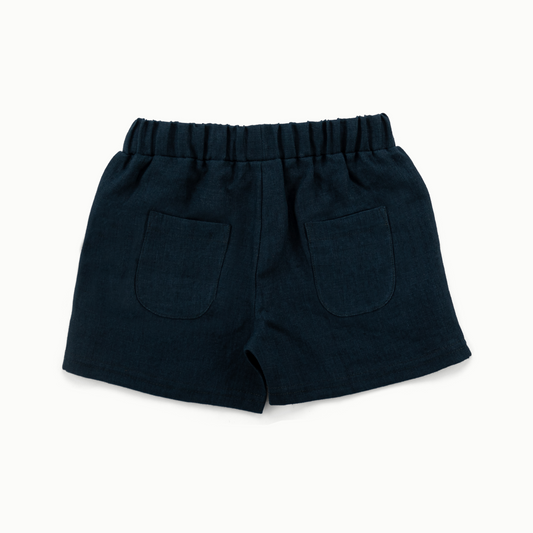
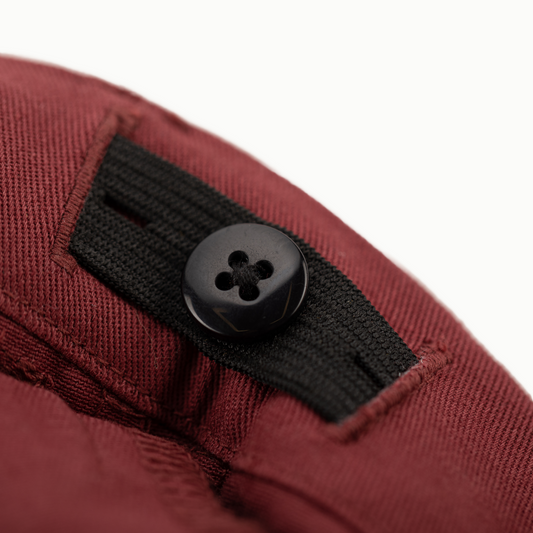
Flexible fabrics, elastic waistbands, adjustable waists, and easy pull-on styles make everyday life significantly easier for both children and parents.
Bathroom independence also matters more than many adults realise. Younger children can struggle with stiff denim, complicated fastenings, and difficult buttons when they need to move quickly.
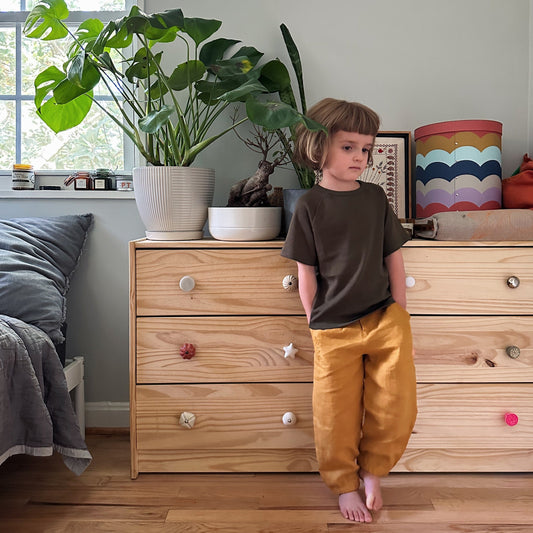
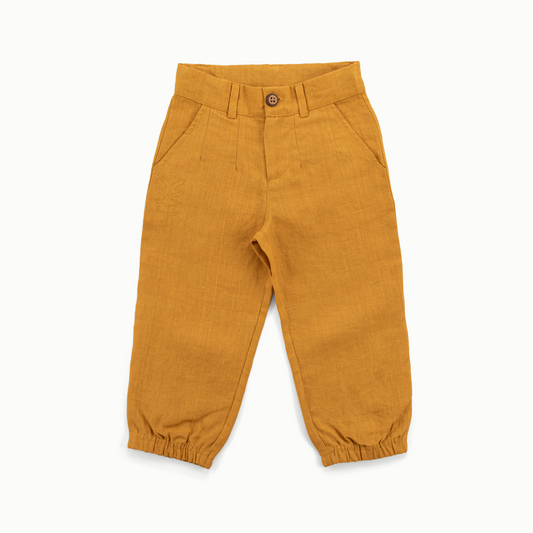
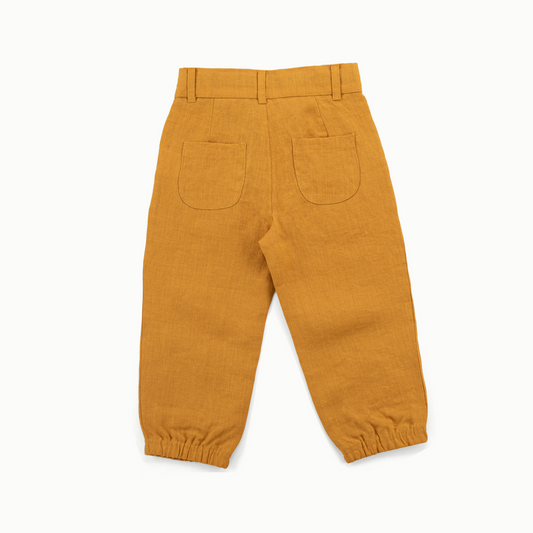
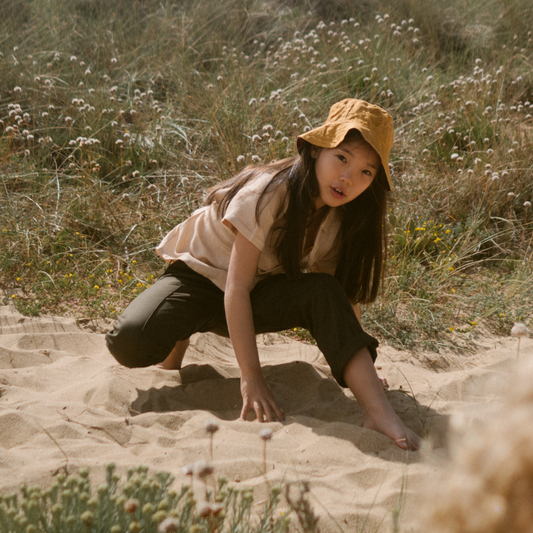
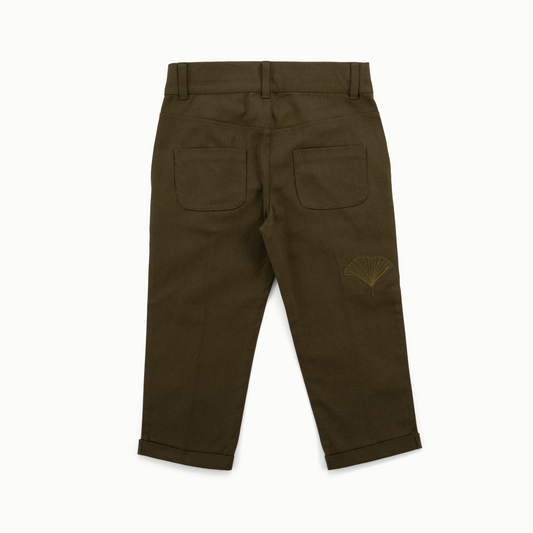
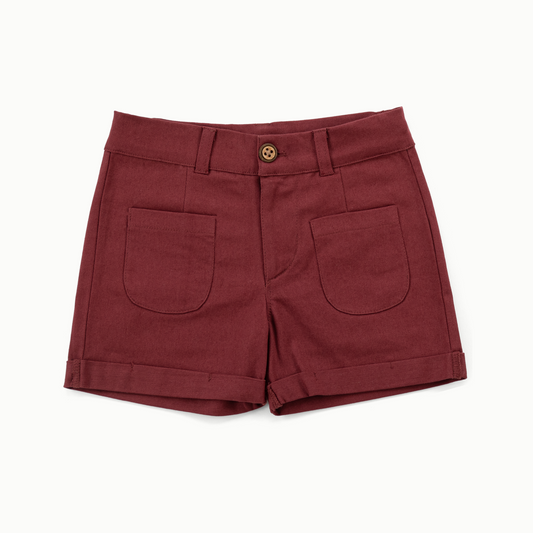
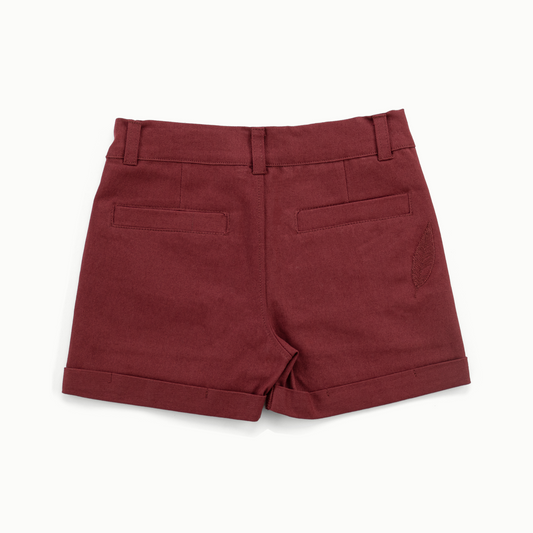
Comfortable organic cotton and linen pants often end up getting far more wear than structured denim because they work just as well in the classroom as they do on the playground.
Smart Layering Pieces
September and into October can be tricky with weather guessing.
Children need options.
Lightweight zip-up hoodies, cardigans, sweatshirts, and soft layering pieces allow them to adjust throughout the day without carrying half their wardrobe around school.
A good layering piece will often be worn hundreds of times over the course of a year, making it one of the highest-value purchases in a child's wardrobe.
What to Skip (Save Your Money)
 Back-to-school shopping becomes much easier when you give yourself permission to leave certain things behind.
Picture-day outfits that require special care rarely justify their place in the wardrobe. Most children wear them once before returning to their favourite comfortable clothes.
Scratchy multi-packs can look like an excellent value until they remain untouched in a drawer. A bargain only works if the child actually wants to wear it.
Heavy winter coats and snow gear are best purchased closer to winter. Children's growth spurts have impeccable timing, and buying too early often results in sleeves that are mysteriously too short by the first snowfall.
Complicated shoes with difficult laces create unnecessary frustration for younger children. School mornings tend to run more smoothly when children can manage their footwear independently.
The Minimalist Back-to-School Clothing Checklist
For most children attending school five days per week, a simple wardrobe is more than enough.
Tops
-
5 to 7 comfortable T-shirts or long-sleeve tops
Bottoms
-
5 to 6 pairs of pants, leggings, joggers, shorts, or skirts
Layers
-
2 hoodies, cardigans, or sweaters
Undergarments
-
7 to 10 pairs of underwear
-
7 to 10 pairs of socks
Outerwear and Shoes
-
1 lightweight jacket or raincoat
-
1 reliable pair of playground-friendly sneakers
Families who prefer a simpler approach often find that coordinated kids' clothing bundles remove much of the guesswork because everything works together straight out of the wardrobe.


