





CONTENTS
You read a headline saying your baby's pajamas might contain toxic flame retardants.
You immediately think about the ten or twelve hours they spend sleeping every night, with that fabric pressed against some of the most absorbent skin on their body. Then you open the pajama drawer and wonder whether you have accidentally bought the wrong thing.
It is an understandable reaction. It is also a topic where social media has made an already complicated subject even harder to understand.
The truth is somewhat convoluted.
Yes, harmful flame retardant chemicals were once widely used on children's pajamas in the United States. Those chemicals caused enough concern that they were removed decades ago. But it is equally misleading to suggest that every modern pair of children's pajamas is completely free of flame retardant technologies or chemical textile finishes. It depends on how the garment complies with US safety regulations, what fibres it is made from, and how it has been manufactured.
Fortunately, you do not need a chemistry degree to make a good decision.
Once you understand how children's sleepwear regulations actually work, reading a label takes less than thirty seconds.
By the end of this guide, you will know exactly what to look for, why snug-fitting organic cotton pajamas occupy a unique position under US law, and how to choose sleepwear that keeps both fire safety and unnecessary chemical exposure in mind.
Why Flame Retardants Ended Up in Children's Pajamas
 The idea behind flame retardants was not unreasonable.
During the 1950s, 1960s and early 1970s, thousands of children suffered serious burn injuries after loose nightgowns and pajamas caught fire from open flames, heaters, candles and gas stoves. Children's sleepwear often contained brushed cotton fabrics that ignited quickly, while loose-fitting garments trapped air that allowed flames to spread rapidly across the body.
In response, the US introduced mandatory flammability standards for children's sleepwear. The current regulations are administered by the Consumer Product Safety Commission (CPSC) under 16 CFR Parts 1615 and 1616, covering sizes 0 to 6X and 7 to 14, respectively.
The goal was simple. Children's pajamas should either resist ignition or stop burning quickly enough to reduce devastating injuries.
The problem was how manufacturers chose to achieve that goal.
Throughout the early 1970s, many companies treated cotton sleepwear with brominated tris (Tris-BP), a flame retardant that successfully reduced flammability. It appeared to solve one public health problem while creating another.
Everything changed in 1977.
Chemist Arlene Blum and geneticist Bruce Ames published research in the journal Science demonstrating that brominated tris was mutagenic, meaning it could damage DNA. Around the same time, studies commissioned by the National Cancer Institute found evidence that it caused cancer in laboratory animals. The CPSC responded by banning its use in children's sleepwear later that year.
Manufacturers briefly switched to another compound called chlorinated tris (TDCPP). Unfortunately, it also raised toxicological concerns, including evidence of mutagenicity, and was voluntarily withdrawn from children's pajamas shortly afterwards.
The lesson was an important one.
The regulations themselves were not the problem. They were created to prevent severe burn injuries, something they have been successful at doing. The problem was relying on chemicals that later turned out to carry health risks of their own.
That distinction still matters today because the regulations never disappeared. The chemistry simply evolved.
What Most Headlines Get Wrong
This is where the conversation usually loses nuance.
Many articles imply that children's pajamas are either coated in dangerous flame retardants or completely free from them. Neither statement is universally true.
What is true is that the specific Tris chemicals that caused alarm in the 1970s are no longer used in children's sleepwear in the way they once were.
However, that should not be confused with saying all modern pajamas are free from flame retardant chemistry or other chemical textile finishes.
Today's manufacturers have several ways of complying with US flammability regulations. Some rely on inherently flame-resistant fibres. Some use fabric construction and garment design. Some textile treatments are still used in parts of the apparel industry, although they are far less common than they were fifty years ago. Imported garments also vary considerably depending on where they were manufactured and which standards they were designed to meet.
One of the biggest misconceptions is that parents can simply look at a garment and tell whether chemicals have been used.
They cannot.
Most textile finishes are invisible. Unless a manufacturer voluntarily discloses them, consumers rarely know every treatment that has been applied during dyeing, finishing and production.
This is one reason certifications have become so valuable. Standards such as GOTS and OEKO-TEX Standard 100 do not just look at the fibre itself. They also restrict or prohibit hundreds of chemicals commonly used throughout textile manufacturing, including many substances that parents would never think to ask about.
Interestingly, even Arlene Blum, whose research helped remove brominated tris from children's pajamas, has spoken about parents who still contact her worried specifically about sleepwear. Her response is usually that the concern is understandable, but the conversation has moved on. Many flame retardants migrated into products such as furniture foam, nursing pillows and car seats, where exposure became much more widespread than children's pajamas.
That does not mean pajamas deserve no scrutiny.
It means the better question today is not, "Do pajamas contain the same chemicals they did in 1977?"
It is, "How does this particular pair of pajamas meet today's safety standards?"
That question leads directly to the most useful piece of knowledge every parent can learn.
How US Children's Sleepwear Regulations Work
 Almost no parents realise there are two completely different legal pathways for selling children's pajamas in the United States.
A garment must do one of two things.
It must either pass the federal flammability performance test, or it must qualify as snug-fitting sleepwear.
There is no third option.
This is why you often see children's pajamas divided into two very different categories.
The first category is flame-resistant sleepwear.
These garments pass the CPSC flammability test. Importantly, this does not automatically mean they have been chemically treated. Many polyester fabrics are naturally difficult to ignite and tend to self-extinguish once the ignition source is removed. They satisfy the performance standard because of the inherent properties of the fibre itself rather than because chemicals have been added after manufacture.
The second category is snug-fitting sleepwear.
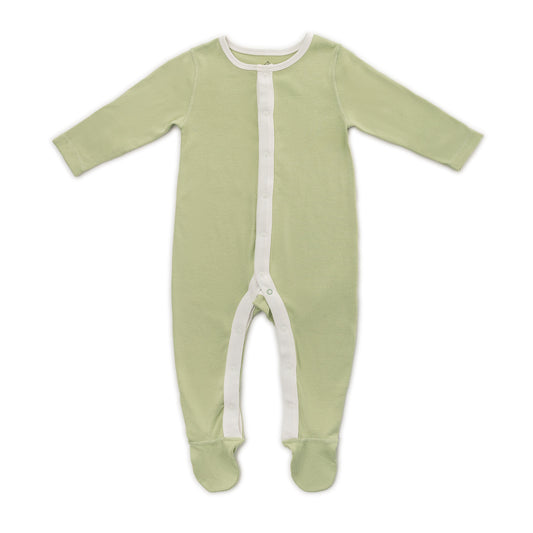
Snug fit is a specific legal category defined by the CPSC. The garments must meet strict maximum measurements around the chest, waist, hips, thighs and sleeves. The reasoning is straightforward. Close-fitting clothing traps less air between the body and the fabric, giving flames less oxygen and making rapid flame spread much less likely.
Because these garments reduce fire risk through their fit rather than through flame-resistant performance, they are exempt from the flammability test altogether.
For parents looking to avoid unnecessary flame-retardant technologies while also choosing natural fibres, this creates an unusually elegant solution. A snug-fitting pair of pajamas made from GOTS-certified organic cotton satisfies US regulations without relying on inherently flame-resistant synthetic fibres and without requiring the historic chemical approach that originally caused so much concern.
The result is not just a simpler regulatory pathway. It is also one that is remarkably easy to identify once you know what to look for. That is exactly what we'll cover next.
How to Avoid Flame Retardants in Baby Pajamas
If your goal is to minimise unnecessary chemical exposure, you do not need to memorise chemical names or read scientific papers. You simply need to know how to read four labels.
1. Look for the yellow hangtag
If you are shopping in the United States, snug-fitting pajamas should carry a yellow hangtag that reads:
"For child's safety, garment should fit snugly. This garment is not flame resistant. Loose-fitting garment is more likely to catch fire."
This tag often causes unnecessary panic because parents read "not flame resistant" and assume the garment is unsafe.
The opposite is true.
The warning exists because the pajamas are complying with US regulations through their close fit rather than by passing the flammability performance test. That is exactly what the law allows. The garment is designed to reduce fire risk without relying on the flame-resistant pathway.
2. Check the permanent neck label
The hangtag is usually removed after purchase, but the permanent neck label stays with the garment.
For snug-fitting sleepwear, you should typically see wording similar to:
"Wear snug-fitting. Not flame resistant."
That wording simply tells you which regulatory pathway the manufacturer has chosen.
3. Understand what "Flame Resistant" actually means
A label stating "Flame Resistant" does not automatically mean the garment has been soaked in flame retardant chemicals.
In fact, many children's pajamas made from polyester pass the flammability standard because polyester is inherently more difficult to ignite than untreated cotton. Once the ignition source is removed, polyester tends to self-extinguish, allowing manufacturers to meet federal performance standards without necessarily applying additional flame-retardant finishes.
That does not automatically make polyester the safer choice.
Unlike natural fibres, polyester softens and melts when exposed to high heat. During a serious fire it can stick to the skin, increasing the severity of burn injuries. It is also considerably less breathable than cotton and sheds microplastic fibres throughout its lifetime, including during washing and normal wear. Research has detected microplastic fibres in human blood, lungs, placentas and reproductive tissues, although scientists are still investigating what this means for long-term human health.
For many parents, the question is no longer simply whether chemicals have been added. It is whether synthetic fibres are the material they want against their child's skin for ten to twelve hours every night.
4. Certifications are your final layer of reassurance
Even if a garment is snug fitting, that does not automatically tell you how the cotton was grown, dyed or finished.
This is where independent certification becomes valuable.
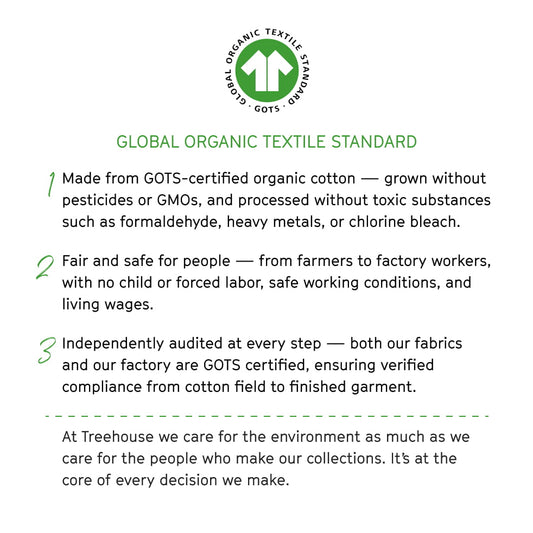
The Global Organic Textile Standard (GOTS) is widely regarded as the world's leading organic textile certification. It restricts hundreds of chemicals used throughout textile production, including many substances that are completely legal in conventional clothing. It also prohibits intentionally added PFAS, formaldehyde above strict limits, many heavy metals, numerous hazardous dyes and a wide range of problematic finishing chemicals.
OEKO-TEX Standard 100 approaches the issue from a different direction by testing the finished product itself for hundreds of substances known or suspected to be harmful to human health.
Together, these certifications provide far more information than a fibre label alone ever can.
Why Treehouse Sleepwear Takes the Simpler Route
One of the biggest lessons I have learned after years researching textile supply chains is that parents are often forced to become detectives.
You are expected to understand fibre science, textile chemistry, garment construction and federal regulations simply to buy a pair of pajamas.
That should not be necessary.
At Treehouse, we deliberately chose the simplest route available under US regulations.
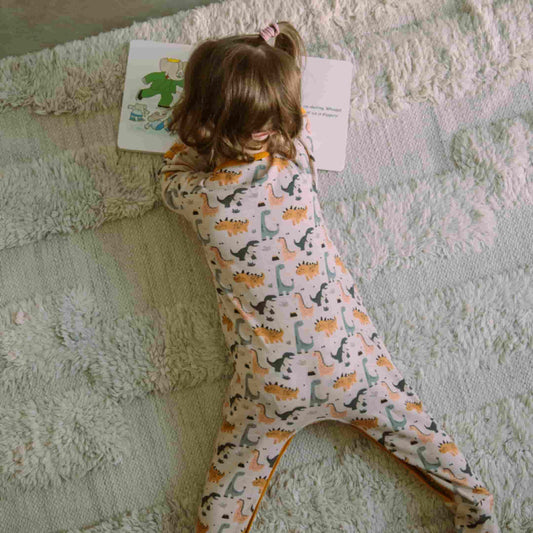
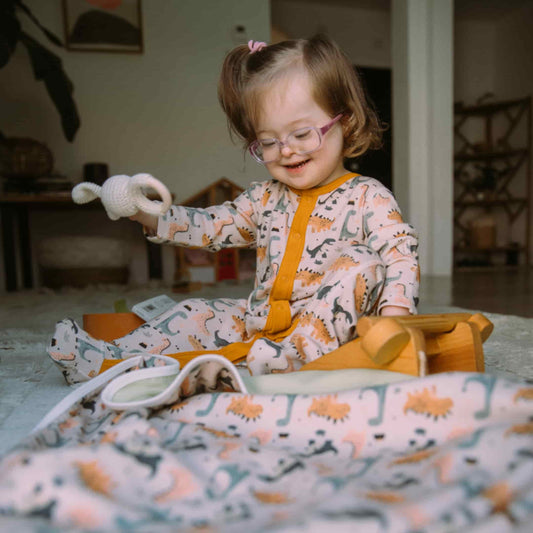
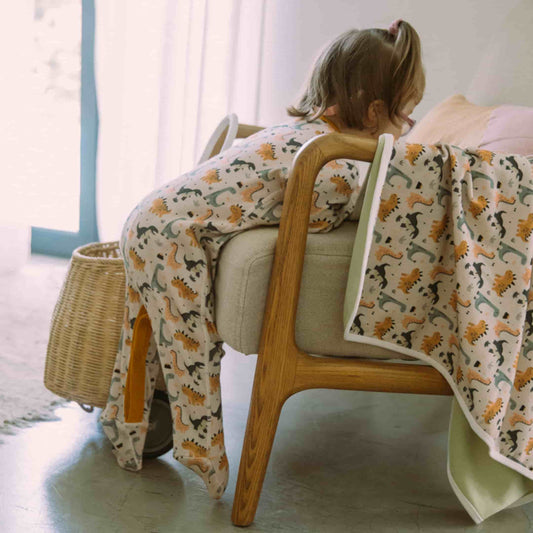
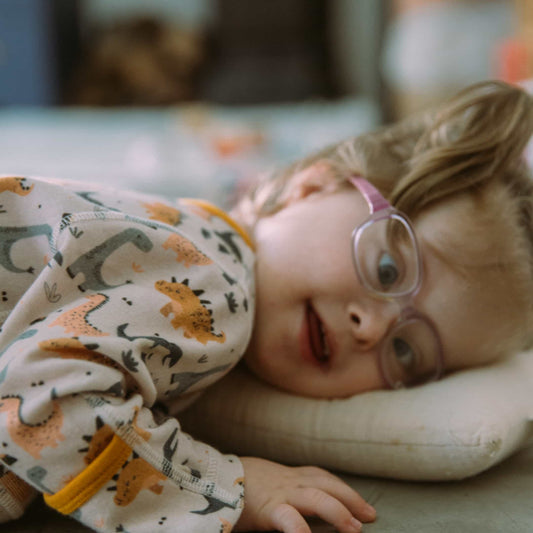
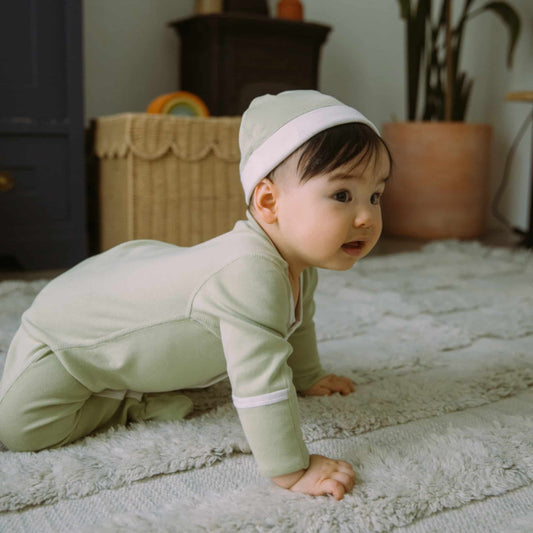
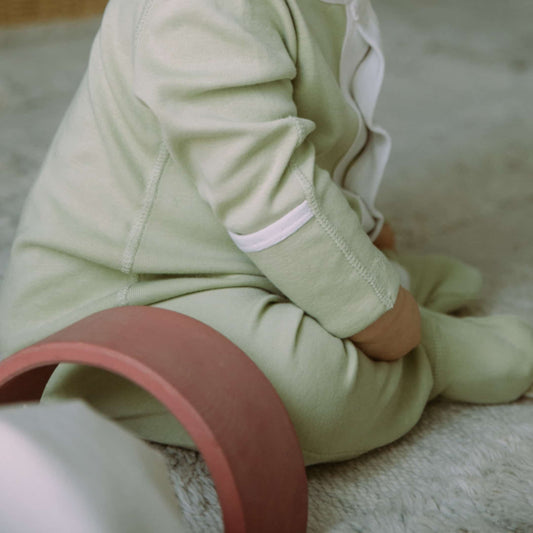
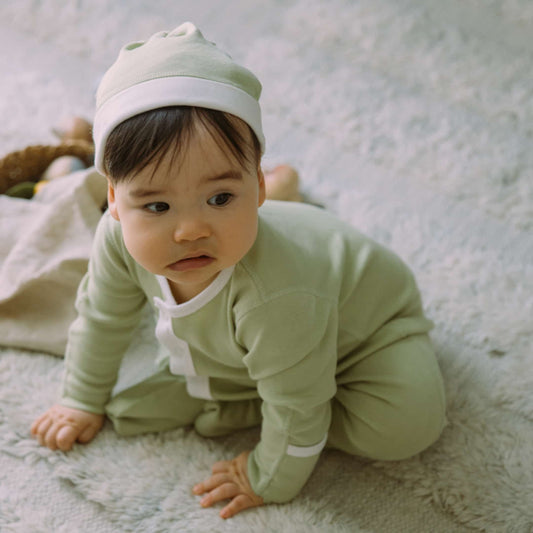
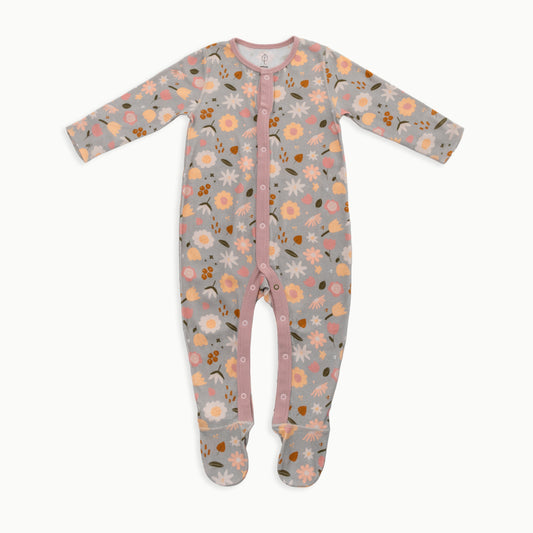
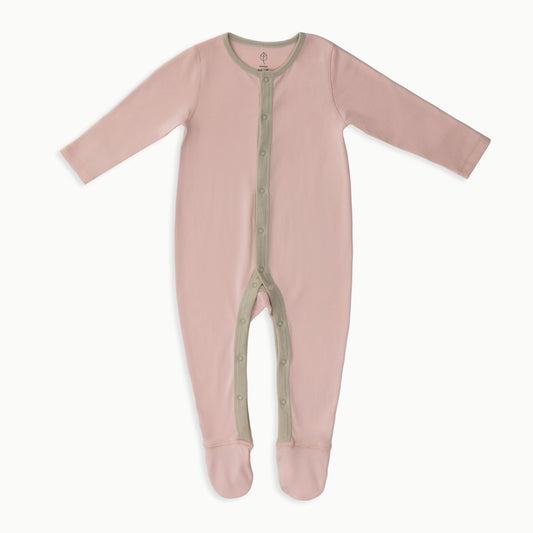
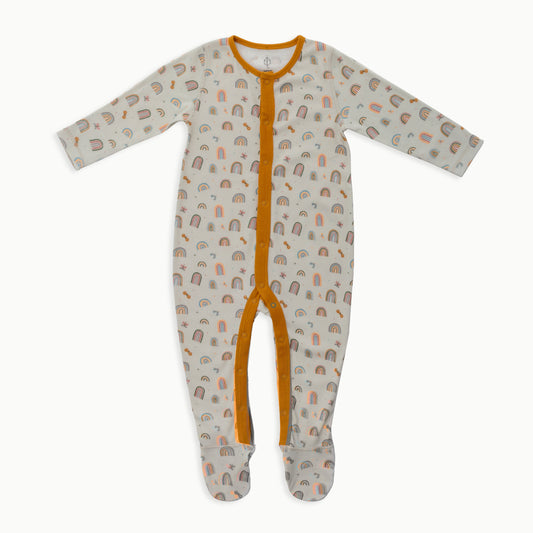
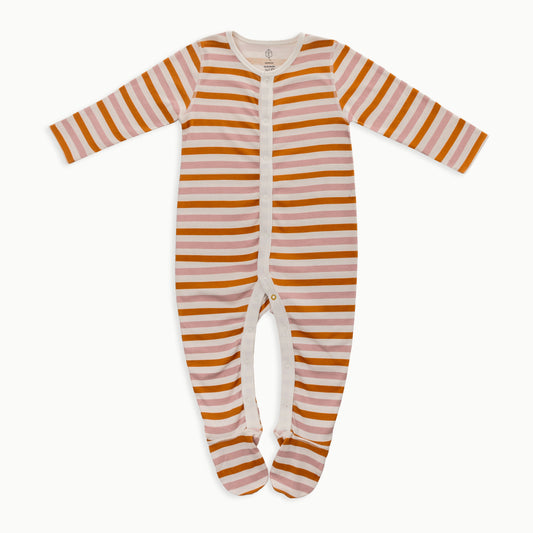
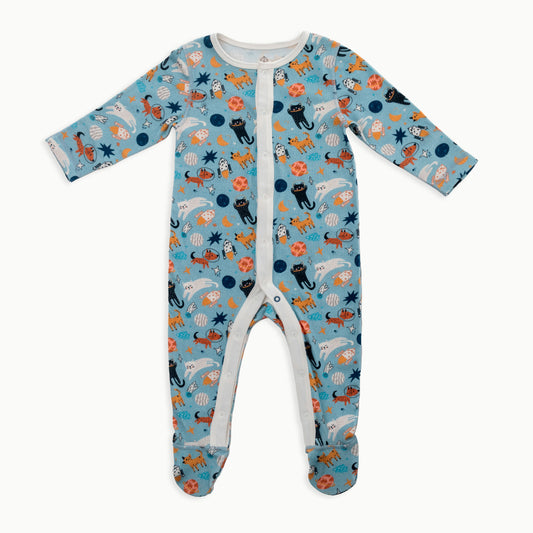
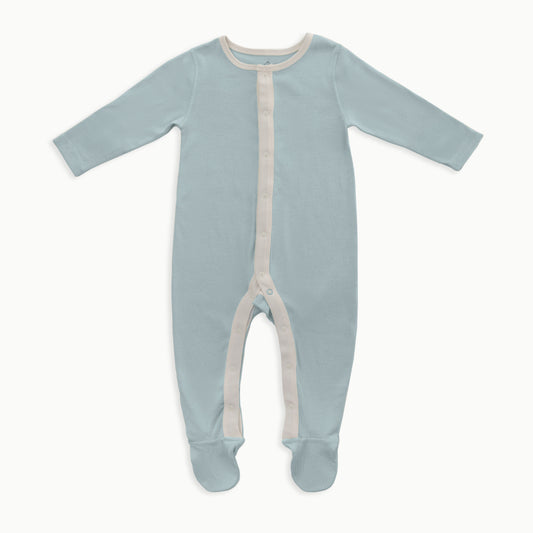
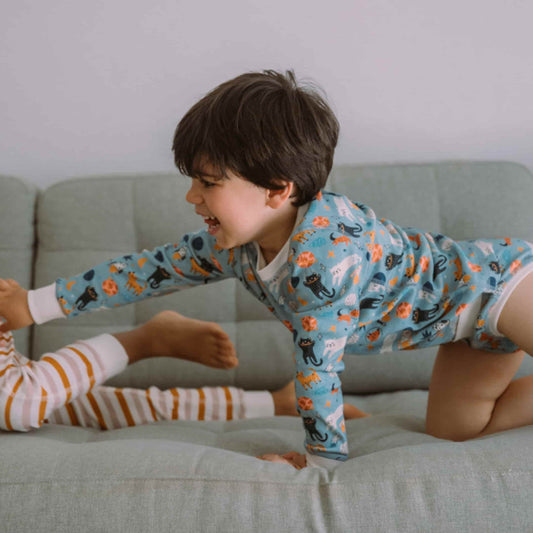
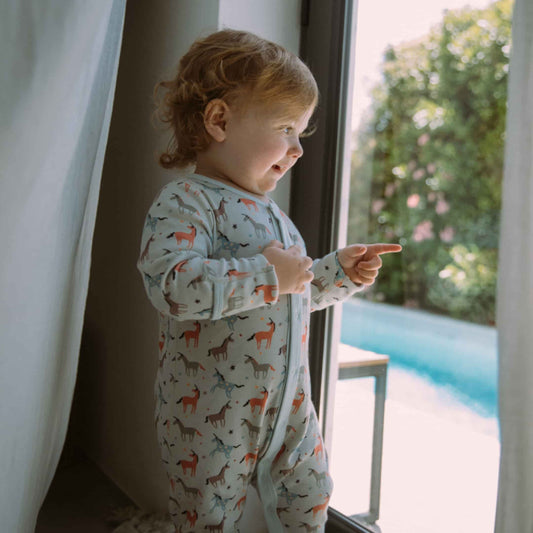
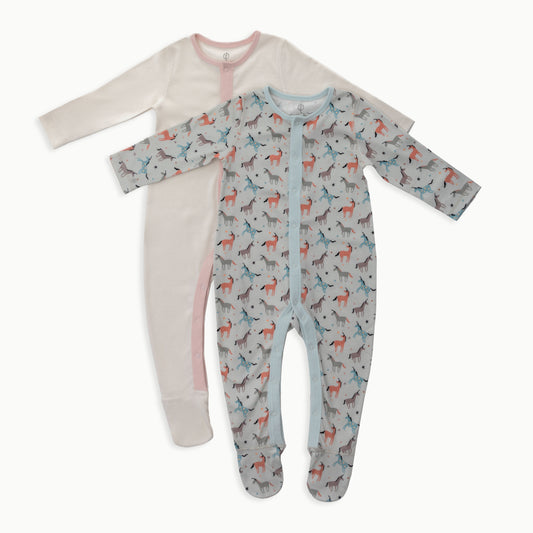
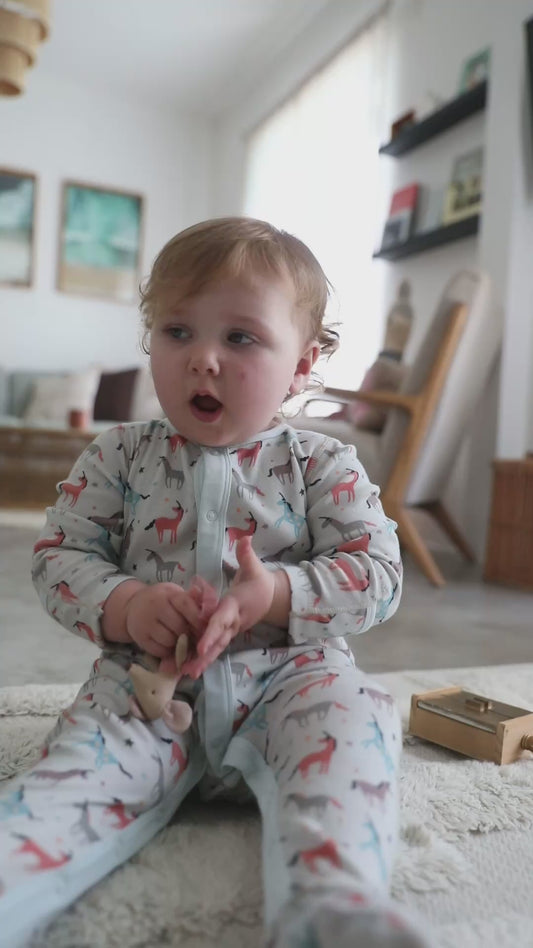
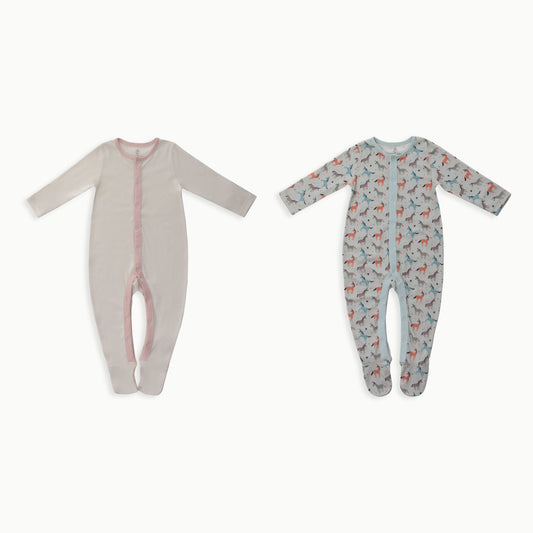
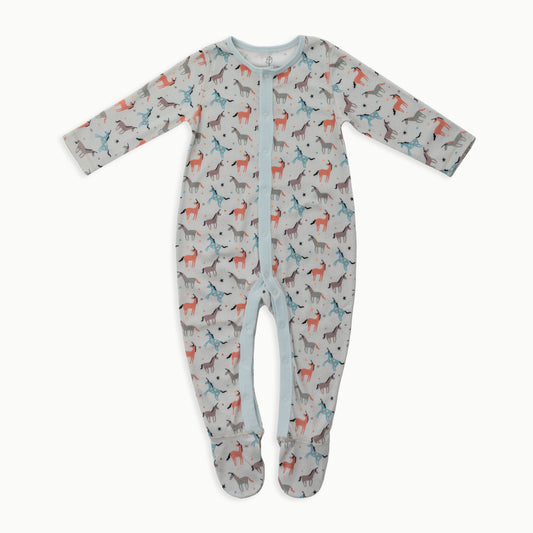
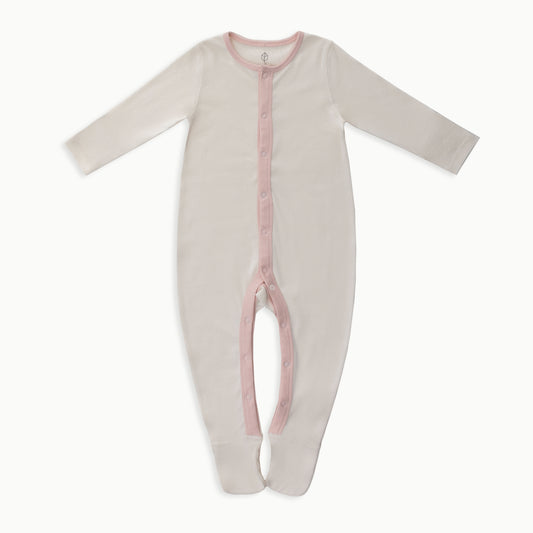
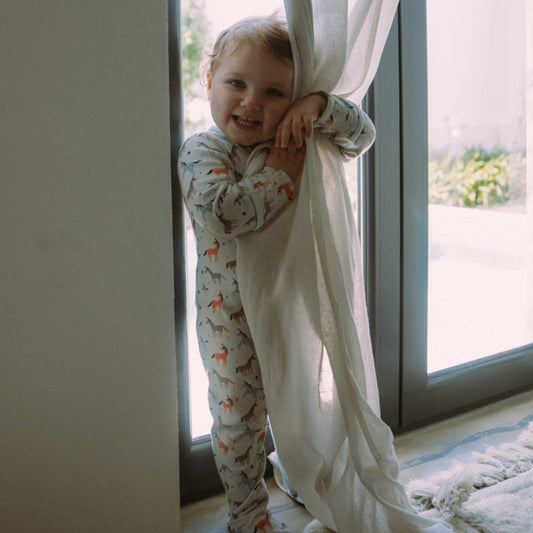
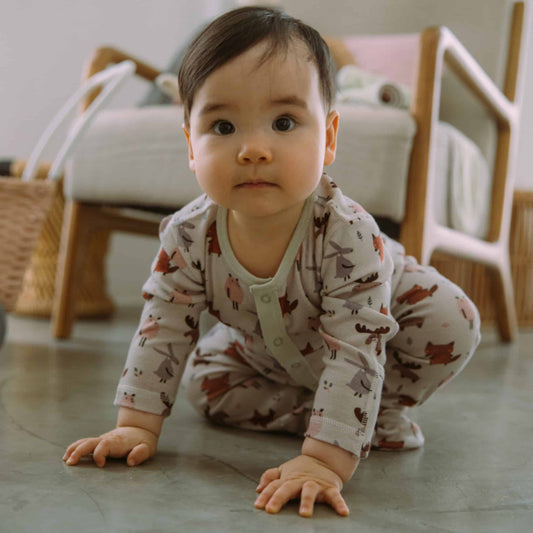
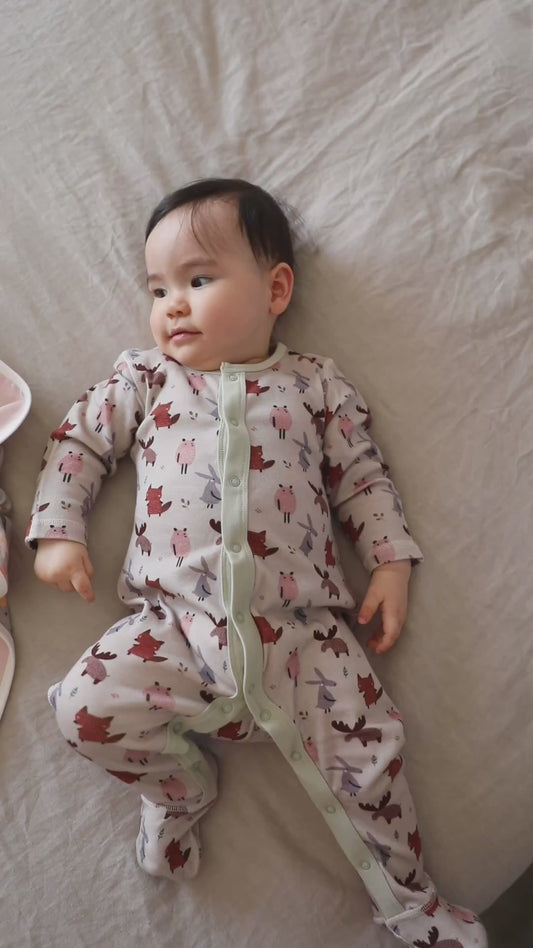
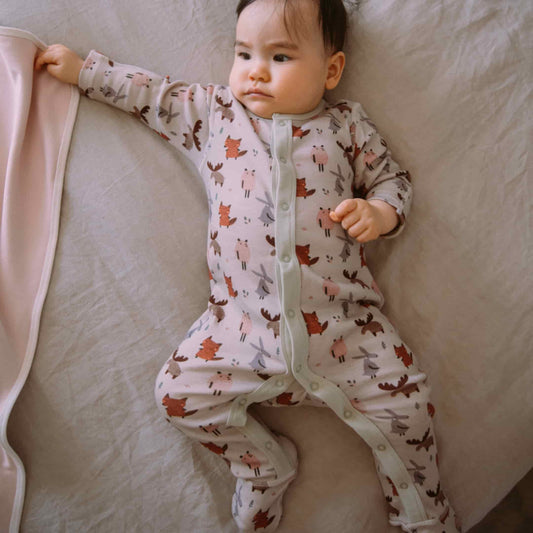
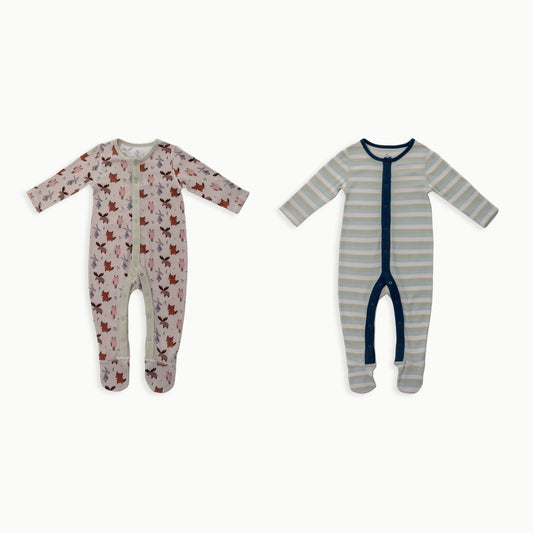
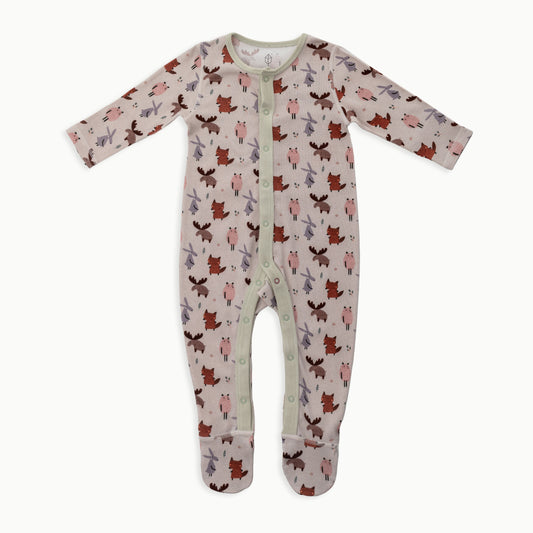
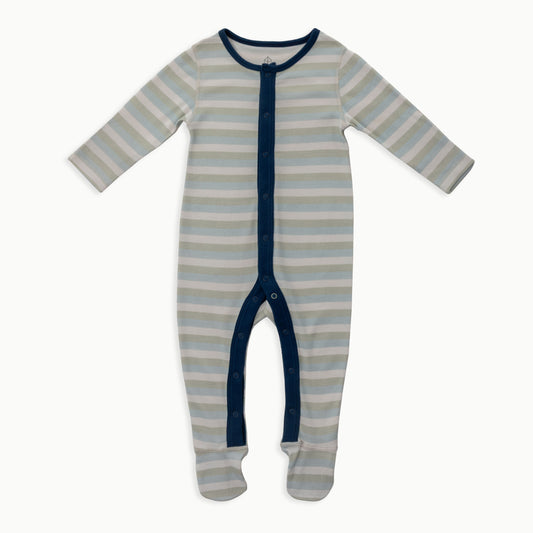
Our pajamas and baby sleepers are made from 100% GOTS-certified organic cotton and designed to meet the snug-fitting requirements for children's sleepwear. Rather than relying on flame-resistant synthetic fibres, they comply through fit.
That means there are no flame-retardant treatments added to achieve compliance, no polyester sitting against your child's skin throughout the night, and no compromises on comfort.
The GOTS certification also gives parents reassurance that the fabric has been manufactured under strict environmental and chemical standards throughout the supply chain, rather than simply being labelled "organic cotton."
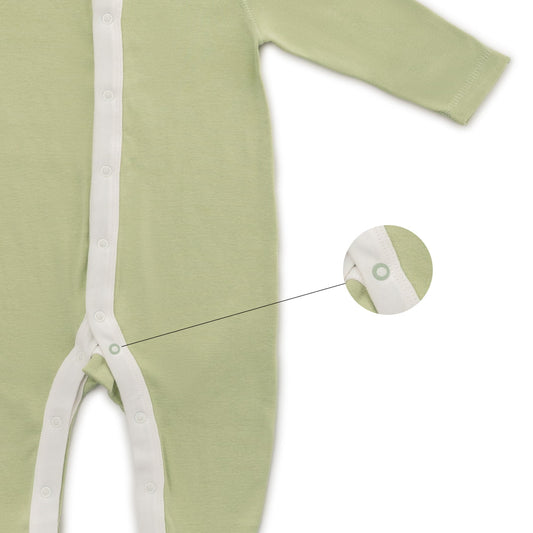
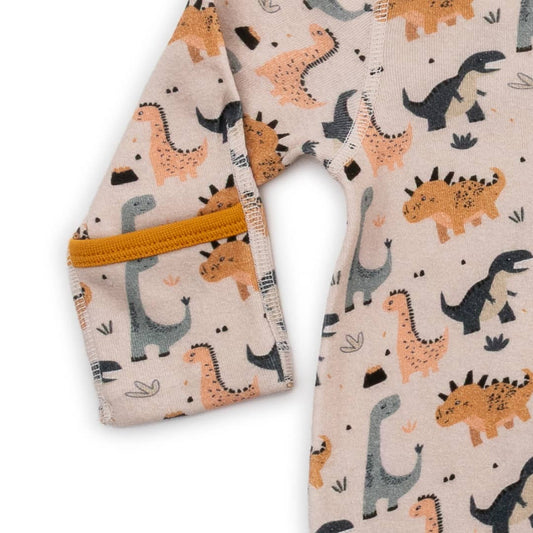
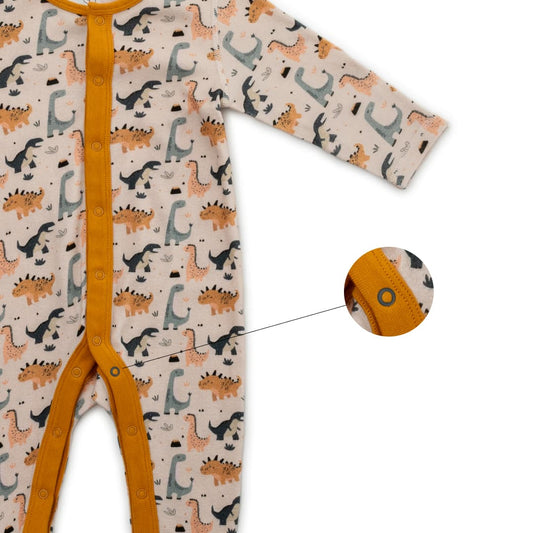
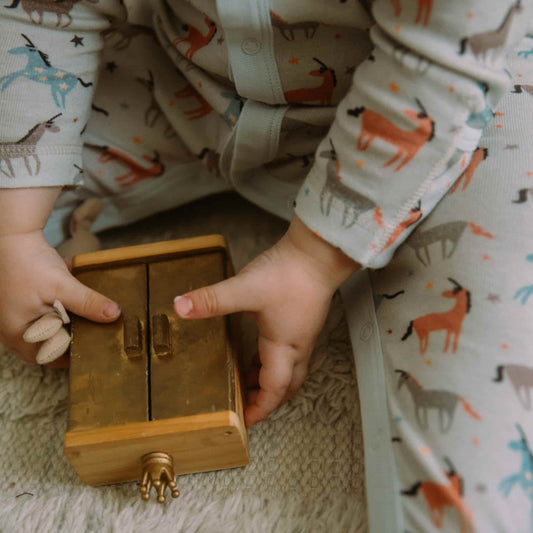
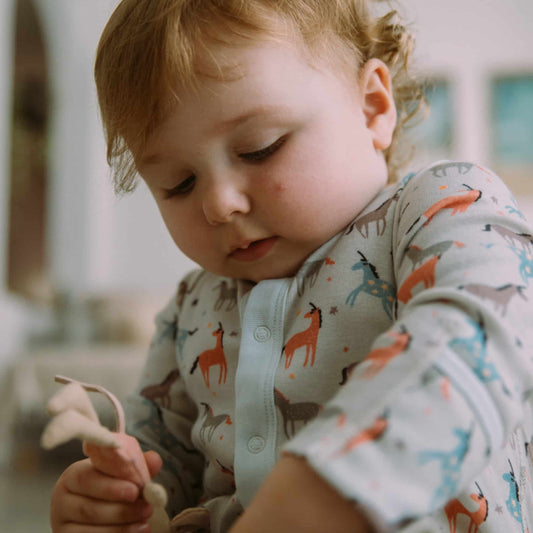
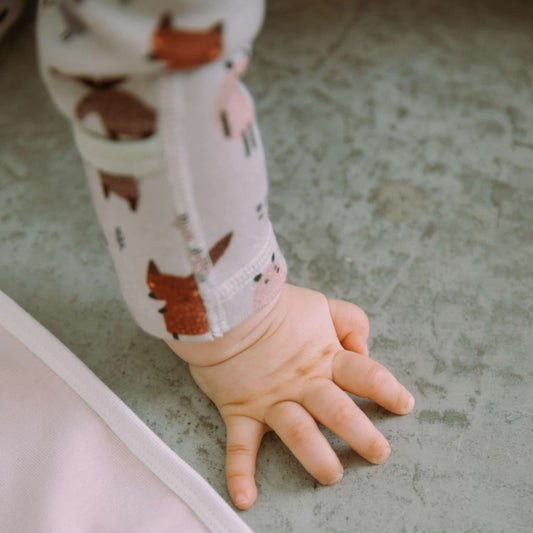
We pair that with water-based printing, flat seams that reduce irritation, tag-free necks, nickel-free snaps on baby sleepers and fabrics chosen specifically for long overnight wear.
Sleepwear is unique.
Most children spend between 3,500 and 4,500 hours every year sleeping. No other clothing category spends as much uninterrupted time against their skin. If you are going to upgrade one part of your child's wardrobe, pajamas are one of the places where the decision arguably has the greatest cumulative impact.


