







Toddler Clothing Size Chart by Age and Measurements
Most children's clothing sold in the United States uses age-based sizing. The system is simple to understand and convenient for brands, but it becomes increasingly unreliable once children reach toddlerhood.
Growth rates vary considerably between ages one and three. According to CDC growth standards, healthy toddlers of the same age can differ significantly in both height and weight while remaining within normal developmental ranges. Height tends to be the strongest predictor of fit, particularly for pants, pajamas, rompers, and one-piece garments.
The chart below provides a useful starting point for selecting toddler clothing sizes.


The overlap between sizes often surprises parents. A child may technically fit both 18–24M and 2T at the same time. The difference comes down to garment construction. Clothing labeled 18–24 months is typically designed around diaper bulk and younger body proportions. Clothing labeled 2T is generally cut longer and leaner to accommodate increased mobility and the transition toward potty training.
TODDLER SIZE CONVERSION CHART: US, UK, AND EU SIZES
International sizing systems approach children's clothing differently.
The United States and United Kingdom primarily use age-based labels. European sizing relies on height in centimeters. Many parents find EU sizing easier to navigate because it uses an actual body measurement rather than an estimated age range.
A garment labeled EU 92, for example, is designed for a child approximately 92 centimeters tall regardless of whether that child recently turned two or is approaching their third birthday.


Parents shopping international brands often achieve better results by checking the height recommendation first and treating the age recommendation as secondary information.
Why Toddler Clothing Sizes Vary Between Brands
The size label tells only part of the story.
Pattern makers create garments around a set of measurements known as a fit block. Every brand develops its own fit block based on its target customer, design philosophy, and product category. A size 2T can therefore fit very differently from one brand to another even when both garments technically meet the same sizing standards.
DIAPER DYNAMICS: 18–24M VS 2T
One of the biggest sources of confusion appears during the transition between baby sizes and toddler sizes.
Garments labeled 18–24 months are usually designed with diapers firmly in mind. They often include a deeper rise, additional room through the seat, and proportions that accommodate the rounded silhouette typical of younger toddlers.
By contrast, 2T garments are generally drafted for increased movement and growing independence. Legs become longer. The rise often becomes slightly shallower. Overall proportions start looking more like children's clothing and less like baby clothing.
Children wearing diapers comfortably into their third year frequently benefit from the extra room provided by certain 18–24M styles, while children who have already begun potty training may prefer the slimmer shape of many 2T garments.
BRAND PATTERN PHILOSOPHIES
Brands make intentional decisions about how clothing should fit.
Carter's has traditionally leaned toward a slimmer fit. The silhouettes can appear neat and tailored but may feel snug on children carrying diaper bulk or sitting between sizes.
Brands such as Gap and Primary generally favor roomier, more relaxed cuts. Extra ease can improve comfort and extend wear time, although very oversized garments sometimes bunch during active play.

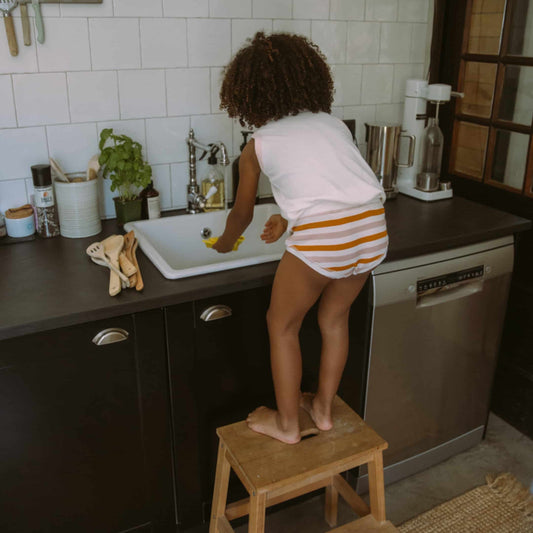
At Treehouse, our patterns are developed around movement rather than trend-driven silhouettes. Children spend their days climbing, crawling, running, building, and exploring. Clothing needs enough room to support that movement without becoming excessively oversized.
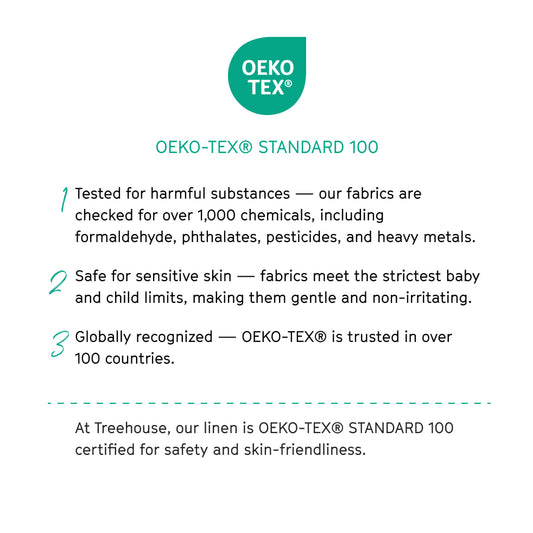
Natural fibers also play an important role in fit. Instead of relying on synthetic stretch fibers to create comfort, our garments use breathable GOTS-certified organic cotton and OEKO-TEX certified linen with natural flexibility and softness.
FABRIC COMPOSITION CHANGES FIT
Fabric choice affects sizing more than many parents realize.
A lightweight polyester jersey behaves differently from a heavyweight organic cotton rib. Stretch fabrics recover differently after repeated washing. Synthetic fibers often hold their shape more rigidly, while natural fibers tend to move more comfortably with the body.
Fabric weight matters as well. Heavier organic cotton fabrics often feel more substantial, resist twisting, and maintain their structure better through repeated wear and laundering.
Parents comparing fit between brands are rarely comparing pattern shapes alone. They are also comparing entirely different fabrics, weights, finishes, and construction methods.
How to Measure a Toddler for Clothing Size
Stop measuring over bulky sweaters, jackets, or pajamas. A soft measuring tape, a diaper or fitted underwear, and two minutes of cooperation are usually all you need.

HEIGHT
Height has the strongest relationship to overall clothing fit.
Stand your child barefoot against a wall with their heels touching the baseboard. Use a book or flat object to mark the top of the head and measure from the floor to the mark.
Pediatricians often take height measurements during routine checkups, so recent visit summaries can also provide a useful reference point.
Children are typically tallest in the morning due to natural spinal compression that occurs throughout the day.

CHEST
Wrap a soft measuring tape around the fullest part of the chest, usually just under the armpits. The tape should sit flat against the body without squeezing.
Chest measurements become increasingly important for pajamas, t-shirts, sweatshirts, and jackets.

WAIST
Toddlers do not have the same defined waistline as older children.
Measure around the belly button area where pants naturally sit. Leave enough room to comfortably slide one finger beneath the tape.
Elastic waistbands, adjustable drawstrings, and flexible fabrics often provide a more forgiving fit than exact waist measurements.

HIPS
Measure around the fullest part of the bottom while accounting for the diaper or training pants your child typically wears.
Hip measurements become particularly useful when shopping for fitted pants, leggings, shorts, and underwear.


INSEAM
Measure from the crotch seam to the ankle bone.
A surprisingly large percentage of toddler pants are outgrown through leg length before they become too tight around the waist. Inseam measurements help prevent dragging hems and constant cuff rolling.
Sizing Tips for Core Toddler Collections
Different garments rely on different measurements.
Torso length matters more than almost any other measurement.
Pajamas and sleepers that are too short create tension across the shoulders, pull at the crotch, and restrict movement during sleep. Children sitting near the top of a size range often benefit from sizing up in one-piece garments before they need to size up elsewhere.
-
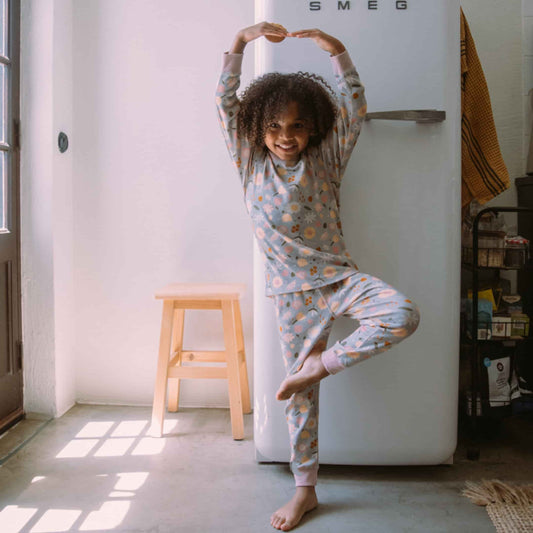
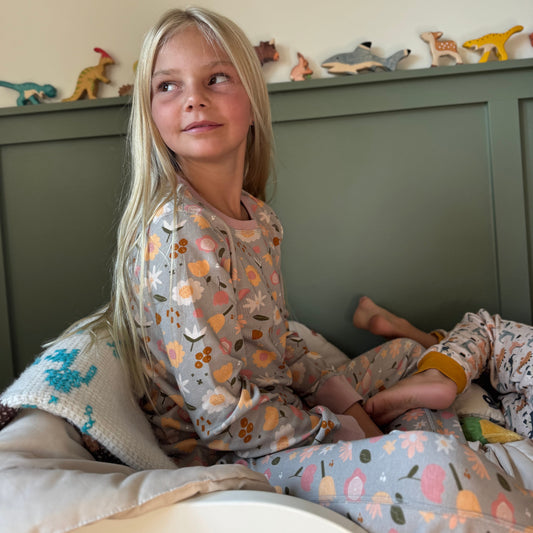
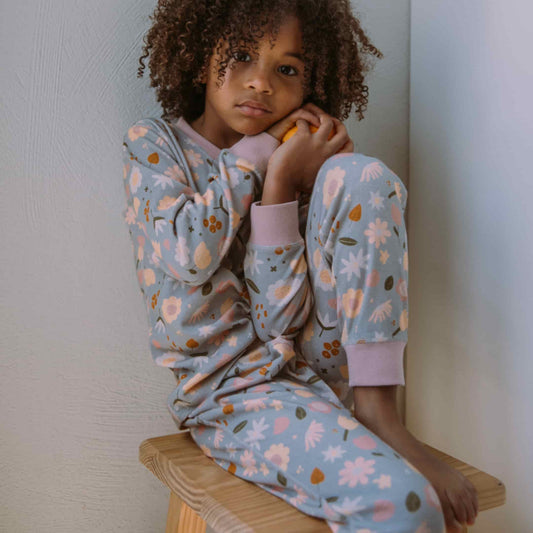
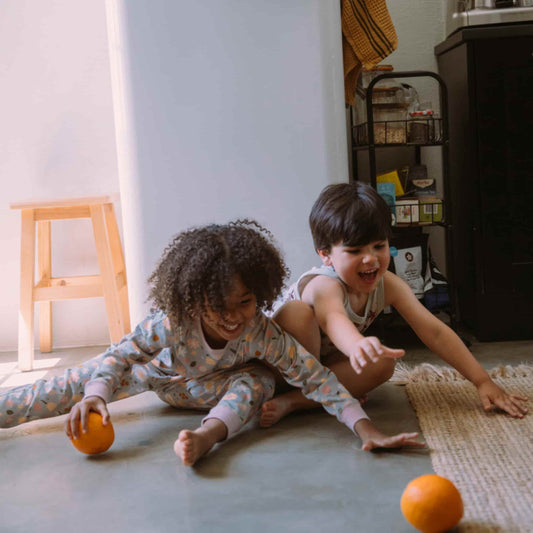
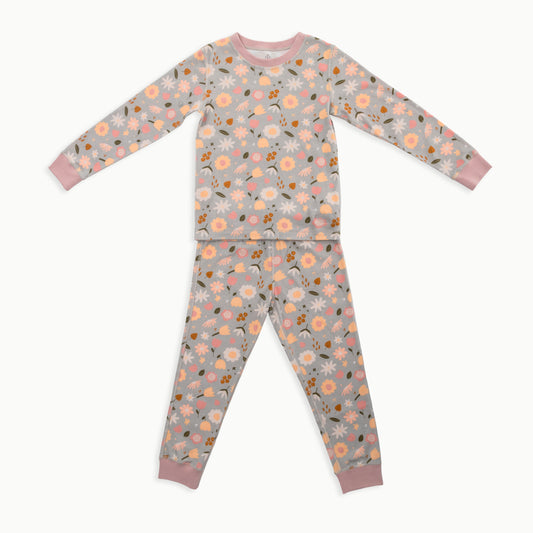
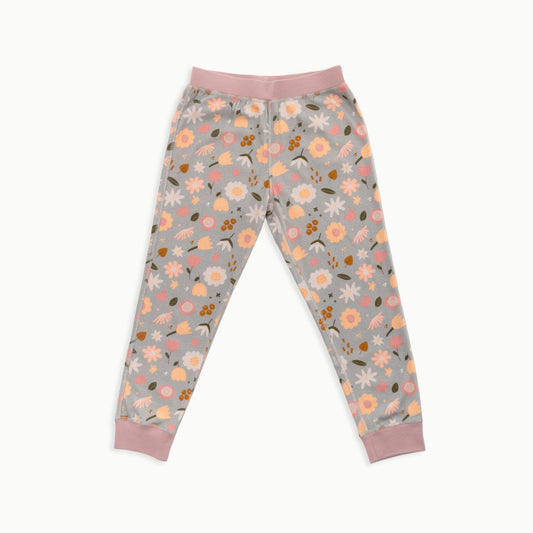
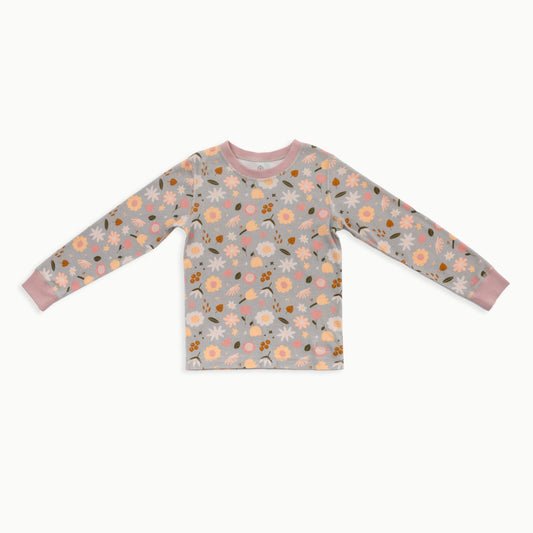
 BUY 2 - 15% BUY 3 - 20% BUY 4 - 25%$40.002-3,3-4,4-5,6,7,8,9 yearsSELECT SIZE$40.002-3,3-4,4-5,6,7,8,9 yearsORGANIC COTTON LONG-SLEEVE PAJAMAS | FLOWERSRegular price $40.00Regular priceUnit price per
 -
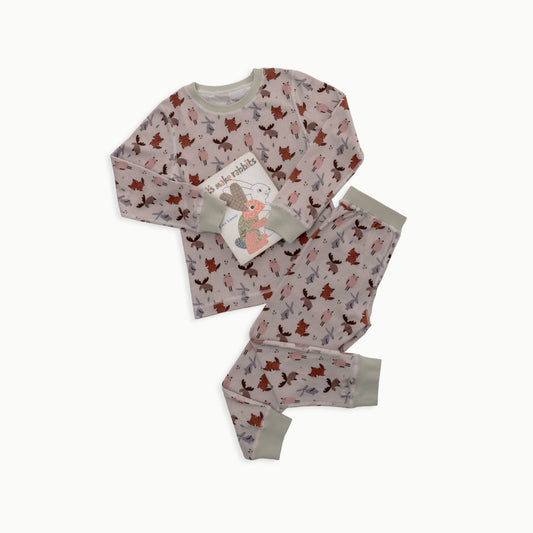

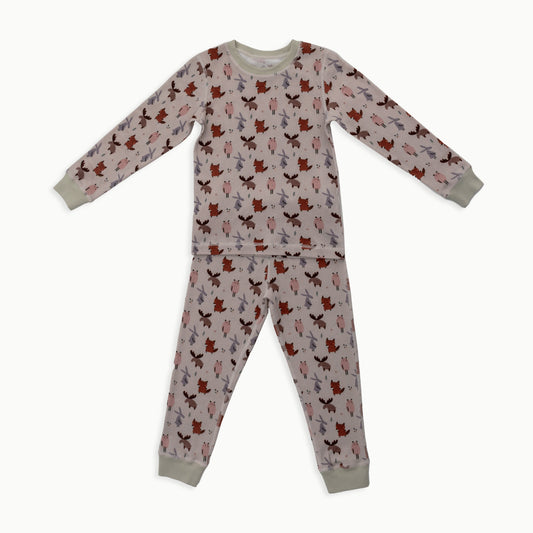
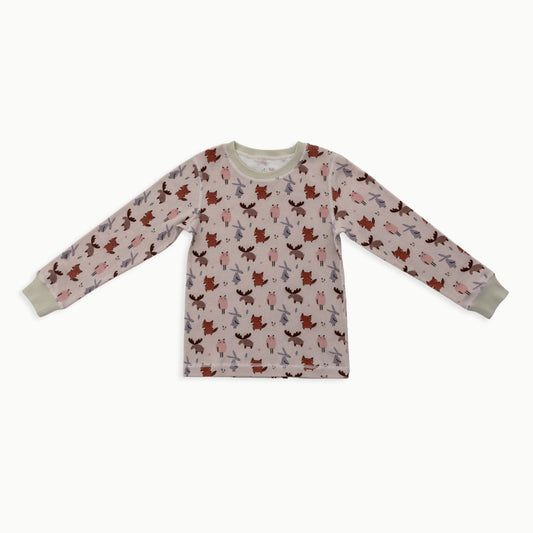
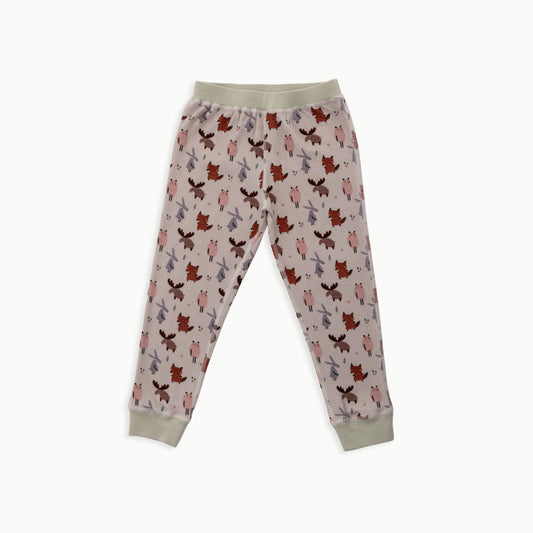 BUY 2 - 15% BUY 3 - 20% BUY 4 - 25%$40.002-3,3-4,4-5,6,7,8,9 yearsSELECT SIZE$40.002-3,3-4,4-5,6,7,8,9 yearsORGANIC COTTON LONG-SLEEVE PAJAMAS | WOODLANDRegular price $40.00Regular priceUnit price per
 -
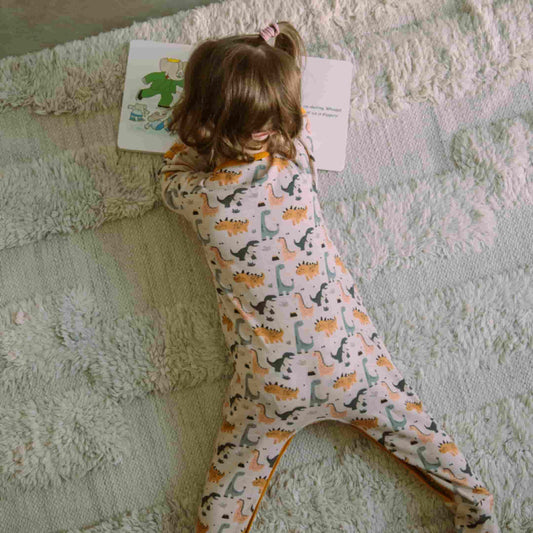
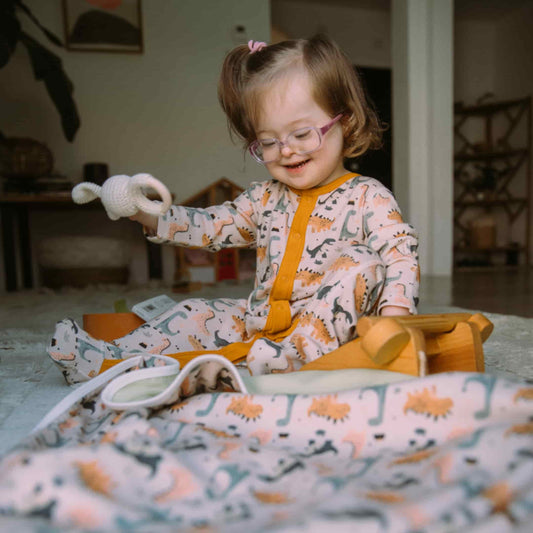
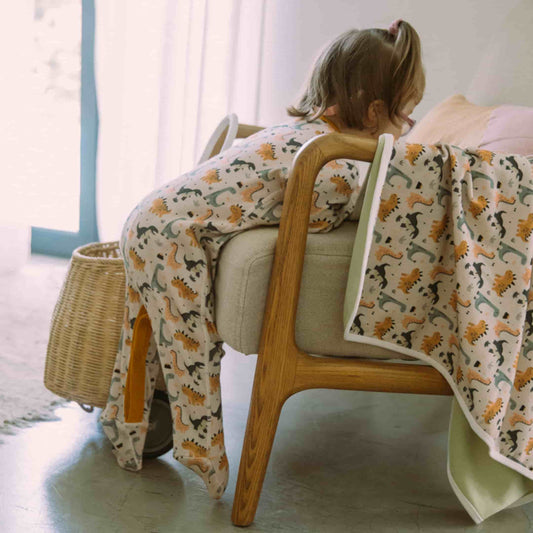

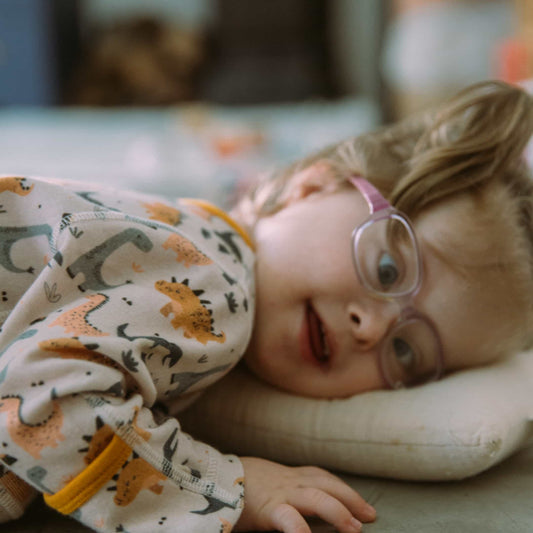

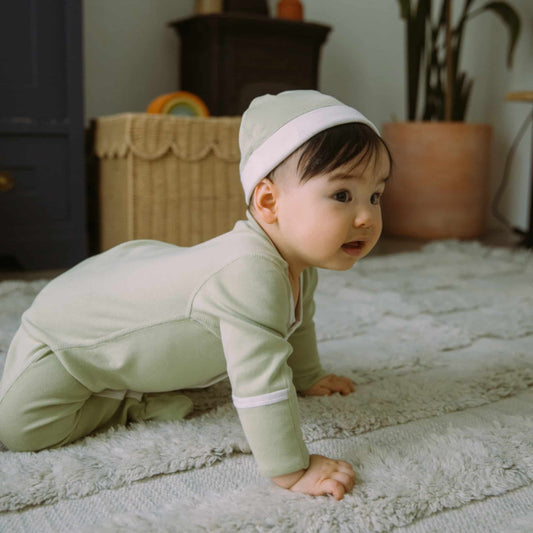
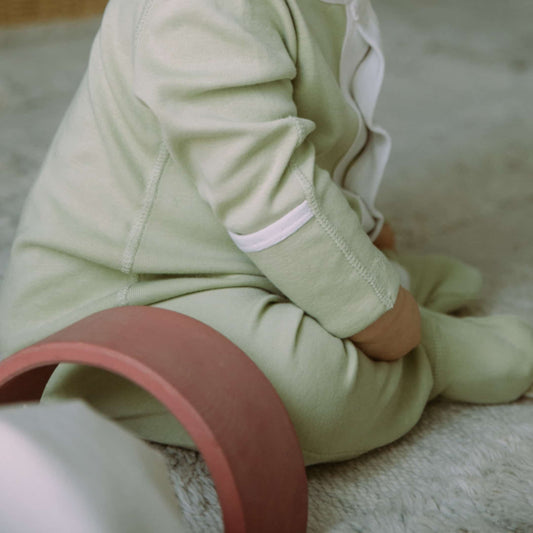
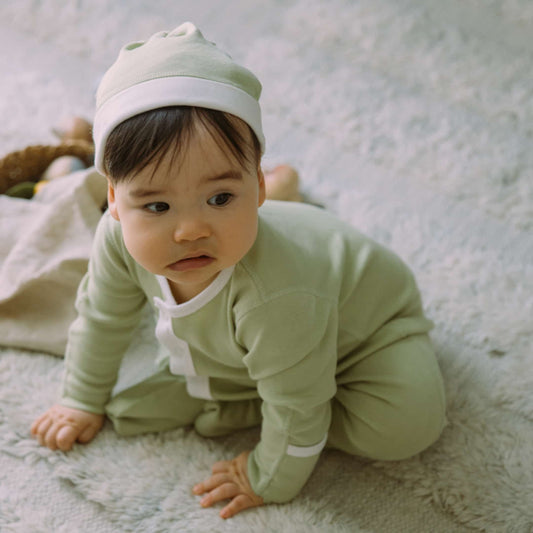
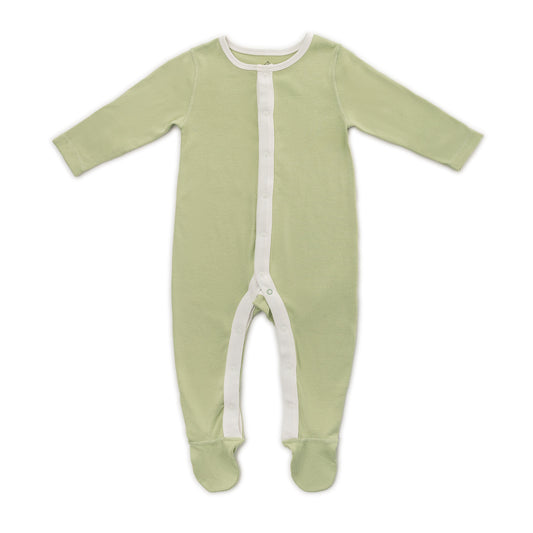
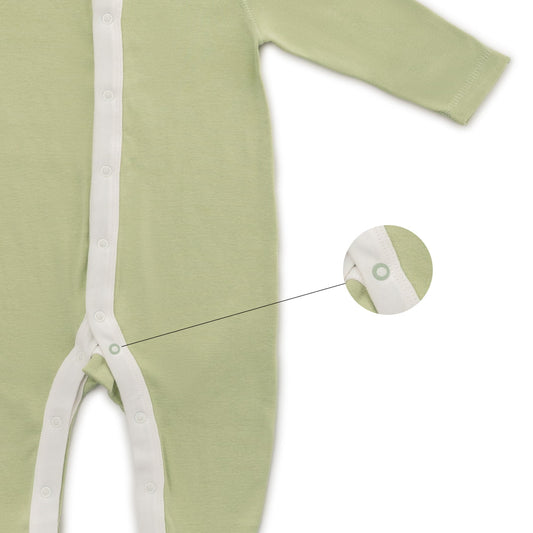
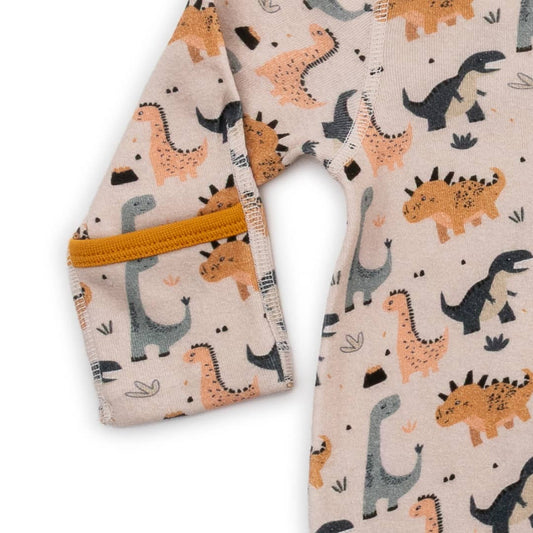
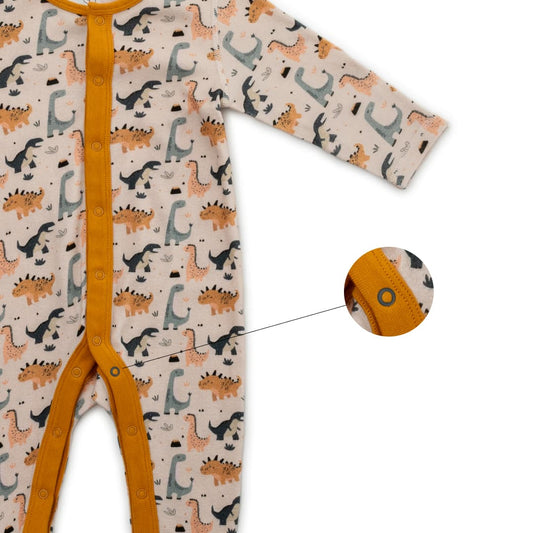 $48.00Newborn,0-3,3-6,6-12,12-18,18-24 monthsSELECT SIZE$48.00Newborn,0-3,3-6,6-12,12-18,18-24 monthsORGANIC COTTON BABY SLEEPER, 2-PACK | DINOSAURS + SOLID GREENRegular price $48.00Regular priceUnit price per
 -
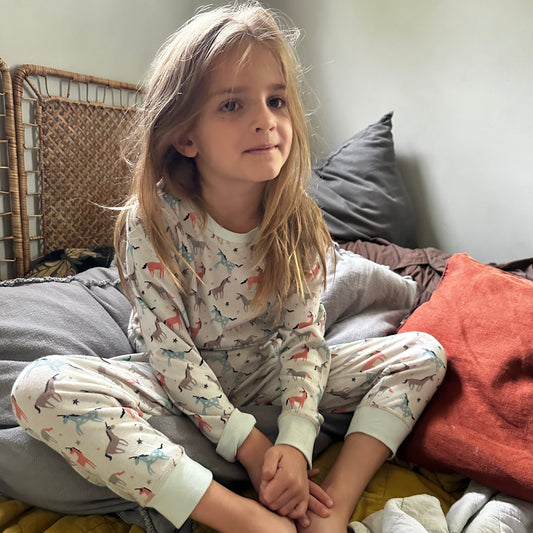
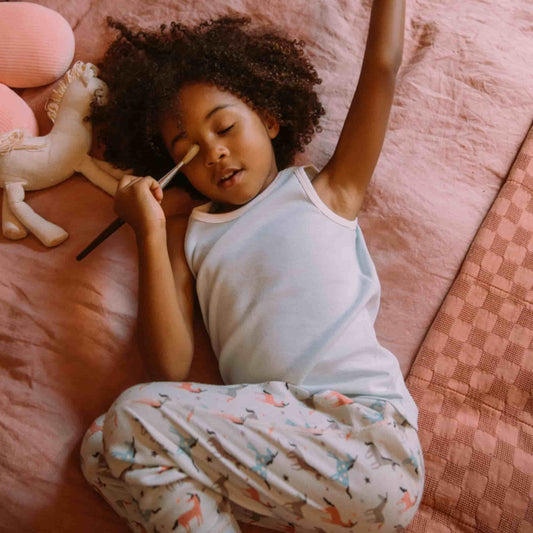
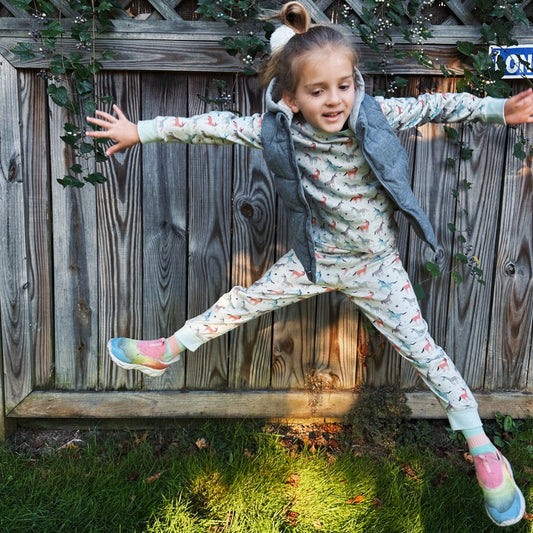
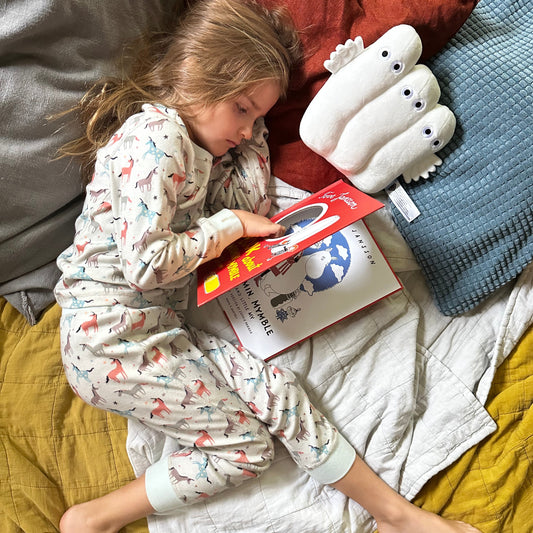
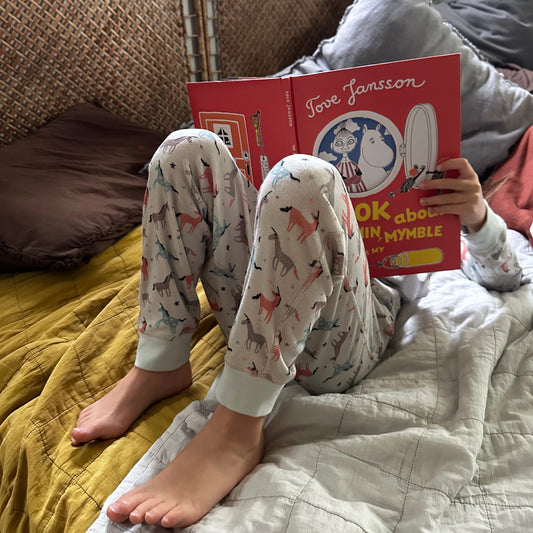
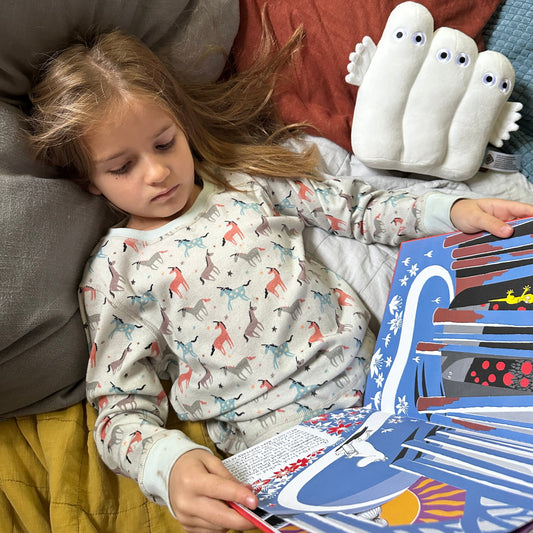
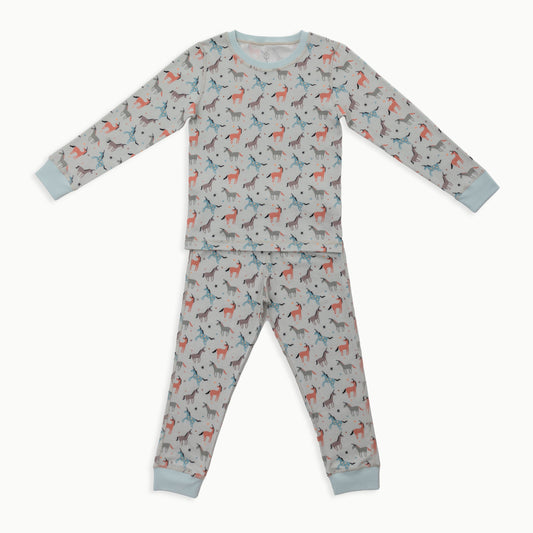
 BUY 2 - 15% BUY 3 - 20% BUY 4 - 25%$40.002-3,3-4,4-5,6,7,8,9 yearsSELECT SIZE$40.002-3,3-4,4-5,6,7,8,9 yearsORGANIC COTTON LONG-SLEEVE PAJAMAS | UNICORNRegular price $40.00Regular priceUnit price per
 -
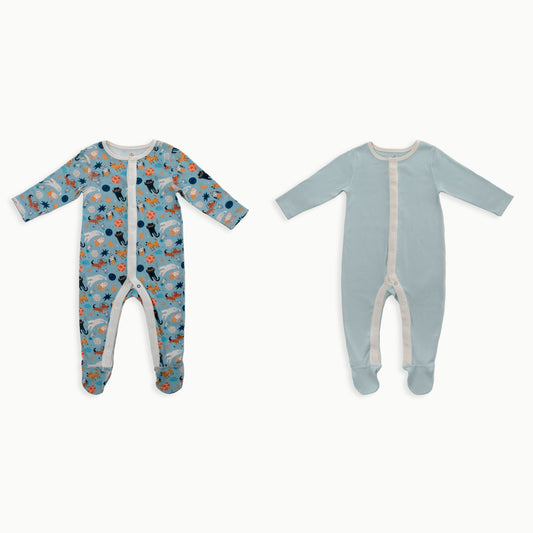
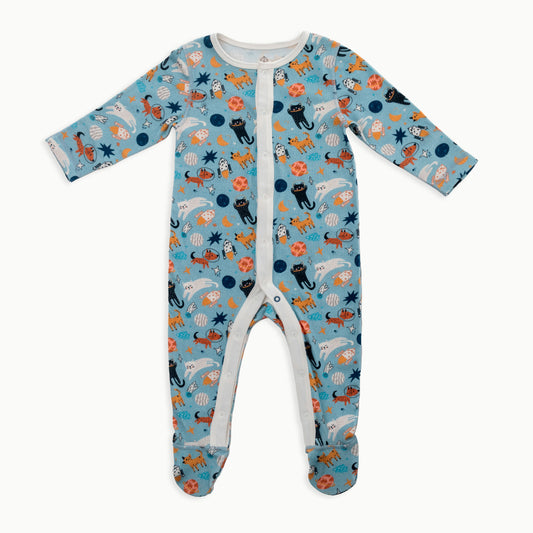
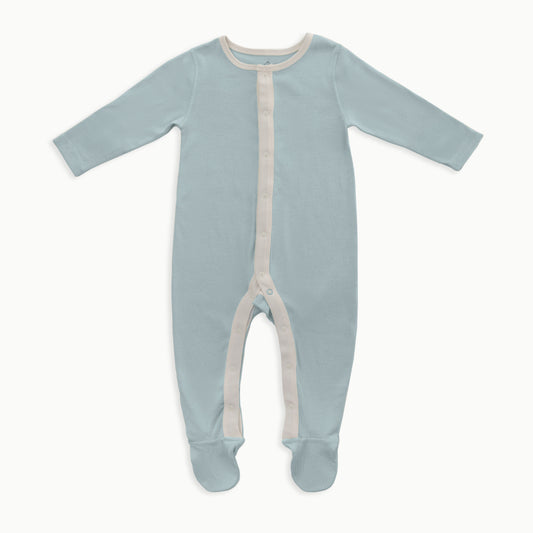
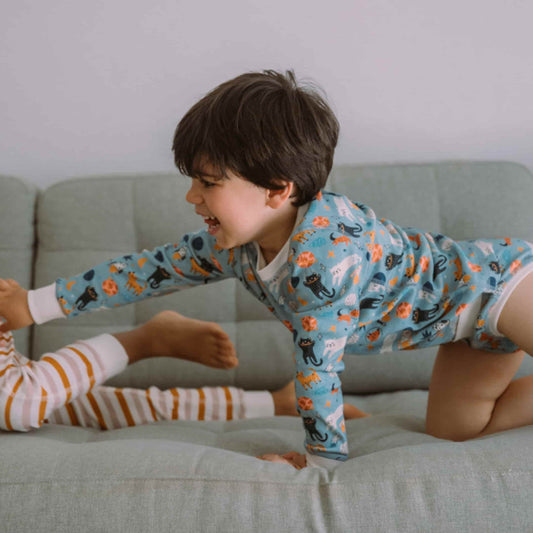
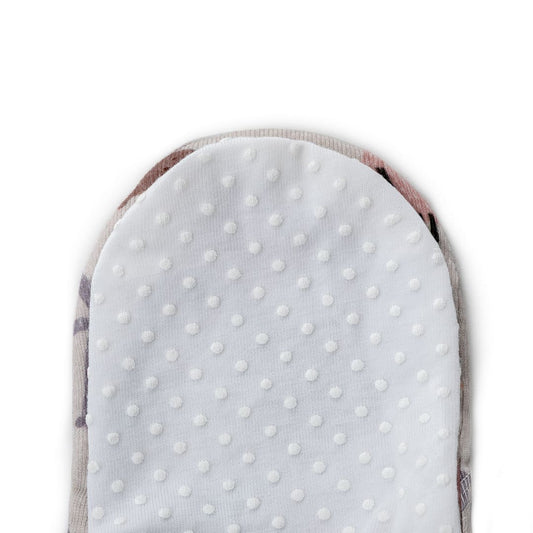 $48.00Newborn,0-3,3-6,6-12,12-18,18-24 monthsSELECT SIZE$48.00Newborn,0-3,3-6,6-12,12-18,18-24 monthsORGANIC COTTON BABY SLEEPER, 2-PACK | SPACE CATS + SOLID BLUERegular price $48.00Regular priceUnit price per
 -
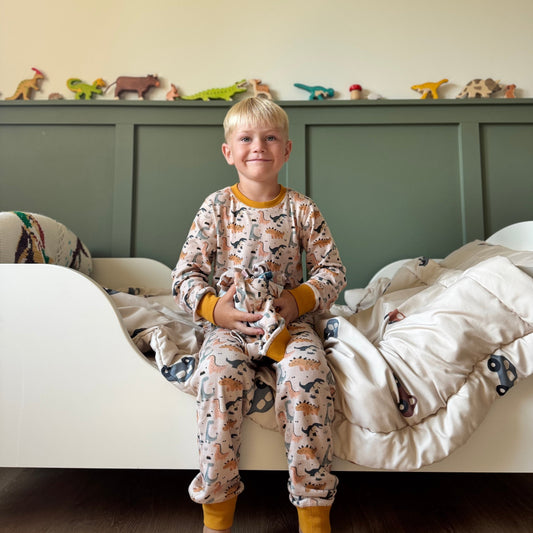
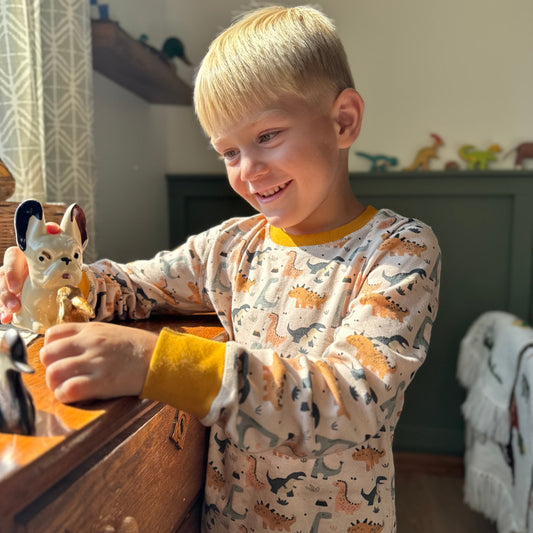
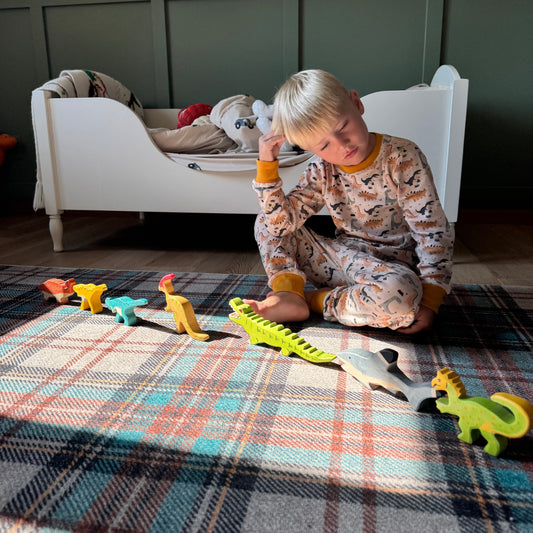
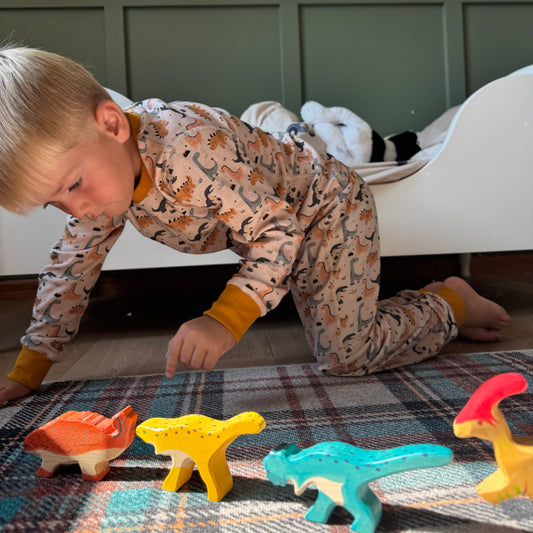
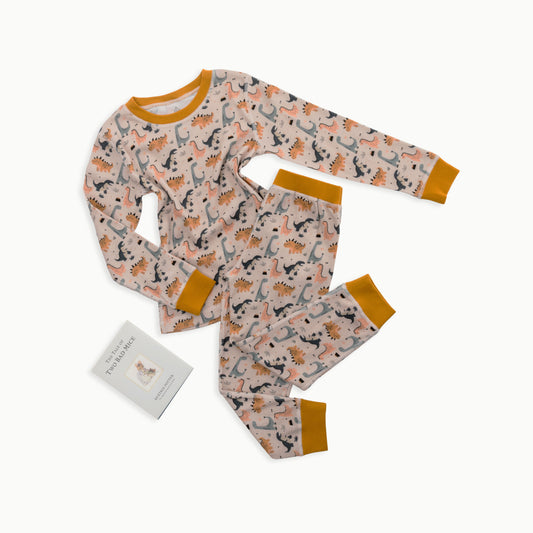
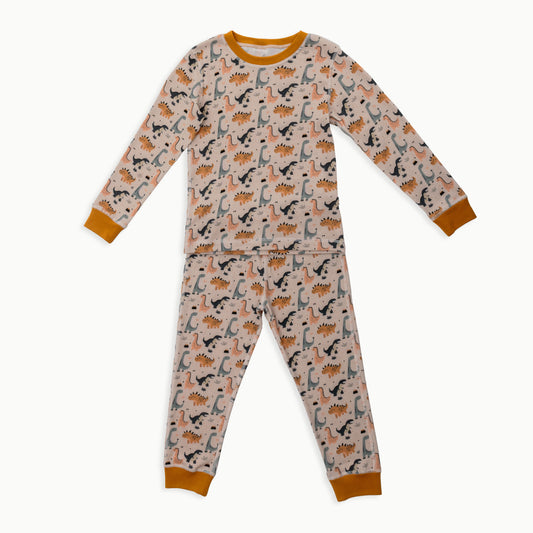
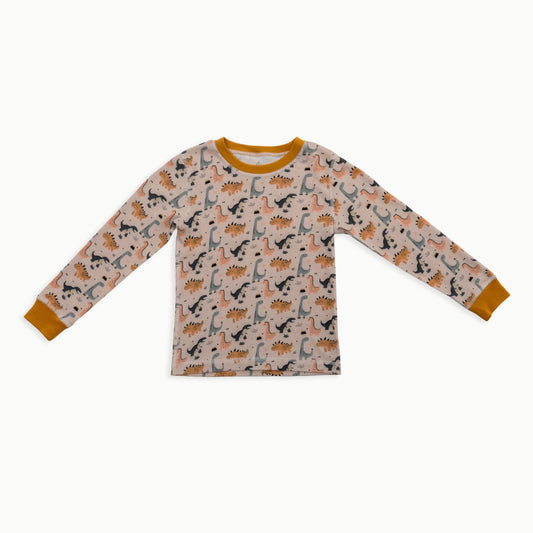
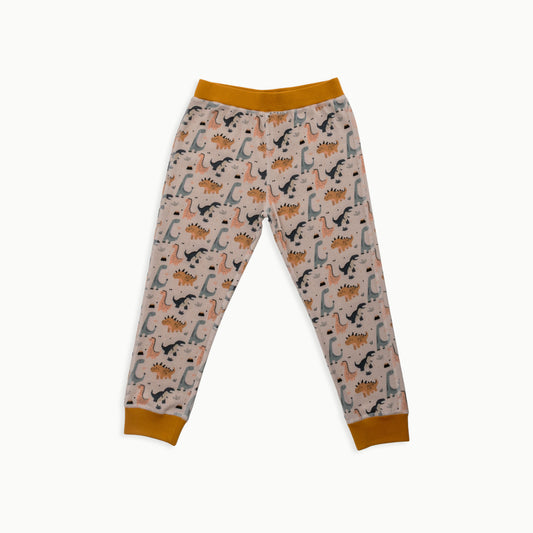
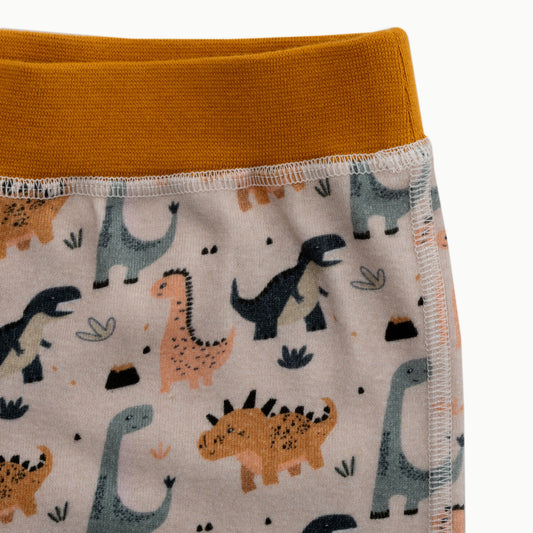
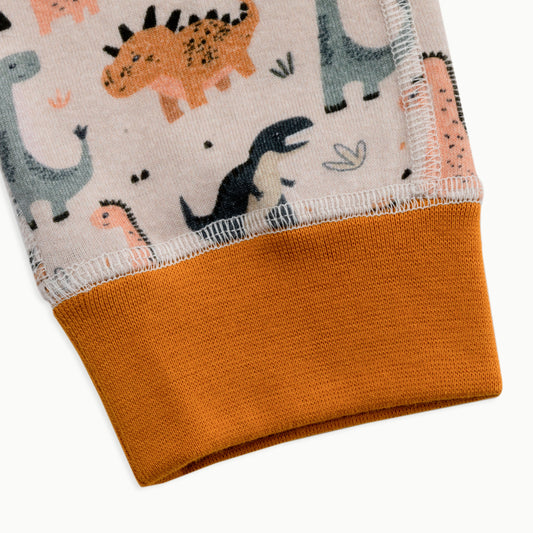 BUY 2 - 15% BUY 3 - 20% BUY 4 - 25%$40.002-3,3-4,4-5,6,7,8,9 yearsSELECT SIZE$40.002-3,3-4,4-5,6,7,8,9 yearsORGANIC COTTON LONG-SLEEVE PAJAMAS | DINOSAURRegular price $40.00Regular priceUnit price per


Chest measurements generally determine fit more than height.
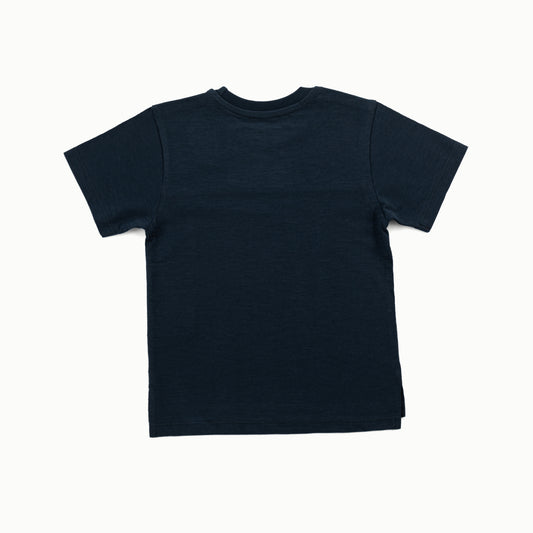
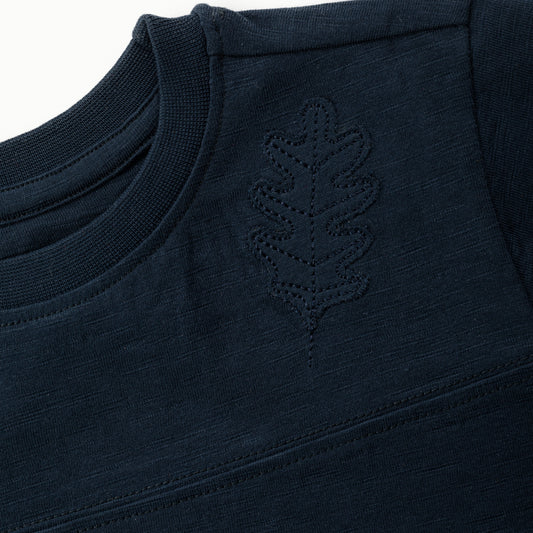
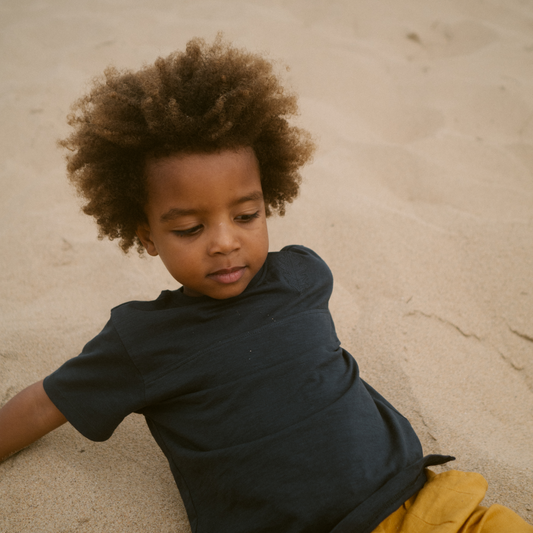
Organic cotton t-shirts naturally accommodate a broader range of body shapes than stiff synthetic fabrics. A slightly relaxed fit typically improves comfort, layering flexibility, and longevity.
-

 $34.002-3,3-4,4-5,5-6,6-7,7-8,8-9,9-10 yearsSELECT SIZE$22.10
$34.002-3,3-4,4-5,5-6,6-7,7-8,8-9,9-10 yearsORGANIC COTTON WILLOW TEE IN TASSELRegular price $34.00Regular priceUnit price per$34.00Sale price $34.00 -
 $34.002-3,3-4,4-5,5-6,6-7,7-8,8-9,9-10 yearsSELECT SIZE$22.10
$34.002-3,3-4,4-5,5-6,6-7,7-8,8-9,9-10 yearsORGANIC COTTON OAK TEE IN NAVALRegular price $34.00Regular priceUnit price per$34.00Sale price $34.00 -
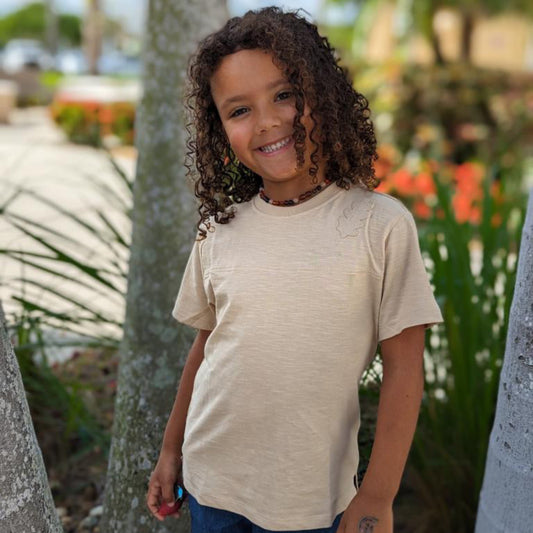
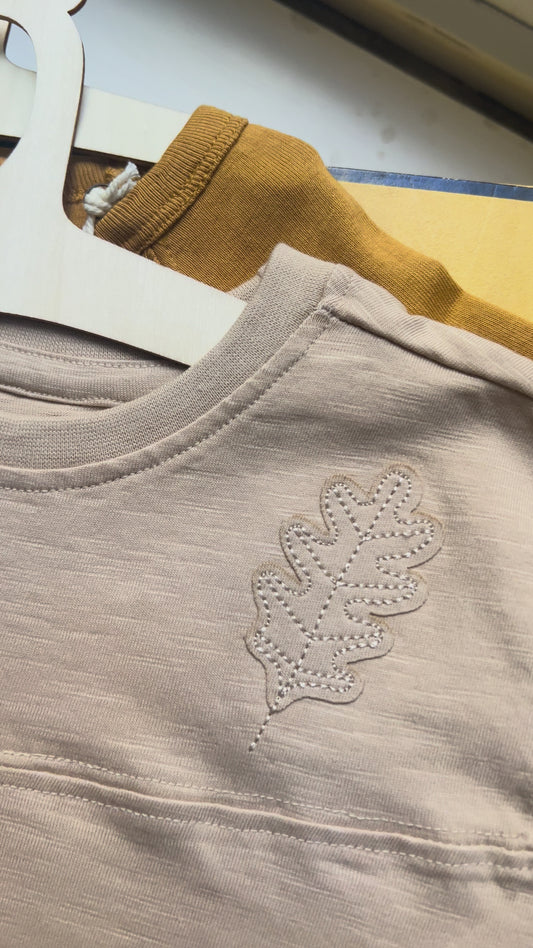
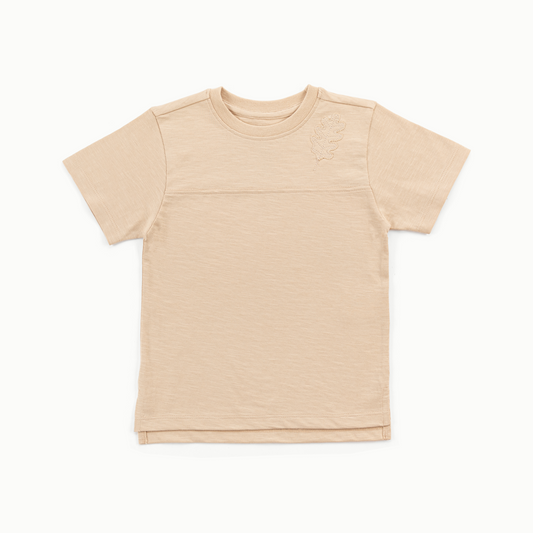
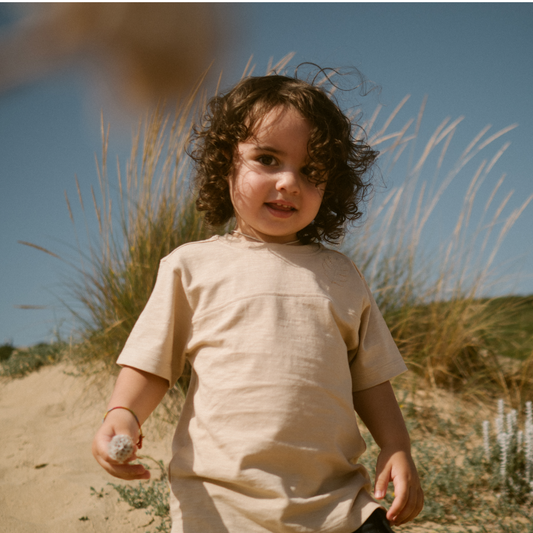
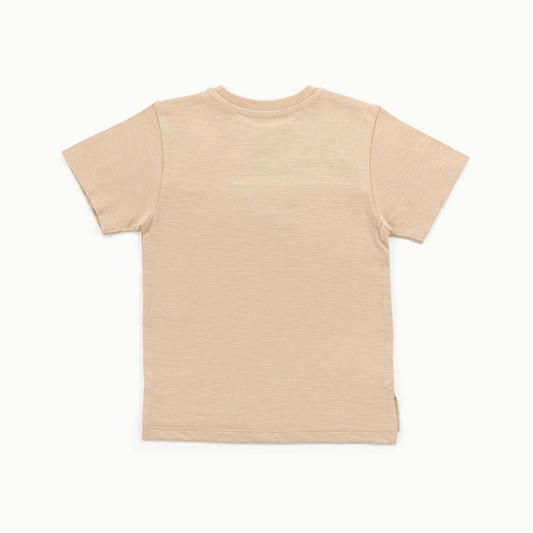
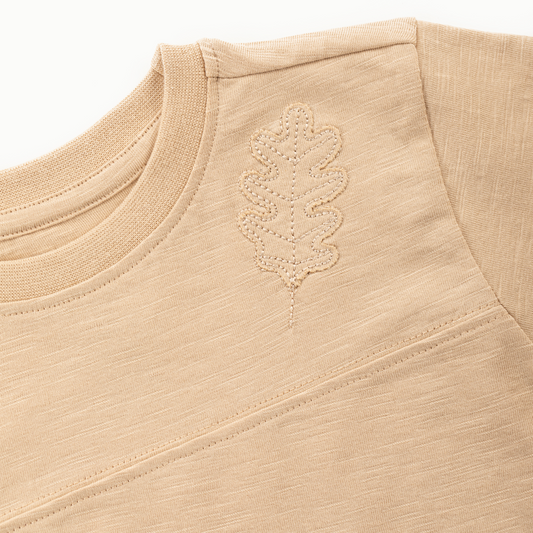
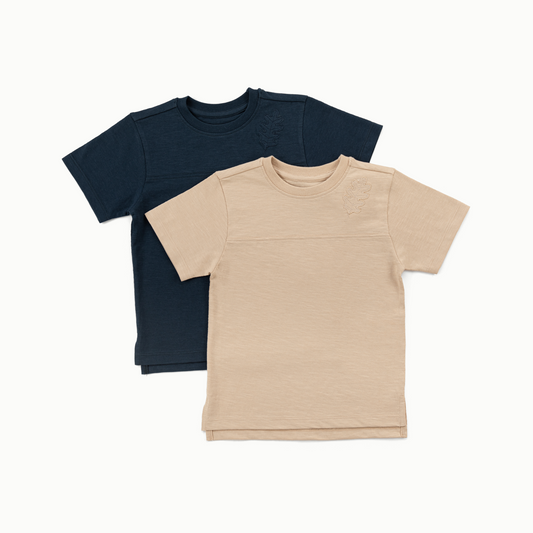
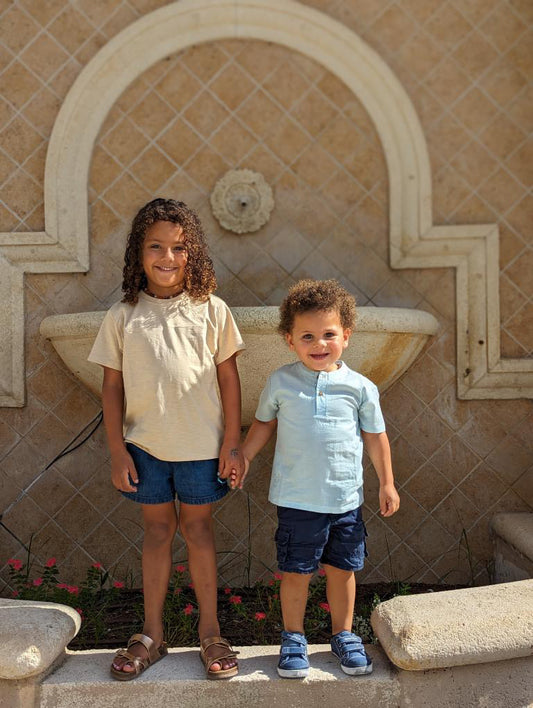
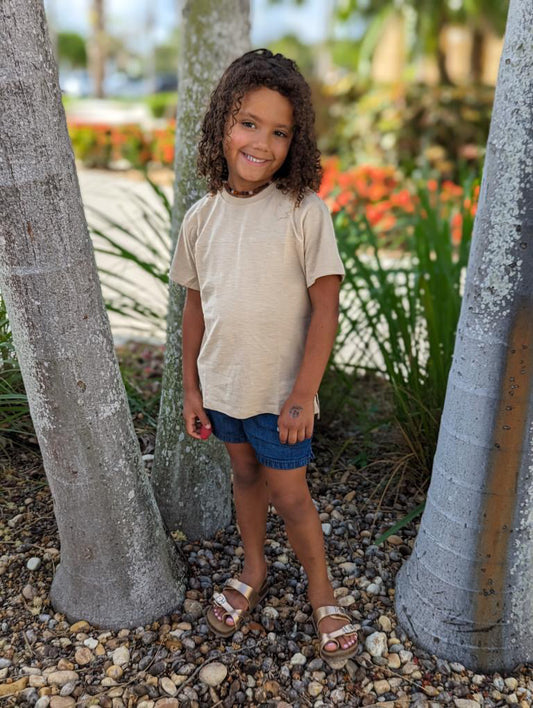
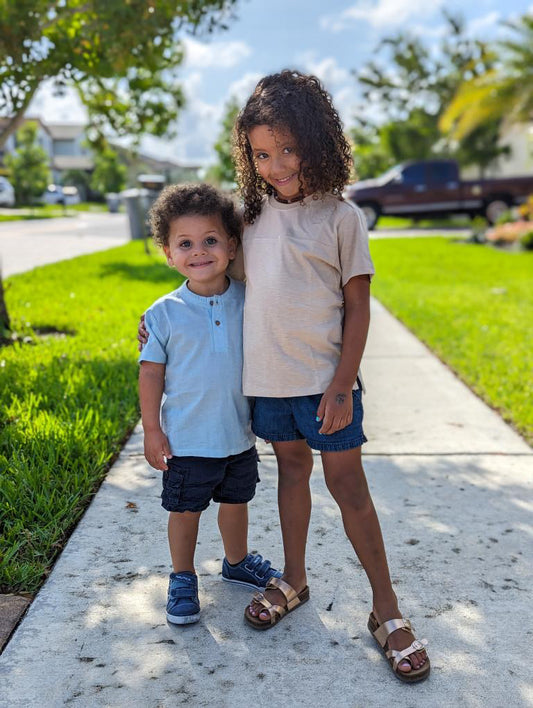
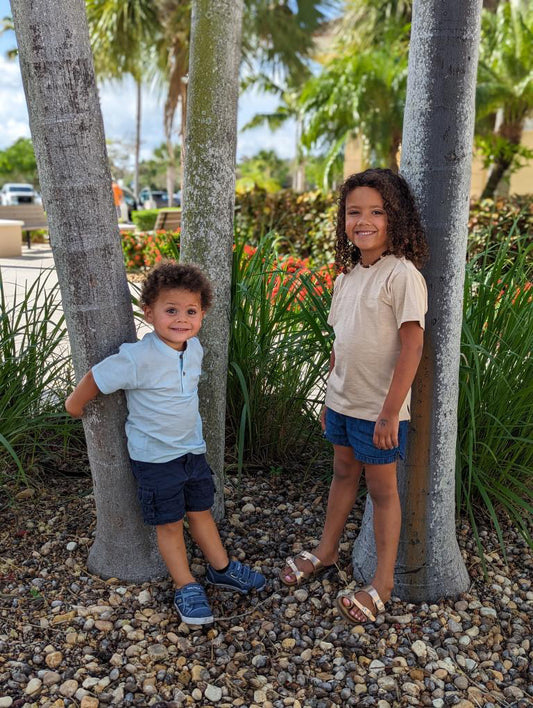 $34.002-3,3-4,4-5,5-6,6-7,7-8,8-9,9-10 yearsSELECT SIZE$22.10
$34.002-3,3-4,4-5,5-6,6-7,7-8,8-9,9-10 yearsORGANIC COTTON OAK TEE IN SANDRegular price $34.00Regular priceUnit price per$34.00Sale price $34.00 -
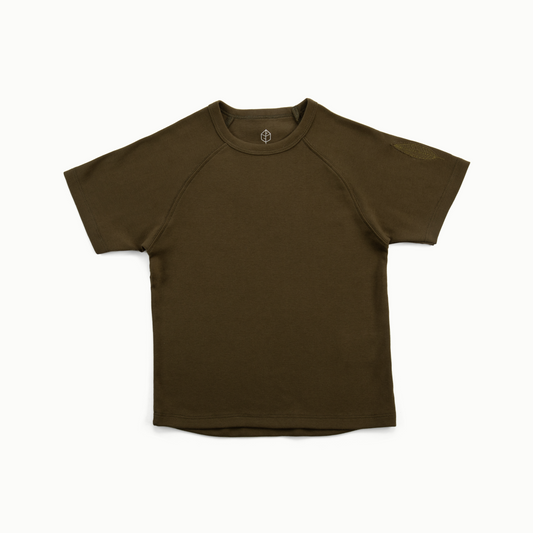
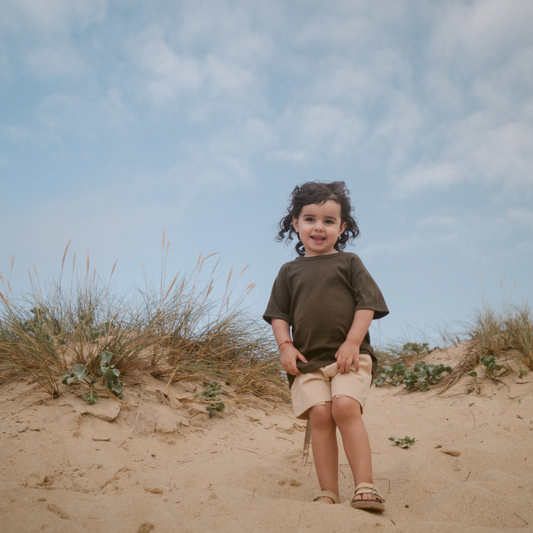
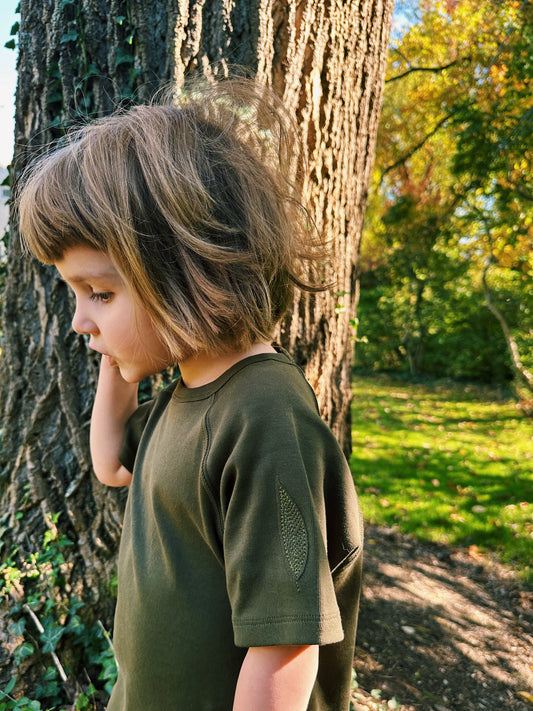
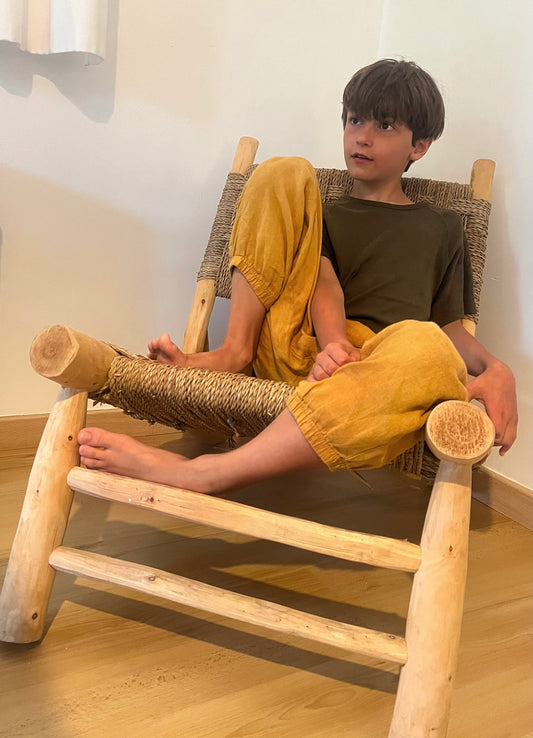
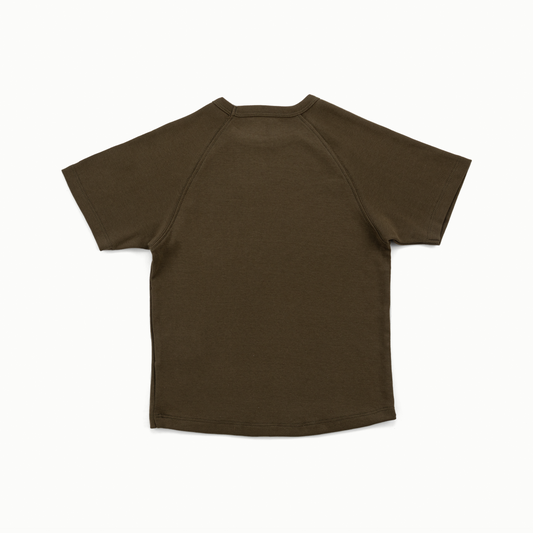
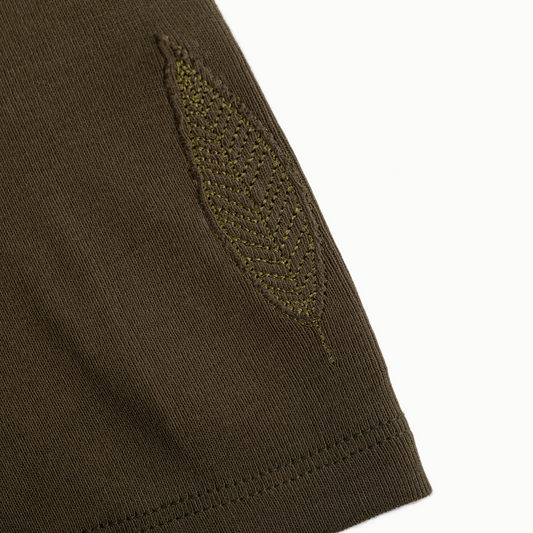
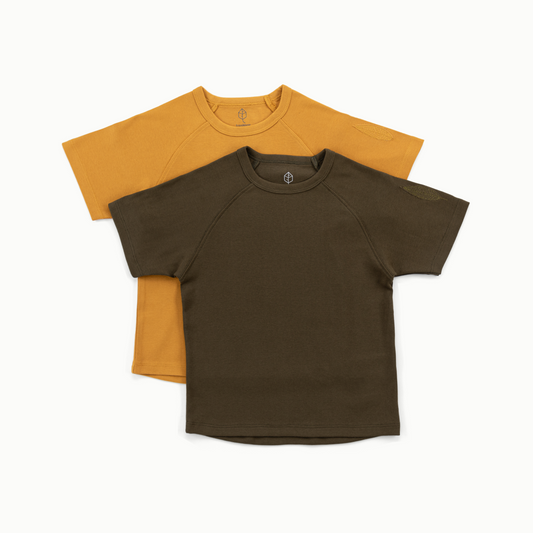 $34.002-3,3-4,4-5,5-6,6-7,7-8,8-9,9-10 yearsSELECT SIZE$22.10
$34.002-3,3-4,4-5,5-6,6-7,7-8,8-9,9-10 yearsORGANIC COTTON WILLOW TEE IN RIPE OLIVERegular price $34.00Regular priceUnit price per$34.00Sale price $34.00
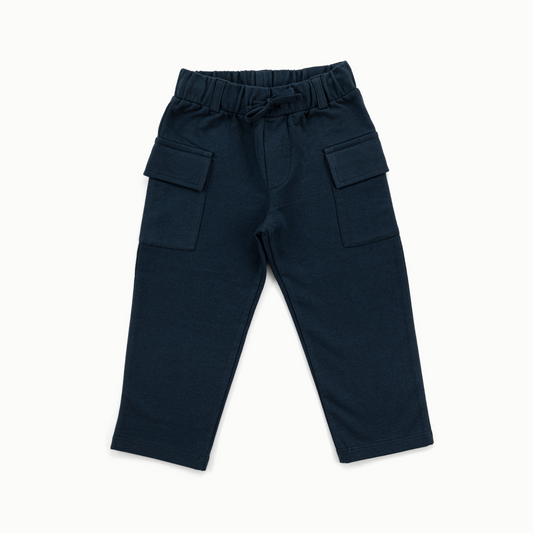
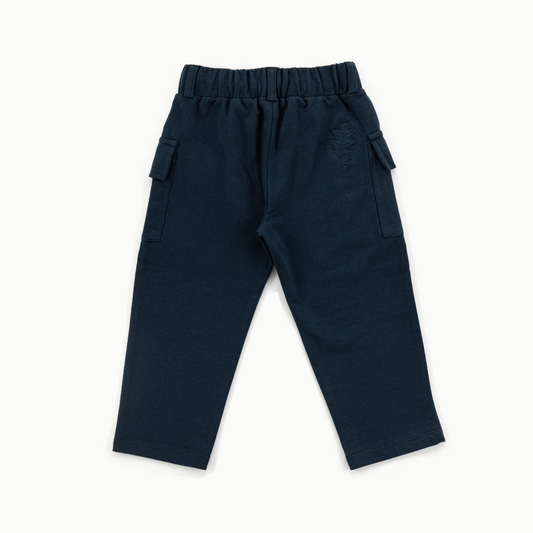
Waist fit and inseam length drive most purchasing decisions.
Adjustable waistbands provide considerably more flexibility than fixed sizing, particularly during growth spurts. Pants and shorts should allow enough room for squatting, climbing, crawling, and playground activities without excess fabric bunching around the ankles.
-
 $36.002-3,3-4,4-5,5-6,6-7,7-8,8-9,9-10 yearsSELECT SIZE$23.40
$36.002-3,3-4,4-5,5-6,6-7,7-8,8-9,9-10 yearsORGANIC COTTON BIRCH SHORT IN SANDRegular price $36.00Regular priceUnit price per$36.00Sale price $36.00 -
 $42.002-3,3-4,4-5,5-6,6-7,7-8,8-9,9-10 yearsSELECT SIZE$42.002-3,3-4,4-5,5-6,6-7,7-8,8-9,9-10 yearsORGANIC COTTON OAK PANT IN NAVALRegular price $42.00Regular priceUnit price per
$42.00Sale price $42.00 -
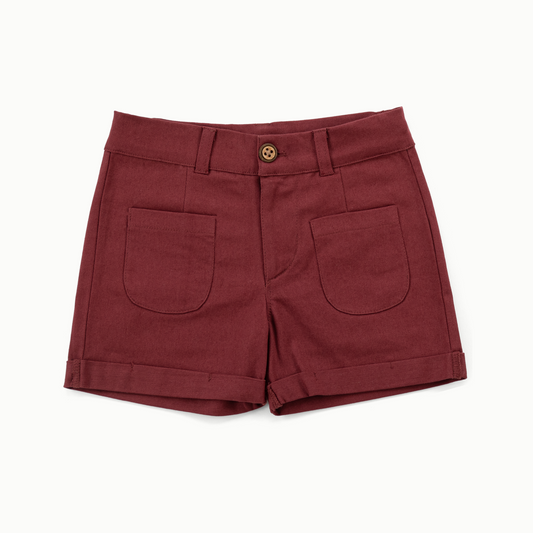
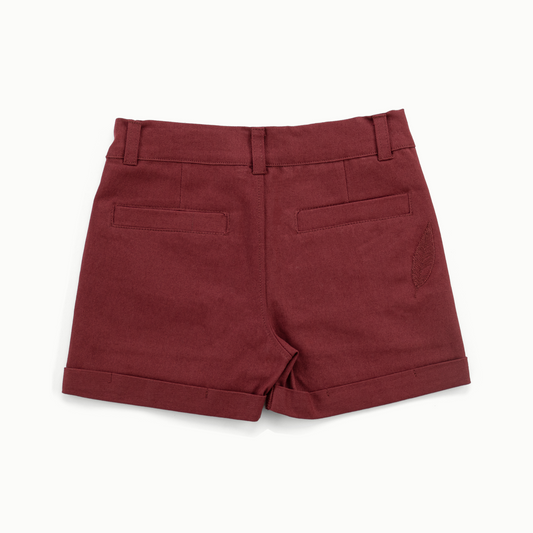
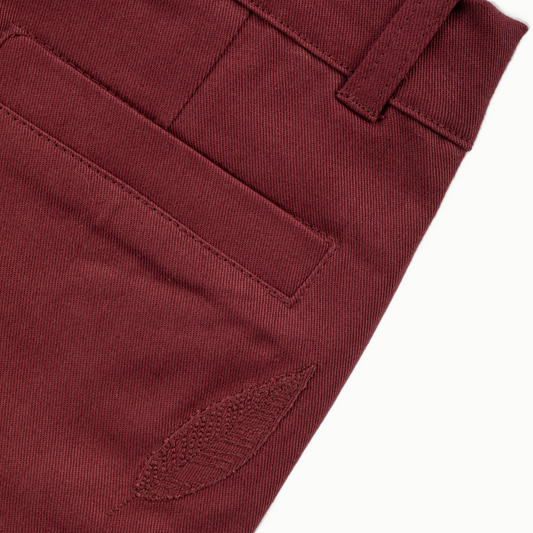
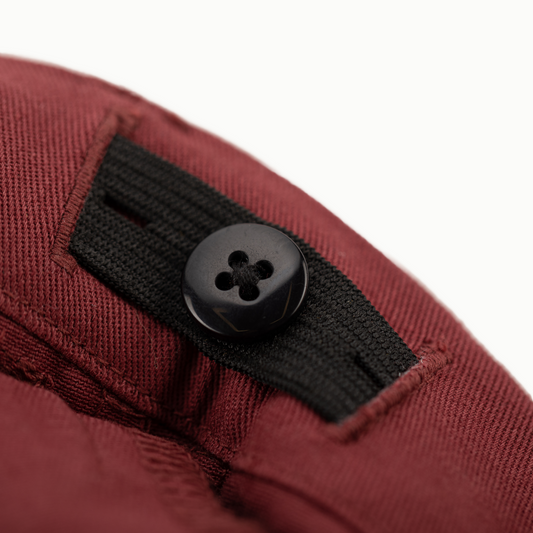
 $36.002-3,3-4,4-5,5-6,6-7,7-8,8-9,9-10 yearsSELECT SIZE$23.40
$36.002-3,3-4,4-5,5-6,6-7,7-8,8-9,9-10 yearsORGANIC COTTON WILLOW SHORT IN CANYON CLAYRegular price $36.00Regular priceUnit price per$36.00Sale price $36.00 -
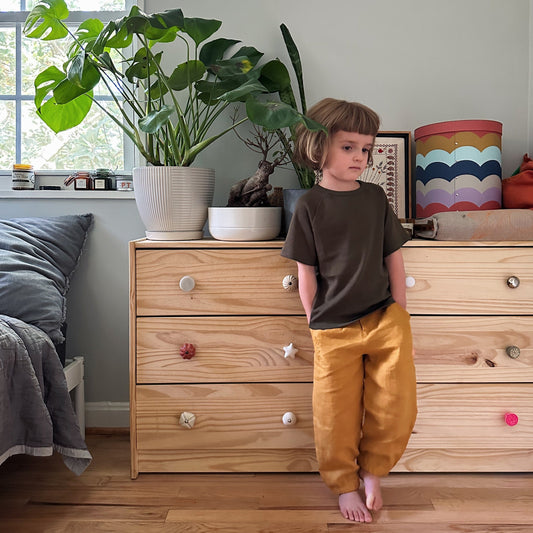
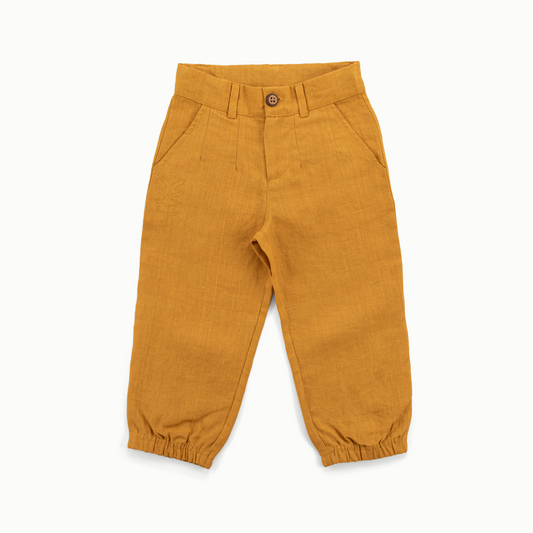
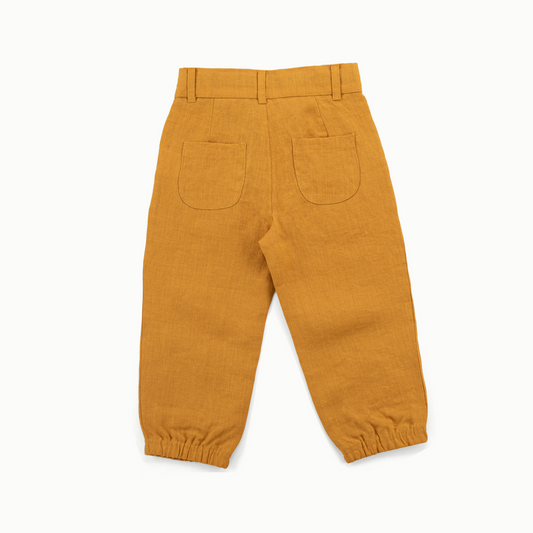
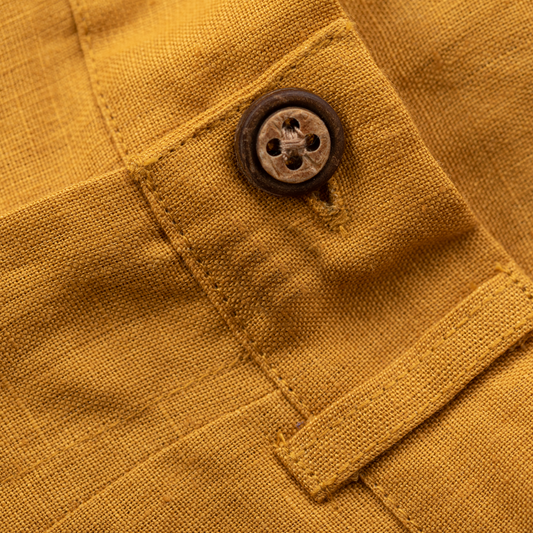
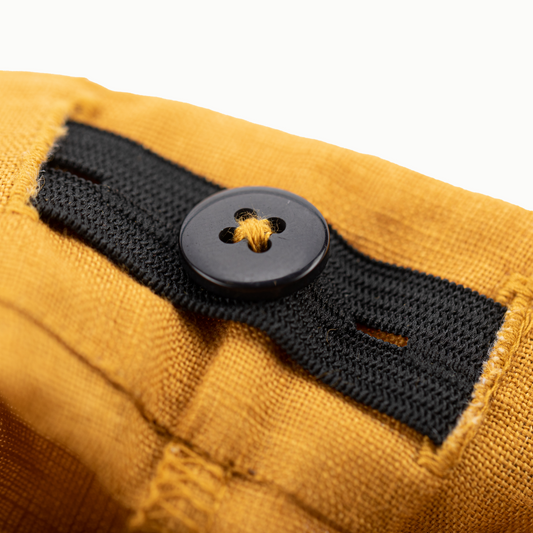
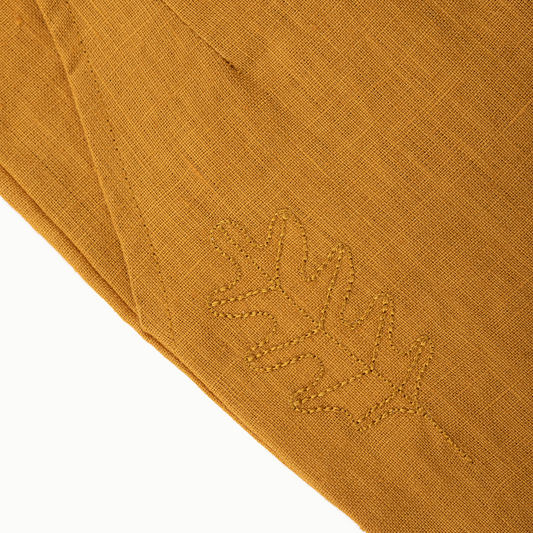
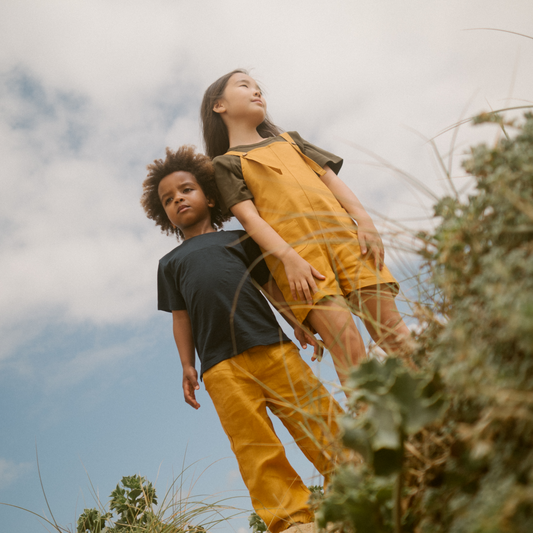
 $52.002-3,3-4,4-5,5-6,6-7,7-8,8-9,9-10 yearsSELECT SIZE$52.002-3,3-4,4-5,5-6,6-7,7-8,8-9,9-10 yearsLINEN OAK PANT IN TASSELRegular price $52.00Regular priceUnit price per
$52.00Sale price $52.00 -
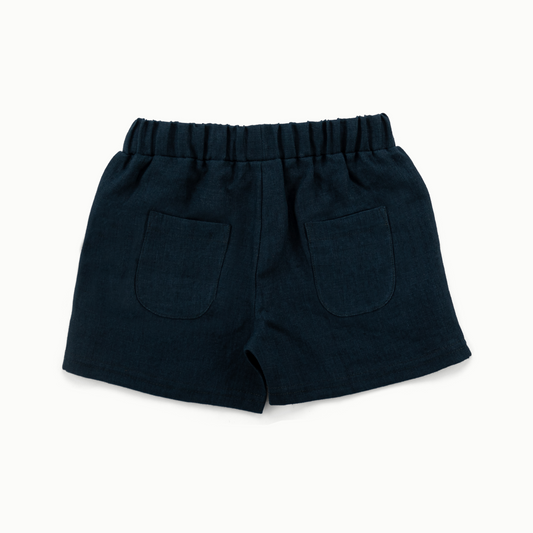
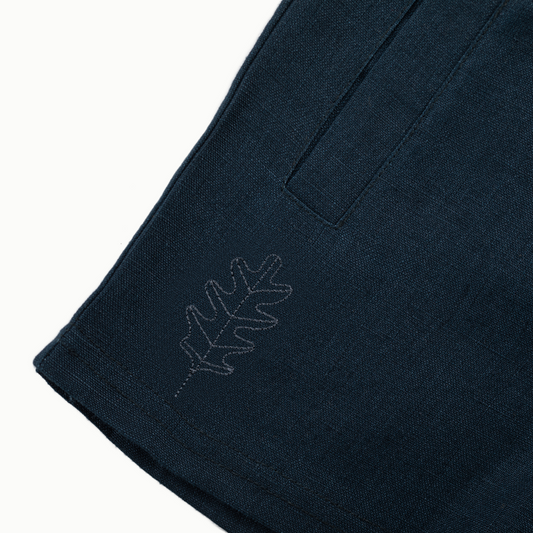
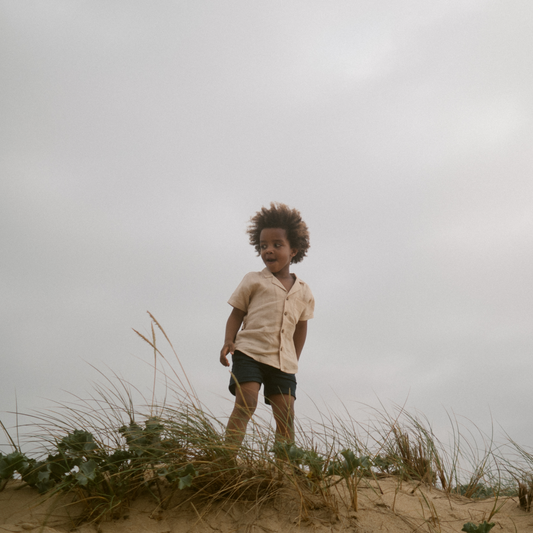 $45.002-3,3-4,4-5,5-6,6-7,7-8,8-9,9-10 yearsSELECT SIZE$29.25
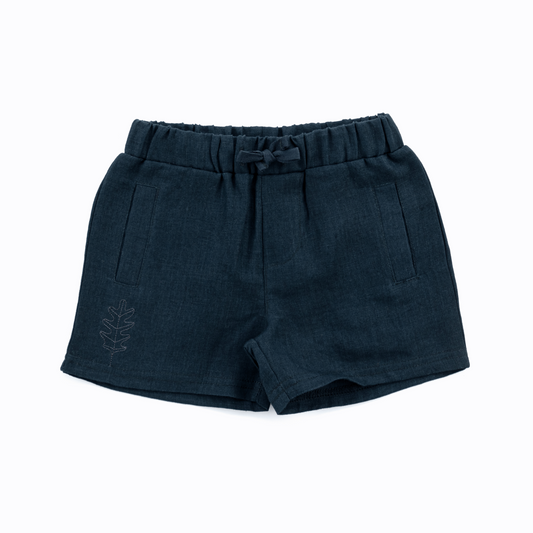
$45.002-3,3-4,4-5,5-6,6-7,7-8,8-9,9-10 yearsLINEN OAK SHORT IN NAVALRegular price $45.00Regular priceUnit price per$45.00Sale price $45.00 -
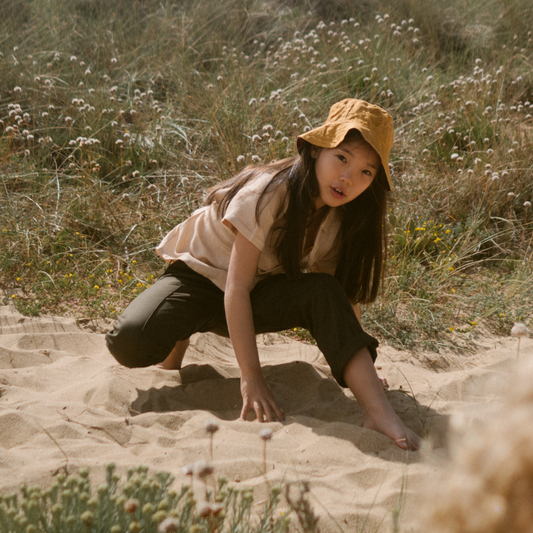
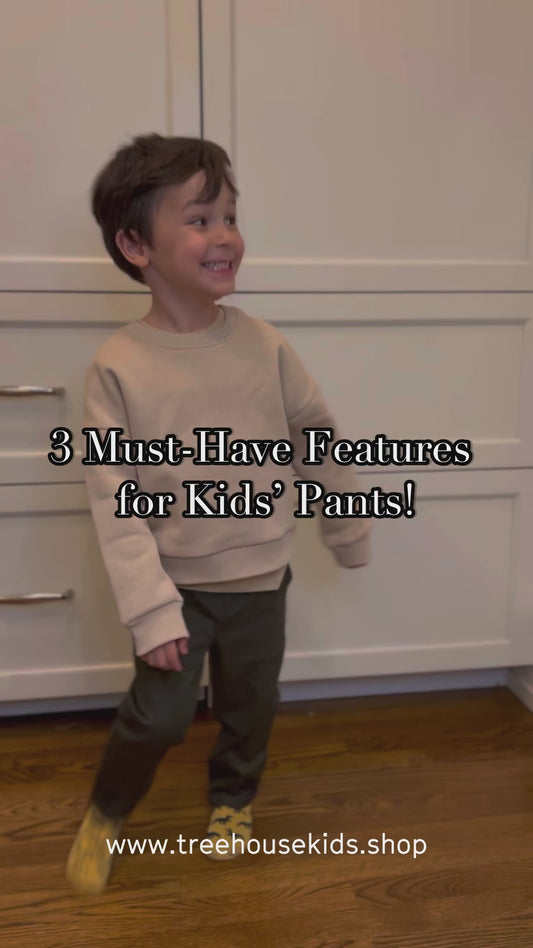
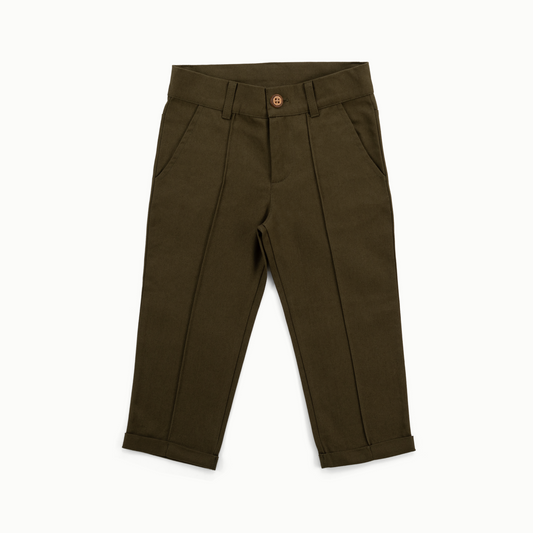
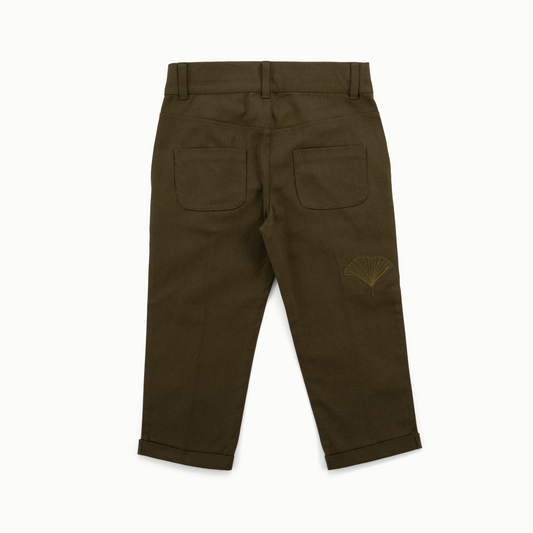
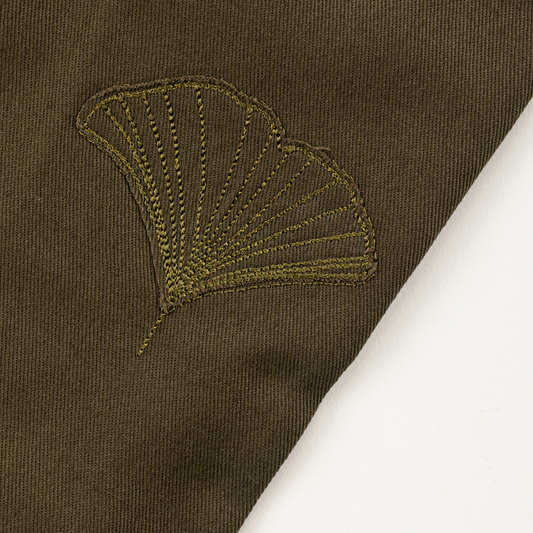
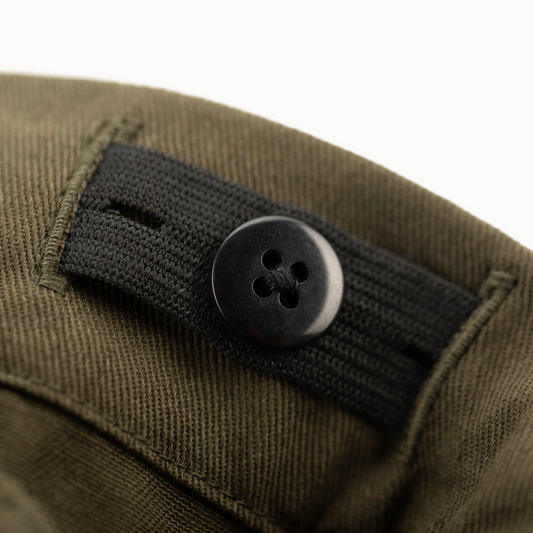 $42.002-3,3-4,4-5,5-6,6-7,7-8,8-9,9-10 yearsSELECT SIZE$42.002-3,3-4,4-5,5-6,6-7,7-8,8-9,9-10 yearsORGANIC COTTON GINGKO PANT IN RIPE OLIVERegular price $42.00Regular priceUnit price per
$42.00Sale price $42.00
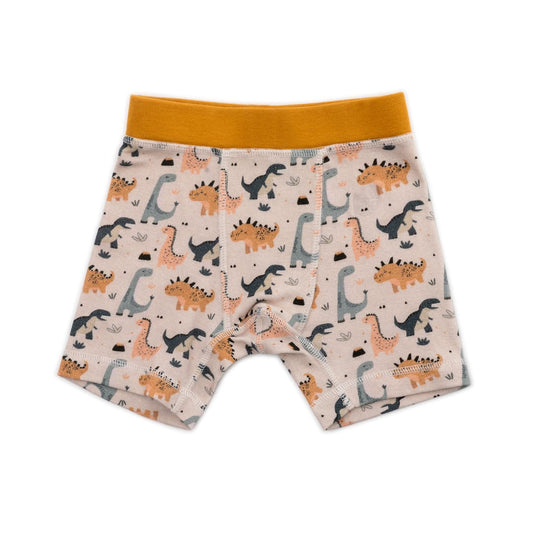
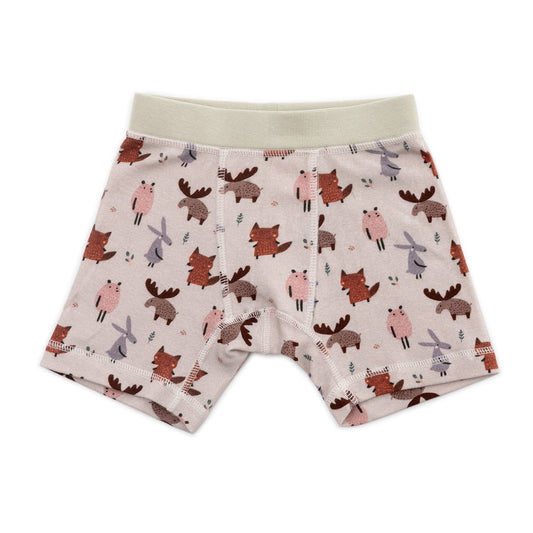
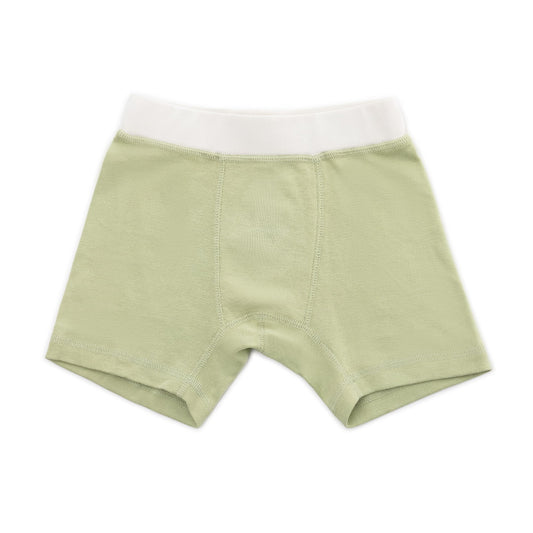
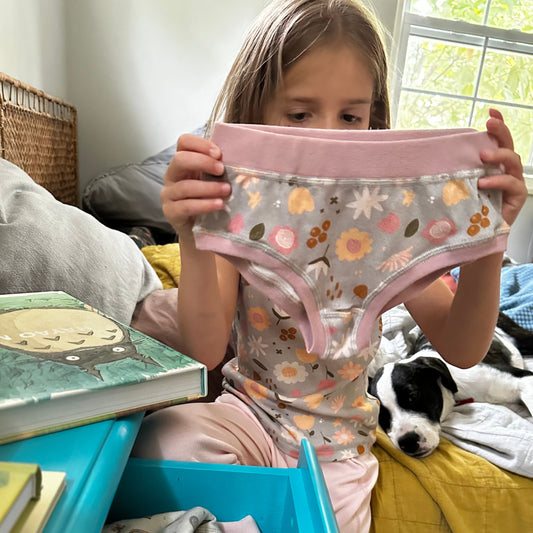
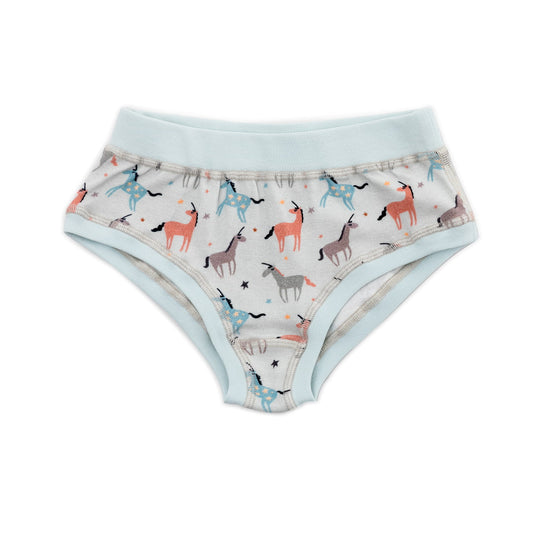
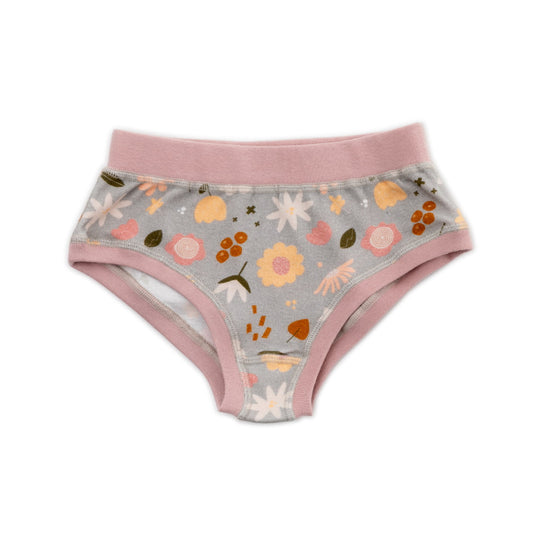
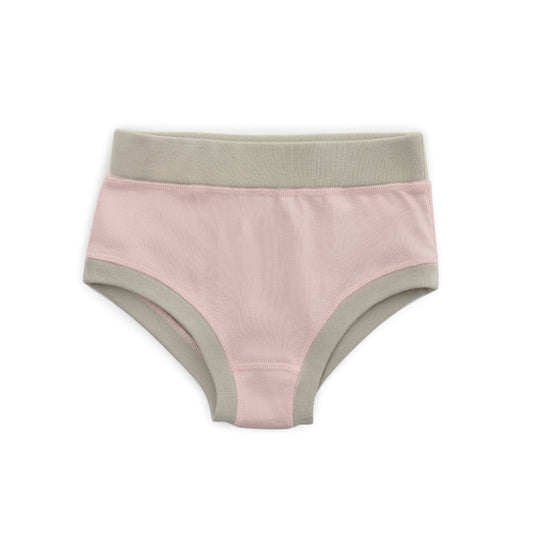
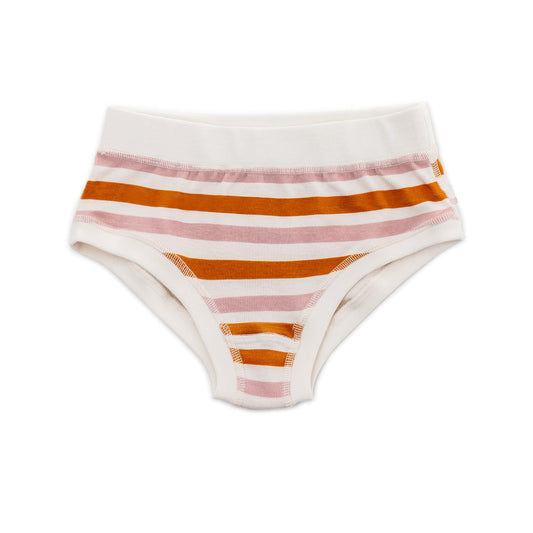
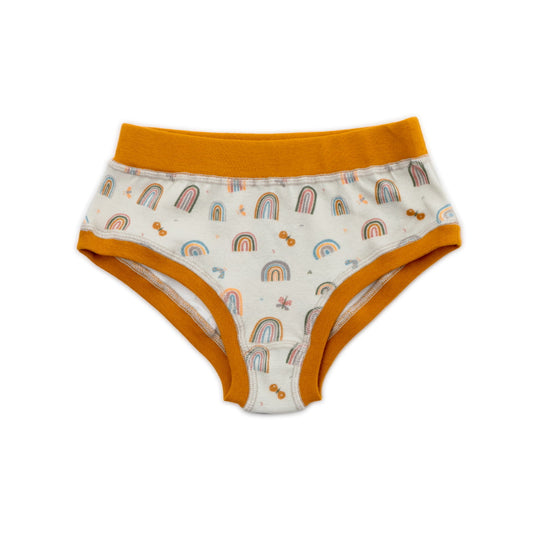
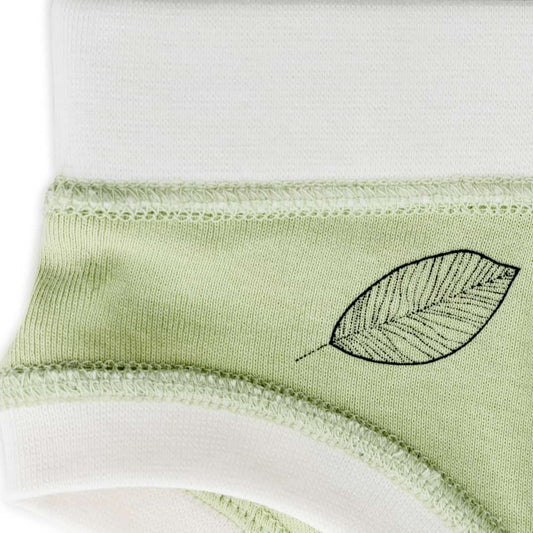
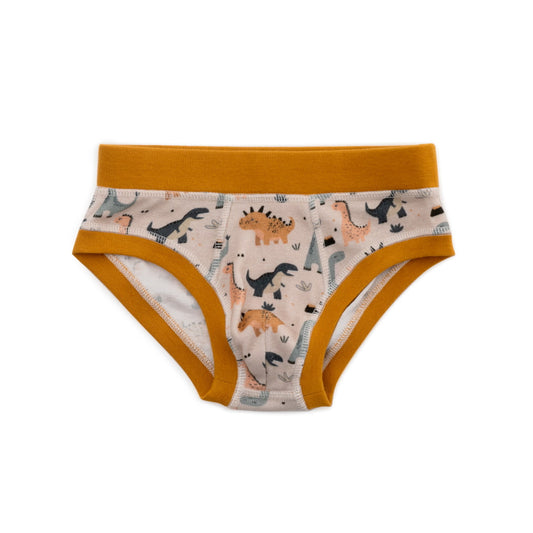
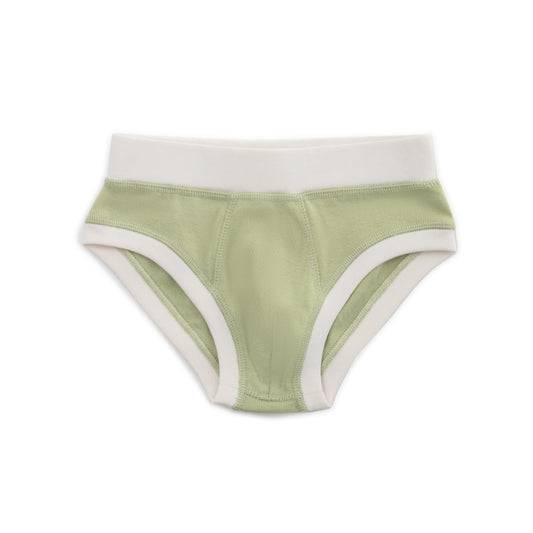
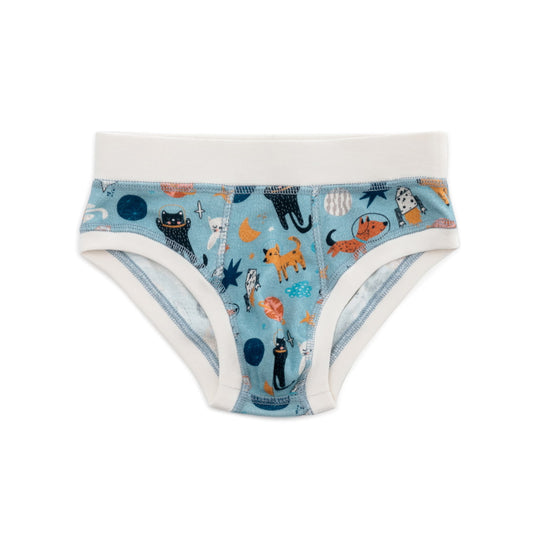
Underwear sits directly against some of the most absorbent skin on the body and often remains in contact for 10 to 14 hours each day.
Comfort becomes particularly important during potty training, when children are becoming more aware of seams, waistbands, tags, and fabric texture.
Sock sizing generally follows shoe size more closely than age. A toddler who wears larger shoes than their peers often benefits from moving up a sock size even when clothing sizes remain unchanged.
-
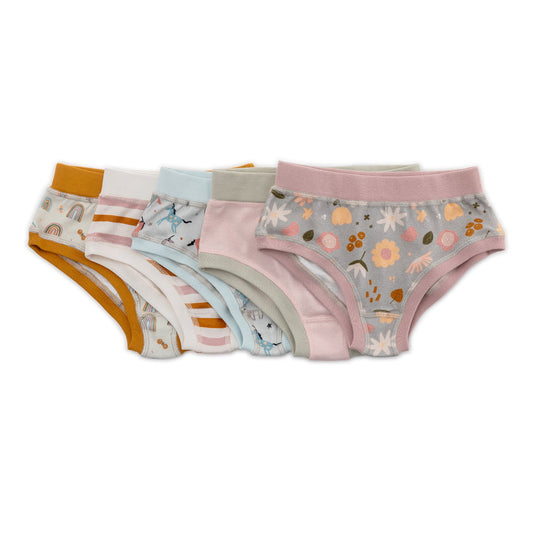
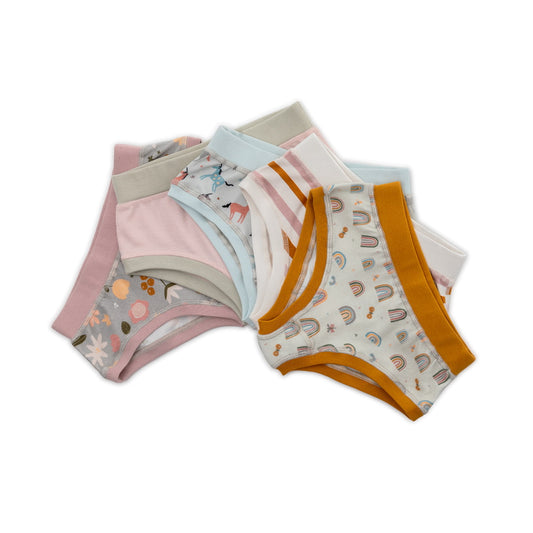
 BUY 2 - 15% BUY 3 - 20% BUY 4 - 25%$40.002-3,3-4,4-5,6,7,8,9 yearsSELECT SIZE$40.002-3,3-4,4-5,6,7,8,9 yearsORGANIC COTTON GIRLS' BRIEFS MULTI-PACK | 5 COLORSRegular price $40.00Regular priceUnit price per
 -


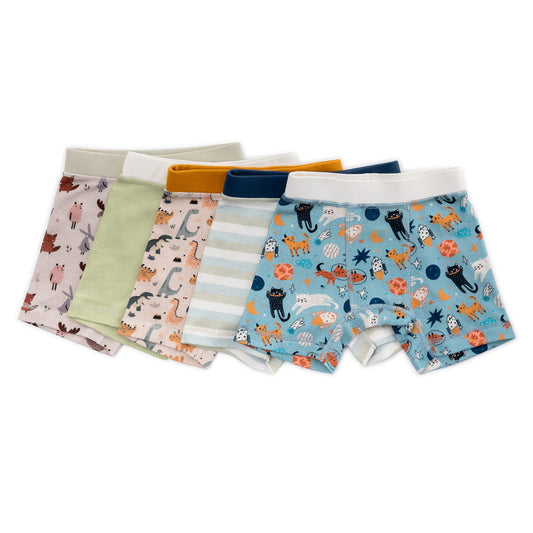
 BUY 2 - 15% BUY 3 - 20% BUY 4 - 25%$40.002-3,3-4,4-5,6,7,8,9 yearsSELECT SIZE$40.002-3,3-4,4-5,6,7,8,9 yearsORGANIC COTTON BOYS' BOXER BRIEFS MULTI-PACK | 5 COLORSRegular price $40.00Regular priceUnit price per
 -
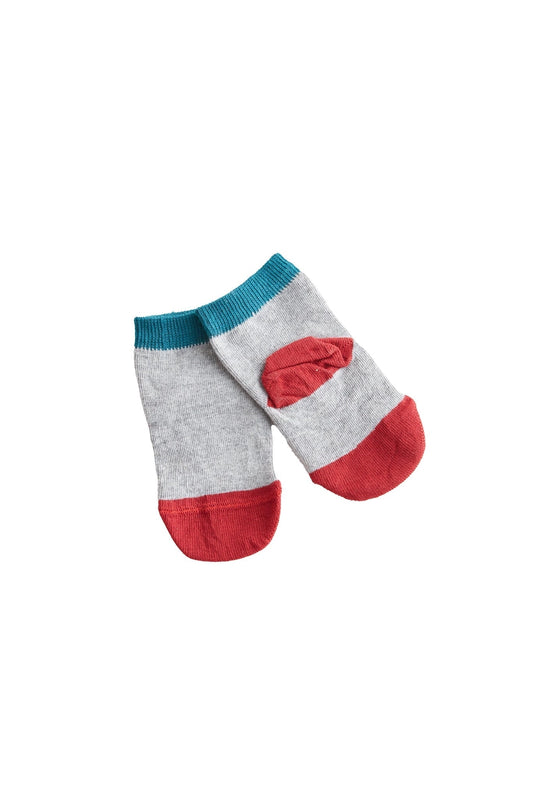
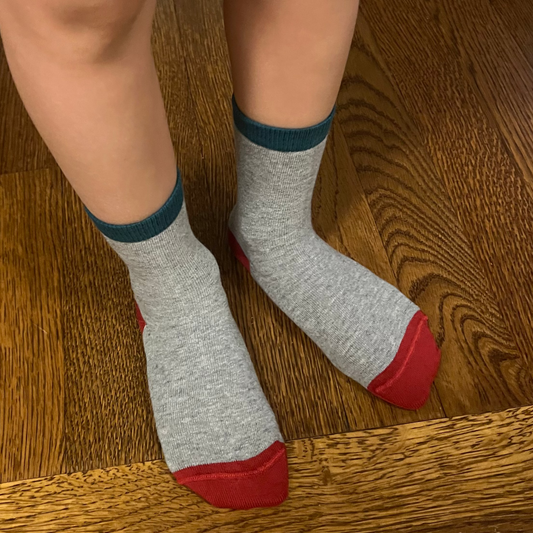 BUY 2 - 15% BUY 3 - 20% BUY 4 - 25%$45.00US Baby 0-2,US Baby 3-4.5,US Baby 5-7.5,US Toddler 8-9.5,US Little Kid 10-12.5,US Big Kid 13-3SELECT SIZE$45.00US Baby 0-2,US Baby 3-4.5,US Baby 5-7.5,US Toddler 8-9.5,US Little Kid 10-12.5,US Big Kid 13-3LEELA COTTON 98% ORGANIC COTTON KIDS CREW SOCKS, 6-PACK | GREYRegular price $45.00Regular priceUnit price per
 -
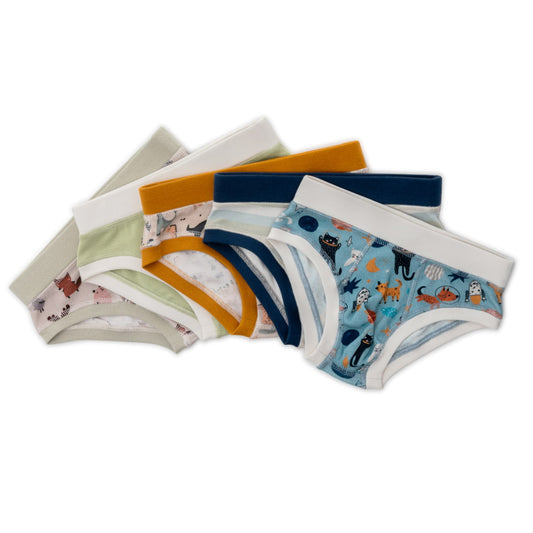
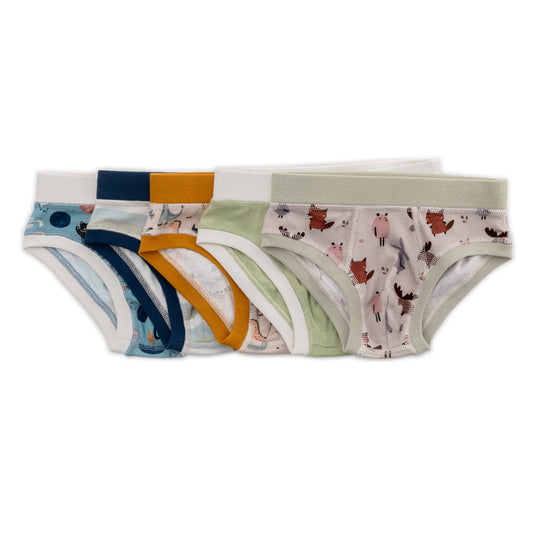
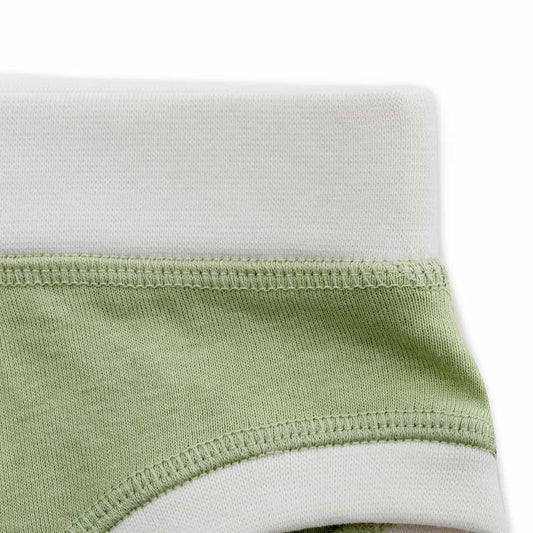
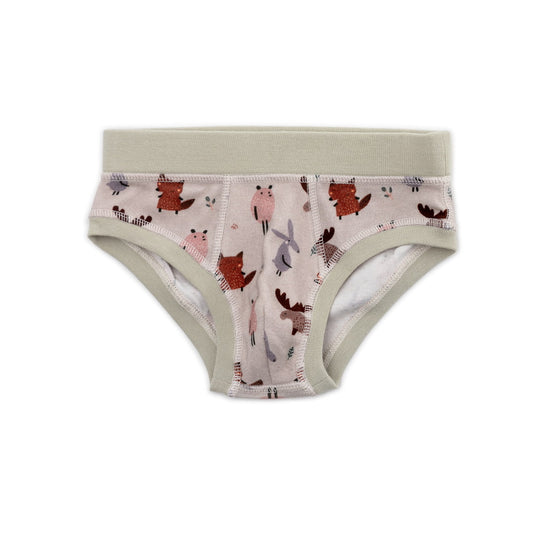 BUY 2 - 15% BUY 3 - 20% BUY 4 - 25%$40.002-3,3-4,4-5,6,7,8,9 yearsSELECT SIZE$40.002-3,3-4,4-5,6,7,8,9 yearsORGANIC COTTON BOYS' BRIEFS MULTI-PACK | 5 COLORSRegular price $40.00Regular priceUnit price per
 -
 BUY 2 - 15% BUY 3 - 20% BUY 4 - 25%$45.00US Baby 0-2,US Baby 3-4.5,US Baby 5-7.5,US Toddler 8-9.5,US Little Kid 10-12.5,US Big Kid 13-3SELECT SIZE$45.00US Baby 0-2,US Baby 3-4.5,US Baby 5-7.5,US Toddler 8-9.5,US Little Kid 10-12.5,US Big Kid 13-3LEELA COTTON 98% ORGANIC COTTON KIDS CREW SOCKS, 6-PACK | POLKA DOTRegular price $45.00Regular priceUnit price per
 -
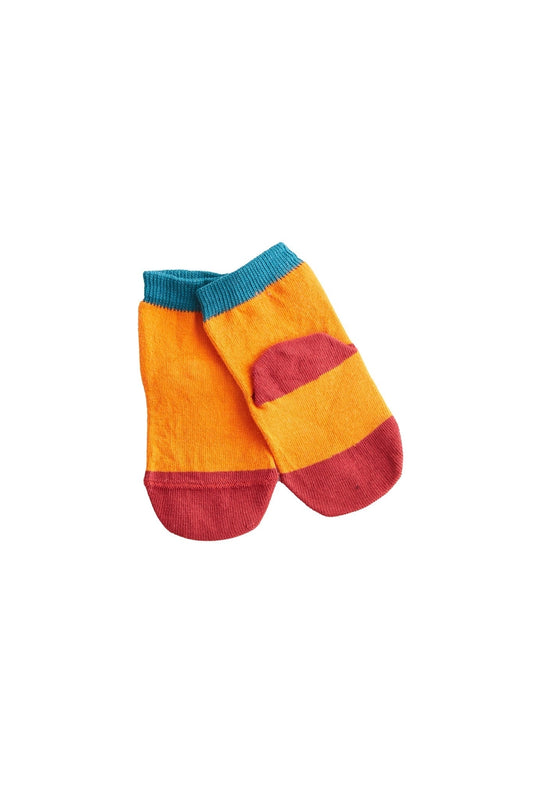 BUY 2 - 15% BUY 3 - 20% BUY 4 - 25%$45.00US Baby 0-2,US Baby 3-4.5,US Baby 5-7.5,US Toddler 8-9.5,US Little Kid 10-12.5,US Big Kid 13-3SELECT SIZE$45.00US Baby 0-2,US Baby 3-4.5,US Baby 5-7.5,US Toddler 8-9.5,US Little Kid 10-12.5,US Big Kid 13-3LEELA COTTON 98% ORGANIC COTTON KIDS CREW SOCKS, 6-PACK | ORANGE + REDRegular price $45.00Regular priceUnit price per

When to Size Up Toddler Clothes
Growth rarely announces itself.
Many parents notice a period where everything appears to fit normally followed by a sudden week when multiple items become too small at once.
Several signs tend to appear before a child officially outgrows a size.
THE ANKLE REVEAL TEST
Pants should remain close to the ankle when a child sits on the floor.
Pant legs consistently riding halfway up the calf usually indicate limited remaining wear time.
SLEEVES THAT NO LONGER STAY DOWN
Long sleeves should comfortably reach the wrist.
Shirts that consistently expose several inches of forearm during normal play often indicate the child has outgrown the size.
WAIST AND THIGH MARKS
Bath time provides a useful opportunity to check fit.
Deep elastic marks around the waist or thighs suggest the garment is becoming restrictive and may no longer allow comfortable movement.
WASHING AND SHRINKAGE
Natural fibers behave differently from heavily treated synthetic fabrics.
Most high-quality organic cotton garments experience approximately 3–5% shrinkage during initial laundering. Purchasing with a small amount of growth room helps account for both natural shrinkage and future growth.
Toddler Growth Spurts: What to Expect Between Ages 1 and 3
The explosive growth of infancy begins to slow during toddlerhood, although children continue growing rapidly compared with later childhood.
Most toddlers gain approximately 3–4 inches in height and 4–6 pounds per year between ages one and three according to CDC growth data.
Growth rarely occurs evenly.
Many families notice long periods where clothing sizes remain unchanged followed by a sudden burst during which pajamas, pants, underwear, socks, and shirts all seem to become too small at once.
Capsule wardrobes can make these transitions easier to manage. Fewer high-quality pieces that mix and match effectively often provide greater value than large collections of clothing purchased for a very short wear window.
Toddler Sizing for Special Circumstances
CHILDREN WITH SENSORY SENSITIVITIES
Small construction details can have a significant impact on comfort.
Tags, bulky seams, scratchy embroidery backings, synthetic fabrics, and tight elastics are common sources of irritation for children with sensory sensitivities, eczema, and sensitive skin.
Flatlock seams, tag-free construction, soft waistbands, breathable natural fibers, and chemical-conscious certifications such as GOTS and OEKO-TEX Standard 100 help reduce friction and irritation during everyday wear.
TALL VS. PETITE BUILDS
Children rarely grow proportionally.
Some toddlers need additional length long before they need additional width. Others require more room through the waist and hips while maintaining shorter inseams.
Adjustable waists, cuffable pants, flexible fits, and mix-and-match separates often provide more flexibility than highly fitted garments.
SEASONAL LAYERING
Base layers should fit relatively close to the body without restricting movement.
Outer layers require additional room to accommodate shirts, bodysuits, pajamas, or lightweight sweaters underneath.
Purchasing winter outerwear with modest growth room often provides the greatest return on investment because those garments typically remain in rotation across multiple seasons.
More Helpful Guides for Parents
Toddler sizing is only one part of building a comfortable, functional wardrobe.
You may also find these guides helpful:


