













CONTENTS
If your child has eczema, underwear is one of those things worth being particularly picky about because it can be a massive irritant for kids with already sensitive skin.
If I’m to summarize, the best underwear for kids with eczema is soft, breathable, loose enough not to rub, and made from 100% certified organic cotton. Look for underwear without tags, with flat or covered seams and a waistband that sits softly against the skin rather than digging into it.
To be clear, none of this will cure their eczema. But underwear sits directly against some of the warmest, most friction-prone parts of the body for hours at a time. If your child already has reactive skin, scratchy seams, synthetics, tight elastic, sweat and high chemical fabric finishes are things you simply do not need to add to the equation.
Why Underwear Matters More Than You Might Think for Eczema
When parents think about eczema-friendly clothing, they tend to focus on fabric. Don’t get me wrong, fabric matters a whole lot, and it’s still my number one check, but with underwear there is quite a bit more going on that you also need to be paying attention to.
And that’s because… underwear is worn directly against the skin all day. The waistband sits around the stomach and back. Leg openings rub around the groin and upper thighs. Heat and sweat can build up underneath clothing and with seams, elastic and potentially a scratchy label, eczema-prone skin can get particularly angry.
The American Academy of Dermatology recommends loose-fitting 100% cotton clothing for people with atopic dermatitis and specifically advises avoiding tight clothing, irritating seams and overheating. It also recommends choosing tag-free clothing or removing tags.
This is why I consider underwear one of the first things worth looking at if you are trying to make a child’s wardrobe more eczema-friendly.
It is also important to keep this in perspective. Clothing does not cause eczema and changing your child’s underwear will not cure it. Eczema is a medical condition and children experiencing persistent or significant flares should be under the care of their pediatrician or dermatologist.
What clothing can do is remove some very avoidable sources of everyday irritation and make things all around a little bit calmer.
What to Look for in Kids’ Underwear for Eczema
There is an extraordinary amount of marketing around “sensitive skin” clothing, but the actual checklist is surprisingly straightforward.
|
Look for |
Avoid |
|
100% GOTS-certified organic cotton |
Polyester or other synthetics next to the skin |
|
No tags |
Scratchy sewn-in or loose labels |
|
Flat or covered seams |
Bulky, raised seams |
|
A soft waistband |
Tight thin elastic that digs into the skin |
|
GOTS-certified, AZO-free dyes |
Heavily treated fabrics and unnecessary “performance” finishes, e.g., wrinkle-free, antimicrobial, etc. |
|
A comfortable, breathable fit |
Tight, sweat-trapping underwear |
1. Start with 100% organic cotton
The American Academy of Dermatology recommends loose-fitting, 100% cotton clothing for eczema-prone skin. The UK National Eczema Society also describes 100% cotton as the textile most commonly recommended for eczema because it is soft, cool, breathable and absorbs sweat.
And I would pay attention to the 100% part. A “cotton blend” can still contain polyester or nylon, both synthetic, plastic-based fibres that I would not personally choose as the first layer against eczema-prone skin.
But I wouldn’t stop at 100% cotton. That label only tells you the fiber content. It doesn’t tell you how the cotton was grown, dyed, processed or finished. For eczema-prone skin, I would look for certified organic cotton, ideally backed by GOTS, which places requirements on both the organic fibre and textile processing, including restrictions on many chemical inputs.
2. Look at the seams, not just the fabric
This is one of the things that gets completely overlooked.
You can buy beautiful organic cotton underwear and still have a thick overlocked seam running directly across sensitive skin.
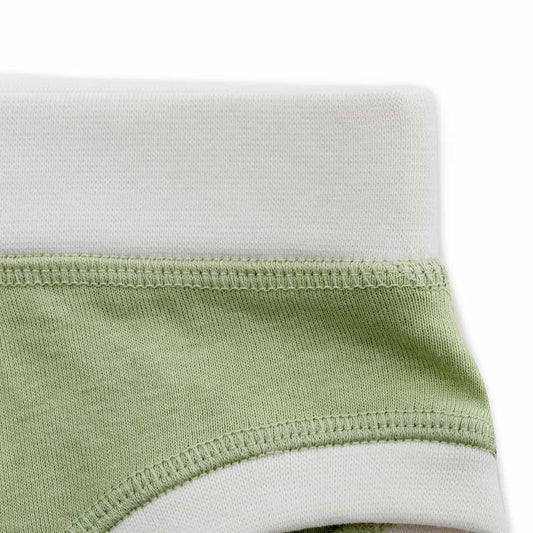
The AAD specifically advises covering seams that irritate eczema-prone skin. For underwear, I would look for genuinely flat seams wherever possible.
Run your fingers along the inside of the underwear. If you can feel a hard ridge, your child can feel it too.
This becomes particularly important for children who have eczema alongside sensory sensitivities, because something adults barely notice can become extremely uncomfortable after several hours of wear.
3. Check the waistband
The waistband is another detail that tends to disappear behind the big “ORGANIC COTTON” headline on the packaging.
But it matters.
Tight clothing can aggravate eczema, and an underwear waistband is essentially a strip of elastic sitting against the same piece of skin all day.
Look for a soft waistband with enough stretch that it stays up without leaving a deep indentation around your child’s waist.
I also prefer covered waistbands, where the elastic itself is enclosed in fabric rather than sitting directly against the skin.
4. Skip the tags
There is very little upside to putting a scratchy polyester label inside children’s underwear.
The American Academy of Dermatology specifically recommends buying clothing without tags, or removing them.
Tag-free underwear removes an extremely simple and completely unnecessary source of friction.
Is Cotton, Modal or Bamboo Better for Eczema?
 Modal, TENCEL and bamboo are marketed as particularly good choices for sensitive or eczema-prone skin because they can feel very soft. This kinda irritates me because softness and suitability for eczema are not the same thing.
If you are asking me what I would choose for a child with eczema, 100% GOTS-certified organic cotton wins by a mile.
Both the American Academy of Dermatology and the UK National Eczema Society recommend cotton, preferably 100%, for eczema-prone skin. There simply isn’t equivalent clinical evidence showing that modal, TENCEL or bamboo-derived fabrics are superior choices for eczema.
And “bamboo” deserves particular scrutiny. The vast (and I mean vast) majority of bamboo clothing isn’t bamboo fiber in the way cotton clothing is cotton fibre. It is regenerated cellulose sold as bamboo viscose or rayon, produced by chemically processing bamboo into a textile fibre. TENCEL and modal are also regenerated cellulosic fibres, although their manufacturing processes can differ considerably.
I would also go further than conventional 100% cotton. GOTS-certified organic cotton gives you considerably more assurance than “100% cotton” alone because GOTS covers organic fibre sourcing and imposes restrictions throughout textile processing, including dyes and many chemical inputs.
For underwear, pajamas and other clothing sitting against eczema-prone skin for hours, my first choice would be 100% GOTS-certified organic cotton, with flat seams, no scratchy tags, covered elastics where possible and a comfortable, breathable fit.
That is a much stronger proposition than simply choosing whichever fabric currently has the best sensitive-skin marketing.
What About Dyes and Chemicals?
Textiles can go through scouring, bleaching, dyeing, printing, washing, softening and finishing, which means two garments labelled “100% cotton” can have very different processing histories.
For most children, that may never cause an obvious problem. But when I’m choosing clothing specifically for eczema-prone or highly reactive skin, I want to reduce unnecessary variables, including harsh finishes, dyes and processing chemicals.
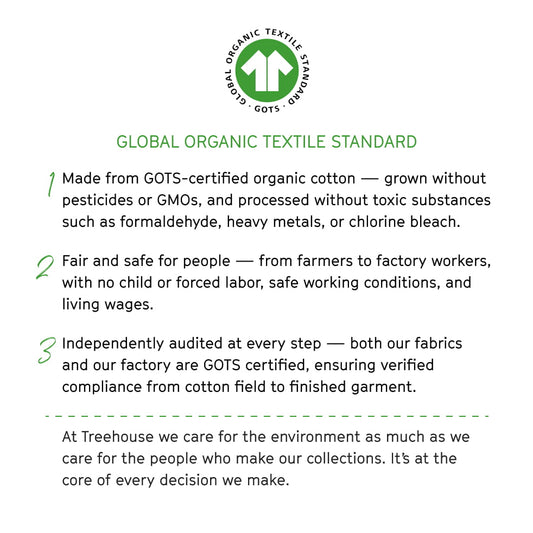
This is one reason I strongly prefer GOTS-certified organic cotton. GOTS goes far beyond verifying that the cotton was organically grown. Its textile-processing standard restricts or prohibits numerous chemical inputs, sets requirements for dyes and auxiliaries, prohibits certain problematic substances and finishes, and includes limits for residues in the finished textile. In practical terms, you have far more information about how that cotton was processed than you get from a label that simply says “100% cotton” or even “organic cotton.”
OEKO-TEX STANDARD 100 is also worth looking for, although it does something different. It tests the finished textile and its components against limits for a broad range of harmful substances. Products intended for babies and young children fall under its strictest product class. It does not mean the fibre is organic, but it provides an additional layer of independent testing that a generic “non-toxic” claim does not.
For eczema-prone skin, my preference would therefore be 100% GOTS-certified organic cotton, with OEKO-TEX STANDARD 100 certification providing another useful assurance where available.
And I would be skeptical of words such as “natural,” “clean,” “eco-friendly,” “skin-friendly,” and “non-toxic” when there is no independent standard behind them. For reactive skin, I’m much more interested in what has been independently verified than what a marketing department has decided to put on the product page.
How to Wash Underwear for a Child With Eczema
You can buy carefully chosen underwear and then undo some of that work in the laundry room.
The American Academy of Dermatology recommends washing new clothing before it is worn and using fragrance-free, dye-free laundry detergent for eczema-prone skin.
The UK National Eczema Society gives similar advice and also recommends avoiding fabric softeners and dryer sheets.
A few simple rules are worth following:
-
Wash new underwear before the first wear.
-
Choose fragrance-free and dye-free detergent.
-
Skip fabric softener and fragranced laundry products.
-
Make sure detergent is thoroughly rinsed from the clothing.
-
Wash underwear regularly to remove sweat, creams and other residues.
And remember that “unscented” and “fragrance-free” are not necessarily the same thing. If your child has particularly reactive skin, read the actual product information rather than relying on the picture of a leaf on the bottle.
What Makes Treehouse Underwear Different?

I developed our underwear after becoming frustrated by how many supposedly “better” children’s basics solved one problem while ignoring five others.
Organic cotton was important to me, but I did not think an organic cotton label was enough.
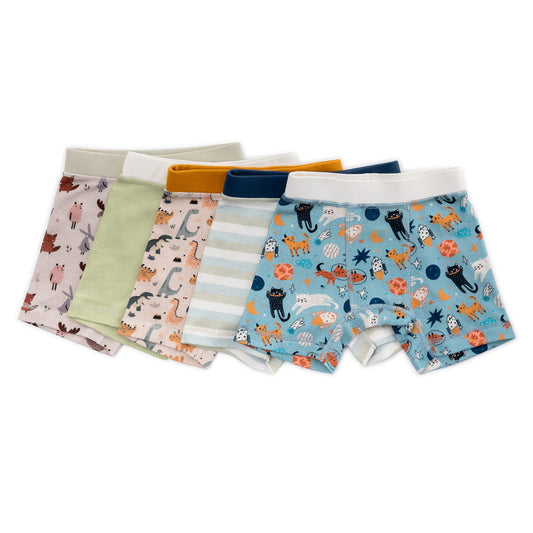
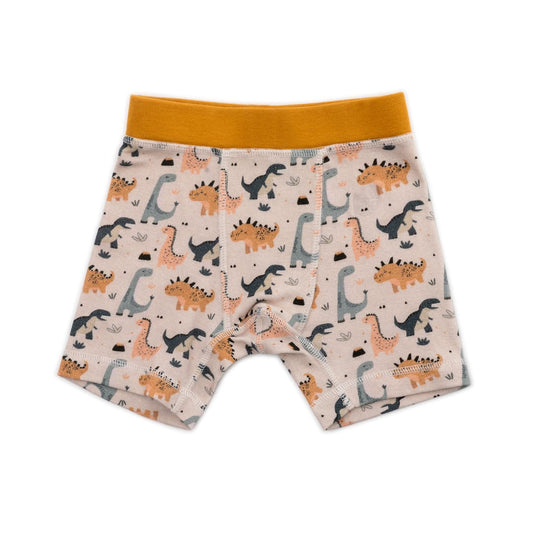
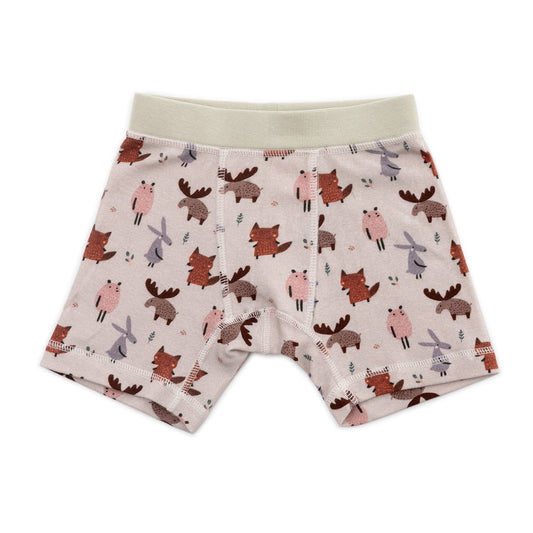
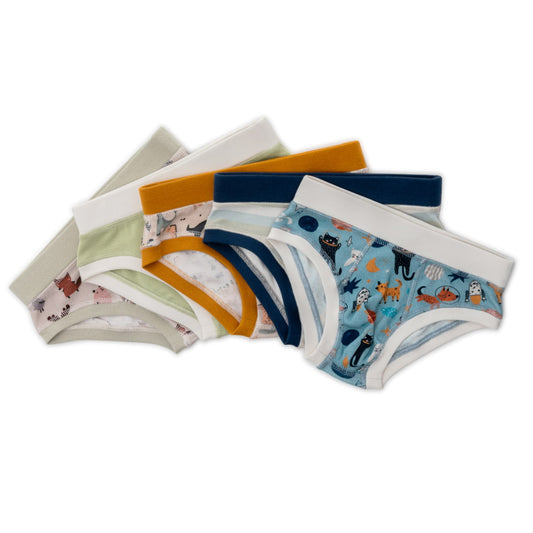
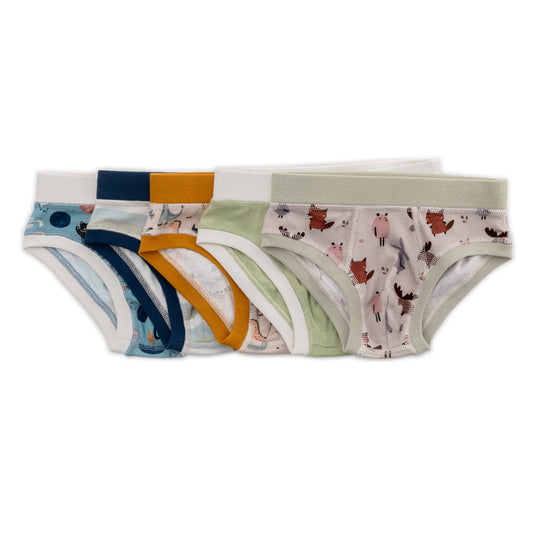
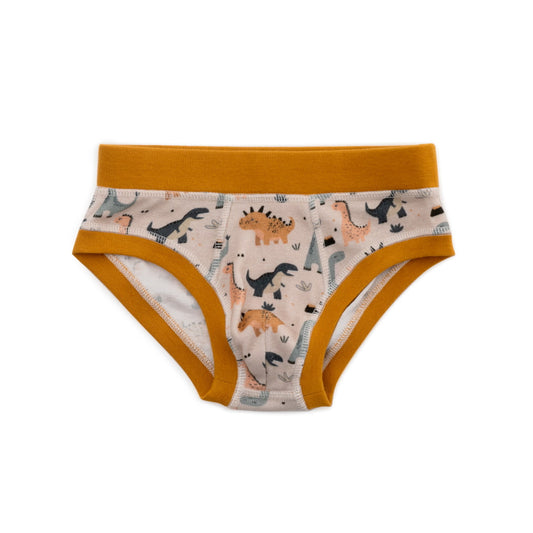
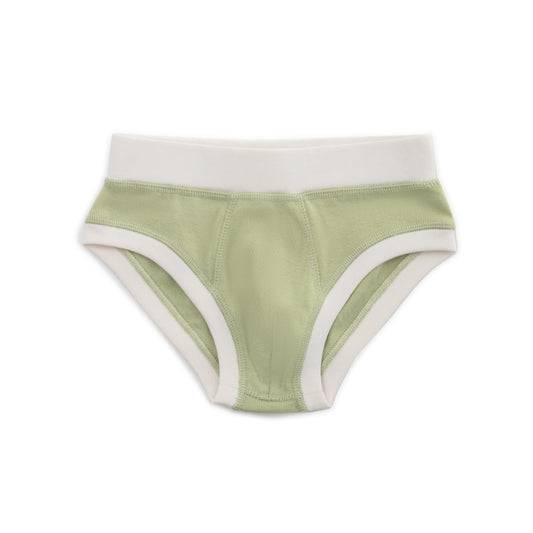
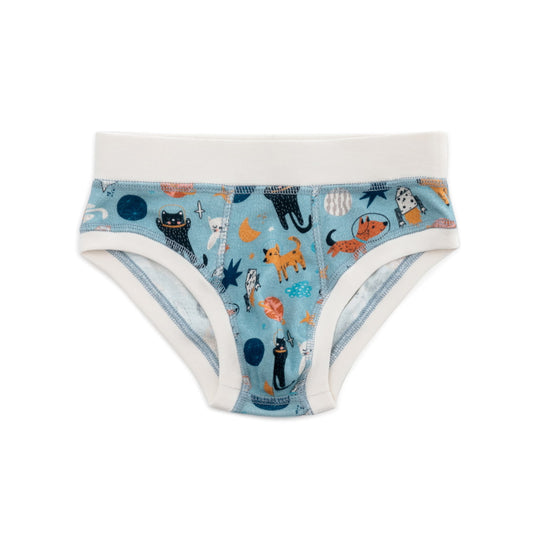
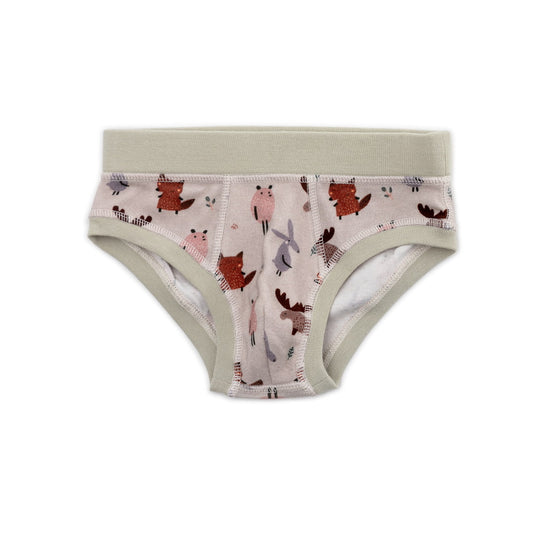
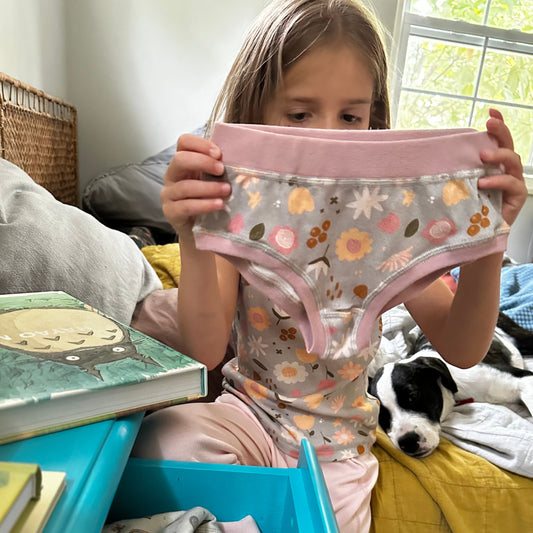
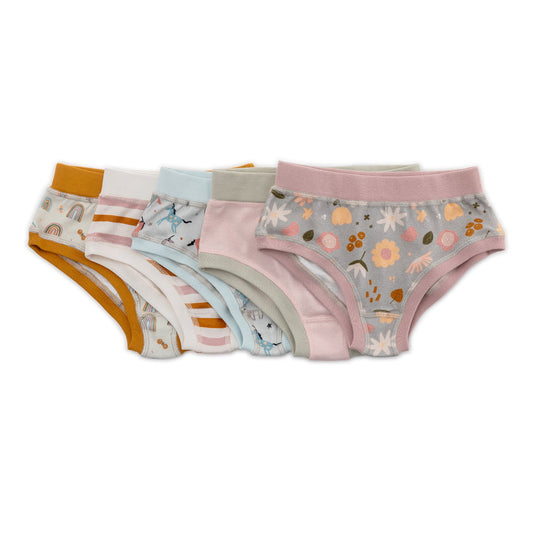
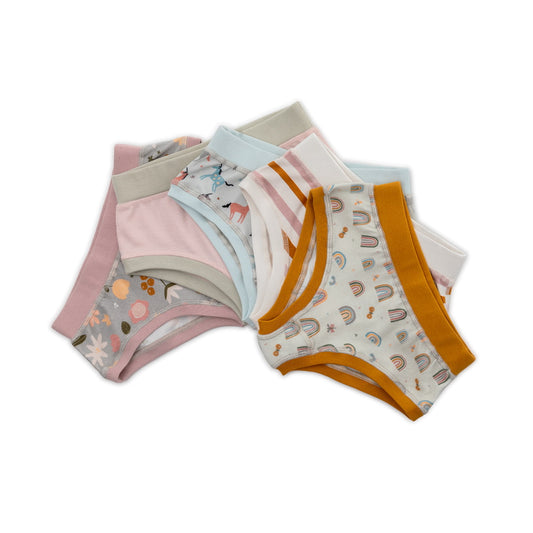
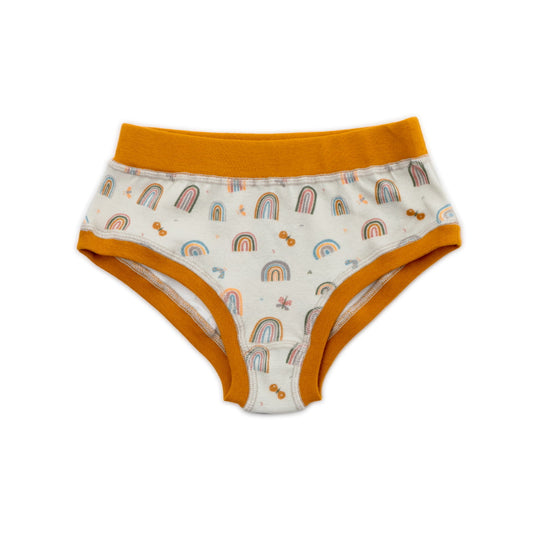
Treehouse kids’ underwear is made from 100% GOTS-certified organic cotton and colored using AZO-free, water-based dyes.
But I was equally obsessive about construction.
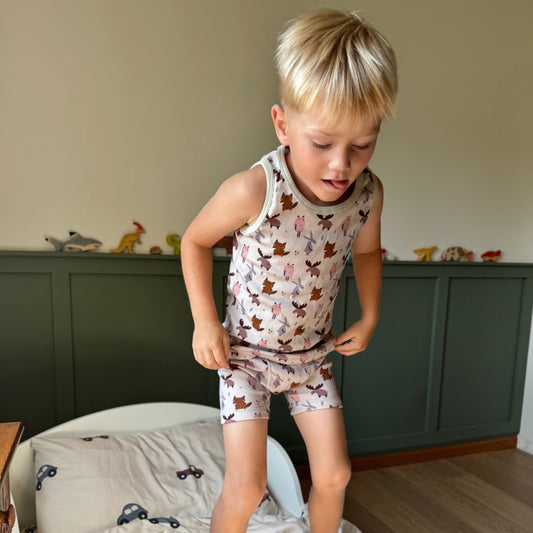
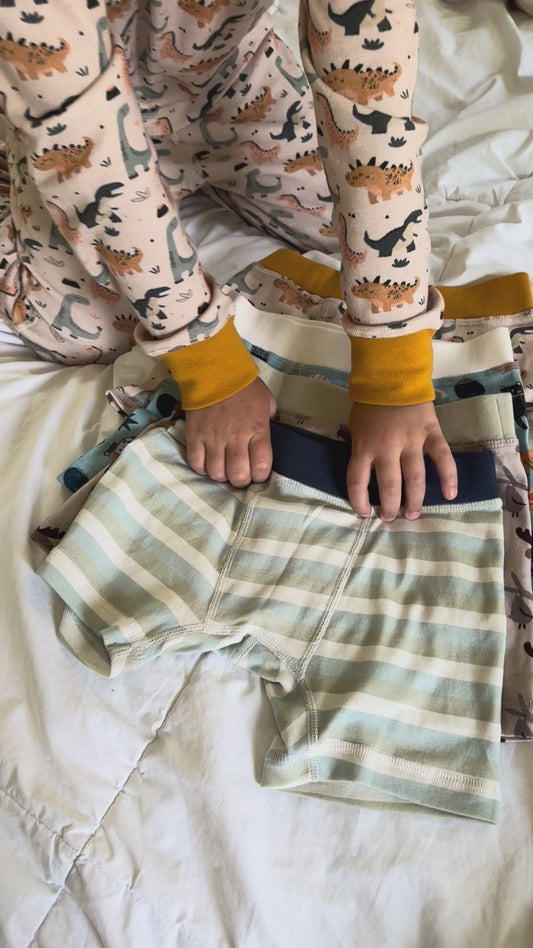
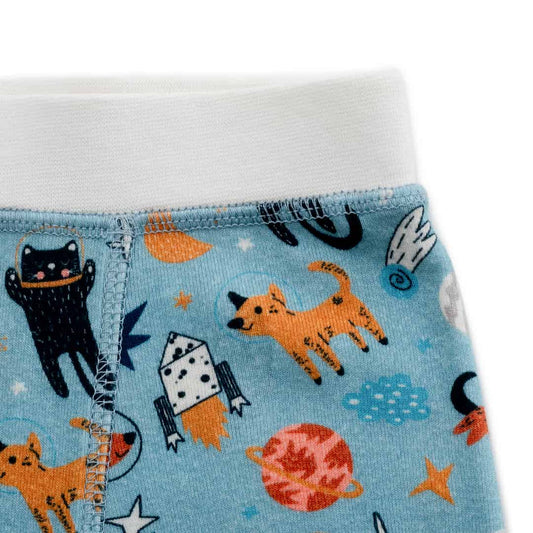
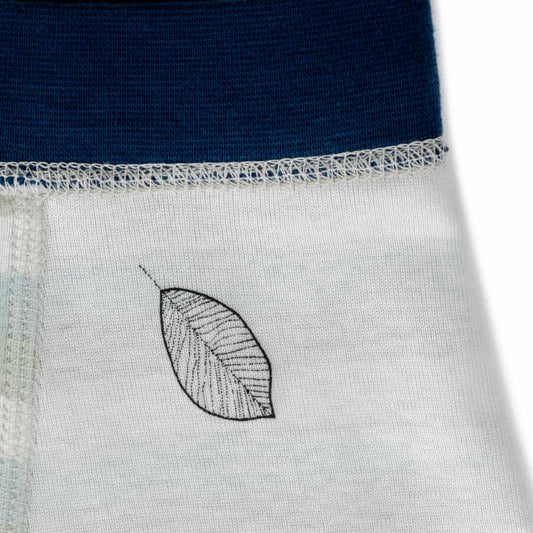
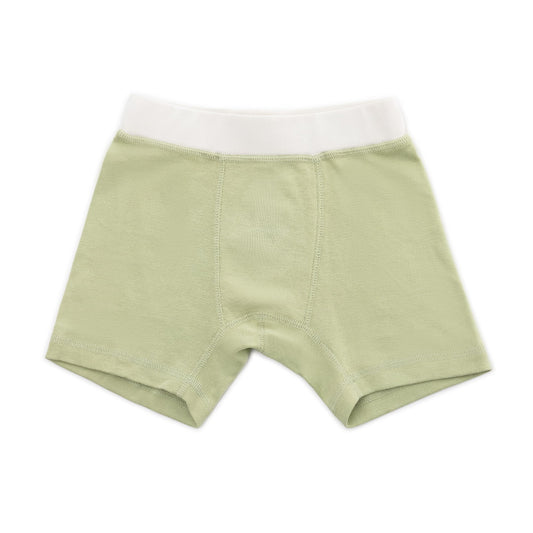
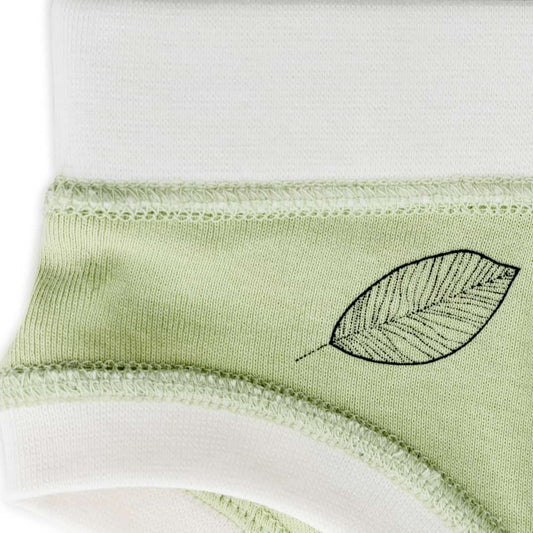
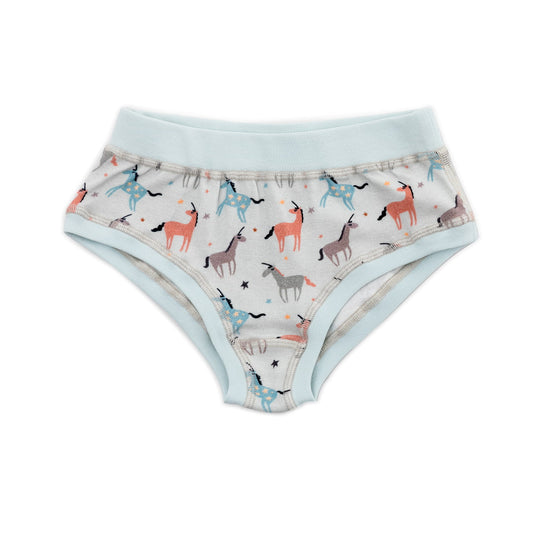
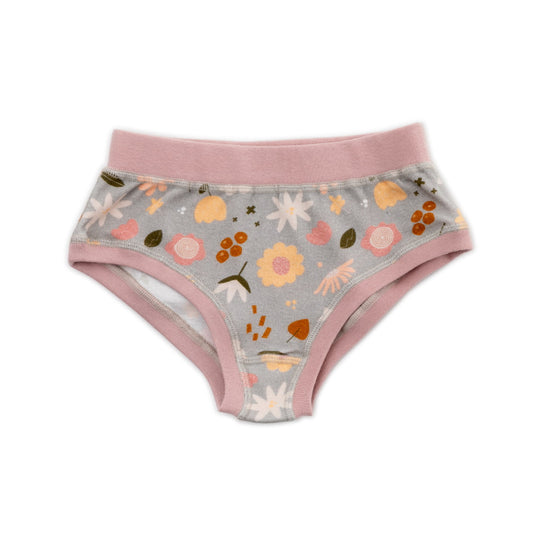
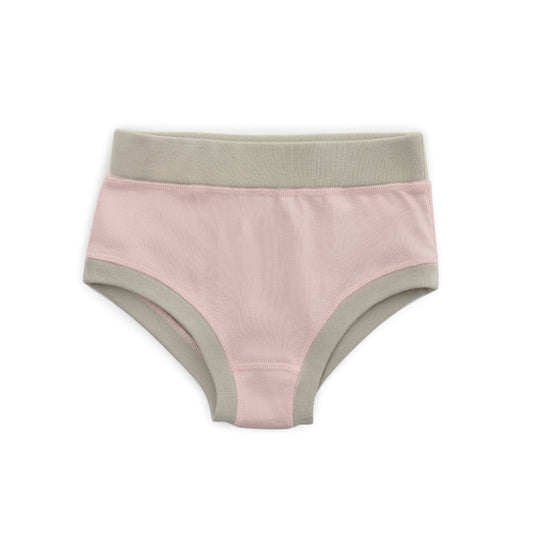
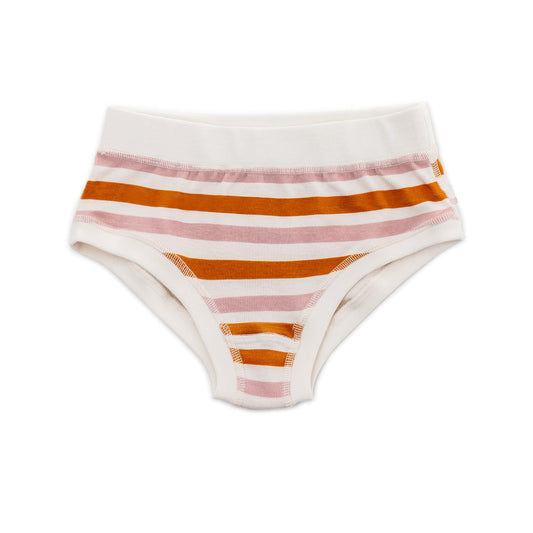
There are no tags. We use genuinely flat seams rather than the thick raised seams you find inside most children’s underwear. The waistband is soft and covered so the elastic does not sit directly against the skin. And the cotton itself is substantial rather than the increasingly thin jersey used by many brands to reduce manufacturing costs.
These were not decorative design decisions. They were decisions about what it actually feels like to have a garment sitting against your skin all day.
Interestingly, the finished underwear ended up aligning almost point for point with the clothing features dermatologists recommend for eczema-prone skin: 100% cotton, no irritating tags, minimal seam friction, a comfortable fit and fewer unnecessary textile chemicals.
That is why our underwear has also become one of the products I most often recommend to parents looking at our wider eczema-friendly clothing range.


